
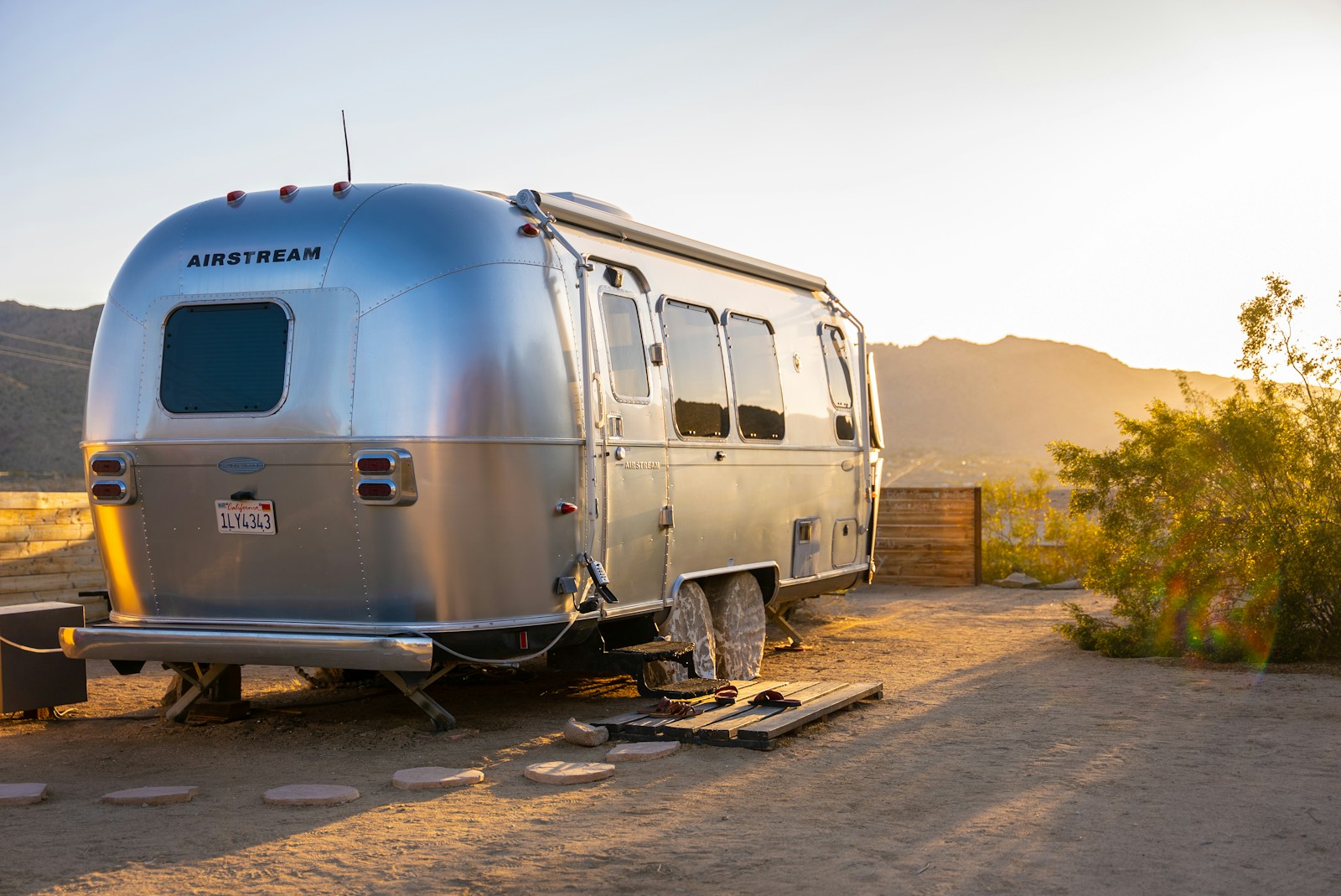
There’s something uniquely American about experiencing our national parks from the comfort of an RV. These mobile homes offer the perfect blend of wilderness immersion and modern convenience, allowing travelers to wake up to breathtaking views while still enjoying a hot shower and home-cooked meal. National parks across the country have recognized this beloved travel style by creating some of the most spectacular campgrounds imaginable, often situated in prime locations that showcase nature’s grandeur. From oceanfront sites where waves lull you to sleep, to mountain perches offering panoramic vistas of untamed wilderness, these RV-friendly destinations combine accessibility with unparalleled natural beauty. This guide explores the most scenic RV campgrounds within our national park system, highlighting what makes each location special and what visitors can expect when they arrive with their homes on wheels.
Glacier Point Campground – Yosemite National Park
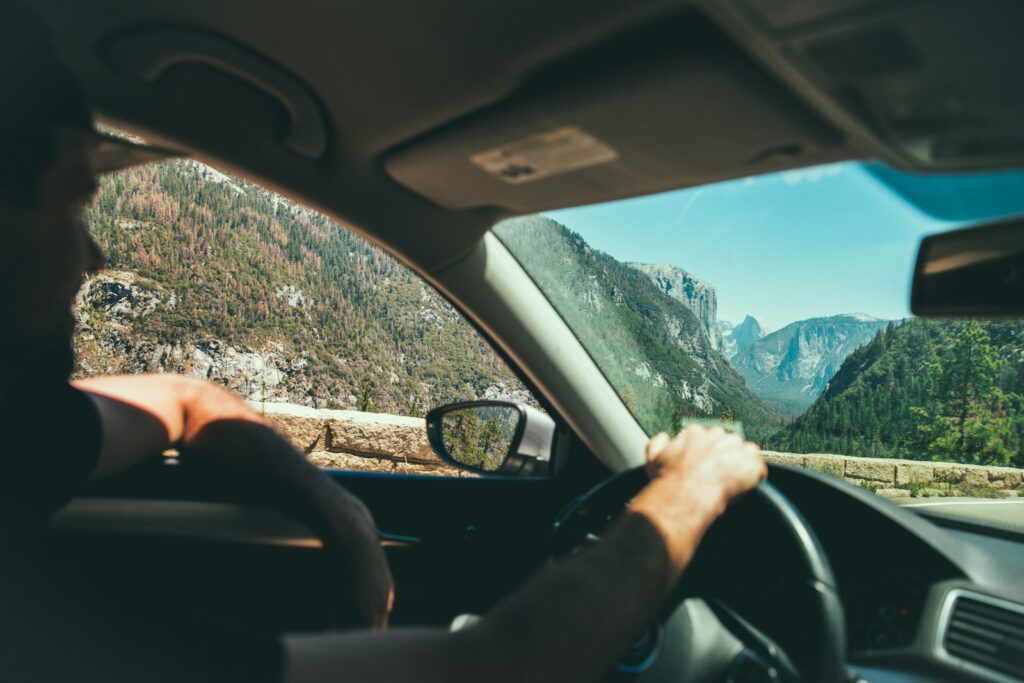
Nestled in California’s Sierra Nevada mountains, Yosemite’s Glacier Point Campground offers RV travelers front-row seats to some of America’s most iconic natural landmarks. RVs parked at this elevated campground enjoy sweeping views of Half Dome, Yosemite Valley, and Yosemite Falls—a trifecta of natural wonders that draw millions of visitors annually. The campground sits at approximately 7,200 feet elevation, creating a perfect vantage point for both sunrise and sunset photography enthusiasts who can capture the changing light on these granite monuments without leaving their campsites. Though the access road is closed during winter months, summer and fall visitors benefit from cooler temperatures compared to the valley floor, making this an ideal escape from Yosemite’s seasonal crowds while still maintaining easy access to the park’s most celebrated features.
Signal Mountain Campground – Grand Teton National Park
Few camping experiences can match waking up to the jagged Teton Range reflected in the still waters of Jackson Lake, which is exactly what Signal Mountain Campground in Wyoming offers. This popular RV destination features 81 sites strategically positioned to maximize mountain views while providing essential amenities like modern restrooms and potable water. The campground’s location on a forested plateau creates natural privacy between sites while still allowing glimpses of the Tetons through the trees, especially from the sites along the campground’s western edge. Morning fog often creates ethereal scenes as it lifts from Jackson Lake, revealing moose and elk that frequently visit the shoreline just steps from your RV door. Signal Mountain’s central location within the park provides convenient access to boating, fishing, hiking, and wildlife viewing, making it an ideal base camp for comprehensive Grand Teton exploration.
Watchman Campground – Zion National Park
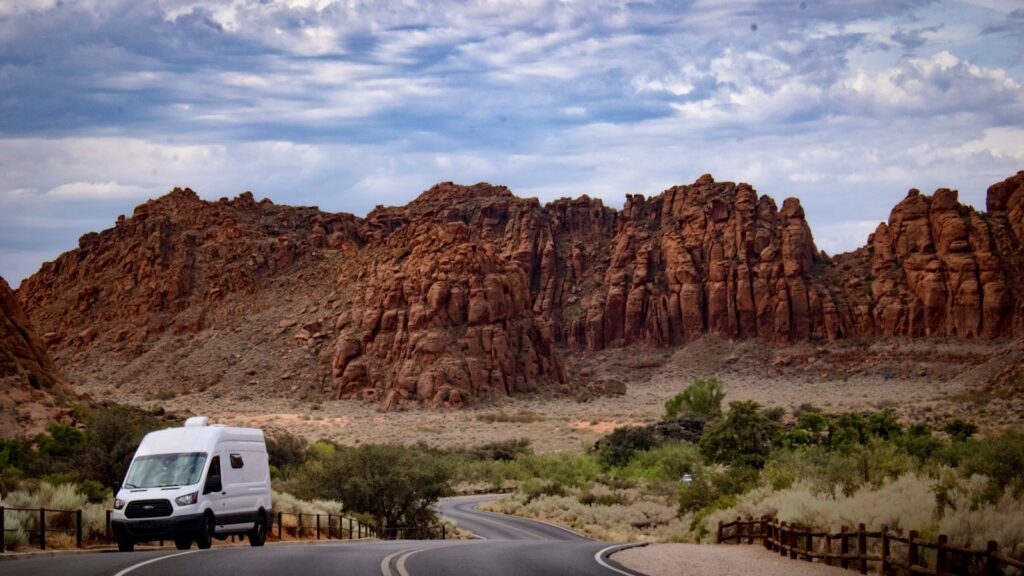
Dramatic red rock formations serve as the backdrop for RVs at Watchman Campground, situated near the south entrance of Utah’s Zion National Park. This well-designed facility offers both reservable and first-come, first-served sites with electric hookups, allowing RVers to run air conditioning during the desert heat while gazing at the massive sandstone monolith known as the Watchman. The Virgin River flows adjacent to the campground, providing both a soothing soundtrack and cooling opportunities during summer months when temperatures frequently exceed 100 degrees. Particularly appealing is the campground’s proximity to the Zion Canyon Shuttle stop, allowing visitors to leave their RVs parked while accessing the park’s most popular trails and viewpoints without navigating narrow canyon roads. Sunset brings the campground’s most spectacular show as the fading light ignites the surrounding cliffs in brilliant oranges and reds, creating a natural light show visible from most campsites.
Jumbo Rocks Campground – Joshua Tree National Park

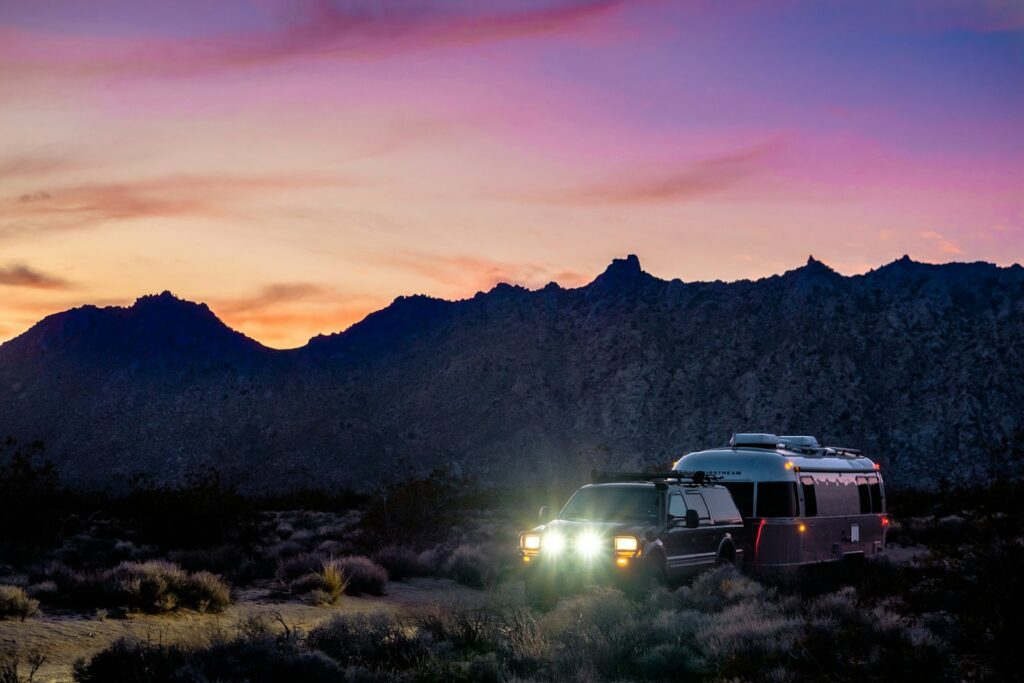
For those seeking a desert experience unlike any other, Jumbo Rocks Campground in California’s Joshua Tree National Park delivers with its otherworldly landscape of massive boulder formations and distinctive yucca plants. The 124 sites are thoughtfully integrated among gigantic rock piles, creating natural wind breaks and privacy screens while offering climbers direct access to some of the park’s most interesting geological features. Night skies here rank among the darkest in the national park system, with the Milky Way often visible directly overhead in a display that draws astrophotographers from around the world. Though the campground lacks hookups, the trade-off comes in the form of absolute desert immersion, where coyotes might serenade your campsite and roadrunners dart between the iconic Joshua trees that give the park its name. The high desert elevation (approximately 4,400 feet) creates more moderate temperatures than valleys below, making spring and fall particularly pleasant seasons for RV camping.
Flamingo Campground – Everglades National Park
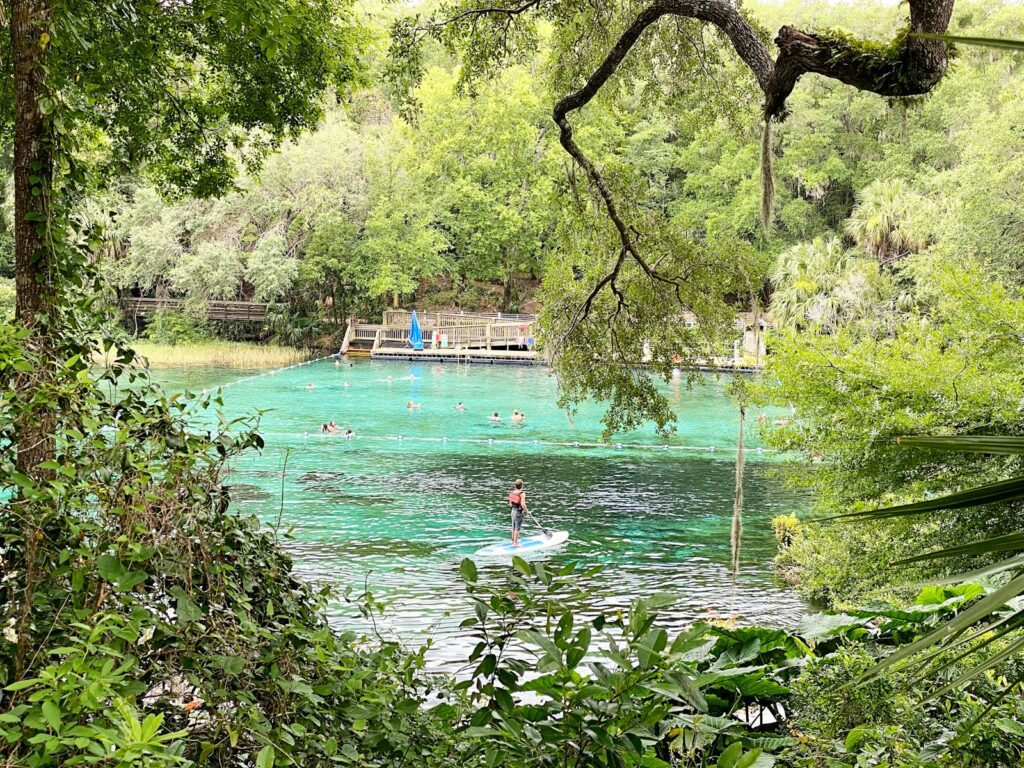
At the southernmost tip of mainland Florida lies Flamingo Campground, offering RV travelers a front-row seat to one of America’s most unique ecosystems. This remote campground sits where freshwater marshes meet Florida Bay, creating a biological transition zone where alligators and crocodiles coexist—the only place in America where both species naturally overlap. The campground’s waterfront sites provide unobstructed views across Florida Bay, where spectacular sunrises paint the sky in vivid pinks and oranges that reflect off the water’s surface. Bird-watching opportunities abound with roseate spoonbills, great blue herons, and numerous wading birds frequently visible from your RV windows or campsite picnic table. Though summer brings challenging heat and mosquitoes, winter campers enjoy mild temperatures and wildlife concentrations as animals gather around remaining water sources during the dry season, creating exceptional viewing opportunities just steps from your campsite.
Many Glacier Campground – Glacier National Park
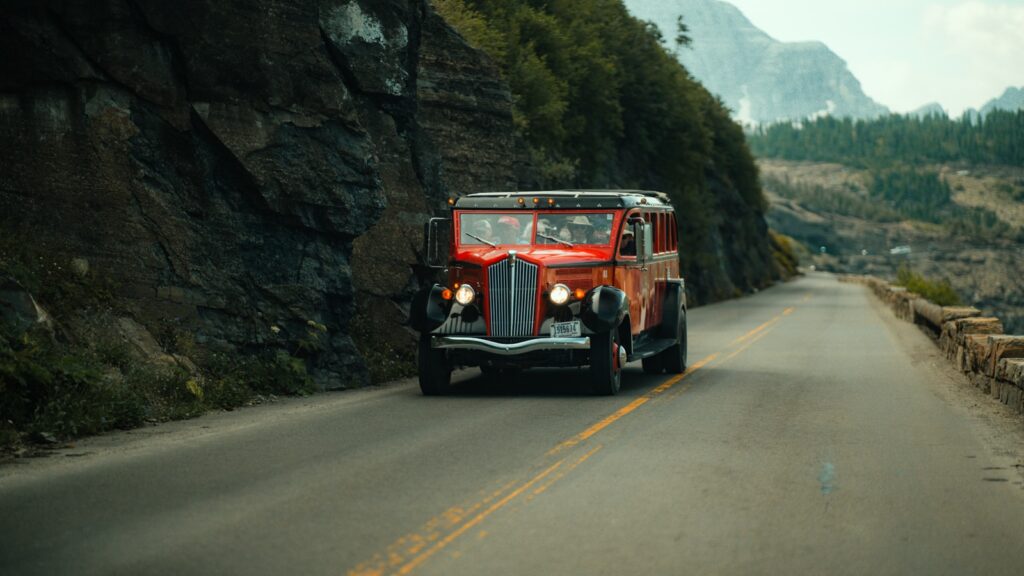
Considered by many to be the crown jewel of Glacier National Park’s camping options, Many Glacier Campground in Montana offers RV sites surrounded by alpine splendor. The campground sits in a valley ringed by towering peaks, with Swiftcurrent Lake visible from several sites and serving as a mirror for the mountains on calm mornings. Wildlife sightings are remarkably common, with grizzly bears, moose, and mountain goats frequently spotted on the surrounding slopes visible directly from your campsite chairs. The location provides ideal access to some of the park’s most spectacular hiking trails, including the path to Grinnell Glacier and Iceberg Lake, both of which begin near the campground entrance. Though the access road can be rough in places (requiring slow driving for RVs), the reward comes in the form of isolation from the park’s more crowded western sections and immersion in what many consider to be Glacier’s most photogenic landscape.
Chisos Basin Campground – Big Bend National Park
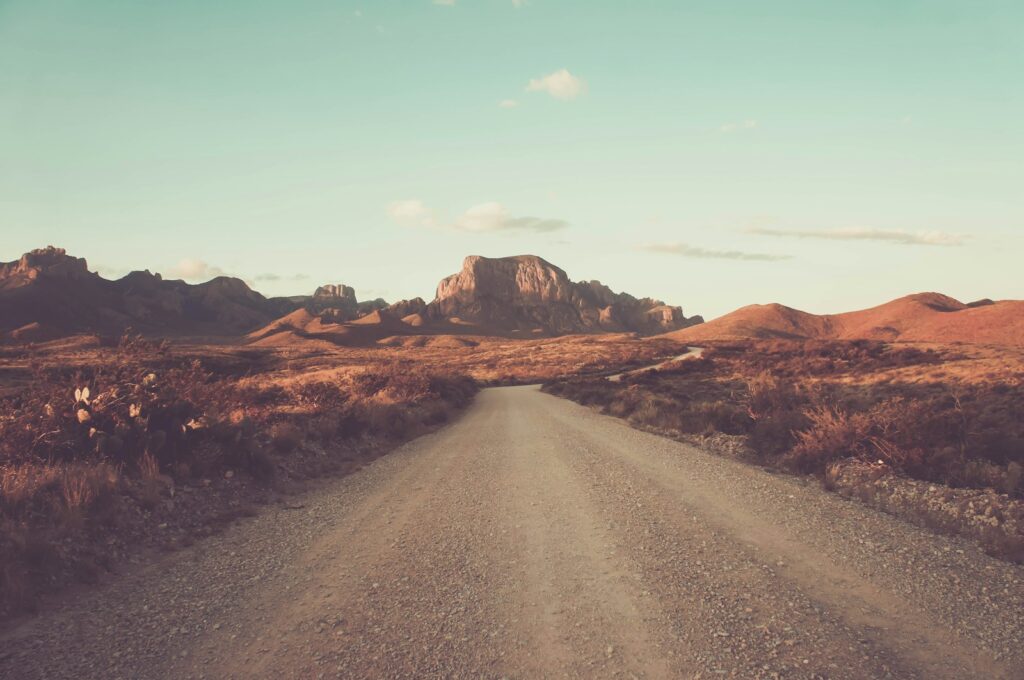
Tucked into a natural mountain bowl at 5,400 feet elevation, Chisos Basin Campground in Texas offers RV campers a dramatic desert mountain experience with panoramic views of the surrounding peaks. The high elevation creates a cooler microclimate than the desert below, making this an oasis during hot summer months when temperatures at lower elevations can become dangerously high. The campground’s location at the center of the basin provides a 360-degree experience of vertical cliff faces and distinctive rock formations that glow orange and pink during sunset. Due to tight turns and steep grades on the access road, this campground does have length restrictions (generally limiting RVs to 24 feet or less), but those with appropriate vehicles are rewarded with what many consider the most scenic camping location in the entire park. Nights bring exceptional stargazing opportunities in some of America’s darkest skies, while mornings often feature mule deer browsing between campsites against a backdrop of towering cliffs.
Schoodic Woods Campground – Acadia National Park
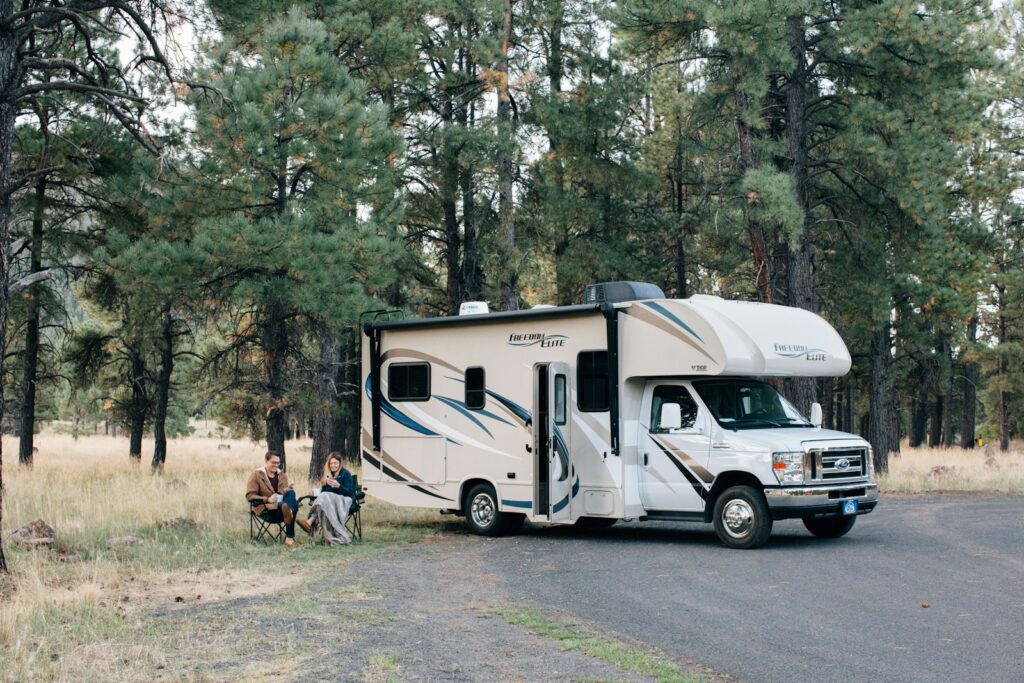
While many visitors focus on Acadia’s Mount Desert Island section, those seeking a more tranquil coastal Maine experience discover the newer Schoodic Woods Campground on the park’s mainland peninsula. This modern facility features spacious RV sites with electric and water hookups nestled among spruce and pine forests, with several loops offering glimpses of the Atlantic Ocean through the trees. What makes this campground exceptional is its location on the less-visited Schoodic Peninsula, where waves crash against dramatic pink granite shorelines just a short bike ride from your campsite. The campground connects to a network of recently built carriage roads and bike paths, allowing RV travelers to explore the rugged coastline without moving their vehicles. Dawn visitors to nearby Schoodic Point often have this spectacular Atlantic Ocean viewpoint entirely to themselves—a stark contrast to the more crowded sections of the park—where they can watch lobster boats checking their traps against a backdrop of offshore islands.
North Rim Campground – Grand Canyon National Park
Perched at 8,200 feet elevation and receiving just 10% of the visitation of its South Rim counterpart, the North Rim Campground in Arizona offers RV campers both solitude and spectacular Grand Canyon views. The campground sits among tall ponderosa pines just a short walk from the canyon edge, where the views extend over 10 miles across to the South Rim and a mile down to the Colorado River below. Several campsites, particularly those along the campground’s southern edge, offer partial canyon views directly from your RV windows or campsite. The North Rim’s higher elevation creates a significantly different ecosystem than the South Rim, with cooler temperatures, meadows of wildflowers in summer, and aspen trees that turn brilliant gold in autumn just before the campground closes for winter. Wildlife sightings are common, with mule deer frequently wandering through the campground and the unique Kaibab squirrel—found only on this isolated plateau—often visible in the trees above your campsite.
Madison Campground – Yellowstone National Park
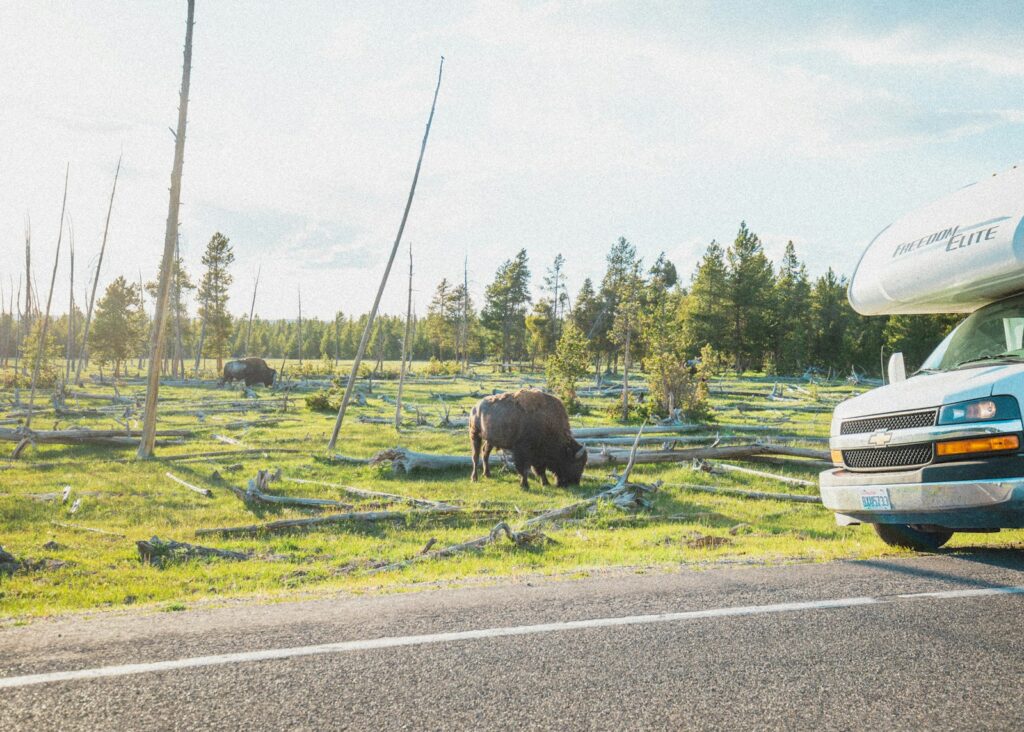
Strategically positioned at the junction of two prime Yellowstone scenic areas—Firehole River Valley and Gibbon River Valley—Madison Campground in Wyoming provides RV campers with exceptional access to the park’s hydrothermal features. The campground sits in an open pine forest along the Madison River, where early morning fog creates mystical scenes as it lifts off the water and elk frequently graze in meadows visible from many campsites. Madison’s central location places it just 14 miles from Old Faithful and 16 miles from the colorful Grand Prismatic Spring, making it an ideal base camp for exploring the park’s western thermal basins. Yellowstone’s famous wildlife often passes through or near the campground, with bison sometimes causing “bison jams” on the adjacent road and osprey frequently visible fishing in the Madison River just steps from the campground. Though lacking electrical hookups, the trade-off comes in the form of immediate access to some of America’s most unique geological features in the world’s first national park.
Fruita Campground – Capitol Reef National Park
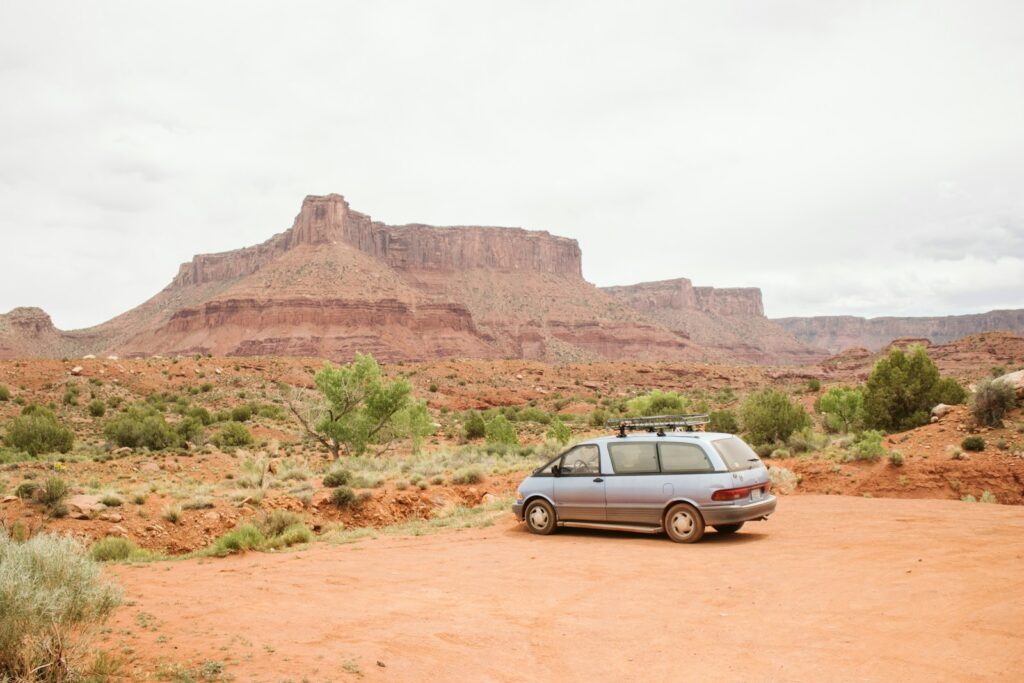
Often overlooked among Utah’s “Mighty Five” national parks, Capitol Reef harbors one of the system’s most unique camping experiences at Fruita Campground. RV sites here are situated within a historic pioneer orchard where apricot, cherry, apple and pear trees still produce fruit that campers are invited to pick during harvest seasons. The lush green orchards create a startling contrast to the surrounding red rock cliffs and desert landscape, with the Fremont River providing both irrigation and a soothing soundtrack to this desert oasis. The campground sits at the foot of towering sandstone cliffs that change color throughout the day, reaching peak vibrancy during golden hour when they appear to glow from within. Though the campground lacks hookups, its location within a valley creates more moderate temperatures than surrounding desert areas and places campers within walking distance of historic pioneer buildings, petroglyphs, and several trailheads that lead into the park’s spectacular backcountry.
Assateague Island National Seashore Campground – Maryland
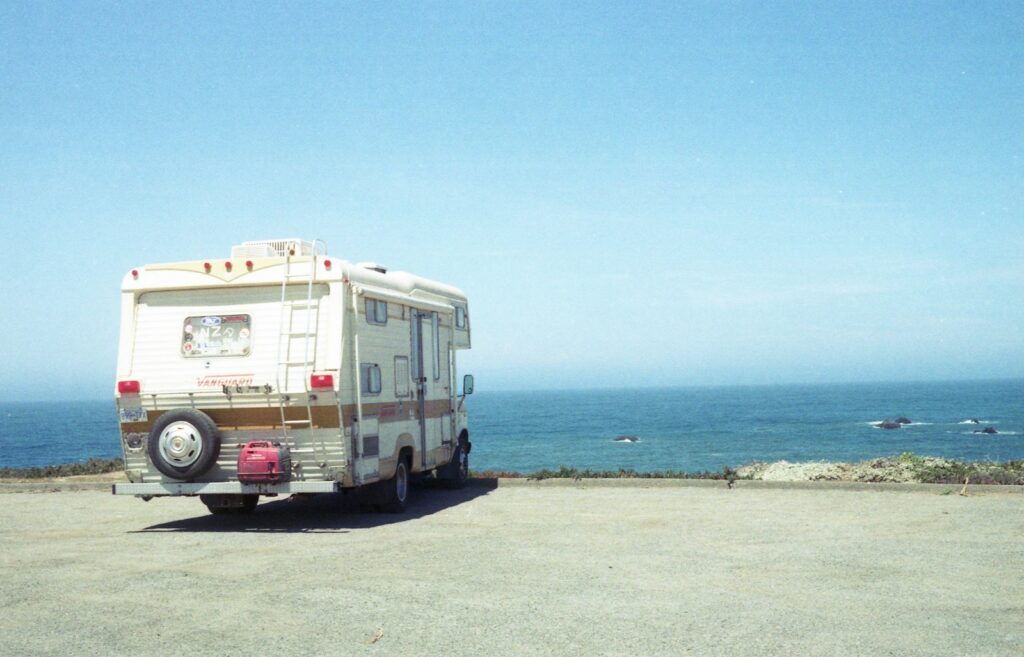
For RV travelers seeking a true oceanfront experience, few destinations can match the beachfront camping at Assateague Island National Seashore in Maryland. Here, campsites are arranged in several loops just behind primary sand dunes, with many sites offering direct ocean views and all providing the soothing soundtrack of Atlantic waves. The island’s famous wild horses frequently wander through the campground, creating unforgettable moments when these feral equines pass just feet from your RV door or graze in the maritime grasslands visible from your campsite. Though the campground lacks hookups and exposure to salt air can be tough on RVs, the trade-off comes in the form of beach access that would cost thousands per night at oceanfront resorts just miles away on the mainland. Night skies over the Atlantic provide exceptional stargazing, while mornings often reward early risers with dolphins visible swimming parallel to shore as the sun rises over the ocean horizon.
Riley Creek Campground – Denali National Park
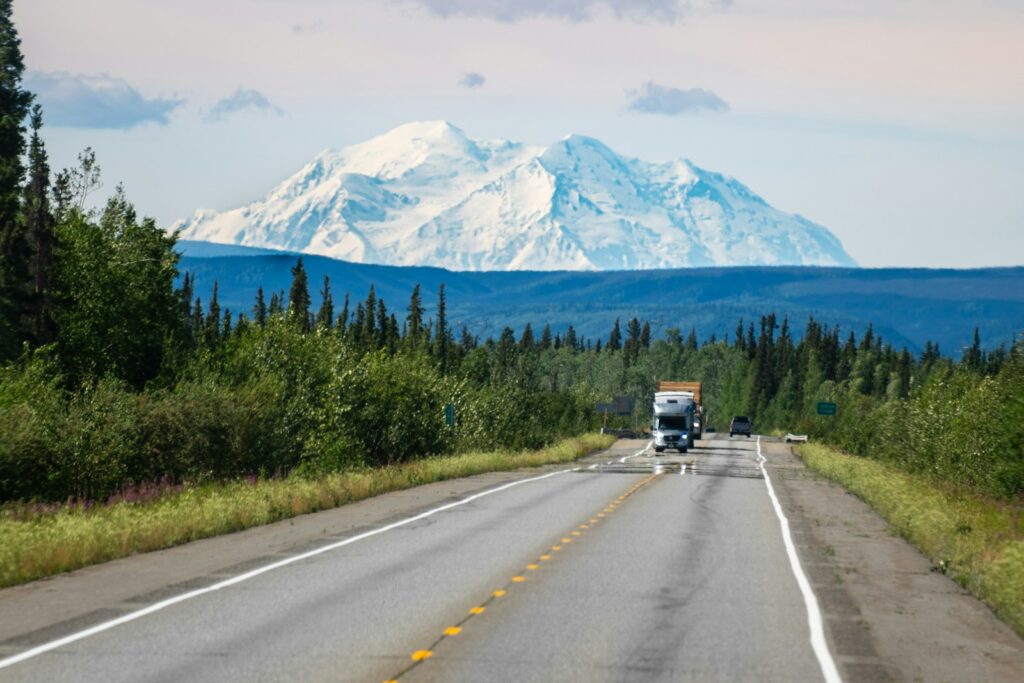
As the largest and most developed campground in Alaska’s Denali National Park, Riley Creek offers RV travelers an ideal base camp for exploring America’s most imposing mountain landscape. The campsites are thoughtfully arranged among spruce and birch forests near the park entrance, providing convenient access to visitor centers and the park’s shuttle system that serves as the primary access to Denali’s interior. Though the campground itself doesn’t offer direct views of Denali (formerly Mt. McKinley), the surrounding landscape of taiga forest and rushing creek provides an authentic Alaska wilderness experience with modern amenities including a camp store and laundry facilities. Wildlife viewing opportunities often begin right in the campground, where moose, snowshoe hares, and numerous bird species make regular appearances. For RV travelers making the long journey to Alaska, Riley Creek serves as a comfortable introduction to the park before heading deeper into the wilderness, with the added benefit of cellular service that allows sharing photos of your Alaskan adventure with envious friends back home.
Conclusion
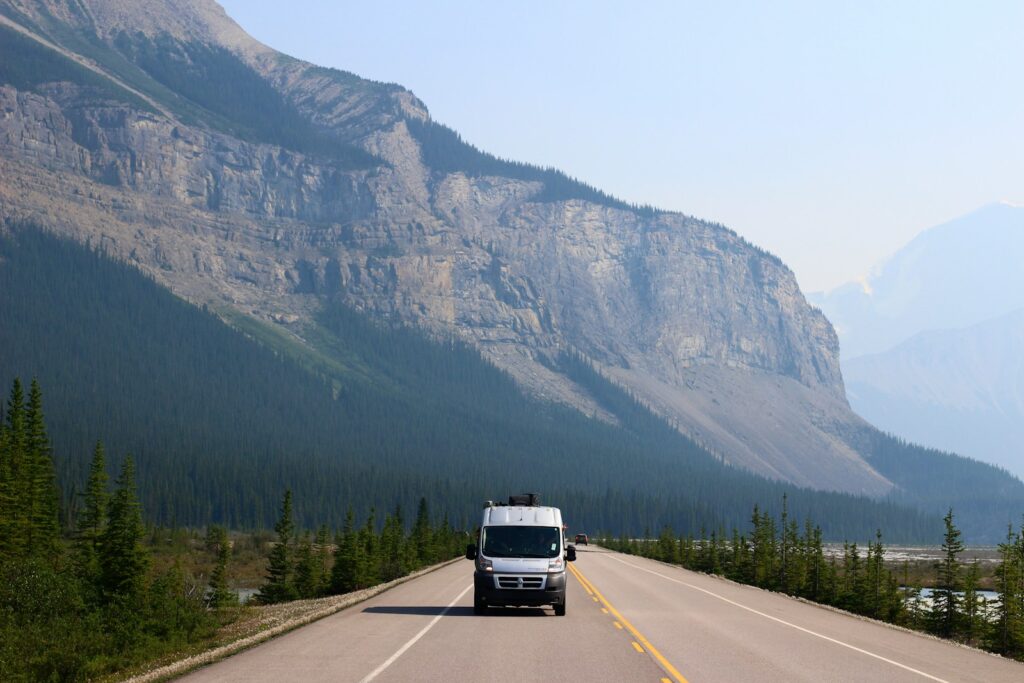
America’s national parks offer RV travelers some of the most spectacular camping locations imaginable, where convenience meets natural wonder in perfect harmony. These campgrounds represent more than just places to park—they’re gateways to experiencing our nation’s most precious landscapes from the comfort of your mobile home. Whether you prefer mountain vistas, oceanfront sunrises, or desert solitude, the national park system provides RV-friendly options that showcase nature’s grandeur while offering varying levels of amenities to suit different camping styles. By planning ahead and securing reservations (often available 6-12 months in advance), RV enthusiasts can wake up to views that would cost hundreds or thousands per night in conventional accommodations. The memory of morning coffee with Half Dome looming overhead or falling asleep to Atlantic waves just beyond your doorstep creates the kind of travel experiences that define the American road trip tradition at its finest.