
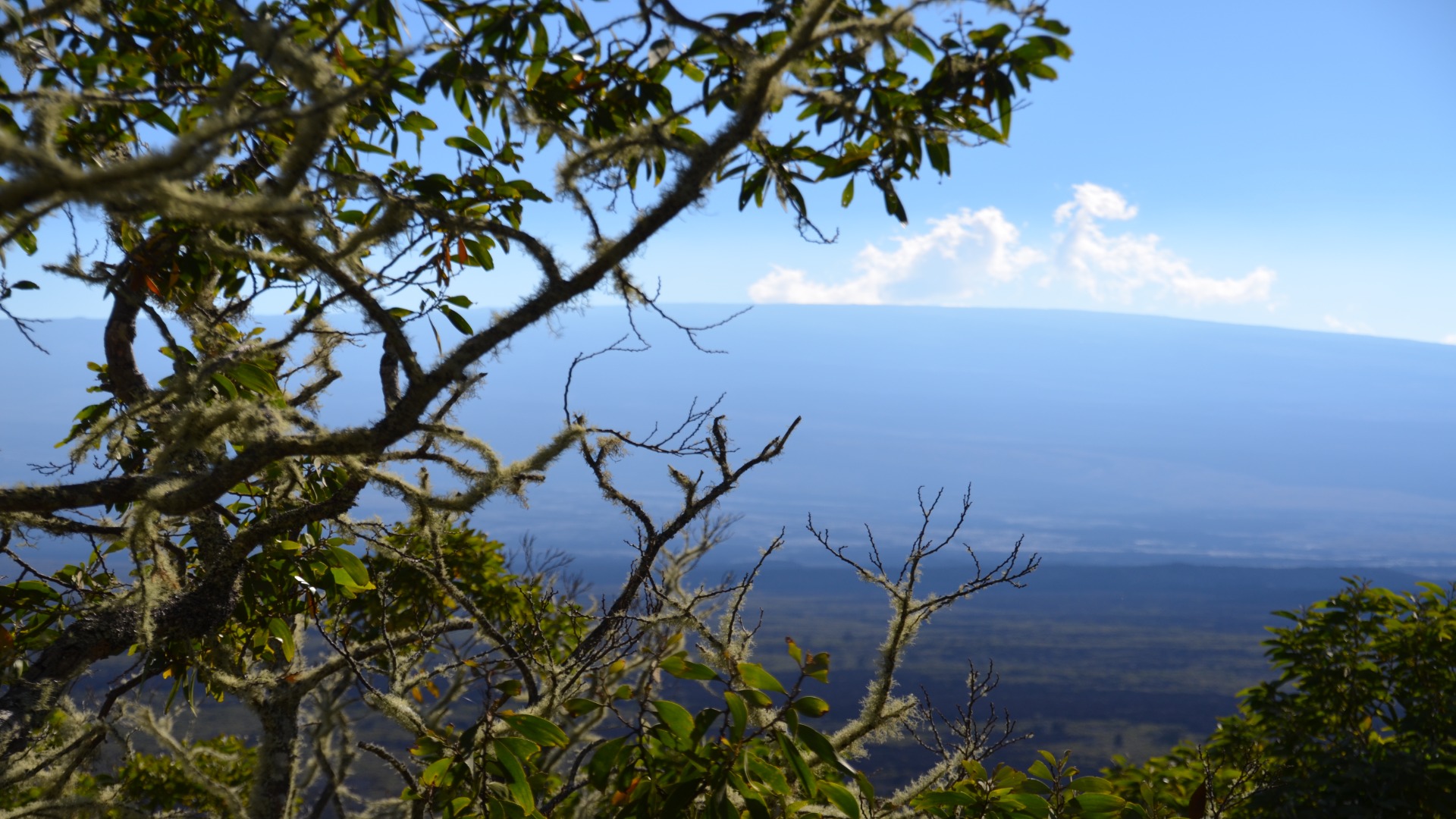
Volcanoes represent some of nature’s most awe-inspiring features, combining raw power with breathtaking beauty. These geological wonders offer visitors a rare glimpse into Earth’s inner workings, where molten rock, ash, and gas emerge from beneath the surface in spectacular displays. Across the United States and around the world, numerous national parks preserve and protect these volcanic landscapes, allowing travelers to witness everything from active eruptions to ancient lava fields. Whether you’re a geology enthusiast or simply someone who appreciates nature’s grandeur, visiting these volcanic parks offers an unforgettable experience.
This guide explores the most impressive national parks where you can get remarkably close to volcanoes, witnessing firsthand the forces that have shaped our planet throughout its history.
Hawaii Volcanoes National Park: Home of Kilauea
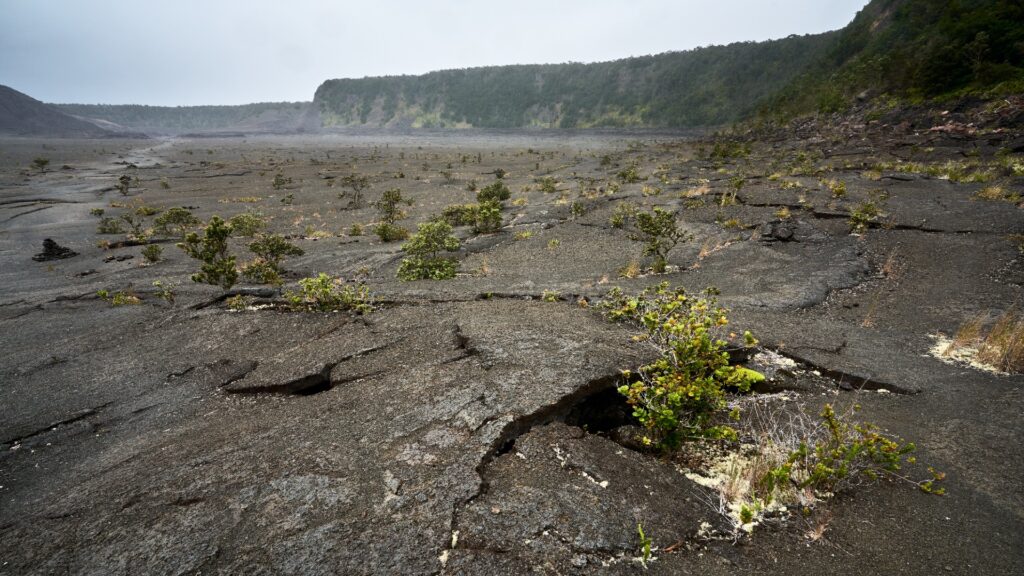
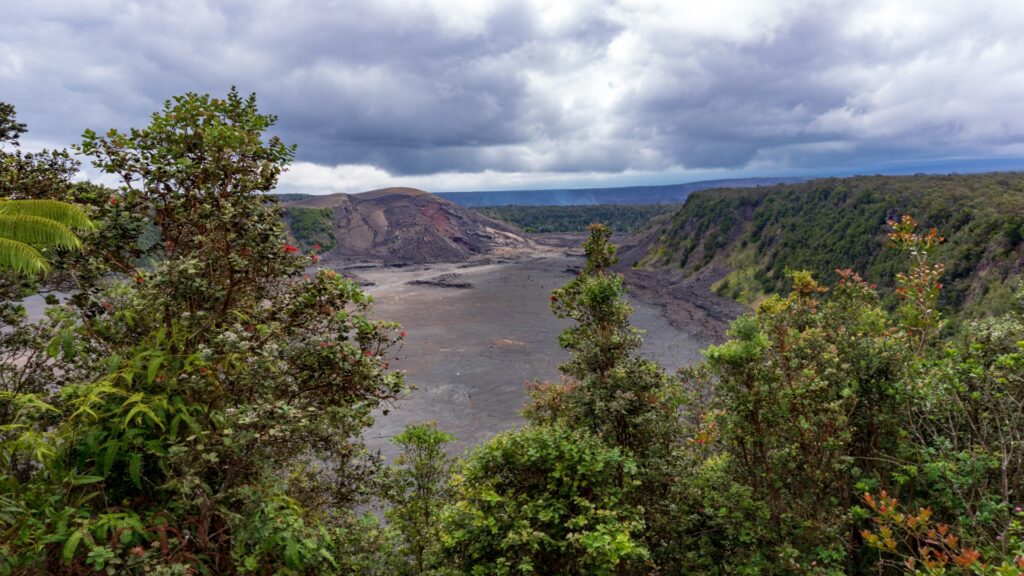
Hawaii Volcanoes National Park on the Big Island stands as perhaps the most famous volcanic destination in the United States, featuring two of the world’s most active volcanoes: Kilauea and Mauna Loa. Kilauea, known as the world’s most active volcano, has been erupting almost continuously between 1983 and 2018, creating a dynamic landscape that changes with each eruption. Visitors can witness the raw power of creation as new land forms when molten lava meets the ocean, adding acres to the island over time.
The park offers numerous vantage points including the Jaggar Museum overlook (though currently closed due to damage), Keanakākoʻi Crater, and the Chain of Craters Road, where visitors can safely observe volcanic activity when present. Beyond active eruptions, the park showcases remarkable lava tubes, steam vents, and vast fields of both pahoehoe (smooth, ropy) and a’a (rough, jagged) lava flows that create an otherworldly landscape.
Mount Rainier National Park: A Sleeping Giant
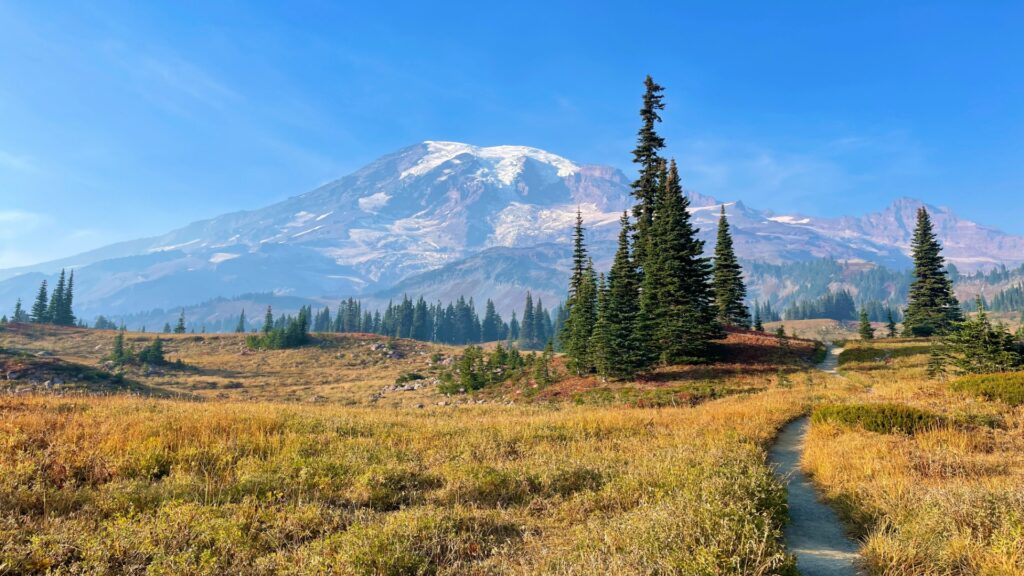
Rising dramatically above the Washington landscape, Mount Rainier is an active stratovolcano and the most glaciated peak in the contiguous United States, standing at 14,410 feet. Though currently dormant, this impressive volcano last erupted approximately 1,000 years ago and is considered one of the most dangerous volcanoes in the world due to its proximity to the Seattle-Tacoma metropolitan area. The park offers numerous trails that allow visitors to explore the volcano’s diverse environments, from subalpine meadows filled with wildflowers to the high-altitude volcanic terrain near the summit.
Paradise and Sunrise visitor areas provide spectacular viewpoints of the mountain’s glaciers and volcanic features, while the Skyline Trail offers hikers close-up views of the volcano’s dramatic glaciers and rugged terrain. Scientists continue to monitor Mount Rainier closely, as its eventual eruption could potentially cause catastrophic lahars (volcanic mudflows) in populated areas downstream.
Yellowstone National Park: The World’s First National Park
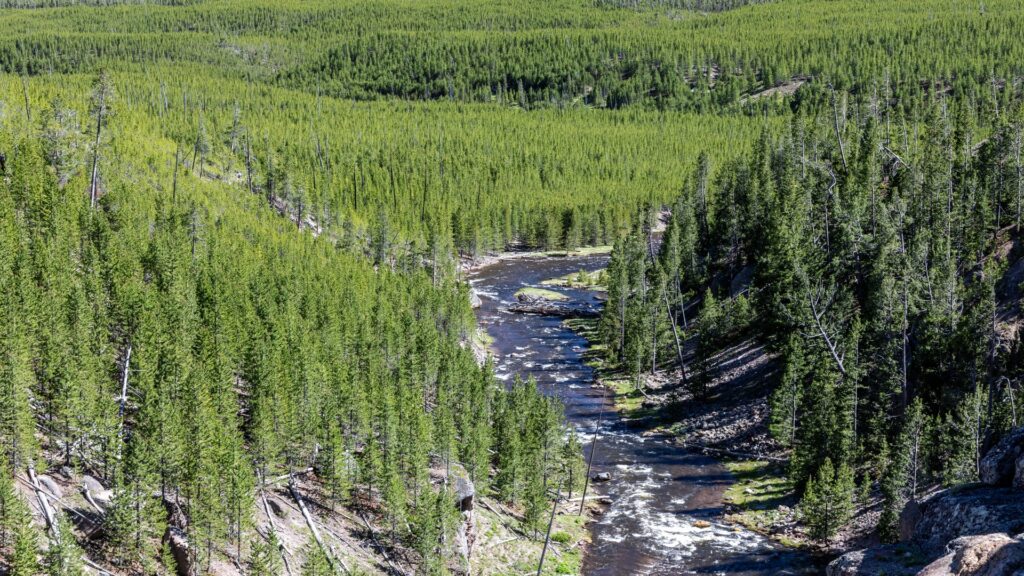
Yellowstone National Park sits atop one of the world’s largest active volcanoes – a supervolcano whose caldera stretches roughly 30 by 45 miles beneath the park’s surface. Though not cone-shaped like traditional volcanoes, this massive volcanic system powers the park’s famous geothermal features, including over 10,000 geysers, hot springs, mud pots, and fumaroles. The iconic Old Faithful geyser erupts approximately every 90 minutes, shooting water up to 185 feet in the air as a visible reminder of the immense heat and pressure below.
Mammoth Hot Springs presents terraced formations created by mineral-rich water flowing from the depths of the volcanic system, while the Grand Prismatic Spring—the third-largest hot spring in the world—showcases vivid blue, green, yellow, orange, and red colors created by heat-loving bacteria in its waters. The Yellowstone Caldera has experienced three catastrophic eruptions over the past 2.1 million years, though scientists continuously monitor the area and note that another major eruption isn’t expected in the foreseeable future.
Mount St. Helens National Volcanic Monument: Witness to Destruction
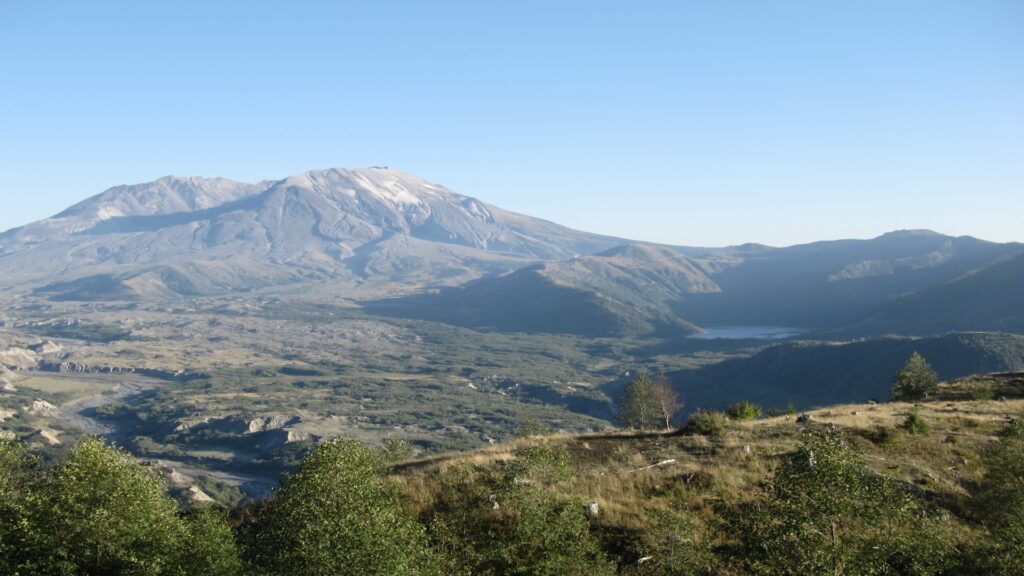
Though technically a national monument rather than a national park, Mount St. Helens provides perhaps the most dramatic testament to volcanic power in the continental United States. The catastrophic eruption on May 18, 1980, blew away the northern flank of the mountain, killed 57 people, and devastated 230 square miles of forest, leaving behind a landscape forever changed. Visitors today can drive to several viewpoints including Johnston Ridge Observatory, just 5.5 miles from the crater, offering an unobstructed view into the horseshoe-shaped crater and the lava dome growing within it.
The monument showcases not only destruction but also remarkable recovery, as plants and animals have gradually reclaimed the ash-covered landscape over the past four decades. For the adventurous, permits allow hikers to climb to the crater rim at 8,365 feet, where they can peer directly into the crater and witness the ongoing volcanic processes reshaping the mountain.
Lassen Volcanic National Park: Four Types of Volcanoes
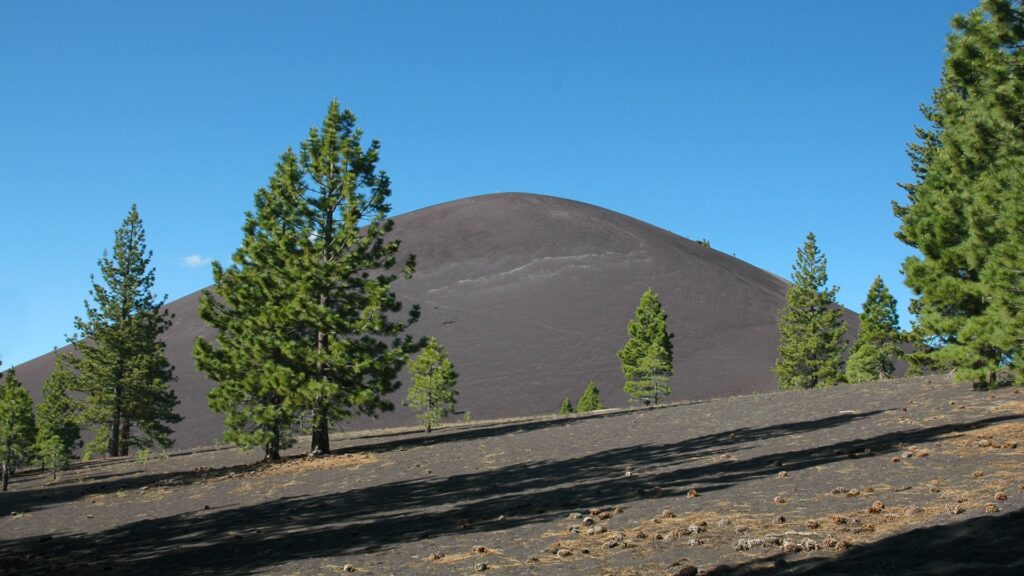
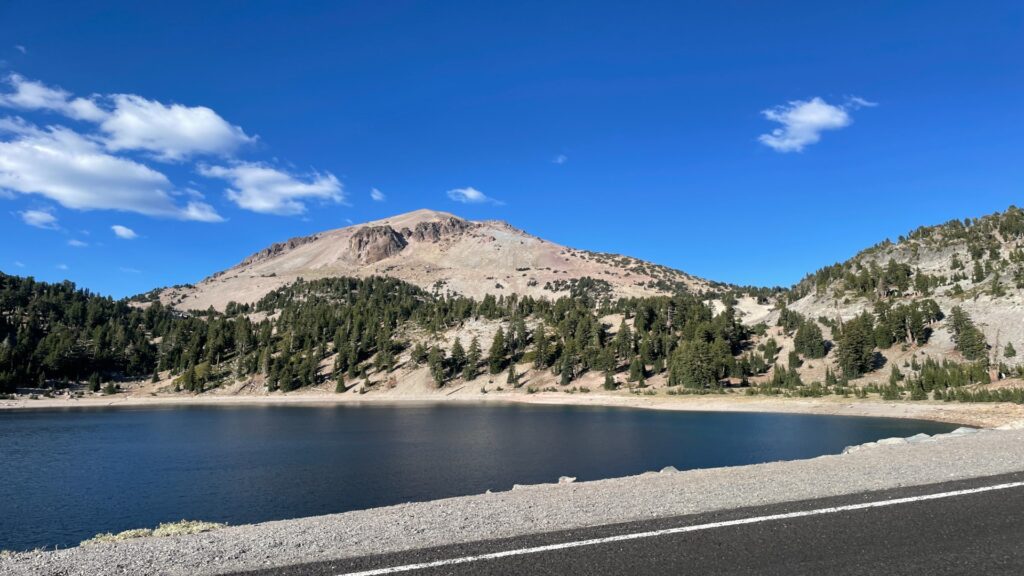
Located in northern California, Lassen Volcanic National Park offers a rare opportunity to see all four types of volcanoes—shield, composite, cinder cone, and plug dome—in one location. Lassen Peak, a plug dome volcano, last erupted between 1914 and 1917, and its relatively recent activity has left behind a fascinating volcanic landscape. The park’s Bumpass Hell area features 16 acres of bubbling mud pots, steaming fumaroles, and boiling springs, accessible via a 3-mile round-trip trail that takes visitors through a colorful hydrothermal basin.
Cinder Cone, another feature within the park, presents a textbook example of this volcano type, with a perfect cone shape rising 700 feet above the surrounding terrain and offering hikers who reach its summit views into its distinct crater. The park’s Devastated Area interpretive trail showcases the destruction from Lassen’s most recent eruptions, with massive boulders ejected from the volcano still visible across the landscape.
Crater Lake National Park: A Collapsed Volcano
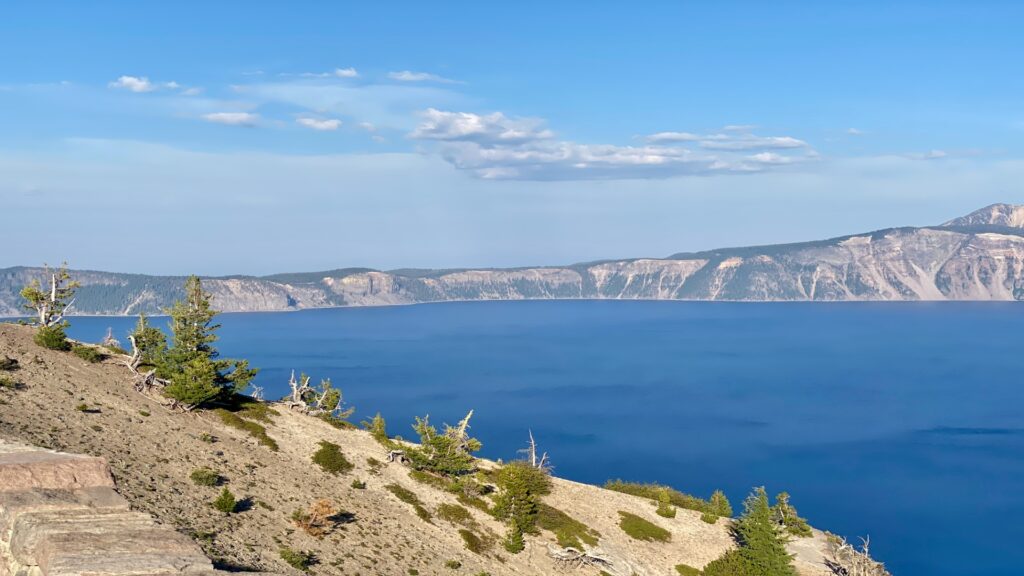
Oregon’s only national park preserves one of the most spectacular caldera lakes in the world, formed approximately 7,700 years ago when Mount Mazama collapsed following a massive eruption. This cataclysmic event, estimated to be 42 times more powerful than the 1980 Mount St. Helens eruption, created the deepest lake in the United States, with a maximum depth of 1,949 feet of stunningly clear, sapphire-blue water. Visitors can drive the 33-mile Rim Drive, which circles the caldera and offers numerous viewpoints overlooking the lake and Wizard Island, a cinder cone that formed after the main eruption and rises 767 feet above the lake surface.
The boat tour to Wizard Island allows visitors to actually set foot on this volcanic feature within the caldera, hiking to its summit for a unique perspective from inside the massive volcano. The park’s volcanic history is evident throughout, from the pumice desert to the numerous volcanic plugs and cinder cones visible from scenic overlooks.
Katmai National Park: Valley of Ten Thousand Smokes
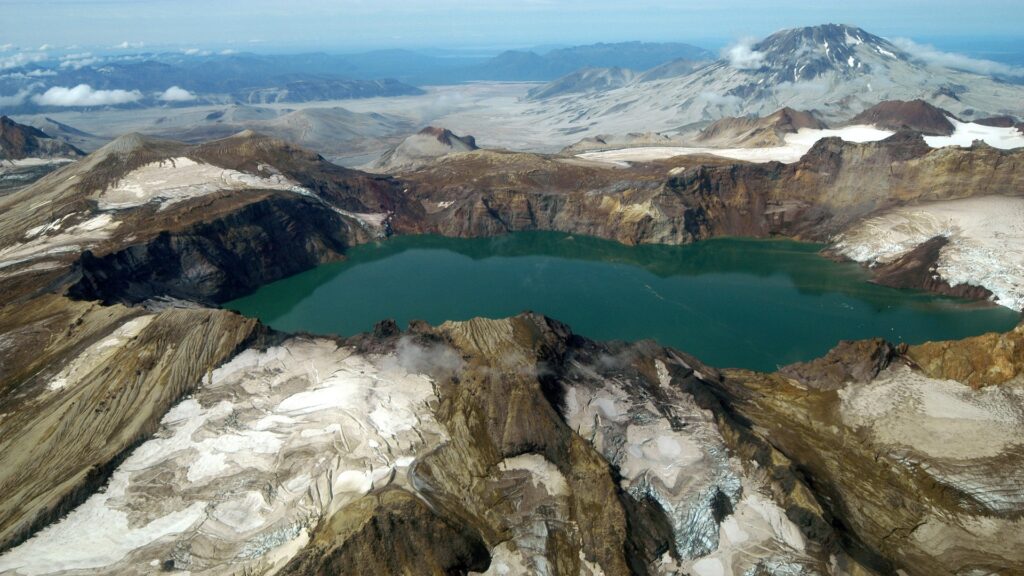
Alaska’s Katmai National Park gained international attention in 1912 when Novarupta Volcano produced the largest volcanic eruption of the 20th century, spewing 30 times more magma than Mount St. Helens and creating the Valley of Ten Thousand Smokes. This valley, named for the countless fumaroles that initially covered the landscape after the eruption, remains a testament to volcanic power, with ash deposits up to 700 feet deep filling the valley floor.
Today, visitors can take guided bus tours from Brooks Camp to overlooks of this dramatic valley, witnessing firsthand the scale of devastation and subsequent recovery. Beyond the valley, the park contains at least 14 active volcanoes along the Alaska Peninsula, including Mount Katmai itself, whose summit collapsed during the 1912 eruption, forming a caldera now filled with a lake. The park’s remote location and limited access mean fewer crowds, allowing visitors to experience these volcanic wonders in relative solitude.
Tongariro National Park: New Zealand’s Volcanic Wonderland
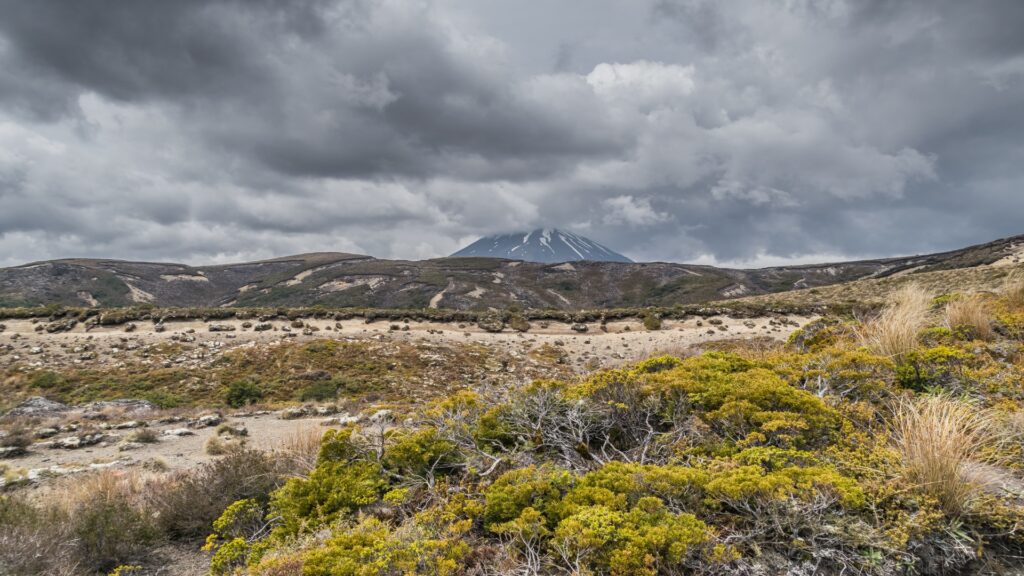
New Zealand’s oldest national park and a UNESCO World Heritage site, Tongariro National Park in the North Island showcases three active volcanoes: Tongariro, Ngauruhoe (famously featured as Mount Doom in the Lord of the Rings films), and Ruapehu. The park’s crowning experience is the Tongariro Alpine Crossing, widely regarded as one of the world’s greatest day hikes, taking travelers across a remarkable volcanic landscape featuring steaming vents, old lava flows, and brilliantly colored crater lakes.
The Emerald Lakes, stained with vivid minerals leached from the surrounding volcanic rock, provide one of the most photographed scenes in New Zealand against the stark volcanic terrain. Mount Ruapehu, the largest active volcano in New Zealand, erupted as recently as 2007 and houses ski fields on its upper slopes, offering the unique opportunity to ski on an active volcano. The park holds special cultural significance to the Māori people, who consider the mountains sacred and whose legends about the volcanos’ origins add cultural depth to the geological wonders.
Arenal Volcano National Park: Costa Rica’s Active Beauty
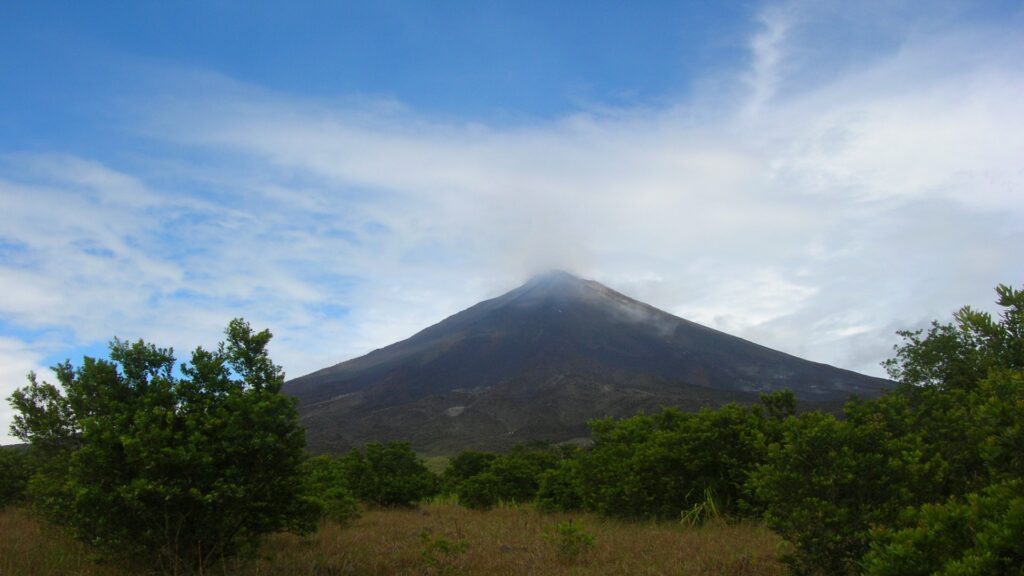
Costa Rica’s Arenal Volcano National Park protects one of the country’s most iconic landmarks – the nearly perfect cone of Arenal Volcano, which was one of the world’s most active volcanoes between 1968 and 2010. Though currently in a resting phase, the volcano’s perfect symmetrical shape rising 5,437 feet above the surrounding rainforest creates a spectacular backdrop visible from miles away. Hiking trails through the park traverse hardened lava fields from past eruptions, offering visitors close-up views of the geological forces that have shaped this region for thousands of years.
The nearby Arenal Observatory Lodge, originally built as a Smithsonian Institution scientific research station, provides some of the closest safe viewing points of the volcano, with outstanding opportunities to witness occasional steam emissions or rumbling sounds. Beyond the volcano itself, the park’s geothermal activity powers numerous hot springs in the surrounding area, where visitors can soak in naturally heated mineral waters while gazing at the volcano’s imposing silhouette.
Volcano National Park: Rwanda’s Gorillas and Volcanoes
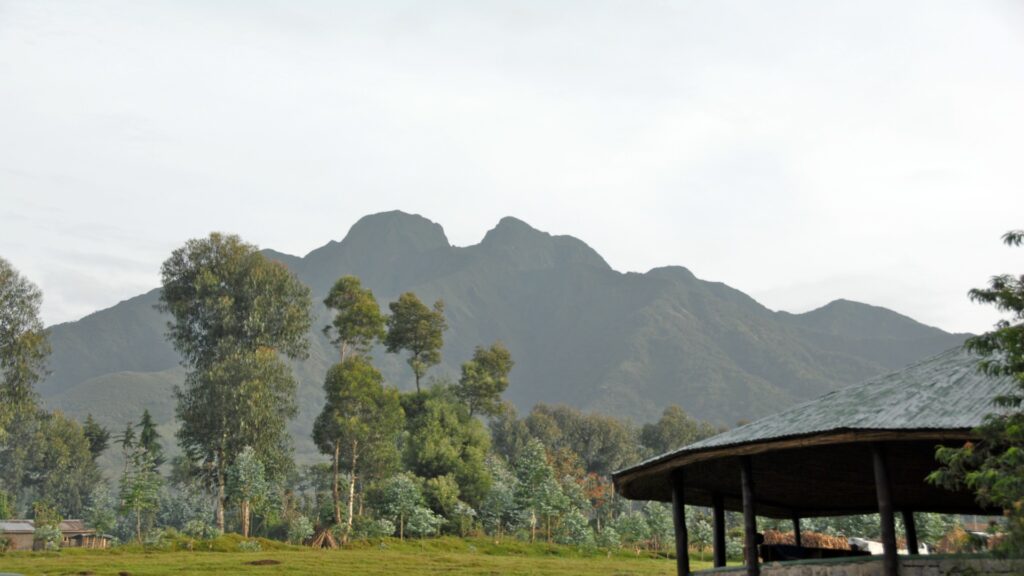
Rwanda’s aptly-named Volcano National Park (Parc National des Volcans) offers the remarkable combination of endangered mountain gorillas against the backdrop of the Virunga Mountains, a chain of eight volcanoes straddling Rwanda, Uganda, and the Democratic Republic of Congo. While most visitors come for gorilla trekking, the park’s dramatic volcanic landscape forms an essential part of the experience, with trails leading through bamboo forests and alpine meadows on the slopes of volcanoes such as Mount Karisimbi (14,787 feet) and Mount Bisoke (12,175 feet). The trek to Mount Bisoke’s summit, a challenging but manageable day hike, rewards visitors with views into its crater lake and across the chain of volcanoes forming the Albertine Rift.
Though the Virunga volcanoes have been relatively quiet in recent decades, Nyiragongo Volcano just across the border in the Democratic Republic of Congo features one of the world’s largest lava lakes, visible to hikers who make the strenuous climb to its rim. The volcanic soil throughout the region creates exceptionally fertile growing conditions, supporting the lush habitats that sustain the park’s famous mountain gorillas.
Santorini (Thira): Greece’s Volcanic Island
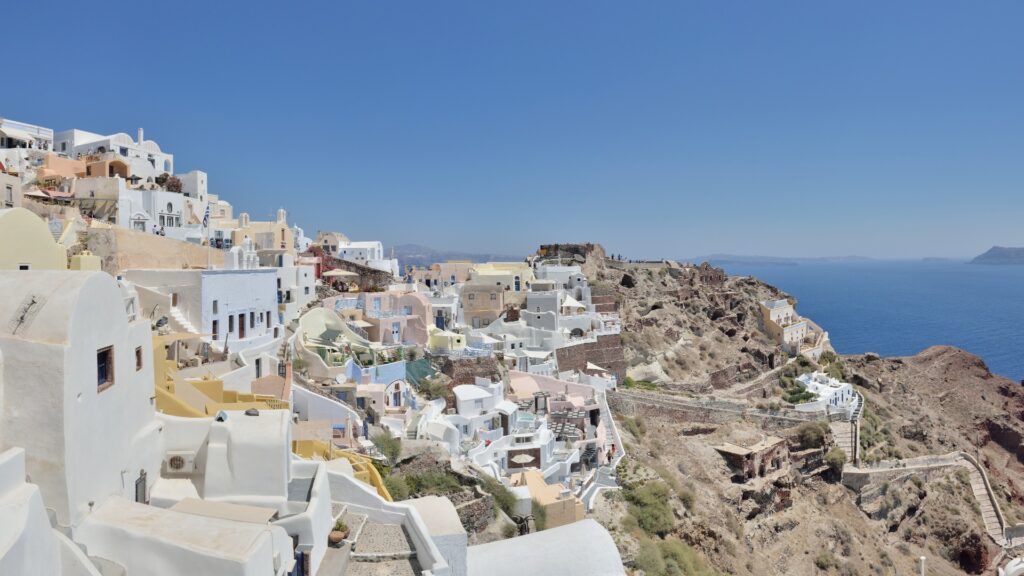
While not technically a national park, no discussion of accessible volcanic landscapes would be complete without mentioning Santorini, Greece’s iconic island formed by one of the largest volcanic eruptions in recorded history. Approximately 3,600 years ago, a massive eruption collapsed the center of the original island, creating the spectacular caldera now filled by the Mediterranean Sea, with the crescent-shaped main island wrapping around it. Visitors can take boat tours into the center of the caldera to Nea Kameni, an actively smoking volcanic island that began forming about 500 years ago and continues to grow through periodic eruptions, most recently in 1950.
Walking trails cross this barren volcanic landscape, where steam still rises from vents and the ground remains noticeably warm in places. The black sand beaches of Santorini provide another visible reminder of the island’s volcanic origins, while the towns perched dramatically on the caldera’s edge offer breathtaking views into the flooded volcanic crater. Archaeological excavations at Akrotiri have uncovered a Minoan city preserved under volcanic ash much like Pompeii, providing insights into the civilization disrupted by this cataclysmic eruption.
Bromo Tengger Semeru National Park: Indonesia’s Volcanic Spectacle
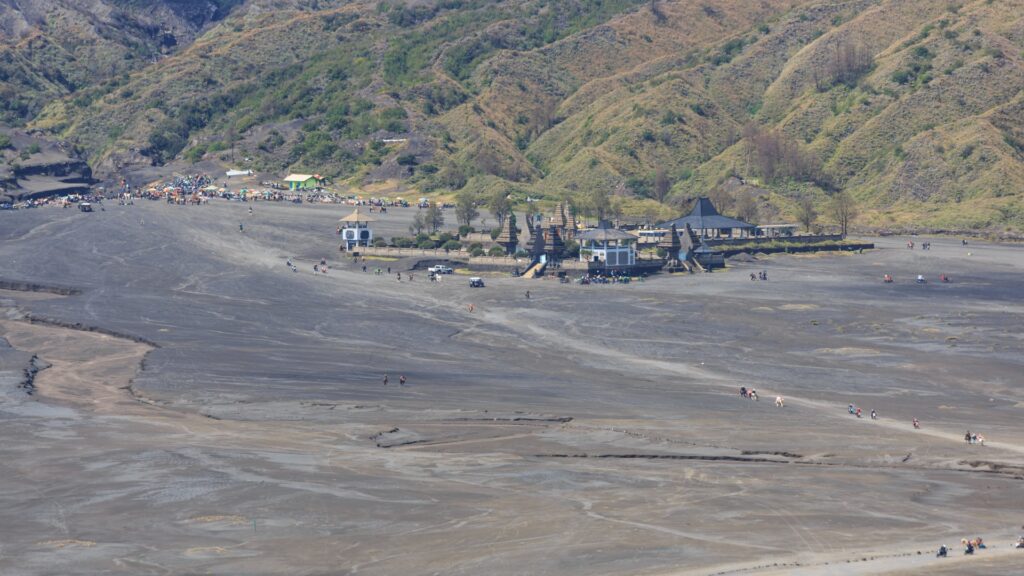
Located in East Java, Indonesia’s Bromo Tengger Semeru National Park showcases some of the world’s most photogenic and accessible active volcanoes in a country famous for its volcanic activity. The park’s centerpiece is the vast Tengger Caldera, a 10-kilometer wide sandy plain called the “Sea of Sand” from which rise several volcanic cones, most notably Mount Bromo, continuously emitting white sulfurous smoke. Visitors often arrive before dawn to climb Mount Penanjakan for the iconic sunrise view overlooking Mount Bromo and the perfectly shaped cone of Mount Semeru, Java’s highest peak, often emitting plumes of ash in the distance.
After witnessing sunrise, travelers can cross the Sea of Sand on horseback or on foot to climb the stairs leading to Bromo’s crater rim, where they can peer directly into the smoking crater. Mount Semeru, sometimes called the “Great Mountain,” erupts with clockwork regularity approximately every 20 minutes, sending ash clouds thousands of feet into the sky in one of nature’s most reliable volcanic displays.
Safety Considerations When Visiting Volcanic Parks
Visiting volcanic national parks requires special awareness of safety considerations beyond those of typical outdoor adventures. Active volcanoes can present numerous hazards including toxic gas emissions (particularly sulfur dioxide), which can cause respiratory distress, especially for visitors with asthma or other breathing conditions. Volcanic terrain often features unstable ground, with thin crusts potentially covering extremely hot areas that can collapse underfoot, making it essential to stay on marked trails and heed all warning signs and closures. Weather around volcanoes can change rapidly due to elevation and topographic effects, requiring visitors to prepare for multiple conditions even on short hikes.
Before visiting any volcanic park, check current activity reports and alerts, as access restrictions may be implemented with little notice when volcanic activity increases. Most importantly, respect the immense power these natural features represent – while national parks work diligently to make volcanic areas safely accessible, nature remains unpredictable, and maintaining a respectful distance from active features ensures both your safety and the preservation of these remarkable landscapes for future visitors.
Conclusion
The world’s volcanic national parks offer windows into Earth’s most dynamic geological processes, allowing visitors to witness firsthand the forces that have shaped our planet’s surface over billions of years. From Hawaii’s continuously erupting Kilauea to Indonesia’s smoking Bromo, these parks protect landscapes of both incredible beauty and scientific importance. While each volcanic park offers its own unique features and experiences, they all share the ability to inspire awe and provide perspective on humanity’s place within Earth’s vast geological timeline.
As you plan your volcanic adventures, remember that these landscapes continue to evolve – sometimes dramatically – making each visit a moment captured in the ongoing story of our planet’s development. Whether you’re standing at a safe viewpoint watching lava fountains in Hawaii, hiking across ancient flows at Mount St. Helens, or peering into a crater lake at Crater Lake National Park, these volcanic experiences connect us directly to the powerful forces continually reshaping our world.