
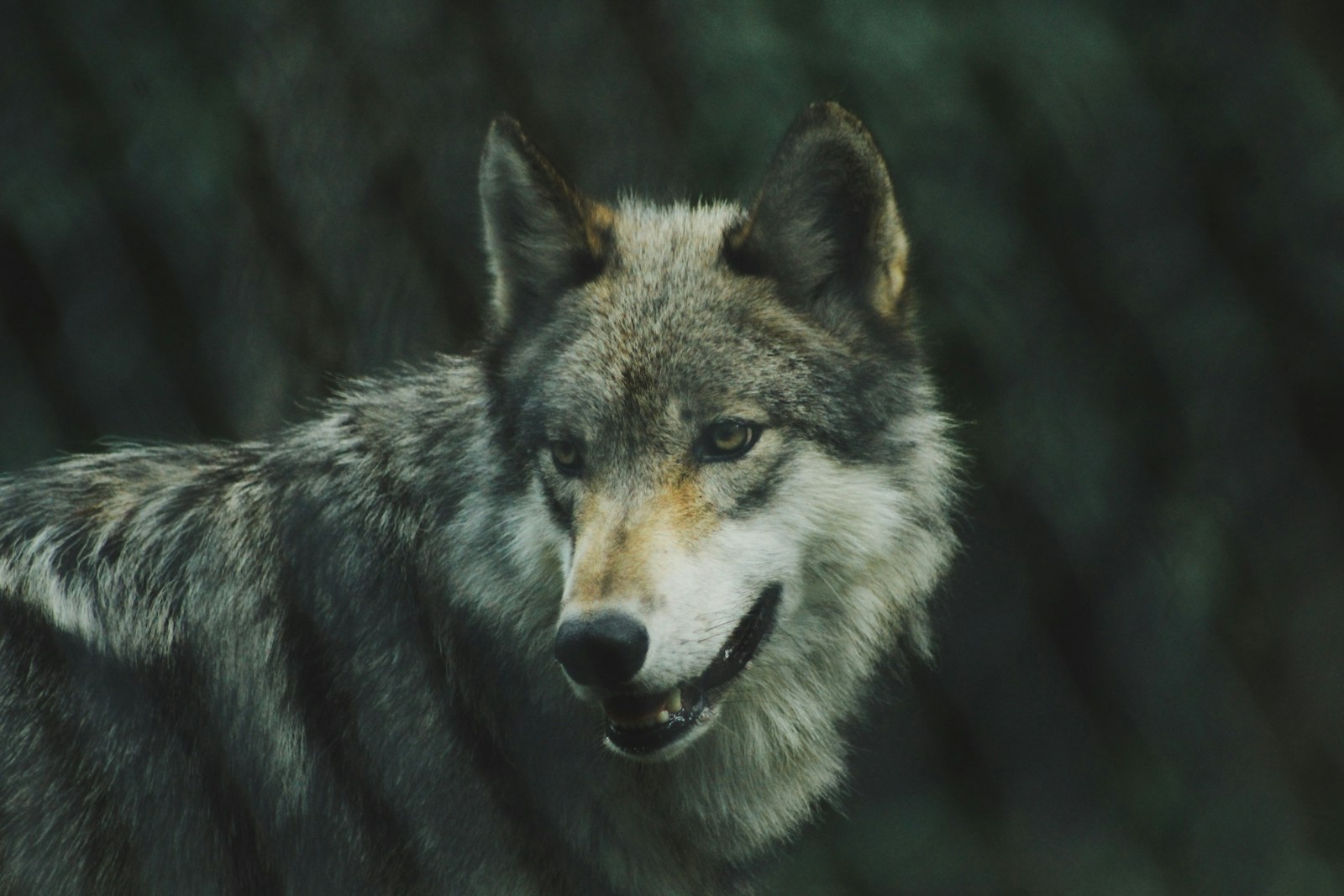
In the vast tapestry of North American ecosystems, few relationships are as ecologically significant as the predator-prey dynamic between wolves and elk. This intricate dance of survival has evolved over millennia, shaping landscapes and influencing the biodiversity of entire regions. When wolves were reintroduced to Yellowstone National Park in 1995 after a 70-year absence, scientists gained a natural laboratory to observe how these apex predators influence their prey populations. The results have been nothing short of remarkable, revealing the complex ways in which wolves help maintain healthy elk populations and, by extension, balanced ecosystems. This natural population control mechanism demonstrates nature’s sophisticated self-regulating systems and highlights the importance of predators in maintaining ecological health.
The Historical Relationship Between Wolves and Elk
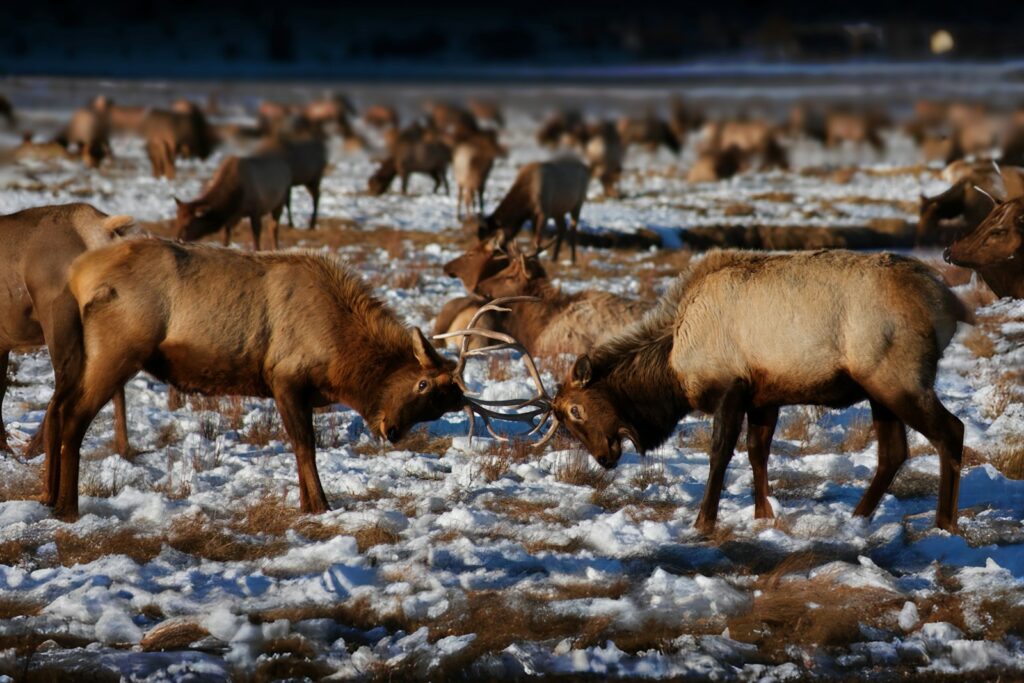
Wolves and elk have coexisted in North American ecosystems for thousands of years, evolving together in a classic predator-prey relationship. Before European settlement, wolves roamed freely across the continent, naturally regulating elk populations through predation. This natural balance was disrupted in the early 20th century when widespread wolf eradication programs decimated wolf populations across the United States. By the 1920s, wolves had been eliminated from Yellowstone National Park, leading to significant changes in elk behavior and population dynamics. Without their primary predator, elk populations exploded in many regions, creating cascading effects throughout the ecosystems they inhabited.
The Consequences of Wolf Extirpation
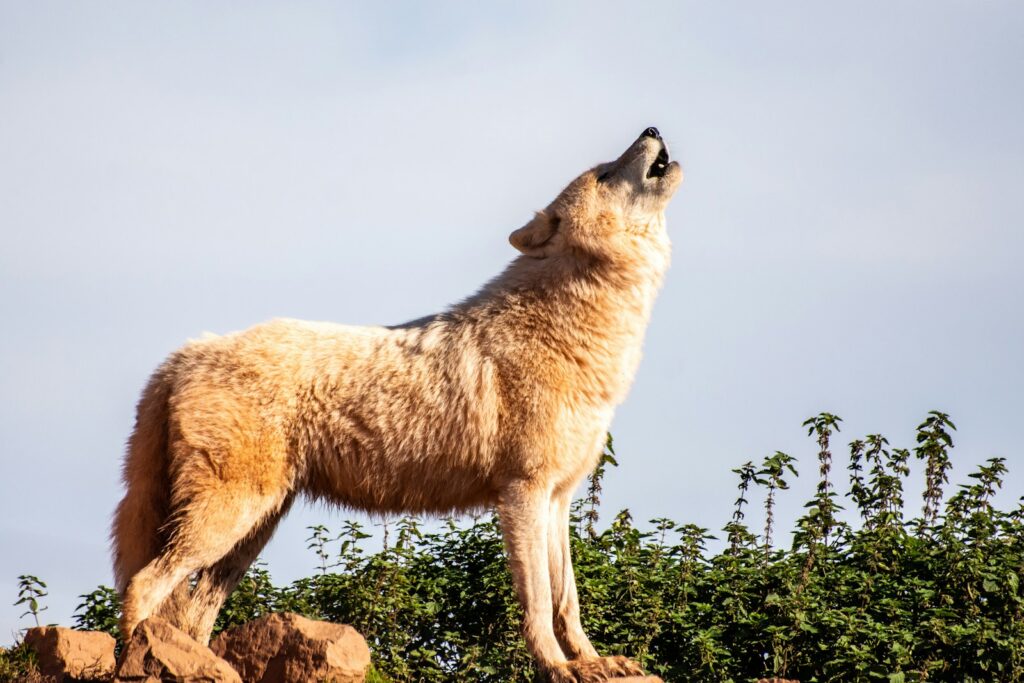
The removal of wolves from ecosystems like Yellowstone had profound and far-reaching consequences that scientists are still documenting today. Elk populations increased dramatically without predation pressure, leading to overgrazing of woody vegetation including willows, aspen, and cottonwood. Riparian areas suffered particularly severe impacts as concentrated elk browsing prevented the regeneration of trees and shrubs that stabilize stream banks and provide habitat for countless other species. Beaver populations declined as their food sources and building materials disappeared, leading to changes in stream hydrology and wetland abundance. The absence of wolves also allowed elk to remain stationary in sensitive areas for extended periods, intensifying their impact on vegetation in critical habitats.
Yellowstone: A Natural Experiment in Predator Restoration
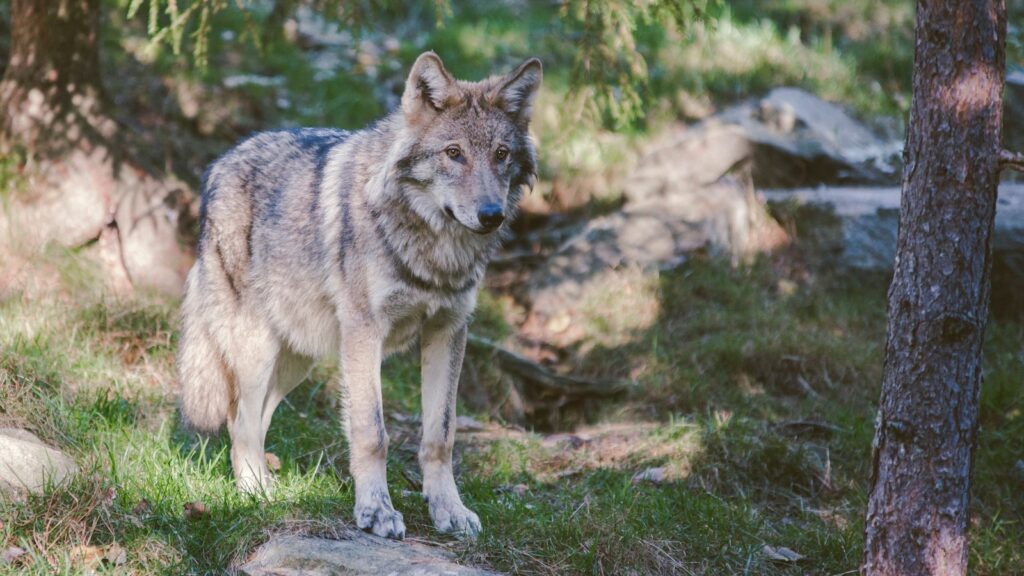
The reintroduction of wolves to Yellowstone National Park in 1995 created what scientists consider one of the most significant natural experiments in wildlife management history. After a seven-decade absence, 31 gray wolves from Canada were released into the park, establishing a predator presence that had been missing for generations. Researchers seized this unique opportunity to study the before-and-after effects of wolf restoration on the entire ecosystem. The Yellowstone Wolf Project has continuously monitored wolf and elk populations, their interactions, and the ripple effects throughout the ecosystem. This ongoing research has provided unprecedented insights into predator-prey dynamics and trophic cascades, revolutionizing our understanding of how apex predators influence ecosystem structure and function.
Direct Population Control Through Predation
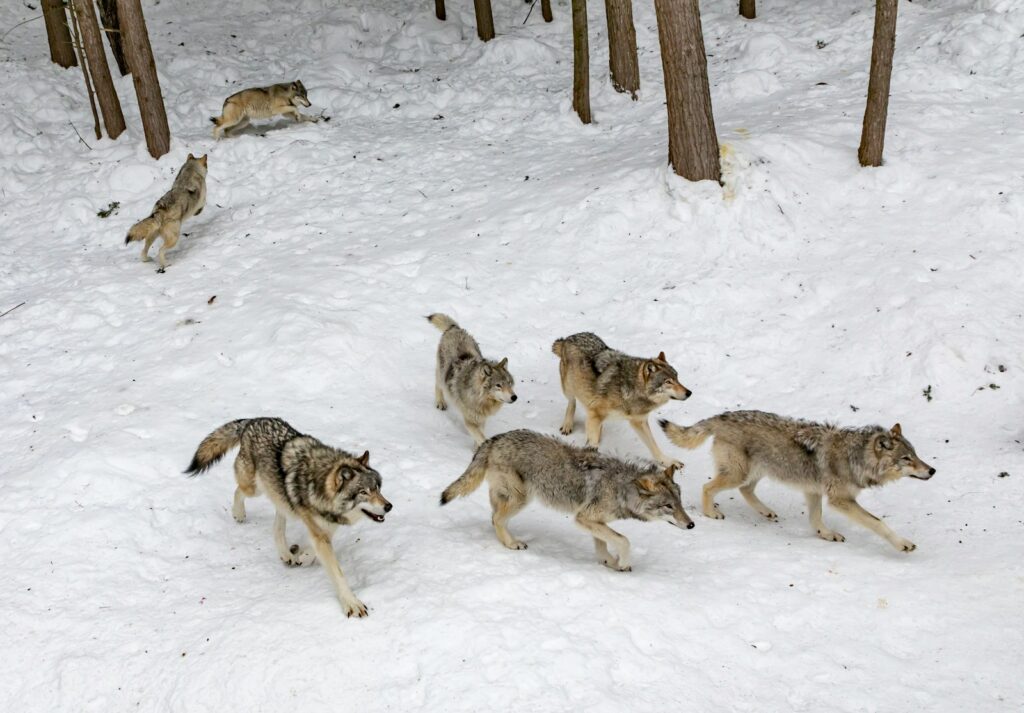
The most obvious impact wolves have on elk is through direct predation, which helps maintain elk numbers at levels the habitat can sustainably support. A typical wolf pack in Yellowstone kills an average of one elk every 2-3 days, with annual predation accounting for approximately 10-20% of the elk population. Wolves are selective hunters, targeting individuals that are easier to catch—often the very young, the old, the weak, or the sick—which helps maintain the overall health of the elk herd. This selective pressure contrasts sharply with human hunting, which often removes prime-age, healthy animals from the population. By removing vulnerable individuals, wolves help prevent population booms and crashes that can occur when elk numbers exceed the carrying capacity of their habitat.
The “Ecology of Fear” Effect
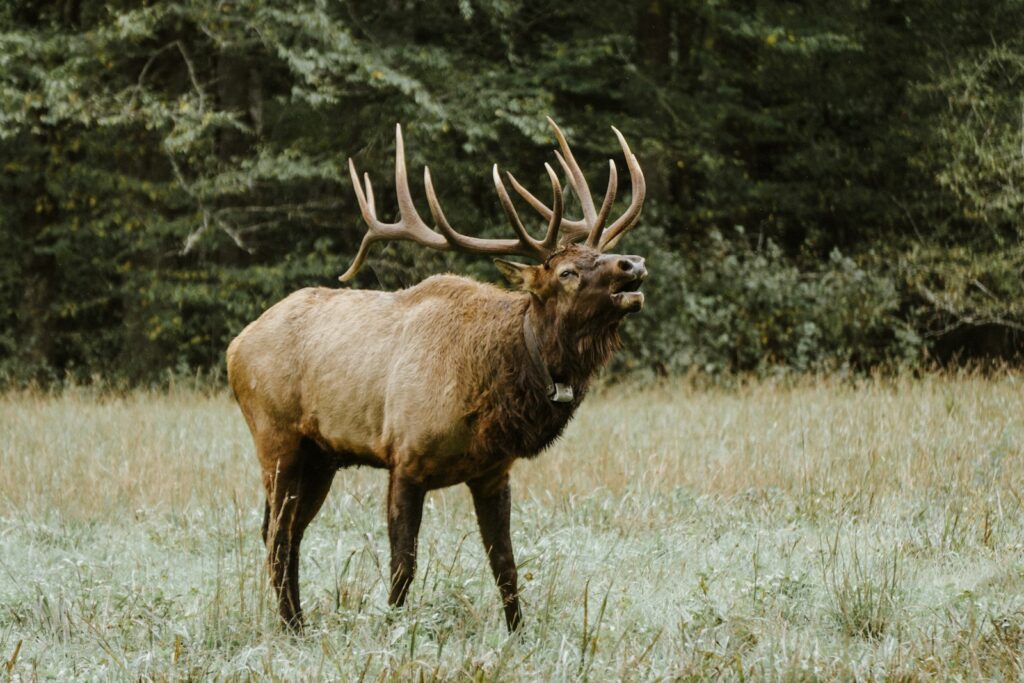
Beyond direct predation, wolves create what ecologists call a “landscape of fear” that fundamentally alters elk behavior and distribution across their habitat. Elk in wolf territory spend more time vigilant and alert, scanning for predators rather than feeding continuously in one location. This behavioral change forces elk to move more frequently between feeding areas, preventing the intensive browsing that occurred in the absence of predators. Researchers have documented that elk avoid certain terrain features where wolves have hunting advantages, such as valleys and riparian areas where visibility is reduced. The resulting shift in habitat use patterns has allowed vegetation in previously heavily browsed areas to recover, creating a mosaic of different successional stages across the landscape that benefits biodiversity.
Impact on Elk Population Demographics
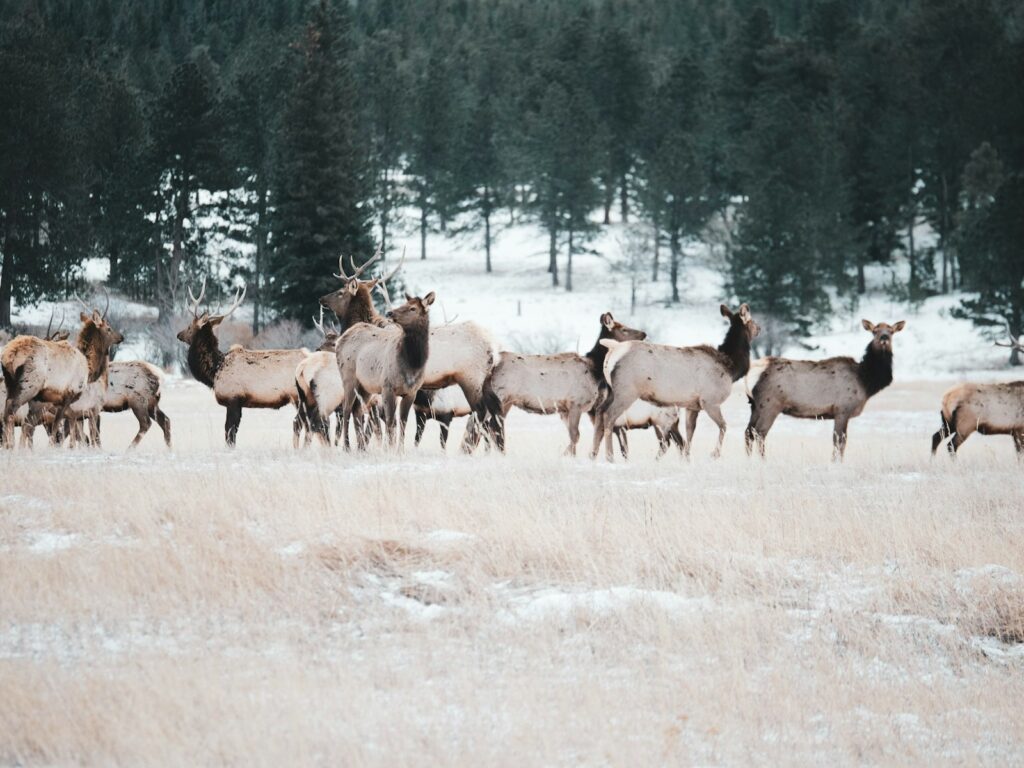
Wolf predation shapes not only the size but also the age and sex composition of elk herds, influencing their reproductive potential and population dynamics. Since wolves primarily target calves and older females, they put pressure on the reproductive and senescent segments of the population. Studies in Yellowstone have shown that the average age of cow elk has decreased since wolf reintroduction, creating a younger, more productive population. The predation pressure has also led to improved body condition among surviving elk, as resources are shared among fewer individuals. These demographic changes help maintain a more resilient and sustainable elk population that can better withstand environmental stresses such as harsh winters or drought.
Trophic Cascades: Beyond Predator and Prey
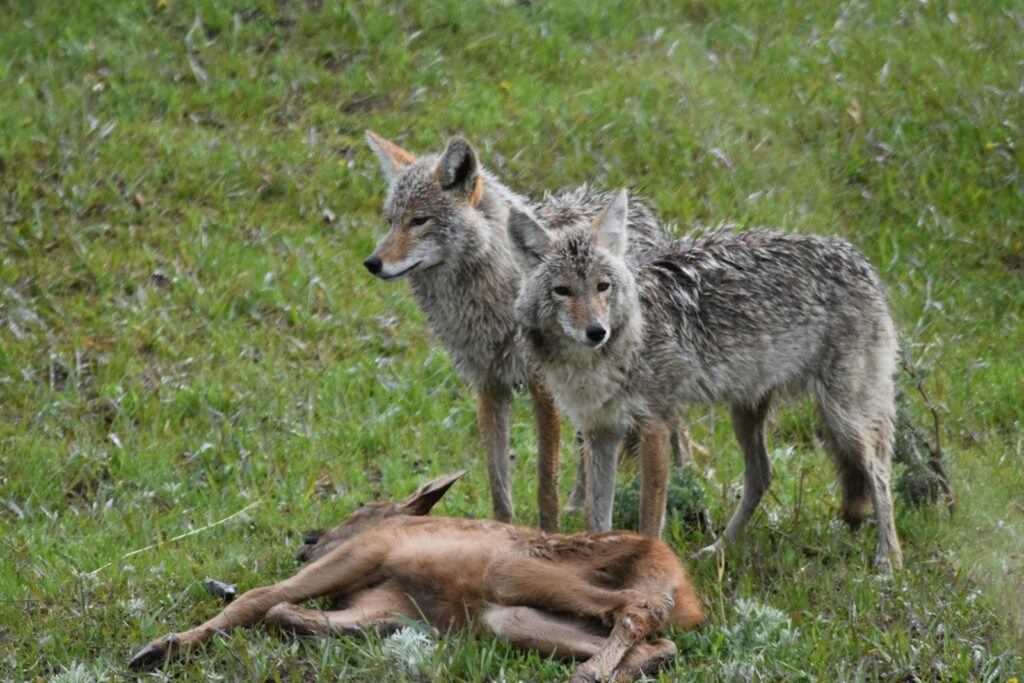
The wolf-elk relationship generates effects that cascade throughout the ecosystem in what ecologists call trophic cascades—changes that ripple across multiple levels of the food web. As wolves reduce elk numbers and alter their behavior, vegetation that was previously suppressed by overgrazing begins to recover and thrive. Young aspen, willow, and cottonwood trees have shown remarkable regeneration in areas where they had failed to grow for decades. This vegetative recovery has, in turn, supported the return of beaver populations, which create dams that enhance wetland habitat for numerous plant and animal species. Songbird diversity has increased in areas where recovering vegetation provides more nesting habitat. These cascading benefits demonstrate how the predator-prey relationship between wolves and elk influences ecosystem processes far beyond the direct interaction between these two species.
Seasonal Variations in Wolf-Elk Dynamics
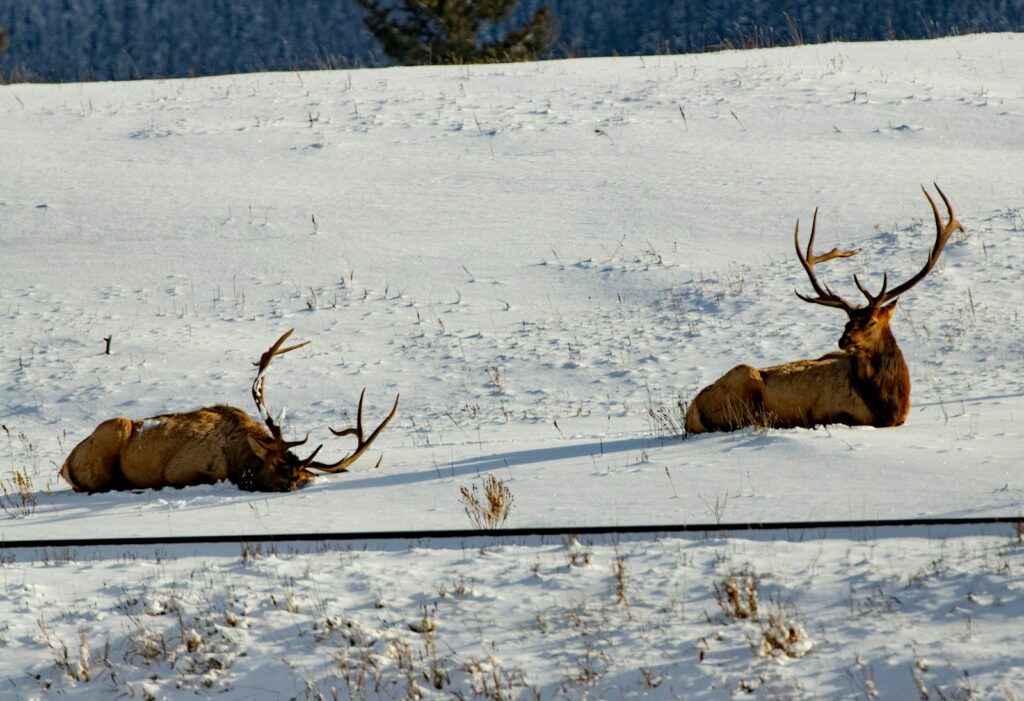
The relationship between wolves and elk exhibits strong seasonal patterns that reflect the changing vulnerabilities of elk throughout the year. Winter represents the prime hunting season for wolves, when deep snow hampers elk movement and depleted fat reserves weaken their condition. During this critical period, wolf predation can account for a significant proportion of elk mortality, particularly in severe winters when elk are already stressed by harsh conditions. Spring brings a new pulse of vulnerability with the birth of elk calves, which are highly susceptible to predation during their first few weeks of life. Summer and fall generally see reduced predation pressure as elk are in better physical condition and calves develop their mobility. These seasonal patterns create a dynamic equilibrium that prevents wolves from completely depleting their prey base while still maintaining sufficient pressure to regulate elk numbers.
Balancing Multiple Predators
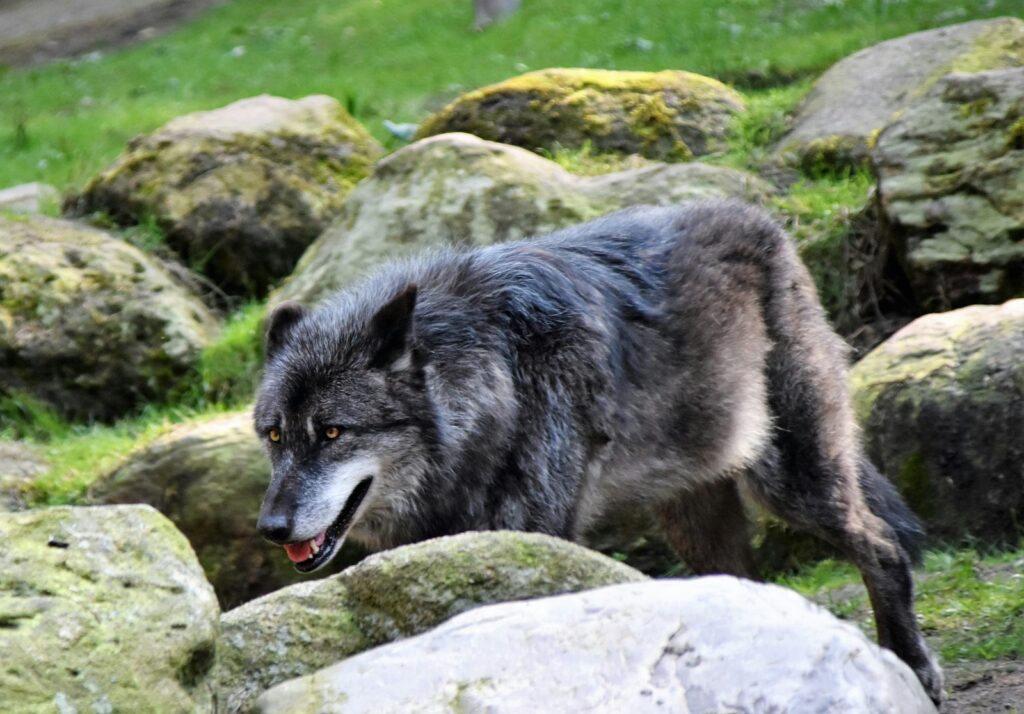
Wolves do not act in isolation as regulators of elk populations but function within a complex web of predators that collectively influence prey dynamics. In many ecosystems, grizzly bears, black bears, cougars, and coyotes also prey on elk, particularly targeting vulnerable calves during their first months of life. Bear predation can account for up to 50% of elk calf mortality in some areas, working in concert with wolf predation to regulate recruitment into the population. Human hunting adds another significant source of mortality in many regions where elk are managed as a game species. This multi-predator system creates redundancy in population control mechanisms, ensuring that even if one predator species declines, others can still exert regulatory pressure. The interplay between these various sources of mortality highlights the complexity of natural population regulation.
Regional Variations in Wolf-Elk Interactions
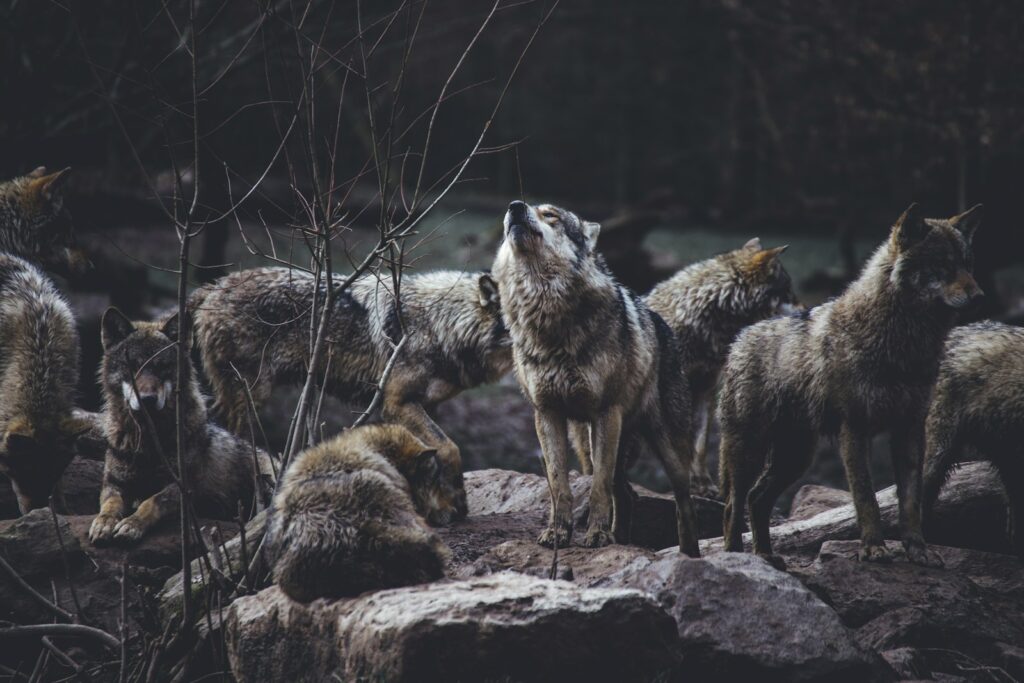
The impact of wolves on elk populations is not uniform across all ecosystems but varies considerably depending on habitat type, seasonal migration patterns, and alternative prey availability. In areas with open terrain like the northern range of Yellowstone, wolves may have stronger effects on elk populations than in densely forested regions where elk have more cover to evade predators. Migratory elk herds often experience different predation pressures than resident herds, with some populations finding refuge from wolves during seasonal movements to higher elevations. Local differences in alternative prey availability, such as bison, moose, or deer, can also influence how heavily wolves rely on elk as a food source. These regional variations remind us that predator-prey relationships must be understood within their specific ecological context rather than through broad generalizations.
Challenges in Measuring Wolf Impact
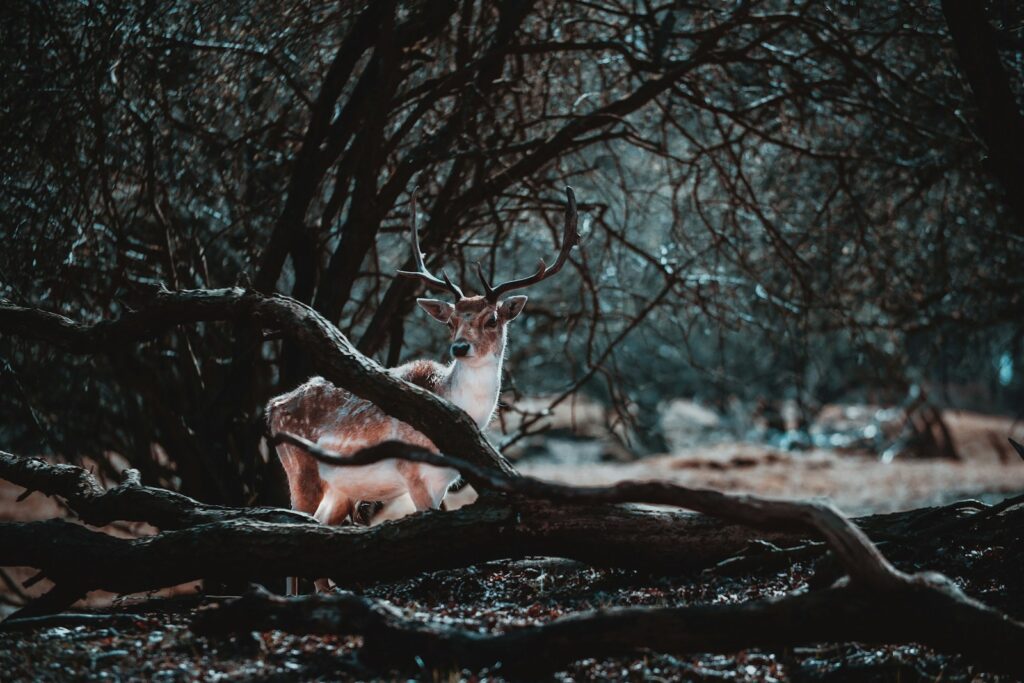
Quantifying the precise impact of wolves on elk populations presents significant scientific challenges that continue to spark debate among wildlife researchers. Isolating the effect of wolf predation from other factors affecting elk numbers—including weather patterns, habitat quality, disease, and human hunting—requires sophisticated research methods and long-term data collection. Some studies suggest that in certain contexts, winter severity or nutritional limitations may have greater impacts on elk population dynamics than predation. The compensatory versus additive nature of wolf predation remains a central question: do wolves primarily kill elk that would have died from other causes anyway (compensatory), or do they increase overall mortality rates (additive)? These complexities have fueled ongoing scientific discussions about how to accurately measure and interpret the regulatory role of wolves.
Management Implications and Human Dimensions
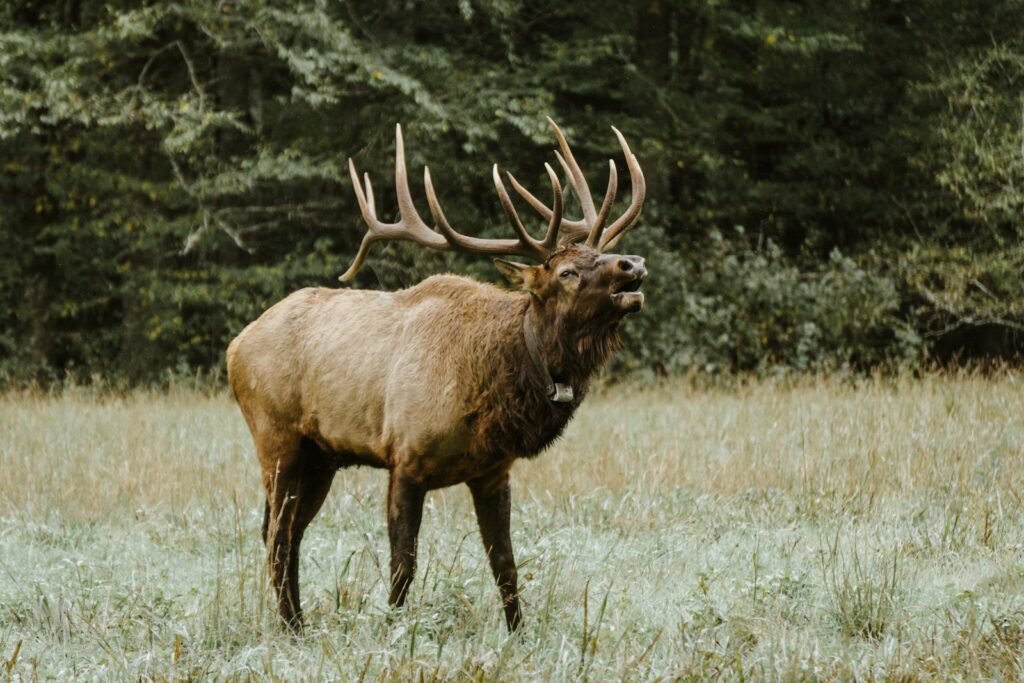
The role of wolves in regulating elk populations has significant implications for wildlife management and creates complex social challenges, particularly where various stakeholders have different perspectives on appropriate population levels. Hunters and outfitters may prefer higher elk densities to maximize hunting opportunities and success rates, while ranchers often favor lower elk numbers to reduce competition with livestock for forage. Conservation biologists typically advocate for ecologically functional populations that include natural predation. These competing interests have made wolf management one of the most contentious wildlife issues in regions where wolves have been reintroduced or naturally recolonized. Finding balance requires adaptive management approaches that incorporate both scientific data about predator-prey relationships and the social values of diverse stakeholders.
Future Research Directions
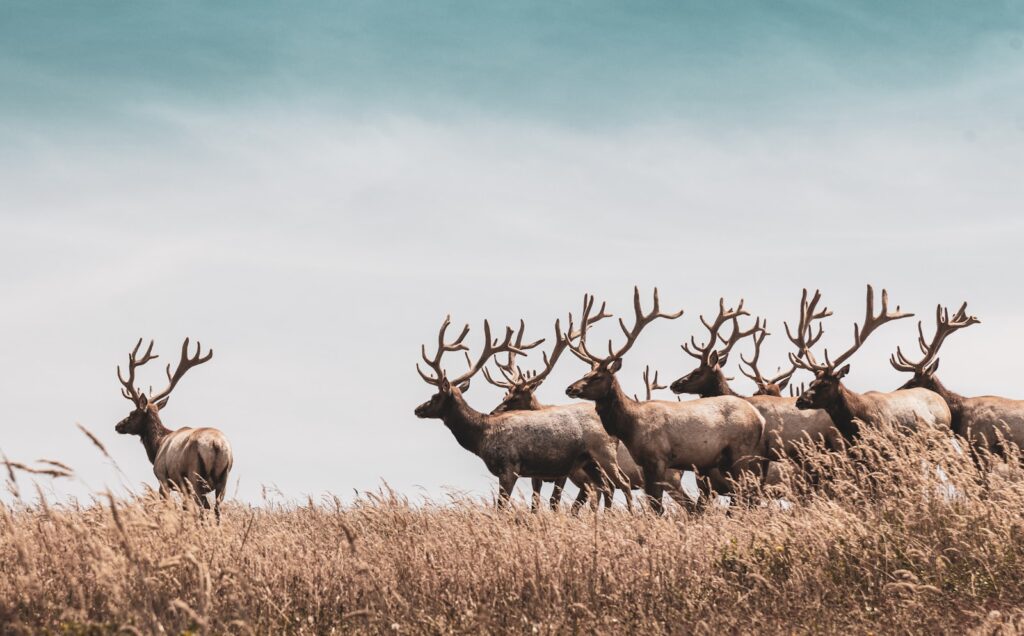
As our understanding of wolf-elk dynamics continues to evolve, several key research questions remain at the forefront of scientific inquiry. Researchers are increasingly focusing on how climate change might alter the predator-prey relationship, potentially shifting seasonal patterns of vulnerability or changing habitat use in ways that benefit either wolves or elk. The genetic consequences of wolf predation on elk populations—such as potential selection for specific traits that enhance predator avoidance—represent another fascinating area for future study. Advances in technology, including GPS collars, camera traps, and genetic techniques, are enabling more detailed analyses of predator-prey interactions at finer temporal and spatial scales. Long-term monitoring remains essential to distinguish short-term fluctuations from fundamental shifts in the ecological relationship between these iconic species.
Conclusion
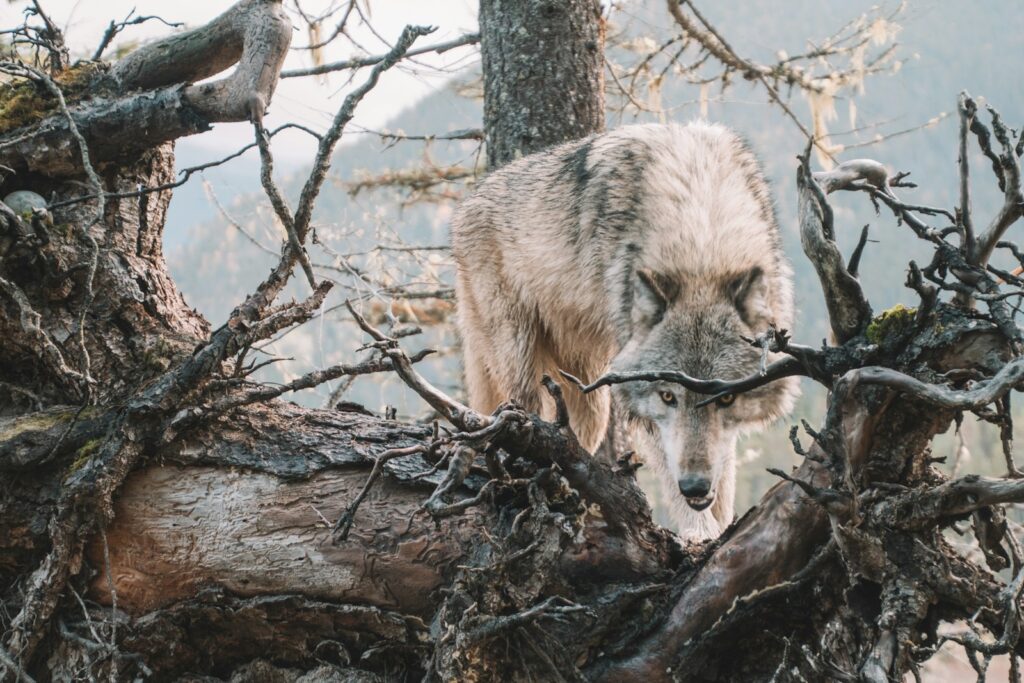
The relationship between wolves and elk exemplifies nature’s complex self-regulating systems, where predators and prey have evolved together in ways that maintain balance and ecological health. Through direct predation, behavioral modification, and trophic cascades, wolves help prevent elk overpopulation and its associated habitat degradation. This natural check on elk numbers promotes healthier ecosystems with greater biodiversity and resilience. However, the relationship is not static—it varies across landscapes, seasons, and in response to other environmental factors. As we continue to recover wolf populations across their former range, their role in regulating elk and other ungulates will remain an essential ecological process worthy of both scientific study and conservation effort. Understanding and preserving this ancient predator-prey relationship represents one of the great challenges and opportunities in modern wildlife management.