
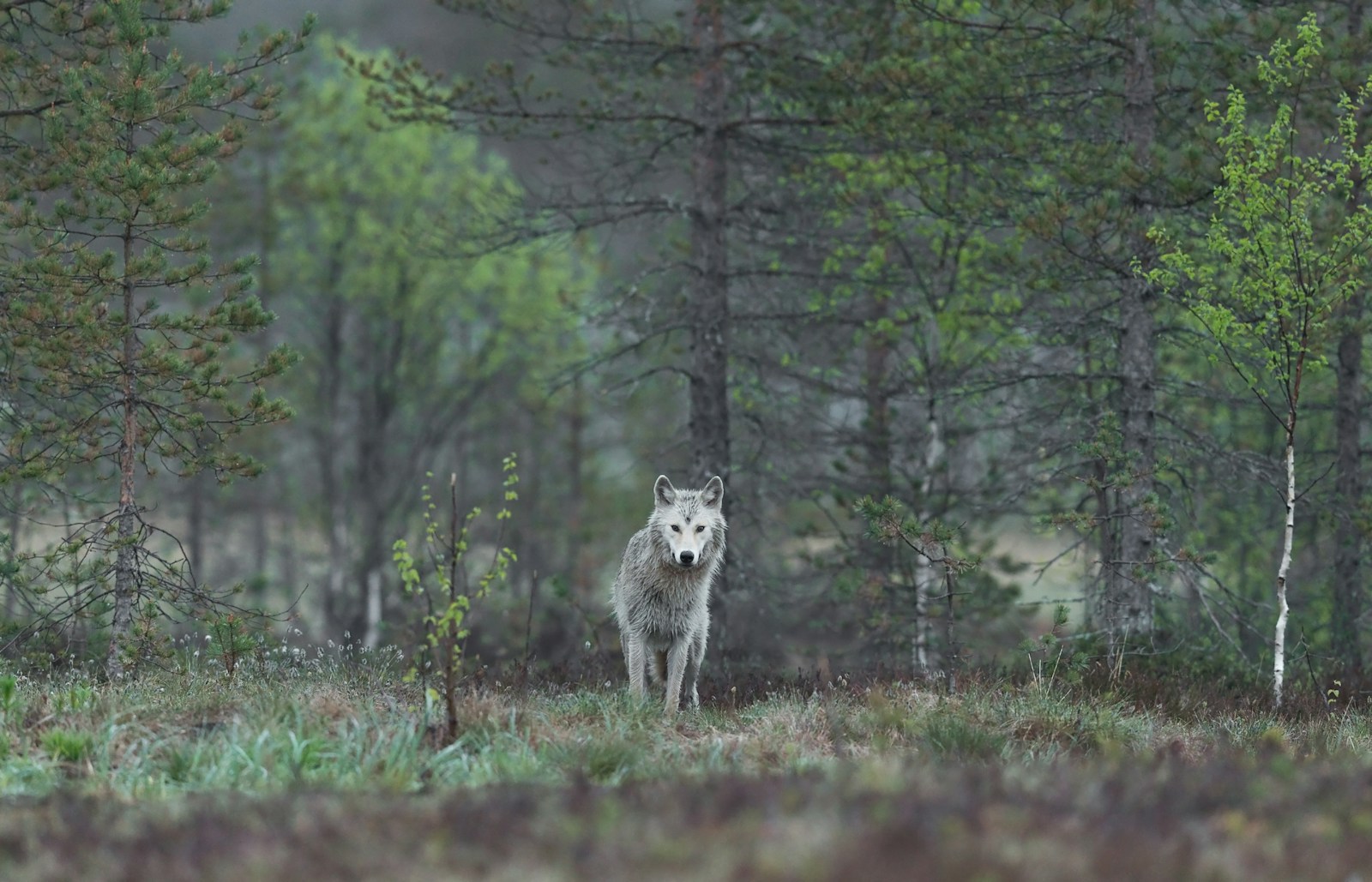
For decades, our understanding of wolf pack dynamics has been dominated by the concept of the “alpha wolf” – a powerful, dominant leader who rules through aggression and maintains control through force. This narrative has permeated everything from wildlife documentaries to business leadership books. However, modern wolf research has revealed a far more complex and fascinating reality. The simplistic alpha-dominant hierarchy model that captured public imagination is largely based on outdated and flawed research. Today’s scientists have developed a much more nuanced understanding of wolf social structures that reveals these intelligent animals form family units with sophisticated social bonds rather than tyrannical hierarchies. This article explores the truth about wolf pack structure, debunks the persistent alpha myth, and reveals the remarkable family dynamics that actually govern these magnificent animals’ lives.
The Origin of the Alpha Wolf Myth
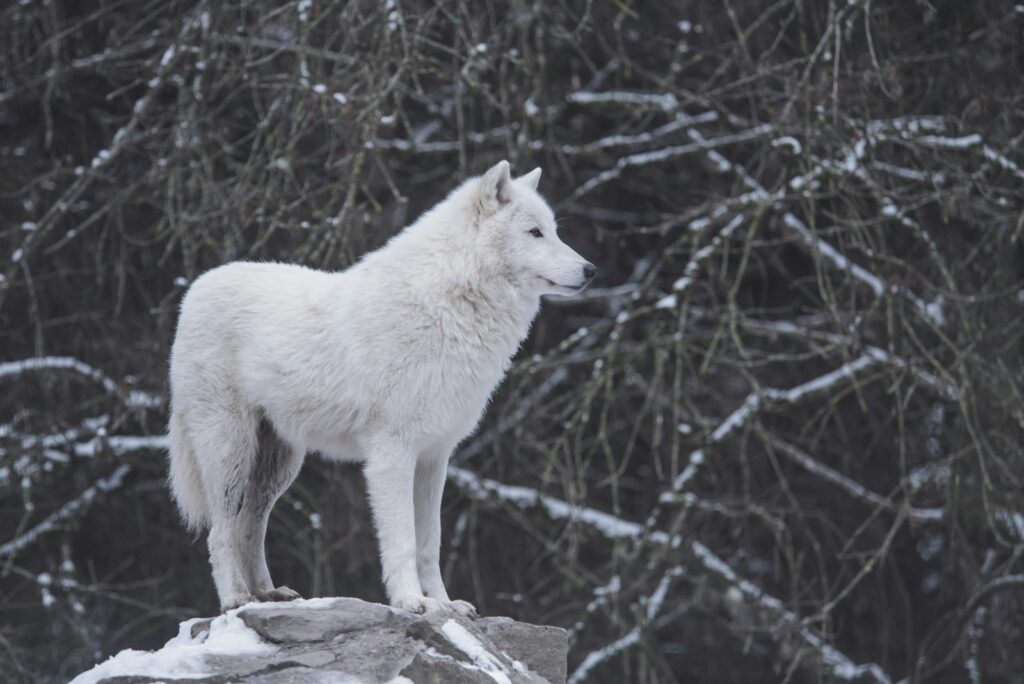
The concept of the alpha wolf originated primarily from research conducted in the 1940s by animal behaviorist Rudolph Schenkel, who studied wolves in captivity at the Basel Zoo in Switzerland. In this artificial environment, unrelated wolves were forced to live together in an enclosure, creating unnatural social groupings that led to aggressive competitive behaviors. Later, wildlife biologist L. David Mech popularized this concept in his 1970 book “The Wolf: The Ecology and Behavior of an Endangered Species,” describing a rigid dominance hierarchy with alpha wolves at the top. Importantly, Mech himself has spent decades trying to correct this misunderstanding after his subsequent field research revealed a completely different social structure in wild wolves. Despite scientific correction, the alpha concept had already captured public imagination and continues to be perpetuated in popular culture, creating a persistent misconception about wolf behavior that has proven difficult to dispel.
The Natural Family Structure of Wild Wolf Packs
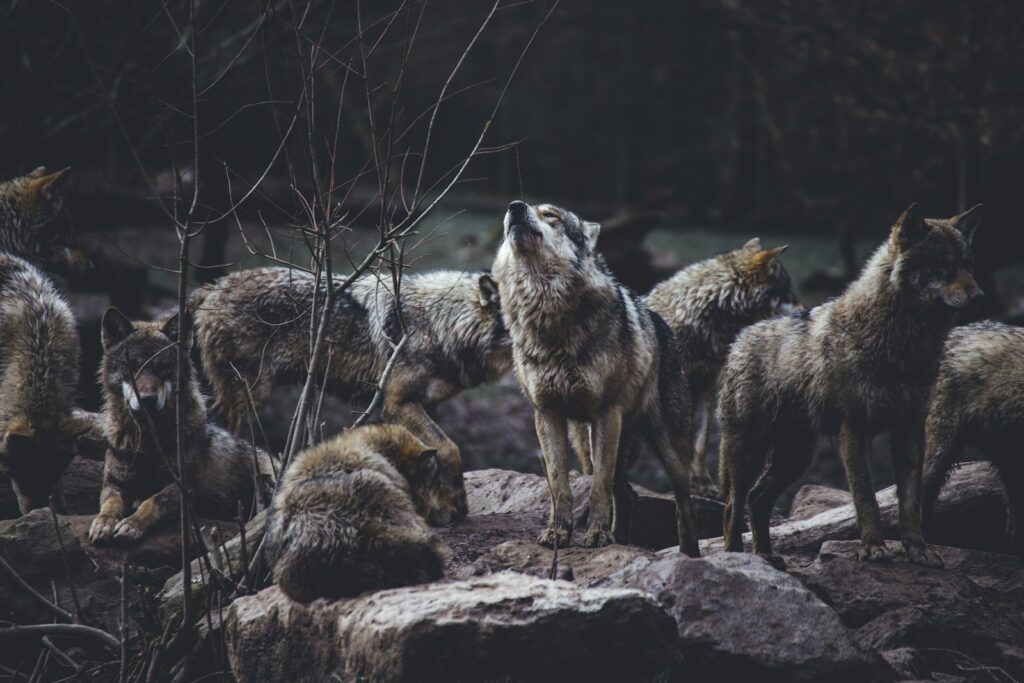
In their natural habitat, wolf packs typically function as family units rather than competitive hierarchies. Most packs consist of a breeding pair (sometimes called the breeding male and female) and their offspring from multiple years. The breeding pair naturally guides the pack, much as parents guide a human family, through their experience and parental role rather than through dominance displays or aggression. Young wolves usually remain with their natal pack for 1-3 years before potentially dispersing to find mates and establish their own families. This family-based structure creates a cooperative social unit where members work together for mutual benefit—hunting, defending territory, and raising young. When observed through this lens, wolf pack behavior begins to resemble extended family dynamics more than militaristic hierarchies, with teaching, cooperation, and familial bonds serving as the foundation of pack life.
Why L. David Mech Recanted His Alpha Theory
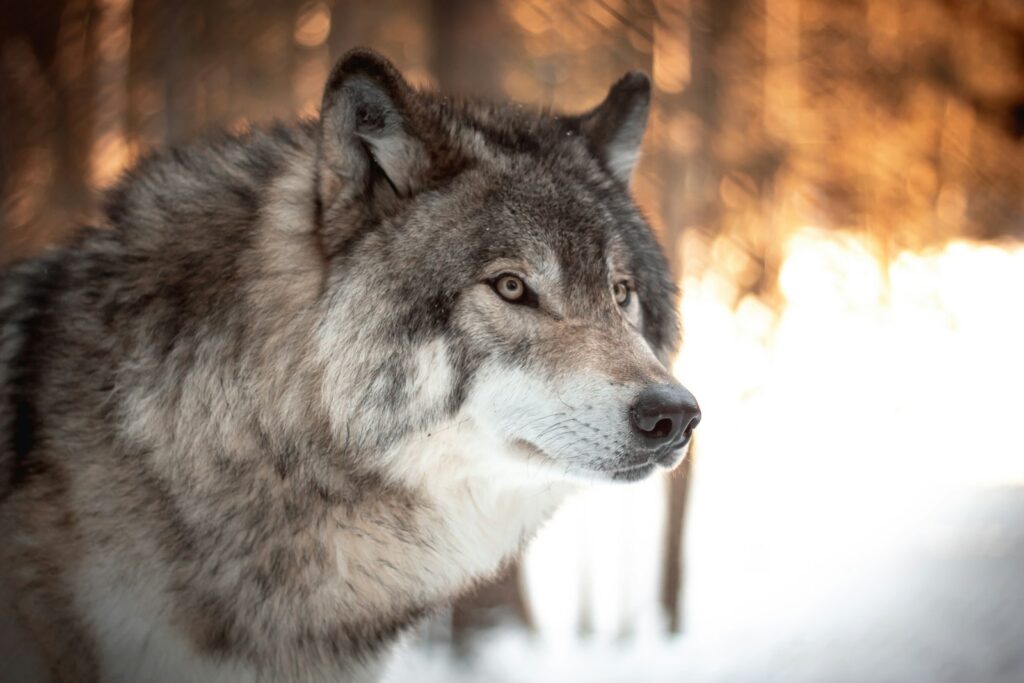
In a remarkable display of scientific integrity, L. David Mech, the very scientist who helped popularize the alpha wolf concept, has spent decades actively trying to correct his earlier conclusions. After conducting extensive field research with wild wolves in Minnesota and on Ellesmere Island in Canada, Mech discovered that natural wolf packs function entirely differently than the captive wolves previously studied. In 1999, he published an important paper titled “Alpha Status, Dominance, and Division of Labor in Wolf Packs” that explicitly addressed the misconceptions of his earlier work. Mech has gone so far as to request his publisher stop printing his 1970 book containing the outdated alpha concept, stating: “The concept of the alpha wolf as a ‘top dog’ ruling a group of similar-aged peers is particularly misleading.” Despite these efforts, the alpha myth has proven remarkably resilient, persisting in popular media and culture long after the scientific community has moved beyond it.
Leadership in Wolf Packs: Parents, Not Dominators
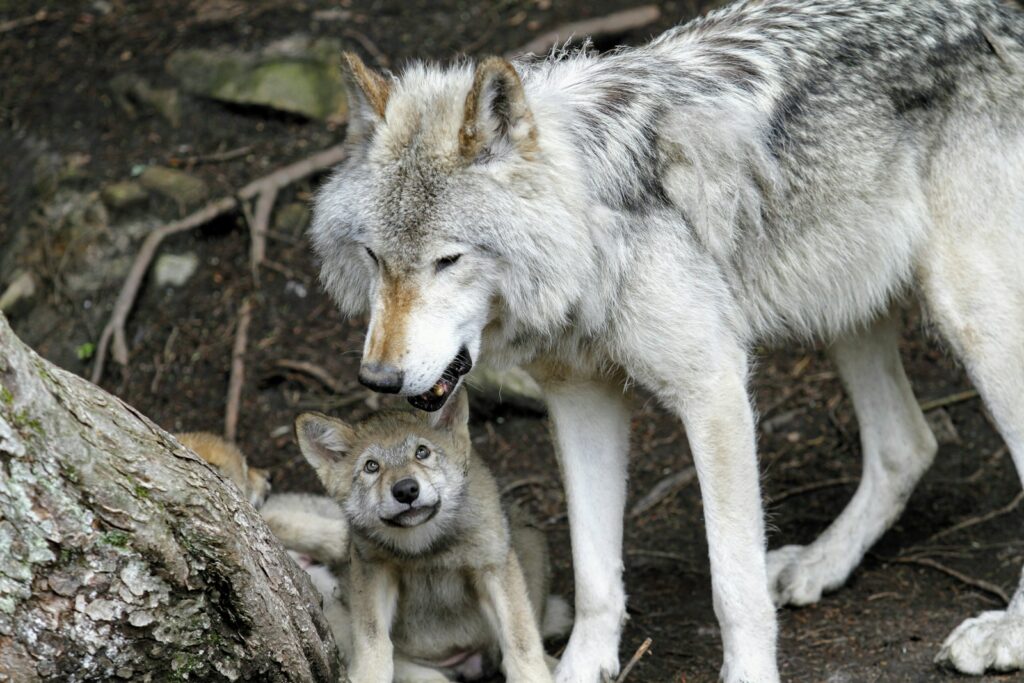
Leadership within wolf packs operates through parental guidance rather than dominance-based control. The breeding pair, as the oldest and most experienced members, naturally lead activities like hunting, territory defense, and pack movements based on their knowledge and experience. This leadership resembles how human parents guide their children—through teaching, example-setting, and decision-making that benefits the family unit. Young wolves learn through observation and participation, gradually developing the skills needed for survival. The breeding pair’s authority stems from their parental role and the respect naturally accorded to them as the progenitors of the pack, not from aggressive dominance displays. This understanding fundamentally reframes wolf behavior from a struggle for dominance to a cooperative family dynamic where leadership is earned through experience and oriented toward the welfare of the group rather than individual status.
Cooperative Hunting and Resource Sharing
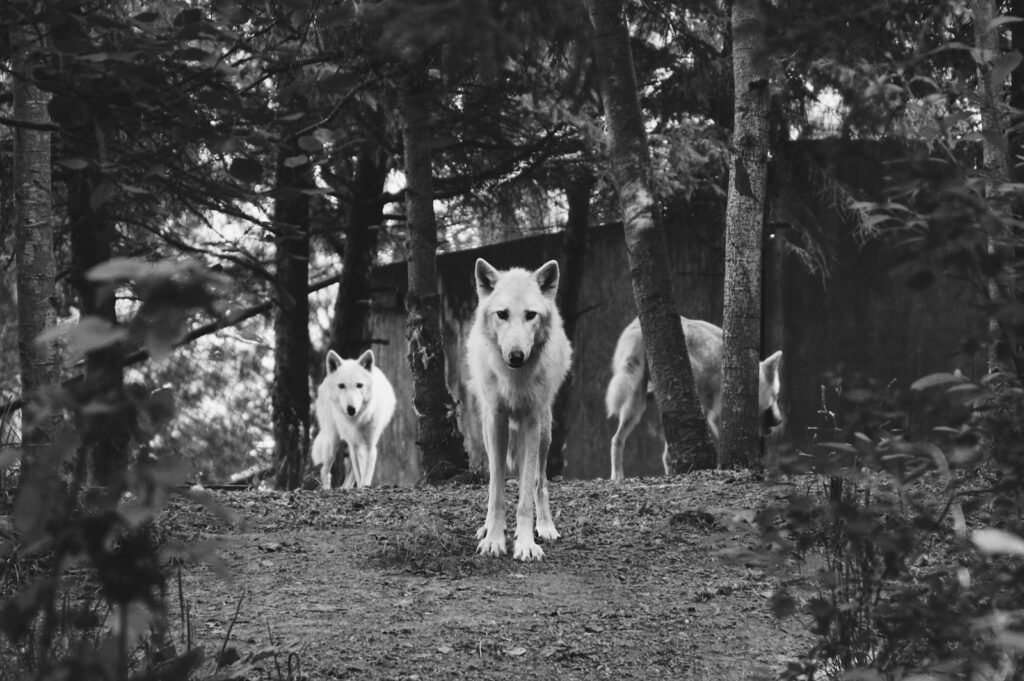
Wolf packs exhibit remarkable cooperation during hunting activities, with pack members filling complementary roles that maximize their chances of success. Different wolves may serve as scouts, ambushers, or pursuers depending on their individual strengths and the specific hunting situation. After a successful hunt, the traditional narrative suggests dominant wolves eat first, but field observations reveal a more nuanced reality where breeding wolves often allow young pups priority access to food. Resource sharing within the pack tends to follow familial patterns, with parents ensuring their offspring are nourished before attending to their own needs during times of scarcity. This cooperative approach to hunting and resource allocation stands in stark contrast to the competitive hierarchy suggested by the alpha model and reflects the evolutionary advantages of family-based cooperation for a species that hunts prey much larger than individual wolves.
Communication and Decision-Making in Wolf Packs
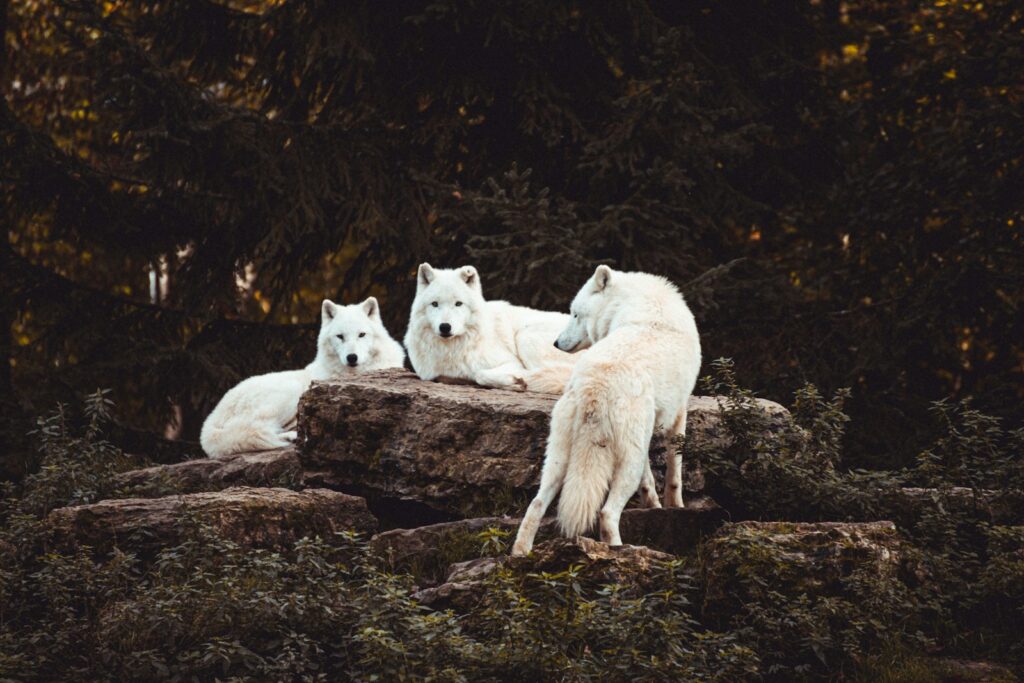
Wolf packs utilize sophisticated communication systems that facilitate group cohesion and cooperative action. Through a complex vocabulary of vocalizations including howls, whines, growls, and barks, wolves convey information about emotional states, locations, and potential threats or opportunities. Body language including tail positions, ear orientation, and subtle facial expressions creates a nuanced communication system that enables pack members to coordinate activities and maintain social bonds. Contrary to the alpha model where decisions would be imposed by a dominant individual, research suggests that wolf packs often engage in something resembling consensus decision-making. Studies have observed wolves engaging in “rallies”—pre-hunting gatherings involving mutual excitement and vocalizations that appear to build group consensus before coordinated action. This democratic element to wolf communication contradicts the hierarchical command structure suggested by the alpha myth.
Pack Formation and Dispersal Patterns
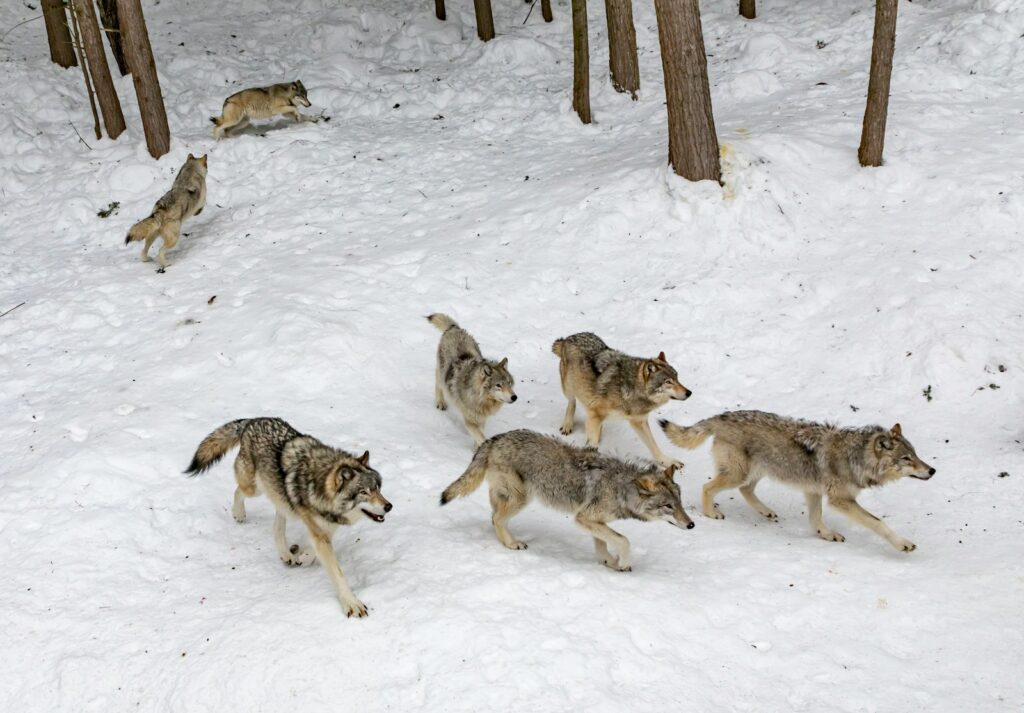
Wolf pack formation follows a natural family development cycle rather than a competition-based aggregation of unrelated individuals. A pack typically begins when two unattached wolves form a mated pair, claim territory, and produce their first litter of pups. As these offspring mature, they remain with their parents, creating a multi-generational family unit that continues to grow with subsequent litters. When reaching sexual maturity (typically between 1-3 years of age), young wolves often disperse from their natal pack to seek mates and establish their own territories and families. This dispersal mechanism helps prevent inbreeding and facilitates genetic diversity within the larger wolf population. The cycle continues as these dispersed individuals find mates and form new packs, creating a natural expansion and renewal of the wolf social structure across the landscape while maintaining the fundamental family unit as the core organizational principle.
Territorial Behavior and Pack Boundaries
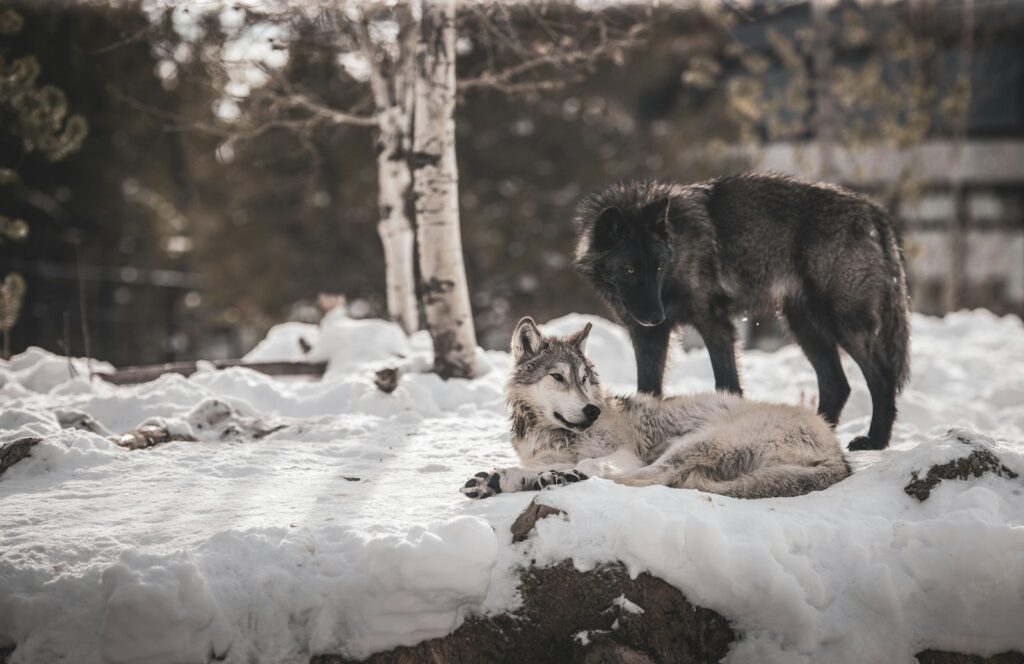
Wolf packs maintain territories that provide the resources needed to sustain their family unit, with territory size varying dramatically based on prey density and landscape characteristics. In prey-rich areas, territories may be as small as 50 square miles, while in areas with scattered resources, they can expand to over 1,000 square miles. Packs defend these territories primarily through scent marking, with the breeding pair taking the lead in depositing urine and feces at prominent boundary locations and trail intersections. Howling serves as another territorial communication method, allowing packs to announce their presence and location to neighboring groups. When territorial conflicts do occur, they typically involve the breeding members of different packs rather than dominance disputes within a single pack. These territorial behaviors reflect the pack’s need to secure sufficient resources for family survival rather than the individual status contests suggested by the alpha model.
Social Learning and Knowledge Transfer
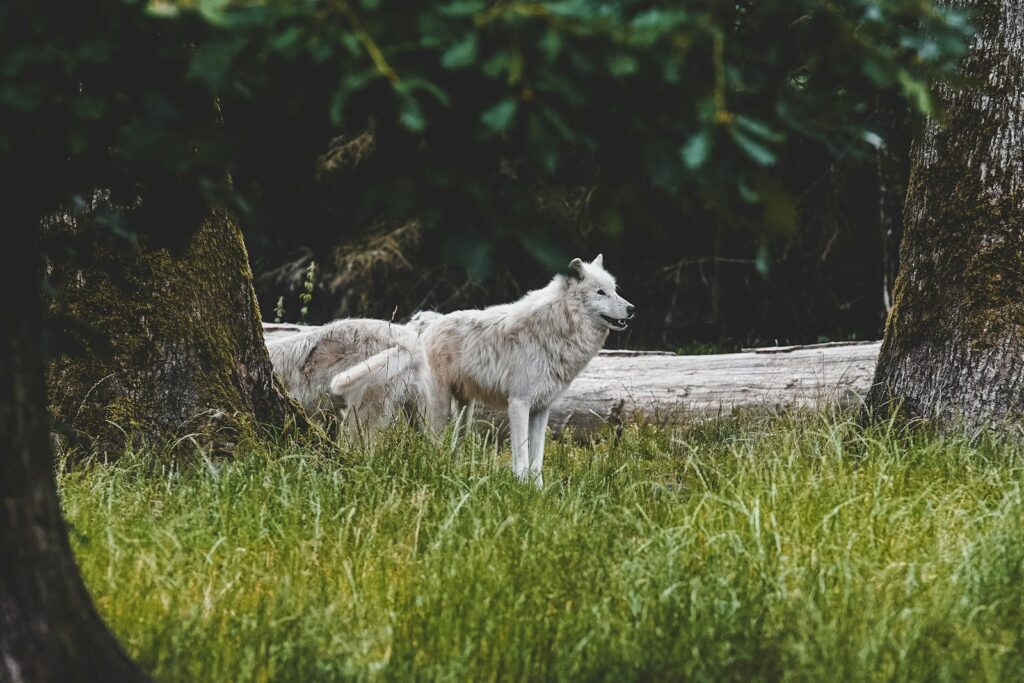
Wolf packs function as sophisticated knowledge transfer systems, with experienced wolves passing critical survival information to younger generations. Young wolves learn essential skills including hunting techniques, territory boundaries, safe denning locations, and appropriate responses to various threats through observation and guided participation. This social learning process relies on the extended family structure of the pack, with multiple generations creating a repository of accumulated knowledge. The breeding pair, having successfully established and maintained a territory, possess valuable expertise about local conditions that benefits the entire family unit. This educational aspect of pack life highlights why wolves’ social structures have evolved toward family units rather than competitive hierarchies—the former maximizes the transfer of survival knowledge across generations. Unlike the alpha model’s emphasis on competition, this perspective reveals wolf packs as cooperative learning communities where experience is valued and shared for collective benefit.
When Dominance Behaviors Do Occur
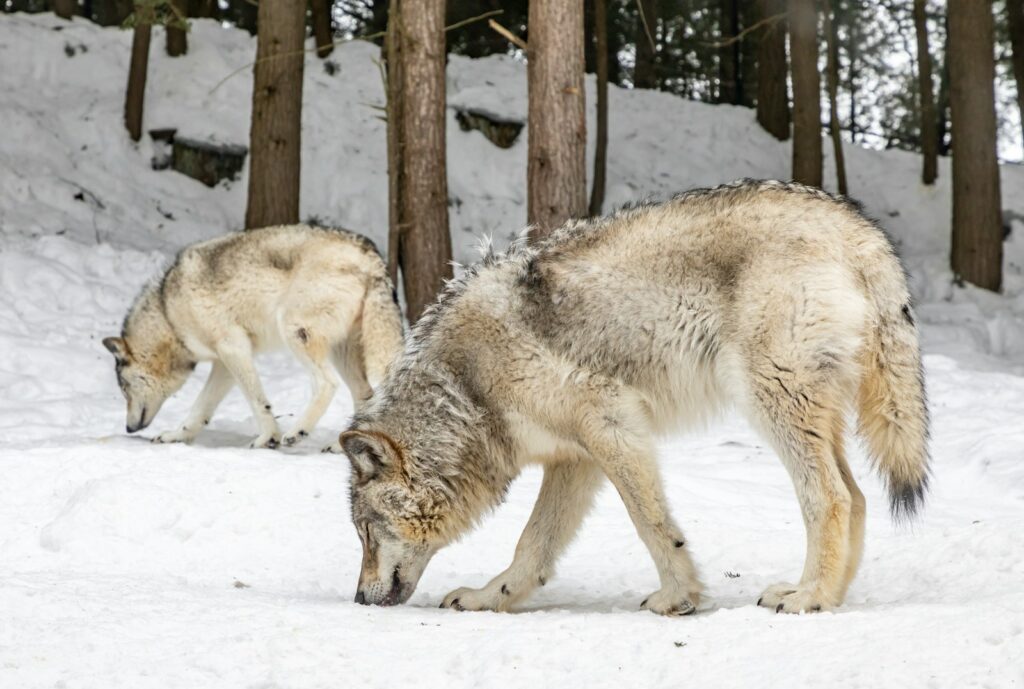
While the family-based understanding of wolf packs has largely replaced the alpha dominance model, this doesn’t mean dominance behaviors never occur within wolf social groups. Temporary displays of dominance may emerge during specific situations, particularly in captive settings where unrelated wolves are forced together, during competition for food in times of scarcity, or when adolescent wolves test boundaries. Breeding wolves may occasionally display corrective behaviors toward younger pack members, similar to parents disciplining children, which can be misinterpreted as dominance assertions rather than teaching moments. Additionally, when young wolves reach sexual maturity, tension can sometimes develop between them and the breeding pair, which typically resolves through the natural dispersal process rather than ongoing dominance conflicts. It’s important to distinguish these context-specific instances from the outdated notion that wolf packs are defined by constant dominance struggles and rigid hierarchical structures.
The Damage Done by the Alpha Myth
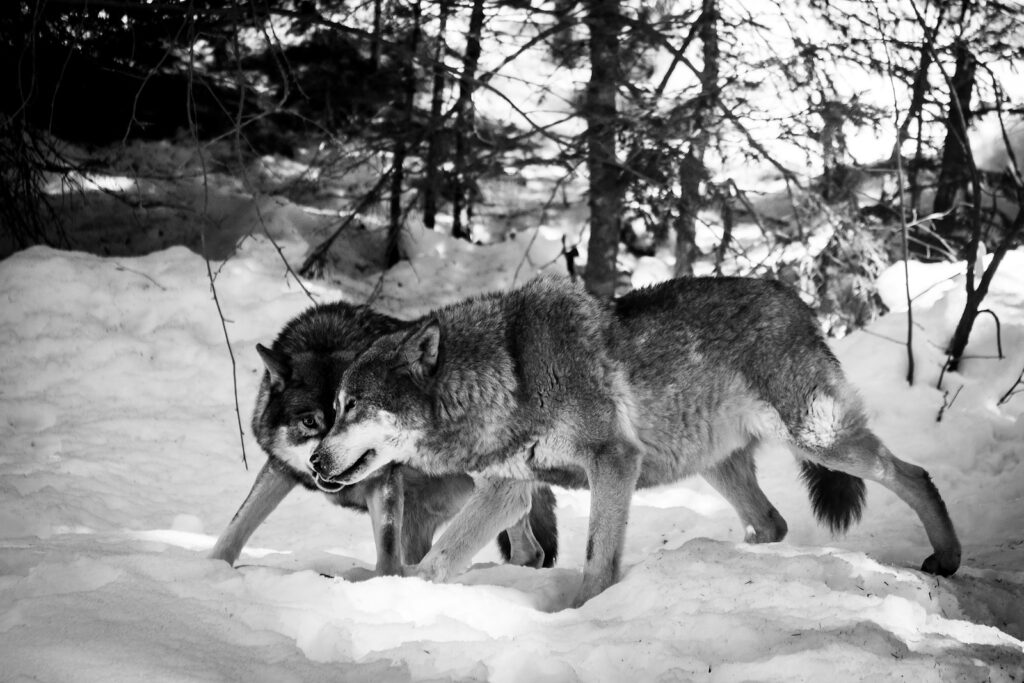
The persistent alpha wolf myth has caused significant harm beyond simply mischaracterizing wolf behavior. In wildlife management, the misconception has historically influenced culling policies based on the erroneous belief that removing “alpha” wolves would destabilize packs and reduce predation on livestock. In reality, disrupting pack structure often leads to smaller, less stable groups that may actually increase conflicts with humans. Perhaps most harmful has been the myth’s influence on dog training methods, where “alpha roll” techniques and dominance-based approaches have been justified by misapplied wolf research, leading to unnecessarily harsh training practices that damage the human-dog relationship and can increase aggressive responses. The myth has even permeated human social discourse, with concepts like “alpha males” in human society drawing false equivalences to misunderstood wolf behavior. These examples demonstrate how scientific misconceptions can propagate through culture with real-world consequences for both wildlife management and our relationships with domestic animals.
Modern Wolf Research Methods and Findings
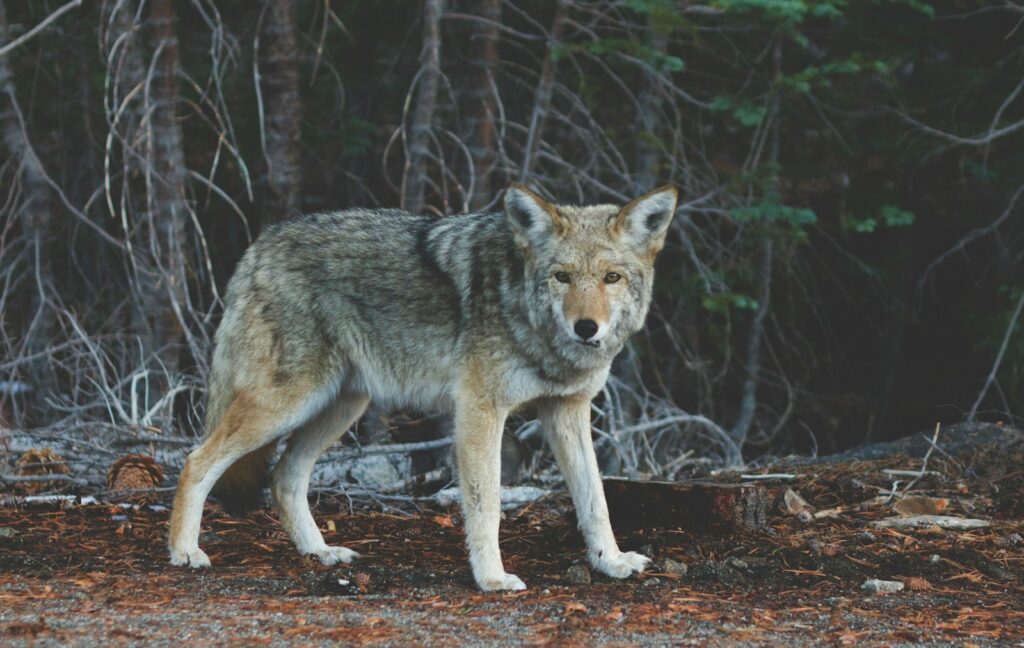
Contemporary wolf research employs sophisticated technologies and observational techniques that have revolutionized our understanding of pack dynamics. GPS collars allow researchers to track wolf movements with unprecedented precision, revealing detailed information about territory use, hunting patterns, and dispersal behaviors without disruptive human presence. Camera traps positioned at den sites and rendezvous areas capture natural behaviors that would be altered by human observers. Genetic sampling enables scientists to establish family relationships within packs and track lineages across generations and territories. Perhaps most valuable has been the long-term observational studies conducted in places like Yellowstone National Park, where researchers have documented the same wolf families for multiple generations, creating detailed records of natural pack formation, leadership transitions, and social dynamics. These modern research approaches consistently support the family-based understanding of wolf packs and continue to reveal nuances in wolf social behavior that further distance actual wolf dynamics from the simplified alpha myth.
Wolves in Popular Culture: Perpetuating Misconceptions
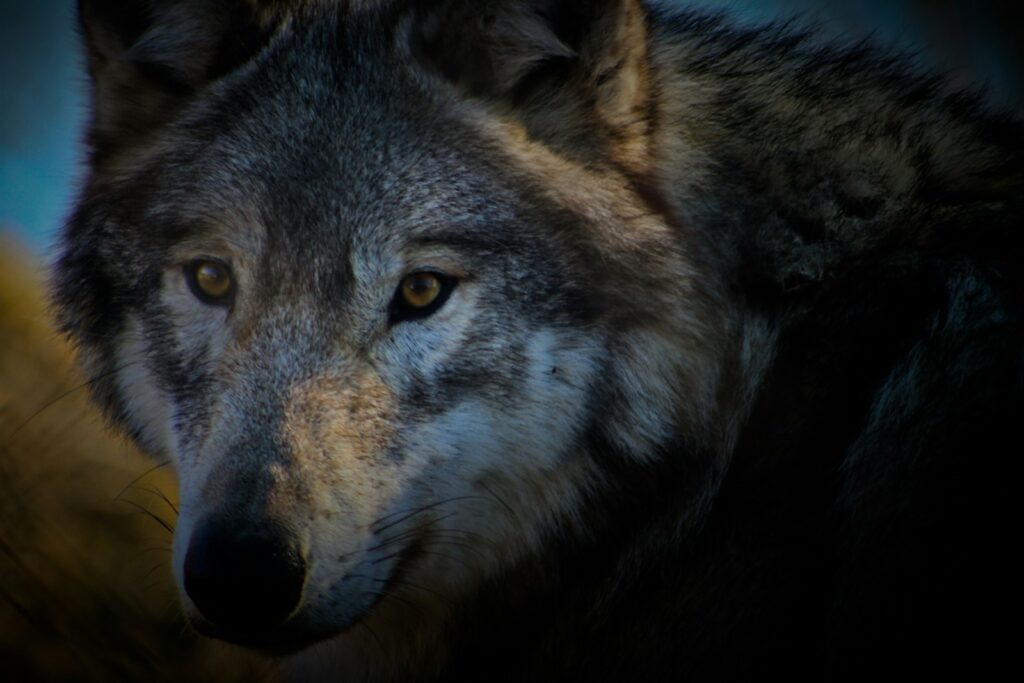
Despite scientific advances in understanding wolf behavior, popular culture continues to perpetuate the alpha wolf stereotype through various media channels. Nature documentaries often frame wolf pack interactions through an outdated dominance lens, using dramatic narration that emphasizes conflict over cooperation. Movies and television frequently depict wolves with exaggerated hierarchical structures that bear little resemblance to actual wolf societies. Even more problematic is the extension of these misconceptions to human contexts, with business leadership books and self-help guides promoting “alpha male” approaches based on fundamental misunderstandings of wolf behavior. Social media and internet culture have further amplified these misconceptions, with simplified and inaccurate representations of wolf pack dynamics spreading rapidly through memes and viral content. This disconnect between scientific understanding and popular depiction demonstrates the challenges in correcting entrenched misconceptions once they become embedded in cultural narratives, highlighting the need for more accurate and accessible science communication about these fascinating animals.
Conclusion: Understanding Real Wolf Society
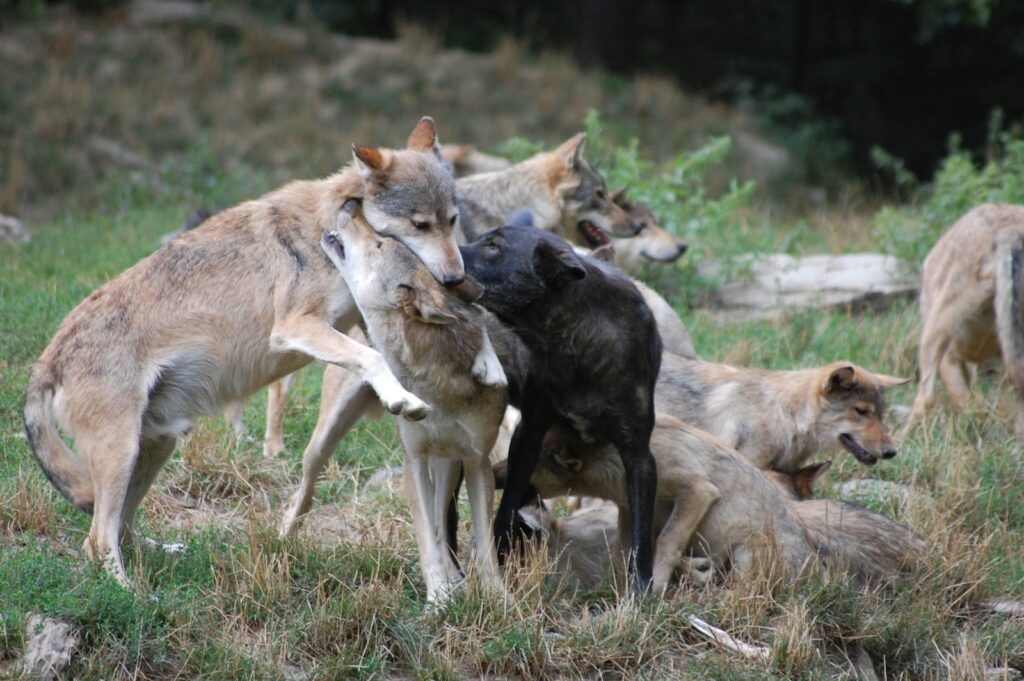
The journey from the alpha wolf myth to our current understanding of wolf pack dynamics represents not just a scientific correction but an important shift in how we view social structures in nature. By recognizing that wolf packs operate primarily as family units bound by cooperation, care, and knowledge sharing rather than dominance hierarchies, we gain a more accurate and nuanced appreciation of these remarkable animals. This understanding has important implications for wolf conservation, wildlife management, dog training approaches, and even how we frame certain human social dynamics. As we continue to study wolves with improved research methods and open minds, we discover ever more complex and fascinating aspects of their social lives that defy simplistic categorization. Perhaps most importantly, debunking the alpha myth reminds us to approach wildlife with humility—recognizing that our initial interpretations of animal behavior often say more about human cultural biases than they do about the animals themselves.