
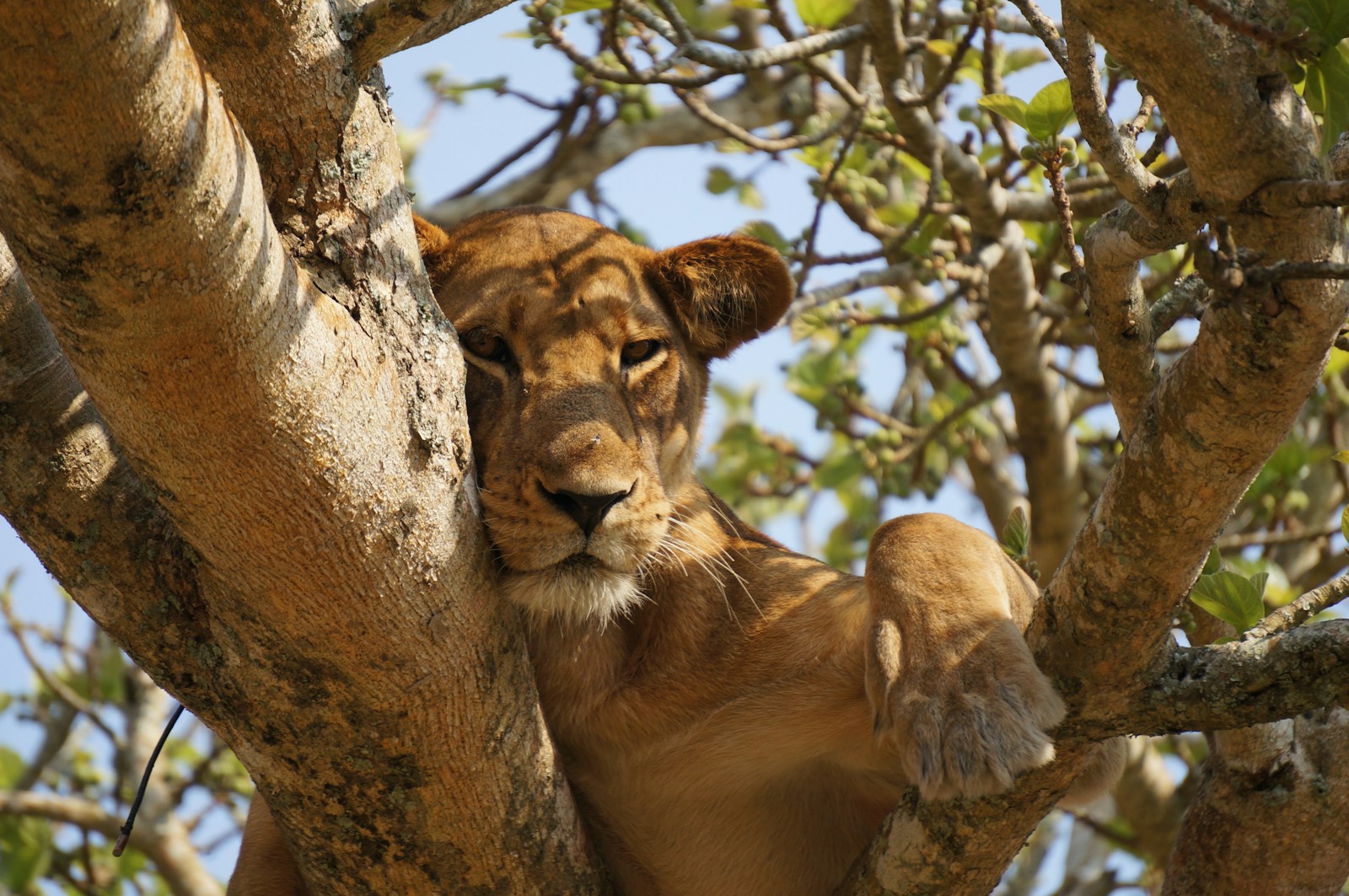
In the shadowy realm of predator-prey dynamics, few hunters embody the perfect blend of patience, power, and precision quite like the mountain lion. These magnificent felines, also known as cougars, pumas, or panthers, have perfected the art of stealth hunting over millions of years of evolution. Their ability to move through diverse landscapes virtually undetected, coupled with their explosive power when striking, makes them among North America’s most successful predators. This article explores the fascinating hunting behaviors of mountain lions, revealing how these solitary cats have mastered the ultimate ambush strategy that allows them to take down prey many times their size.
The Master of Invisibility
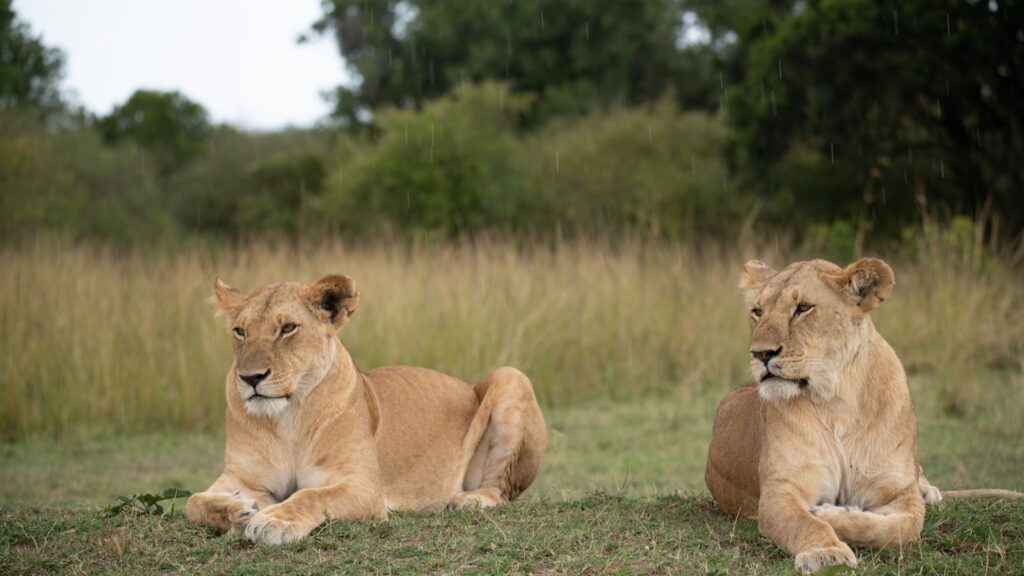
Mountain lions have evolved to become nearly invisible in their natural habitats, a critical adaptation for a predator that relies on surprise attacks. Their tawny coats blend perfectly with the dappled light of forests, the golden hues of grasslands, and the reddish-brown terrain of canyon lands. This natural camouflage is complemented by their habit of moving slowly and deliberately when stalking, often freezing completely when prey looks in their direction. The mountain lion’s ability to melt into its surroundings is so effective that people can live in prime cougar habitat for years without ever glimpsing one of these secretive cats. Even wildlife researchers using modern tracking technologies often struggle to spot mountain lions they know are nearby, earning these cats their reputation as “ghosts of the wilderness.”
Anatomical Adaptations for Silent Movement
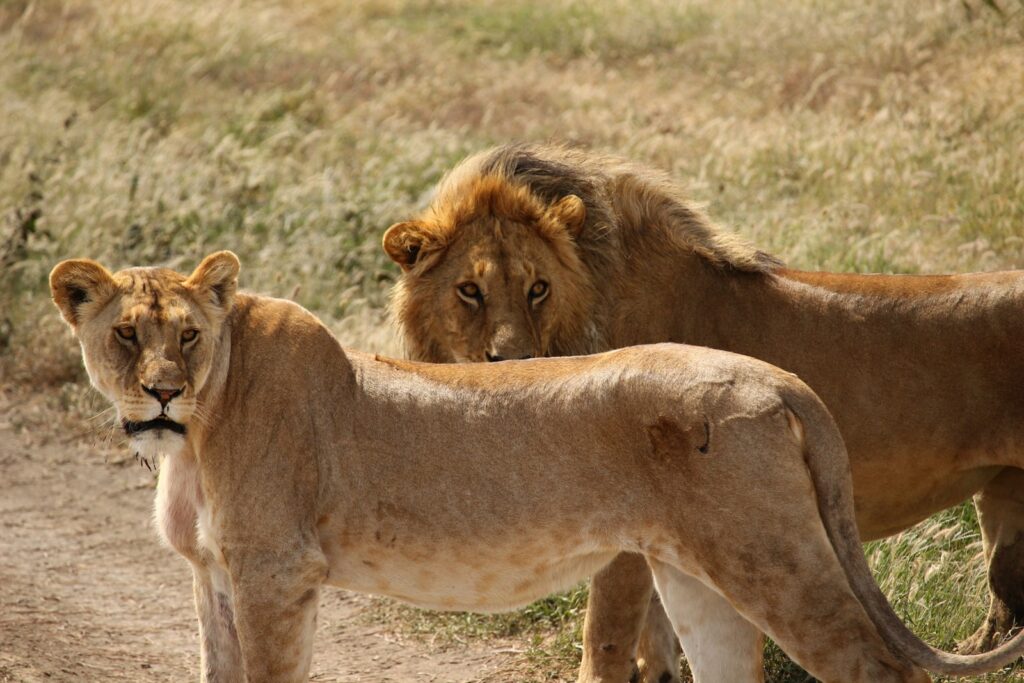
The mountain lion’s body is perfectly designed for stealthy movement through various terrains. Their large, soft paws act as nature’s perfect sound dampeners, allowing them to place each foot with remarkable precision and minimal noise. Unlike canids like wolves, mountain lions have retractable claws that remain sheathed during stalking, preventing the telltale click of nails on hard surfaces that might alert prey. Their muscular yet flexible spine enables them to move with a fluid grace that minimizes disruption to their surroundings. Perhaps most impressive is the mountain lion’s tail, which serves as a counterbalance during stalking, helping the cat maintain perfect stability even when moving through uneven terrain or preparing to pounce. These physical adaptations work in concert to create a predator that can move through dry leaves and brittle twigs without making a sound.
The Psychology of the Stalk
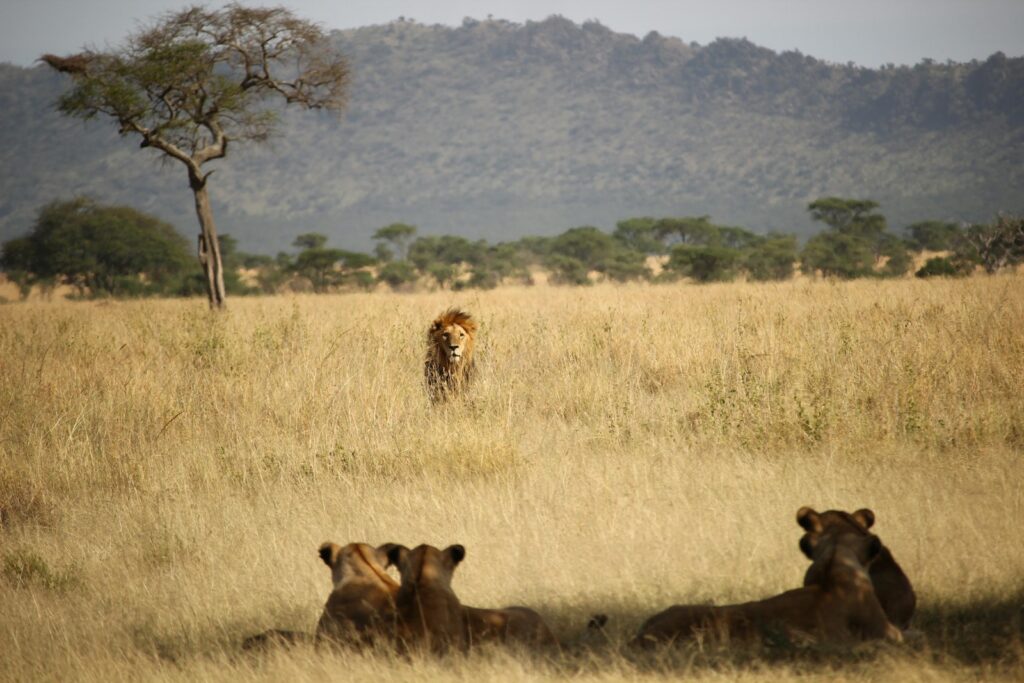
Mountain lion hunting behavior demonstrates remarkable cognitive abilities and decision-making skills that go far beyond mere instinct. These predators carefully assess potential prey, considering factors such as the animal’s size, health, alertness, and proximity to escape routes or herd protection. Research has shown that mountain lions often pass up easier targets if they detect signs of disease or poor condition, preferring to expend their energy on prey that will provide better nutritional returns. During the stalking phase, these cats show impressive patience, sometimes following potential prey for hours or even days before determining the perfect moment to strike. This calculated approach helps explain why mountain lions have among the highest hunting success rates of all large predators, with some studies suggesting success rates of 70-80% compared to the 25-30% typical of many other carnivores.
The Perfect Distance: Calculating the Approach
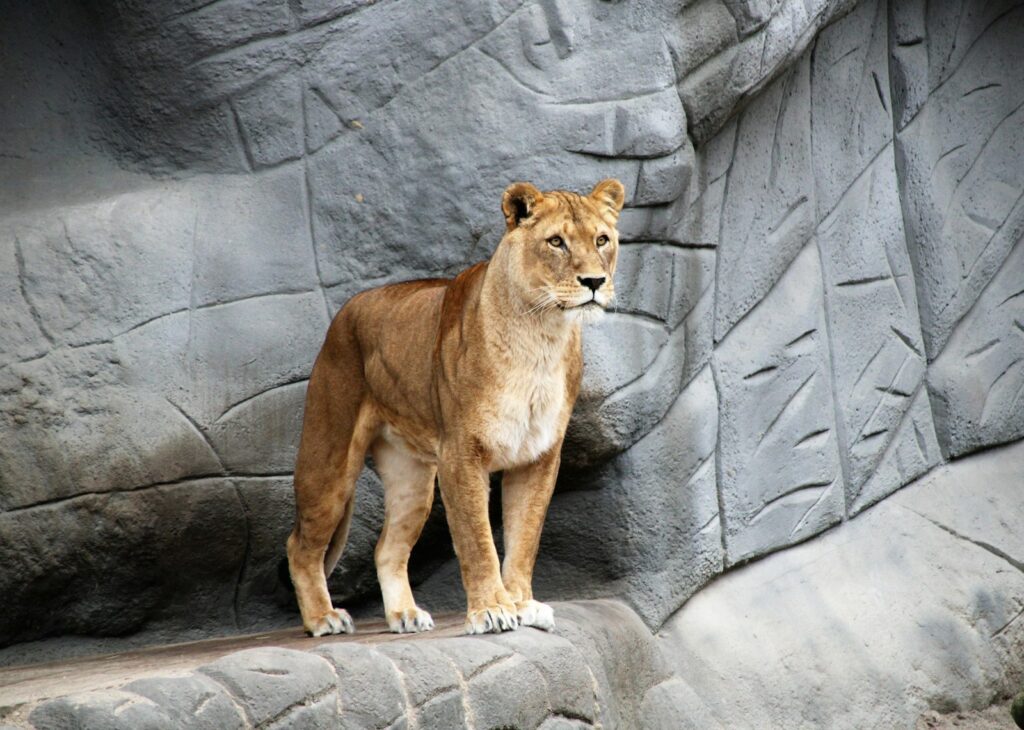
Mountain lions are mathematical maestros of distance calculation, instinctively understanding the precise measurements needed for a successful ambush. These cats typically begin their final approach when within 50-75 feet of their target, having positioned themselves downwind to prevent detection by scent. The mountain lion’s stalking strategy involves getting as close as possible before the final rush, as their hunting style relies on short bursts of explosive speed rather than the long-distance pursuit preferred by some other predators. Studies using GPS collars have revealed that mountain lions often use terrain features like rocks, logs, or vegetation as measuring tools, moving from one cover point to another in a strategic zigzag that maintains optimal striking distance while minimizing exposure. The cat will frequently pause to recalculate distances as the prey moves, showing remarkable spatial awareness that helps ensure the final pounce will land precisely on target.
Time of Day: The Advantage of Twilight
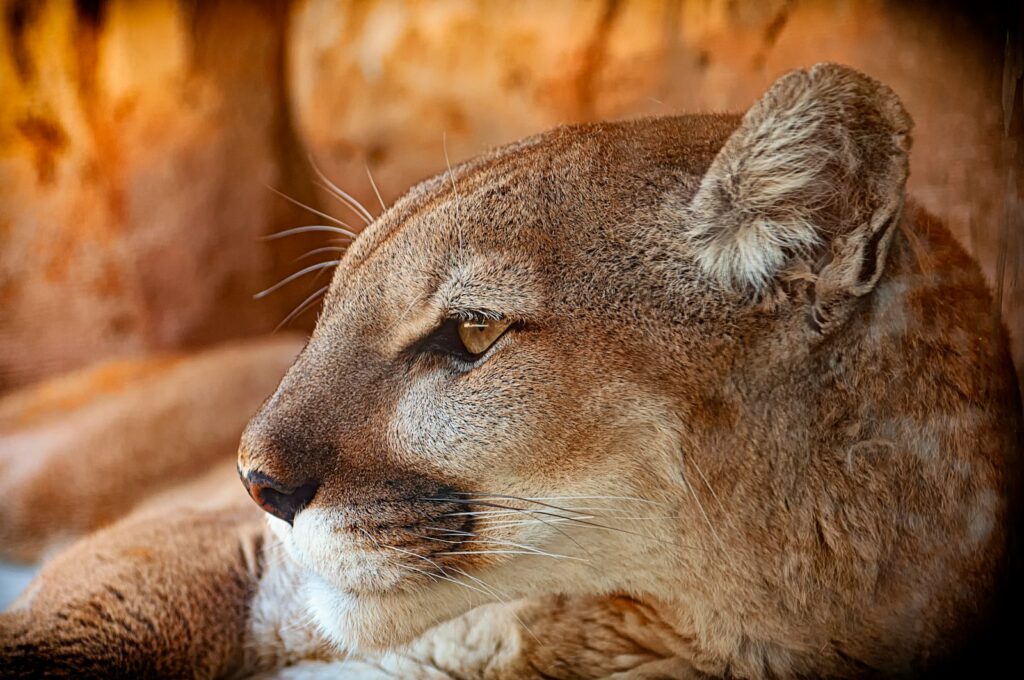
Mountain lions have evolved to hunt primarily during dawn, dusk, and nighttime hours, taking full advantage of their superior vision in low-light conditions. Their eyes contain a high concentration of rod cells and a reflective layer called the tapetum lucidum, which amplifies available light and gives them vision capabilities estimated to be six times better than humans in dim conditions. This crepuscular and nocturnal hunting pattern coincides with the active periods of many prey species while minimizing competition with other predators. The transitional light of twilight provides mountain lions with the perfect balance of visibility and concealment, creating a significant advantage over prey species whose vision is more compromised in these conditions. Research using motion-triggered cameras has shown that mountain lion hunting activity peaks during the first two hours after sunset and again in the pre-dawn hours, with successful kills most frequently documented during these transition periods.
The Fatal Pounce: Mechanics of the Strike
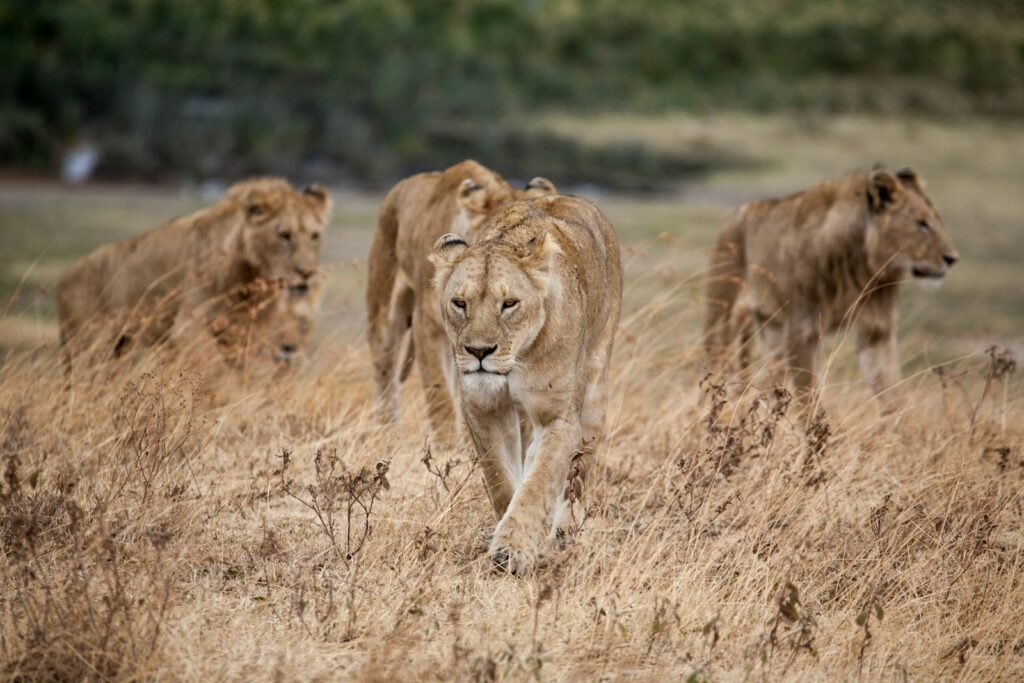
The culmination of the mountain lion’s stealth hunt is a lightning-fast attack that transforms the cat from silent stalker to powerful killer in seconds. When a mountain lion determines the moment is right, it launches from its haunches with extraordinary force, capable of covering distances of up to 40 feet in a single bound. During this explosive pounce, the mountain lion typically aims for the back or neck of its prey, using its considerable body weight—up to 150 pounds for large males—to bring down even sizeable animals like elk or moose. The cat’s powerful forelimbs, which contain specialized musculature that generates tremendous gripping strength, lock onto the prey while its previously sheathed claws extend to anchor deeply into flesh. Studies of kill sites reveal that mountain lions typically deliver the fatal bite to the throat or base of the skull with remarkable precision, severing the spinal cord or crushing the trachea to ensure a relatively quick death while minimizing risk of injury from struggling prey.
Preferred Prey: Strategic Selection
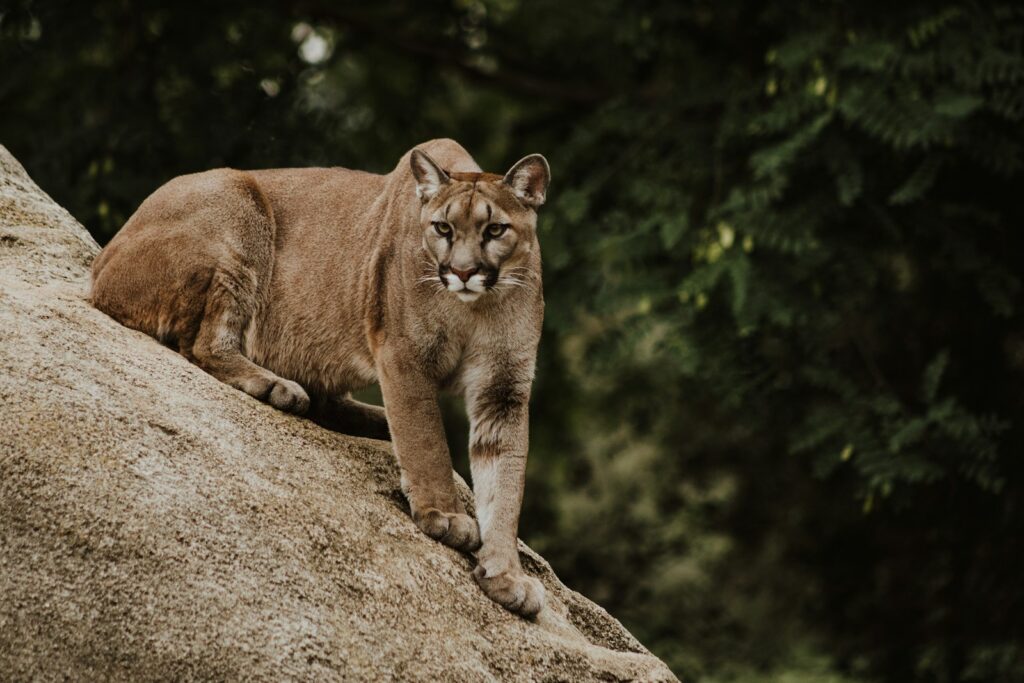
Mountain lions demonstrate sophisticated decision-making when selecting potential prey, with choices that vary based on habitat, season, and availability. Throughout most of their range, deer species constitute 60-80% of their diet, with these ungulates providing the optimal balance of nutritional reward versus hunting effort and risk. In the mountains of the western United States, mule deer and elk are primary targets, while white-tailed deer fulfill this role in eastern regions. Mountain lions show remarkable adaptability in their prey selection, readily adjusting their tactics to pursue everything from porcupines and beavers to bighorn sheep and young moose when opportunities arise. Research tracking collared mountain lions has revealed that individual cats often develop specializations, with some becoming experts at hunting particular species based on their personal experiences and the specific characteristics of their home territory.
Terrain Tactics: Using the Landscape
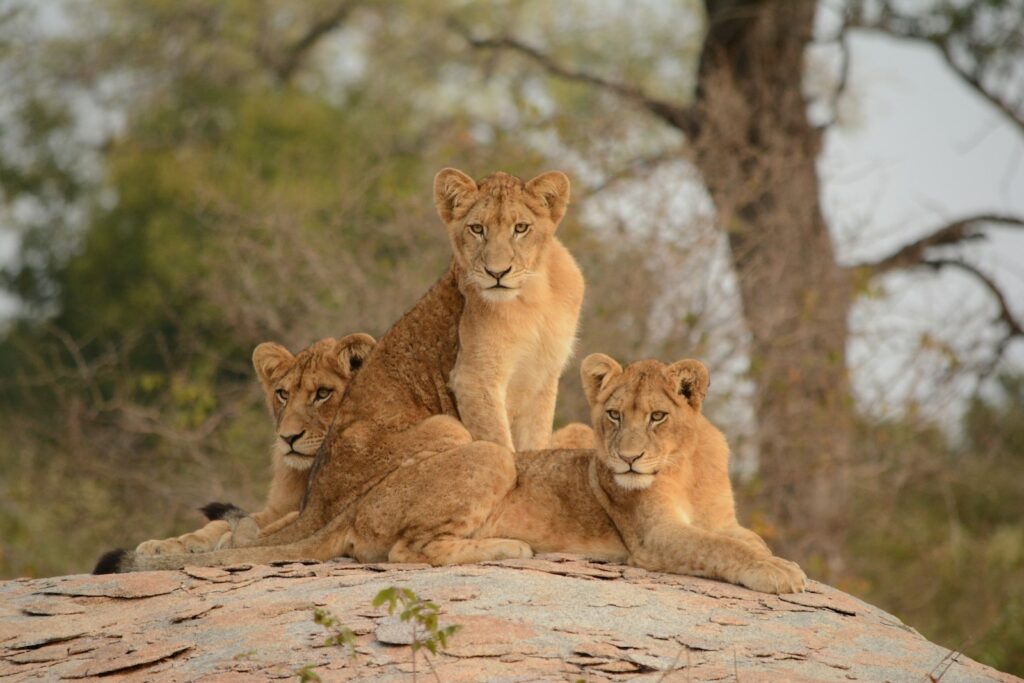
Mountain lions are masters at using topography to their advantage during hunts, demonstrating an intimate knowledge of how landscape features can aid in successful stalking. These predators routinely use ridgelines to silhouette prey against the sky, making movement patterns easier to track while remaining concealed themselves. In rocky terrain, mountain lions will often position themselves on elevated outcrops that provide both concealment and a vantage point from which to survey potential hunting grounds. Studies using GPS collar data have revealed that mountain lions frequently use drainage corridors, game trails, and natural funnels in the landscape to predict prey movement patterns and set up ambushes at strategic choke points. Unlike some ambush predators that may wait in a single location, mountain lions actively reposition themselves based on terrain advantages, moving parallel to prey until the landscape offers the perfect combination of cover, approach angle, and escape limitation.
Weather Conditions and Hunting Success
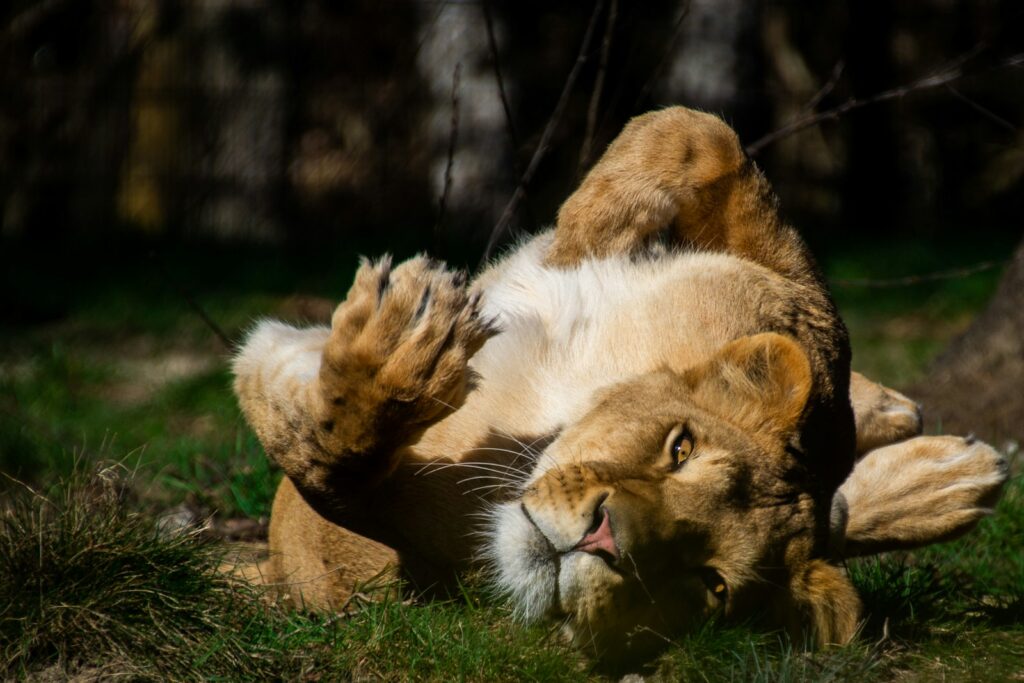
Mountain lions strategically exploit weather conditions to enhance their hunting success, showing clear preferences for certain environmental circumstances. Snowfall provides a particular advantage, as the white background makes prey more visible while the soft surface muffles the sound of the cat’s approach. Research in snowy regions has documented significantly higher kill rates during and immediately after snowfall events, with tracks revealing stalking approaches that were nearly twice as close as those on bare ground. Rain and wind also favor the mountain lion, as these conditions mask scent and sound while potentially reducing prey vigilance. Studies monitoring mountain lion predation events have noted increased hunting activity during storms, with cats seemingly timing their hunts to coincide with weather that diminishes prey’s sensory awareness. Conversely, mountain lions typically reduce hunting efforts during extreme temperature conditions, conserving energy during heat waves and avoiding unnecessary movement during the coldest periods.
Learning the Art: How Cubs Develop Hunting Skills
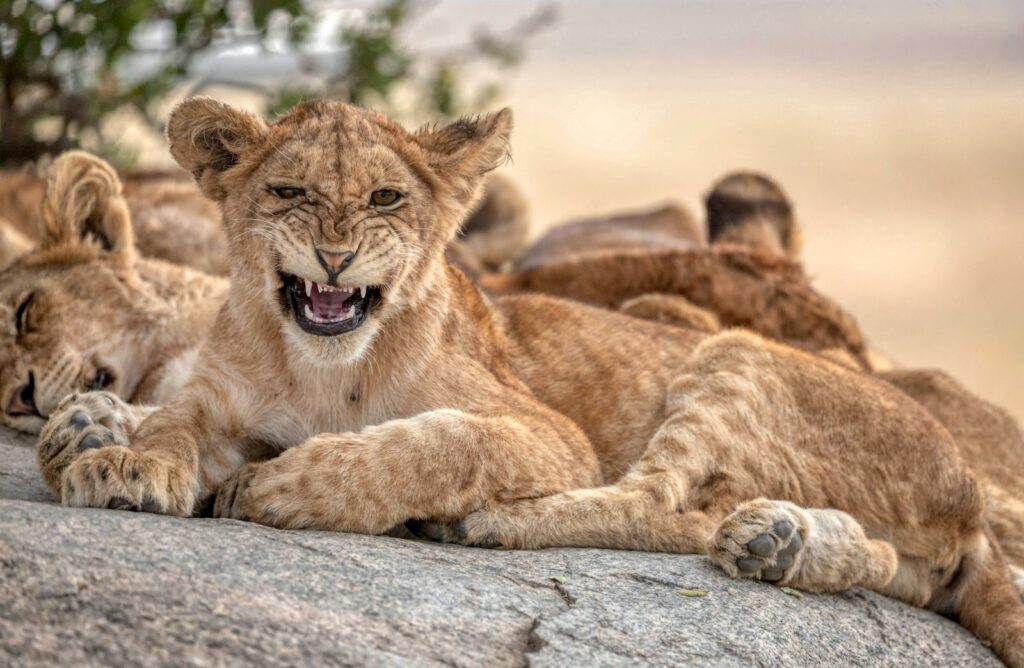
The sophisticated stalking and predation techniques of mountain lions aren’t entirely innate—they represent a combination of instinct refined through observation and practice. Mountain lion kittens begin their hunting education around three months of age, when mothers start bringing small, wounded prey items back to the den site for cubs to practice killing techniques. By six months, cubs accompany their mother on hunts, observing her stalking methods from concealed positions before she makes the final approach and kill. This apprenticeship period becomes increasingly hands-on as cubs grow, with mothers allowing older kittens to participate in stalking exercises and eventually practice their own pounces under supervision. Research studying family groups has documented that young mountain lions typically require 12-18 months of maternal instruction before developing the full suite of stalking skills needed for independent hunting success, highlighting the significant learning component in what might appear to be purely instinctive behavior.
Adapting to Human Environments
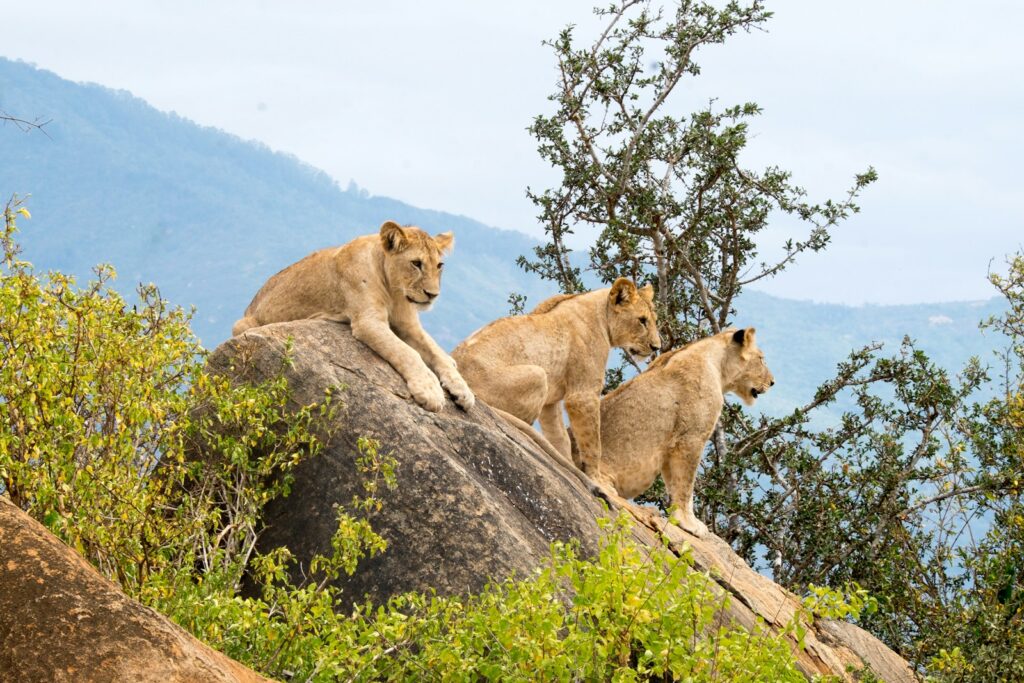
As human development continues to fragment wildlife habitats, mountain lions have demonstrated remarkable adaptability in their stalking and hunting behaviors within human-altered landscapes. Studies in places like the Santa Monica Mountains near Los Angeles and the Front Range of Colorado have documented mountain lions successfully hunting in semi-urban environments, using drainage culverts, highway underpasses, and patches of remaining natural vegetation as stalking corridors. These urban-adjacent mountain lions have modified their hunting patterns to become even more nocturnal, with GPS collar data showing that cats near human settlements conduct over 90% of their hunting activity between sunset and sunrise. Perhaps most surprisingly, some mountain lions have adapted their prey selection in these environments, increasingly targeting smaller animals like raccoons, coyotes, and domestic pets that can be more easily concealed and consumed quickly, reducing the cat’s vulnerability during feeding periods.
Comparison with Other Stalking Predators
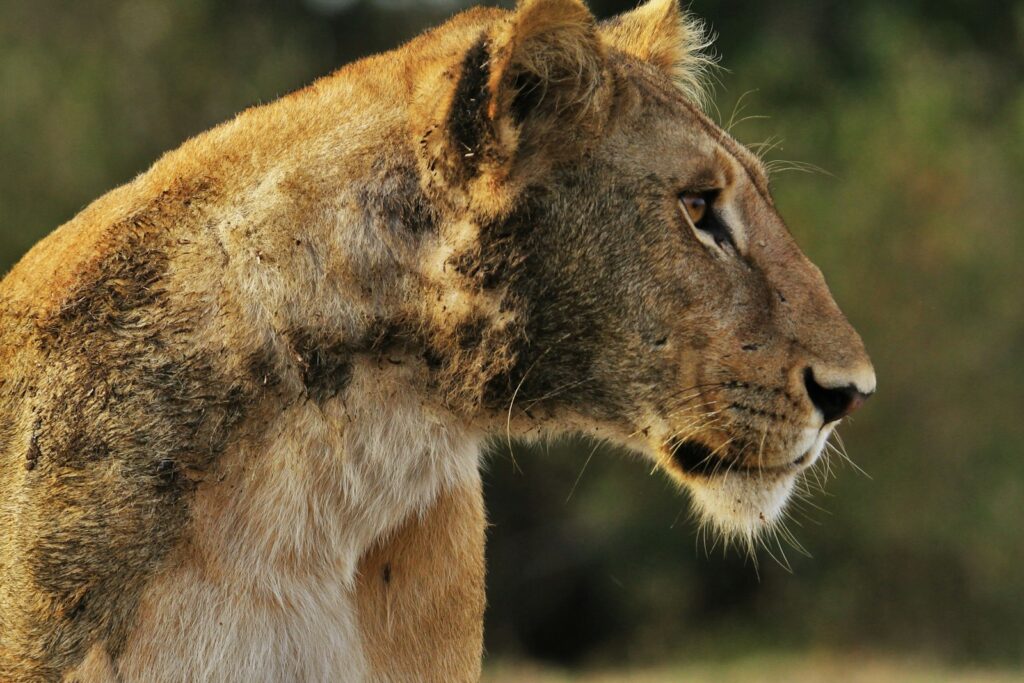
The mountain lion’s stalking techniques represent a fascinating middle ground between the hunting styles of other big cats. Unlike tigers, which rely heavily on absolute concealment and very close approaches, or cheetahs, which depend on short bursts of unparalleled speed, mountain lions employ a more versatile combination of stealth and strength. Their stalking approach more closely resembles that of leopards, though mountain lions generally rely less on arboreal ambushes and more on ground-level stealth. What truly distinguishes mountain lion hunting from that of other felids is their remarkable adaptability across diverse habitats, from deserts to forests to mountains, with stalking techniques fine-tuned to each environment. Comparative studies examining predator hunting success rates have found that mountain lions maintain consistently high success percentages across different habitat types and seasons, whereas most other large predators show significant fluctuations depending on conditions. This adaptability in stalking methods has allowed mountain lions to maintain the broadest geographic range of any land mammal in the Western Hemisphere.
Conservation Implications of Hunting Behavior
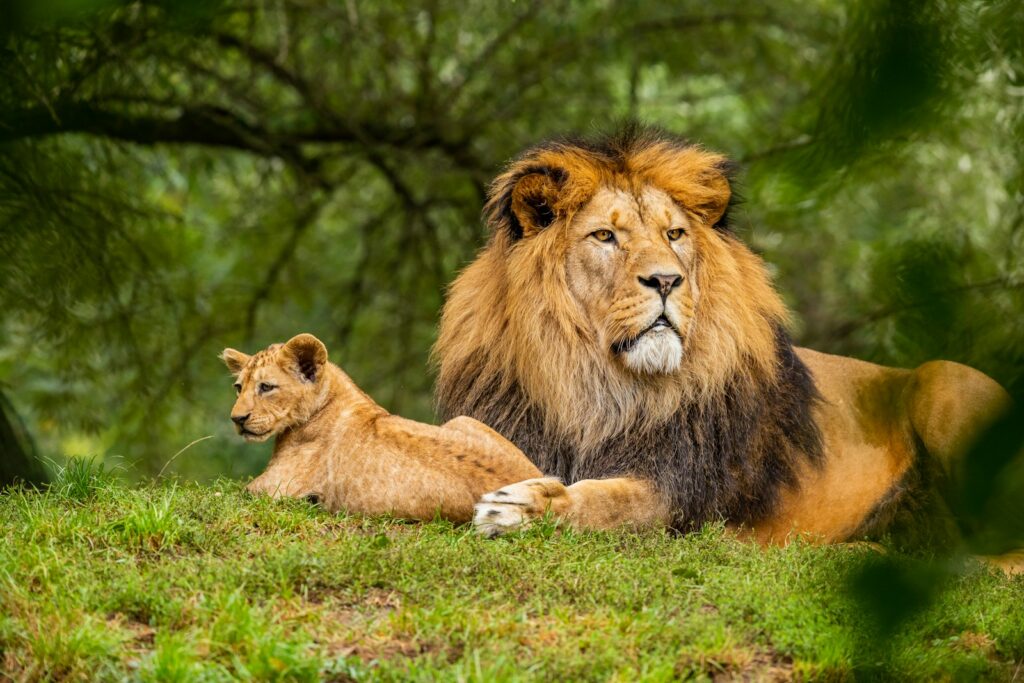
Understanding the intricacies of mountain lion stalking and hunting behaviors has critical implications for conservation efforts aimed at protecting both these apex predators and the ecosystems they inhabit. The mountain lion’s hunting style requires large, connected territories with adequate cover and prey density, highlighting the importance of habitat corridor preservation between increasingly isolated natural areas. Research has shown that a single mountain lion may require up to 200 square miles of territory to hunt successfully, with barriers like highways and development severely restricting hunting patterns and potentially leading to nutritional stress. Conservation biologists have documented that disruptions to natural stalking behavior—such as increased human recreational activity in prime hunting habitat—can force mountain lions to expend more energy on unsuccessful hunting attempts, potentially reducing population viability. By protecting the conditions necessary for natural hunting behaviors, conservationists hope to maintain not just mountain lion populations but also the trophic cascades these ambush predators trigger throughout their ecosystems.
The mountain lion’s remarkable stalking abilities represent one of nature’s most refined hunting strategies, perfected over millennia of evolution. From their anatomical adaptations for silent movement to their sophisticated use of terrain and weather conditions, these cats exemplify the pinnacle of ambush predation. As we continue to study and understand these elusive hunters, we gain not only appreciation for their exceptional skills but also crucial insights that can help ensure their survival in an increasingly human-dominated landscape. The stealth of the mountain lion—perhaps more than any other aspect of this magnificent animal—reminds us of the intricate balance and specialized adaptations that make predator-prey relationships among the most fascinating dynamics in the natural world.