
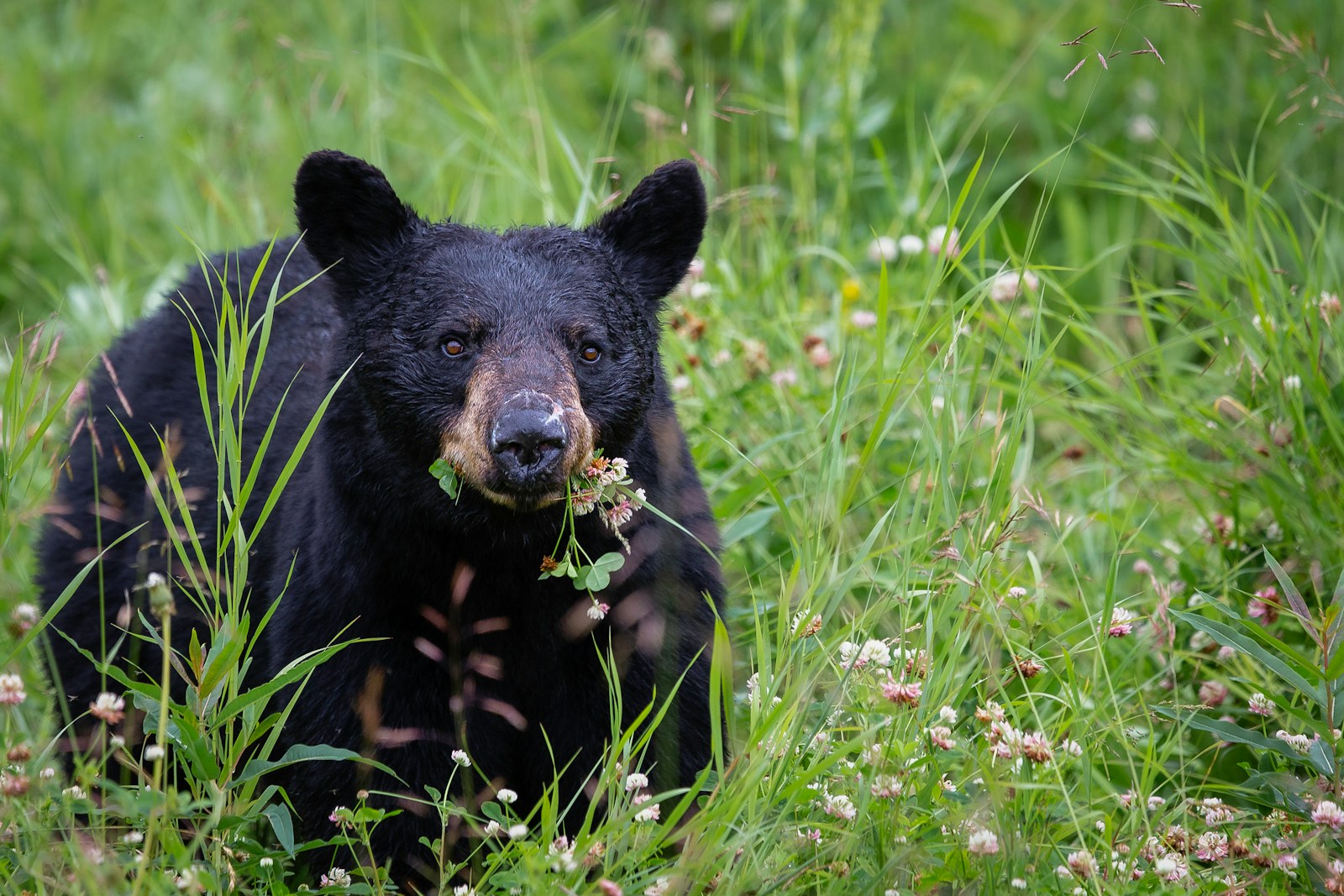
Camping in bear country offers an exhilarating connection with nature, but it also demands respect for wildlife and proper preparation. Black bears, while generally shy and unlikely to attack humans, may occasionally approach campsites—usually attracted by food or curiosity rather than aggression. Knowing how to respond appropriately in these encounters can mean the difference between a memorable wildlife experience and a dangerous situation.
This article provides comprehensive guidance on preventing bear encounters at your campsite and responding effectively if a black bear approaches, helping you enjoy the wilderness safely while respecting these magnificent animals’ space and behavior.
Understanding Black Bear Behavior
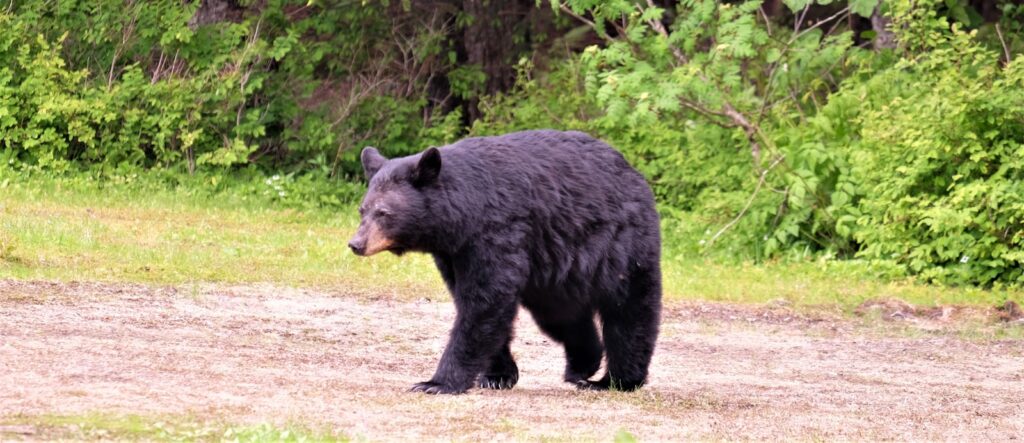
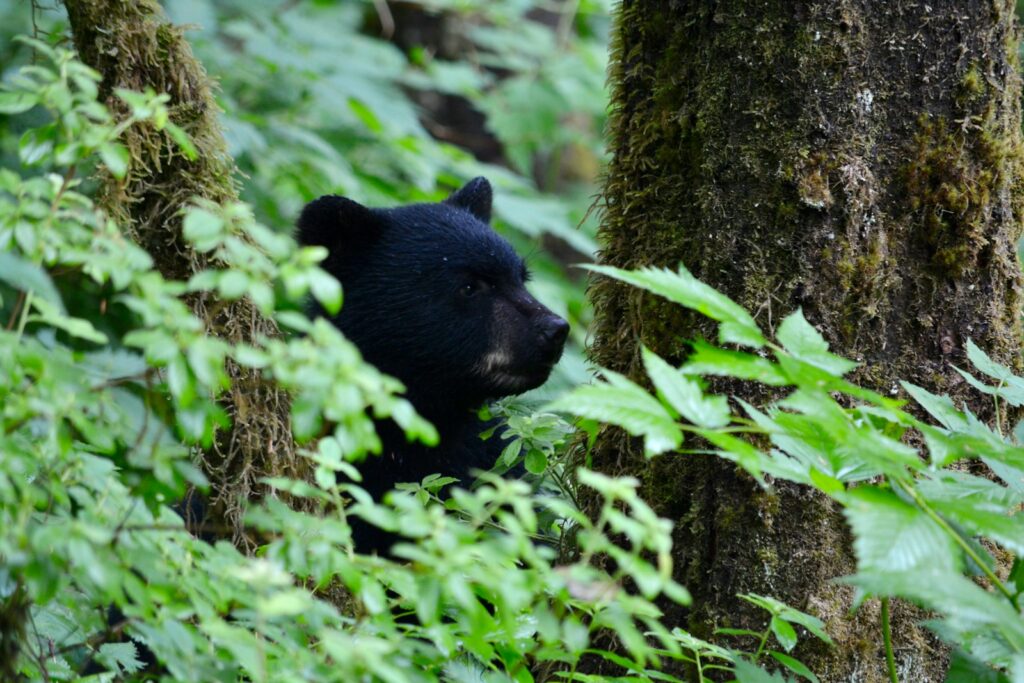
Black bears (Ursus americanus) are intelligent, adaptable mammals found across much of North America’s forests and mountains. Despite their name, these bears can appear brown, cinnamon, or even blonde in color, making identification by color alone unreliable. Unlike their grizzly cousins, black bears typically prefer to avoid human contact and will usually retreat when they detect people nearby.
They are primarily motivated by food, with their exceptional sense of smell allowing them to detect scents from over a mile away. Understanding that black bears are generally not predatory toward humans but are opportunistic foragers can help contextualize their behavior and inform your response during an encounter at your campsite.
Prevention: The First Line of Defense

The most effective strategy for managing black bear encounters is preventing them altogether through proper campsite management. Choose established campsites with designated food storage facilities when possible, and set up your sleeping area at least 100 yards away from your cooking and food storage areas. Store all food, garbage, toiletries, and scented items (including toothpaste, deodorant, and scented hygiene products) in bear-resistant containers or hang them from a tree at least 10 feet high and 4 feet from the trunk.
Clean cooking utensils immediately after use, never keep food in your tent, and change clothes before sleeping if you’ve been cooking. These preventative measures dramatically reduce the likelihood of attracting bears to your campsite in the first place.
Recognizing Warning Signs of Bear Activity

Being alert to signs of bear presence can help you avoid surprise encounters and take preemptive action. Fresh tracks, scat, claw marks on trees, overturned rocks, or torn-apart logs are all indicators that bears may be active in your area. Pay attention to broken branches on berry bushes or evidence of digging, which suggest recent foraging activity.
Listen for rustling in dense vegetation, and be especially vigilant near streams during salmon runs or in areas with abundant berry patches. If you notice these signs, consider relocating your campsite or taking extra precautions with food storage and waste management to minimize the risk of attracting a curious bear.
Initial Response: Stay Calm and Assess

When you first spot a black bear approaching your campsite, your immediate response sets the tone for the encounter. Remain calm and avoid sudden movements that might startle the animal or trigger a defensive reaction. Quickly assess the situation, noting the bear’s behavior and whether it appears to be aware of your presence.
Determine if the bear is simply passing through, investigating potential food sources, or displaying signs of agitation like swaying its head, huffing, or clacking its teeth. Also check if cubs are present, as mother bears can be particularly defensive. Your assessment will guide your next actions, helping you respond appropriately to the specific situation rather than reacting out of panic.
Making Your Presence Known
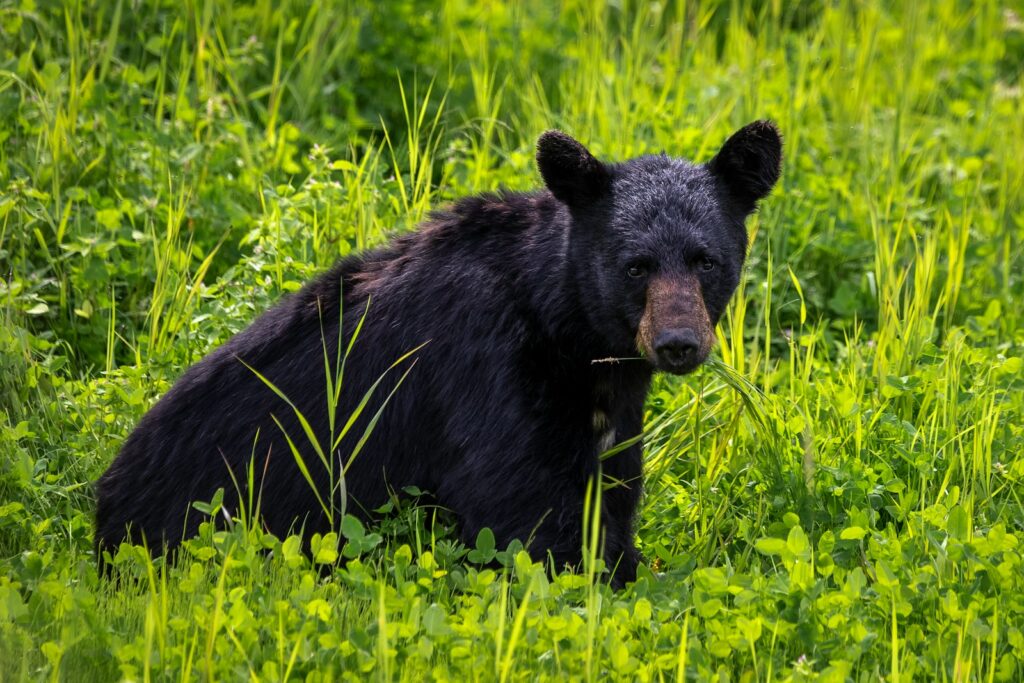
If a black bear approaches and doesn’t appear to notice you, calmly make your presence known to avoid startling it with a sudden discovery. Speak in a firm, calm voice using low tones—avoid high-pitched screams or whispers that might sound like prey animals. Simple phrases like, “Hey bear, I see you there” repeated consistently can alert the bear to your human presence.
Slowly gather your group together to appear larger and more imposing, but avoid surrounding the bear or cutting off its escape route. Many black bears will choose to leave once they realize humans are present, especially if they haven’t associated campsites with easy food rewards in the past.
Creating Distance and Space
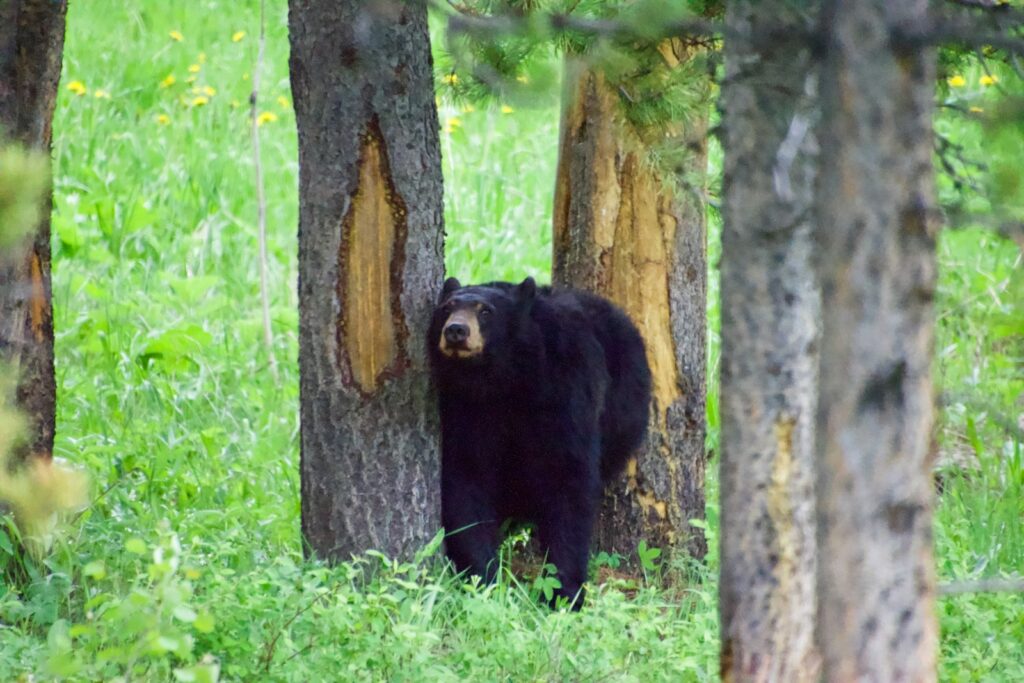
If the bear has noticed you but continues to approach, your priority becomes creating safe distance between yourselves and the animal. Back away slowly without turning your back on the bear, moving toward buildings, vehicles, or groups of people if available. Avoid climbing trees, as black bears are excellent climbers. Never run from a bear, as this can trigger a chase response even in a bear that wasn’t initially aggressive.
If possible, position natural barriers between yourself and the bear, such as large rocks or fallen trees. Remember that your goal is not to corner or threaten the bear, but rather to give it ample space and an easy path to retreat from the situation.
Bear Deterrents: When and How to Use Them
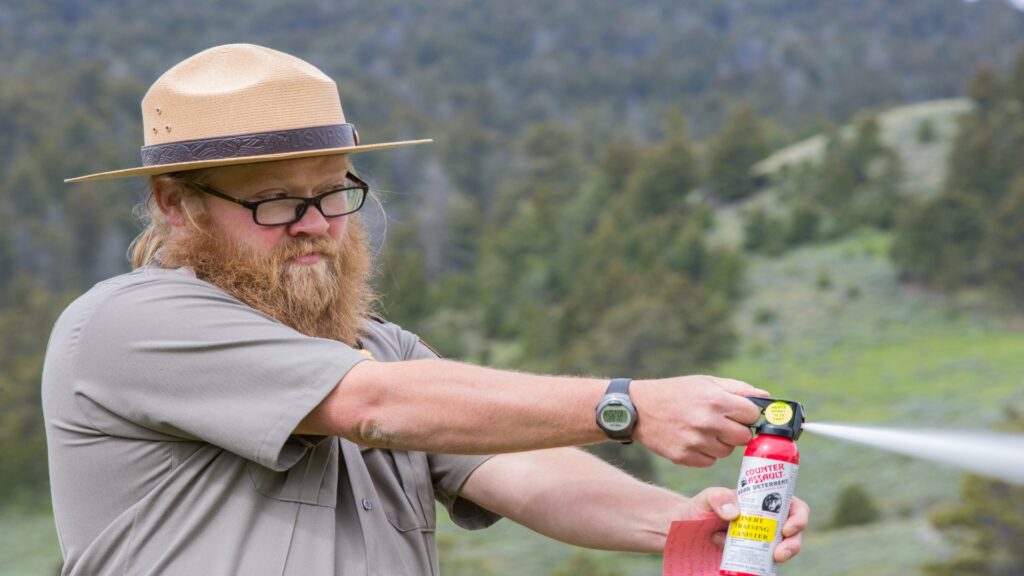
Bear deterrents can be valuable tools when used correctly in bear country. EPA-registered bear spray (containing capsaicin and related capsaicinoids) is the most effective portable deterrent, creating a temporary inflammatory response in the bear’s mucous membranes without causing permanent harm. Carry bear spray in an accessible location and know how to use it—wait until the bear is within 30-60 feet, aim slightly downward, and spray in 2-3 second bursts. Noise deterrents like air horns, whistles, or banging pots and pans can also discourage curious bears from approaching further. Some campers carry portable electric fences designed for bear country, which can create a psychological barrier around your campsite when set up properly.
Dealing with a Persistent Bear

Occasionally, a black bear may continue approaching despite your efforts to deter it. If this happens, it’s time to escalate your deterrence tactics while still maintaining composure. Make yourself appear as large and intimidating as possible by raising your arms, opening your jacket if wearing one, and standing on elevated surfaces if available.
Use loud, authoritative shouts rather than screams, and bang objects together to create startling noises. If available and the bear is within proper range (typically 30-60 feet), prepare to use bear spray as a last resort before physical contact. Throughout this escalation, continue backing away whenever possible to increase distance between yourself and the persistent bear.
When a Bear Enters Your Campsite
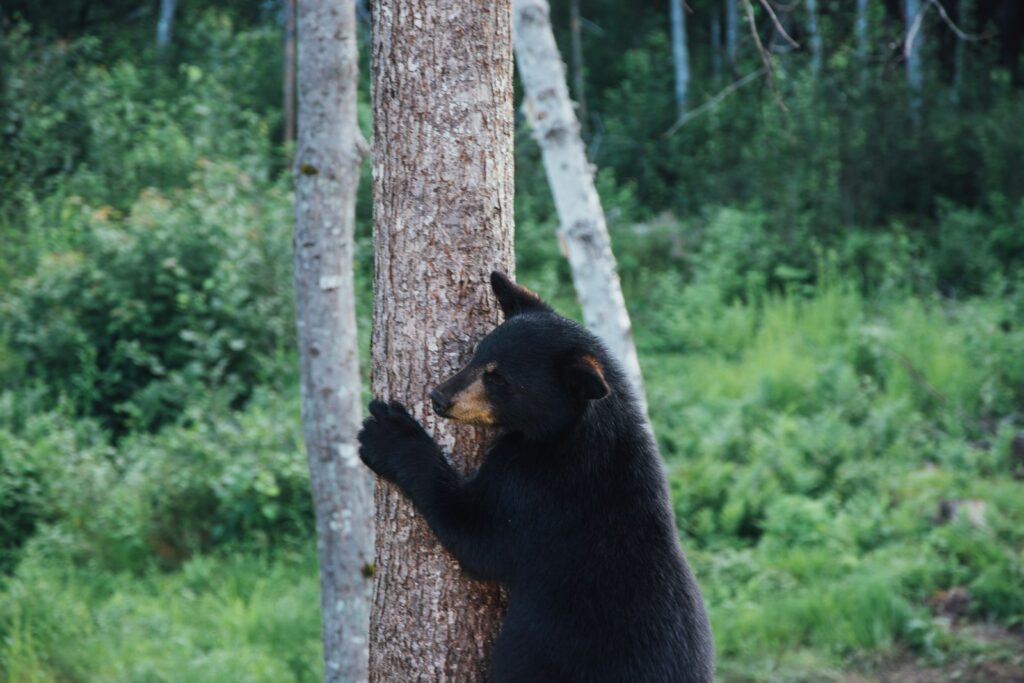
If a black bear actually enters your established campsite, your response should focus on assertive deterrence while maintaining personal safety. Never attempt to protect or retrieve food or belongings if a bear is investigating them—material items can be replaced, but encounters turning physical can be dangerous. If the bear is focused on food rather than people, move all humans to a safe location and allow the bear to take what it wants before attempting to scare it away.
Once at a safe distance, use noise makers, shouting, or group intimidation to discourage the bear from staying. Remember that a bear that successfully obtains human food often becomes a “problem bear” that may need to be relocated or euthanized by wildlife authorities, which makes proper food storage crucial for both human and bear safety.
Responding to Aggressive Behavior
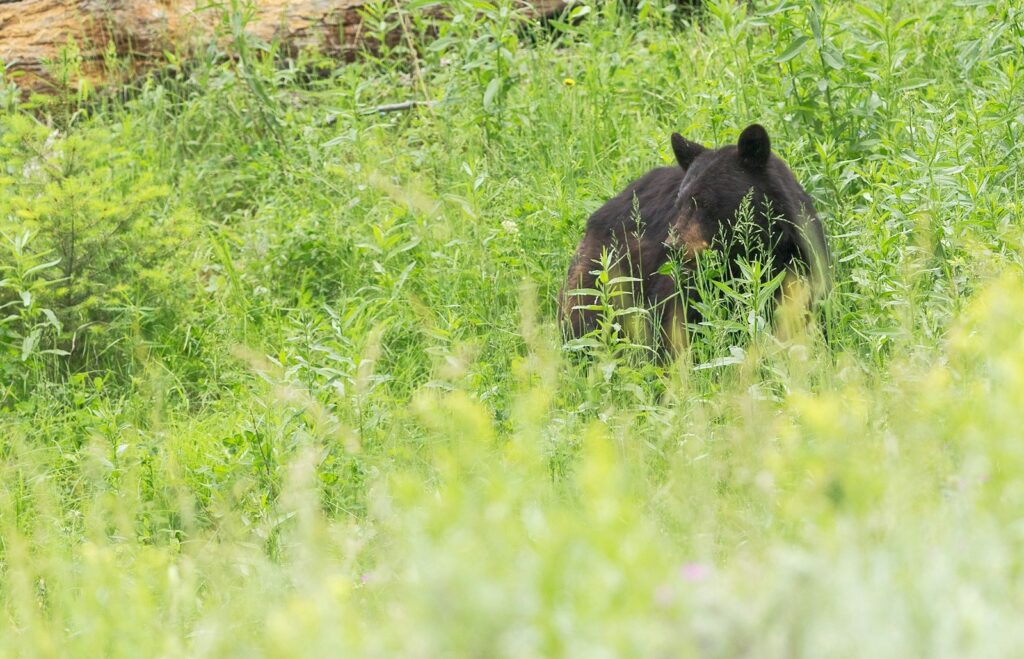
While rare, black bears can display aggressive behavior that requires specific responses. If a black bear makes bluff charges (rushing forward but stopping short), stands on hind legs, or makes vocal sounds like huffing or jaw popping, it’s communicating discomfort rather than immediate intent to attack. Stand your ground during bluff charges rather than running, which might trigger predatory instincts. If the bear swats the ground, slaps objects, or performs side-to-side head movements, these are serious warnings to increase your distance immediately.
In the extremely rare case of an actual attack, wildlife experts recommend fighting back vigorously against predatory black bear attacks—using any available objects as weapons and targeting the bear’s face and muzzle.
Special Considerations for Families with Children
Camping with children in bear country requires additional precautions and clear communication. Before your trip, teach children about bear safety in age-appropriate terms, emphasizing the importance of staying close to adults and never approaching or feeding wildlife. Establish and practice a “bear drill” so children know exactly what to do if they spot a bear—typically gathering quickly with adults without running or screaming.
During an actual bear encounter, immediately pick up small children to prevent them from running and keep older children directly beside you. Assign one adult to be responsible for children while others manage deterrent measures. After any encounter, take time to process the experience with children, addressing their questions and concerns to prevent developing fears about nature.
After the Encounter: Next Steps

Once a bear has left your area, your actions in the following hours matter significantly for safety. Thoroughly examine your campsite for anything that might have attracted the bear, addressing food storage issues, garbage disposal, or cooking practices that could cause repeat visits. Consider relocating your campsite if the encounter seemed related to territorial issues or if the bear displayed significant interest in your location.
Report significant bear encounters to park rangers or local wildlife authorities, especially if the bear obtained food, displayed unusual aggression, or appeared habituated to humans. This reporting helps wildlife managers track problem bears and protect both the animals and future visitors.
Learning from the Experience
Each bear encounter offers valuable learning opportunities that can improve your wilderness skills and safety. After the immediate situation is resolved and you’ve ensured your campsite is secure, take time to analyze what factors might have contributed to the bear’s approach. Consider keeping a detailed journal of wildlife encounters, noting location, time of day, bear behavior, and the effectiveness of your response tactics.
This reflection helps develop personal expertise that goes beyond general guidelines. Many experienced backcountry campers find that their confidence and comfort in bear country increases with each properly managed encounter, allowing them to enjoy wild spaces with appropriate respect rather than excessive fear.
Conclusion: Coexisting with Black Bears

Encountering a black bear at your campsite can be simultaneously thrilling and concerning, but with proper knowledge and preparation, these situations can almost always be managed safely. By understanding bear behavior, practicing diligent prevention, and knowing how to respond appropriately if an encounter occurs, you greatly reduce the already low risk of harmful interactions. Remember that black bears are generally not interested in humans as prey, but rather in the easy food rewards our carelessness might provide.
By camping responsibly in bear habitat, you not only protect yourself but also help preserve wild bears’ natural wariness of humans—an essential trait for their long-term survival in our shared landscapes. With these skills and perspectives, bear country can remain an accessible and enriching destination for outdoor enthusiasts who approach wilderness with both courage and respect.