
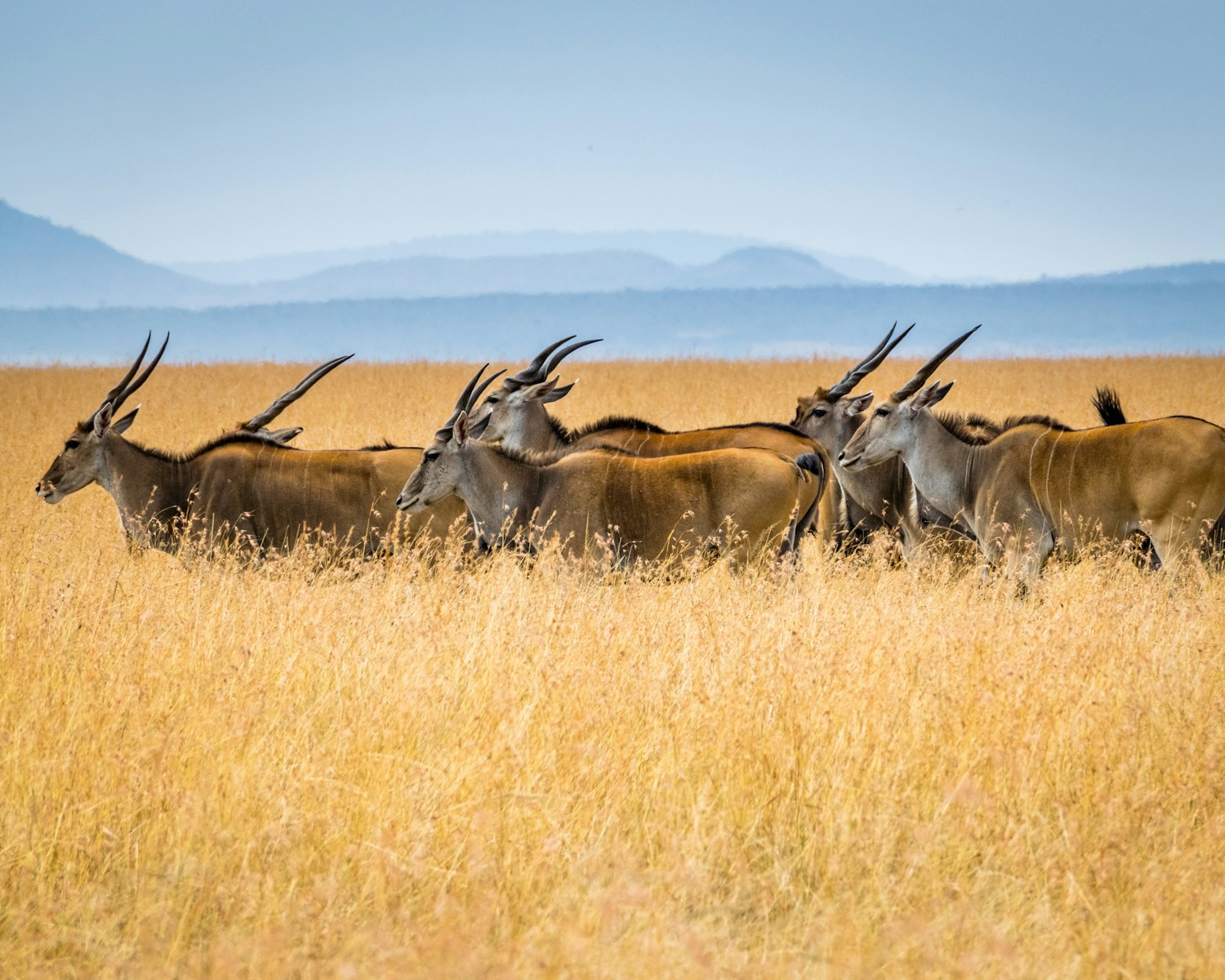
In an era where environmental challenges abound and wildlife populations face unprecedented threats, scientific research has become more crucial than ever. However, professional scientists alone cannot monitor all ecosystems or collect sufficient data across vast geographical areas. Enter citizen science: a powerful approach that engages everyday people in the scientific process, transforming curious nature enthusiasts into valuable contributors to wildlife research. This collaborative model has revolutionized how we gather ecological data, offering both breadth and depth that traditional research methods often cannot achieve. From tracking bird migrations to monitoring butterfly populations, citizen scientists have become the extended eyes and ears of the scientific community, helping to solve some of our most pressing conservation challenges while fostering a deeper connection between humans and the natural world.
The Rise of Citizen Science in Wildlife Research
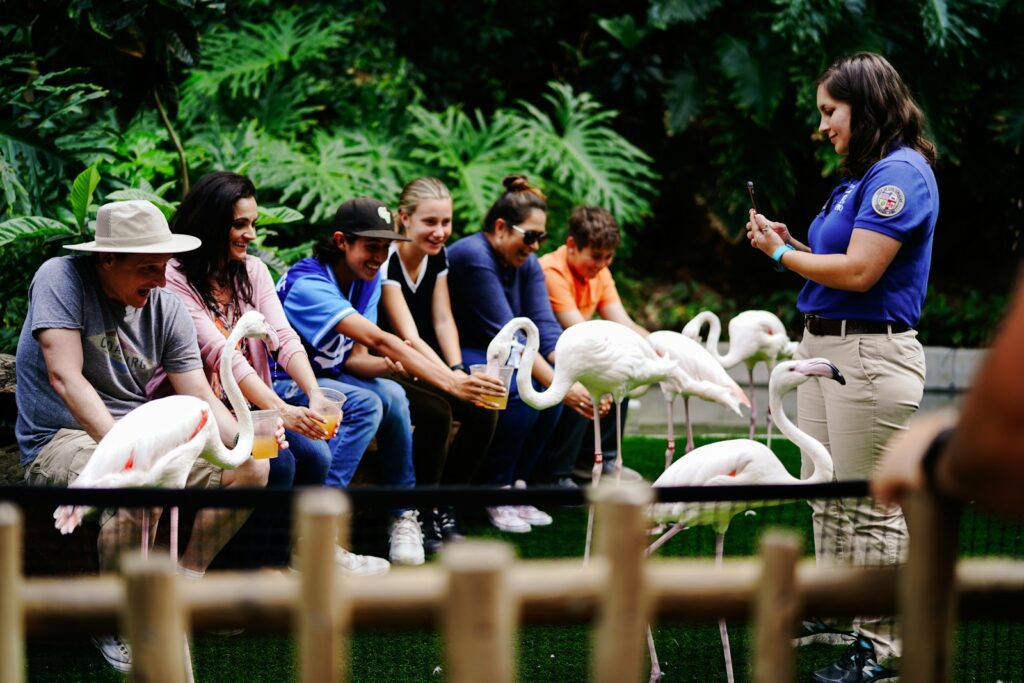
Citizen science in wildlife research has evolved dramatically over the past few decades, transforming from small, localized projects into sophisticated global initiatives. What began as simple wildlife counting exercises has blossomed into complex programs utilizing mobile apps, digital photography, and GPS technology to collect standardized data across continents. The Cornell Lab of Ornithology’s eBird platform, launched in 2002, exemplifies this evolution—it now houses over 100 million bird observations annually from participants worldwide, creating one of the largest biodiversity datasets ever assembled. This growth reflects both technological advancement and increasing public awareness about biodiversity loss, with participation rates surging as environmental concerns have entered mainstream consciousness. The COVID-19 pandemic further accelerated this trend, as people sought meaningful outdoor activities that could contribute to scientific understanding while maintaining social distance.
Democratizing Science Through Public Participation
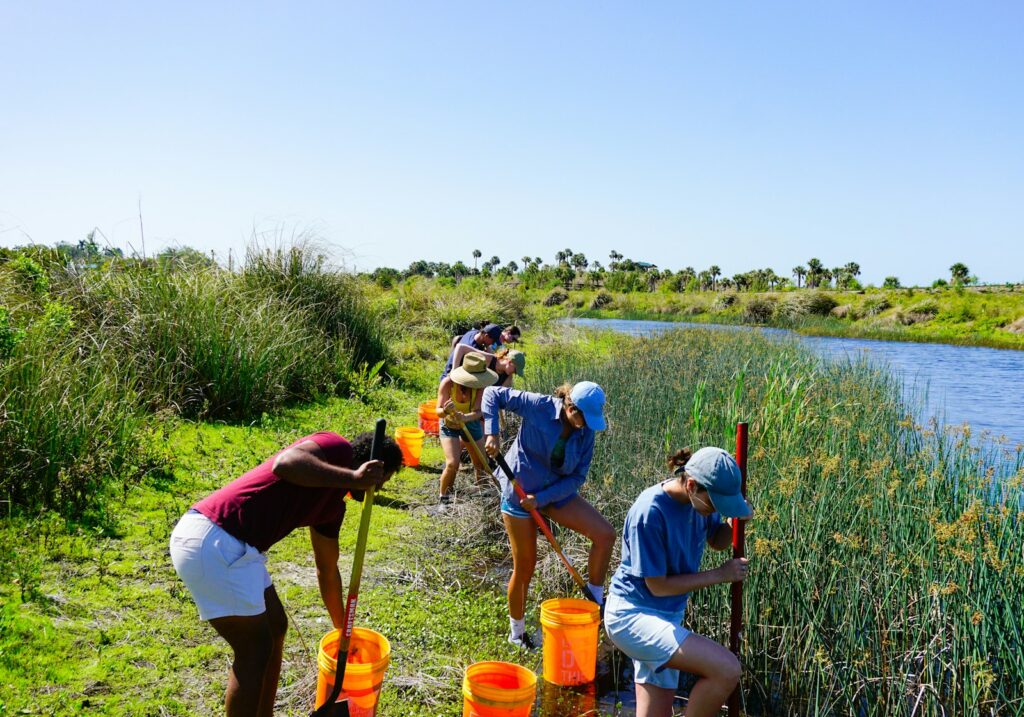
Citizen science fundamentally democratizes the scientific process by removing traditional barriers to participation in research. Unlike conventional scientific endeavors restricted to those with specialized degrees or institutional affiliations, citizen science projects welcome participants regardless of their educational background or professional credentials. This inclusive approach has transformed data collection from an exclusive academic activity into a community-driven effort that values diverse perspectives and local knowledge. The Christmas Bird Count, North America’s longest-running citizen science project, demonstrates this principle perfectly—since 1900, it has engaged thousands of volunteers annually, many without formal scientific training, to generate crucial long-term population data. By distributing the power of scientific observation across a wider demographic, these projects not only gather more comprehensive datasets but also challenge the notion that science belongs exclusively to professionals in laboratories. This democratization creates stronger community investment in scientific outcomes and builds greater public trust in the research process.
Expanding the Scale and Scope of Data Collection

One of the most significant contributions of citizen science to wildlife research is the dramatic expansion of data collection capabilities across both time and space. Professional research teams face inevitable constraints in terms of person-hours and geographical coverage, but citizen science networks can deploy thousands of observers across entire continents, generating millions of observations annually. The Monarch Watch program illustrates this perfectly—since 1992, volunteer taggers across North America have tracked the iconic butterfly’s migration patterns, providing insights that would be impossible for any single research team to capture. Similarly, the North American Breeding Bird Survey relies on volunteers to monitor more than 4,100 routes across the continent each spring, creating a dataset spanning decades that reveals subtle population trends invisible to short-term studies. These massive-scale efforts have proven particularly valuable for studying migratory species, documenting range expansions, and detecting early signals of population decline, often serving as early warning systems for conservation concerns.
Enhancing Early Detection of Environmental Changes
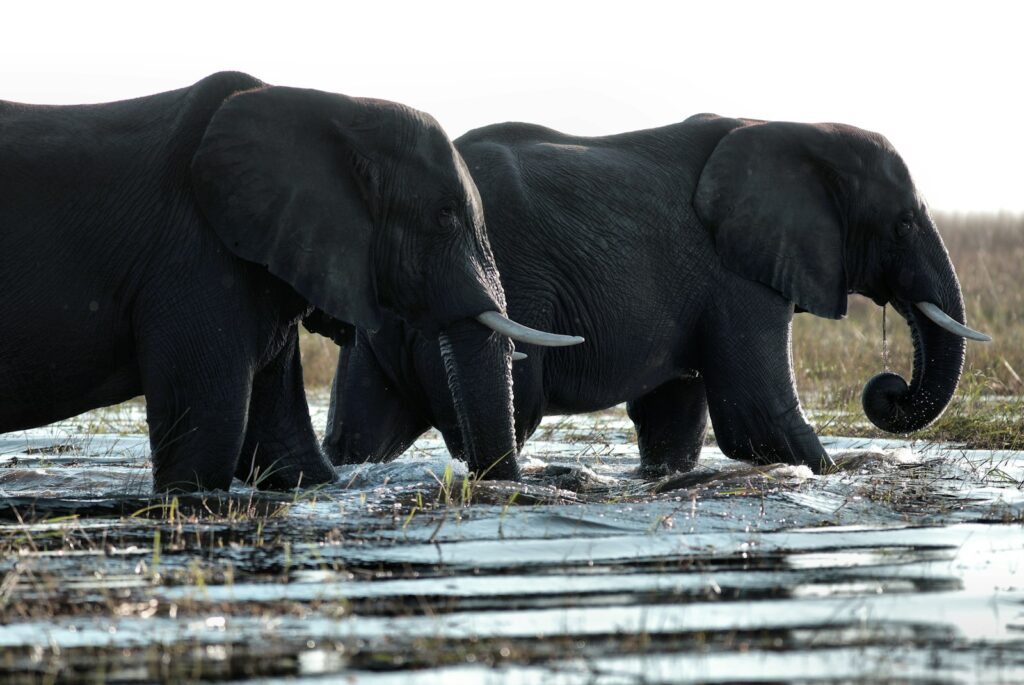
Citizen science networks function as sophisticated early warning systems for environmental change, often detecting subtle shifts before they become apparent in conventional research settings. Because volunteers are consistently present across vast geographical areas, they can spot unusual wildlife behaviors, new species appearances, or concerning population declines that might otherwise go unnoticed until problems become severe. The FrogWatch USA program exemplifies this capability—since 1998, its volunteer observers have documented declining amphibian populations and shifting breeding seasons that serve as indicators of climate change and habitat degradation. Similarly, the United Kingdom’s Nature’s Calendar project has tracked seasonal events like first flowerings and bird migrations since 2000, revealing concerning phenological shifts as springs arrive earlier. Perhaps most dramatically, citizen scientists in the United States played a crucial role in identifying the fungal disease white-nose syndrome in bats, reporting unusual winter behavior and mortality that alerted researchers to the emerging crisis. This distributed vigilance provides researchers and conservation authorities with time-sensitive information that can trigger prompt investigation and intervention.
Creating Long-Term Ecological Datasets

One of the most valuable contributions citizen science makes to wildlife research is the creation of continuous, long-term datasets that span decades—something increasingly difficult to maintain through traditional academic funding cycles. University and government research often operates on grant periods of 3-5 years, making consistent long-term monitoring challenging to sustain. Citizen science projects, however, can maintain continuous data collection through volunteer efforts even when funding fluctuates. The Audubon Christmas Bird Count offers a remarkable example, having generated 123 years of continuous bird population data since 1900—a record unmatched by virtually any institutional research program. Similarly, the United Kingdom’s Butterfly Monitoring Scheme has relied on volunteers since 1976 to create the world’s longest-running insect population dataset, revealing climate change impacts that would be impossible to detect in shorter studies. These multi-decade datasets are particularly valuable for understanding gradual ecological shifts, separating natural cycles from human-caused changes, and establishing reliable population baselines against which future changes can be measured.
Connecting Scientific Research with Local Knowledge
Citizen science creates valuable bridges between academic research and local ecological knowledge, integrating insights that might otherwise remain separate. Local participants often possess deep familiarity with their environments developed through years of observation and cultural knowledge passed through generations. Indigenous communities participating in the Arctic Eider Society’s Community-Driven Research Network, for example, contribute traditional knowledge about sea ice patterns and wildlife behaviors that enriches scientific understanding of rapidly changing polar ecosystems. In Australia’s Great Barrier Reef, recreational divers in the Reef Life Survey program combine their intimate knowledge of local dive sites with standardized scientific protocols to monitor coral health and fish populations more effectively than visiting research teams could alone. This integration of different knowledge systems often reveals ecological relationships and historical baselines that might be missed by conventional scientific approaches. The resulting synthesis creates more nuanced understanding of ecological systems and often generates research questions that neither scientific nor local communities would have formulated independently.
Cost-Effective Approach to Large-Scale Research

Citizen science dramatically reduces the financial barriers to conducting large-scale wildlife research, enabling projects that would be prohibitively expensive using traditional approaches. Professional scientific fieldwork typically requires salaries, transportation, equipment, and accommodation for research teams—costs that can easily reach hundreds of thousands of dollars annually for even moderate-sized projects. In contrast, citizen science distributes these costs by engaging volunteers who provide their own transportation and often their own equipment while working in their local areas. The economic value of this contribution is substantial; a 2015 study of UK biodiversity monitoring estimated that volunteers contribute time worth approximately £20 million annually. The eBird platform’s global bird monitoring network would require an estimated $1.3 billion to replicate using professional researchers, yet operates successfully through volunteer participation. This cost-effectiveness allows research to continue even during funding downturns and permits scientific investigation in regions or for species that might otherwise receive little attention due to limited conservation budgets.
Accelerating Scientific Discovery Through Massive Participation

The sheer scale of citizen science participation can dramatically accelerate the pace of discovery in wildlife research through the power of collective observation. When thousands or even millions of observers simultaneously monitor their local environments, rare events and species become much more likely to be documented. The iNaturalist platform, which has collected over 120 million wildlife observations globally, exemplifies this phenomenon—its vast observer network has documented numerous species well outside their known ranges and even contributed to the discovery of species new to science. In 2017, for example, a citizen scientist photographing insects in Malaysia captured images of a previously undescribed lacewing species, now named Semachrysa jade. Similarly, Snapshot Serengeti, which invites volunteers to classify animals captured on camera traps, processed over 1.2 million image sets in just a few weeks—a task that would have taken researchers years to complete alone. This massively parallel approach to observation has proven particularly valuable for tracking range shifts due to climate change and detecting invasive species early enough for effective intervention.
Building Public Scientific Literacy and Environmental Stewardship

Citizen science creates powerful educational outcomes that extend far beyond the research data collected, fostering scientific literacy and environmental stewardship among participants. Unlike passive science communication where people merely receive information, citizen science engages participants directly in the scientific process—collecting data, following protocols, and often analyzing results. This direct involvement builds deeper understanding of both scientific methods and ecological concepts. Studies of the Project BudBurst phenology program demonstrate that participants significantly increase their knowledge of plant biology and climate science while developing stronger observation skills. Moreover, this hands-on engagement often triggers behavioral changes; research on the Coastal Observation and Seabird Survey Team (COASST) shows that participants become more environmentally conscious and more likely to engage in conservation activities after monitoring beaches for seabird mortality. Perhaps most importantly, these projects cultivate a sense of connection to local ecosystems and wildlife that motivates long-term environmental stewardship, creating constituencies who advocate for evidence-based conservation policies in their communities.
Technological Innovations Driving Citizen Science Forward
Technological advances have dramatically transformed citizen science capabilities, creating sophisticated platforms that enhance data quality and participant experience. Smartphone apps with built-in GPS capabilities now allow precise location tagging of wildlife observations, while machine learning algorithms assist with species identification, making participation accessible to beginners. The iNaturalist platform exemplifies this technological sophistication—its computer vision system can suggest likely species identifications from photographs, while its social verification system allows experienced naturalists to confirm or correct identifications. Similar innovations appear in acoustic monitoring projects like the Cricket Crawl, which uses smartphone microphones to record and identify insect calls, automatically analyzing sound patterns to detect species presence. Distributed computing platforms like Zooniverse have revolutionized data processing, allowing volunteers to classify millions of wildlife camera trap images or analyze complex ecological data through user-friendly interfaces. These technological tools not only make participation more accessible but also improve data quality through built-in validation checks, standardized collection protocols, and automated filtering of improbable reports.
Addressing Scientific Skepticism Through Quality Control

Despite their value, citizen science wildlife projects have faced legitimate questions about data quality from the scientific community, prompting the development of sophisticated quality assurance measures. Early criticisms centered on concerns about participant skill levels, inconsistent sampling efforts, and potential biases in where and when volunteers collect data. Modern citizen science programs address these concerns through multilayered validation approaches. Projects like eBird employ statistical filters that flag unusual reports for expert review, while others like FrogWatch USA require standardized training and certification before participants can submit data. The North American Butterfly Association’s count program uses experienced leaders to verify identifications in the field, and many projects now implement photographic verification requirements. Research comparing citizen science data with professional datasets increasingly shows comparable accuracy when appropriate protocols are followed—a 2019 study in the journal Biological Conservation found that trained volunteers identified freshwater invertebrates with 90% of the accuracy of professionals. These validation systems have substantially increased acceptance of citizen science data in peer-reviewed research, with thousands of scientific publications now utilizing these datasets.
Supporting Endangered Species Conservation Efforts
Citizen science has become an invaluable tool in endangered species conservation, providing crucial data on rare species that would be difficult to gather through conventional research methods. Because endangered species are, by definition, uncommon and often distributed across large areas, traditional research approaches frequently struggle to monitor them effectively with limited resources. Volunteer networks, however, can maintain vigilance across entire landscapes, dramatically increasing the chances of detecting rare species and tracking their populations. The North American Monarch Conservation Science Partnership relies heavily on citizen scientists to monitor the imperiled butterfly’s migration and breeding patterns, using this information to identify critical habitat areas for protection. Similarly, the Southern Cassowary Recovery Program in Australia engages local residents to report sightings of the endangered bird, tracking individual animals through distinctive features and monitoring population trends over time. Perhaps most remarkably, when the ivory-billed woodpecker—long thought extinct—was potentially rediscovered in 2004, a network of citizen scientists was rapidly mobilized to search remote swamplands across the southeastern United States, contributing thousands of hours of search effort that would have been logistically impossible for professional teams alone.
The Future of Citizen Science in Wildlife Research

The future of citizen science in wildlife research promises even greater integration with professional science through emerging technologies and evolving research paradigms. Automated sensor networks that allow continuous monitoring are increasingly being deployed in conjunction with citizen observation, creating hybrid systems that combine the strengths of both approaches. In marine environments, for example, acoustic monitoring stations are being paired with citizen reports to track whale migrations more comprehensively than either method could achieve alone. Genetic technologies are also transforming possibilities—citizen scientists now collect environmental DNA samples from water bodies, helping to detect rare aquatic species without direct observation. Looking forward, artificial intelligence will likely play an increasingly important role, with machine learning algorithms working alongside human observers to identify species and detect patterns in collected data. Perhaps most significantly, the distinction between “citizen” and “professional” science may continue to blur as participatory approaches become standard practice in many research fields. This evolution represents not just a methodological shift but a fundamental reimagining of the relationship between science and society—one where wildlife research becomes a more inclusive, collaborative endeavor that simultaneously advances ecological knowledge and strengthens human connections to the natural world.
Conclusion
Citizen science has transformed from a supplementary approach to wildlife research into an essential methodology that addresses unique challenges in biodiversity monitoring and conservation. By engaging thousands of volunteers across vast geographical areas, these projects generate datasets of unprecedented scale while fostering public connection to scientific endeavors. As environmental challenges intensify in the coming decades, the partnership between professional researchers and citizen scientists will likely become even more vital, offering both the scientific insights and the public engagement necessary to protect our planet’s wildlife. The success of this model demonstrates that when people become active participants rather than passive observers of science, both research outcomes and society benefit—proving that many eyes focused on nature see not only more widely but also more deeply.