
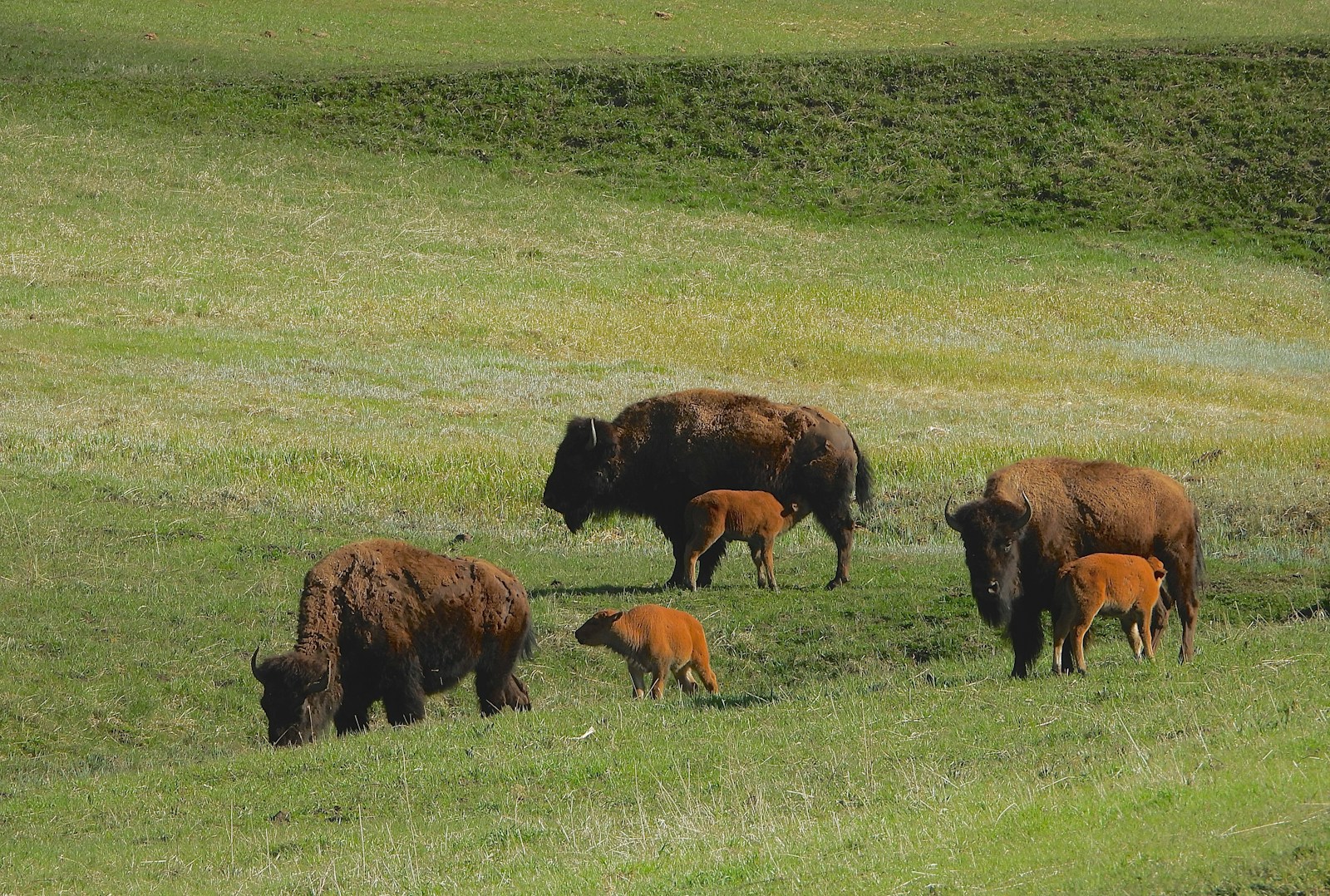
North America’s vast grasslands once thundered with the hooves of millions of bison, nature’s ecological engineers of the prairie. These massive creatures, weighing up to 2,000 pounds, weren’t merely inhabitants of grasslands – they were essential architects of these complex ecosystems. Through their unique grazing patterns, physical impact on the land, and biological contributions, bison shaped the very character of North America’s prairies for thousands of years before their near-extinction. Today, as conservation efforts restore bison to portions of their historic range, scientists are documenting the remarkable benefits these animals bring to grassland health. The relationship between bison and grasslands represents one of nature’s most fascinating examples of coevolution, where grazer and landscape evolved together, each depending on and enhancing the other.
The Coevolution of Bison and Grasslands

Bison and North America’s grasslands share a 500,000-year evolutionary history, developing in tandem to create one of Earth’s most productive ecosystems. Unlike introduced cattle, bison evolved specifically within prairie ecosystems, developing behavioral and physiological adaptations perfectly suited to these environments. Their grazing patterns, seasonal movements, and even their physical build were shaped by the grasslands, while simultaneously, the plants developed growth patterns, reproductive strategies, and defensive mechanisms in response to bison grazing. This coevolutionary relationship is evident in how certain grass species actually require grazing pressure to thrive, having developed mechanisms to regrow quickly after being eaten. The bison’s large, broad muzzle affects which plants they select, creating a mosaic of vegetation at different growth stages that supports greater biodiversity than ungrazed prairie.
Selective Grazing and Plant Diversity

Bison employ a unique selective grazing strategy that fundamentally differs from other large herbivores. Rather than consuming all available vegetation in an area, bison move continuously while grazing, taking small bites from preferred grasses while leaving others untouched. This selectivity creates patches of vegetation at various heights and growth stages across the landscape, essentially crafting a mosaic of plant communities. Research has shown that areas grazed by bison typically support 50-60 plant species, compared to just 10-15 species in similar but ungrazed areas. By preferentially consuming dominant grasses, bison reduce competition for resources like light, water, and nutrients, allowing less competitive forbs and wildflowers to flourish. The resulting plant diversity provides habitat and food sources for countless insects, birds, and small mammals that might otherwise be excluded.
Physical Disturbance and Ecosystem Engineering

Bison create physical disturbances that reshape grassland environments in ways that benefit countless other species. Their heavy hooves break up compacted soil, improving water infiltration and creating small depressions that capture rainwater and seeds. The iconic “wallows” – shallow depressions created when bison roll in dirt to combat insects and shed fur – collect water after rains, creating temporary micro-wetlands that support amphibians and specialized plant communities not found elsewhere on the prairie. A single bison herd can create hundreds of these wallows across the landscape, each serving as a unique microhabitat. Their movement patterns create trails that act as natural firebreaks and travel corridors for other wildlife. Even their shedding fur provides nesting material for birds and small mammals, demonstrating how thoroughly these animals are integrated into grassland ecology.
Nutrient Cycling and Soil Health

Bison serve as mobile nutrient recycling systems, enhancing soil fertility across grassland ecosystems. As they consume grasses, bison digest approximately 80% of what they eat, returning the remaining nutrients to the soil through their waste in a form that’s readily available to plants. A single adult bison can produce up to 50 pounds of nutrient-rich dung daily, which serves as a natural fertilizer dispersed across the landscape. This process significantly accelerates nutrient cycling rates compared to the slower process of plant decomposition without grazing. Research has shown that prairie soils in bison-grazed areas contain up to 30% more nitrogen and carbon than ungrazed areas. The microorganisms that decompose bison waste also improve soil structure, creating a healthier environment for plant roots and increasing the soil’s capacity to store carbon and water.
Fire and Grazing Interactions

The interaction between bison grazing and natural prairie fires creates a powerful ecological force known as pyric herbivory. Historically, bison were drawn to recently burned areas where nutritious new growth emerges, creating an alternating pattern of grazing intensity across the landscape. This preference for grazing in burned areas allows unburned sections to accumulate fuel for future fires, creating a self-sustaining cycle. Studies conducted at the Konza Prairie Biological Station in Kansas have demonstrated that this fire-grazing interaction creates greater habitat heterogeneity than either force alone. Areas managed with both prescribed burning and bison grazing show significantly higher plant and animal diversity than those managed with just one or neither of these ecological processes. This interaction is now recognized as so important that many prairie restoration projects incorporate both controlled burns and bison grazing to maximize ecological benefits.
Drought Resistance and Climate Adaptation

Bison-grazed grasslands demonstrate remarkable resilience to climate extremes, particularly drought conditions that are becoming more frequent with climate change. The diverse plant communities fostered by bison grazing include species with varying root depths and drought tolerance strategies, creating a natural insurance policy against harsh conditions. Research during the severe 2012 drought found that bison-grazed areas maintained 30% more plant productivity than ungrazed areas under identical rainfall conditions. The soil improvements created by bison also enhance water infiltration and retention, reducing runoff and making more moisture available to plants during dry periods. Additionally, the selective removal of certain plants by bison maintains space between vegetation, reducing competition for limited water resources. Climate models predict that properly managed bison grazing could be a crucial tool for maintaining productive grasslands in the face of increasingly variable and extreme weather patterns.
Biodiversity Benefits Beyond Plants
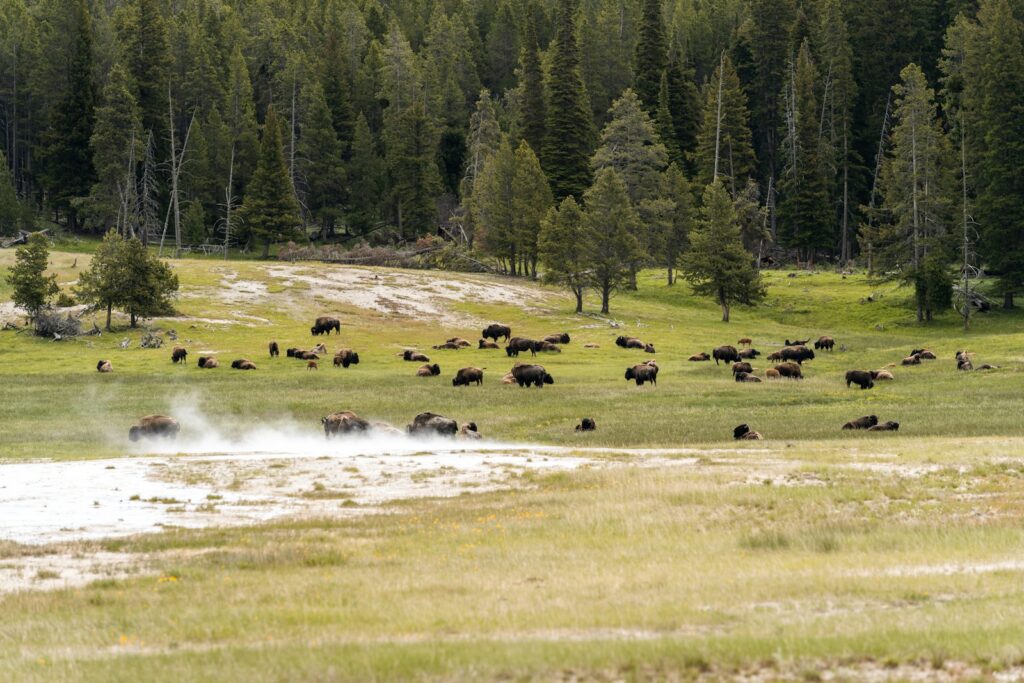
The impacts of bison grazing cascade through prairie food webs, supporting biodiversity far beyond plant communities. The varied vegetation structure created by patchy grazing provides habitat for grassland birds with different nesting requirements – from meadowlarks that need taller grass to killdeer that prefer shorter vegetation. Small mammals like prairie voles and pocket mice benefit from the diverse seed sources and protective cover available in bison-grazed areas. Insect diversity also increases dramatically, with studies documenting three times more butterfly species in bison-grazed sections of tallgrass prairie. Dung beetles and other decomposers thrive on bison waste, becoming food for predators and continuing the nutrient cycling process. Even amphibians benefit from the seasonal water sources provided by bison wallows, with species like tiger salamanders using these temporary pools for breeding in an otherwise dry landscape.
Comparing Bison and Cattle Grazing Impacts

While cattle can provide some ecological benefits to grasslands, their grazing behavior differs significantly from bison in ways that impact ecosystem function. Bison spend less time near water sources, distribute themselves more widely across landscapes, and consume different proportions of plant species than cattle. Research comparing adjacent bison and cattle-grazed pastures found that bison-grazed areas maintained 14% more plant species diversity under similar stocking rates. Bison also handle temperature extremes more effectively than cattle, continuing to graze during both severe heat and cold when cattle seek shelter, resulting in more evenly distributed grazing pressure throughout the year. Additionally, bison’s wallowing behavior creates microhabitats not replicated by cattle. While well-managed cattle grazing can certainly benefit grasslands compared to no grazing, the evolutionary adaptations of bison make them uniquely suited to maximize the ecological health of North American prairie ecosystems.
Historical Population Collapse and Ecological Consequences

The near-extinction of American bison in the late 1800s represented not just a tragedy for the species, but a fundamental disruption of grassland ecology across an entire continent. From an estimated 30-60 million animals, bison numbers plummeted to fewer than 1,000 by 1890 through systematic hunting and government extermination policies. The ecological consequences were profound and far-reaching. Without bison grazing, dominant grasses quickly outcompeted other plants, dramatically reducing prairie biodiversity. Soil health declined as nutrient cycling slowed without bison dung and urine inputs. Fire regimes changed as vegetation accumulated without grazing pressure to create natural firebreaks. Prairie dog colonies, which historically followed bison herds to feed on the shorter grasses they created, collapsed by over 98%, further reducing habitat for species that depend on their burrows. This historical collapse stands as one of history’s most dramatic examples of how the removal of a keystone species can transform entire ecosystems.
Modern Conservation Success Stories
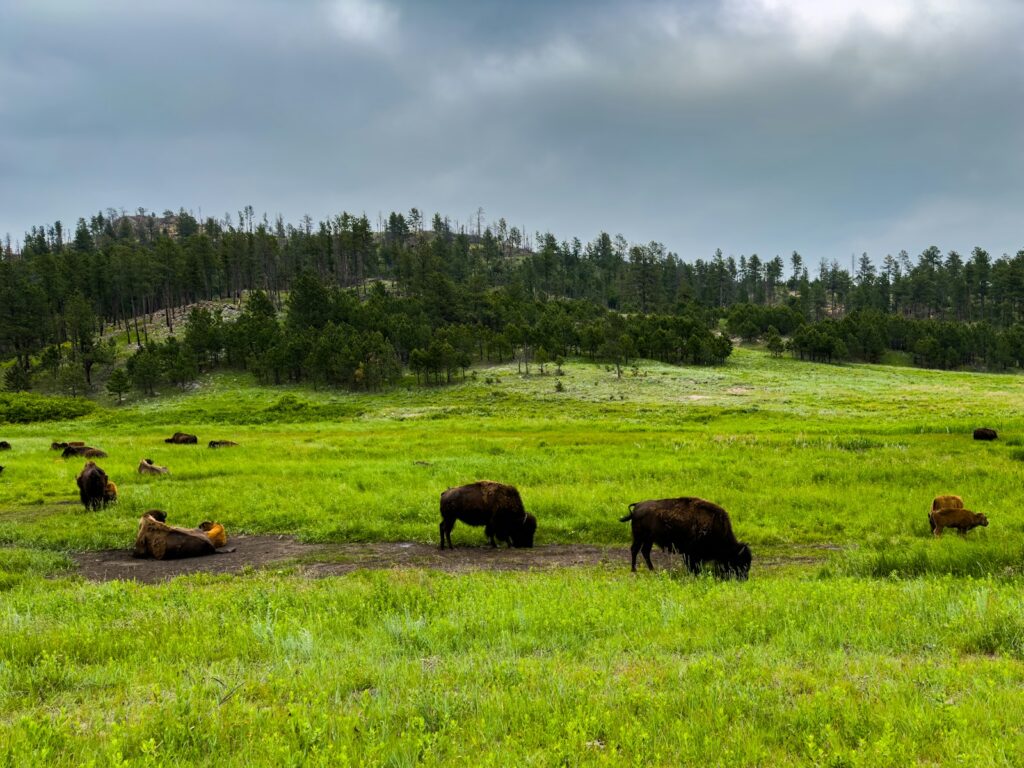
The reintroduction of bison to portions of their historic range represents one of North America’s most significant conservation success stories, with remarkable ecological benefits already documented. At Konza Prairie in Kansas, areas where bison were reintroduced in 1987 now support 58 plant species per square meter compared to just 14 species in similar but ungrazed areas. The American Prairie Reserve in Montana has documented the return of declining grassland birds like Sprague’s pipit following bison reintroduction. In Yellowstone National Park, riparian areas have recovered dramatically since bison numbers increased, with beaver returning to create wetland habitats after a 50-year absence. Perhaps most impressive is the transformation at the Nature Conservancy’s Nachusa Grasslands in Illinois, where the reintroduction of bison in 2014 has already increased plant diversity by 34% and led to the natural reappearance of previously missing prairie plant species. These success stories demonstrate how quickly grassland ecosystems can recover when their keystone grazer returns.
Economic and Cultural Benefits
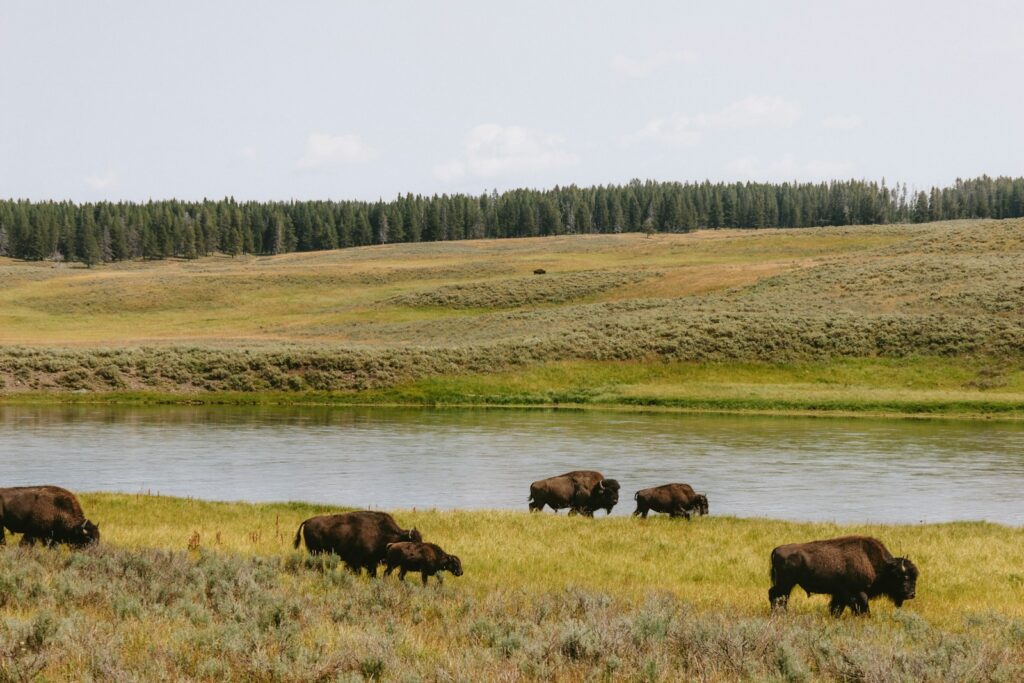
The ecological benefits of bison grazing translate into significant economic and cultural value for communities connected to restored grasslands. Ecotourism centered around bison viewing generates substantial revenue for rural communities near conservation areas, with Yellowstone’s bison drawing an estimated $43 million annually in visitor spending. Native American tribes reestablishing cultural connections through bison restoration programs report both spiritual renewal and economic opportunities through sustainable bison ranching. From a rangeland management perspective, bison require less veterinary care, supplemental feeding, and handling than cattle, potentially reducing costs for producers. The growing market for grass-fed bison meat commands premium prices, creating economic incentives that align with ecological restoration goals. Additionally, healthy grasslands provide valuable ecosystem services including carbon sequestration, water filtration, and flood mitigation that benefit broader society, with economic analyses valuing these services from bison-grazed prairie at over $2,000 per acre annually.
Management Challenges and Solutions

Despite their ecological benefits, reintroducing bison presents significant management challenges that require innovative solutions. Space limitations represent the foremost concern, as bison evolved as migratory animals that moved across vast landscapes following seasonal resources. Modern conservation areas typically lack sufficient space for natural migration patterns, necessitating careful management of herd sizes and movements. Disease transmission between bison and cattle remains contentious, particularly regarding brucellosis in the Greater Yellowstone Ecosystem, though solutions including vaccination programs and buffer zones have proven effective. Genetic diversity presents another challenge, as most conservation herds descended from a small number of founders, requiring careful breeding strategies and occasional transfers between herds to maintain genetic health. Social acceptance also varies, with some ranchers concerned about competition or disease, though community engagement programs like those implemented by the American Prairie Reserve have successfully built support through economic partnerships and educational outreach.
Future Directions for Grassland Conservation

The future of grassland conservation increasingly recognizes bison grazing as an essential tool within a broader ecological management approach. Emerging models focus on creating connected networks of conservation lands that allow for more natural bison movement patterns across larger landscapes. Partnerships between public lands, private ranches, and tribal nations are expanding the potential scale of restoration efforts, with initiatives like the Buffalo Commons concept envisioning interconnected bison habitat across portions of the Great Plains. Innovative grazing systems that integrate cattle and bison in ways that mimic historical grazing patterns show promise for working landscapes. Technological advances including GPS tracking collars provide new insights into bison behavior that inform more effective management strategies. Meanwhile, carbon markets are creating financial incentives for grassland restoration with bison, as these ecosystems can sequester significant carbon when properly managed. As climate change intensifies, the drought-resistant characteristics of bison-grazed grasslands may become increasingly valuable for both biodiversity conservation and sustainable agriculture.
The relationship between bison and grasslands represents one of nature’s most remarkable examples of how a single species can shape entire ecosystems. From soil microbes to prairie plants, from insects to birds, countless organisms benefit from the ecological processes that bison grazing maintains. As conservation efforts continue to restore these magnificent animals to portions of their historic range, we’re witnessing the rebirth of ecosystems that evolved over millennia. The growing body of scientific evidence confirms what Indigenous knowledge has long recognized – that healthy grasslands need their historic grazer. By supporting bison restoration efforts, we’re not just saving a species; we’re preserving the ecological processes that maintain one of North America’s most endangered ecosystems for future generations.