
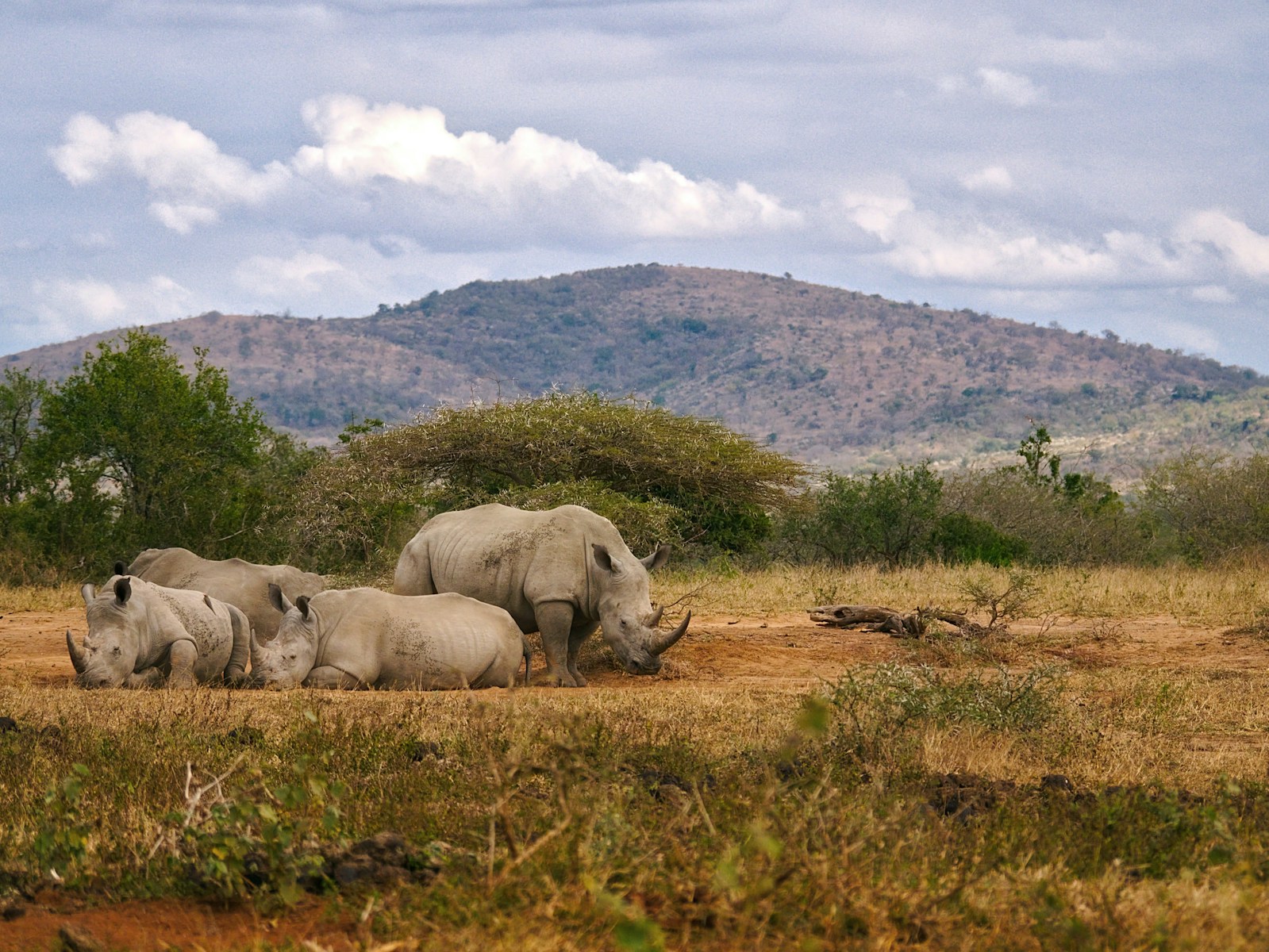
Feeding wildlife in parks may seem like a harmless and even enjoyable activity, but the reality tells a different story. Across the United States and globally, park authorities have implemented strict regulations against feeding wild animals, backed by substantial fines. These rules aren’t arbitrary – they’re carefully designed to protect both wildlife and humans from the negative consequences that arise when wild animals become dependent on human food sources. This article explores the reality of park fines for feeding wildlife, why these regulations exist, and what visitors should know before tossing that bread to ducks or offering peanuts to squirrels.
Why Feeding Wildlife Is Prohibited
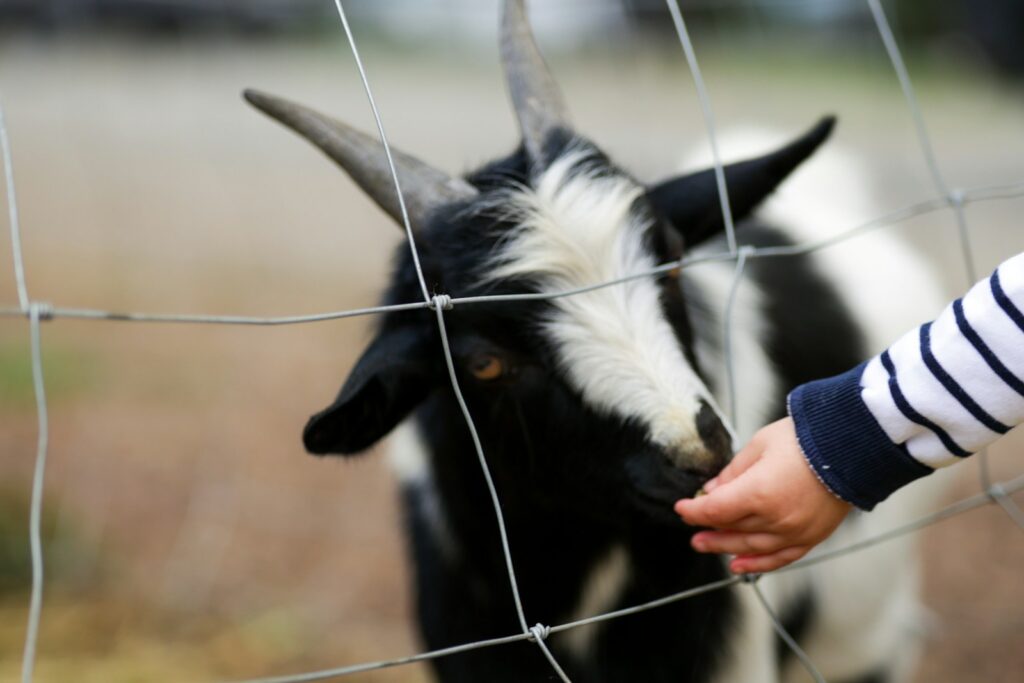
Wildlife feeding bans exist primarily to protect the health and natural behaviors of wild animals. When animals become accustomed to receiving food from humans, they often develop an unhealthy dependency that disrupts their natural foraging behaviors and survival skills. Human food is typically nutritionally inadequate for wildlife, leading to malnutrition and health problems even when animals appear to be thriving. Additionally, feeding can cause animals to congregate in unnatural densities, increasing competition and the potential spread of disease among populations. Perhaps most significantly, these feeding interactions gradually erode the natural wariness that animals have toward humans, which serves as a crucial survival mechanism in the wild.
The Legal Framework Behind Wildlife Feeding Fines
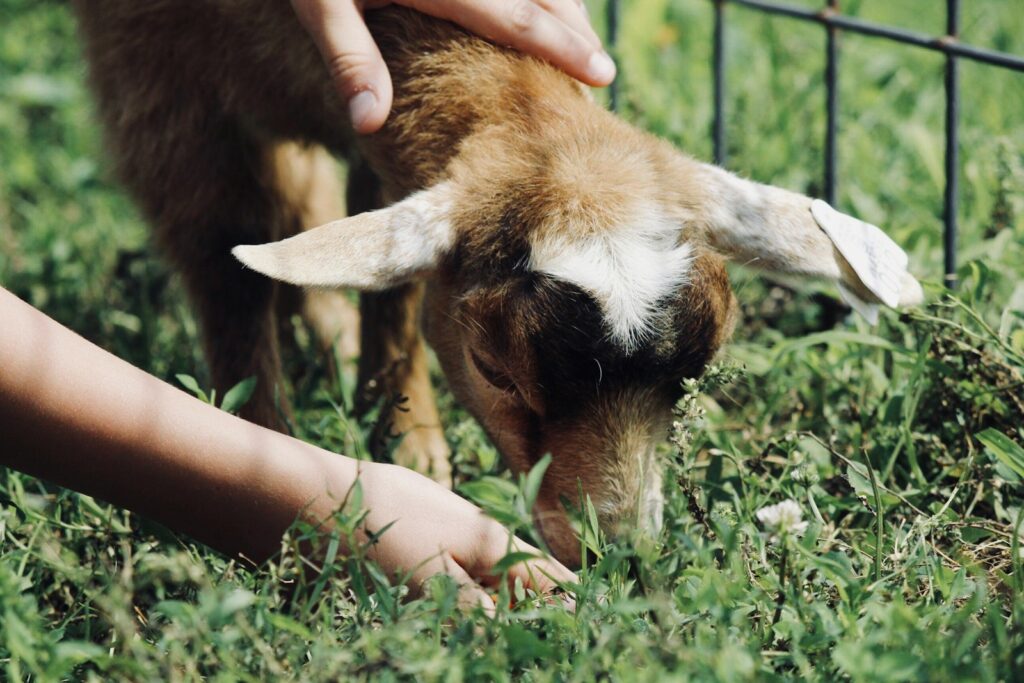
Park fines for feeding wildlife are typically established through a combination of federal, state, and local regulations designed to protect natural resources. At the federal level, the National Park Service has clear regulations prohibiting wildlife feeding in all national parks, with fines that can reach into thousands of dollars for serious offenses. State parks generally follow similar guidelines, though the specific penalties may vary based on local legislation. Municipal parks often have their own ordinances addressing wildlife feeding, which are enforced by local park rangers or law enforcement. These laws are typically codified within wildlife protection acts, park management regulations, or specific municipal codes that outline prohibited behaviors in public spaces.
Common Fine Amounts Across Different Parks

The financial penalties for feeding wildlife vary considerably depending on location and the severity of the offense. In national parks, first-time offenders typically face fines ranging from $100 to $500, though these amounts can increase dramatically for repeat violations. State parks generally impose penalties between $50 and $300, with some states like California and Florida implementing particularly steep fines due to their unique and sensitive ecosystems. City and county parks might have lower initial fines, often starting around $25 to $100, but these can escalate with subsequent violations. In extreme cases where feeding results in animal injury, habitual nuisance behavior, or attacks on humans, fines can exceed $1,000 and potentially include criminal charges related to wildlife harassment.
Health Impacts on Wildlife from Human Food

Human food can cause severe and sometimes fatal health problems for wildlife, making feeding prohibitions a matter of animal welfare. Foods like bread, which is commonly fed to waterfowl, lack proper nutrition and can cause a condition called “angel wing” – a wing deformity that prevents birds from flying properly or at all. Processed foods high in salt, sugar, and preservatives can cause metabolic disorders in many species, while items like chocolate and caffeine are toxic to numerous animals. Additionally, wildlife that regularly consumes human food often suffers from dental problems, obesity, and cardiovascular issues similar to those seen in humans with poor diets. Perhaps most concerning, artificial feeding can disrupt migratory patterns in birds and seasonal hibernation cycles in mammals, affecting their long-term survival prospects.
How Feeding Creates Dangerous Human-Wildlife Interactions
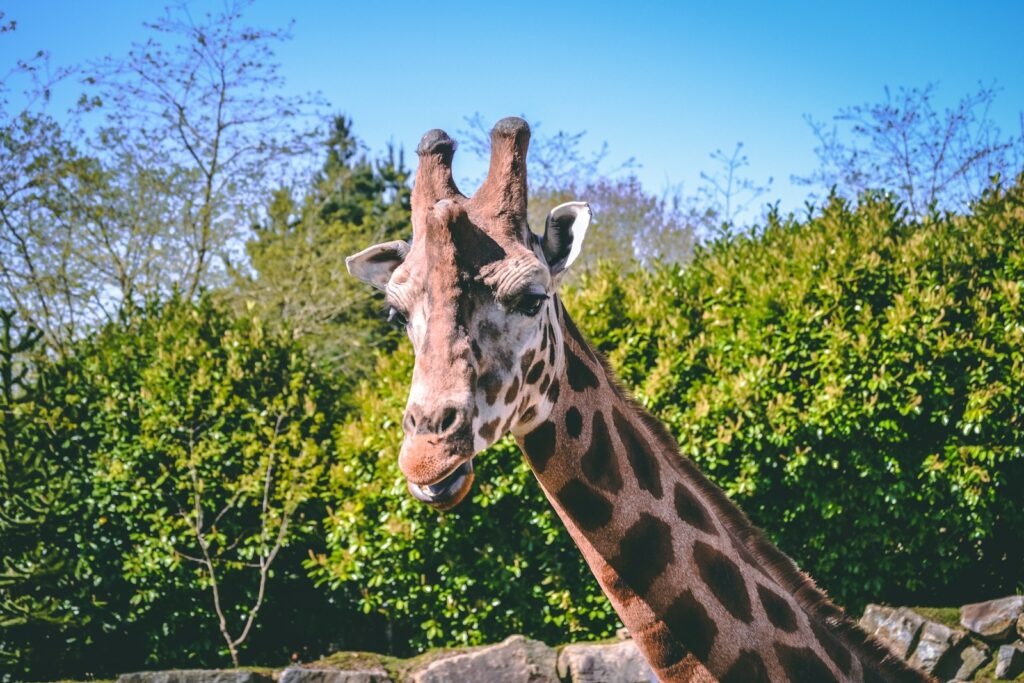
When wild animals associate humans with food, they lose their natural fear and begin approaching people, creating potentially dangerous situations for both parties. Large mammals like deer, moose, or bears that become habituated to human food can become aggressive when expectations for food aren’t met, resulting in charging, stomping, or even attacking visitors. In urban and suburban parks, food-conditioned wildlife like raccoons, foxes, and coyotes may begin venturing into residential areas searching for similar food sources, increasing conflict with pets and property. For the animals themselves, reduced fear of humans often leads to dangerous behaviors like crossing busy roads or entering populated areas where they may be hit by vehicles or face other hazards. Park rangers report that virtually all negative wildlife encounters in parks have roots in previous feeding interactions that taught animals to associate humans with food rewards.
Ecological Disruption Caused by Artificial Feeding
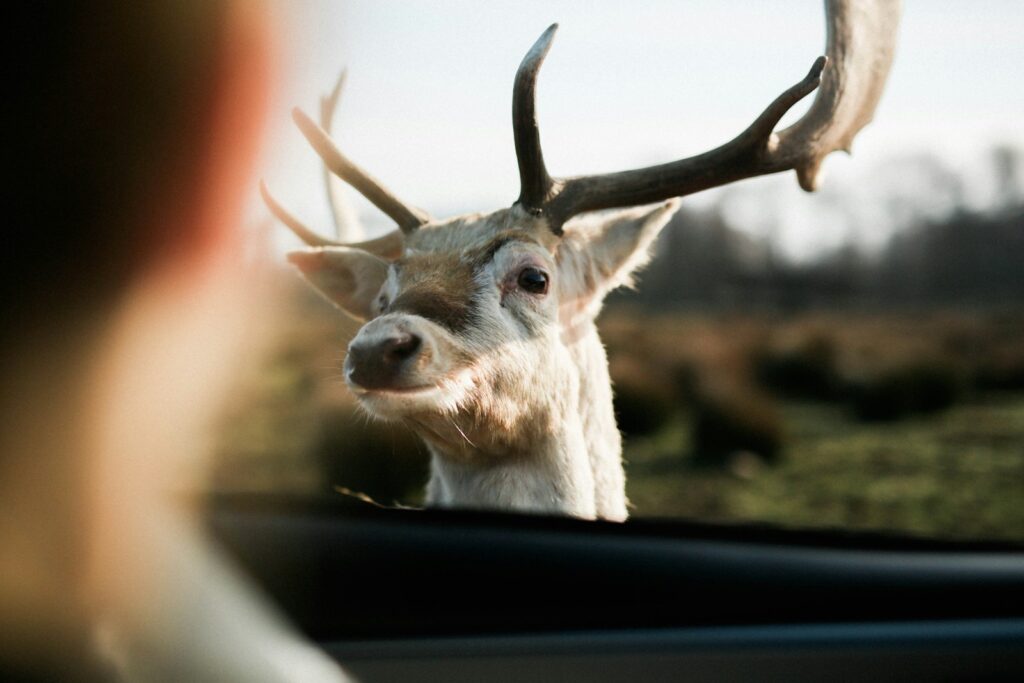
Feeding wildlife disrupts natural ecological balances in ways that extend far beyond the individual animals being fed. Concentrated food sources create abnormally high population densities that ecosystems aren’t designed to support, leading to resource competition and habitat degradation. Species that adapt well to human food often experience population booms that can crowd out other wildlife and upset predator-prey relationships that have evolved over thousands of years. The ecological impacts extend to plant communities as well, as overabundant wildlife can overgraze native vegetation or disperse the seeds of non-native plants contained in human food. Research in urban parks has demonstrated that areas with high rates of wildlife feeding typically show reduced biodiversity compared to similar habitats where feeding is successfully prevented.
Enforcement Challenges and Strategies

Park authorities face significant challenges in enforcing wildlife feeding regulations, requiring creative and educational approaches alongside traditional enforcement. Most parks operate with limited staff who cannot monitor all visitor activities, making complete prevention of feeding nearly impossible through surveillance alone. To address this challenge, many parks have implemented multi-faceted approaches that combine clear signage, educational programs, and strategic ranger presence in high-risk areas. Some parks now utilize camera systems and encourage visitor reporting of feeding incidents through dedicated hotlines or smartphone applications. Rangers often prioritize education over immediate fines for first-time offenders, using these encounters as teaching opportunities about wildlife conservation while reserving financial penalties for repeat offenders or particularly egregious cases.
Alternatives to Feeding Wildlife
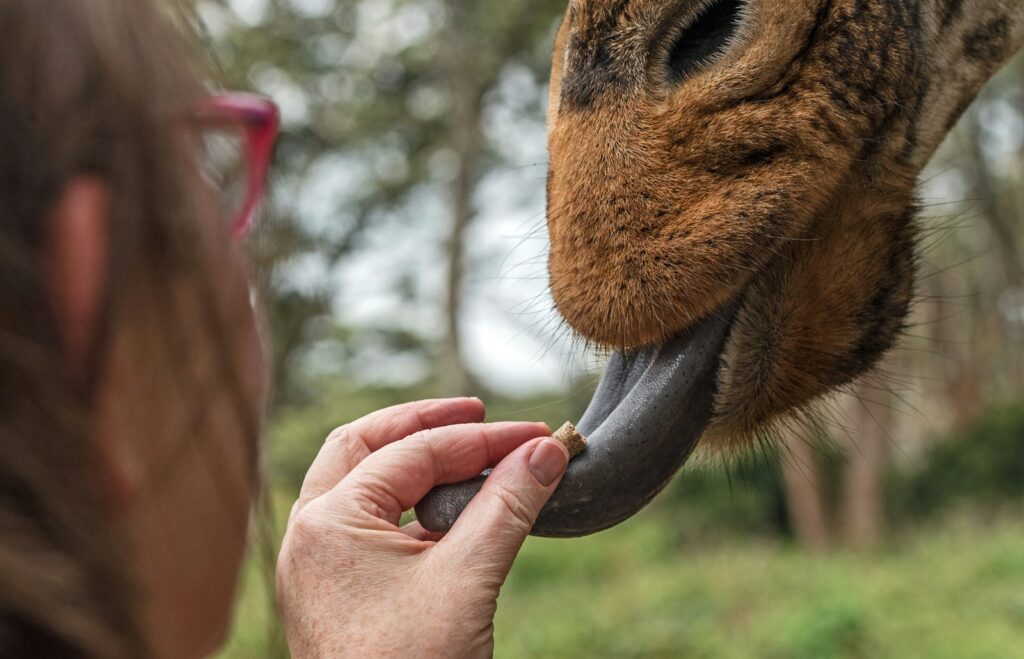
Parks and wildlife organizations actively promote constructive alternatives that allow visitors to connect with wildlife without the harmful effects of feeding. Wildlife photography represents one of the most popular and beneficial alternatives, allowing visitors to capture memories while maintaining appropriate distances from animals. Participating in organized wildlife observation programs led by trained naturalists provides educational experiences that explain animal behaviors in their natural context. Many parks offer volunteer opportunities in habitat restoration projects that indirectly benefit wildlife by improving their natural food sources and living spaces. For those specifically interested in helping animals, contributing to legitimate wildlife rehabilitation centers or conservation organizations channels that energy in ways that genuinely support wildlife welfare rather than compromising it.
Public Education Efforts by Park Services

Park services across the country have developed comprehensive educational campaigns to help visitors understand the reasoning behind feeding prohibitions. Visitor centers typically feature interactive exhibits explaining wildlife nutrition needs and the ecological consequences of feeding, often using compelling before-and-after scenarios to illustrate impacts. Park websites and social media accounts regularly share informative content about wildlife feeding issues, including testimonials from rangers about actual incidents they’ve witnessed. Many parks have initiated school outreach programs targeting young visitors before they develop feeding habits, while ranger-led talks at campgrounds and popular viewing areas address the topic directly with visitors. The most effective educational efforts focus not just on rules and fines but on building emotional connections to wildlife welfare that motivate visitors to protect animals by respecting their natural behaviors.
Notable Cases and Legal Precedents

Several high-profile cases have established important legal precedents regarding wildlife feeding violations in parks. In 2019, a visitor to Yellowstone National Park received a $5,000 fine and six months of probation after repeatedly feeding bears despite multiple warnings, setting a precedent for substantial penalties in cases involving dangerous wildlife. A landmark 2015 case in Florida established that property owners near parks could be held liable for wildlife feeding that contributed to a serious human injury, extending responsibility beyond the immediate park boundaries. In California, courts upheld a city’s right to issue escalating fines to a repeat offender who claimed constitutional protection for feeding birds, affirming that public safety and wildlife welfare concerns override personal beliefs about animal feeding. These cases collectively demonstrate the legal system’s growing recognition of wildlife feeding as a serious conservation and public safety issue rather than a minor infraction.
Cultural and Historical Context of Wildlife Feeding

The prohibition of wildlife feeding represents a significant shift from historical practices and cultural traditions that once encouraged such interactions. Throughout the early 20th century, many national parks actually promoted wildlife feeding as a visitor attraction, with Yellowstone famously featuring organized bear feeding demonstrations until the 1940s. Feeding ducks at local ponds has been a cherished family tradition for generations, depicted in literature and art as wholesome recreation. This cultural legacy creates challenges for modern conservation efforts, as many visitors have childhood memories of feeding animals with parental approval. The transition from encouraged to prohibited feeding practices reflects our evolving understanding of ecology and wildlife management, moving from viewing wild animals as entertainment to recognizing them as integral parts of complex ecosystems requiring minimal human interference to thrive naturally.
International Perspectives on Wildlife Feeding Regulations
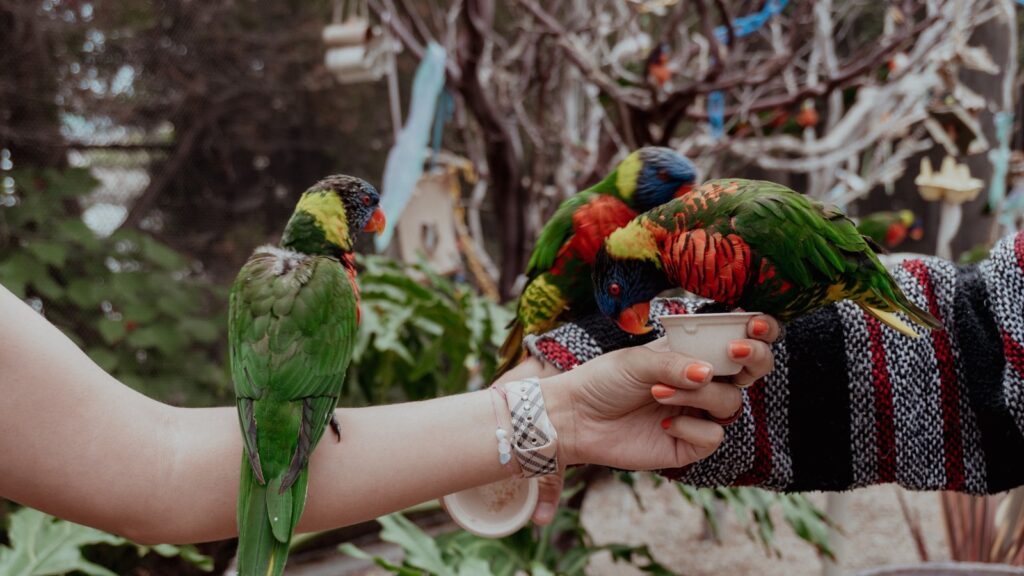
Wildlife feeding regulations vary significantly across different countries, reflecting diverse cultural attitudes and management approaches. European countries generally take a stringent approach similar to the United States, with countries like Switzerland and Germany implementing substantial fines for feeding wildlife in protected areas. By contrast, Japan has parks where deer feeding is permitted in specific cultural contexts, though this practice is increasingly regulated due to recognized health impacts on the animals. Australia has particularly strict wildlife feeding prohibitions due to unique conservation challenges, with fines that can exceed $10,000 for feeding certain protected species. Developing nations often face greater challenges in regulating wildlife feeding, particularly in areas where tourism revenue creates economic incentives for allowing visitors to feed animals as attractions, highlighting the complex intersection of conservation goals and economic realities in wildlife management globally.
Future Trends in Wildlife Feeding Enforcement
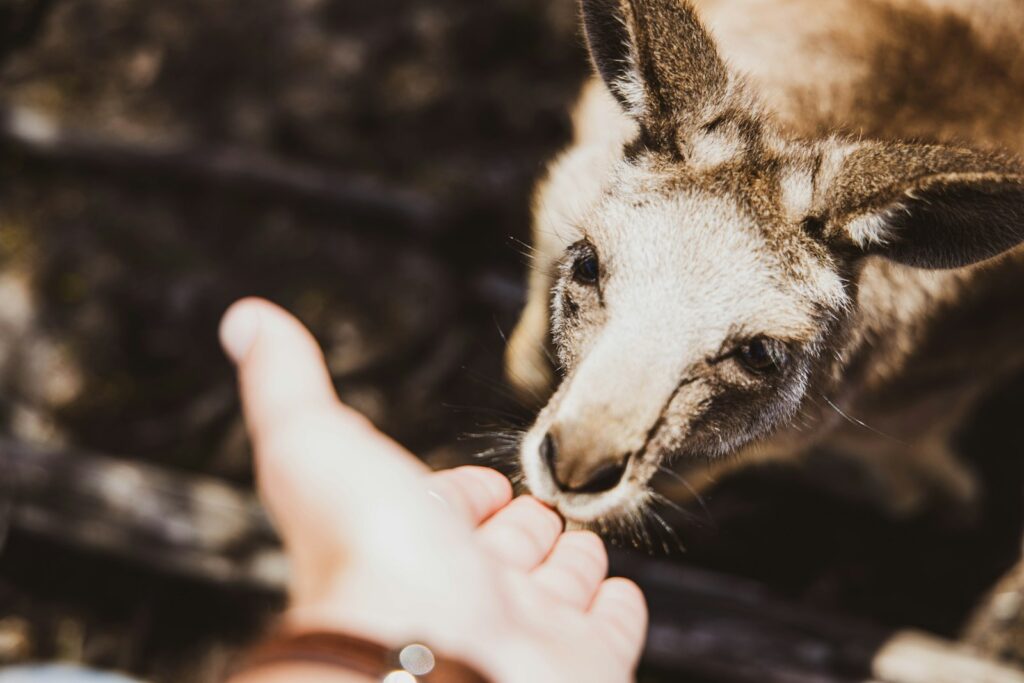
The future of wildlife feeding enforcement is likely to incorporate new technologies and refined approaches based on evolving research. Many parks are exploring the use of artificial intelligence and camera systems to identify feeding behaviors and target educational interventions more effectively. Research suggests that fines may be increasingly supplemented with mandatory education programs or community service requirements focused on habitat restoration. Conservation psychologists are helping develop more effective messaging strategies that address the emotional motivations behind feeding rather than simply stating rules. As climate change and habitat loss create additional stresses on wildlife populations, many experts predict that regulations around human-wildlife interactions including feeding will become more stringent and more vigorously enforced to protect increasingly vulnerable species.
Conclusion
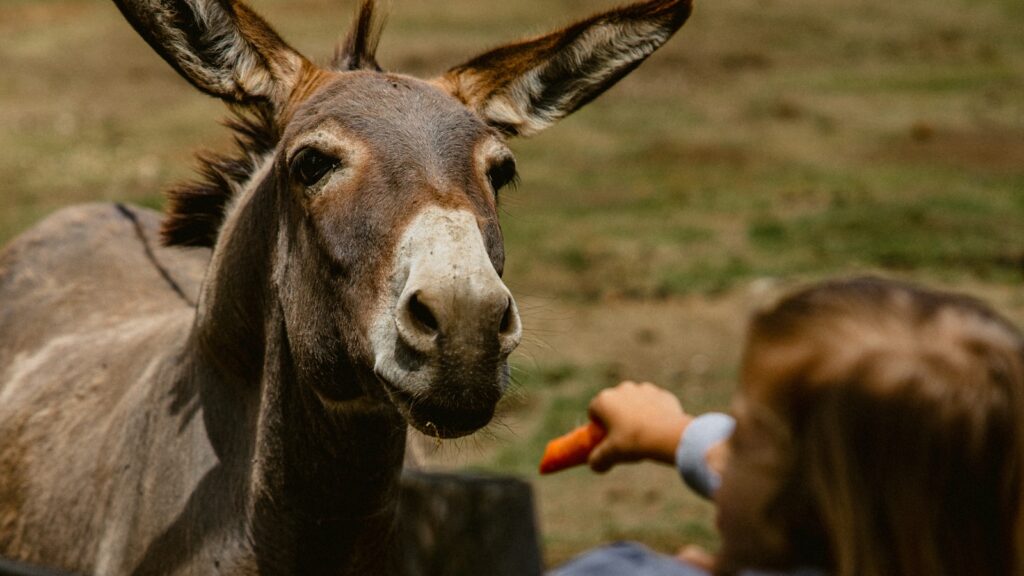
The fines and regulations prohibiting wildlife feeding in parks represent a necessary measure to protect both animals and humans from unintended consequences. While tossing food to a squirrel or duck might seem like a harmless way to connect with nature, the scientific evidence overwhelmingly demonstrates the negative impacts of these actions. Park authorities aren’t implementing these rules to diminish visitors’ enjoyment but rather to preserve authentic wildlife behaviors and healthy ecosystems for future generations to experience. By understanding the reasoning behind these regulations and finding alternative ways to appreciate wildlife, park visitors can contribute to conservation efforts while still enjoying meaningful connections with the natural world.