

River otters, once a common sight in America’s waterways, faced near extinction in many regions by the mid-20th century. Their decline stemmed from habitat destruction, water pollution, and excessive trapping for their luxurious fur. However, the past few decades have witnessed one of wildlife conservation’s most remarkable success stories. Through dedicated scientific efforts, careful planning, and innovative reintroduction techniques, biologists have brought these charismatic mammals back to parks and waterways across the United States. Their return not only restores a missing ecological component but also brings joy to nature enthusiasts who delight in watching these playful creatures slide down muddy banks and gracefully navigate rivers and streams.
The Historical Presence and Decline of River Otters

North American river otters (Lontra canadensis) once thrived in virtually every major watershed across the continental United States, playing crucial roles in maintaining healthy aquatic ecosystems. By the early 1900s, however, unregulated trapping, water pollution from industrialization, and widespread habitat destruction had decimated their populations. In many states, particularly those in the Midwest and parts of the West, river otters completely disappeared by the mid-20th century. Their absence created ecological imbalances, as these predators naturally help control populations of fish, crayfish, and other aquatic organisms. Conservation biologists began recognizing that restoring river otter populations would require deliberate human intervention—a complex undertaking that would span decades and involve multiple disciplines of biological science.
Preparing the Habitat for Reintroduction

Before any otter could be successfully reintroduced, biologists needed to ensure that habitats were once again suitable for their survival. This meant addressing the very factors that led to their decline in the first place. Water quality improvements came through stricter environmental regulations like the Clean Water Act, which reduced industrial pollution in America’s waterways. Habitat restoration projects focused on rebuilding riparian zones—the vegetated areas along riverbanks that otters use for denning and raising their young. Biologists conducted extensive assessments of potential reintroduction sites, measuring water quality parameters, food availability, shelter opportunities, and human activity levels. Only locations meeting strict criteria would be selected, ensuring the highest chance of successful reestablishment.
Finding Source Populations for Reintroduction
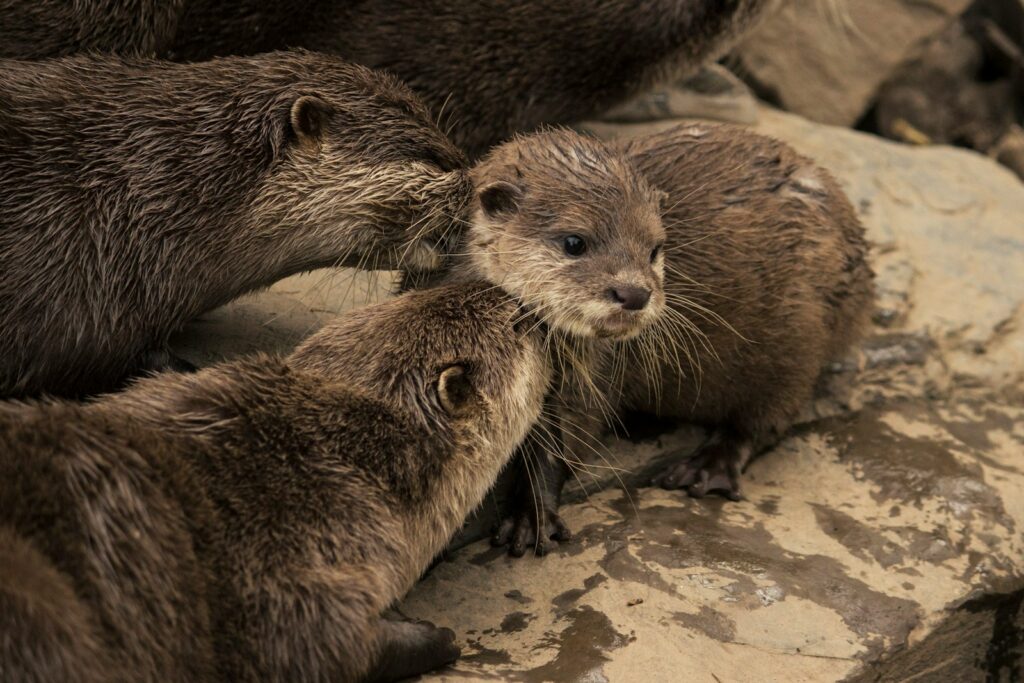
Identifying appropriate source populations presented a significant challenge for reintroduction programs. Biologists needed healthy otters that could serve as founding members of new populations without depleting existing ones. Many programs turned to states with robust otter populations, particularly Louisiana, which became a primary source for reintroduction efforts across the country. Careful genetic considerations guided these transfers, as scientists worked to maintain appropriate genetic diversity in both source and recipient populations. Capture techniques evolved over time, with humane live-trapping methods replacing earlier, more stressful approaches. Biologists developed protocols to minimize stress during capture, ensuring that only the healthiest individuals would make the journey to their new homes.
Transportation and Health Assessment Protocols
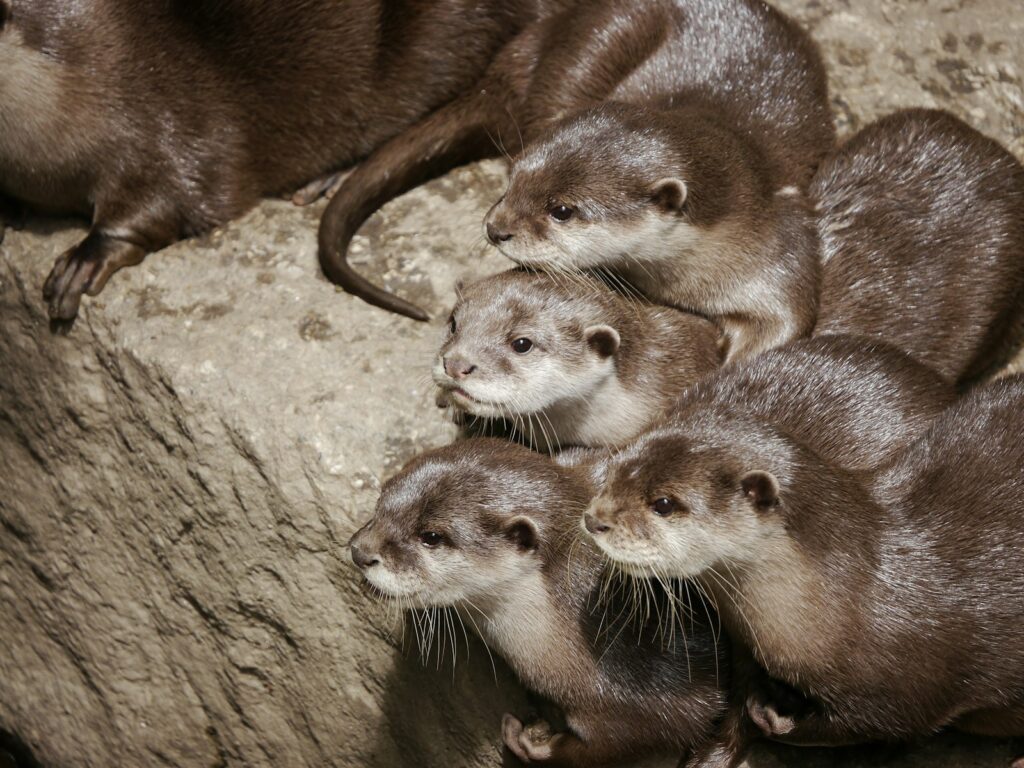
Moving wild otters safely across long distances required developing specialized transportation protocols that prioritized animal welfare. Custom-designed transport containers provided adequate ventilation, moisture, and comfort during journeys that sometimes spanned thousands of miles. Before any transport occurred, each otter underwent comprehensive health assessments, including blood work, parasite screening, and physical examinations to ensure they carried no diseases that might spread to wildlife in their new environments. Veterinarians administered preventative medications and vaccines as needed, carefully documenting each animal’s condition. During transport, temperature control proved crucial, as otters are sensitive to heat stress, requiring monitoring and sometimes cooling measures during summer translocations.
The Science of Release Methodology
Biologists developed several release strategies based on scientific research into otter behavior and adaptation. Hard releases involved immediately freeing otters at the release site, while soft releases utilized temporary holding facilities near waterways to allow otters to acclimate before full release. Each method had advantages depending on the specific circumstances of the reintroduction site. Timing proved critical—releases often coincided with seasons when natural food sources were abundant and weather conditions favorable. Many programs utilized radio telemetry to track newly released otters, attaching small transmitters that allowed biologists to monitor movements, survival rates, and habitat usage. This data proved invaluable for refining future release protocols and understanding how otters adapt to new environments.
Pennsylvania’s Groundbreaking Reintroduction Program
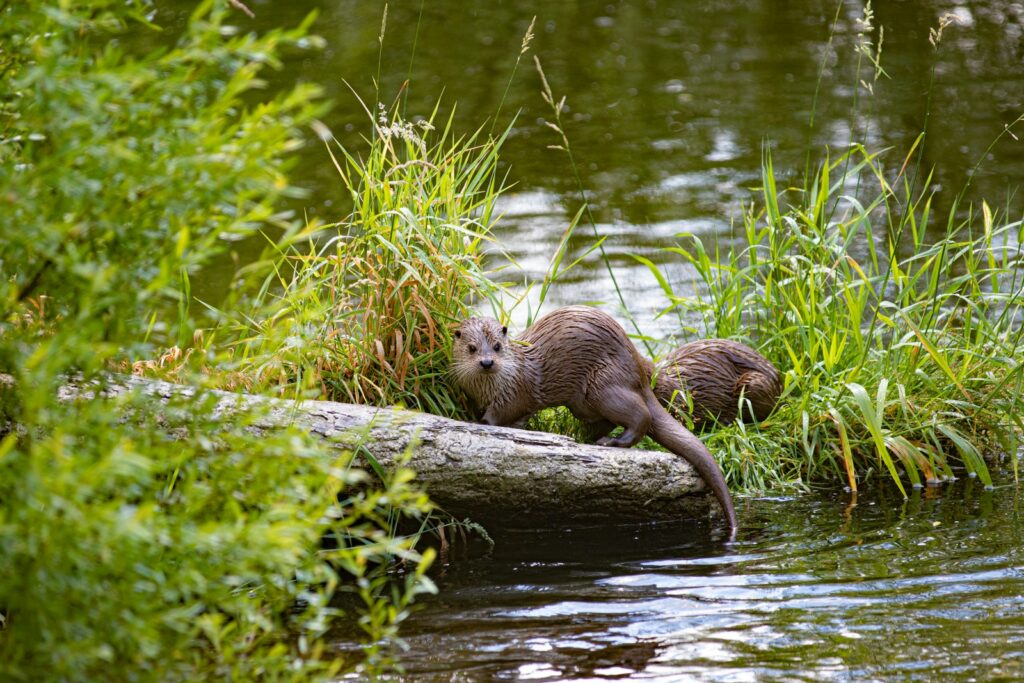
Pennsylvania’s otter reintroduction effort stands as one of the most comprehensive and well-documented in the country. Beginning in 1982 and continuing through the 1990s, the Pennsylvania Game Commission, working with numerous partners, released 153 otters across seven watershed systems where they had been extirpated. Most of these otters came from Louisiana, with additional animals from New York, New Hampshire, and Maryland contributing genetic diversity to the new populations. Biologists employed both hard and soft release techniques, carefully documenting which approaches yielded better survival and reproduction rates. Pennsylvania’s success became a model for other states, demonstrating that with proper planning and execution, otters could indeed reclaim their former territories and establish self-sustaining populations.
Missouri’s River Otter Recovery Journey
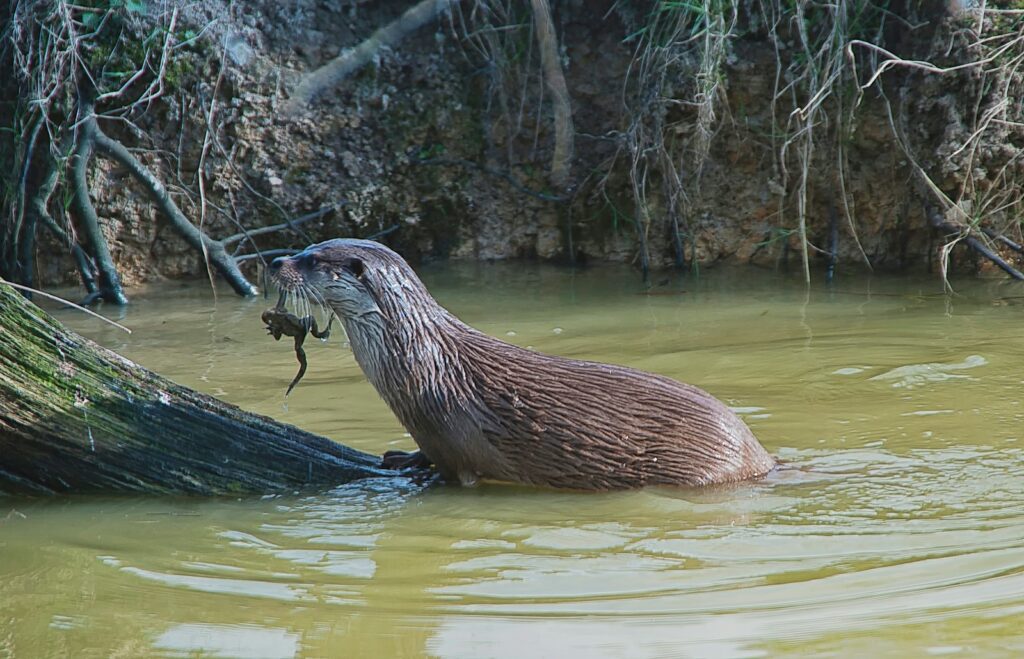
Missouri’s river otter reintroduction represents one of the most dramatic turnarounds in wildlife conservation history. After being completely eliminated from the state, Missouri’s Department of Conservation initiated a reintroduction program in 1982 that would eventually release 845 otters across 43 stream systems over a 10-year period. Louisiana provided most of these otters, which adapted remarkably well to Missouri’s diverse aquatic habitats. The program’s success actually created new challenges, as some areas saw otter populations grow so robustly that they began impacting fish populations in smaller streams and private fishing ponds. This required biologists to implement careful management strategies, including controlled trapping seasons to maintain ecological balance. Missouri’s experience highlights how successful reintroductions sometimes require ongoing management to balance wildlife needs with human interests.
Colorado’s High-Altitude Otter Restoration
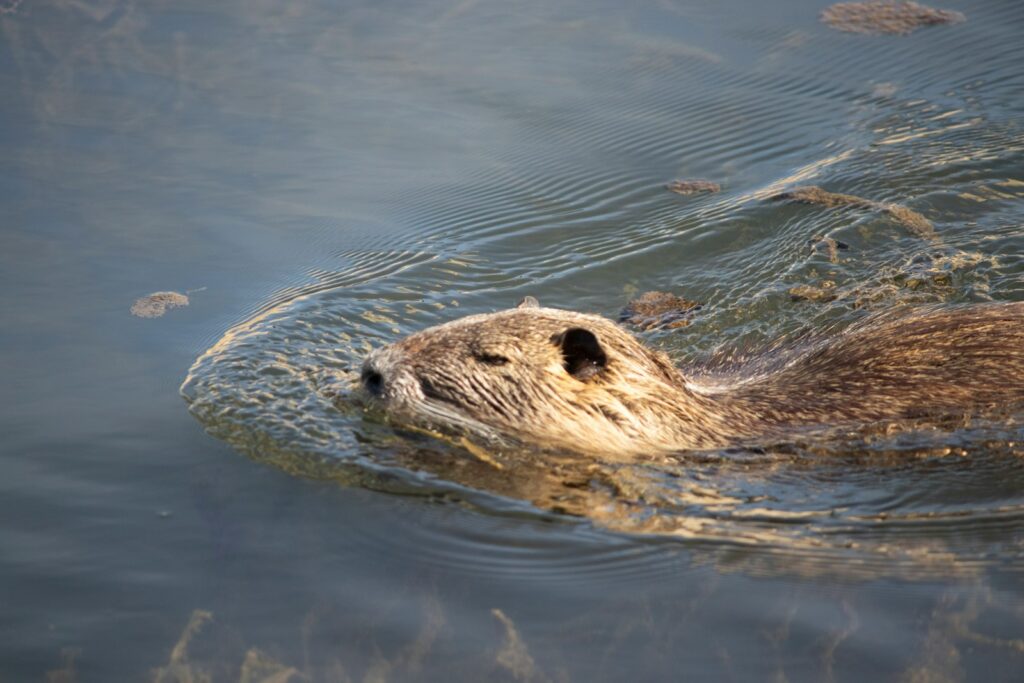
Colorado presented unique challenges for otter reintroduction due to its high-altitude streams and harsh winter conditions. Beginning in 1976, Colorado wildlife officials released 120 otters from various states across multiple watersheds, focusing particularly on the Dolores, Gunnison, Piedra, and Upper Colorado River systems. Biologists had to determine whether otters could survive in environments that frequently froze over in winter, requiring adaptations different from their lowland counterparts. Special considerations included selecting release sites with reliable open water during winter months, often near hot springs or dam outflows that remained ice-free. The successful establishment of otters in these challenging habitats demonstrated the species’ remarkable adaptability and resilience. Today, Colorado’s mountain streams once again feature these aquatic predators, contributing to more balanced alpine and montane ecosystems.
Urban Park Reintroductions: Special Considerations
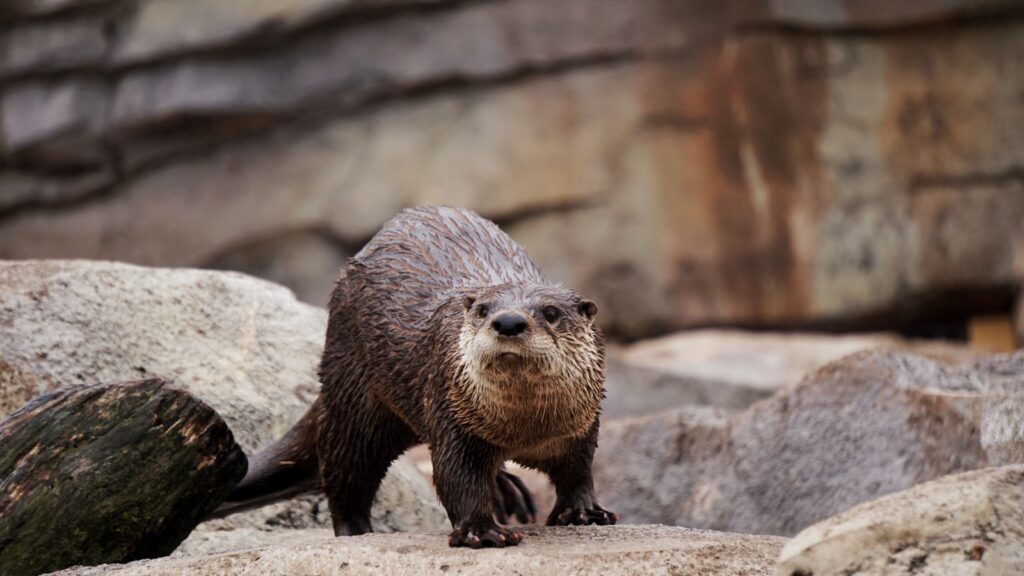
Reintroducing otters to urban and suburban park environments presented distinct challenges compared to wilderness reintroductions. Human disturbance, water pollution from urban runoff, and increased risk of vehicle collisions all required careful mitigation strategies. Projects like the successful return of otters to Chicago’s waterways involved extensive public education campaigns to reduce harmful human interactions and build community support. Biologists installed artificial den structures in some urban parks where natural denning opportunities were limited, providing secure places for otters to rest and raise young. Water quality monitoring became particularly important in these settings, with ongoing testing to ensure urban pollutants didn’t reach harmful levels. Despite the challenges, urban reintroductions offered unique opportunities for public engagement with wildlife conservation, as city dwellers could now observe these charismatic animals in local parks.
Measuring Reintroduction Success Through Scientific Monitoring
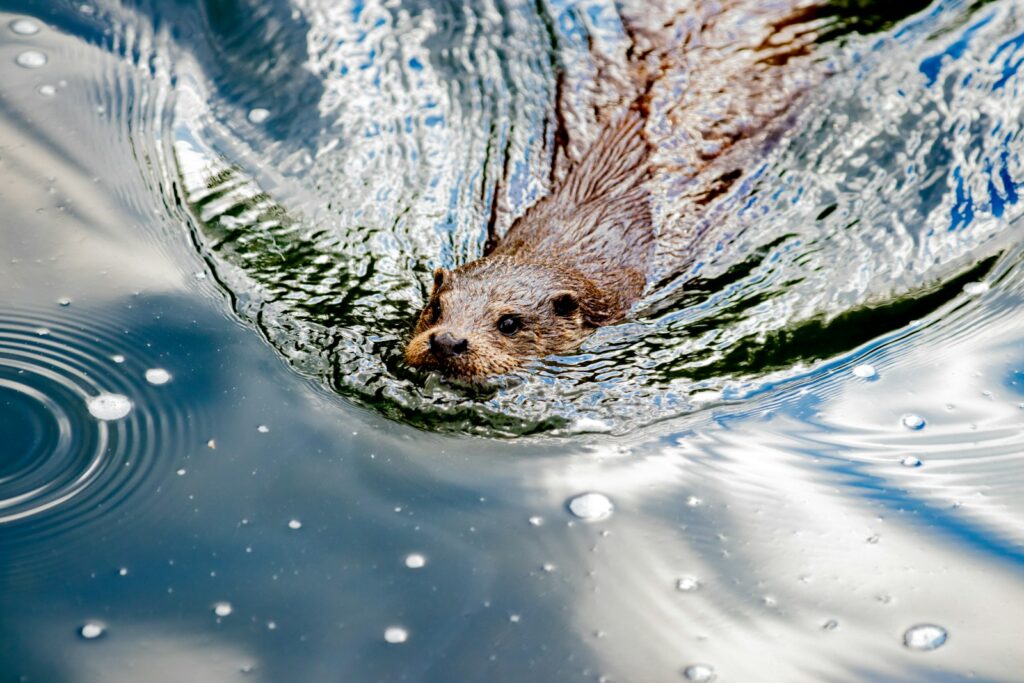
Determining whether reintroduction efforts truly succeeded required comprehensive monitoring programs extending years beyond initial releases. Biologists deployed multiple methods to track otter populations, including radio telemetry for short-term movement data and survival rates immediately following release. For longer-term monitoring, scientists conducted regular sign surveys, documenting tracks, scat, slides, and other evidence of otter presence along waterways. DNA analysis of collected scat samples allowed geneticists to estimate population size, genetic diversity, and even family relationships without disturbing the animals. Camera traps strategically placed at likely crossing points captured photographic evidence of otters, sometimes documenting behaviors and reproduction that would otherwise remain unobserved. These scientific approaches provided crucial data for adaptive management of reintroduction programs.
Ecological Impacts of Successful Otter Returns
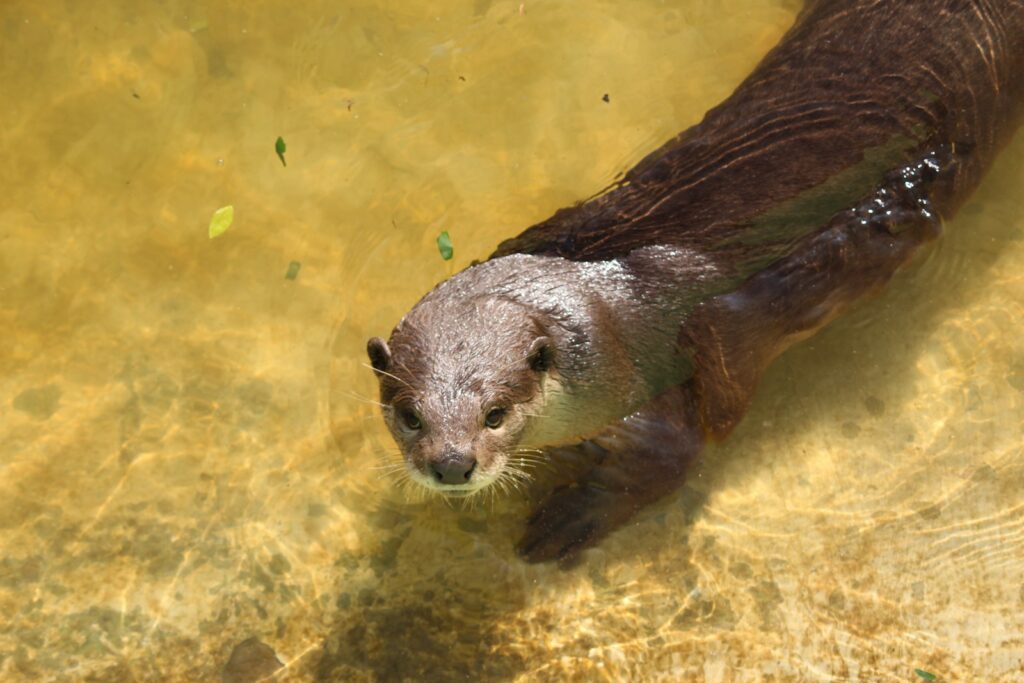
The return of river otters to U.S. waterways has triggered fascinating ecological cascades throughout aquatic systems. As top predators, otters influence prey populations—particularly invasive species like carp and crayfish that lack evolutionary adaptations to otter predation. Research has documented changes in fish community structures following otter reestablishment, often favoring native species that co-evolved with otter predation pressure. Beyond direct predation effects, otters’ activities modify physical habitats through their denning and foraging behaviors. Their propensity for using specific “latrine sites” along shorelines concentrates nutrients that enrich local vegetation. Scientists have also observed behavioral changes in prey species, as fish and crayfish adapt their activity patterns and habitat use to minimize predation risk in waters now patrolled by otters.
Public Engagement and Community Science Contributions

Successful reintroduction programs increasingly incorporate public participation through community science initiatives. These programs train volunteers to recognize and report otter signs, vastly expanding monitoring capabilities beyond what professional biologists could accomplish alone. Organizations like the River Otter Ecology Project in California engage hundreds of volunteers who submit observations through smartphone apps, creating robust datasets tracking otter recovery. Educational programs at nature centers and parks near reintroduction sites help build public support while teaching visitors how to observe otters respectfully without disturbing them. Some projects involve school groups in habitat improvement efforts, planting riparian vegetation or installing artificial holts (dens) under expert guidance. This public involvement not only aids scientific monitoring but also builds crucial community support for conservation.
Ongoing Challenges and Future Directions

Despite remarkable successes, otter reintroduction efforts continue to face significant challenges. Climate change poses perhaps the greatest threat, as altered precipitation patterns affect water levels in crucial habitats and warming temperatures potentially impact prey availability. Emerging contaminants like PFAS (per- and polyfluoroalkyl substances) accumulate in aquatic food webs and may affect otter health in ways scientists are still working to understand. Road mortality remains significant near urban areas, prompting wildlife crossing projects specifically designed with otter movement patterns in mind. Looking forward, biologists are exploring potential reintroductions in remaining suitable habitats where otters haven’t naturally recolonized, particularly in the Southwest. Advanced genetic techniques now allow managers to assess population connectivity and genetic health with unprecedented precision, helping ensure the long-term viability of reestablished populations.
River otter reintroduction represents one of North America’s most successful wildlife recovery stories. From near-extinction in many regions, these charismatic mammals have reclaimed waterways across the country through the dedicated efforts of biologists, wildlife managers, and conservation partners. Their return demonstrates how science-based conservation can reverse ecological losses when given adequate resources and public support. As river otters continue to thrive in parks and waterways where they were once absent, they remind us that with proper stewardship, even species pushed to the brink can make remarkable comebacks. Their playful presence enriches ecosystems and delights visitors, creating powerful connections between people and wildlife that ultimately strengthen conservation efforts for all species.