

The North American river otter, once abundant in waterways across the United States, faced near extinction in many regions by the mid-20th century. Overhunting, pollution, and habitat destruction had decimated populations, leaving many ecosystems without these charismatic and ecologically important mammals. Beginning in the 1970s, however, a remarkable conservation success story began to unfold. Biologists, conservationists, and wildlife managers embarked on ambitious reintroduction programs to bring river otters back to their historic ranges. These efforts not only restored a beloved native species but also helped rehabilitate aquatic ecosystems across the country. The story of river otter reintroduction stands as a testament to what can be achieved when science, public policy, and conservation ethics align toward a common goal of ecological restoration.
The Disappearance of an Iconic Species

North American river otters (Lontra canadensis) once thrived in virtually every major watershed across the continent, from the Arctic tundra to the Gulf of Mexico. By the early 1900s, however, unregulated trapping for their luxurious fur had reduced their numbers dramatically. The industrial revolution brought additional threats as waterways became polluted with chemicals and heavy metals, destroying otter habitat and poisoning their food sources. Dam construction, channelization of rivers, and wetland drainage further compromised the aquatic ecosystems otters depended upon. By the mid-20th century, river otters had disappeared from 11 states and become severely depleted in at least 17 others, representing one of the most significant wildlife losses in American history.
Ecological Importance of River Otters
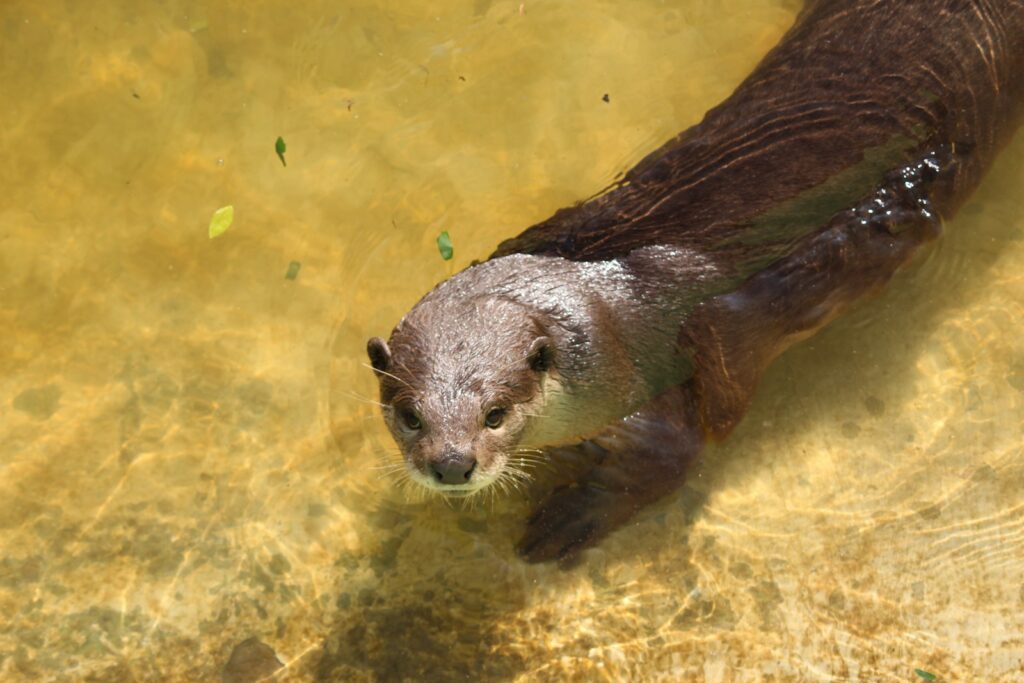
River otters serve as crucial ecological indicators because of their position at the top of the aquatic food chain. As apex predators, they help maintain balanced fish populations and prevent any single species from dominating an ecosystem. Their preference for slower-moving fish makes them natural controllers of less desirable fish species, indirectly promoting game fish populations valued by recreational fishers. Otters also contribute to nutrient cycling by transporting marine-derived nutrients to terrestrial environments through their feeding habits and waste deposition. Perhaps most significantly, their presence signals healthy, functioning watersheds with clean water and abundant food resources. When biologists consider reintroducing a species, these ecological benefits make otters an ideal candidate for restoring balance to degraded ecosystems.
Legal Protections Paving the Way

The conservation movement of the 1960s and 1970s created the legal framework necessary for otter recovery. The passage of the Clean Water Act in 1972 marked a turning point for American waterways, establishing pollution control programs and setting water quality standards that gradually improved aquatic habitats. The Endangered Species Act of 1973 provided additional protections for threatened wildlife, though river otters were never federally listed as endangered. At the state level, however, many jurisdictions classified otters as endangered or threatened, establishing harvest restrictions and habitat protections. State wildlife agencies began allocating funding specifically for otter conservation programs, creating the financial foundation for future reintroduction efforts. These legal changes reflected shifting public attitudes toward wildlife conservation and created the conditions necessary for recovery initiatives to succeed.
Planning the Reintroductions
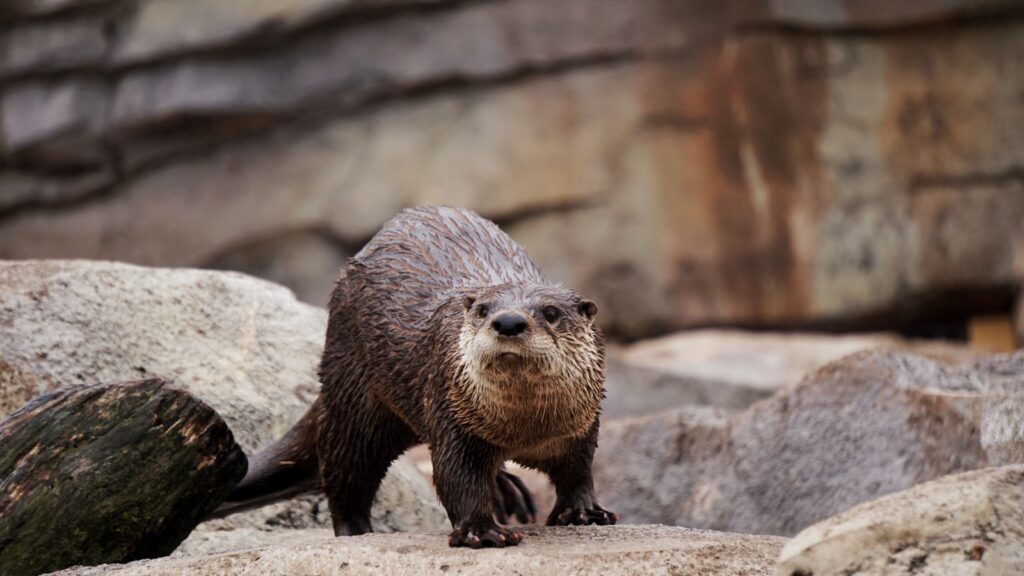
Reintroducing a species requires meticulous planning to ensure both ecological appropriateness and long-term success. Wildlife biologists conducted comprehensive habitat assessments to identify areas with suitable water quality, adequate food resources, and appropriate den sites for otters. Historical records were analyzed to confirm that otters had previously inhabited these regions, ensuring they were being restored to their native range rather than introduced to new territories. Public opinion surveys gauged community support, as local buy-in proved essential for program success. Detailed release protocols were developed, addressing everything from capture techniques to post-release monitoring methods. These planning efforts often spanned years and involved collaboration between state wildlife agencies, academic researchers, conservation organizations, and local stakeholders to create scientifically sound reintroduction strategies.
Sourcing Otters for Reintroduction
Finding suitable otters for reintroduction presented significant logistical challenges for biologists. Most programs relied on wild-caught otters from states with healthy populations, particularly Louisiana, which became the primary source for many reintroduction efforts. Trappers were specially trained to capture otters humanely using modified foothold traps with padded jaws and tranquilizer tabs to minimize stress and injury. Each captured otter underwent thorough veterinary examinations to ensure they were disease-free and in good physical condition before relocation. Age and sex ratios were carefully considered, with most programs focusing on younger adults with the best chance of adaptation and reproduction in their new environments. The ethical sourcing of otters became a model for other wildlife reintroduction programs, demonstrating the importance of minimizing impact on donor populations while maximizing survival chances for relocated individuals.
Transportation and Release Methods
Moving wild otters safely across long distances required specialized transportation protocols. Otters were typically housed in specially designed crates with adequate ventilation, moisture control, and protection from temperature extremes during transit. Veterinarians often accompanied shipments to monitor the animals’ condition and administer care if needed. Upon arrival at reintroduction sites, biologists employed one of two primary release strategies: hard releases, where otters were immediately freed into suitable habitat, or soft releases, where animals were temporarily held in on-site enclosures to acclimate to their new environment. Most programs eventually favored hard releases due to lower costs and comparable success rates, though some situations warranted the soft release approach. Release sites were carefully selected near abundant food sources and natural shelter to improve chances of immediate survival.
Missouri’s Pioneering Program

Missouri’s river otter reintroduction program stands as one of the most successful and influential wildlife restoration efforts in North American history. Beginning in 1982, the Missouri Department of Conservation released 845 otters over an 11-year period across 43 different stream systems. Most of these otters came from Louisiana, where healthy populations could sustain careful harvesting for relocation. Missouri’s comprehensive approach included not just releases but also extensive public education campaigns, landowner outreach, and rigorous scientific monitoring of outcomes. The program exceeded all expectations, with otters establishing breeding populations throughout the state and eventually supporting a regulated trapping season by 1996. Missouri’s success provided both practical methodologies and scientific validation for other states considering similar programs, effectively creating a blueprint for river otter restoration nationwide.
Pennsylvania’s Unique Approach
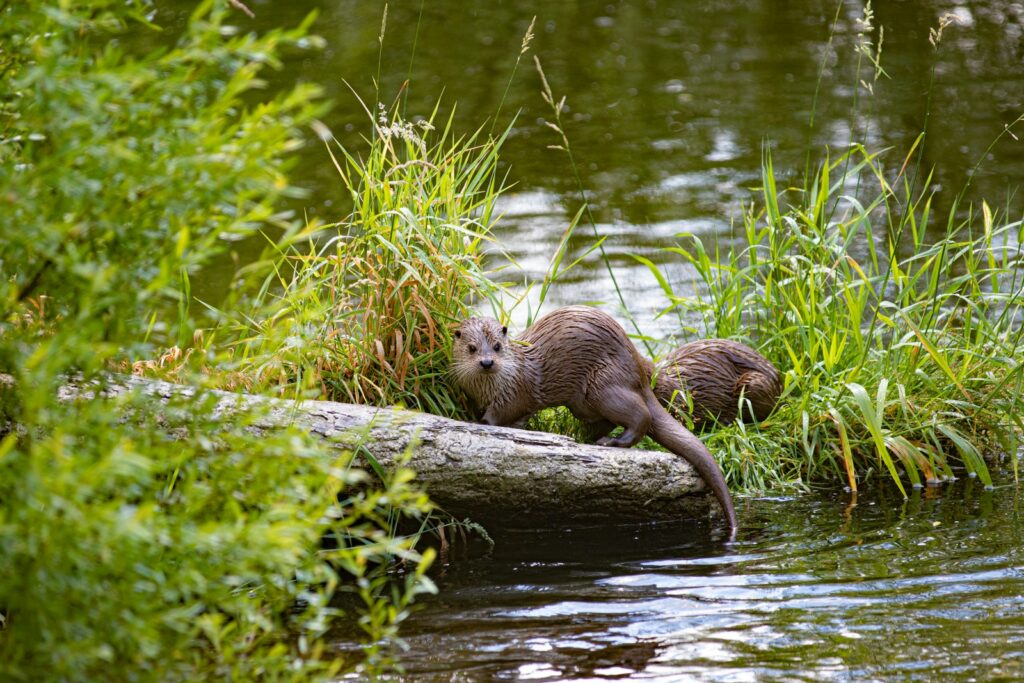
Pennsylvania implemented one of the most ambitious and innovative otter reintroduction programs in the United States. From 1982 to 2004, the Pennsylvania Game Commission and the Pennsylvania River Otter Alliance released 153 otters across multiple watersheds in the state. What made Pennsylvania’s approach unique was its heavy reliance on private partnerships and public fundraising rather than solely government funding. The Pennsylvania Wild Resource Conservation Fund created special otter license plates and other merchandise to generate public support and financial resources. Local watershed associations, sportsmen’s groups, and conservation organizations actively participated in releases and monitoring efforts. The program also pioneered the use of radio telemetry to track reintroduced otters, gathering valuable data on movement patterns, habitat preferences, and survival rates that informed future reintroduction efforts across the country.
Monitoring Reintroduction Success
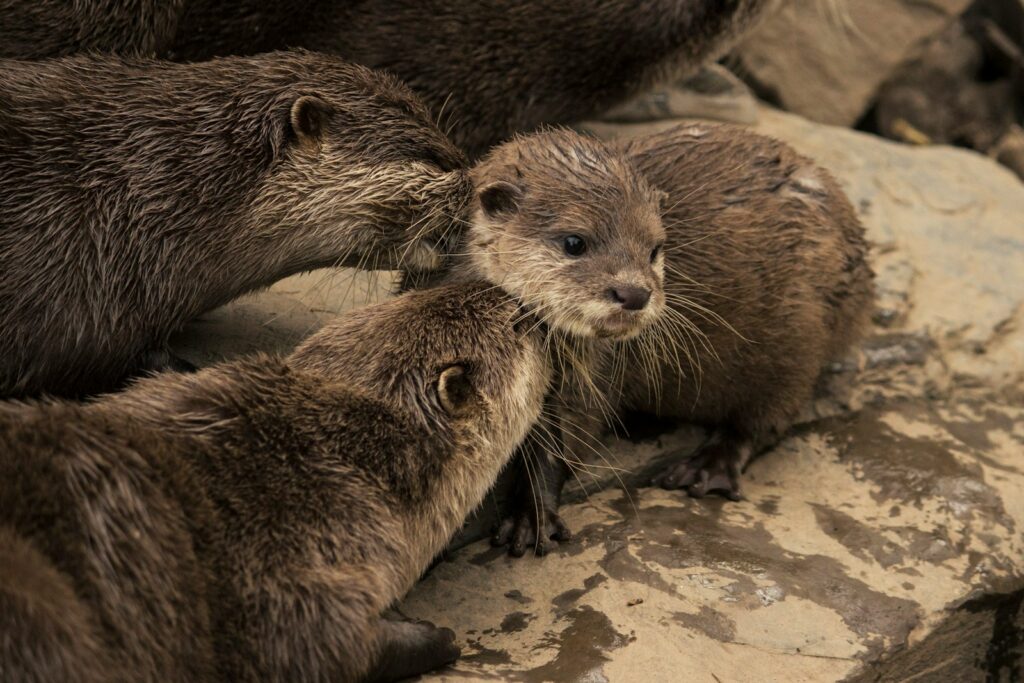
Determining the success of otter reintroductions required innovative monitoring techniques adapted to these elusive, semi-aquatic mammals. Biologists developed standardized survey methods including winter track counts, latrine site monitoring, and camera trapping to document otter presence and distribution. DNA analysis of scat samples allowed researchers to estimate population size, genetic diversity, and even individual identification without the need to recapture animals. Some programs employed radio telemetry, surgically implanting transmitters to track movements and survival of selected individuals during the critical establishment phase. Citizen science initiatives engaged volunteers in reporting otter sightings, greatly expanding monitoring coverage beyond what professional biologists could achieve alone. These monitoring efforts not only measured program success but also generated valuable scientific data about river otter ecology that was previously unavailable.
Challenges and Setbacks
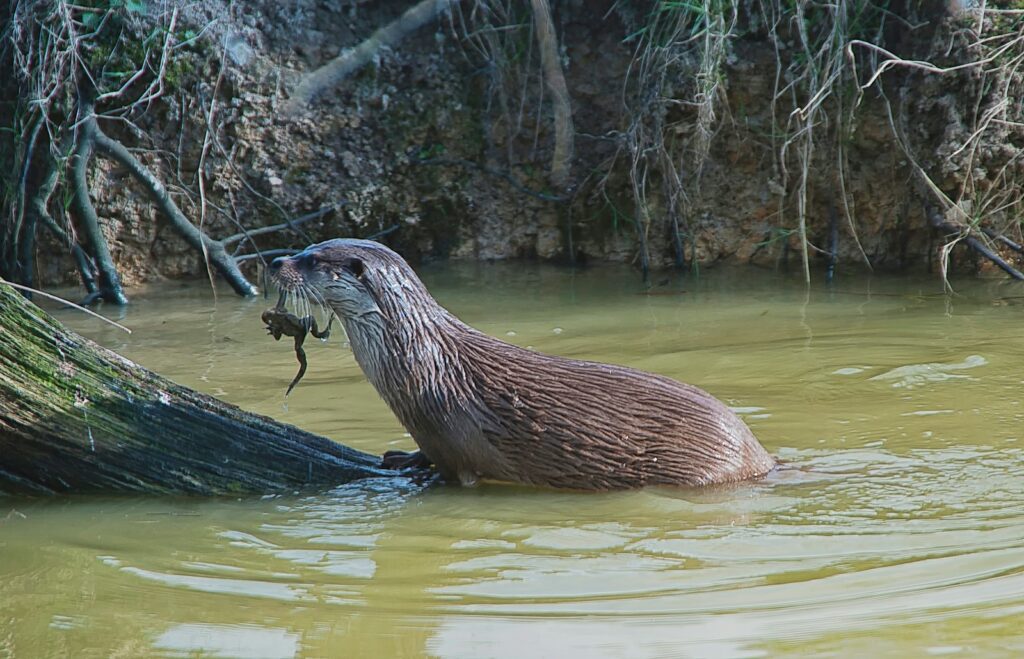
Despite overall success, otter reintroduction programs faced numerous challenges and occasional setbacks. Post-release mortality presented an inevitable concern, with some otters succumbing to stress, injury, or predation before establishing territories. Certain release sites failed to support sustainable populations due to unforeseen habitat limitations or water quality issues that weren’t detected in preliminary assessments. Public opposition occasionally emerged from fish farmers and pond owners concerned about predation on their stocks, requiring education and mitigation strategies. Climate-related challenges such as droughts and floods affected habitat suitability in some regions, complicating long-term outcomes. Funding inconsistencies sometimes interrupted multi-year programs, forcing biologists to adapt their approaches or scale back monitoring efforts. These challenges taught valuable lessons about adaptive management in wildlife reintroduction, emphasizing the need for flexibility and persistence in conservation efforts.
Unexpected Benefits of Otter Return

The return of river otters delivered numerous benefits beyond the original conservation goals. Tourism increased in regions where otter viewing became possible, creating economic opportunities for local communities through wildlife watching tours and photography expeditions. Otters became natural ambassadors for watershed conservation, their charismatic nature helping to build public support for broader water quality initiatives and habitat protection. Scientific research blossomed as the reintroduced populations provided opportunities to study otter behavior, ecology, and environmental adaptations. Educational programs in schools and nature centers used otter reintroduction stories to teach principles of ecology and conservation to younger generations. Perhaps most significantly, the presence of otters enhanced the psychological wellbeing of local residents, reinforcing the human connection to natural systems and providing tangible evidence that environmental restoration is possible.
Current Status and Future Directions
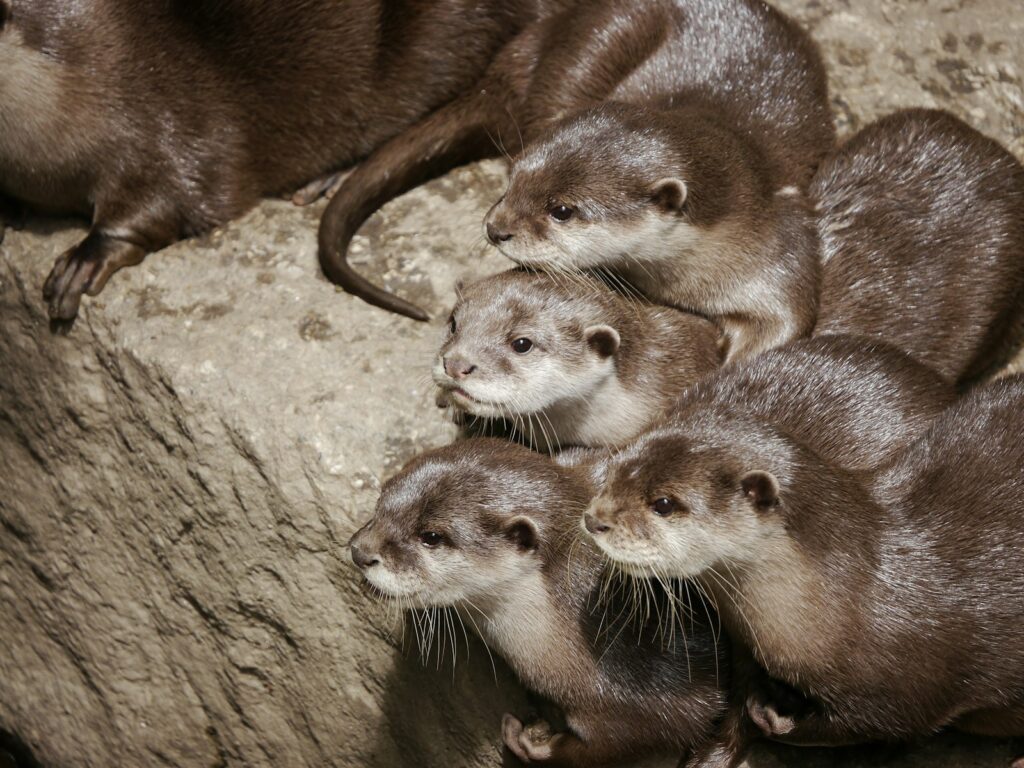
Today, river otters have been successfully reintroduced to every state within their historical range, representing one of America’s most comprehensive wildlife restoration achievements. Population monitoring indicates stable or increasing numbers in most regions, with some states supporting sufficiently robust populations to allow sustainable harvesting under careful regulation. Research priorities have shifted from basic reintroduction techniques to understanding how otters adapt to climate change, interact with human-modified landscapes, and respond to emerging environmental contaminants. Conservation biologists now focus on maintaining habitat connectivity between otter populations to ensure genetic diversity and resilience. Future efforts may include targeted reintroductions in specific watersheds that remain unoccupied, further refinement of monitoring techniques, and integration of otter conservation with broader riparian ecosystem management plans.
Lessons for Other Conservation Efforts

The river otter reintroduction story offers valuable lessons for wildlife conservation efforts worldwide. Perhaps most importantly, it demonstrates that recovery is possible even for species that have disappeared from vast portions of their range when habitat conditions improve and direct threats are mitigated. The success of these programs highlights the importance of interstate cooperation, as donor states with healthy populations supported restoration in depleted regions. Public engagement proved crucial, with the most successful programs incorporating education, outreach, and opportunities for community participation. The value of patience became evident as some populations took decades to fully establish, reinforcing the need for long-term commitment in wildlife restoration. As biodiversity loss accelerates globally, the otter reintroduction model provides both practical methodologies and inspirational evidence that dedicated conservation action can reverse even seemingly hopeless wildlife declines.
Conclusion

The reintroduction of river otters to America’s waterways represents one of wildlife conservation’s most heartening success stories. From the brink of regional extinction, these charismatic mammals have reclaimed their ecological role across the United States through the dedicated efforts of biologists, conservation organizations, and supportive communities. Their return has enriched ecosystems, enhanced water quality, and brought joy to countless Americans who now have the opportunity to observe these playful creatures in their natural habitats. As we face growing environmental challenges, the river otter reintroduction saga reminds us that with science-based management, adequate resources, and public commitment, we can reverse ecological damage and restore native wildlife to their rightful places in the landscape. The splashing return of the river otter stands as a powerful testament to both nature’s resilience and humanity’s capacity to correct our environmental missteps.