

When we think of keystone species that shape ecosystems, our minds often turn to wolves, elephants, or bees – but rarely to the humble prairie dog. These small, burrowing rodents native to North America are frequently dismissed as agricultural pests or viewed merely as cute curiosities. However, prairie dogs are ecological powerhouses whose influence on grassland ecosystems is vastly disproportionate to their size. From creating habitat for countless other species to maintaining soil health and supporting predator populations, prairie dogs are genuine ecosystem engineers whose decline threatens the very fabric of prairie ecosystems. Let’s explore why these chattering colonial rodents deserve not just our attention, but our protection and admiration.
The Prairie Architects: Understanding Prairie Dog Species
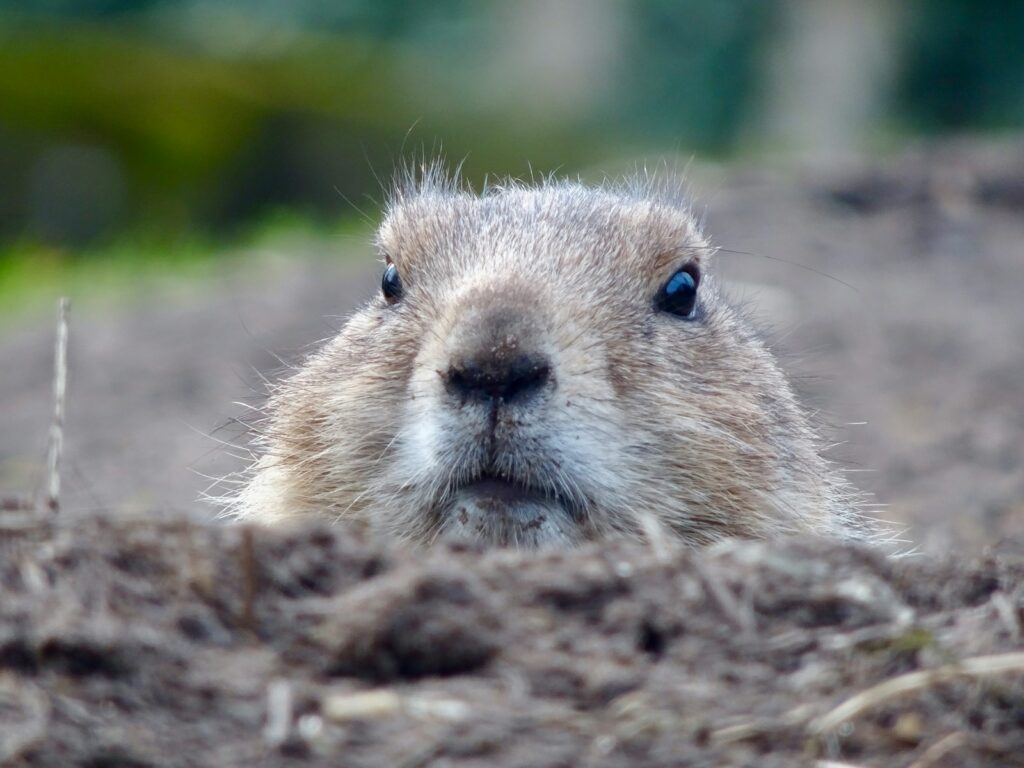
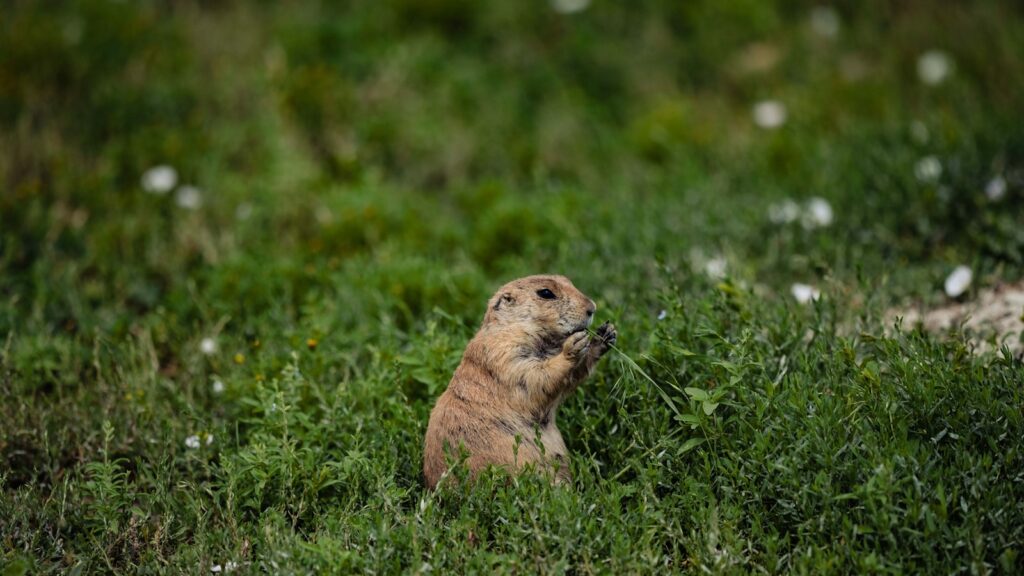
Prairie dogs comprise five distinct species – black-tailed, white-tailed, Gunnison’s, Utah, and Mexican prairie dogs – all belonging to the genus Cynomys, which aptly translates to “dog mouse” in Greek. These social rodents are not actually dogs at all, but rather members of the squirrel family, with compact bodies typically weighing between one and three pounds. Their name derives from their distinctive bark-like alarm calls, which early settlers likened to the sound of domestic dogs. Each species occupies different geographical ranges across the Great Plains, mountain basins, and desert grasslands of North America, with the black-tailed prairie dog being the most widespread and numerous. Despite their similarities, each species has evolved unique adaptations to their specific environments, from the cold tolerance of white-tailed prairie dogs to the specialized diet of Gunnison’s prairie dogs.
Complex Social Structures That Rival Primates

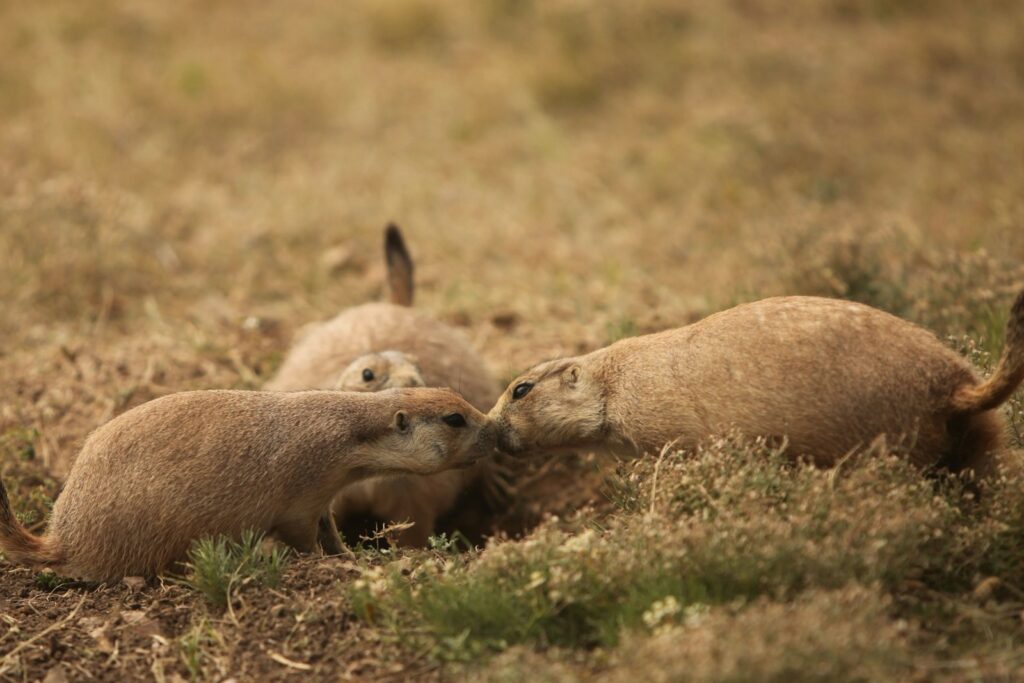
Prairie dogs maintain one of the most complex social structures observed in the animal kingdom, living in highly organized colonies called “towns” that can span hundreds of acres and contain thousands of individuals. These towns are divided into family groups called “coteries,” typically consisting of one male, several females, and their offspring. The sophistication of prairie dog communication is particularly remarkable, with researchers documenting what may be the most complex vocal language of any animal studied besides humans. Their calls can communicate specific information about predators, including type, size, color, speed, and direction of approach. Beyond vocalizations, prairie dogs greet each other with a “kiss” (touching teeth) that helps them recognize family members and maintain social bonds. Their social intelligence includes cooperation in sentinel duties, communal care of young, and even coordinated defensive strategies against predators.
Ecosystem Engineers: How Prairie Dog Burrows Transform Landscapes
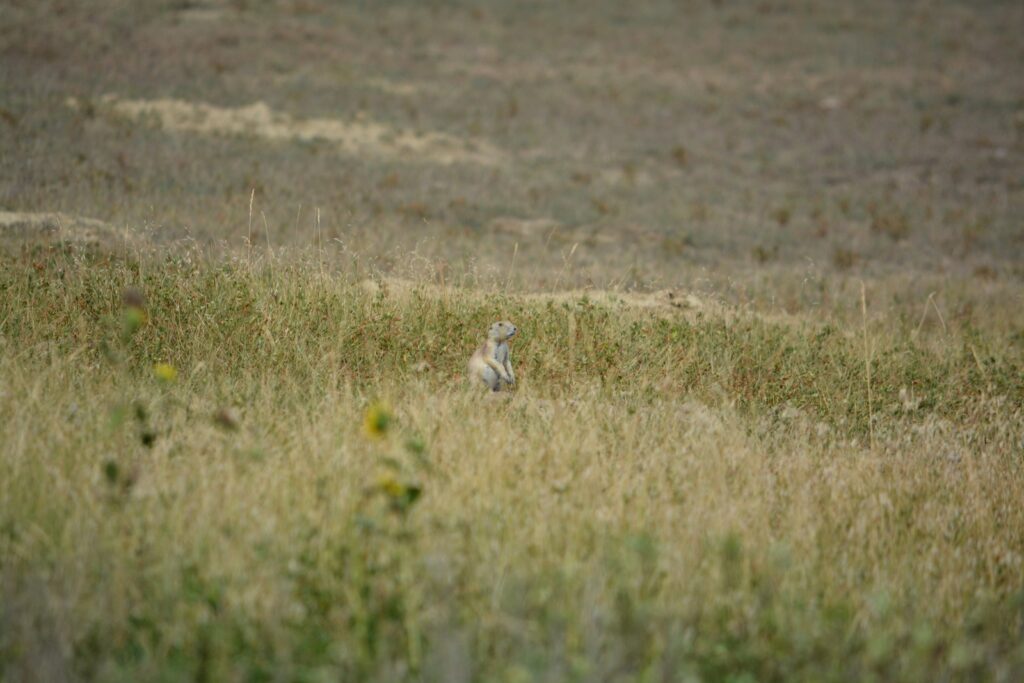
Prairie dog burrows represent remarkable feats of natural engineering that dramatically alter the physical structure of grassland ecosystems. These elaborate underground systems typically extend 3-10 feet deep and 10-100 feet horizontally, featuring multiple chambers for sleeping, storing food, raising young, and even dedicated toilet areas. Each burrow system contains several entrances, including distinctive crater-like mounds that serve as lookout points and specialized “plunge holes” for quick escapes from predators. The burrowing activity aerates and mixes soil layers, bringing nutrients from deeper soil to the surface and incorporating organic matter deeper into the soil profile. One study estimated that prairie dogs can turn over approximately 18 tons of soil per acre annually, a process that increases water infiltration, reduces soil compaction, and promotes greater soil fertility. The physical disturbance created by this constant digging increases habitat heterogeneity across the landscape, creating a mosaic of microhabitats that support greater overall biodiversity.
Vegetation Managers: How Prairie Dogs Shape Plant Communities
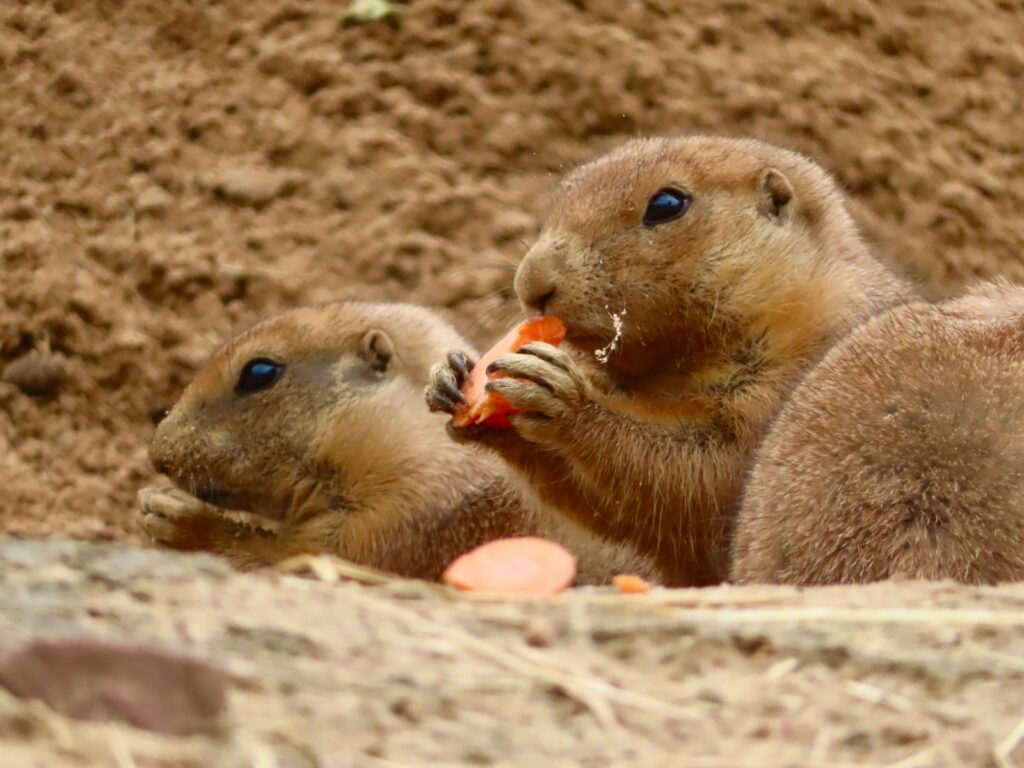
Prairie dogs fundamentally transform the plant communities around their colonies through selective foraging and vegetation clearing behaviors. By preferentially consuming certain plant species and actively clipping others without eating them, they create distinct zones of vegetation around their towns that benefit numerous other grassland species. This selective clearing reduces woody vegetation and encourages the growth of nutritious, short-growing grasses and forbs, which provides better visibility against predators while also creating ideal habitat for grazing species like bison and pronghorn. Studies have found that vegetation within prairie dog colonies contains up to 200% higher protein content and greater digestibility compared to uncolonized areas. Their management activities promote plant diversity by preventing any single species from dominating the landscape and creating opportunities for less competitive plant species to establish. Additionally, prairie dogs accelerate nutrient cycling through their waste products and the decomposition of plant materials they bring underground, effectively fertilizing the surrounding prairie and increasing overall ecosystem productivity.
Biodiversity Hotspots: The Prairie Dog Town as Habitat

Prairie dog colonies function as biodiversity hotspots, supporting an extraordinary array of wildlife in what ecologists call “prairie dog ecosystems.” More than 150 vertebrate species have been documented using prairie dog towns for food, shelter, or both. The black-footed ferret, North America’s most endangered mammal, depends almost exclusively on prairie dogs for food and their burrows for shelter. Burrowing owls take advantage of abandoned prairie dog holes for nesting sites, while swift foxes, mountain plovers, and ferruginous hawks all show strong preferences for hunting and nesting within or near prairie dog colonies. Even rattlesnakes, badgers, and coyotes make regular use of these colonies. Research has found that areas with prairie dogs support significantly higher densities of these associated species compared to similar habitats without prairie dogs. One study in South Dakota demonstrated that bird species diversity was 35% higher in prairie dog towns compared to uncolonized shortgrass prairie, highlighting the keystone role these rodents play in creating and maintaining wildlife habitat throughout grassland ecosystems.
Predator Support Systems: Feeding the Food Chain
Prairie dogs serve as critical prey species that support numerous predators throughout grassland ecosystems. Their abundant populations historically provided a reliable food source for specialized hunters like black-footed ferrets, which can consume more than 100 prairie dogs annually, as well as generalist predators including coyotes, bobcats, badgers, foxes, and various raptors such as golden eagles, ferruginous hawks, and prairie falcons. The concentration of prairie dogs in colonies creates predictable hunting grounds that allow these predators to conserve energy while maximizing hunting success. The regular removal of prairie dogs by predators helps maintain healthy predator populations while simultaneously preventing prairie dog overpopulation. This predator-prey relationship exemplifies the intricate ecological connections that maintain balanced grassland ecosystems. When prairie dog populations decline, these effects cascade through the food web, reducing predator numbers and forcing remaining predators to target alternative prey species, which can disrupt multiple ecological relationships.
Declining Populations: A Conservation Crisis
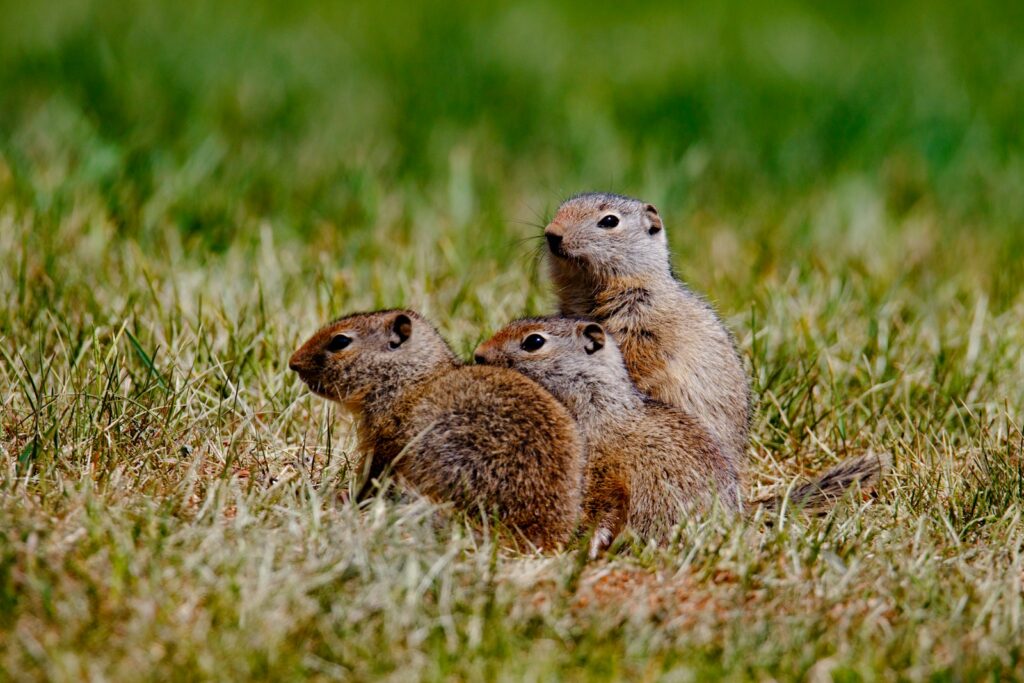
Prairie dogs have experienced one of the most dramatic population declines of any North American wildlife species, with estimates suggesting they occupy less than 5% of their historical range. This catastrophic reduction stems from multiple factors, including widespread poisoning campaigns, habitat conversion to agriculture, sylvatic plague (an introduced disease), recreational shooting, and urban development. In the early 1900s, government-sponsored eradication programs eliminated prairie dogs from millions of acres, with poisoning continuing on private lands to this day. The introduction of sylvatic plague from Asia has caused mortality rates exceeding 95% in some colonies, creating boom-and-bust population cycles that prevent recovery. Climate change poses an additional threat, as increased drought frequency stresses prairie dog colonies and makes them more vulnerable to disease. Despite their ecological importance, prairie dogs receive limited legal protection, with only the Utah and Mexican species listed under the Endangered Species Act, while the more widespread black-tailed prairie dog remains largely unprotected despite significant declines.
Agricultural Conflicts and Misconceptions
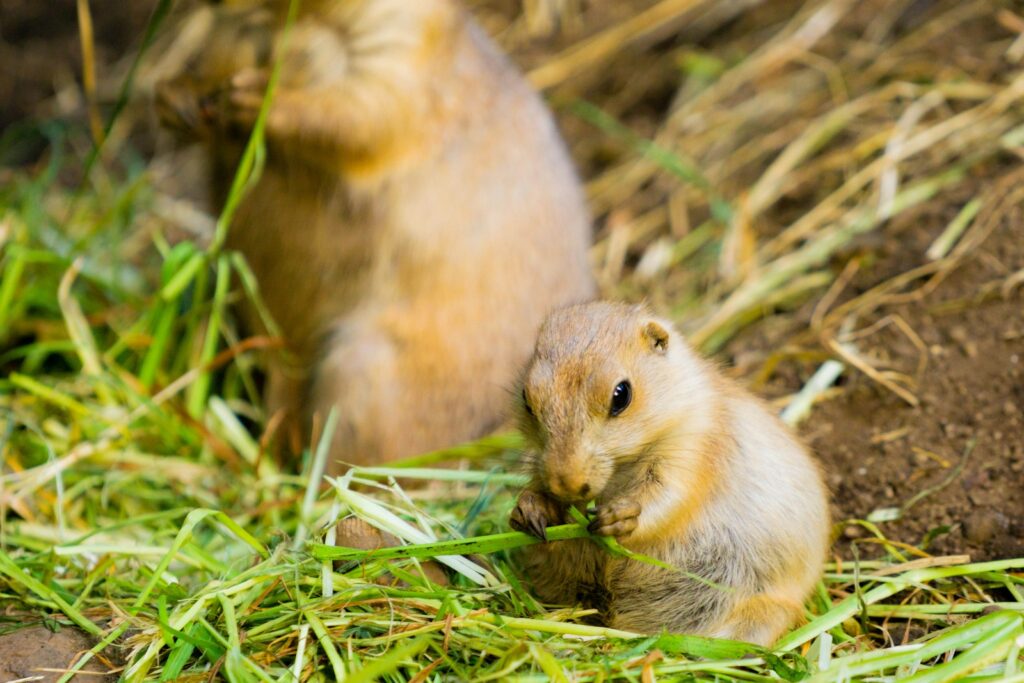
The relationship between prairie dogs and agriculture has been fraught with conflict and misunderstanding for over a century. Ranchers have traditionally viewed prairie dogs as competitors for forage that reduce carrying capacity for livestock, leading to persistent elimination efforts across their range. However, scientific research has increasingly challenged these assumptions, with several studies demonstrating that moderate prairie dog activity can actually benefit cattle production through improved forage quality, even if overall quantity is reduced. Prairie dogs preferentially select the same high-quality grasses as cattle, but their grazing stimulates new growth that contains higher protein content and improved digestibility. The perception that prairie dogs create “wastelands” stems largely from observations of overgrazed areas where both cattle and prairie dogs are present at high densities. Many ranchers remain skeptical of these findings, pointing to economic studies suggesting that prairie dogs can reduce livestock weight gains under certain conditions. This ongoing conflict highlights the need for collaborative approaches that acknowledge both ecological benefits and economic concerns.
Climate Change Allies: Prairie Dogs and Carbon Sequestration
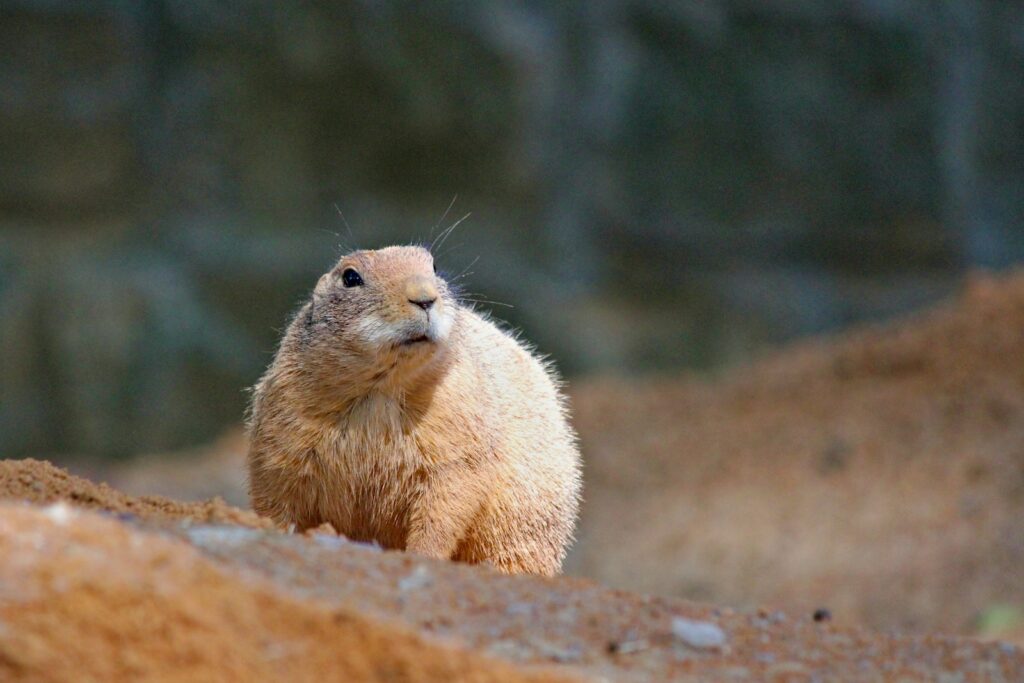
Emerging research suggests that prairie dogs may play an unexpected role in mitigating climate change through their influence on carbon sequestration in grassland soils. While conventional wisdom might suggest that their consumption of vegetation would reduce carbon storage, the reality is more complex and potentially beneficial. The continuous burrowing activity of prairie dogs incorporates organic matter deeper into the soil profile where decomposition occurs more slowly, effectively locking carbon underground for longer periods. Their selective foraging habits promote plants with deeper root systems that allocate more carbon belowground. One study in Colorado found that despite reducing aboveground biomass, prairie dog colonies maintained similar levels of total ecosystem carbon compared to uncolonized areas, but with a greater proportion stored in stable soil pools rather than in vegetation. Additionally, the increased plant diversity fostered by prairie dogs creates more resilient ecosystems that may better withstand climate fluctuations and continue capturing carbon even under changing conditions. As climate scientists increasingly recognize the importance of grasslands for carbon sequestration, the role of prairie dogs in these processes warrants greater attention and research.
Conservation Success Stories and Reintroduction Efforts
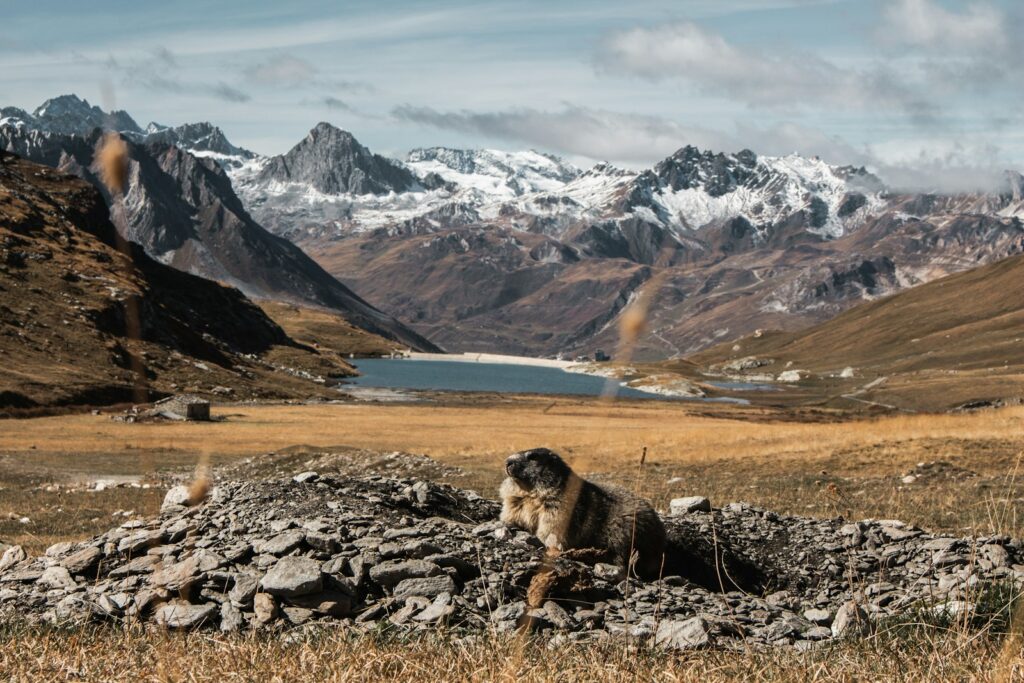
Despite the significant challenges facing prairie dog conservation, several successful initiatives demonstrate pathways toward recovery and coexistence. The American Prairie Reserve in Montana has implemented innovative conservation strategies that integrate prairie dog protection with sustainable ranching practices, showing that economic and ecological goals can be compatible. At Thunder Basin National Grassland in Wyoming, managers have successfully mediated conflicts between black-footed ferret reintroduction efforts and local ranching interests through collaborative decision-making processes. The Janos Biosphere Reserve in Mexico represents an international success story, where protection of one of North America’s largest remaining prairie dog complexes has revitalized the surrounding ecosystem. Translocation techniques have improved dramatically, with survival rates of relocated prairie dogs increasing from around 50% to over 95% through refined methods that maintain family groups and create artificial burrow systems. Zoo-based breeding programs have played crucial roles in recovering the most endangered prairie dog species, particularly the Utah and Mexican prairie dogs. These examples highlight how targeted conservation efforts, when paired with stakeholder engagement and scientific research, can successfully reverse population declines.
Indigenous Perspectives and Cultural Significance
Prairie dogs hold significant cultural importance for many Indigenous peoples of the Great Plains, whose traditional ecological knowledge recognized the ecological value of these animals long before Western science confirmed their keystone role. In Lakota and other Plains tribal traditions, prairie dogs are respected as ecosystem stewards whose towns create habitat for medicinal plants not found elsewhere on the prairie. Many Indigenous oral histories include prairie dogs as characters embodying values of community cooperation, vigilance, and resource sharing. Unlike European settlers who viewed prairie dogs primarily as pests, Indigenous hunting of prairie dogs was typically conducted sustainably and with specific protocols that acknowledged their ecological importance. Traditional ecological knowledge passed down through generations included observations about the relationships between prairie dogs, soil fertility, and other wildlife that align remarkably well with contemporary scientific findings. Today, several tribal nations are leading prairie dog conservation efforts on their lands, incorporating both traditional knowledge and modern conservation techniques to restore these culturally and ecologically significant animals.
Living Alongside Prairie Dogs: Coexistence Strategies

Innovative approaches to human-prairie dog coexistence are emerging that balance conservation needs with human land uses. In urban and suburban areas, designated prairie dog preserves within city open space systems have proven successful in cities like Boulder, Colorado and Santa Fe, New Mexico, allowing residents to appreciate these animals while minimizing conflicts. Barrier installation techniques using buried fences can effectively prevent colony expansion into sensitive areas without requiring lethal control. Translocation programs have been refined to humanely relocate prairie dogs from development sites to protected areas, with improved protocols that maintain family groups and create artificial starter burrows to increase survival rates. Some forward-thinking ranchers are experimenting with “prairie dog-friendly beef” marketing that acknowledges the ecological benefits these animals provide to grassland ecosystems and commands premium prices from conservation-minded consumers. Visual barriers consisting of vinyl fencing can manipulate prairie dogs’ need for open sightlines, naturally restricting their territory without requiring constant management. These diverse approaches demonstrate that with creativity and commitment, human activities and prairie dog conservation can be compatible rather than conflicting.
The Future of Prairie Dog Conservation
The path forward for prairie dog conservation requires integrated approaches that address ecological, economic, and social dimensions of this complex issue. Developing effective vaccines against sylvatic plague represents perhaps the most promising technological solution, with field trials showing that oral vaccine baits can significantly reduce disease impacts on colonies. Payment for ecosystem services models, where landowners receive financial compensation for maintaining prairie dog colonies and their associated ecological benefits, offer economic pathways to conservation on private lands. Climate change adaptation strategies will need to incorporate prairie dogs’ role in creating resilient grassland ecosystems that can better withstand increasing drought and temperature extremes. Improved public education efforts that highlight prairie dogs’ ecological significance rather than their pest status are gradually shifting cultural perceptions. Cross-jurisdictional conservation planning is essential, as prairie dog colonies naturally span private, public, and tribal lands, requiring coordinated management approaches. While significant challenges remain, the growing recognition of prairie dogs’ keystone role provides hope that these remarkable animals will continue to shape the Great Plains landscape for generations to come.
From their complex social structures to their profound ecological impacts, prairie dogs have proven themselves to be far more than simple burrowing rodents. They are architects of biodiversity, engineers of grassland health, and contributors to the very fabric of North American prairie ecosystems. As we face the dual challenges of biodiversity loss and climate change, the preservation of ecological keystones like the prairie dog becomes not just environmentally sound but essential for maintaining functional ecosystems. By shifting our perspective from viewing these animals as pests to recognizing them as irreplaceable ecological assets, we take an important step toward more holistic and sustainable management of our remaining grasslands. The prairie dog’s persistent bark across the Great Plains isn’t just a charming natural sound—it’s the voice of a healthy, functioning ecosystem that benefits countless species, including our own.