
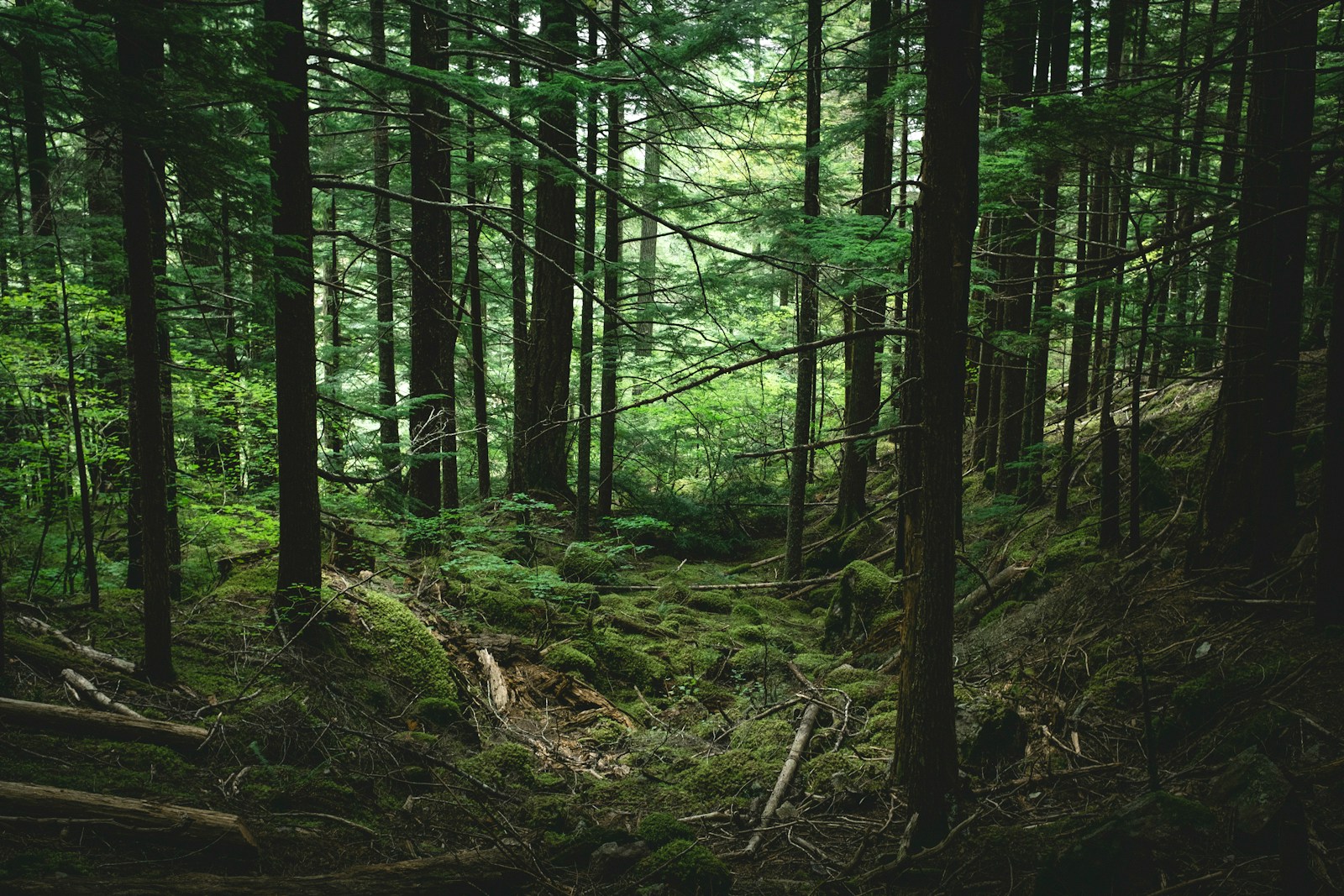
Littering in parks and natural areas has become an increasingly concerning issue that extends far beyond mere aesthetics. While most people understand that trash detracts from the beauty of our natural spaces, fewer recognize the profound behavioral changes that occur in wildlife when human garbage enters their habitat. Animals in park settings have evolved specific behaviors over thousands of years, but in just a few decades, human waste has dramatically altered these natural patterns. From food-seeking strategies to social structures, reproduction rates to migration patterns, the presence of litter creates ripple effects throughout entire ecosystems. This article explores how seemingly innocent acts of littering can fundamentally change how park animals behave, often with devastating consequences for both individual creatures and their wider populations.
Altered Foraging Patterns

When parks become littered with food waste and containers, many animals dramatically shift their natural foraging behaviors. Species that would typically spend hours searching for specific foods in their natural diet may instead concentrate their efforts around trash cans, picnic areas, and other human-use zones where discarded food is easily accessible. This behavioral change often leads to nutritional deficiencies, as human food lacks the specific nutrients these animals have evolved to need. Research conducted in Yellowstone National Park found that bears who regularly consumed human food waste experienced dental problems, weight fluctuations, and decreased foraging skills in natural environments. Additionally, animals that become dependent on human food sources often lose their ability to effectively hunt or gather in natural ways, leaving them vulnerable during seasons when human visitation decreases.
Increased Human-Wildlife Conflict
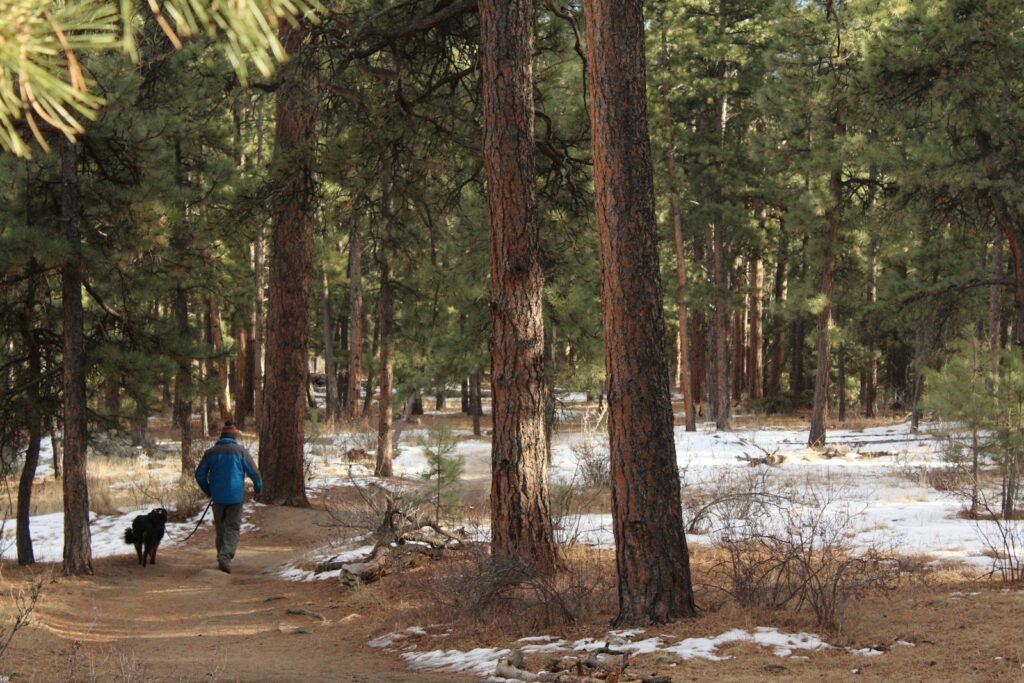
Animals attracted to litter often lose their natural wariness of humans, creating dangerous situations for both parties. When wildlife associates people with easy food sources due to accessible trash, they may approach humans more frequently and aggressively. In national parks across North America, incidents of bears breaking into cars or approaching campsites have increased significantly in areas where proper trash disposal is not practiced. These encounters can result in animals being euthanized if they’re deemed dangerous, even though the behavioral change stemmed directly from human negligence. Park rangers report that nearly 70% of negative wildlife encounters can be traced back to improper food storage or waste disposal by visitors, highlighting how littering directly contributes to wildlife mortality.
Digestive System Damage

The consumption of non-food litter items causes severe internal damage to park animals, often leading to painful deaths. Plastic items, cigarette butts, aluminum can tabs, and other indigestible materials become lodged in animal digestive tracts, causing blockages, internal lacerations, and slow starvation. A 2020 necropsy study of urban deer found that over 30% had plastic materials in their digestive systems, with several deaths directly attributable to these foreign objects. Small mammals like squirrels and raccoons are particularly vulnerable to ingesting tiny fragments of plastic that can accumulate over time. Even birds suffer tremendously, with waterfowl like ducks and geese regularly found with fishing line wrapped around their beaks or necks, preventing them from eating altogether and resulting in a slow death by starvation.
Toxin Exposure and Bioaccumulation
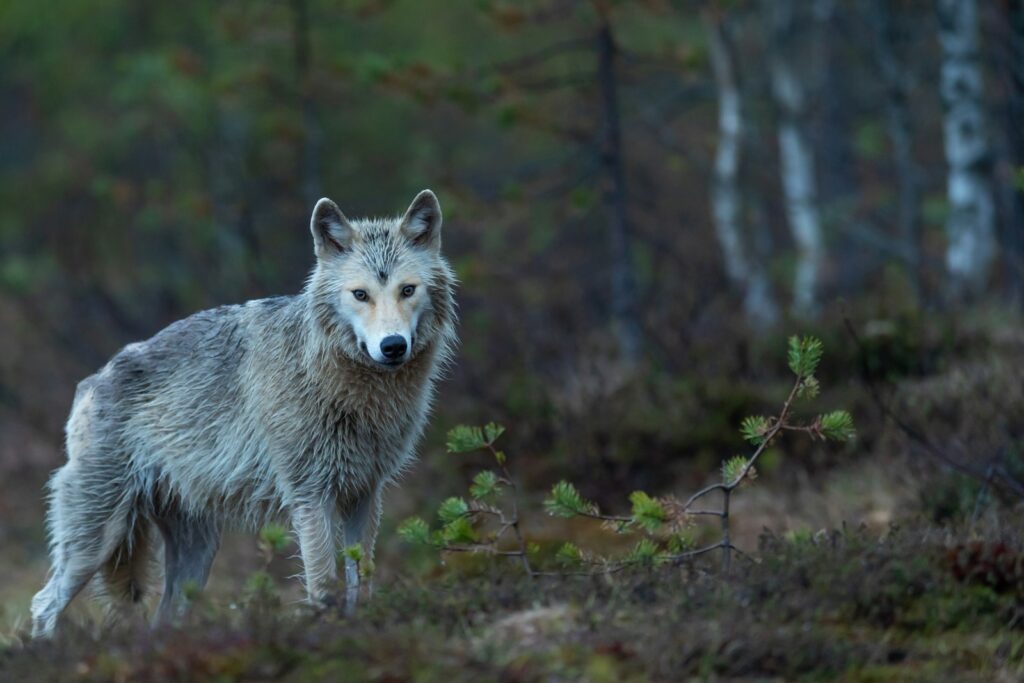
Discarded items containing chemicals introduce toxins into animal bodies that can accumulate over time with devastating effects. Cigarette butts, one of the most commonly littered items in parks, contain over 4,000 chemicals including arsenic, lead, and nicotine that leach into water sources and soil. Small mammals and birds often incorporate these butts into their nests, exposing their young to harmful substances during critical developmental periods. Researchers have documented elevated levels of heavy metals in animals residing near heavily littered areas, with cascading effects through the food chain. Predatory birds and mammals that consume contaminated smaller animals experience even higher concentrations of these toxins through bioaccumulation, leading to reproductive failures, neurological damage, and shortened lifespans across multiple species in the ecosystem.
Social Structure Disruption
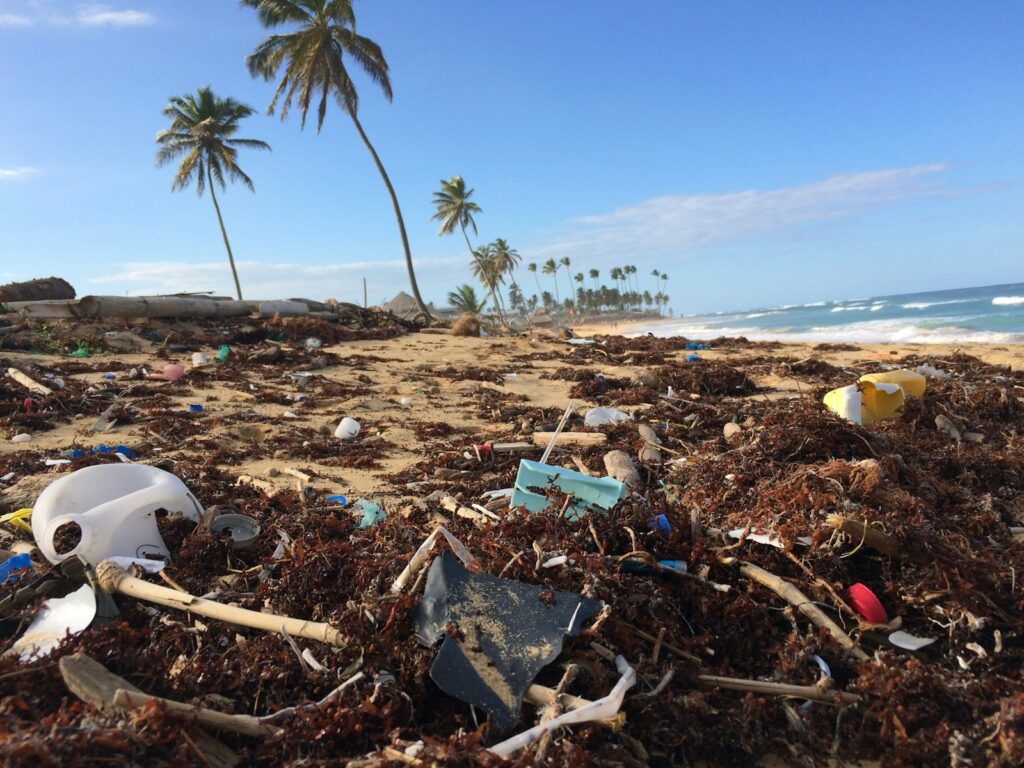
Access to human litter can fundamentally alter the social dynamics within animal populations, creating unnatural hierarchies and conflict. Species that typically maintain strict territories may concentrate around reliable trash sources, increasing aggression and competition between individuals and groups. In studies of raccoon populations in urban parks, researchers found that access to concentrated food waste led to unusual grouping behaviors not seen in more natural settings, with increased fighting and disease transmission as consequences. The most dominant or aggressive animals often monopolize these artificial food sources, allowing them to produce more offspring than they naturally would while potentially passing on traits less suited to the natural environment. This disruption extends to inter-species relationships as well, with normally separate species coming into regular contact around trash sites, increasing stress and competition throughout the ecosystem.
Seasonal Dependency Patterns

Animals that become reliant on human trash often fail to prepare properly for seasonal changes, with potentially fatal consequences. Many park species naturally build fat reserves, cache food, or migrate as weather patterns shift, but easy access to litter can disrupt these essential survival behaviors. Bears that feed on trash may enter hibernation with insufficient fat stores composed of nutritionally poor human food, increasing winter mortality rates. Birds that would normally migrate south might attempt to overwinter in northern parks if steady food waste is available, only to face starvation when park visitation decreases during cold months. Research tracking urban coyotes found that packs with regular access to human garbage showed significantly reduced seasonal foraging range compared to their rural counterparts, demonstrating how these unnatural food sources fundamentally alter natural movement patterns across landscapes.
Reproductive Cycle Alterations
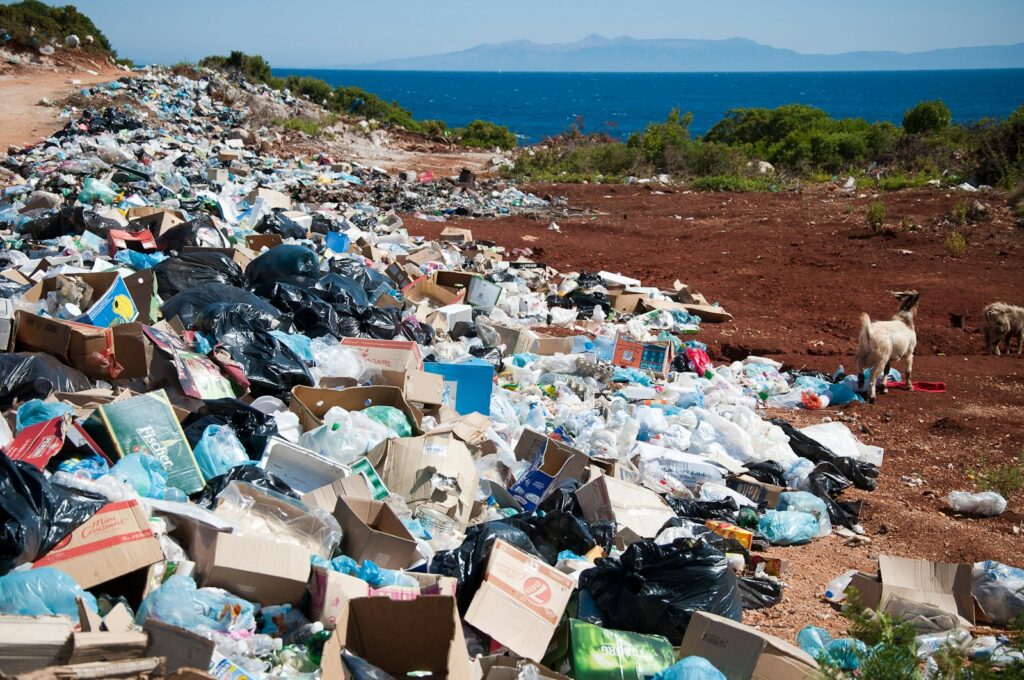
Easy access to human food waste through littering can dramatically alter reproduction timing and success rates among park wildlife. Many species naturally time their breeding cycles to coincide with natural food abundance, ensuring offspring arrive when resources are plentiful. However, the year-round availability of human trash disrupts these natural patterns, sometimes triggering out-of-season breeding when young have reduced chances of survival. Researchers studying urban fox populations found females produced larger litters when human food waste was consistently available, creating unsustainable population densities. These timing disruptions ripple throughout ecosystems, as predator-prey relationships evolved over millennia become misaligned, and young animals face environmental conditions they’re not adapted to survive.
Decreased Disease Resistance
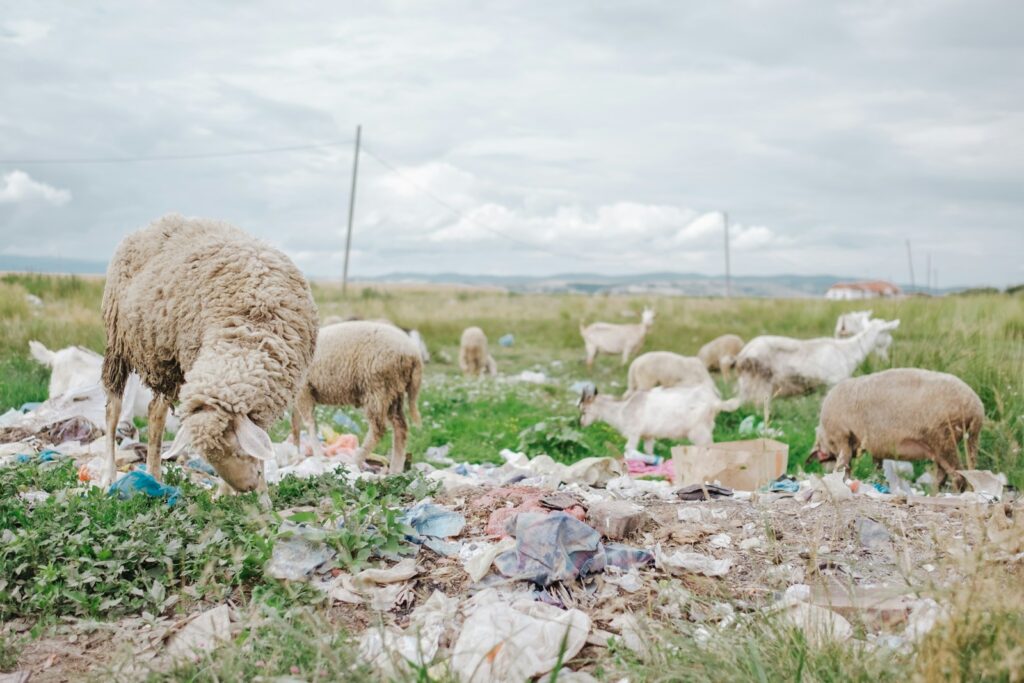
Animals with diets supplemented by human litter often experience compromised immune systems and increased disease susceptibility. Nutritional imbalances from consuming processed human foods lacking essential vitamins and minerals weaken natural immune responses. Additionally, the concentration of multiple species around litter sites creates perfect conditions for disease transmission, with viruses and bacteria spreading easily among stressed animals in unnaturally close proximity. A multi-year study of raccoons in Chicago parks found that individuals regularly consuming human food waste showed higher parasite loads and reduced antibody responses compared to those in less-littered natural areas. These weakened animals then serve as disease reservoirs, potentially spreading pathogens to other wildlife populations and occasionally creating zoonotic disease risks for humans visiting these same parks.
Behavioral Learning and Transmission
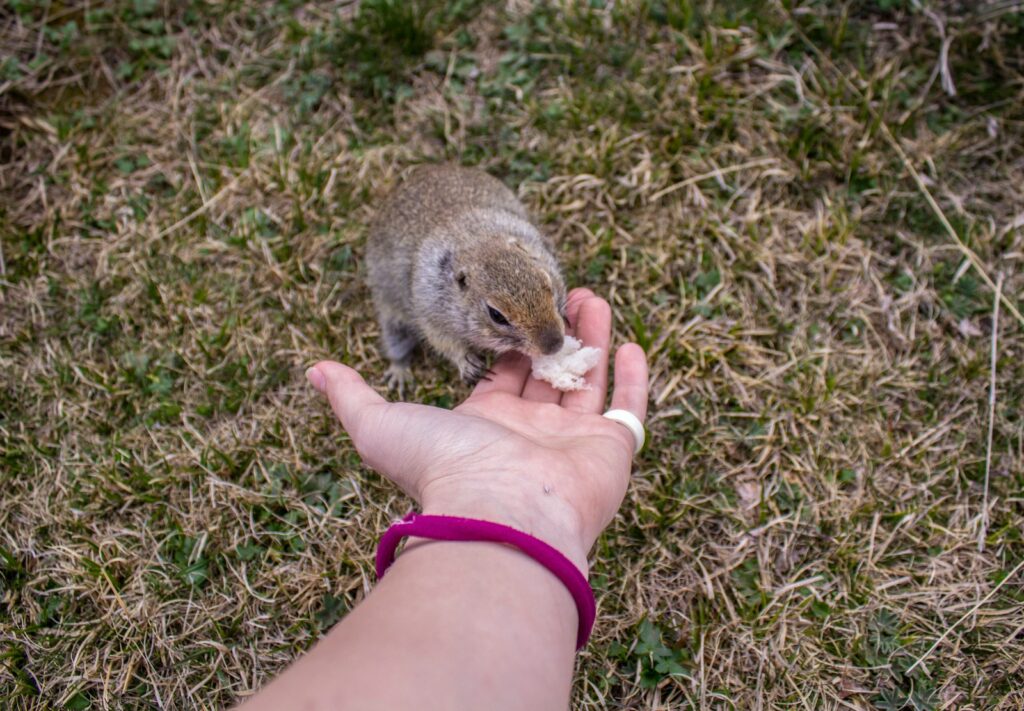
The behavior of seeking out human litter becomes culturally transmitted within animal populations, spreading the problem across generations. Young animals learn from observing their parents and other adults, quickly adopting behaviors that provide easy food rewards. In primate species like baboons and macaques that inhabit parks in many parts of the world, researchers have documented sophisticated litter-exploitation techniques being taught to younger generation members. This cultural transmission means that even after areas are cleaned up, the behavior persists as animals continue searching for human trash based on learned expectations. Wildlife managers report that once these behaviors become established in a population, they can take decades to reverse, requiring consistent management and visitor education to prevent reinforcement of problematic behaviors.
Habitat Avoidance and Movement Patterns

Some sensitive species alter their movement patterns entirely to avoid heavily littered areas, effectively reducing their available habitat. Research using GPS tracking collars has shown that species like elk, deer, and certain bird species will avoid otherwise suitable habitat if human litter consistently accumulates there. This avoidance creates a functional habitat loss beyond the physical footprint of the trash itself, potentially cutting animals off from important resources like water sources, specific food plants, or breeding grounds. A study in Colorado mountain parks found that areas with high litter concentrations experienced up to 60% less usage by native mammals compared to similar clean habitats nearby. This altered movement often forces wildlife into less optimal territories, increasing stress and reducing overall fitness of these displaced populations.
Impact on Juvenile Development
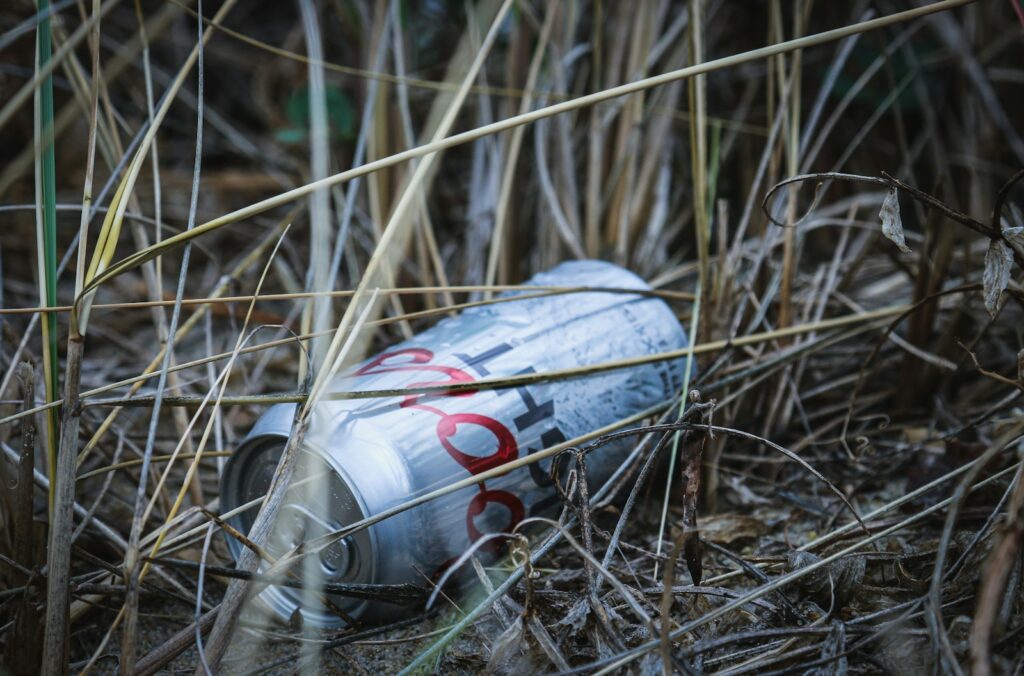
Young animals raised in environments with abundant human litter often fail to develop normal survival skills essential for their species. When juvenile animals observe parents obtaining food from trash rather than natural sources, they miss critical learning opportunities for identifying proper foods, hunting techniques, or seasonal foraging patterns. Wildlife rehabilitation centers frequently report receiving young animals that never learned to properly identify natural foods because they were raised by parents dependent on human waste. This developmental disruption affects physical growth as well, with young animals raised on nutritionally poor human food often showing skeletal malformations, dental problems, and reduced body condition. These developmental deficits typically cannot be fully remediated later in life, creating generations of wildlife less capable of surviving without human-associated food sources.
Disruption of Predator-Prey Dynamics
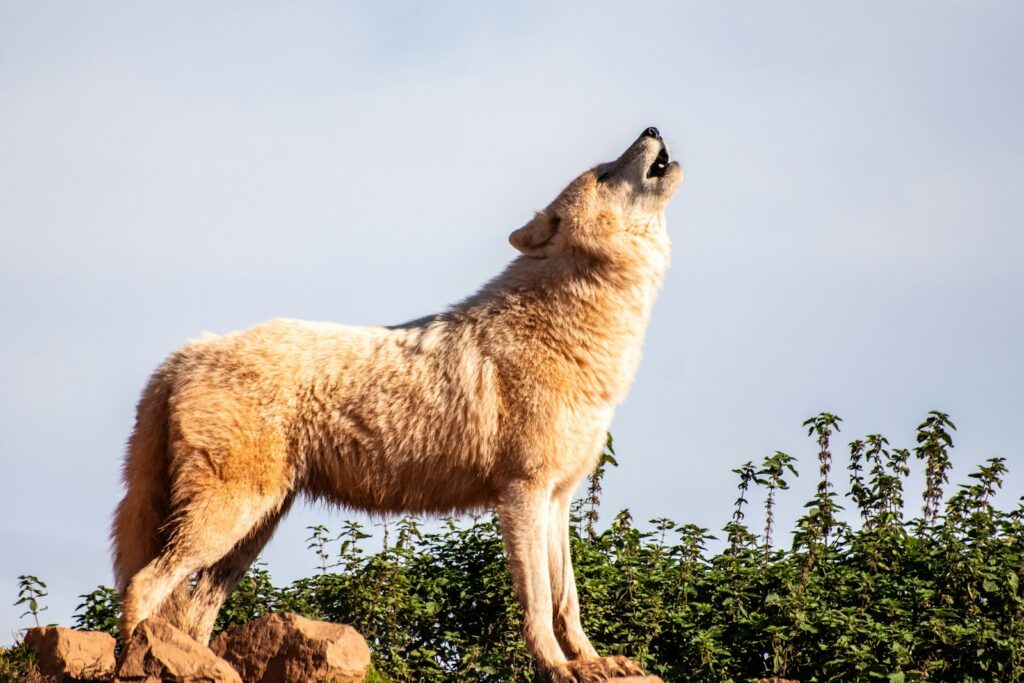
The availability of human litter fundamentally alters natural predator-prey relationships in park ecosystems, often with far-reaching consequences. Prey species that congregate around trash sources become easy targets for predators, creating unnatural hunting patterns and population imbalances. Conversely, when predators themselves become dependent on human food waste, they may reduce natural hunting behaviors that normally help control prey populations. Research in urban parks has documented significant changes in coyote hunting patterns when human food becomes available, with cascading effects on rodent and rabbit populations. These disrupted relationships can trigger trophic cascades throughout the ecosystem, as herbivore populations may explode without proper predator control, leading to vegetation damage and habitat degradation that affects countless other species.
Solutions and Visitor Responsibility
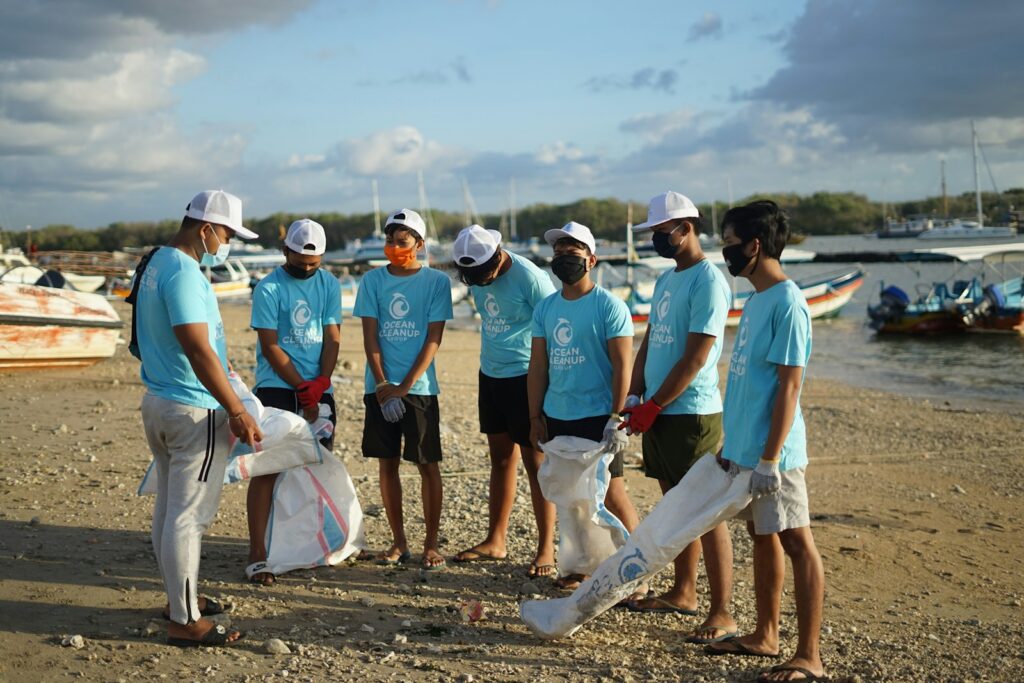
Addressing the behavioral impacts of littering on park wildlife requires a multifaceted approach centered on visitor education and infrastructure improvements. Studies have shown that parks implementing comprehensive education programs about wildlife impacts, combined with strategically placed wildlife-proof trash receptacles, can reduce problematic animal-litter interactions by over 75%. Visitor responsibility remains the cornerstone of effective management, with a “pack it in, pack it out” philosophy proving most effective in remote areas. Park systems that have implemented volunteer litter collection programs report not only cleaner parks but also heightened visitor awareness and compliance with proper waste disposal protocols. Individual visitors can make a significant difference by planning ahead for proper waste disposal, carrying reusable containers to minimize potential litter, and participating in organized clean-up events that help restore natural animal behaviors in affected areas.
Conclusion

The seemingly minor act of littering in parks creates profound and lasting changes in animal behavior that extend far beyond the visible trash itself. From altered foraging patterns and nutritional deficits to disrupted social structures and compromised immune systems, these behavioral changes fundamentally undermine the natural functioning of park ecosystems. The consequences ripple through generations of wildlife, creating dependency cycles that prove difficult to break even after areas are cleaned. As visitors to these natural spaces, we hold tremendous power to either perpetuate these harmful patterns or help restore natural behaviors through responsible waste management. Understanding the real behavioral impacts of our actions provides compelling motivation to maintain the integrity of parks as places where wildlife can express their natural behaviors—behaviors shaped by millions of years of evolution rather than decades of human carelessness.