

When we think of fire, we often conjure images of destruction and devastation. However, in the realm of ecological management, fire plays a surprisingly beneficial role. Across various ecosystems worldwide, controlled burns and naturally occurring fires have been essential components in maintaining biodiversity and ecological health for millennia. This delicate relationship between destruction and renewal represents one of nature’s most fascinating paradoxes. Fire, when properly managed and understood, transforms from a destructive force into a vital ecological process that rejuvenates wildlife habitats, promotes species diversity, and maintains the health of numerous ecosystems. This article explores the complex and crucial role that fire plays in restoring and maintaining wildlife habitats around the world.
The Ecological Significance of Fire

Fire has been a natural process in many ecosystems long before human intervention. In fact, certain biomes have evolved specifically in response to regular fire occurrences, creating what ecologists call “fire-adapted ecosystems.” These include savannas, prairies, Mediterranean shrublands, and many forest types across different continents. Within these systems, fire acts as a reset button, clearing accumulated deadwood and undergrowth while releasing nutrients back into the soil. This process stimulates new growth and creates diverse habitat structures beneficial to wildlife. Perhaps most importantly, fire maintains the characteristic species composition of these fire-adapted ecosystems, preventing ecological succession from transforming them into different habitat types. Without periodic burns, many of these distinctive ecosystems would gradually disappear, along with the specialized species that depend on them.
Fire-Dependent Species and Adaptations
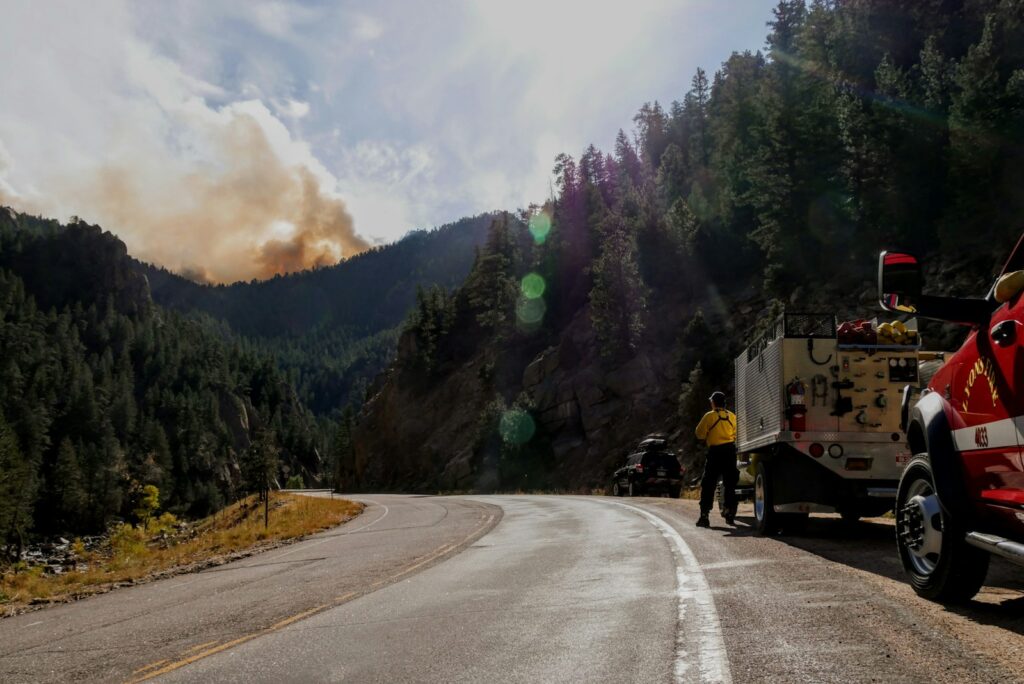
Numerous plant and animal species have evolved remarkable adaptations specifically in response to fire regimes. Some plants, like the lodgepole pine and certain species of eucalyptus, possess serotinous cones or capsules that only release their seeds in response to the intense heat of a fire. Other plants, such as prairie grasses and certain shrubs, have developed extensive underground root systems that allow them to quickly resprout after fire has cleared aboveground vegetation. Many plant species also produce fire-resistant bark or have the ability to resprout from their base after being burned. Animal species have likewise adapted to fire regimes, with some insects even being attracted to recently burned areas to feed on weakened trees, while certain bird species like the black-backed woodpecker specifically seek out burned forests for nesting and feeding. These adaptations highlight how deeply integrated fire is within these ecosystems, serving not as a catastrophe but as an expected and necessary ecological process.
Historical Fire Suppression and Its Consequences
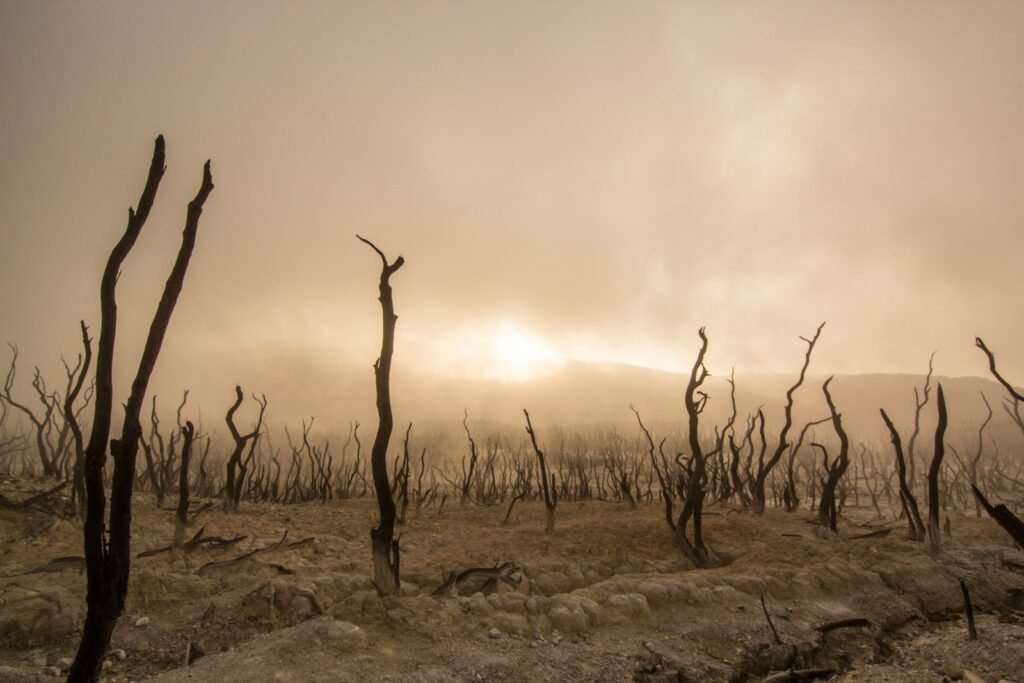
Throughout much of the 20th century, particularly in North America and Australia, fire management policies focused heavily on suppression—putting out fires as quickly as possible. This approach stemmed from a misunderstanding of fire’s ecological role and concern for human safety and property. The consequences of this well-intentioned but ecologically problematic approach have been far-reaching. In many forests, decades of fire suppression have allowed unprecedented buildups of fuel in the form of dead wood, thick undergrowth, and densely packed trees. This accumulation has transformed what would have been frequent, low-intensity natural fires into catastrophic, high-intensity wildfires that destroy even fire-adapted trees and sterilize soils. Additionally, many fire-dependent species have declined due to habitat changes resulting from fire exclusion. The alteration of natural fire regimes has disrupted countless ecological relationships, leading to reduced biodiversity and compromised ecosystem function across vast landscapes.
Prescribed Burns: Mimicking Natural Fire Regimes
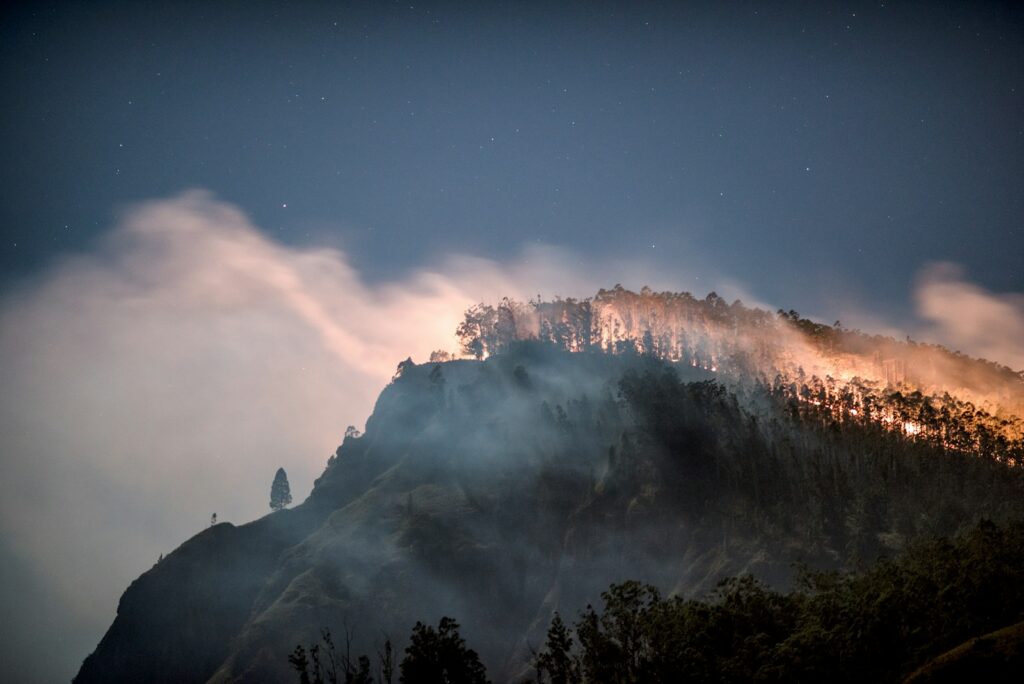
Prescribed burns, also known as controlled burns or management fires, represent humanity’s attempt to reintroduce fire’s beneficial effects while minimizing risks. These carefully planned and managed fires are conducted under specific weather conditions and with extensive safety preparations. Fire managers consider factors such as wind speed, humidity, temperature, and fuel moisture before initiating a prescribed burn. The goals of these burns vary by ecosystem but generally include reducing hazardous fuel loads, controlling invasive species, improving wildlife habitat, and maintaining fire-adapted plant communities. Modern prescribed burn programs often incorporate indigenous knowledge about traditional burning practices, which were developed over thousands of years of land stewardship. When properly implemented, prescribed burns can effectively mimic the ecological effects of natural fires while significantly reducing the risk of uncontrolled wildfires.
Post-Fire Ecological Succession and Habitat Diversity
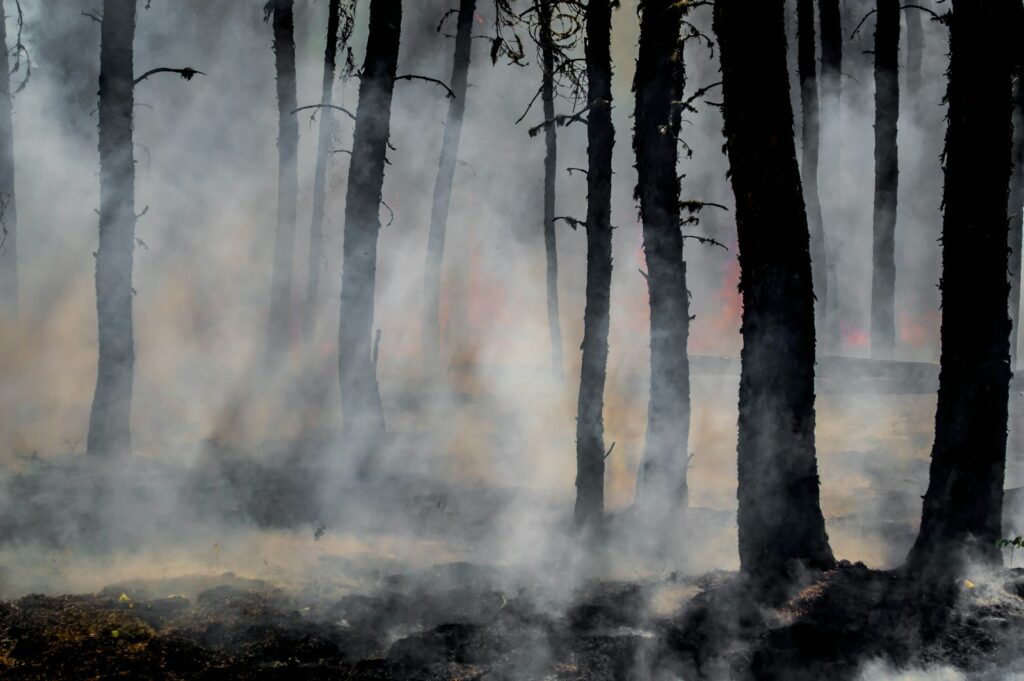
After a fire moves through an ecosystem, a fascinating process of ecological succession begins. The progression of plant communities following fire creates a mosaic of habitat types that support diverse wildlife populations. Initially, the burned area experiences an influx of nutrients from ash, along with increased sunlight reaching the soil, which triggers the germination of fire-adapted seeds. Early successional plants, often annual wildflowers and grasses, quickly colonize the area, attracting insects and the birds and small mammals that feed on them. As succession continues, shrubs and young trees begin to establish, creating excellent habitat for species like deer and numerous songbirds. Over time, depending on the ecosystem, the area may develop into mature forest or maintain as grassland or shrubland if subjected to regular fire intervals. This temporal patchwork of different successional stages across a landscape maximizes biodiversity by providing habitat for species with varying requirements.
Fire’s Role in Grassland and Savanna Ecosystems
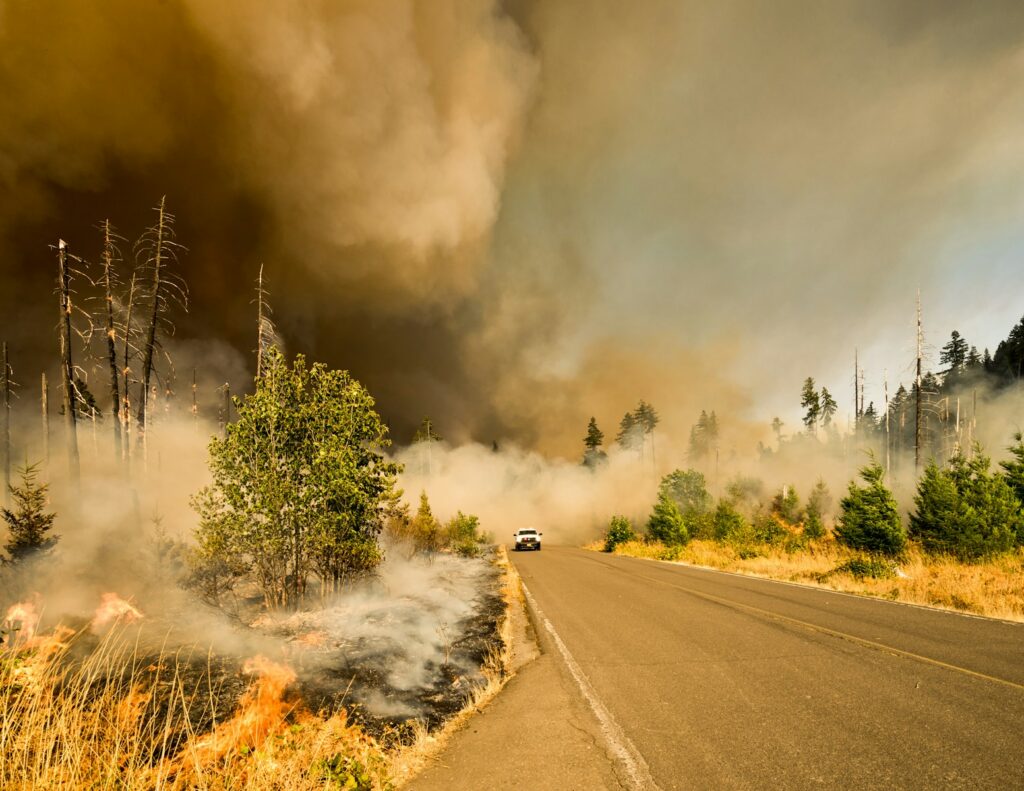
In grassland and savanna ecosystems, fire plays a particularly critical role in habitat maintenance. Without regular burning, these open habitats would gradually transition to woodland through the process of ecological succession. Fire prevents this transition by killing woody seedlings before they can establish and compete with grasses. The resulting open structure benefits numerous specialized species, from large grazing mammals like bison and antelope to ground-nesting birds such as meadowlarks and prairie chickens. Fire also stimulates new growth in grasses and forbs, improving forage quality for herbivores and maintaining the characteristic species composition of these ecosystems. In African savannas, the interaction between fire, grazing, and browsing creates the iconic landscape that supports some of the planet’s most spectacular wildlife assemblages. Research has shown that when fire is excluded from these systems, biodiversity typically declines as habitat structure becomes more homogeneous and less suitable for grassland specialists.
Forest Health and Fire Ecology
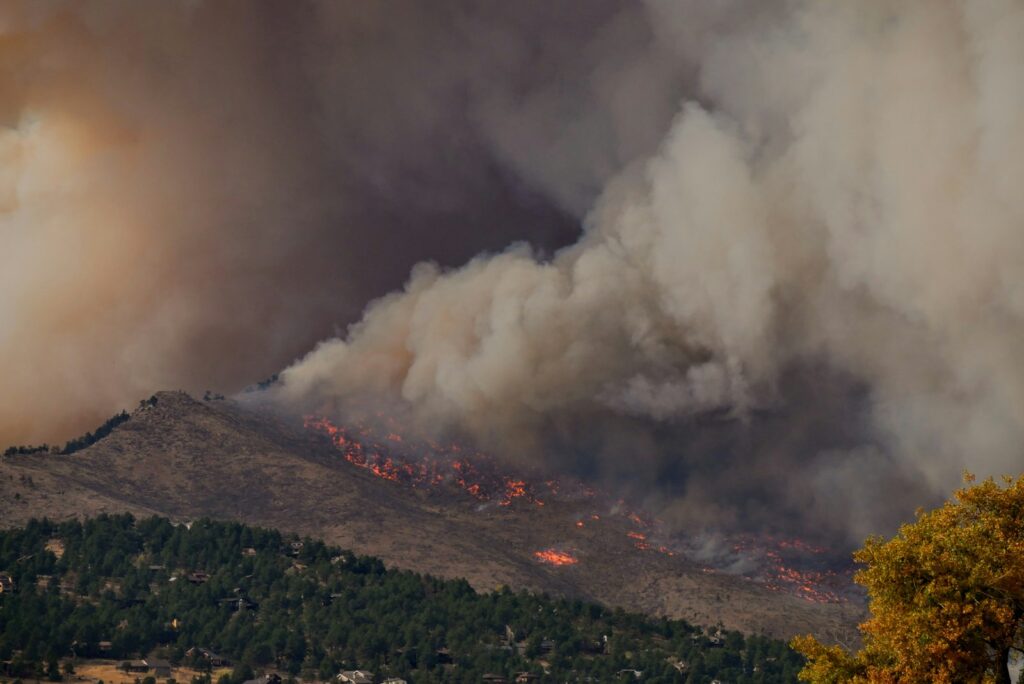
Forest ecosystems around the world have complex relationships with fire that vary by forest type and climate. In many coniferous forests, particularly those dominated by pines, periodic low-intensity ground fires historically cleared understory vegetation while leaving mature trees unharmed. This process reduced competition for resources, decreased vulnerability to insects and disease, and created the open, park-like forest structure observed by early European explorers in North America. Fire also plays a crucial role in nutrient cycling within forests, converting organic matter into mineral-rich ash that stimulates new growth. For many forest types, the question is not whether fire will occur, but when and at what intensity. Forest managers increasingly recognize that attempting to exclude fire entirely from fire-adapted forests ultimately creates conditions for more severe and destructive burns. Instead, managing forest structure through selective thinning and prescribed burning can restore healthier, more resilient forest ecosystems that better support wildlife populations.
Wildlife Responses to Burned Habitats
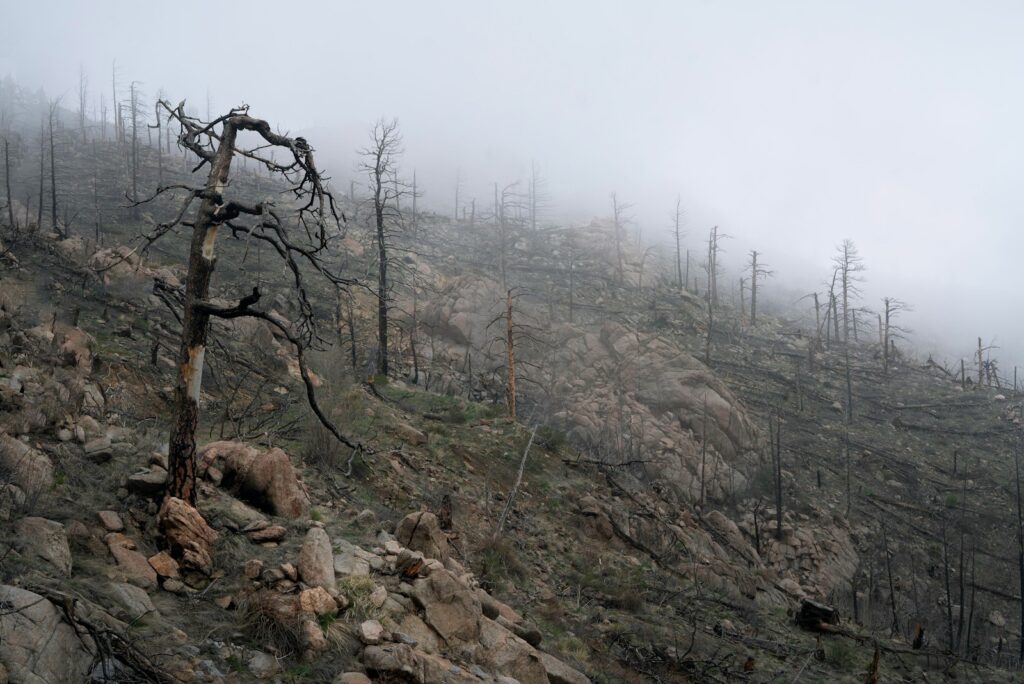
Wildlife species exhibit remarkably diverse responses to burned habitats, with some avoiding recently burned areas while others are specifically attracted to them. Many bird species, such as black-backed woodpeckers, begin appearing in burned forests almost immediately after a fire, feeding on the sudden abundance of wood-boring insects attacking fire-weakened trees. Large herbivores like elk and deer often preferentially graze in burned areas due to the nutritious regrowth that emerges shortly after fire. Small mammals show varied responses, with some ground-dwelling species temporarily declining after fire while others quickly colonize the altered habitat. Reptiles like gopher tortoises and certain snake species often benefit from the more open conditions and warmer soil temperatures in recently burned areas. Research has demonstrated that creating a mosaic of differently-aged burn patches across a landscape provides optimal conditions for the greatest diversity of wildlife species, as different animals require different post-fire successional stages.
Indigenous Fire Management Practices
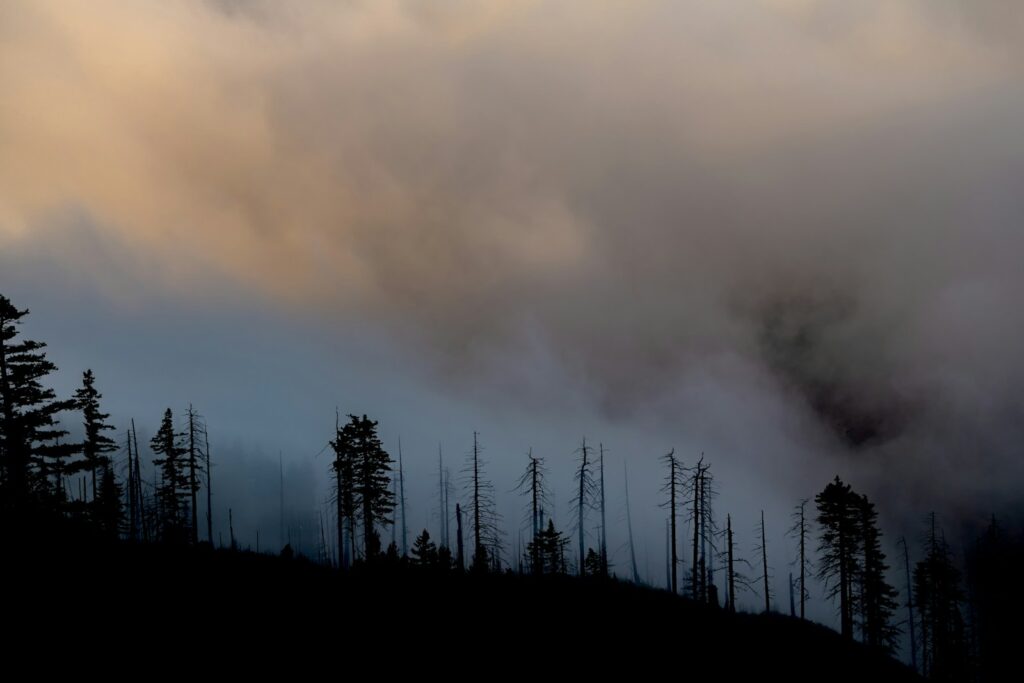
Indigenous peoples around the world have practiced sophisticated fire management for thousands of years, long before modern scientific understanding of fire ecology. From Aboriginal Australians to Native Americans and African pastoralists, traditional ecological knowledge includes detailed understanding of how, when, and where to use fire to enhance resources and maintain healthy ecosystems. These cultural burning practices were typically characterized by frequent, low-intensity burns conducted at specific times of year to achieve particular outcomes—such as promoting certain food plants, improving hunting conditions, or reducing fuel loads near settlements. Colonial disruption of these traditional practices has contributed significantly to altered fire regimes and declining ecosystem health in many regions. Today, there is growing recognition of the value of indigenous fire knowledge, with many land management agencies working to incorporate traditional ecological knowledge into contemporary fire management plans. This integration represents both an acknowledgment of indigenous rights and relationships with land as well as a practical approach to restoring more sustainable fire regimes.
Challenges in Fire Management for Habitat Restoration
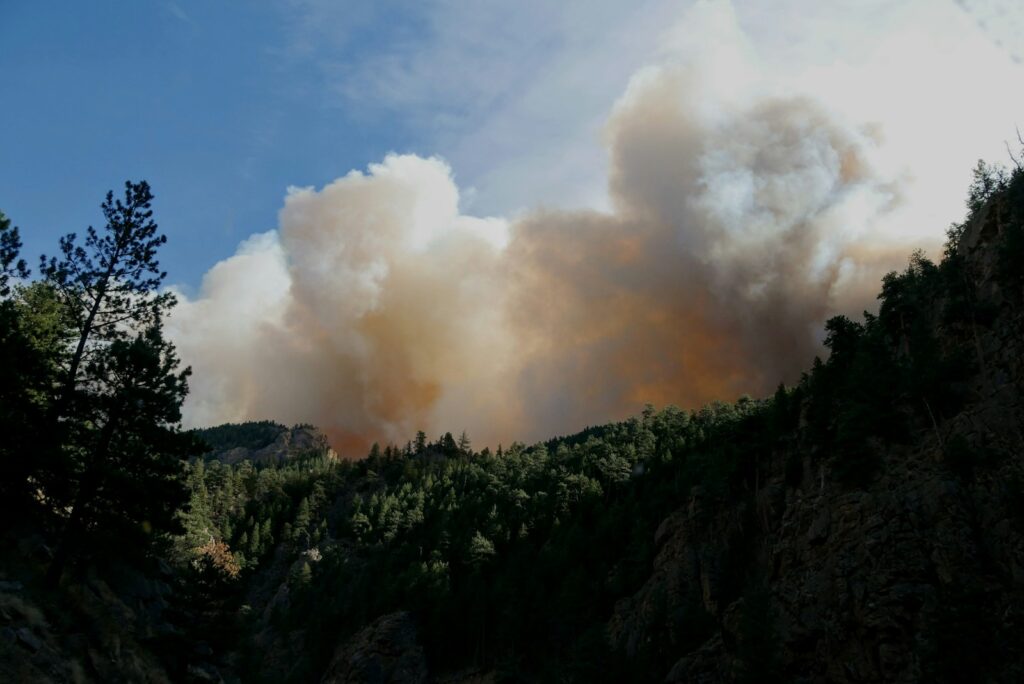
Despite growing recognition of fire’s ecological importance, implementing effective fire management for habitat restoration faces numerous challenges. The wildland-urban interface—where human development meets natural areas—continues to expand, increasing both the risk to human communities and the complexity of conducting prescribed burns. Air quality regulations, though important for public health, can restrict burning opportunities, especially near populated areas. Climate change further complicates fire management by altering traditional fire seasons, creating more extreme weather conditions, and increasing the frequency and intensity of wildfires in many regions. Public perception and political considerations also influence fire management decisions, with natural resource agencies often facing criticism whether they choose to implement prescribed burns or not. Additionally, the technical expertise and resources required for safe and effective prescribed burning are not uniformly available across regions and countries. Overcoming these challenges requires interdisciplinary collaboration, public education, policy innovation, and sustained commitment to ecological fire management.
Fire Frequency and Intensity: Finding the Right Balance
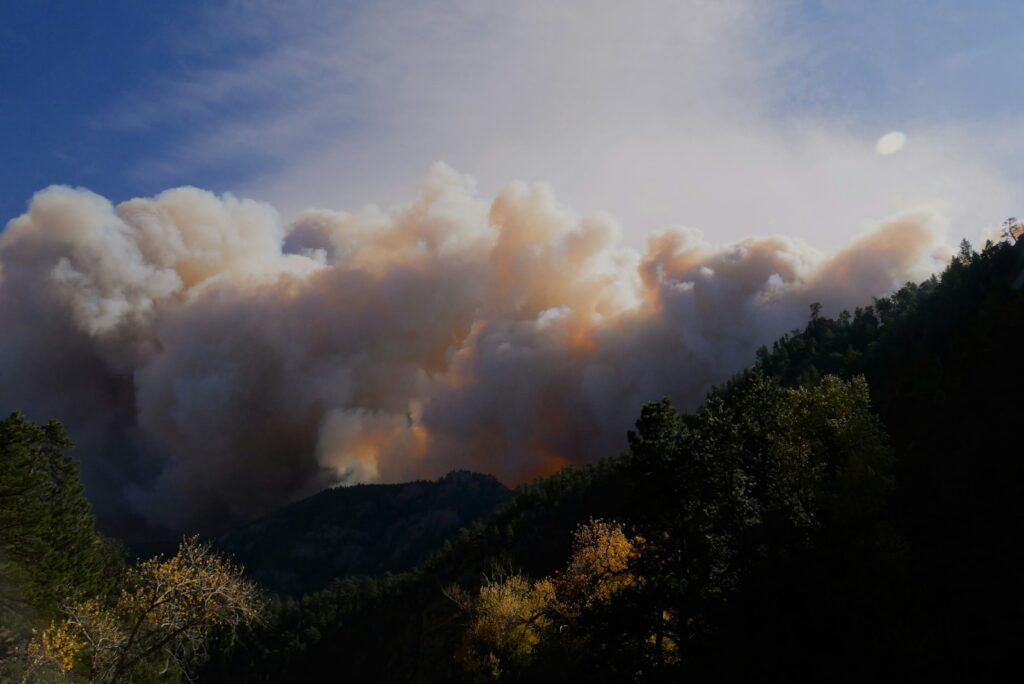
One of the most critical aspects of using fire for habitat restoration is determining the appropriate fire frequency and intensity for each ecosystem. Too-frequent burning can deplete soil nutrients, eliminate fire-sensitive species, and favor only the most fire-adapted organisms, potentially reducing overall biodiversity. Conversely, fires that occur too infrequently may allow unnatural fuel accumulation and eventually lead to catastrophic burns that exceed the adaptive capacity of even fire-dependent species. Similarly, fire intensity—the amount of energy released during burning—must be carefully managed to achieve desired ecological outcomes. Low-intensity surface fires generally benefit forest ecosystems by reducing understory vegetation without harming mature trees, while high-intensity crown fires that burn through the forest canopy are typically more destructive. Ecologists use multiple lines of evidence to determine historical fire regimes, including tree ring analysis, charcoal deposits in sediment, historical records, and indigenous knowledge. This information helps guide the development of science-based fire management plans tailored to specific ecosystems and management objectives.
Case Studies in Successful Fire-Based Habitat Restoration
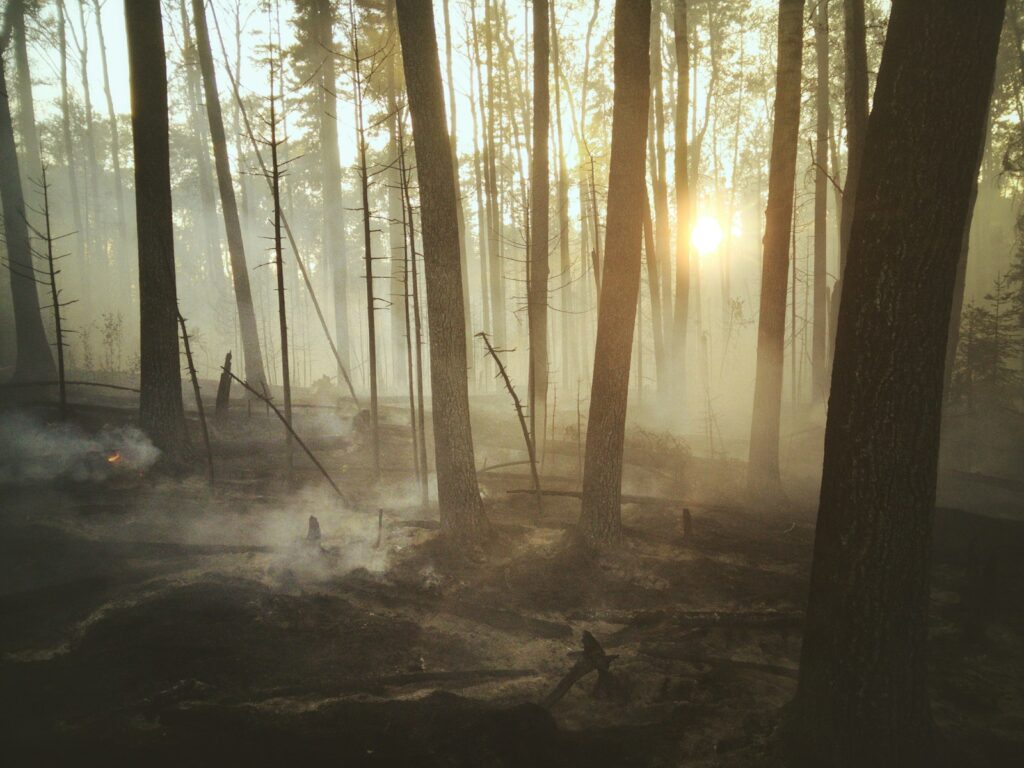
Across the globe, numerous success stories demonstrate fire’s potential as a habitat restoration tool. In the longleaf pine ecosystems of the southeastern United States, decades of prescribed burning have helped recover habitat for endangered species like the red-cockaded woodpecker and gopher tortoise. Regular controlled burns maintain the open, savanna-like structure these species require while controlling hardwood encroachment that would otherwise transform the ecosystem. In Australia’s tropical savannas, collaborative fire management incorporating Aboriginal traditional burning practices has reduced destructive late-season wildfires while improving habitat conditions for numerous threatened species. The Serengeti-Mara ecosystem in East Africa provides another example, where controlled burning helps maintain the grassland-woodland mosaic that supports the region’s famous wildlife migrations. In California’s Sierra Nevada, prescribed fire programs are gradually restoring healthier forest conditions after a century of fire suppression, reducing catastrophic wildfire risk while improving habitat for species like the California spotted owl. These diverse examples illustrate how tailored fire management approaches can successfully restore and maintain wildlife habitats across different ecosystem types.
The Future of Fire in Conservation and Restoration

Looking ahead, fire will likely play an increasingly important role in conservation and habitat restoration efforts worldwide. As climate change alters ecosystems and exacerbates wildfire conditions in many regions, proactive fire management becomes ever more crucial. Advances in fire science, including improved predictive models and mapping technologies, are enhancing our ability to plan and implement effective prescribed burns. Growing recognition of indigenous fire knowledge is leading to more culturally inclusive and ecologically sound approaches to fire management. Interdisciplinary collaboration between ecologists, fire scientists, wildlife biologists, indigenous knowledge holders, and land managers continues to improve our understanding of fire’s complex ecological roles. Public education efforts are gradually shifting perceptions of fire from purely destructive to potentially beneficial when properly managed. As restoration ecology evolves as a discipline, fire is increasingly recognized as not just one tool among many, but often an essential process for maintaining healthy, resilient ecosystems capable of supporting diverse wildlife populations into the future.
Conclusion: Embracing Fire as an Ecological Necessity
The role of fire in restoring wildlife habitats represents a profound shift in our understanding of ecological processes. What was once viewed primarily as a destructive force is now recognized as an integral component of many healthy ecosystems. By reintroducing appropriate fire regimes, whether through prescribed burning or managed natural ignitions, conservation efforts can help recover the dynamic ecological conditions that countless species have evolved to depend upon. This perspective requires humility and nuance—acknowledging that our past approaches to fire suppression, while well-intentioned, often disrupted essential ecological processes. Moving forward, successful habitat restoration will require balancing the benefits of ecological burning with human safety concerns, air quality impacts, and the complexities of managing fire in a changing climate. With continued research, indigenous knowledge incorporation, public education, and adaptive management, fire can be restored to its rightful place as a powerful force for ecological renewal, helping to maintain the biodiversity and ecosystem function upon which both wildlife and human communities ultimately depend.