

In the shadowy realm between wilderness and civilization, few animals navigate both worlds with the cunning and adaptability of the coyote. These remarkable canids, often glimpsed as fleeting silhouettes against dusky landscapes, possess physical capabilities and hunting strategies that have enabled their unprecedented success across North America. The coyote’s mastery of speed, combined with its tactical intelligence, makes it one of nature’s most fascinating predators.
Despite facing centuries of persecution and habitat transformation, coyotes have not merely survived but thrived, expanding their range while many other species have declined. Their impressive physical abilities and behavioral adaptations offer a compelling window into the evolutionary genius that allows certain species to flourish even as their world changes dramatically around them.
The Remarkable Speed of North America’s Wild Canid
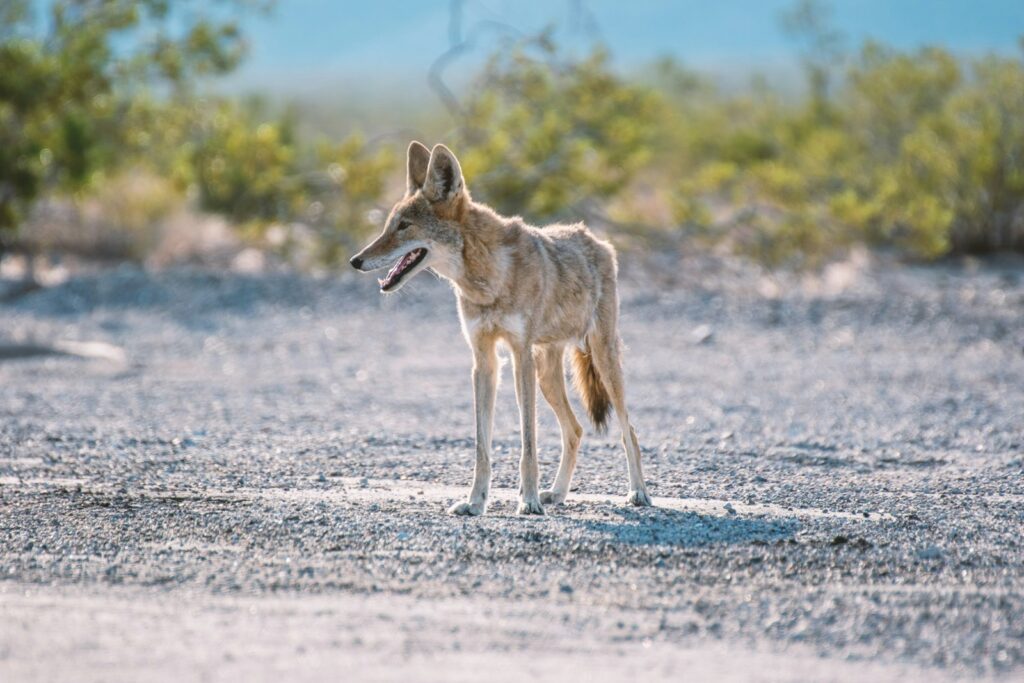
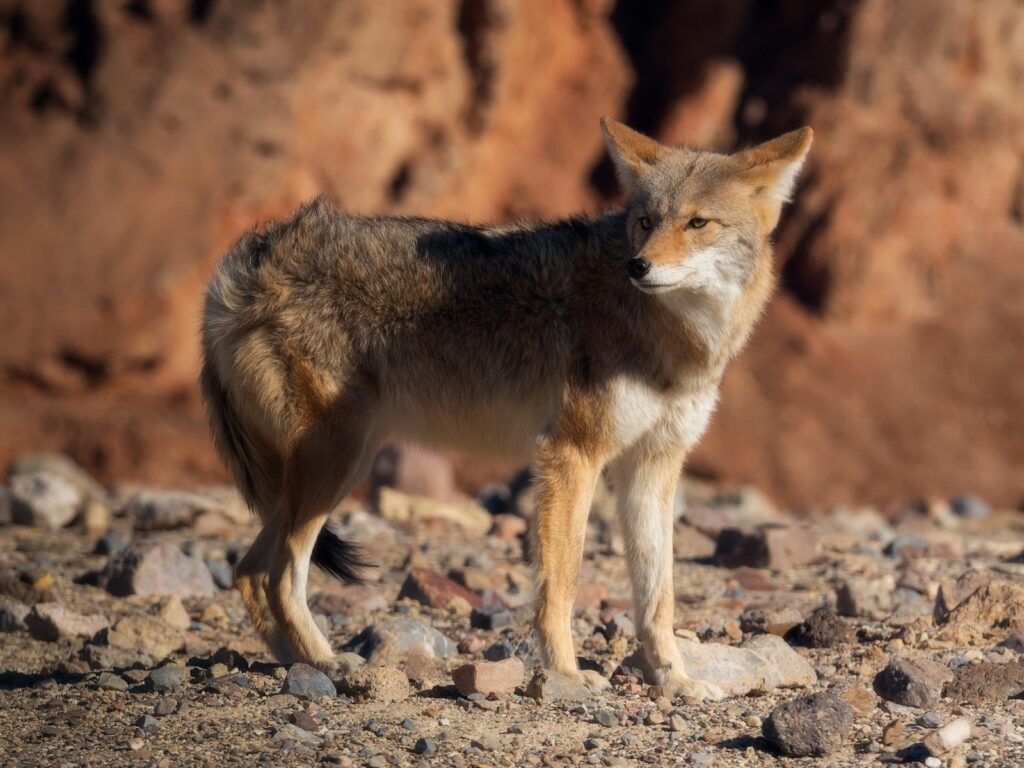
Coyotes are built for speed, capable of reaching impressive velocities of 35-43 miles per hour when in pursuit or fleeing danger. This remarkable swiftness places them among the fastest wild canids in North America, second only to their distant cousin, the grey wolf, in terms of size but superior in acceleration and agility. Their lightweight frame, averaging between 20-35 pounds, provides an ideal balance of muscle and mobility that allows for explosive bursts of speed.
The coyote’s long, slender legs and compact body create perfect biomechanical efficiency, minimizing energy expenditure while maximizing velocity. This speed isn’t merely impressive as a statistic—it’s a crucial evolutionary adaptation that has allowed coyotes to thrive as both predator and prey in diverse ecosystems.
Anatomical Adaptations for Swift Movement
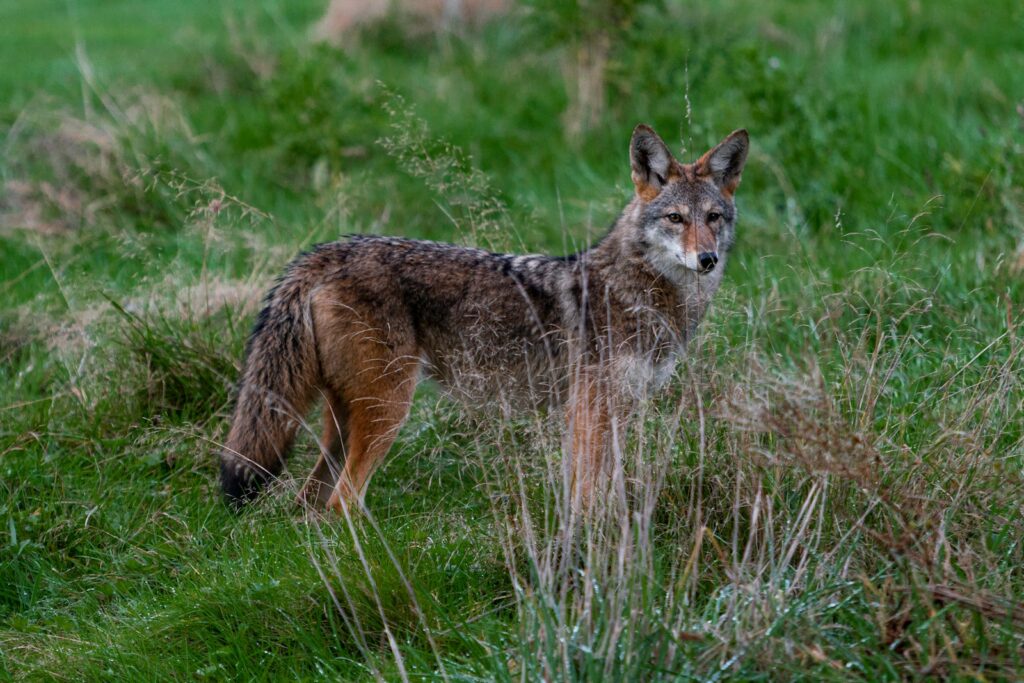
The coyote’s body represents an evolutionary masterpiece of design focused on efficient movement. Their digitigrade posture—walking on their toes rather than flat-footed—increases stride length and provides superior shock absorption when running at high speeds. The coyote’s specialized paw structure features compact, hardened pads that offer excellent traction on varied terrain while minimizing contact time with the ground during sprints. Their lean musculature, particularly in the hindquarters, stores elastic energy like coiled springs, releasing powerful force with each bound.
Perhaps most impressive is the coyote’s extraordinarily efficient cardiovascular system, which features a proportionally larger heart and higher red blood cell count than many mammals of similar size, enabling sustained oxygen delivery during prolonged chases or escape sequences.
Strategic Hunting Techniques
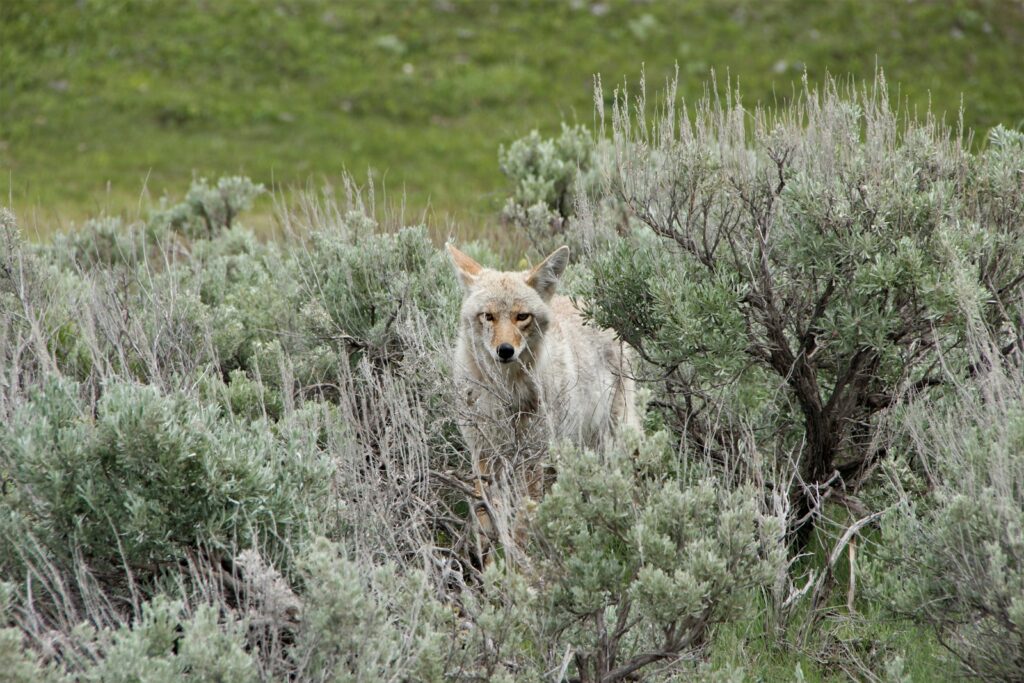
Coyotes employ sophisticated hunting strategies that showcase their remarkable intelligence and adaptability. Rather than relying solely on raw speed, they demonstrate tactical awareness through behaviors like cooperative hunting, where pairs or small family groups coordinate to flush out prey or corner faster animals. Their hunting patterns often involve carefully planned ambushes, with coyotes using terrain features like ravines or dense vegetation to conceal their approach until the critical moment.
Field researchers have documented coyotes employing distraction techniques, where one individual will capture a prey animal’s attention while another circles behind for the actual attack. Perhaps most impressive is their ability to modify hunting tactics based on prey type—using quick pounces for small rodents, exhaustion techniques for rabbits, and coordinated pack strategies for larger ungulates during harsh winters.
Endurance and Stamina in Pursuit
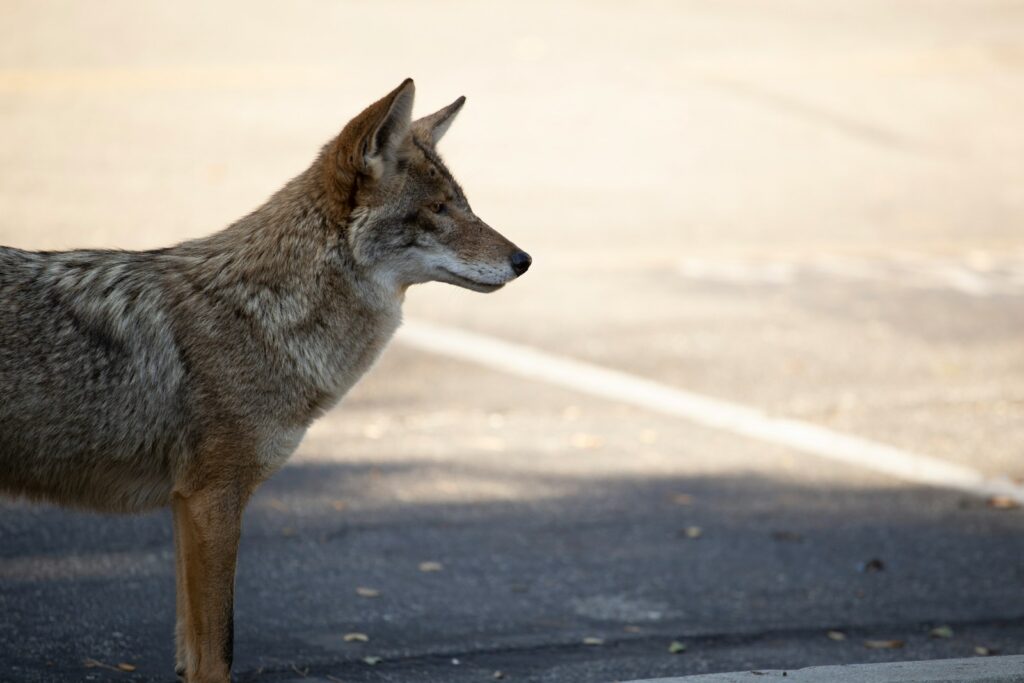
While the coyote’s top speed is impressive, its true locomotor superpower lies in remarkable endurance that allows sustained pursuit over challenging terrain. Studies tracking wild coyotes have recorded individuals covering up to 15 miles in a single night while hunting, navigating diverse landscapes from rocky hillsides to dense forests without apparent fatigue. Their efficient trotting gait, which they can maintain at speeds of 20 miles per hour for extended periods, represents one of the most energy-efficient forms of quadrupedal movement in the animal kingdom.
The coyote’s exceptional aerobic capacity is supported by specialized muscle fiber composition that favors slow-twitch endurance fibers, particularly in their core and limb muscles. This stamina provides coyotes a crucial advantage when hunting prey that may initially outpace them but lack comparable endurance, such as deer or jackrabbits.
Agility and Maneuverability in Complex Terrain
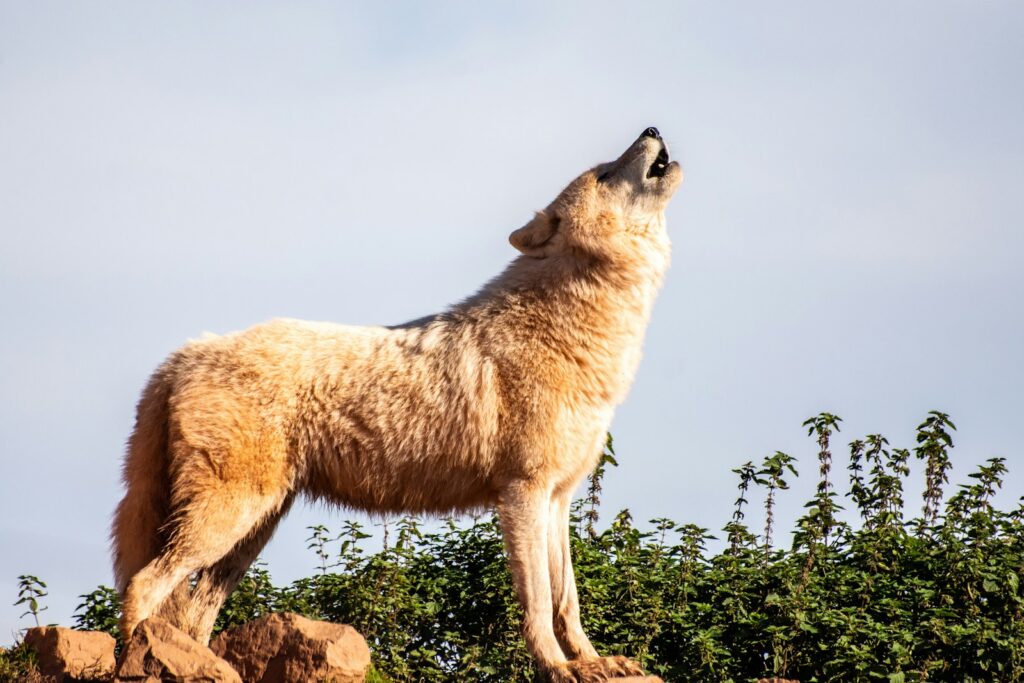
Coyotes demonstrate astonishing agility that complements their raw speed, allowing them to navigate challenging landscapes with fluid precision. Their ability to execute sharp turns at high velocities stems from a remarkably flexible spine that can bend dramatically during directional changes, effectively functioning as a rudder. Researchers using high-speed cameras have documented coyotes changing direction mid-stride within fractions of a second—a capability that proves invaluable when chasing nimble prey through brush or rocky terrain.
Their exceptional proprioception (awareness of body position) enables them to place each paw with perfect precision even at full sprint, avoiding obstacles without losing momentum. This combination of agility and sure-footedness allows coyotes to hunt successfully in diverse environments ranging from open grasslands to dense forests, urban alleyways to mountain slopes.
Seasonal Variations in Speed and Hunting Patterns
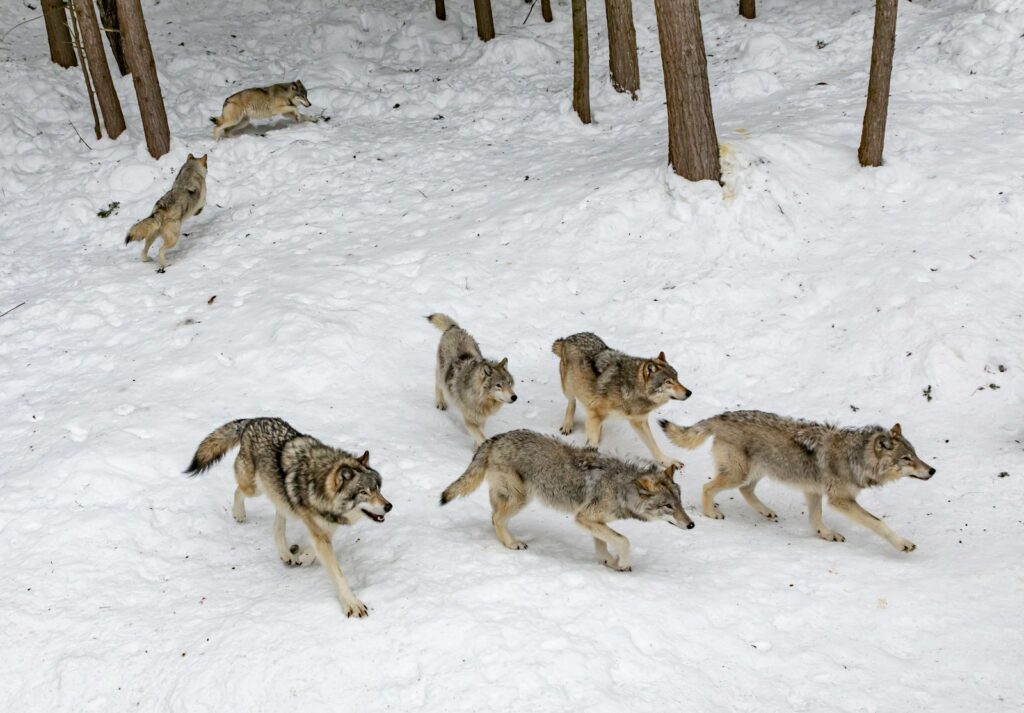
Coyote mobility and hunting strategies undergo fascinating seasonal adaptations that reflect changing environmental conditions and prey availability. During winter months in northern regions, coyotes develop a thicker double coat that, while providing crucial insulation, adds weight and slightly reduces top speed—a trade-off balanced by their increased reliance on energy-conserving hunting techniques. Summer brings a dramatic physiological transformation as they shed their dense undercoat, becoming leaner and faster while adapting hunting schedules to cooler morning and evening hours to prevent overheating.
Their seasonal diet shifts influence hunting patterns, with greater emphasis on smaller, numerous prey like rodents during spring and summer, while fall and winter may see more cooperative hunting of larger animals. Research tracking coyote movements has demonstrated that their home range size and daily travel distances expand significantly during mating season, with males covering extraordinary distances in search of potential mates.
Pup Development and Speed Acquisition
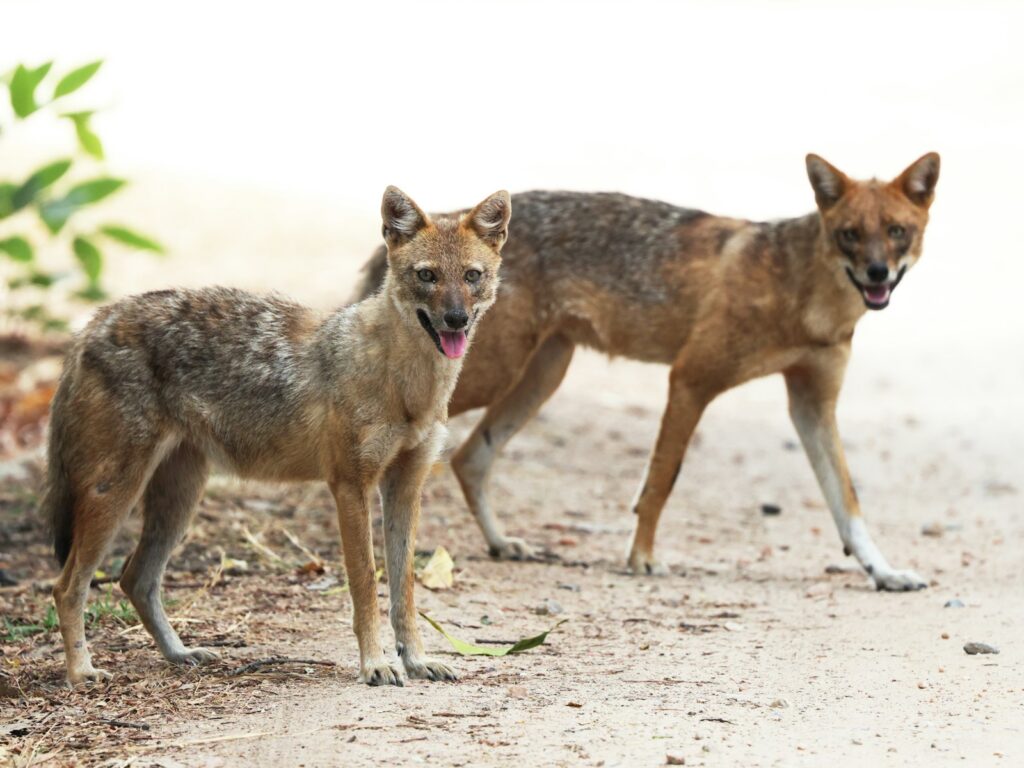
The journey from helpless newborn to swift-running hunter represents one of the most rapid developmental trajectories in the mammalian world. Coyote pups begin life unable to support their own weight, yet by just three weeks of age, they emerge from the den and begin developing the coordination that will eventually enable their remarkable speed. Between weeks five and eight, pups engage in intensive play behaviors that develop crucial neural pathways governing balance, coordination, and spatial awareness—essentially “programming” their nervous systems for the complex movements hunting will require.
Research has shown that by six months of age, young coyotes can already reach approximately 85% of their adult top speed, though their endurance and tactical hunting skills continue developing into their second year. This accelerated physical development reflects the evolutionary pressure on a species where hunting proficiency directly determines survival, particularly as juveniles transition to independence.
Cognitive Elements of Hunting Success
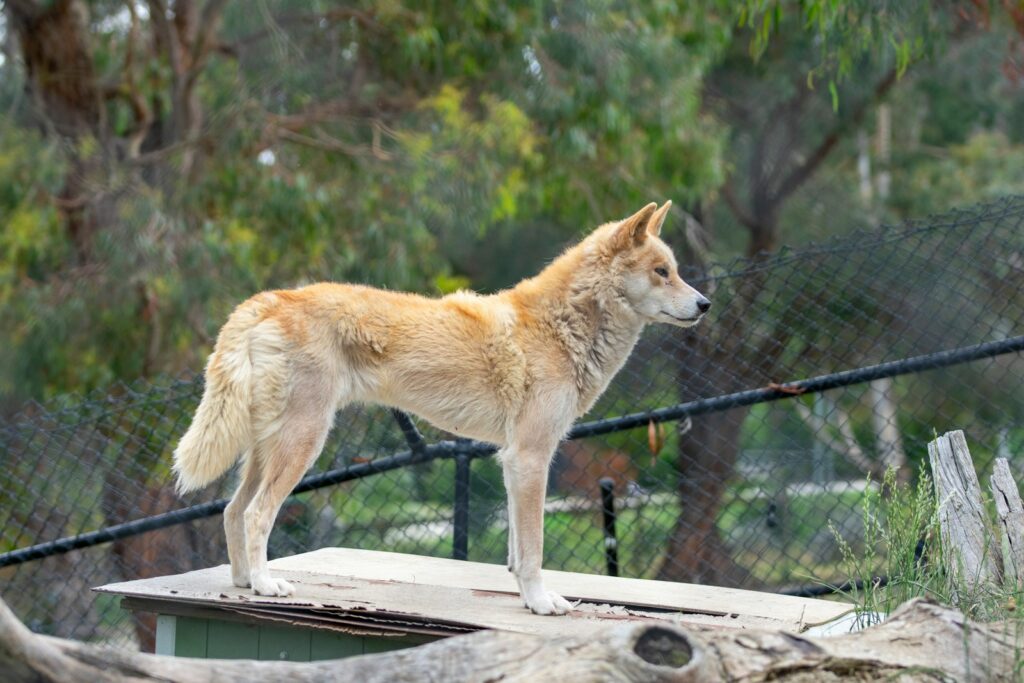
The coyote’s hunting prowess extends far beyond physical attributes into the realm of remarkable cognitive abilities that elevate their predatory success. Studies of coyote problem-solving have revealed intelligence comparable to that of wolves and domestic dogs, with individuals demonstrating the ability to improvise solutions to novel challenges encountered while hunting. Their exceptional spatial memory allows them to create detailed mental maps of their territories, remembering productive hunting locations and avoiding areas of potential danger with remarkable precision.
Perhaps most impressive is their apparent capacity for predictive cognition—anticipating the movements of prey animals based on previous encounters and adjusting pursuit strategies accordingly. Researchers have documented cases of coyotes seemingly calculating intercept courses with prey, demonstrating an understanding of movement physics that suggests sophisticated cognitive processing beyond simple reactive pursuit.
Adaptations for Urban and Suburban Environments
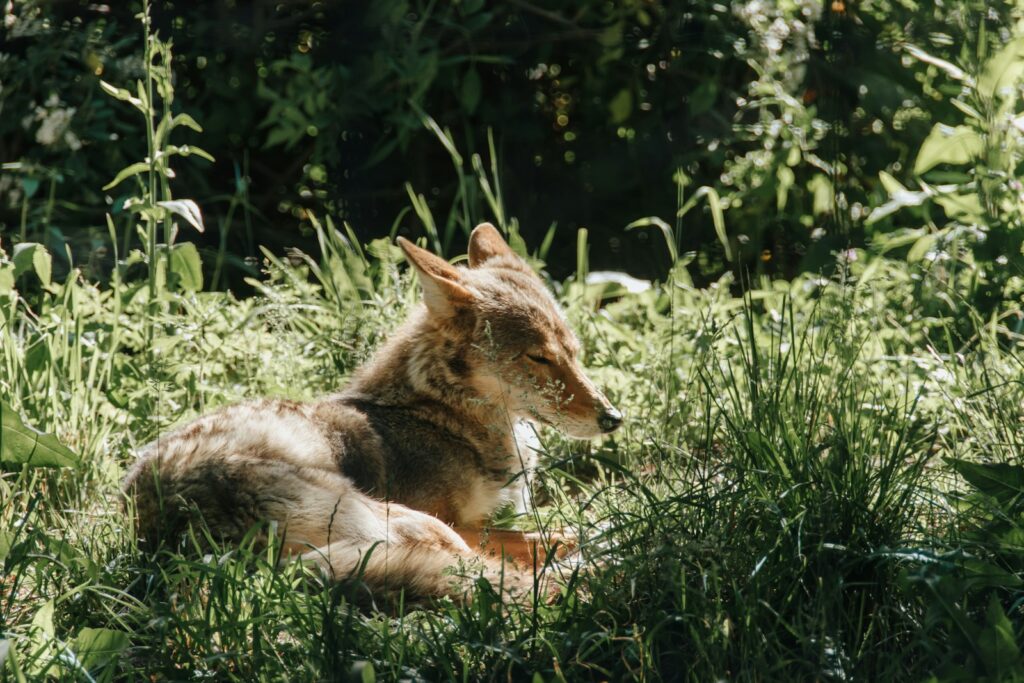
The coyote’s legendary adaptability has allowed it to thrive in human-dominated landscapes, where its speed and hunting strategies have undergone fascinating modifications. Urban coyotes have demonstrated remarkable behavioral plasticity, shifting to more nocturnal activity patterns that minimize human contact while maximizing hunting opportunities in artificial environments. Their sprint capabilities prove particularly valuable in fragmented urban habitats, allowing them to quickly cross exposed areas like roads or yards before seeking cover.
Studies tracking urban coyotes have revealed sophisticated use of linear infrastructure like railroad tracks, drainage systems, and utility corridors as movement highways that enable efficient travel while minimizing detection. Perhaps most intriguing is research showing that urban coyotes have modified their diet and hunting techniques, developing specialized strategies for capturing synanthropic prey species like rats and rabbits that themselves have adapted to human environments.
Comparative Speed Among Wild Canids
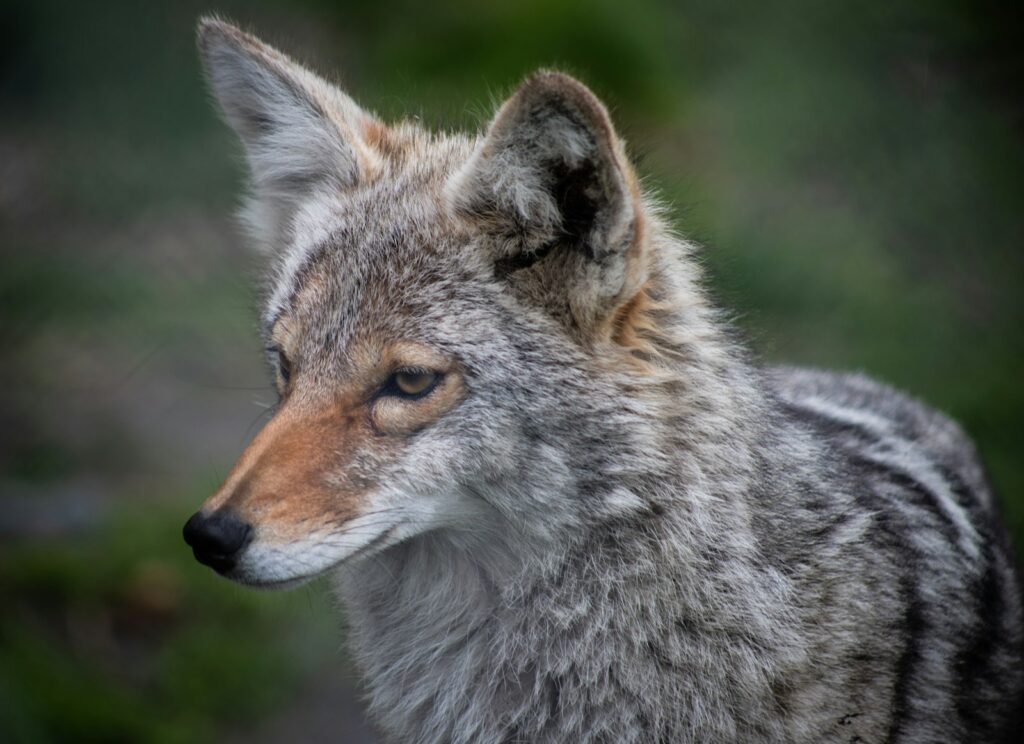
When placed within the broader context of canid evolution, the coyote’s locomotor capabilities represent a fascinating middle ground between specialized sprinters and endurance hunters. While their top speed falls short of the cheetah-like 45 mph bursts achieved by the African wild dog, coyotes significantly outpace foxes and most other medium-sized canids in both velocity and stamina. Their speed-to-weight ratio exceeds even that of wolves, their larger cousins, demonstrating the evolutionary premium placed on mobility in their ecological niche.
Research comparing the skeletal structure of various canids reveals that coyotes possess longer limbs relative to body size than most other wild dogs, with the exception of specialized coursing hunters like greyhounds. This comparative advantage has contributed significantly to the coyote’s success in colonizing new territories and adapting to diverse environmental conditions across North America.
Predator-Prey Dynamics and Speed Relationships
The evolutionary arms race between predator speed and prey evasion has shaped the coyote’s hunting capabilities through millions of years of natural selection. Their typical prey spectrum includes animals with diverse escape strategies—from the explosive acceleration of cottontail rabbits to the sustained speed of jackrabbits and the agility of squirrels—requiring coyotes to develop a versatile movement repertoire. Field studies examining successful versus unsuccessful hunts reveal that coyotes rarely rely on superior speed alone, instead combining moderate pursuit with strategic positioning to exploit prey weaknesses or fatigue.
The metabolic economics of predation create strong selection pressure for efficient hunting, as failed chases represent significant energy expenditure without nutritional return. This balance has led to the evolution of sophisticated decision-making about when to initiate pursuit, with research showing coyotes abandoning chases that have low probability of success within the first few seconds, conserving energy for more promising opportunities.
Conservation Implications of Coyote Mobility
The coyote’s impressive mobility carries significant implications for wildlife management and conservation efforts across North America. Their capacity for rapid range expansion—documented at rates exceeding 25 miles per year in some regions—has allowed coyotes to colonize territories from which apex predators like wolves have been eliminated, potentially restoring disrupted ecosystem functions by controlling mesopredator and herbivore populations. Conservation biologists have increasingly recognized coyotes as important vectors for gene flow between isolated habitat fragments in human-dominated landscapes, potentially enhancing genetic diversity in other species through their movements.
Their exceptional dispersal abilities create challenges for traditional management approaches, as localized control efforts typically see rapid recolonization from surrounding populations. Perhaps most significantly, the coyote’s successful adaptation to human-modified environments offers valuable insights into which traits promote species resilience in an era of unprecedented environmental change—lessons that may prove crucial for conservation planning as ecosystems continue to transform.
The Future of Coyote Evolution in Changing Landscapes
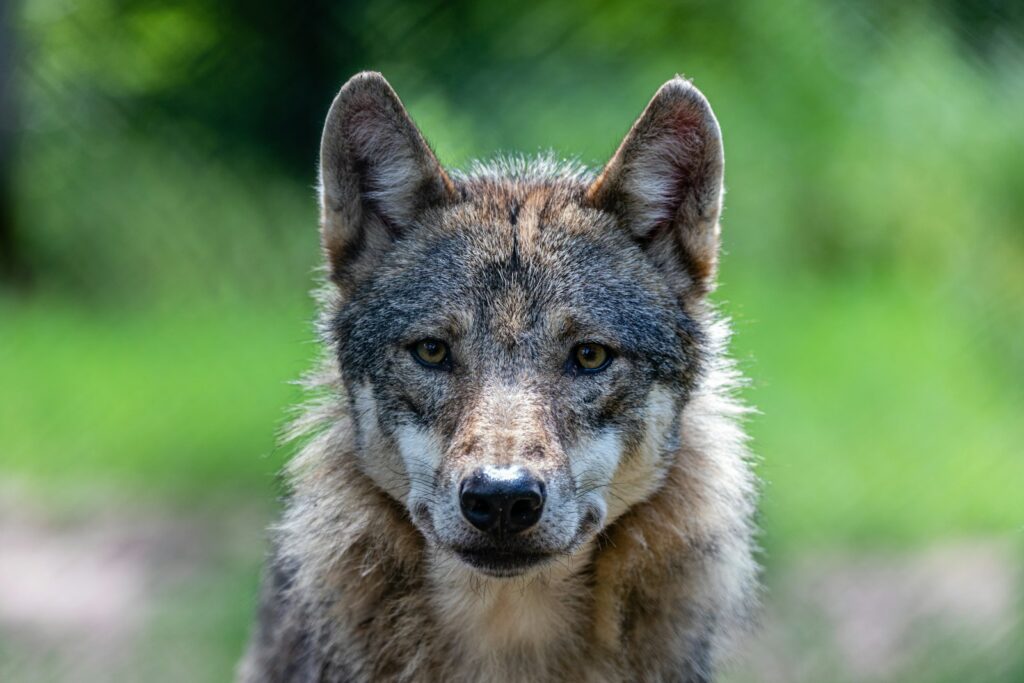
As human activity continues reshaping North American ecosystems, the coyote’s remarkable speed and adaptability position it among the species most likely to successfully navigate an uncertain future. Recent research suggests that urbanization may be driving accelerated evolution in coyote populations, with city-dwelling individuals developing different movement patterns and body proportions compared to their rural counterparts. Climate change models predict shifting prey distributions and habitat characteristics that will likely favor generalist predators with strong dispersal capabilities like coyotes. Perhaps most intriguingly, ongoing hybridization between coyotes and wolves in some regions is producing “coywolf” individuals that combine the coyote’s adaptability with some of the wolf’s size and strength—potentially creating a new evolutionary trajectory for North American canids.
As researchers continue studying these remarkable animals, the coyote’s exceptional mobility and hunting prowess remain not just impressive natural phenomena but crucial elements in understanding how species adapt and persist in rapidly changing environments.
Conclusion: The Coyote, Nature’s Master of Adaptation and Survival
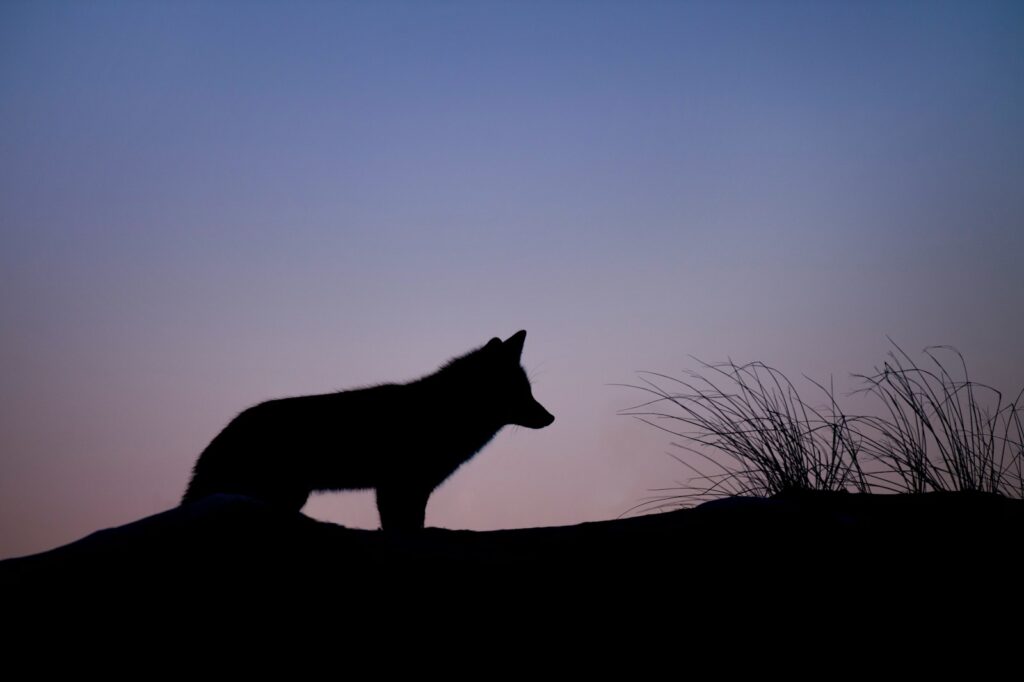
The wild coyote stands as a testament to evolutionary success through adaptive specialization, combining impressive speed with tactical intelligence to thrive across extraordinarily diverse landscapes. Their physical capabilities—from explosive acceleration to tireless endurance—represent millions of years of refinement through natural selection, creating one of North America’s most successful predators. Yet perhaps more remarkable than their raw physical attributes is the sophisticated cognitive framework that guides their movements, allowing them to make complex decisions about when, where, and how to deploy their impressive speed.
As human activity continues transforming the continent, the coyote’s remarkable mobility and strategic flexibility have proven to be its greatest assets, enabling this remarkable species to not merely survive but expand its influence across the changing American landscape.