

The animal kingdom is filled with formidable predators, from the towering grizzly bear to the stealthy jaguar. However, some of nature’s most effective hunters come in surprisingly small packages. Among these diminutive yet deadly creatures, weasels stand out as extraordinary predatory machines. Despite their small size—with some species weighing less than a deck of cards—weasels possess remarkable hunting prowess, ferocious determination, and physical adaptations that make them among the most successful and feared small predators on Earth.
Their seemingly cute appearance belies their true nature as relentless killers capable of taking down prey many times their size. This article explores the fascinating world of weasels and reveals why these tiny mammals have earned their reputation as nature’s ferocious little assassins.
The Weasel Family: Small but Mighty Mustelids

Weasels belong to the Mustelidae family, a diverse group of carnivorous mammals that includes badgers, otters, ferrets, wolverines, and martens. The true weasels (genus Mustela) comprise about 17 species found across North America, Europe, Asia, and parts of North Africa and South America. Despite being among the smallest members of this family, weasels share the characteristic mustelid traits of elongated bodies, short legs, round ears, and relatively large brains for their size.
Their slender, tube-like bodies—typically measuring between 6-12 inches long excluding the tail—allow them to access prey in tight spaces where larger predators cannot reach. This family of animals has evolved specialized adaptations that make them formidable hunters despite their diminutive stature, enabling them to punch well above their weight class in the predatory world.
Anatomical Adaptations for Efficient Killing
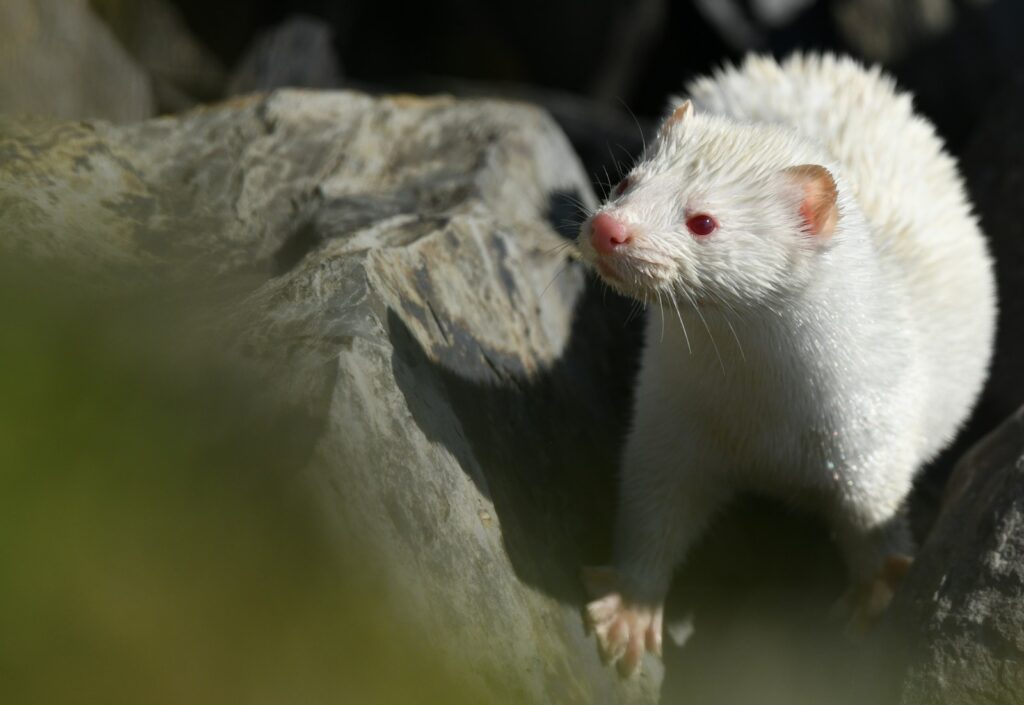
Weasels possess several anatomical features specifically evolved for hunting and killing. Their long, cylindrical bodies and short legs allow them to enter the burrows and tunnels of prey animals with ease, making escape nearly impossible for their victims. A weasel’s skull is flattened and uniquely shaped to deliver a powerful, precise bite to the back of the prey’s neck, often severing the spinal cord with a single strike. Their jaws are equipped with sharp teeth and powerful muscles, providing a bite force disproportionate to their size.
Additionally, weasels have extremely flexible spines that enable them to maneuver quickly in tight spaces and execute their signature hunting move—a rapid rotation that allows them to flip their bodies around while maintaining a death grip on their prey. These physical adaptations combine to create a highly efficient killing machine in a remarkably small package.
Metabolism: The Engine Behind Their Ferocity

The extraordinary hunting prowess of weasels is partly driven by their exceptionally high metabolism, which acts as both blessing and curse. Weasels have one of the highest metabolic rates among mammals, requiring them to consume roughly 40-60% of their body weight in food each day just to survive. This metabolic demand means they must hunt almost continuously, with some species needing to make a kill every few hours. Their bodies burn energy at such a rapid rate that they cannot afford to store much fat, making them perpetually hungry and extraordinarily motivated hunters.
This biological imperative fuels their aggressive hunting behavior and explains why they often kill more prey than they can immediately consume—a behavior known as surplus killing. In winter, some species like the least weasel must hunt beneath the snow to find rodents, burning energy so quickly that they may starve to death after just 24 hours without food.
Pound-for-Pound Predatory Champions

When comparing predator-to-prey ratios, weasels are arguably the most impressive hunters in the mammalian world. The smallest species, the least weasel (Mustela nivalis), weighs a mere 1-2 ounces yet routinely kills rabbits that weigh ten times more. Unlike large predators that typically target prey smaller or weaker than themselves, weasels regularly attack and successfully kill animals significantly larger than their own body size.
This extraordinary ability stems from their combination of speed, agility, and sheer ferocity, allowing them to overcome prey that would seem impossibly large for such a small hunter. Their fearlessness is legendary among wildlife biologists, with documented cases of weasels attacking snakes, birds of prey, and even humans when cornered. This disproportionate predatory capacity makes weasels unique among carnivores and earns them the title of pound-for-pound predatory champions.
Masters of the Surprise Attack

Weasels have perfected the art of the ambush, relying on stealth, speed, and the element of surprise to overcome their prey. Rather than pursuing victims over long distances, they prefer to stalk silently before launching lightning-fast attacks that give prey little chance to react or escape. Their hunting strategy typically involves moving in quick, erratic bursts followed by moments of complete stillness, making their movements unpredictable and difficult for prey to track.
When ready to strike, a weasel can accelerate from standstill to full speed in a fraction of a second, covering ground with remarkable quickness. Their attacks often target the base of the skull, allowing them to dispatch prey swiftly and efficiently before it can mount a defense. This combination of stealth, speed, and precision makes weasels particularly effective hunters despite their small size.
The Weasel’s Notorious Blood Thirst

Perhaps the most infamous aspect of weasel behavior is their tendency toward “surplus killing”—slaughtering more prey than they can possibly consume in one sitting. This behavior, observed particularly when weasels encounter prey in confined spaces like chicken coops or rabbit hutches, has earned them a reputation for bloodthirstiness that exceeds that of most predators. A single weasel can kill dozens of chickens in one night, often taking only small bites from each victim. Biologists believe this behavior evolved as an adaptive strategy to take advantage of temporary abundance, allowing weasels to cache extra food for leaner times.
However, in modern contexts where prey cannot escape, this instinct can result in what appears to be wasteful slaughter. Their apparent blood lust is actually a survival strategy—when food is plentiful, weasels will kill as much as possible to sustain them through periods when hunting is difficult or impossible.
Extraordinary Agility and Hunting Techniques
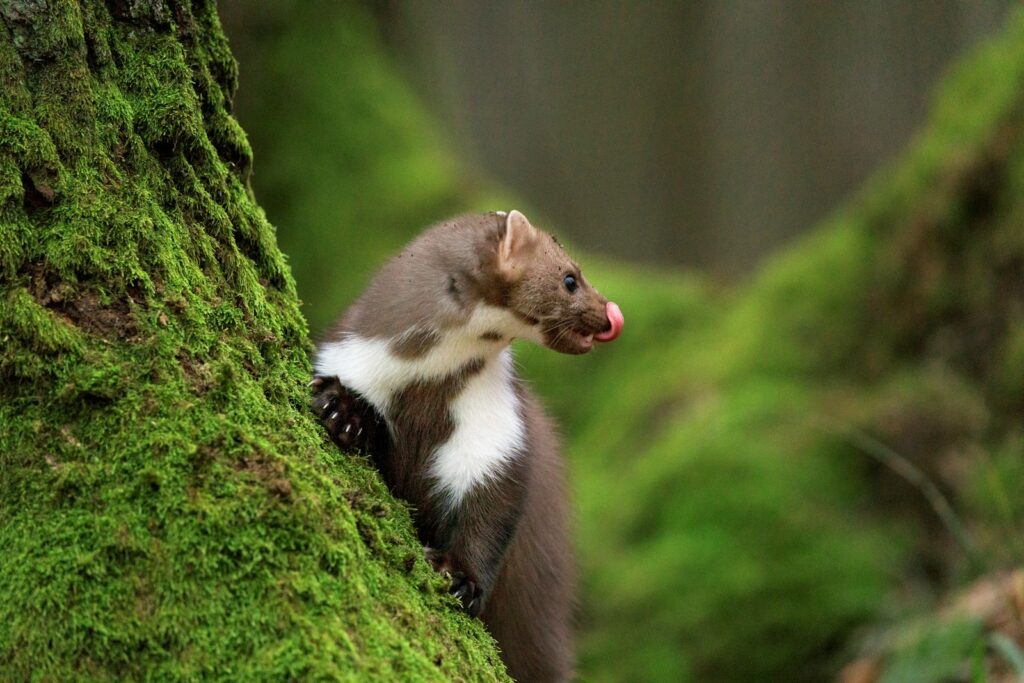
Weasels demonstrate remarkable agility and acrobatic prowess when hunting, moving with a distinctive bounding gait often described as a series of loops or arcs. Their flexible spine allows them to turn 180 degrees in an instant, enabling them to change direction mid-chase or reorient themselves inside narrow tunnels. When pursuing prey, weasels can perform what biologists call the “weasel war dance”—a series of quick, erratic jumps, rolls, and twists that may serve to confuse prey or possibly express excitement before an attack.
Their hunting techniques vary by prey type: for burrowing animals, they employ silent stalking followed by lightning-fast pursuits through tunnel systems; for birds, they climb with surprising agility and attack nests directly; for larger prey like rabbits, they latch onto the back of the neck and wrap their body around the victim, refusing to let go even as the larger animal struggles. This versatility in hunting approaches allows weasels to exploit a wide range of prey species successfully.
Sensory Advantages That Make Them Lethal
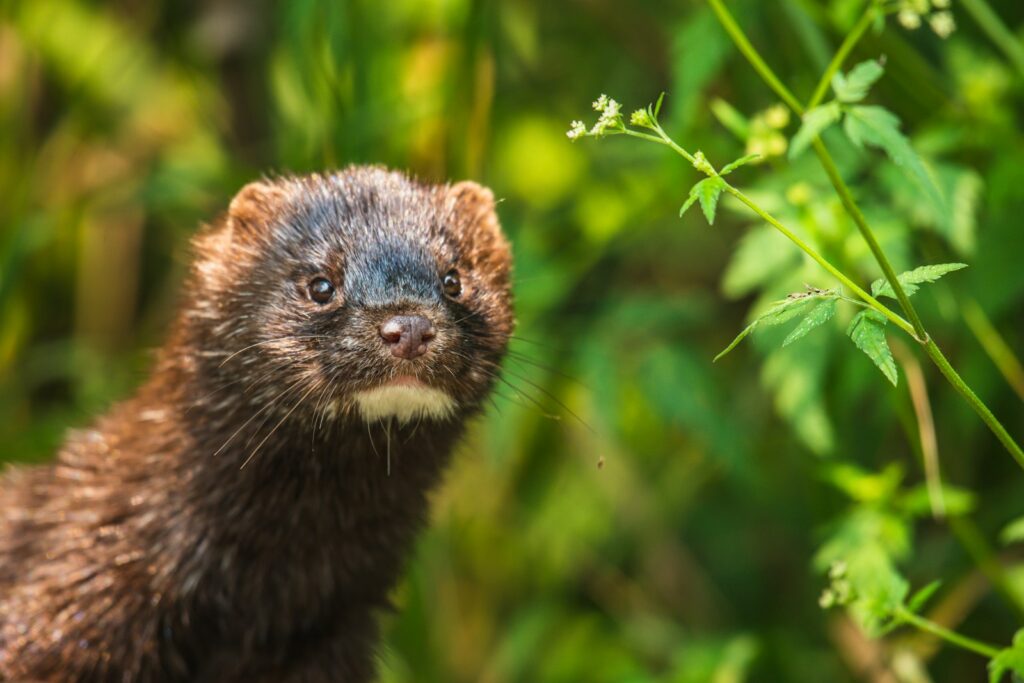
Weasels possess highly developed senses that give them significant advantages when hunting. Their vision, while not exceptional compared to other predators, is sharp enough to detect the slightest movements of potential prey. Their hearing is acute, allowing them to locate small mammals moving beneath snow or inside burrows with remarkable precision. However, it’s their sense of smell that truly sets them apart—weasels can follow scent trails for extended periods and detect prey hidden underground or inside dense vegetation. Their whiskers (vibrissae) provide detailed tactile information about their surroundings, particularly valuable when hunting in dark, confined spaces like burrow systems.
These sensory capabilities, combined with their excellent spatial memory, enable weasels to hunt effectively in complete darkness and to remember the locations of prey caches. The integration of these sensory systems creates a predator that can detect and locate prey in almost any environment, making escape nearly impossible once a weasel has locked onto a target.
Year-Round Hunters with Seasonal Adaptations

Unlike many predators that may reduce their hunting activity during certain seasons, weasels remain active and hunt year-round due to their high metabolic demands. In northern regions, several weasel species undergo a remarkable seasonal adaptation—their brown summer coat turns completely white in winter (except for the black-tipped tail), providing perfect camouflage in snowy landscapes. This adaptation, known as ermine phase, allows them to continue hunting effectively during winter months when their brown coat would make them conspicuous against the snow.
Their hunting strategies also shift seasonally: during summer, they may hunt more above ground and take advantage of abundant young prey animals; in winter, they often hunt beneath the snow in what biologists call the “subnivean zone,” pursuing rodents through tunnel systems that develop between the ground and snow layer. This year-round hunting pressure makes weasels a constant threat to prey populations regardless of season or weather conditions.
Reproductive Strategy: Producing More Predators

Weasels have evolved reproductive strategies that maximize their predatory impact on ecosystems. Female weasels can produce multiple litters per year when food is abundant, with each litter typically containing 4-8 young, known as kits. In some species, females employ a reproductive adaptation called “delayed implantation,” where fertilized eggs do not immediately implant in the uterine wall but instead remain dormant until environmental conditions become favorable. Young weasels grow rapidly and are taught hunting skills by their mother, becoming proficient killers by 8-12 weeks of age.
The family hunting unit can be devastatingly effective, with a mother and several nearly-grown offspring capable of decimating local prey populations. Their rapid reproductive cycle ensures that weasel populations can quickly respond to prey abundance, ramping up their numbers when food is plentiful and thus amplifying their impact as predators across landscapes.
Ecological Impact: Predators That Shape Ecosystems

Despite their small size, weasels exert a disproportionately large influence on the ecosystems they inhabit. As mesopredators—mid-sized predators that both hunt smaller animals and are hunted by larger ones—weasels play a crucial role in regulating prey populations, particularly rodents like mice, voles, and lemmings. Their predation pressure can prevent rodent outbreaks that might otherwise damage vegetation and crops or spread disease. Studies have shown that areas with healthy weasel populations typically experience more stable rodent cycles with fewer extreme population booms.
Additionally, weasels influence prey behavior beyond simple population control—the mere presence of weasels can alter where and when prey species feed, nest, and move, creating what ecologists call a “landscape of fear.” Through these direct and indirect effects, weasels help maintain biodiversity and ecosystem function despite being relatively inconspicuous members of the predator community.
Cultural Perceptions of Nature’s Tiny Assassins
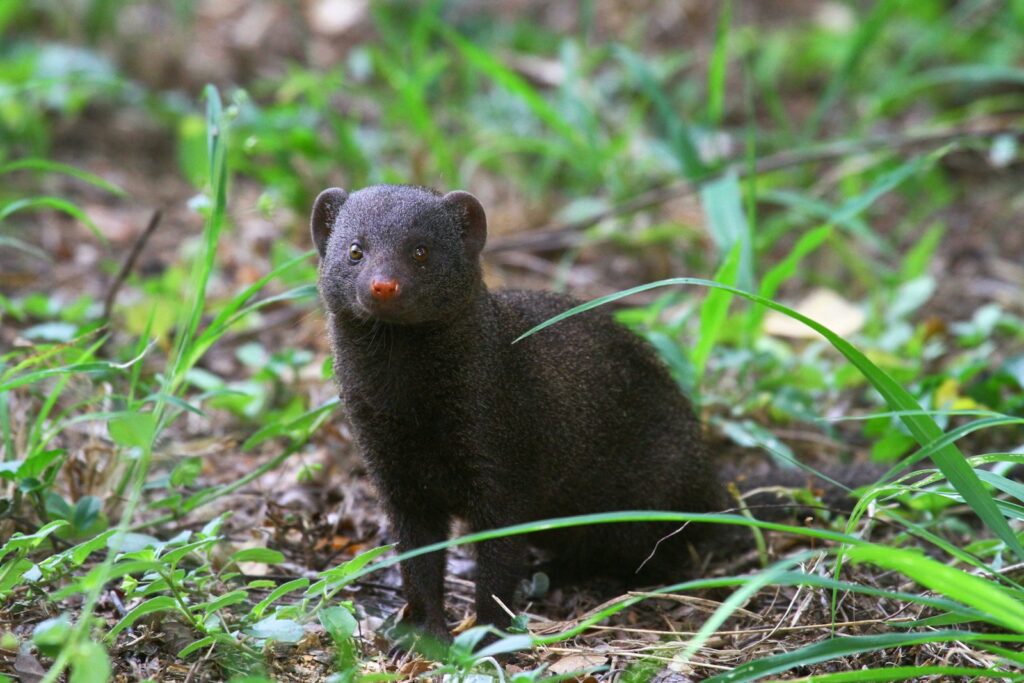
Throughout history, human cultures have developed fascinating and often contradictory perceptions of weasels based on their fierce predatory nature. In many Western traditions, weasels gained negative associations due to their raids on poultry and game birds, becoming synonymous with treachery and bloodthirstiness—reflected in phrases like “weasel words” to describe deceptive language. Conversely, some Native American tribes respected weasels as powerful spirit animals representing stealth, resourcefulness, and determination.
In Japanese folklore, weasels (itachi) were believed to possess supernatural abilities, including shapeshifting powers, while ancient Greeks considered weasels sacred to the goddess Hecate. Medieval European beliefs held that weasels were the only animals that could kill basilisks, mythical reptiles whose gaze could turn victims to stone. These varied cultural perceptions reflect humanity’s ambivalent relationship with these small but formidable predators, simultaneously respecting their hunting prowess while fearing their potential impact on human resources.
Conservation Status and Modern Threats

Despite their impressive predatory capabilities, several weasel species face significant conservation challenges in the modern world. Habitat fragmentation from urban development and agriculture has reduced suitable hunting territories and isolated populations. As specialized predators with high energy requirements, weasels are particularly vulnerable to environmental changes that affect prey availability. Some species have suffered population declines due to secondary poisoning from rodenticides used in agricultural and urban settings—weasels consume poisoned rodents and subsequently die from the accumulated toxins.
Climate change presents additional challenges, particularly for species that rely on seasonal coat color changes, as warming temperatures reduce snow cover duration while weasels are still in their white winter pelage, making them conspicuous to both predators and prey. Conservation efforts for weasels often focus on habitat preservation, creating wildlife corridors to connect fragmented populations, and promoting rodent control methods that don’t rely on persistent poisons that can move through the food chain.
Conclusion: Weasels, Nature’s Small but Mighty Predators

Weasels represent nature’s perfect example of how evolutionary adaptations can create extraordinarily effective predators regardless of size. Their combination of specialized anatomy, explosive speed, relentless determination, and metabolic drive makes them among the most formidable small carnivores on the planet. While their reputation for bloodthirstiness may seem extreme, their behaviors are sophisticated survival strategies honed over millions of years. These remarkable mustelids remind us that in nature, predatory success isn’t always about being the biggest or strongest—sometimes it’s about being the most specialized, determined, and ferocious.
As both controllers of pest populations and indicators of ecosystem health, weasels deserve not only our respect but also our protection, ensuring these tiny but mighty predators continue to fulfill their ecological roles for generations to come.