

Camping offers a profound opportunity to connect with nature, but this connection extends beyond scenic views to actually sharing space with the wild creatures who call these areas home. Creating a wildlife-safe campsite isn’t just about protecting yourself and your belongings—it’s about responsible stewardship that respects and preserves wildlife and their habitats.
Whether you’re camping in bear country or in areas with smaller critters, proper preparation and awareness can prevent dangerous encounters, protect natural wildlife behavior, and ensure your outdoor adventure remains positive for all involved. This comprehensive guide will walk you through essential steps to create a campsite that minimizes wildlife conflicts while maximizing your wilderness experience.
Understanding Wildlife Behavior and Risks
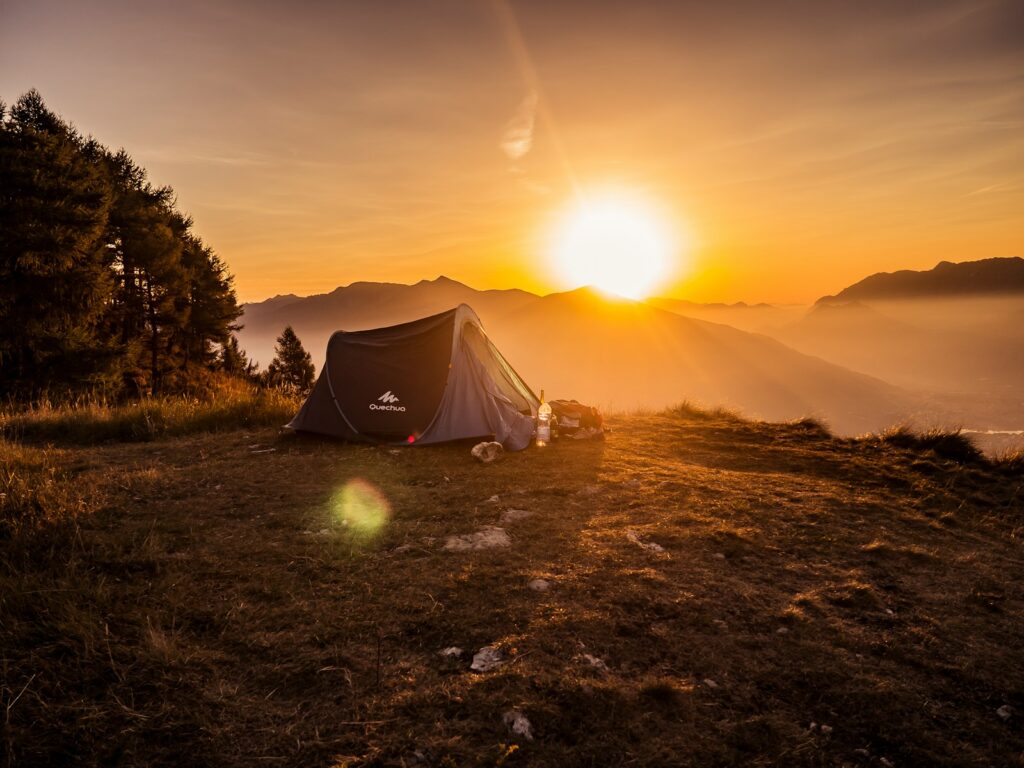
Wildlife interactions at campsites typically stem from animals seeking food, which can lead to dangerous habituation where wild animals lose their natural fear of humans. When wildlife associates humans with food sources, they may become bold, destructive, or aggressive in their pursuit of meals. Even seemingly harmless feeding of small animals can disrupt natural foraging behaviors and create unhealthy dependencies.
More concerning, large predators like bears that become habituated to human food often end up euthanized by wildlife management agencies, summarizing the tragic reality that “a fed bear is a dead bear.” Understanding these dynamics helps emphasize that wildlife safety measures aren’t just regulations—they’re essential practices that save animal lives.
Researching Your Destination Before Departure
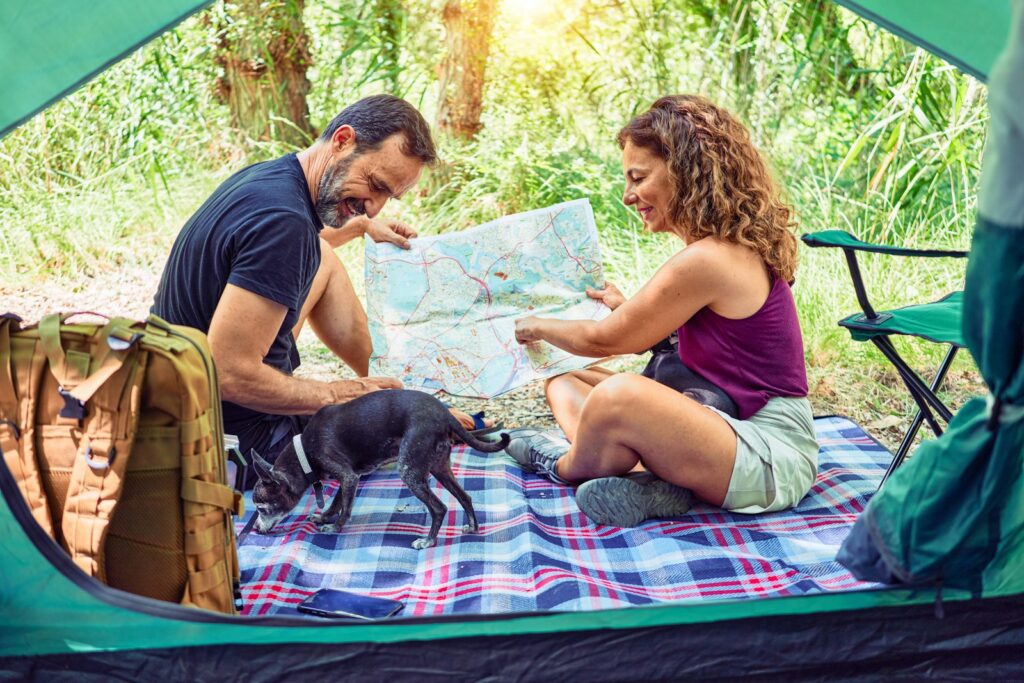
Thorough pre-trip research forms the foundation of wildlife safety planning. Contact local ranger stations or visit the managing agency’s website to learn about specific wildlife concerns, recent activity patterns, and any special regulations in place at your destination. Many parks provide wildlife density maps that indicate areas with higher bear, cougar, or other predator activity that might warrant extra precautions. Review seasonal considerations as well, since spring might bring protective mother bears with cubs while autumn’s food scarcity might make animals more desperate.
Some areas may require specialized equipment like approved bear canisters or have temporary closures due to wildlife activity. This knowledge allows you to prepare appropriately and potentially choose campsites in areas with fewer wildlife concerns.
Selecting an Appropriate Campsite Location

The specific location of your campsite within a designated camping area can significantly impact wildlife encounters. Avoid camping near game trails, berry patches, streams during fish spawning seasons, or areas with abundant wildlife signs such as tracks, scat, or claw marks on trees. In bear country, the recommended “triangle approach” suggests placing your sleeping area, cooking area, and food storage area at least 100 yards apart to prevent attracting wildlife to where you sleep.
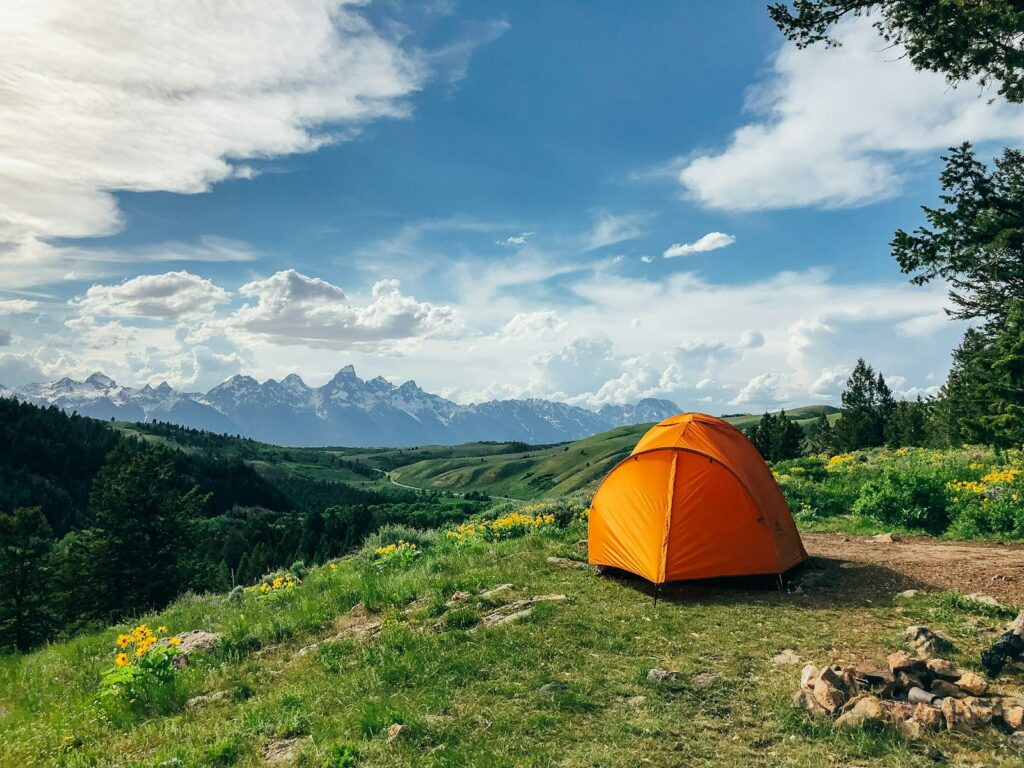
Choose open areas where you can maintain good visibility rather than dense vegetation where animals might approach unseen. In established campgrounds, select sites away from garbage collection areas which often attract wildlife after dark. These location considerations create natural buffers between your activities and wildlife travel corridors.
Mastering Proper Food Storage Techniques
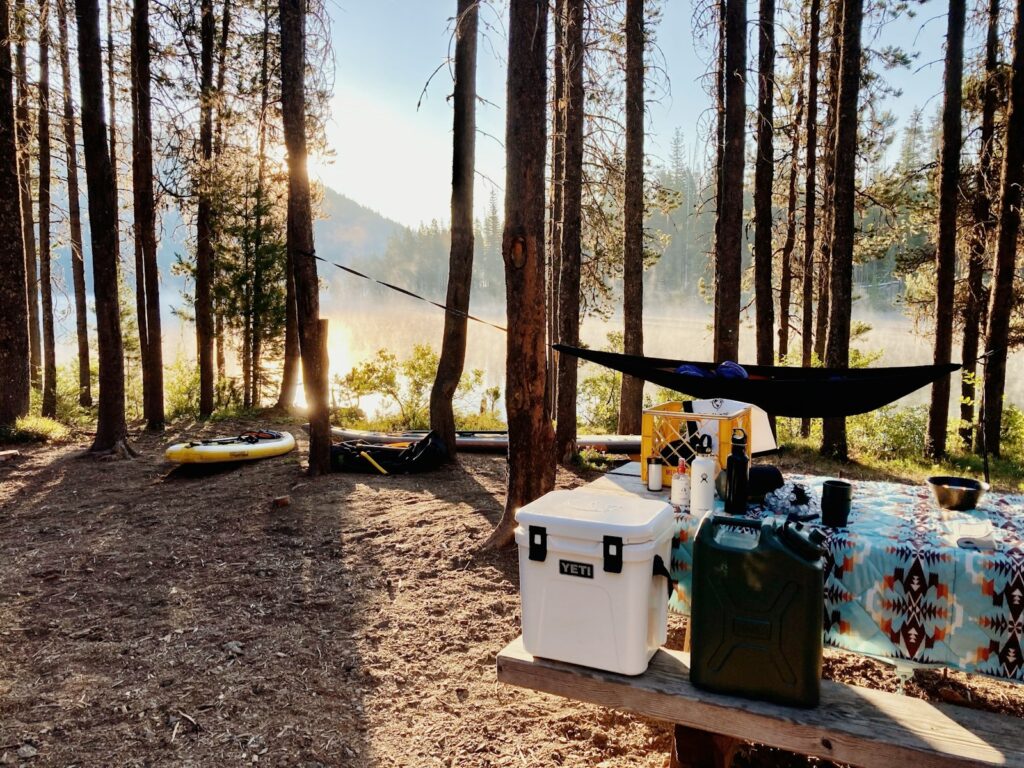
Effective food management is perhaps the single most important factor in preventing wildlife conflicts. In bear country, all food, scented items (including toiletries), cooking equipment, and trash must be stored in approved bear-resistant containers or hung properly from bear poles or in bear bags at least 10-15 feet high and 4 feet from any vertical support. Even in areas without large predators, food should be secured in animal-proof containers to prevent smaller creatures from accessing your supplies.
Never store food, cooking equipment, or scented items in your tent—even lip balm, toothpaste, or scented medications can attract curious wildlife. Vehicles can serve as secure storage in some locations, though bears have been known to damage cars to access visible food items, so cover all supplies with blankets if using this method.
Creating a Clean Cooking Zone

Your cooking area requires specific protocols to minimize lingering food odors that attract wildlife. Establish a dedicated cooking zone at least 100 yards downwind from your sleeping area, ideally in an open space that allows you to see approaching animals. Use a portable camp stove rather than cooking directly over a fire when possible, as stoves create fewer food particles and residual odors in the environment. Clean all cooking equipment immediately after use, collecting even the smallest food scraps and disposing of dishwater properly by dispersing it broadly at least 200 feet from your campsite.
Change out of cooking clothes before entering your sleeping area, as fabric absorbs food odors that wildlife can detect even when humans cannot. These cooking zone practices significantly reduce the scent footprint that might draw animals to your campsite.
Proper Waste Management in the Wilderness

Responsibly handling waste represents a critical aspect of wildlife-safe camping that extends beyond obvious food garbage. Pack out all trash in odor-proof containers or bags, including seemingly “natural” waste like apple cores or orange peels that can alter wildlife diets. When washing dishes, strain your dishwater through a fine mesh strainer to catch food particles, then pack these out with your trash. For human waste, follow land management guidelines which typically require using established facilities or digging catholes at least 6-8 inches deep and 200 feet from water sources, campsites, and trails.
Feminine hygiene products should always be packed out rather than buried, as their odors can attract wildlife even when buried. Remember that wildlife has extraordinarily sensitive smell detection—much better than humans—so even traces of food or waste invisible to you can attract animals from considerable distances.
Essential Equipment for Wildlife Safety
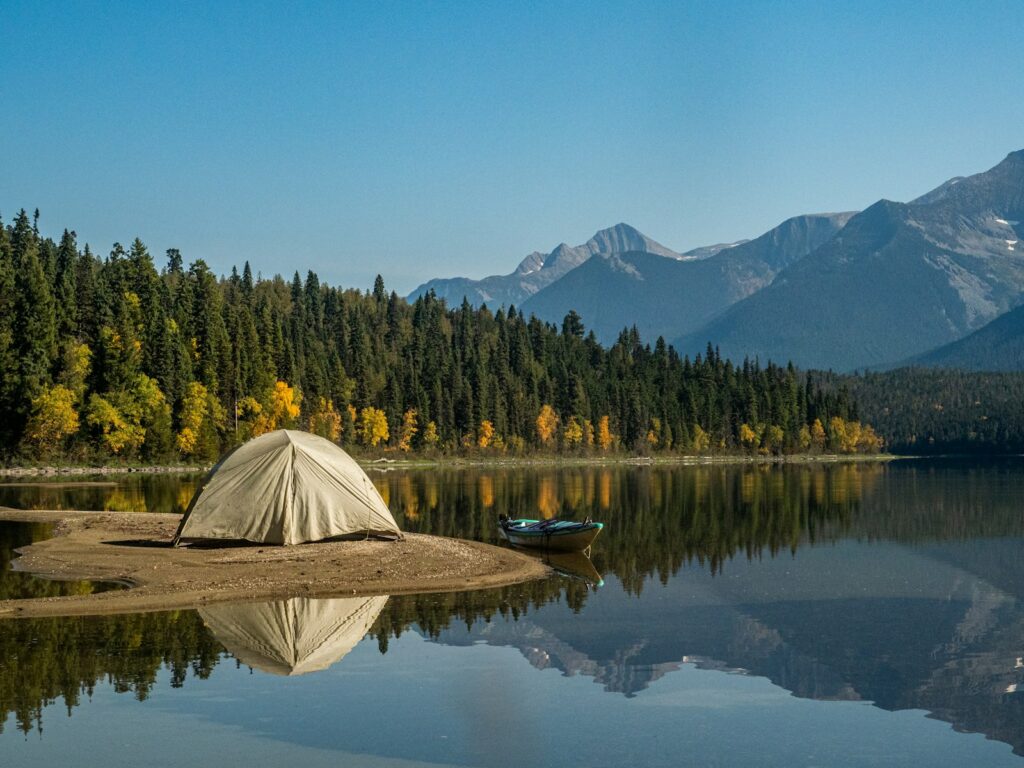
Certain specialized equipment significantly enhances your ability to maintain a wildlife-safe campsite. Bear-resistant food containers (BRFCs) have become standard requirements in many wilderness areas, offering nearly foolproof protection against bears and other wildlife when used correctly. Bear spray—a specialized capsaicin-based deterrent with 30-foot range—provides effective protection during unexpected encounters and should be carried within immediate reach during all activities in predator country. Odor-barrier bags made of specialized materials help contain food smells when proper storage containers aren’t available.
Rope for hanging food (at least 50 feet of 1/4-inch or thicker cord) remains essential in areas without food storage infrastructure. A headlamp or powerful flashlight allows nighttime visibility that helps prevent surprising nocturnal wildlife. Investing in these tools demonstrates commitment to responsible recreation while significantly reducing wildlife conflict risks.
Navigating Nighttime Safety Protocols

Wildlife activity often increases after dark, making nighttime an especially important period for vigilance. Before retiring to your tent, perform a comprehensive campsite sweep to eliminate any overlooked attractants such as food wrappers, spilled drinks, or toiletries. Store all scented items, including clothing worn while cooking, in proper wildlife-resistant storage. Keep a flashlight and bear spray (in bear country) immediately accessible within your tent for emergency use. Avoid traveling around camp alone after dark when possible, making noise to announce your presence when nighttime movement is necessary.
Consider using portable electric fencing systems in remote backcountry locations with high predator densities, as these provide an additional deterrent perimeter around your sleeping area. These nighttime protocols address the period when many campers are most vulnerable to wildlife encounters.
Handling Wildlife Encounters Responsibly
Despite best preventative efforts, wildlife encounters may still occur, making proper response knowledge essential for visitor safety and wildlife welfare. For most wildlife encounters, maintain a respectful distance (at least 100 yards from predators, 25 yards from other large mammals), speak in calm, firm tones, and slowly back away while facing the animal. Never run, which can trigger predatory chase responses in many species. For defensive bear encounters, use bear spray when animals approach within 30 feet, aiming slightly downward to create a deterrent cloud.
If physically contacted by a black bear, fight back aggressively targeting sensitive areas like the nose and eyes, while playing dead may be more effective with defensive grizzly bears. Document and report all significant wildlife encounters to land managers, which helps them track animal behavior patterns and alert other visitors appropriately.
Teaching Children Wildlife Safety
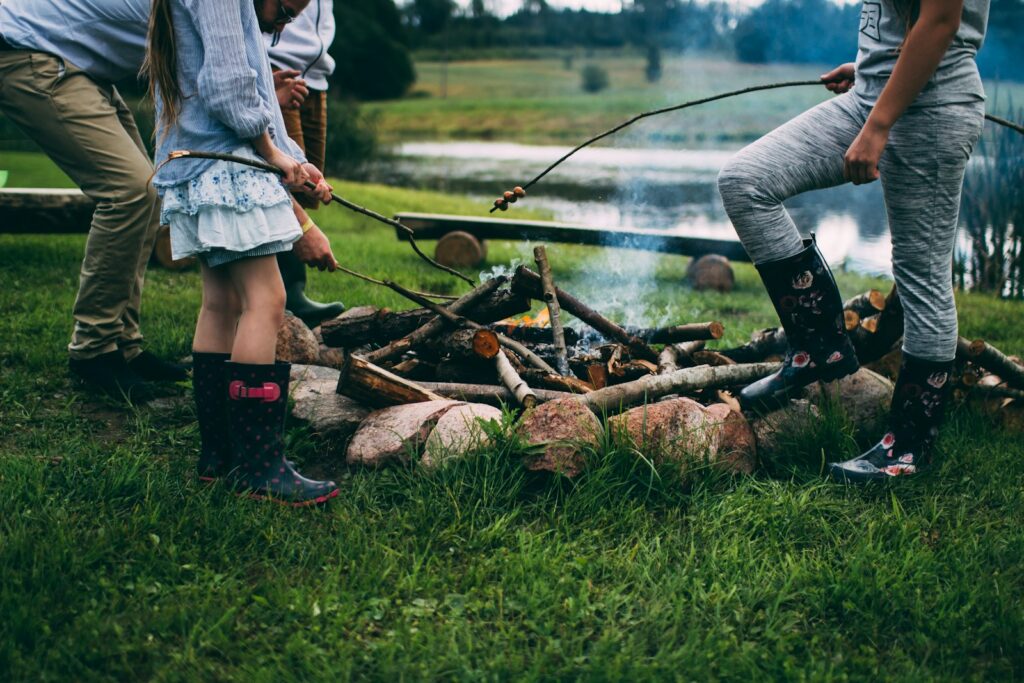
Children require special consideration in wildlife safety planning due to their natural curiosity, unpredictable movements, and potentially attractive size to predators. Establish clear, age-appropriate rules about staying close to adults, never approaching or feeding wildlife, and what to do if they spot an animal. Create a buddy system where children always have a partner and practice wildlife encounter scenarios through role-playing games that make safety protocols memorable.
Teach children to recognize wildlife signs like tracks and scat, turning safety education into an engaging nature lesson. Have children participate in appropriate aspects of secure food storage and camp cleanliness to reinforce the importance of these practices. For very young children in predator country, consider portable play yards that provide a protective barrier during campsite activities while still allowing outdoor enjoyment.
Camping with Pets in Wildlife Areas

Pets introduce significant complications to wildlife safety, as they can both attract predators and provoke defensive responses from wildlife. In many wilderness areas and national parks, pets are either prohibited or must remain strictly leashed (typically on leashes six feet or shorter) and under physical control at all times. Never leave pets unattended at campsites, even briefly, as they become vulnerable targets for predators or may chase wildlife and not return. Store pet food with the same precautions as human food, immediately cleaning any uneaten portions.
Consider a portable dog pen or tie-out system that prevents your pet from wandering while still allowing outdoor time at the campsite. Be aware that dogs in particular may detect wildlife long before humans do, so sudden alertness, barking, or unusual behavior from your pet might indicate nearby wildlife requiring immediate precautionary measures.
Seasonal Considerations for Wildlife Safety

Wildlife behavior, activity patterns, and associated risks shift dramatically with seasonal changes, requiring adapted safety strategies. Spring brings hungry predators emerging from winter food scarcity and protective mother animals with young offspring, necessitating heightened vigilance around natal dens and nursery areas. Summer’s high visitation periods may push wildlife into less-traveled areas where surprised encounters become more likely when humans venture off main trails. Fall breeding seasons (like elk rut) make some herbivores more aggressive, while pre-winter feeding frenzies make predators more active in their search for calories. Winter camping brings special considerations as food scarcity makes some animals more desperate while hibernating species like bears may be encountered near den sites.
Research your destination’s specific seasonal wildlife patterns before each trip, adjusting your campsite selection and safety protocols to account for these predictable behavioral changes.
Leaving No Trace for Future Wildlife Protection

The culmination of wildlife-safe camping practices manifests in thorough departure protocols that leave no lasting impact on animal behavior. Before leaving your campsite, conduct a meticulous scan for overlooked items like food scraps, wrappers, or spilled substances that might attract wildlife after your departure. Properly extinguish and cool any campfires, as wildlife may be attracted to remnant food particles in ashes.
Return any moved natural items like rocks or logs to their original positions since these often serve as microhabitats for smaller creatures. Pack out all trash, including items previous campers may have left behind, preventing wildlife from developing associations between human sites and food rewards. These final steps ensure that wildlife maintains natural behaviors and wariness of human areas, protecting both animals and future visitors from dangerous habituation consequences.
Conclusion: Create a Wildlife-Friendly Experience

Creating a wildlife-safe campsite represents an essential skill set for ethical outdoor recreation that balances human enjoyment with wildlife conservation. By implementing these comprehensive practices, you not only protect yourself and your companions but contribute to preserving natural wildlife behavior patterns critical for ecosystem health. Remember that each positive camping experience where wildlife remains wild represents successful coexistence that benefits all parties.
As outdoor enthusiasts, our responsibility extends beyond personal safety to serving as stewards of the natural world—creating wildlife-safe campsites honors this profound obligation while enhancing our connection to the wild places we cherish.