
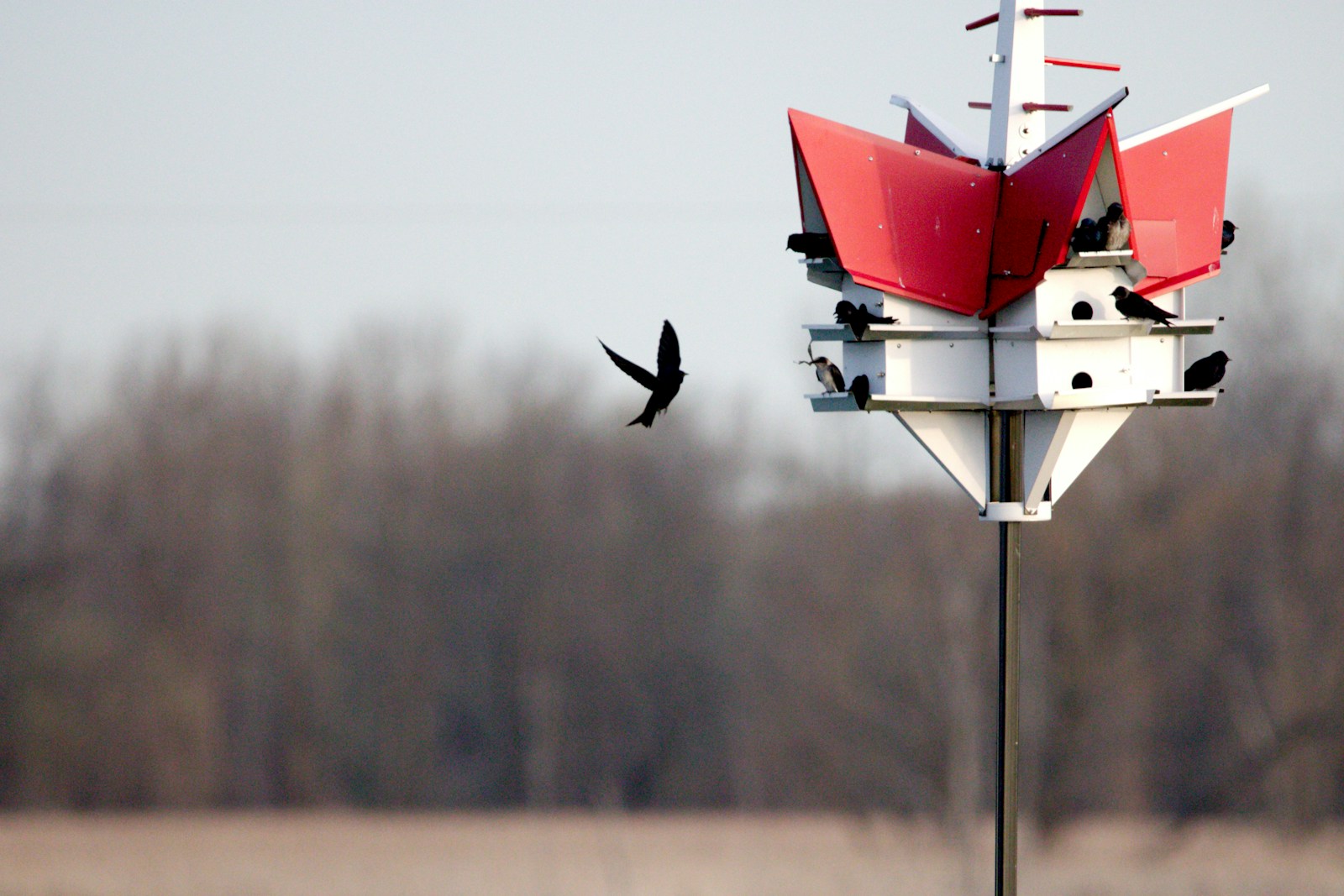
In a world where human activities increasingly transform natural landscapes, wild bird populations face unprecedented challenges. Habitat loss, climate change, and urban expansion have dramatically reduced the availability of natural nesting sites, leading to declining bird populations worldwide. Yet amid these conservation challenges, a simple yet effective solution has emerged: artificial nests. These human-made structures provide crucial breeding spaces for birds struggling to find suitable natural alternatives.
From wooden nest boxes hanging in suburban gardens to clay structures molded to mimic cliff dwellings, artificial nests have become powerful tools in avian conservation. This article explores how these crafted homes are helping diverse bird species recover their numbers and adapt to our changing world.
The Global Crisis of Declining Nesting Sites
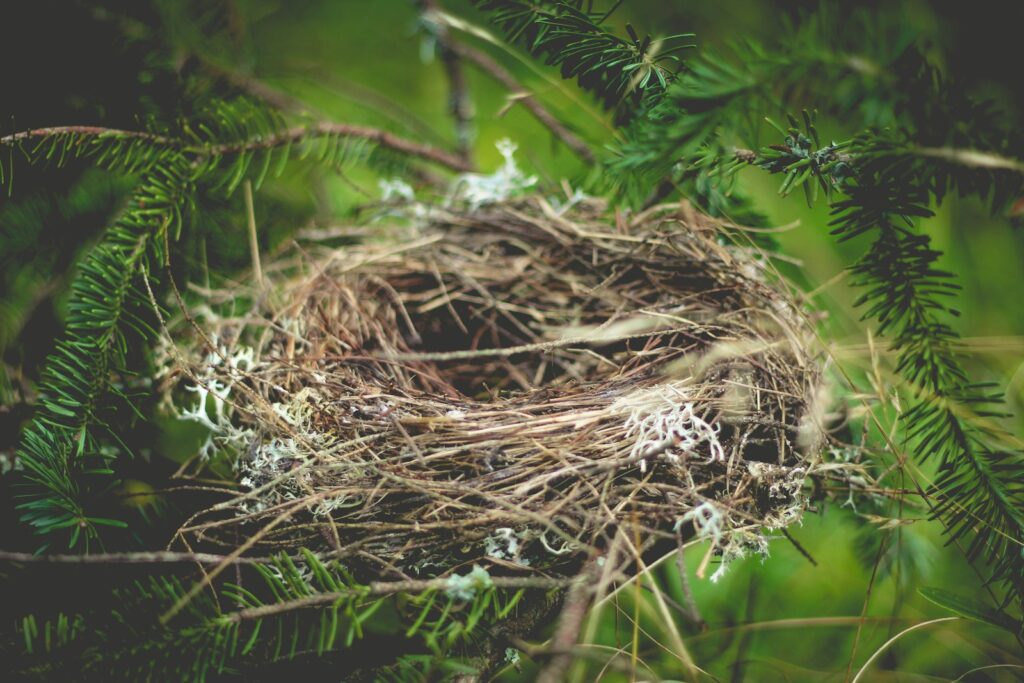
Natural nesting sites for birds are disappearing at an alarming rate across the globe. Old-growth forests with hollow trees, undisturbed meadows, and pristine wetlands continue to shrink as human development expands. Many bird species have evolved over millions of years to nest in specific environments, making them particularly vulnerable when these habitats vanish. For cavity-nesting birds like woodpeckers, owls, and bluebirds, the loss of mature trees with natural hollows has been especially devastating.
Coastal species face similar challenges as development encroaches on shorelines and wetlands, while cliff-dwelling birds find fewer undisturbed rocky outcrops. This widespread loss of nesting habitat has contributed significantly to the fact that nearly one in eight bird species worldwide now faces extinction risk.
The Science Behind Artificial Nest Design

Creating effective artificial nests requires careful attention to biological and behavioral science. Ornithologists study everything from the precise dimensions birds prefer to materials that provide proper insulation and protection from predators. Different species have highly specific requirements—bluebird boxes must have entrance holes exactly 1.5 inches in diameter to exclude competing starlings, while wood duck boxes need interior surfaces rough enough for ducklings to climb out. Temperature regulation is another critical factor, with researchers developing designs that prevent overheating in summer while providing sufficient warmth in spring.
Some advanced designs incorporate predator guards, proper ventilation systems, and drainage mechanisms to prevent nestlings from drowning during heavy rains. This science-based approach ensures artificial nests truly meet the biological needs of target species rather than simply appealing to human aesthetics.
Conservation Success Stories with Nest Boxes
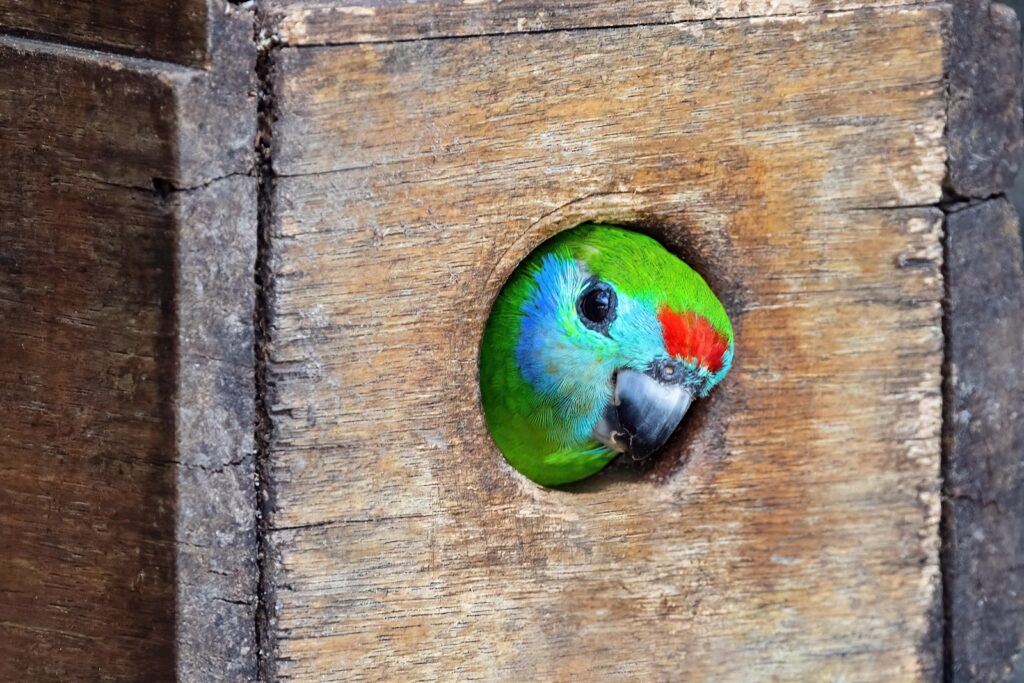
Numerous bird species have made remarkable recoveries thanks to artificial nest programs. Perhaps the most famous success story is that of the Eastern Bluebird, which declined by an estimated 90% in the early 20th century due to competition from introduced species and habitat loss. The widespread installation of specially designed bluebird nest boxes across North America helped the population rebound dramatically, with millions of bluebirds now using these artificial structures.
Similarly, the Wood Duck was threatened with extinction in the early 1900s due to overhunting and the loss of natural tree cavities, but rebounded thanks to nest box programs implemented across its range. In Europe, the White Stork has benefited from artificial platforms placed on rooftops and poles, helping this iconic species recover in regions where natural nesting sites had disappeared.
Urban Adaptations: Helping Birds Thrive in Cities
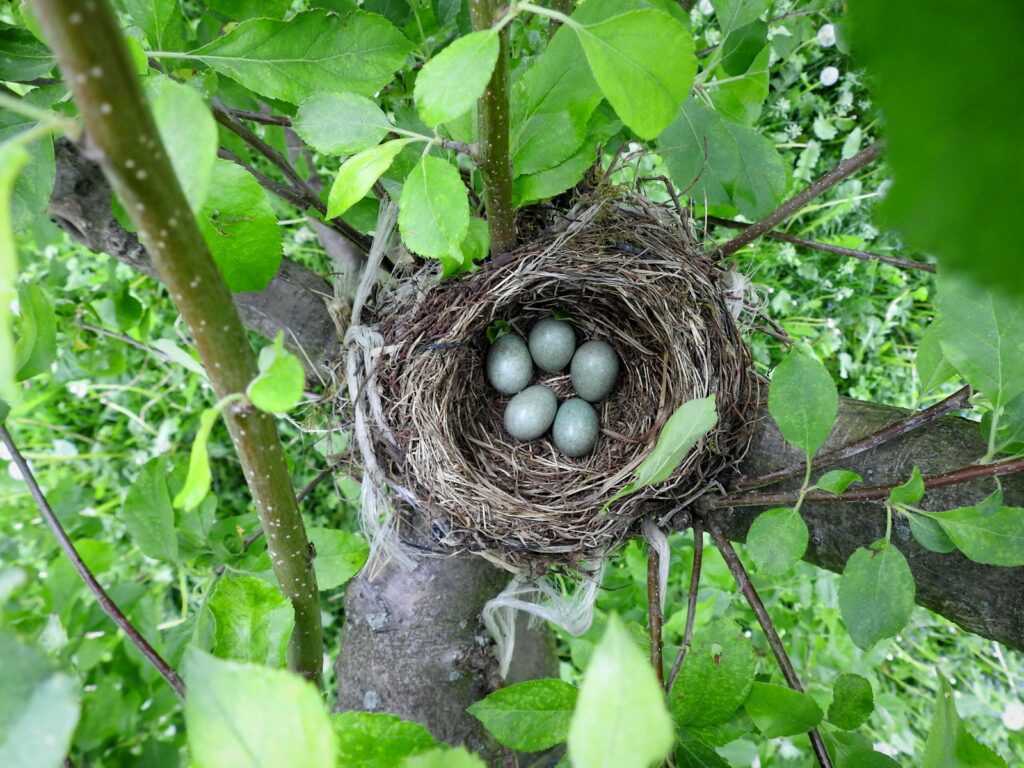
Artificial nests have proven particularly valuable in urban environments where natural nesting sites are scarce. Swift towers—tall structures containing multiple nesting chambers—have helped Common Swifts maintain populations in European cities where modern building practices have eliminated traditional nesting crevices. In North America, Chimney Swift towers provide alternatives as older brick chimneys are capped or demolished, giving these aerial insectivores new homes in urban areas.
Peregrine Falcons, once endangered, now successfully nest on purpose-built platforms on skyscrapers and bridges in cities worldwide, often achieving higher breeding success than their rural counterparts due to abundant prey and fewer natural predators. These urban adaptations demonstrate how artificial nests can transform seemingly inhospitable human landscapes into valuable habitat for specialized bird species.
Specialized Nests for Endangered Species
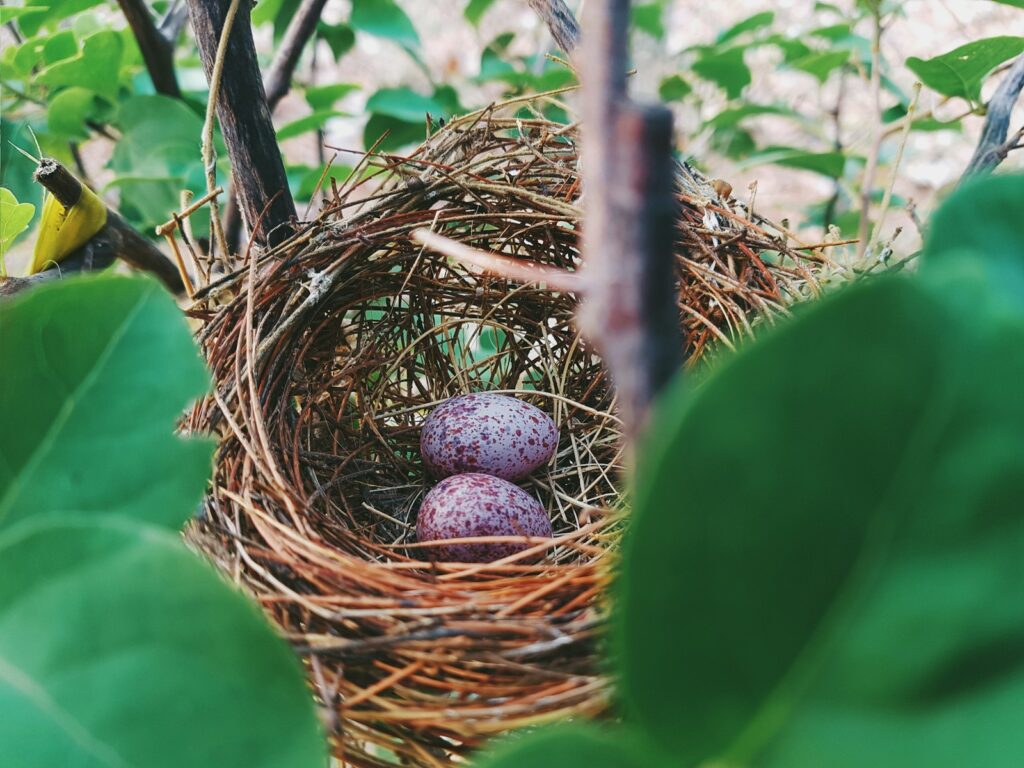
For critically endangered birds, custom-designed artificial nests have become vital conservation tools. The California Condor recovery program utilizes artificial nest caves that protect these massive birds from extreme weather and human disturbance while allowing biologists to monitor breeding activities. In New Zealand, specialized nest boxes with predator-proof entrances help protect the critically endangered Kakapo parrot from introduced mammals that have decimated its population. The Puerto Rican Parrot, reduced to just 13 individuals in the 1970s, has benefited from artificial nest structures designed to withstand hurricanes and resist predators.
For the Philippine Eagle, one of the world’s rarest raptors, artificial nest platforms in protected forest patches provide secure breeding sites where natural options have been lost to logging. These specialized approaches demonstrate how artificial nests can be tailored to the unique requirements of highly threatened species.
Community Science and Nest Box Programs
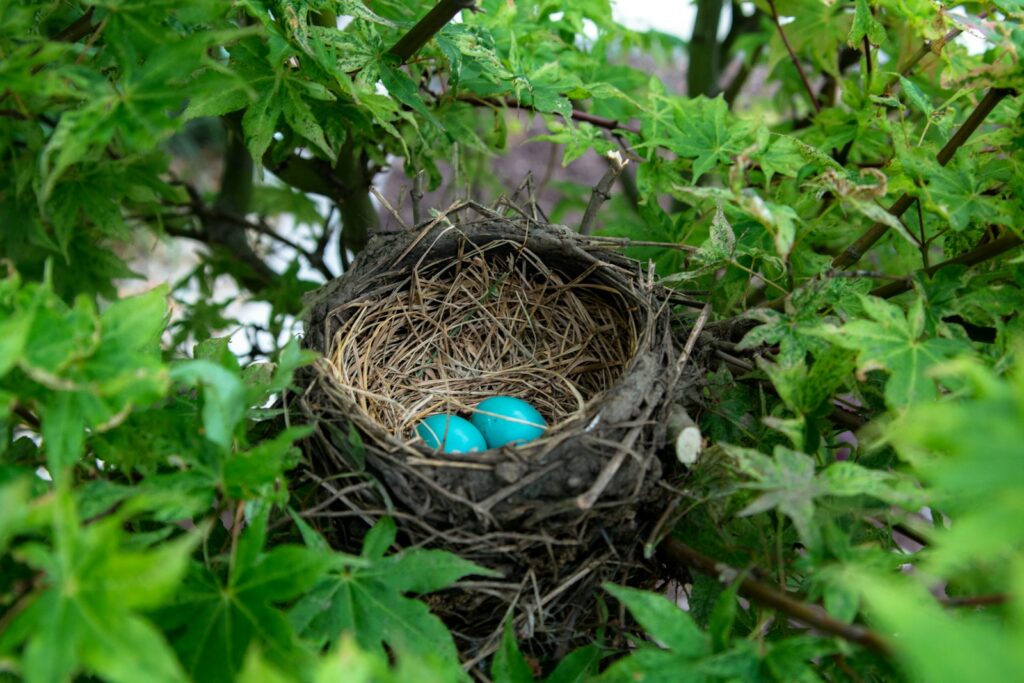
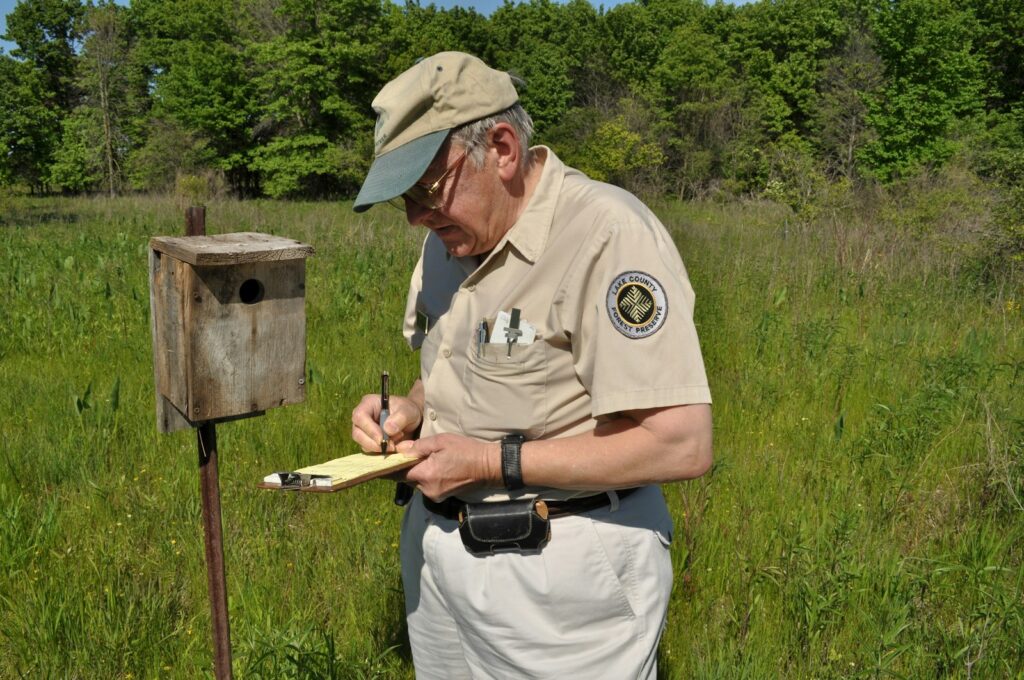
The widespread adoption of artificial nest programs has created valuable opportunities for public participation in conservation. Community science initiatives like NestWatch, run by the Cornell Lab of Ornithology, engage thousands of volunteers who monitor nest boxes and report breeding data that helps scientists track bird populations across continents. School programs where students build and monitor nest boxes provide hands-on science education while contributing to conservation efforts in their communities.
In rural areas, farmer-led initiatives to install barn owl boxes help control rodent populations naturally while supporting these declining predators. These participatory approaches not only expand the reach of artificial nest programs but also build public support for broader conservation efforts by creating personal connections between people and their local birds.
Materials Innovation in Artificial Nest Construction
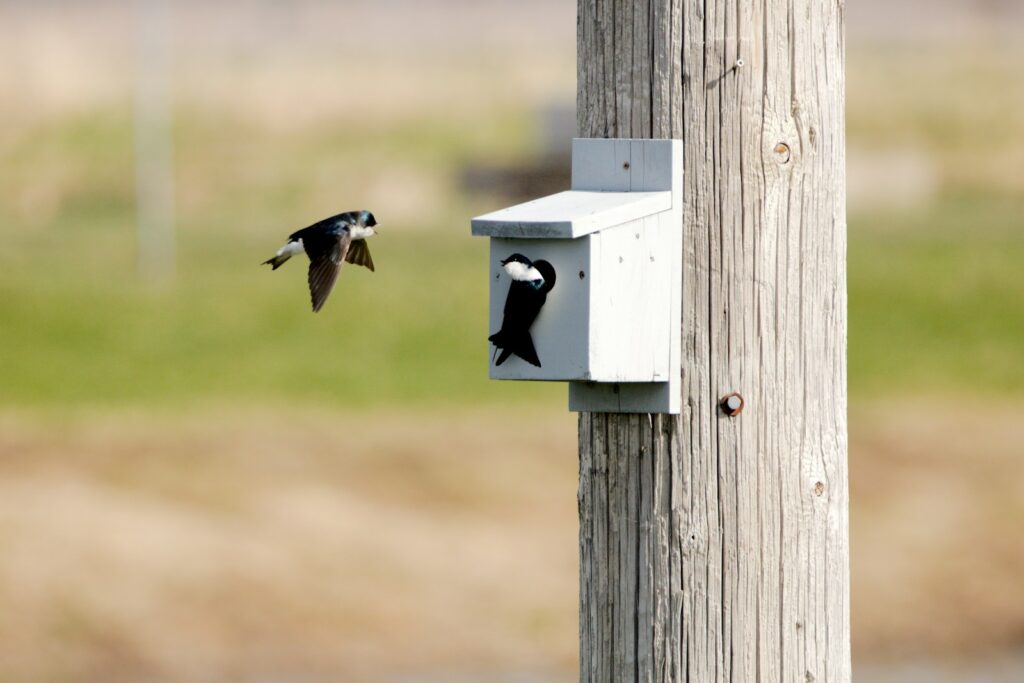
The materials used in artificial nests have evolved significantly from simple wooden boxes to incorporate new technologies and sustainability concerns. Researchers have developed composite materials that offer superior durability and insulation properties while resisting decomposition in harsh outdoor conditions. Recycled plastics now provide weather-resistant options that can last decades without maintenance, particularly valuable in remote conservation areas.
For seabirds, artificial burrows made from specialized concrete mixtures can withstand coastal storms while maintaining appropriate microclimate conditions inside. Some designs now incorporate natural materials like coconut fiber or compressed sawdust that eventually biodegrade after serving their purpose, reducing long-term environmental impact. These material innovations help ensure artificial nests perform effectively while addressing concerns about sustainability and long-term ecological footprints.
Challenges and Limitations of Artificial Nests
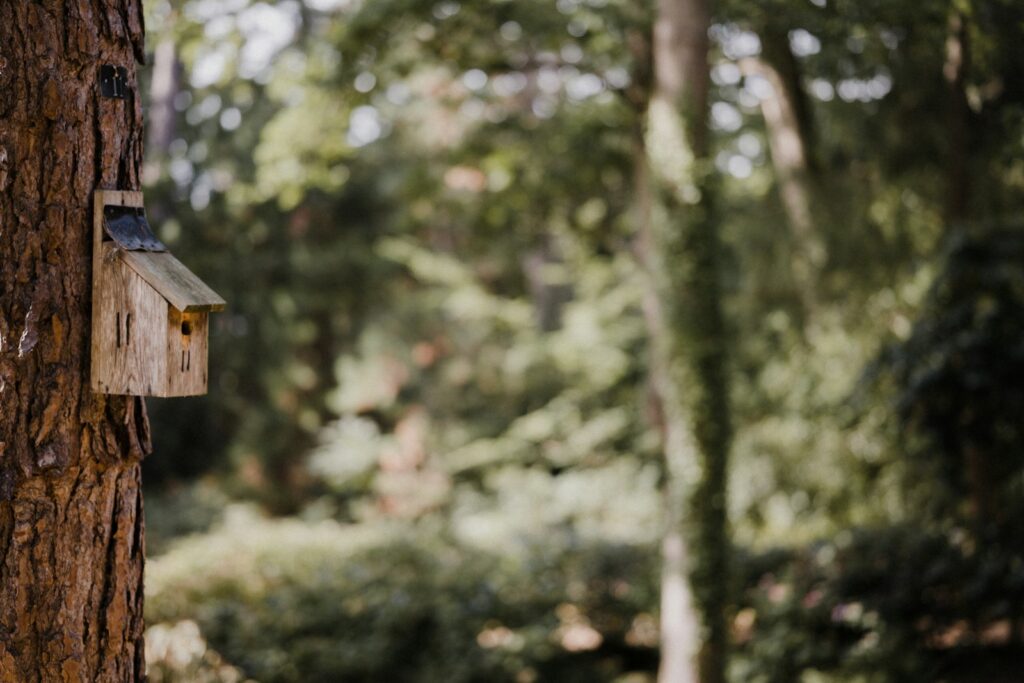
Despite their successes, artificial nests come with important limitations and potential problems that conservation programs must address. Improperly designed or placed structures can become ecological traps, attracting birds to breed in locations where they or their offspring face elevated predation risks or food shortages. Regular maintenance is essential, as neglected nest boxes can harbor parasites or diseases that harm the very species they aim to help.
Some critics argue that nest box programs may distract from the more fundamental need to preserve natural habitats. There’s also the risk that artificial nests could disproportionately benefit common, adaptable species while failing to address the complex needs of specialists with declining populations. These challenges highlight the importance of science-based design, ongoing monitoring, and integrating artificial nest programs within broader conservation strategies.
Artificial Nests for Water and Wetland Birds

Wetland and aquatic birds face unique nesting challenges that specialized artificial structures help address. Floating platforms anchored in lakes and ponds provide secure nesting sites for loons, grebes, and terns in areas where natural shoreline nesting habitat has been lost to development or recreation. For colonial waterbirds like herons and egrets, artificial nesting platforms in managed wetlands help maintain breeding populations where natural sites have disappeared. The endangered Common Tern benefits from specially designed raft colonies that protect eggs and chicks from mainland predators and fluctuating water levels.
In the United Kingdom, innovative “Sand Martin hotels”—artificial embankments with nesting tunnels—provide breeding habitat for these colonial swallows where natural riverbanks have been reinforced with concrete for flood control. These specialized adaptations demonstrate how artificial nests can be tailored to the unique requirements of waterbirds.
The Role of Artificial Nests in Climate Change Adaptation
As climate change alters habitats worldwide, artificial nests are playing an increasingly important role in helping birds adapt to new conditions. In regions experiencing more frequent extreme weather, reinforced nest structures provide birds with breeding sites that can withstand storms, floods, and temperature extremes that might destroy natural nests. For species shifting their ranges northward in response to warming temperatures, strategically placed artificial nests can facilitate colonization of new areas where suitable natural cavities may not yet exist.
Some innovative designs now incorporate cooling features like reflective surfaces or ventilation systems that help nestlings survive increasingly frequent heat waves. Research programs are also tracking how artificial nest usage patterns change with shifting climatic conditions, providing valuable data on how different species are responding to global warming.
Economic Benefits of Nest Box Programs
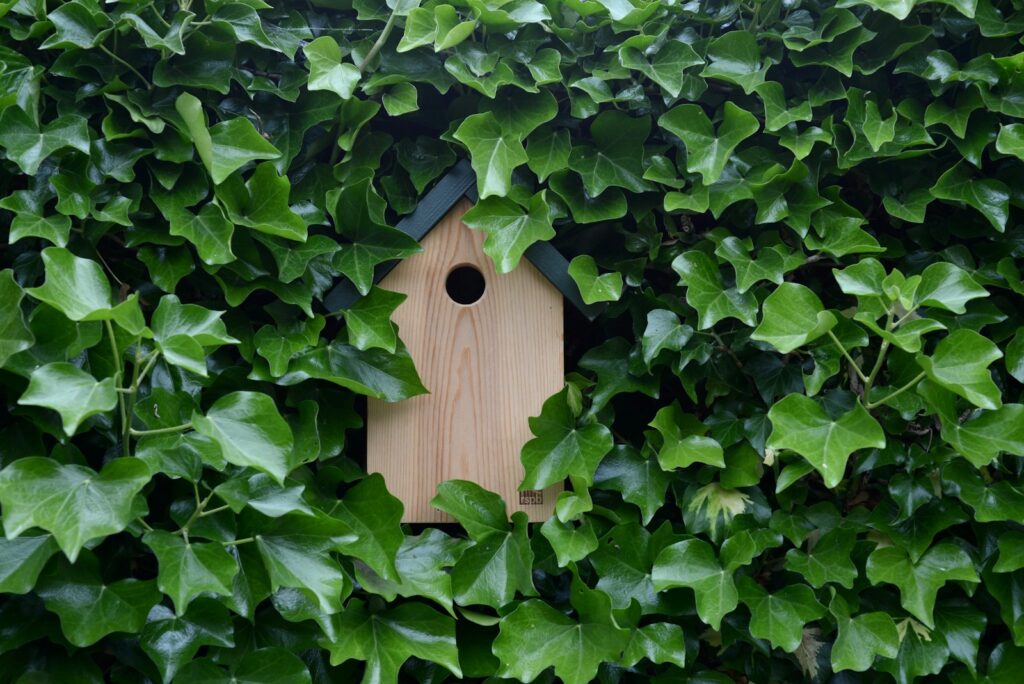
Beyond their conservation value, artificial nest programs generate significant economic benefits in many regions. Bird tourism associated with successful nest box colonies creates revenue for local communities, as exemplified by the Purple Martin houses that attract visitors to wildlife centers across eastern North America. Agricultural nest box programs that support insect-eating birds like swallows and bluebirds provide natural pest control services valued at millions of dollars annually.
In forestry settings, nest boxes for cavity-nesting birds help control insect outbreaks, reducing the need for chemical pesticides. The manufacturing and installation of artificial nests has itself become a small industry, creating jobs in conservation and wildlife management. These economic dimensions help build broader support for artificial nest initiatives beyond the conservation community.
Future Directions in Artificial Nest Technology
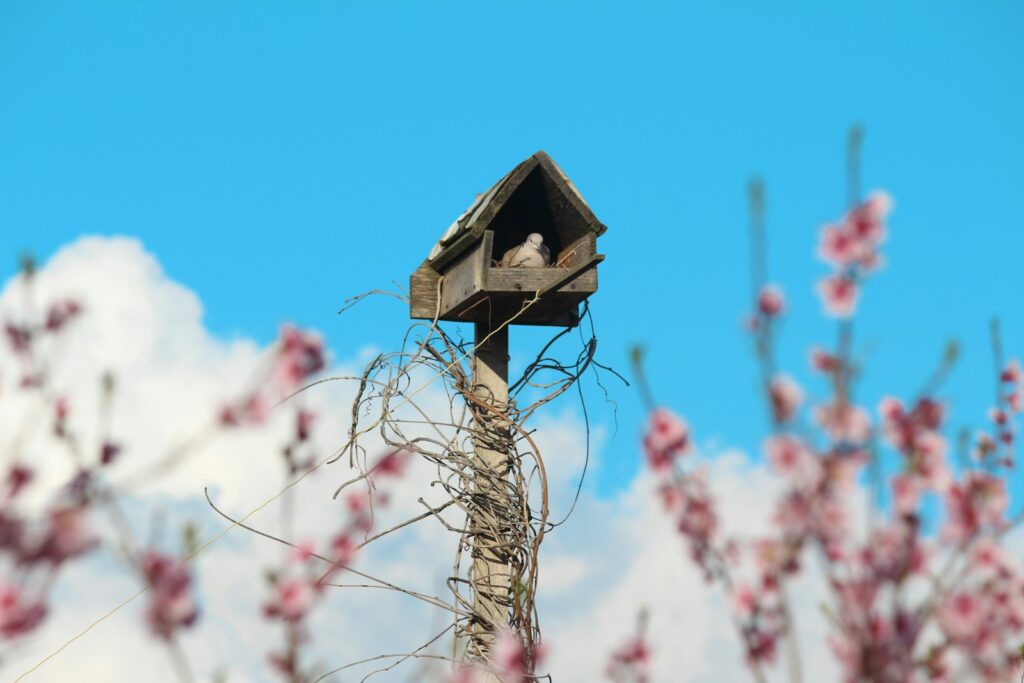
The field of artificial nest design continues to evolve with emerging technologies and research insights. Remote monitoring systems using miniature cameras and environmental sensors now allow researchers to study nesting behavior without disturbance while gathering valuable data on breeding success. 3D printing technologies are enabling the production of highly specialized nest structures with precise internal geometries tailored to specific species’ requirements. Researchers are exploring biomimicry approaches that more closely replicate the properties of natural nesting sites, including materials that mimic the temperature regulation characteristics of living trees.
Advanced modeling techniques now help conservation planners optimize the placement of artificial nests across landscapes to maximize their effectiveness. These innovations suggest artificial nests will play an increasingly sophisticated role in bird conservation as their designs continue to advance.
Conclusion: Innovative Nesting Solutions for Endangered Birds
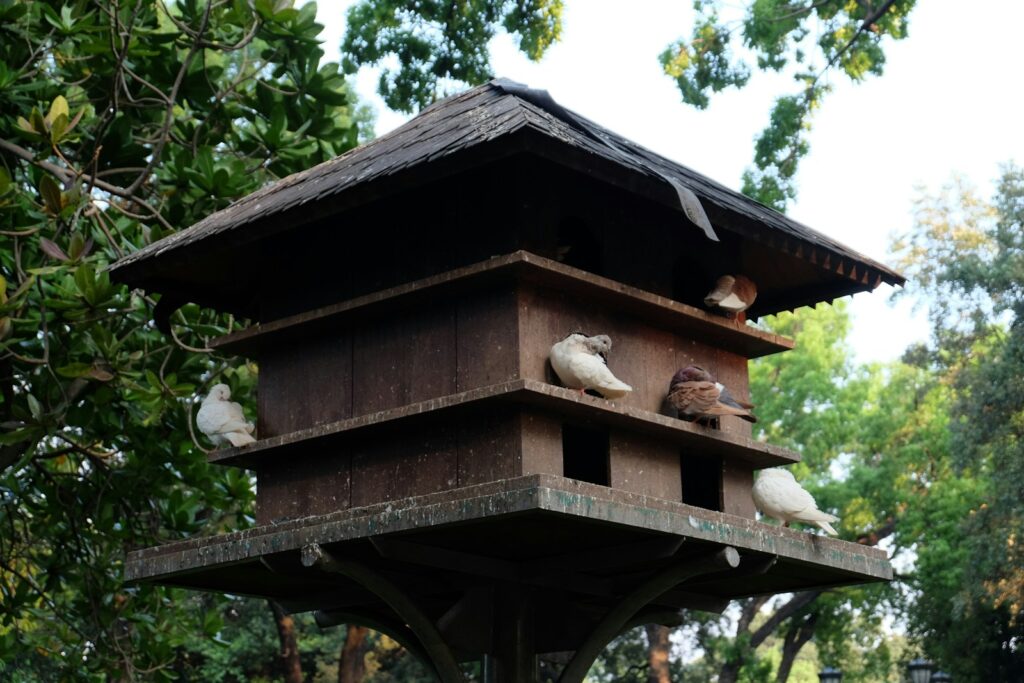
Artificial nests represent one of conservation’s most accessible and effective tools for supporting bird populations in our rapidly changing world. From simple backyard nest boxes to sophisticated engineered structures for endangered species, these human-made homes help bridge the growing gap between birds’ evolutionary needs and our modified landscapes. While they cannot replace the value of natural habitats, artificial nests offer critical support for birds adapting to a world increasingly shaped by human activity.
As climate change and habitat loss continue to pressure bird populations worldwide, these structures provide not just breeding sites but new possibilities for conservation partnerships between birds and humans. By continuing to refine and expand artificial nest programs based on sound science and community involvement, we can help ensure that future generations will still experience the joy of birds nesting, raising young, and thriving in our shared environments.