

When encountering wild animals, your survival may depend on understanding the right response: should you play dead or fight back? This critical decision varies dramatically depending on which animal you’re facing. Making the wrong choice could escalate the situation from dangerous to deadly. Fortunately, wildlife experts have developed species-specific recommendations based on decades of research and documented encounters. In this comprehensive guide, we’ll explore the proper defensive strategies for various animal encounters, helping you understand when to stand your ground and when to submit passively. Remember, knowledge of animal behavior isn’t just fascinating—in rare but serious wildlife encounters, it could save your life.
Understanding Animal Attack Motivations
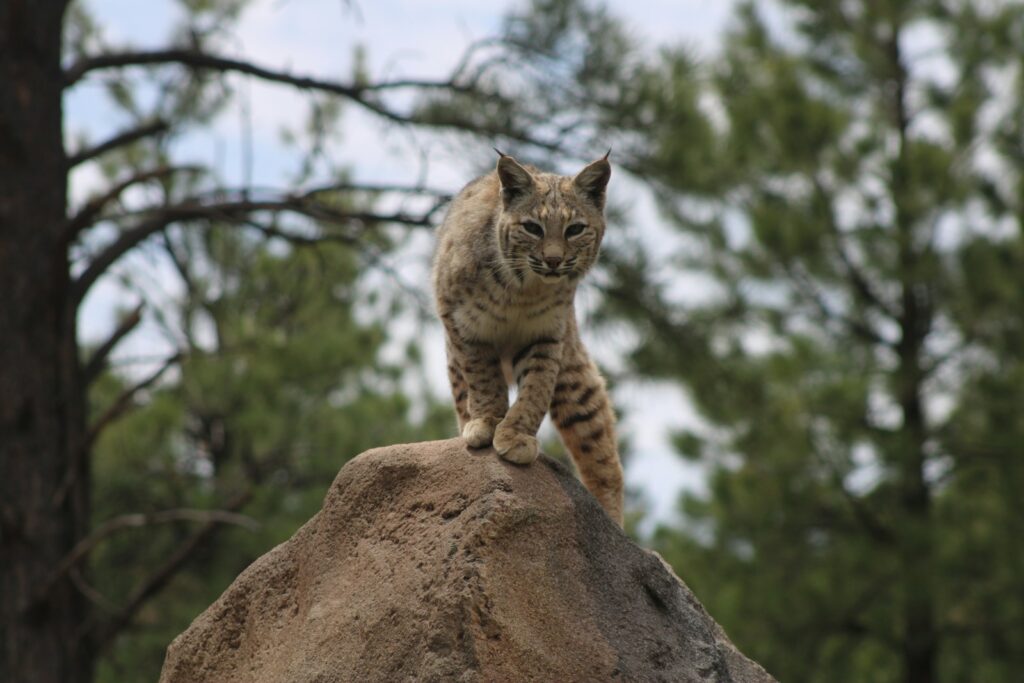
Before discussing specific tactics, it’s essential to understand why wild animals attack humans in the first place. Most wildlife attacks fall into one of three categories: defensive, predatory, or territorial. Defensive attacks occur when an animal feels threatened or cornered, particularly if protecting young. Predatory attacks, though rare, happen when an animal views humans as potential prey, typically when the animal is desperate or habituated to human presence. Territorial attacks result from animals defending their space, particularly during mating seasons or when resources are scarce. Understanding the motivation behind an attack can help inform your response—playing dead might work for a defensive bear that views you as a threat, but could be disastrous against a predatory mountain lion that sees you as food.
Bear Encounters: Black Bears vs. Grizzlies

Bear response strategies differ dramatically depending on the species you’re facing. With black bears, experts generally recommend standing your ground, making yourself look large, making noise, and fighting back aggressively if attacked—playing dead is typically ineffective because black bear attacks are rarely defensive. Grizzly bears, however, present a different scenario entirely; their attacks are usually defensive reactions to being startled or feeling threatened. If a grizzly attacks, the National Park Service recommends playing dead by lying flat on your stomach with your hands clasped behind your neck, legs spread to prevent being rolled over, and remaining still until the bear leaves the area. The one exception is if the attack persists for an extended period, which might indicate a predatory attack, in which case fighting back with all available resources becomes necessary.
Mountain Lion Confrontations

Playing dead is never recommended during mountain lion encounters, as these solitary predators rarely attack out of defense. If you spot a mountain lion, maintain eye contact, make yourself appear larger by raising arms and opening jackets, and speak loudly in a firm, authoritative voice. Back away slowly while facing the animal, never turning your back or running, which can trigger the cat’s chase instinct. Should a mountain lion attack, wildlife officials unanimously recommend fighting back with all available means—throw rocks or sticks, use pepper spray if available, and strike the animal’s eyes and nose. Your aggressive response often convinces the animal that you’re not easy prey, potentially ending the attack and saving your life.
Wolf and Coyote Strategies

Wolves and coyotes generally avoid human contact, but encounters can occur, particularly in areas where these animals have become habituated to people. Never play dead with canids, as this may actually encourage investigation or predatory behavior. Instead, maintain direct eye contact, stand tall, and back away slowly while facing the animal. If a wolf or coyote approaches, become aggressively loud—shout, clap hands, throw objects near (not at) the animal, and use air horns or whistles if available. In the extremely rare case of an attack, fight back vigorously, targeting sensitive areas like the nose and eyes. Remember that wolves are pack animals, so be aware of other pack members that might be nearby during an encounter.
Moose and Bison Encounters
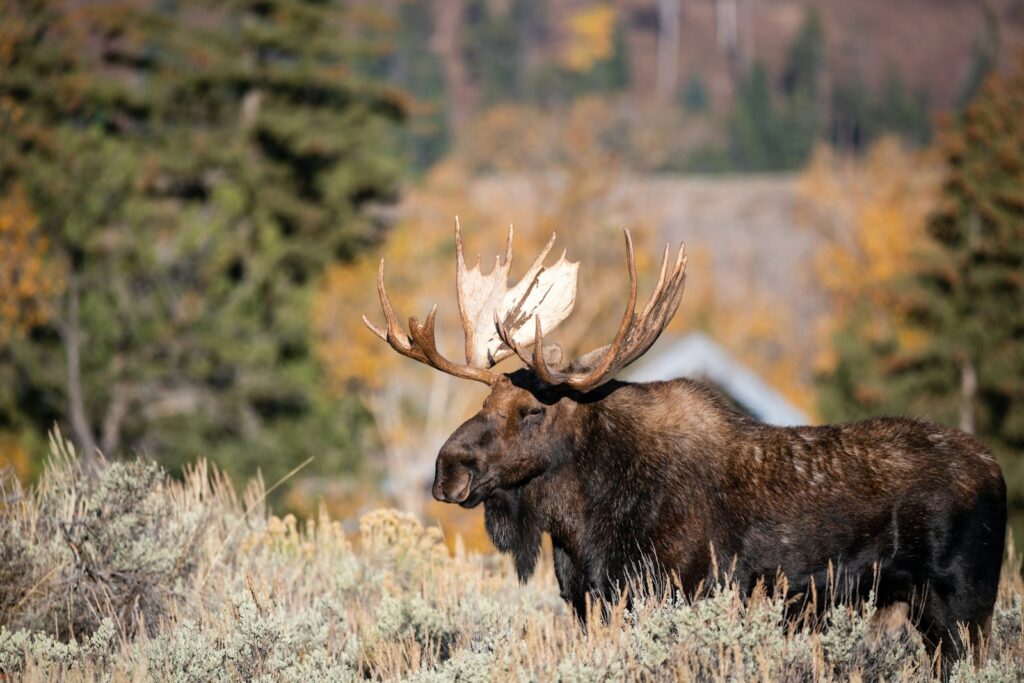
Large herbivores like moose and bison injure more people in North America annually than predators do, yet their danger is often underestimated. With these massive animals, playing dead is not recommended, as they may continue to trample or gore a perceived threat. If threatened by a moose or bison, create distance between yourself and the animal as quickly as possible—run away and put solid objects like trees, vehicles, or boulders between you and the animal. Unlike with predators, running from herbivores is actually the recommended strategy, as they don’t have the predatory instinct to chase you down. If you’re knocked down by a charging moose or bison, curl into a ball to protect vital organs and lie still only until you can safely escape, then move away quickly when the animal loses interest.
Alligator and Crocodile Tactics
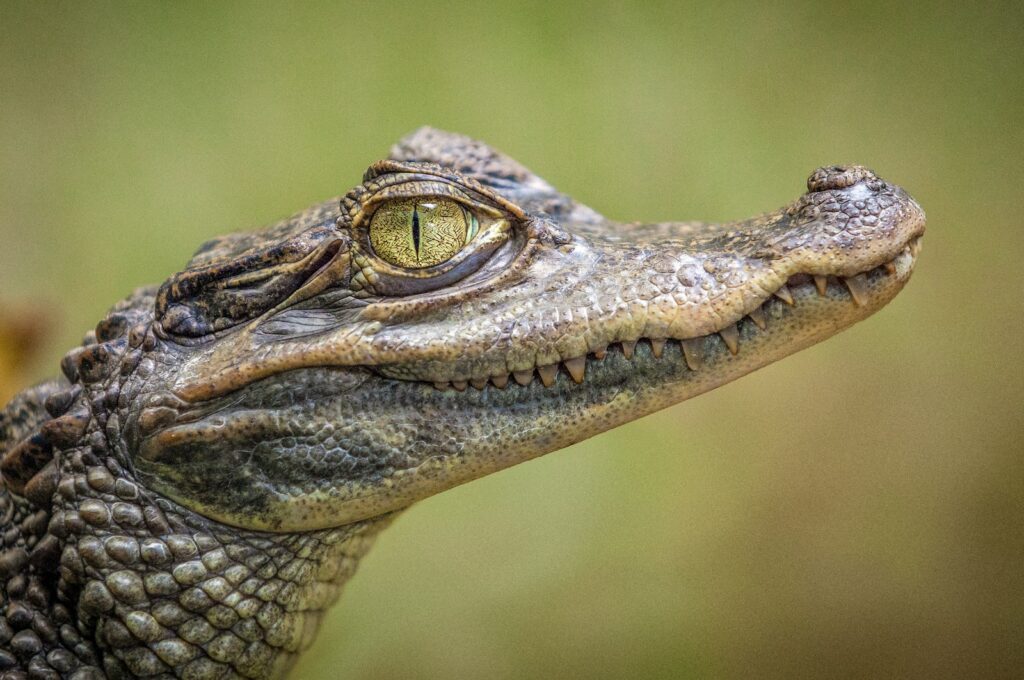
Encounters with large reptilian predators require specific response strategies, and playing dead is absolutely not recommended. If an alligator or crocodile hasn’t yet attacked, back away slowly and put as much distance between yourself and the animal as possible. Should an attack occur, fight back with maximum aggression, focusing on the animal’s most sensitive areas—the eyes and snout. Wildlife experts advise gouging the eyes and striking the snout forcefully, as these areas are particularly sensitive and may cause the reptile to release its grip. Once free, exit the area immediately, as these predators are capable of explosive bursts of speed over short distances. Remember that alligators and crocodiles have extremely powerful bite force but relatively weak muscles for opening their jaws, so if bitten, focusing your resistance on keeping the mouth closed rather than trying to pry it open can be effective.
Shark Encounter Responses

While exceedingly rare, shark attacks require a response contrary to what many assume—playing dead in water is never advised. If you spot a shark while swimming, maintain visual contact while calmly moving toward an exit point such as a boat or shore. Should a shark attack, marine wildlife experts recommend fighting back aggressively, targeting the animal’s sensitive areas, particularly the eyes, gills, and snout. Use whatever you have available—fists, cameras, dive equipment—to strike these areas with as much force as possible. Shark attack survivors often report that aggressive resistance caused the shark to release them and swim away. Once free, exit the water as quickly as possible while minimizing splashing and movement that might attract further attention from the predator.
Snake Bite Prevention and Response

With venomous snakes, neither playing dead nor fighting back is the correct approach—prevention and appropriate medical response are key. If you encounter a snake, give it space and back away slowly; most snakes will not pursue humans and bite only when they feel threatened. If bitten by a venomous snake, the outdated advice to “cut and suck” the venom or apply a tourniquet has been replaced with more effective protocols. Keep the bite area below heart level if possible, remove jewelry or tight clothing near the bite site before swelling begins, and seek medical attention immediately while remaining as calm and still as possible to slow venom spread. Never attempt to catch or kill the snake for identification, as this increases your risk of additional bites; instead, try to note its appearance from a safe distance to help medical professionals determine appropriate antivenin treatment.
Defensive Strategies for Elephant Encounters
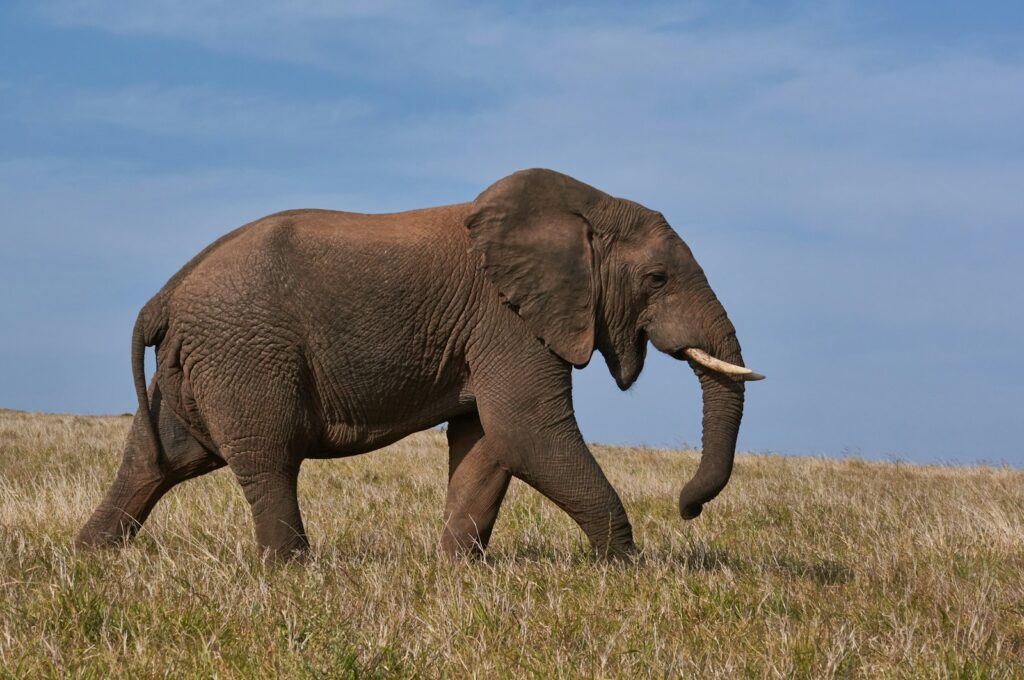
Elephants, despite their generally peaceful nature, can be extremely dangerous when threatened, particularly mothers with calves or males in musth (a periodic condition characterized by highly aggressive behavior). Playing dead with elephants is not recommended, as these intelligent animals may investigate further or even intentionally trample a perceived threat. If an elephant displays threatening behavior such as ear-flapping, trunk-raising, or mock charges, back away slowly without turning your back, maintain a calm demeanor, and speak in a soft, reassuring voice. Should an elephant charge, wildlife experts recommend running in a zig-zag pattern toward cover such as large trees or vehicles, as elephants can reach speeds of 25 mph but have difficulty with quick directional changes. In areas with known elephant populations, carry small air horns or whistles, as sudden loud noises may startle an elephant into breaking off a charge.
Wild Boar and Feral Pig Defense
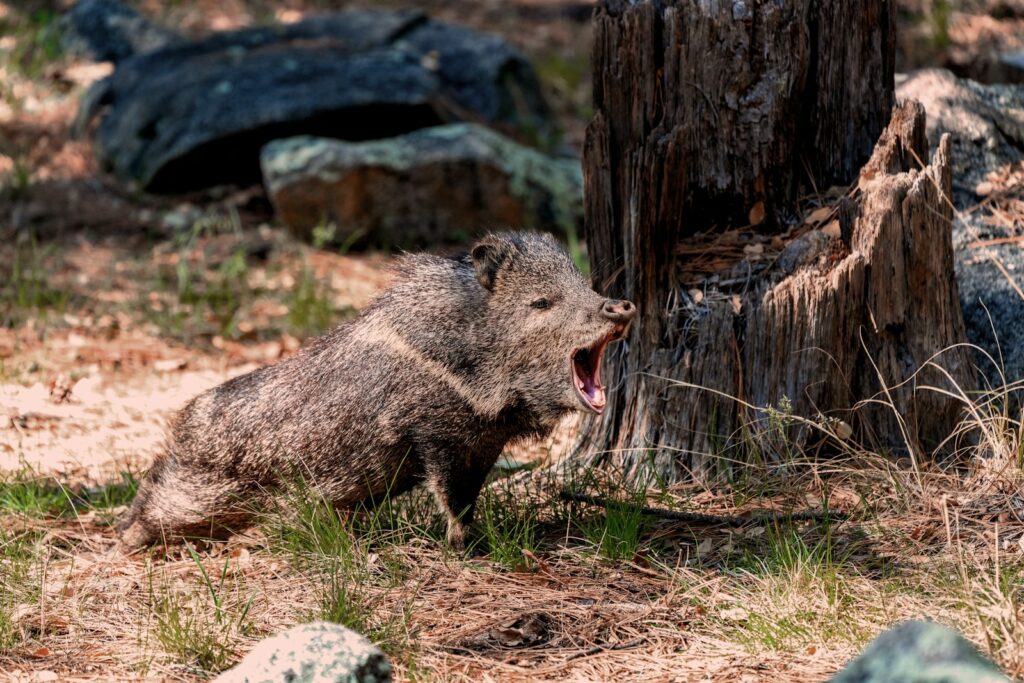
Wild boars and feral pigs are increasingly common in many regions and can be surprisingly aggressive, with sharp tusks capable of inflicting serious wounds. Playing dead is not advised with these animals, as they may continue to attack a prone victim. If you encounter a wild boar, try to remain calm and slowly move away without turning your back. Should the animal charge, wildlife management experts recommend climbing a tree if possible, as boars cannot climb. If escape isn’t possible, prepare to fight back by targeting the animal’s face, particularly the sensitive snout area, using sticks, rocks, or other available objects. Unlike with bears, where predatory attacks are rare, wild boars may attack aggressively for territorial reasons, so a vigorous defense is warranted if charged.
Dealing with Aggressive Primates

Primates present unique challenges during encounters, particularly species like baboons, chimpanzees, and macaques that can be territorial and aggressive. Playing dead is not recommended with primates, as these intelligent animals may continue to investigate or attack. If confronted by an aggressive primate, avoid direct eye contact, which can be interpreted as a challenge, but don’t completely turn away either. Display submission by hunching slightly and making yourself appear smaller, while slowly backing away. Never show teeth by smiling, as primates interpret this as a threat display. If attacked, wildlife experts recommend fighting back while protecting your face and neck, as primates often target these vulnerable areas. In tourist areas with habituated monkeys, be particularly cautious about food items, as primates can become aggressive when seeking human food.
The Psychology of Survival
Beyond specific animal tactics, understanding the psychological aspects of wildlife encounters can significantly improve survival outcomes. Research shows that maintaining mental clarity during animal confrontations is perhaps the most crucial factor in surviving them. The human brain’s tendency toward “fight, flight, or freeze” responses can work against us if panic sets in, leading to poor decision-making or complete physical immobility. Wilderness survival experts recommend developing a “survival mindset” through mental rehearsal of potential wildlife encounters before venturing into animal habitats. This preparation helps reduce the paralyzing effects of fear when faced with actual dangers. Studies of wildlife attack survivors consistently show that those who maintained situational awareness and responded appropriately to the specific threat had dramatically better outcomes than those who panicked or froze in fear.
Prevention: The Best Defense Strategy

While knowing how to respond during an animal encounter is crucial, prevention remains the most effective survival strategy. Before venturing into wildlife habitats, research the animals native to the area and understand their behavior patterns and seasonal activities. When hiking, make noise to avoid surprising animals, particularly in areas with limited visibility or near water sources. Store food properly using wildlife-resistant containers and never feed wild animals, which can lead to habituation and loss of natural fear of humans. Travel in groups when possible, as most wildlife attacks involve solitary hikers or campers. Carry appropriate deterrents like bear spray when in predator country, and learn how to use them effectively before your trip. Remember that most wild animals prefer to avoid human contact, and by practicing proper wilderness etiquette, you significantly reduce your risk of dangerous encounters.
In conclusion, the decision to play dead or fight back during a wildlife encounter depends entirely on the species involved and the context of the interaction. There is no one-size-fits-all approach to animal encounters, which is why education about specific wildlife behavior is so crucial for outdoor enthusiasts. By understanding animal attack motivations and species-specific defensive strategies, you can make informed decisions during those critical moments when proper response could mean the difference between life and death. While wildlife attacks remain statistically rare, preparation and knowledge turn potentially deadly situations into survival stories. Remember that most animals want to avoid human confrontation as much as we want to avoid them—respect their space and behavior, and both species benefit from peaceful coexistence.