
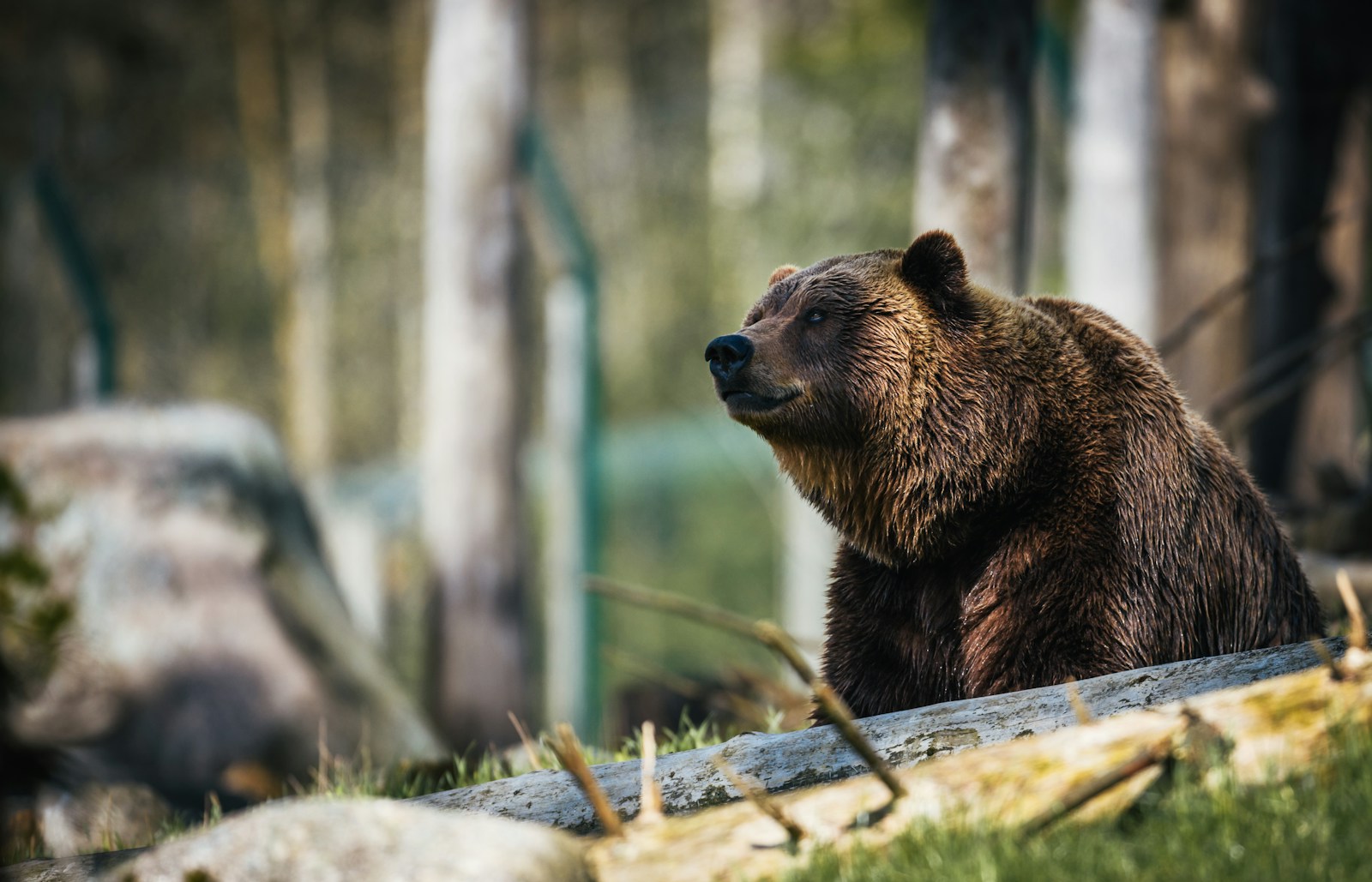
Encountering wildlife can be an exhilarating experience that connects us with the natural world. Whether it’s spotting a fawn nestled in tall grass, discovering a baby bird that’s fallen from its nest, or observing a fox crossing your property, these moments often trigger our nurturing instincts. The impulse to help or interact with wild animals comes from a place of compassion, but wildlife protection laws exist for profound ecological and ethical reasons. This article explores the complex legal, ecological, and ethical frameworks that make touching or relocating wild animals not just inadvisable but often illegal, and offers guidance on how to appreciate wildlife responsibly.
Legal Frameworks Protecting Wildlife
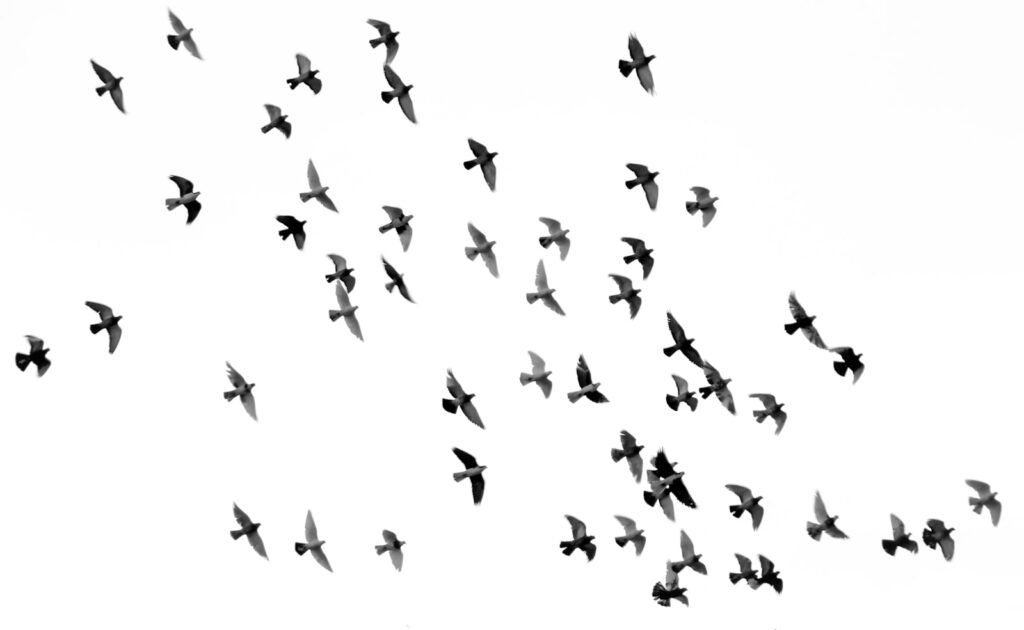
Wildlife protection laws exist at federal, state, and local levels, creating a comprehensive shield for animals in their natural habitats. The Migratory Bird Treaty Act protects over 1,000 bird species, making it illegal to possess, transport, or disturb these birds without proper permits. The Endangered Species Act extends further protections to threatened and endangered wildlife, prohibiting harassment or harm to these vulnerable populations. State wildlife codes vary but typically require permits for wildlife rehabilitation or relocation, with violations potentially resulting in significant fines or even imprisonment. These laws weren’t created arbitrarily but developed through decades of conservation science and policy evolution to safeguard biodiversity.
The Ecological Impact of Human Interference
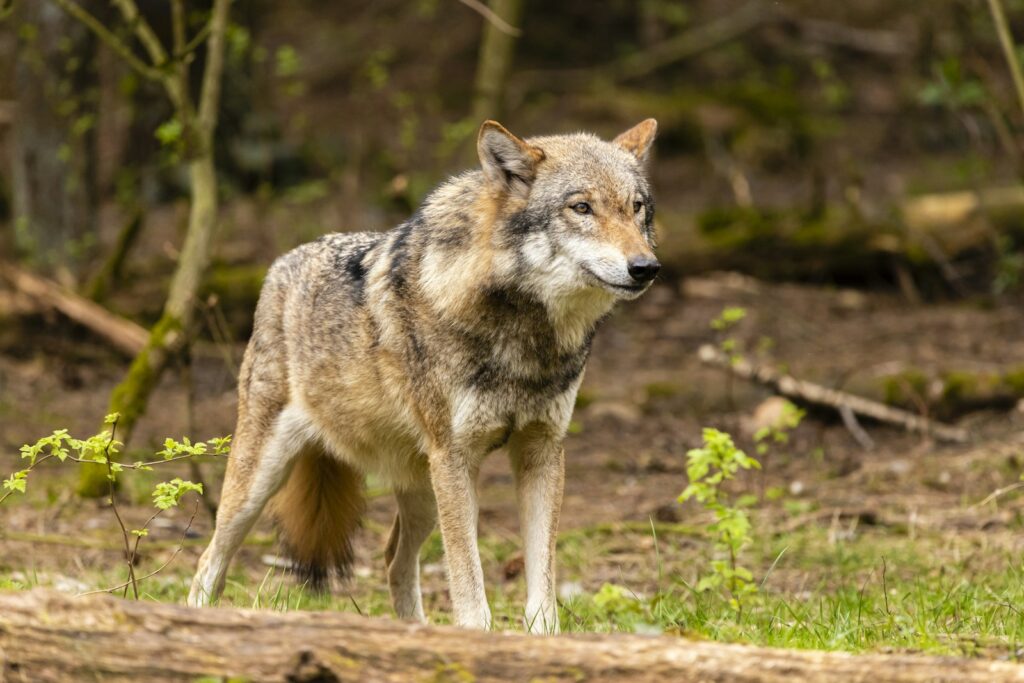
When humans interfere with wildlife, even with good intentions, they can disrupt delicate ecological balances that have evolved over millennia. Animals play specific roles in their ecosystems as predators, prey, pollinators, or seed dispersers, and removing them can create ripple effects throughout the food web. For example, relocating a predator like a coyote can lead to overpopulation of prey species like rabbits, which may then decimate local vegetation. Additionally, animals develop complex relationships with their territories, including knowledge of food sources, shelter locations, and escape routes from predators. When forcibly relocated, they lose this crucial environmental familiarity, significantly reducing their survival chances in unfamiliar territory.
Disease Transmission Concerns
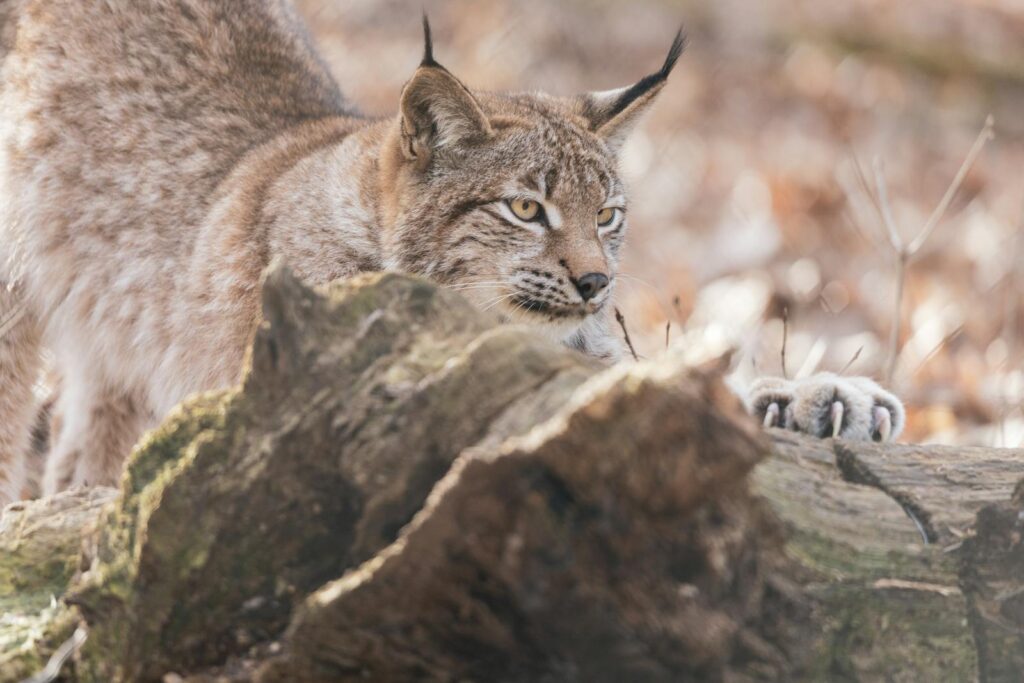
Direct contact with wildlife presents serious zoonotic disease risks, creating dangers for both humans and animals. Rabies, hantavirus, salmonellosis, and leptospirosis are just a few of the diseases that can jump from wildlife to humans through physical contact, bites, or exposure to animal waste. Wildlife may also carry parasites like ticks and fleas that can transmit Lyme disease or plague to humans. From the animal’s perspective, humans can introduce pathogens to wildlife populations that have no natural immunity to these new threats. This bidirectional disease transmission risk represents one of the most compelling reasons why wildlife agencies strongly discourage physical contact with wild animals under any circumstances.
The “Abandoned Baby” Misconception
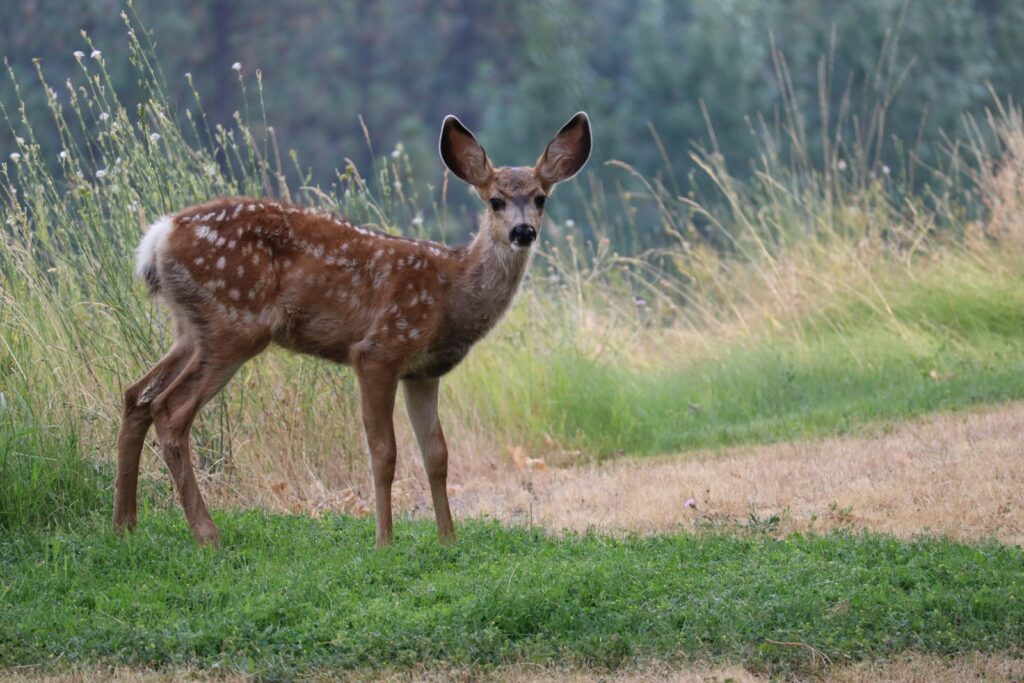
One of the most common scenarios leading to illegal wildlife handling occurs when well-meaning people discover seemingly abandoned baby animals. Many species, particularly deer, rabbits, and many birds, have evolved parenting strategies where mothers deliberately stay away from their young for extended periods to avoid drawing predator attention. Fawns, for instance, are left alone for up to 12 hours while their mothers forage, relying on their natural camouflage and lack of scent for protection. Well-intentioned humans often misinterpret this natural behavior as abandonment and “rescue” these animals unnecessarily. Wildlife rehabilitation centers report that many healthy wild babies are brought in each year that would have been better left alone, creating unnecessary strain on these facilities and potentially condemning animals to lives in captivity.
Imprinting and Habituation Problems
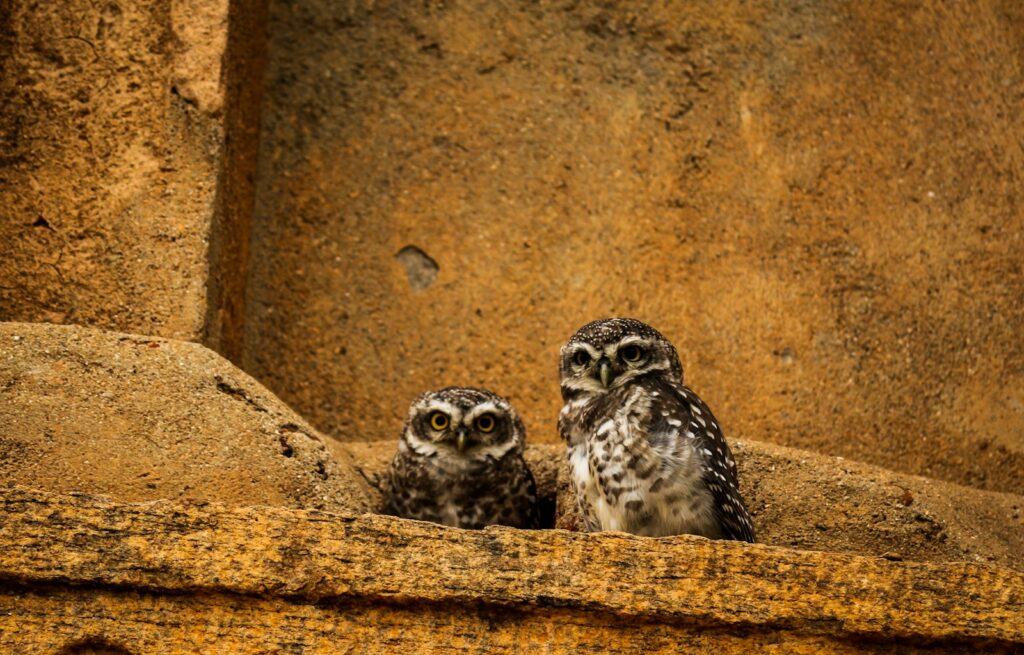
Young wildlife that spends time with humans during critical developmental periods can experience imprinting, a psychological process where they identify more with humans than with their own species. This process can occur rapidly—sometimes within just hours or days of human contact—and is often irreversible. Imprinted animals typically cannot be released back into the wild because they lack appropriate survival behaviors and may approach humans in dangerous situations. Similarly, habituation occurs when wildlife loses its natural fear of humans through repeated non-threatening encounters. Habituated animals often seek out human environments, leading to potentially dangerous human-wildlife conflicts, property damage, and ultimately, the euthanasia of “problem” animals that could have lived natural lives had they maintained their instinctive wariness of people.
Wildlife Rehabilitation: The Legal Alternative
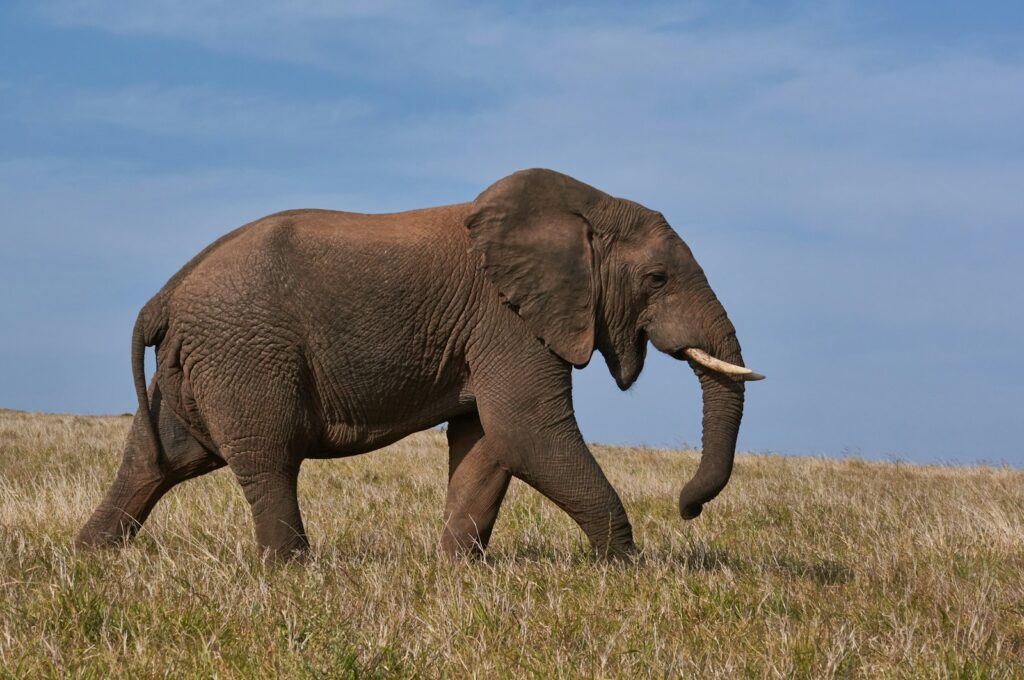
Licensed wildlife rehabilitators represent the appropriate alternative when wild animals genuinely need human assistance. These dedicated professionals undergo extensive training and certification to properly care for injured, orphaned, or diseased wildlife with the ultimate goal of returning healthy animals to their natural habitats. Rehabilitators work under strict permits issued by state wildlife agencies and follow established protocols designed to minimize human imprinting while maximizing rehabilitation success. They maintain specialized facilities equipped for different species’ needs and have access to veterinary resources specific to wildlife care. Before intervening with any wild animal, the public should contact these licensed professionals who can assess whether an animal truly needs help and provide guidance on the next appropriate steps.
The Risks of Amateur Wildlife “Rescue”
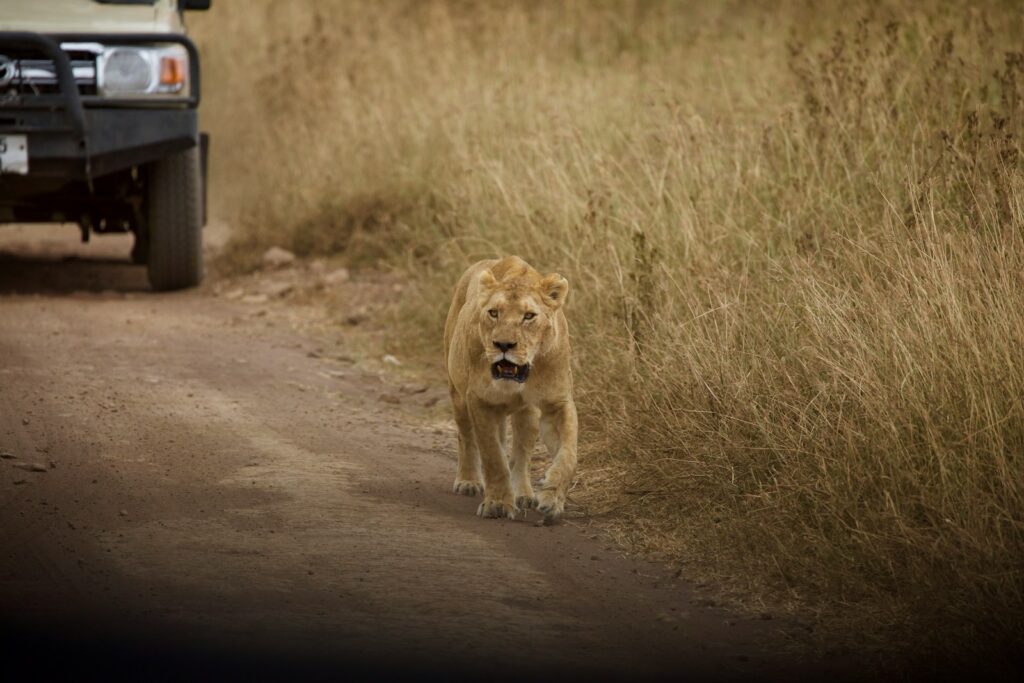
Amateur attempts to rescue or rehabilitate wildlife often end tragically despite good intentions. Wild animals have specialized dietary and environmental needs that differ dramatically from domestic animals, and improper care can lead to metabolic disorders, nutritional deficiencies, or fatal digestive issues. For example, feeding cow’s milk to orphaned wild mammals frequently causes severe diarrhea and dehydration, as most species cannot digest lactose. Inappropriate housing can create stress-related illnesses or physical injuries as animals attempt to escape confinement. The psychological stress of captivity itself can compromise immune function, making animals more susceptible to disease. Moreover, animals raised by untrained individuals typically lack the skills necessary for survival upon release, essentially condemning them to death when amateur caretakers eventually attempt to return them to the wild.
The Special Case of “Nuisance” Wildlife
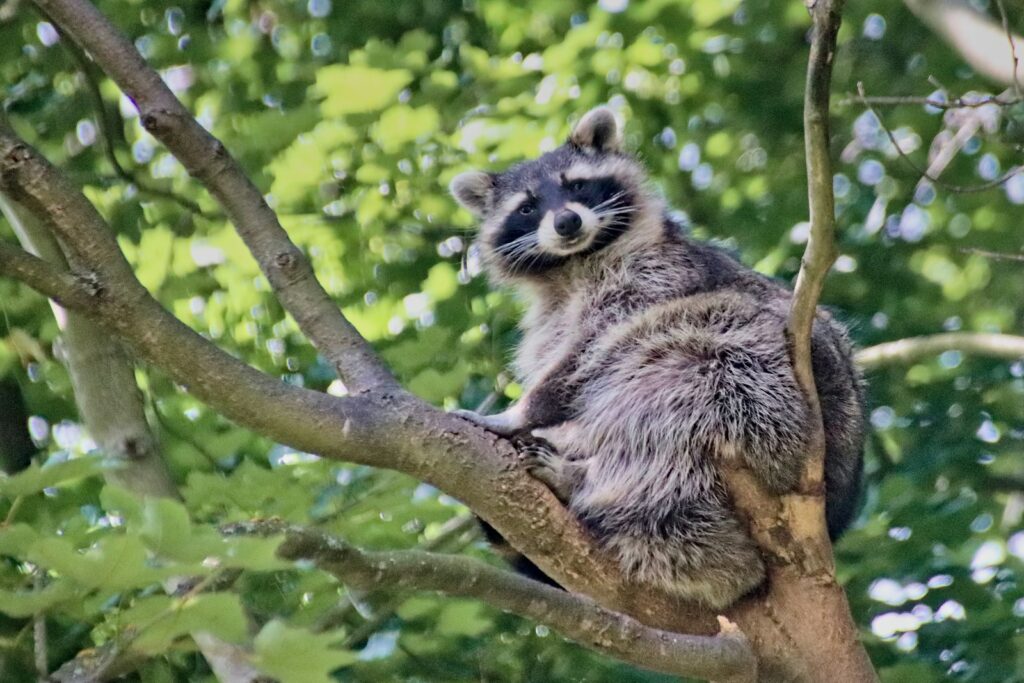
Conflicts arise when wildlife enters human spaces, damaging property or creating perceived safety concerns. Many homeowners mistakenly believe they can legally trap and relocate animals like raccoons, squirrels, or opossums that have become nuisances. However, most states strictly regulate or prohibit the relocation of wildlife, even from private property. These regulations exist because relocated animals often die trying to return to their territories, face aggression from established wildlife in new areas, or spread diseases to previously unaffected populations. Instead, wildlife management experts recommend addressing the root causes attracting wildlife to human spaces, such as securing trash, removing food sources, and sealing entry points to structures. Professional wildlife control operators can legally address persistent problems using humane methods that comply with local regulations.
Cultural and Ethical Considerations

Our relationship with wildlife is deeply influenced by cultural perspectives and evolving ethical frameworks around animal welfare and rights. Many indigenous cultures maintain traditional relationships with wildlife based on respect, reciprocity, and sustainable use, often with legal exemptions for cultural practices. Modern conservation ethics increasingly recognize the intrinsic value of wildlife beyond their utility to humans, supporting the principle that wild animals deserve to live natural lives free from unnecessary human interference. Ethical wildlife photography and observation emphasize minimal disturbance principles, maintaining safe distances, and prioritizing animal welfare over perfect pictures or close encounters. These ethical approaches acknowledge that even seemingly harmless interactions can create cumulative stress impacts when multiple people engage in the same behaviors toward wildlife.
When Wildlife Enters Human Spaces

When wild animals enter homes, garages, or other human structures, panic often leads to illegal handling or inhumane removal methods. Instead, wildlife experts recommend first determining whether the animal truly needs assistance or removal. For example, bats that accidentally fly into homes can usually exit on their own if lights are turned off and windows opened. Small birds can be gently guided toward open doors or windows using a blanket held at a distance to create directional movement. For more complicated situations involving larger animals or those behaving abnormally, the appropriate response is contacting animal control services or wildlife officials with proper training and equipment. These professionals can safely remove animals while minimizing stress and injury risks to both the animal and humans involved.
Appropriate Ways to Appreciate Wildlife
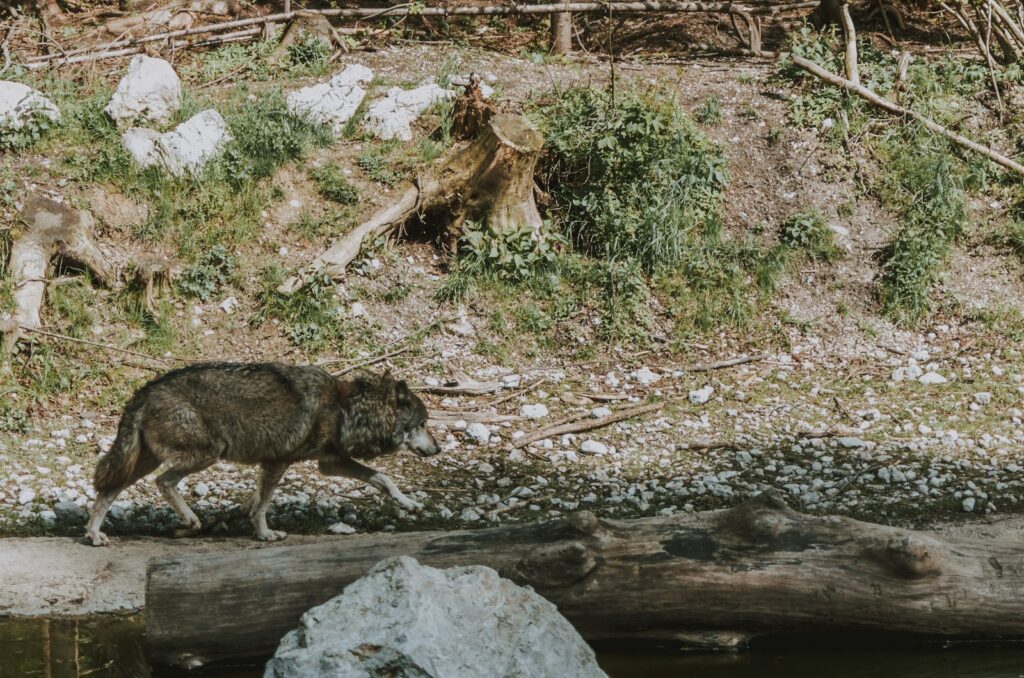
The desire to connect with wildlife can be fulfilled through legal, ethical alternatives that protect both animals and ecosystems. Wildlife photography using telephoto lenses allows close observation without physical proximity that might disturb natural behaviors. Citizen science projects enable meaningful contributions to wildlife conservation through data collection on species sightings, migrations, or breeding activities. Creating wildlife-friendly habitats on private property with native plants, water sources, and natural shelter attracts wildlife for observation while supporting biodiversity. Volunteering with wildlife rehabilitation centers or conservation organizations provides hands-on experience with wildlife under proper supervision and training. These alternatives satisfy our natural curiosity about wildlife while respecting the boundaries necessary for wild animals to remain truly wild.
Teaching Children About Wildlife Boundaries
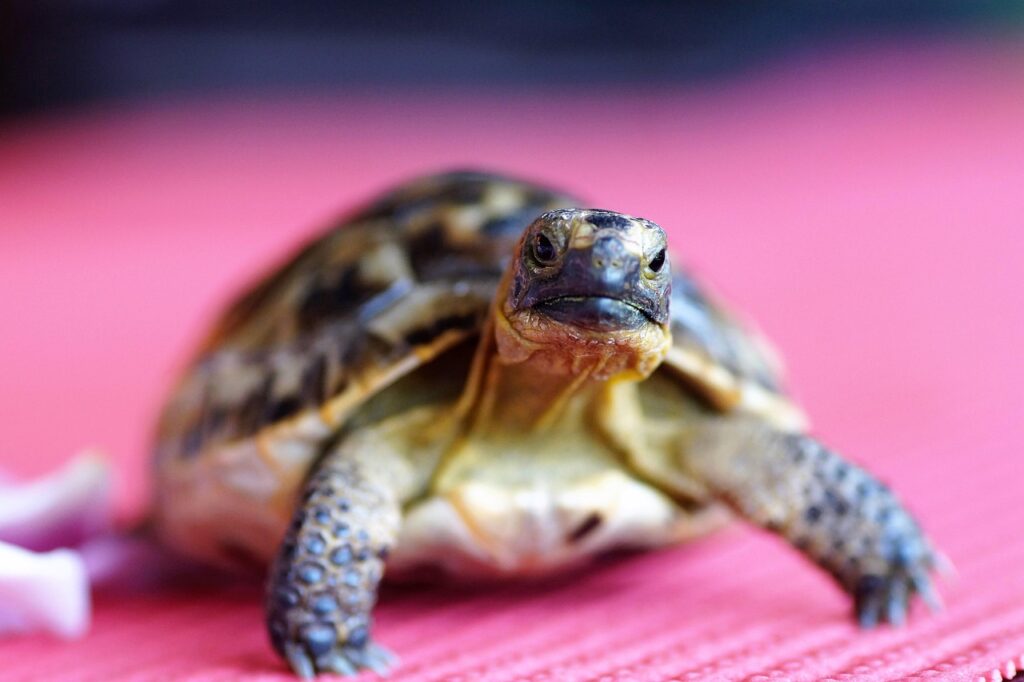
Children naturally express curiosity and enthusiasm toward wildlife, making early education about appropriate boundaries essential for fostering responsible attitudes. Parents and educators should explicitly teach children that wild animals are fundamentally different from pets and should never be approached, touched, or fed, regardless of how small or harmless they appear. Explaining wildlife protection in age-appropriate terms helps children understand that respecting animals’ space is an act of kindness rather than fear or indifference. Nature-based educational programs that incorporate supervised wildlife observation from appropriate distances can satisfy children’s curiosity while reinforcing responsible wildlife ethics. Addressing common misconceptions, such as the belief that baby animals need human rescue, prepares children to make informed decisions when they encounter wildlife independently.
Conclusion: Balancing Compassion with Conservation
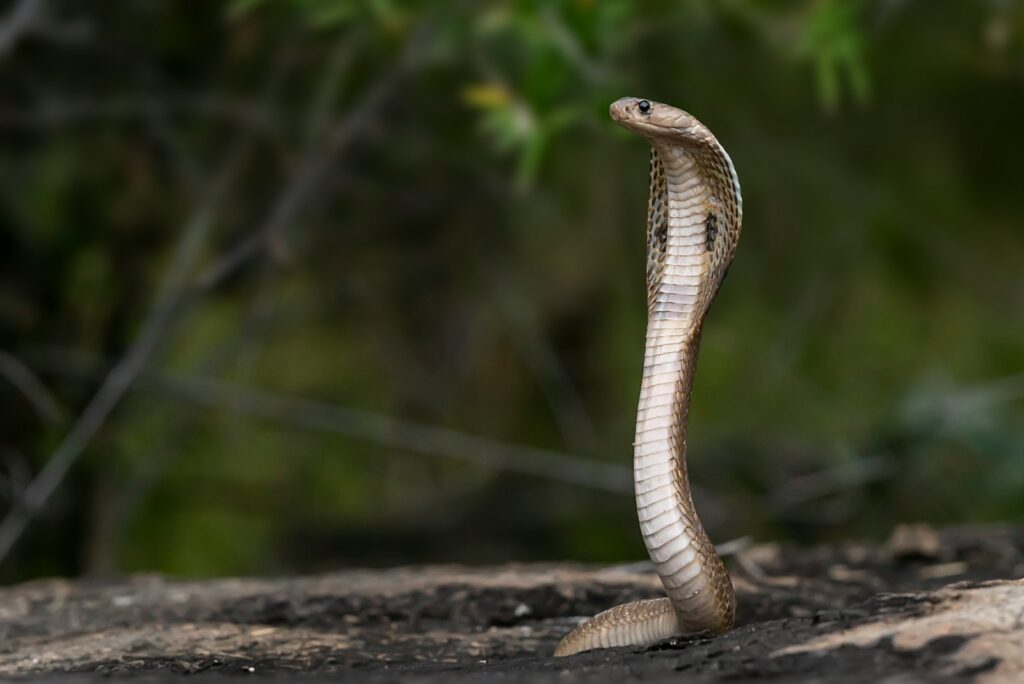
The impulse to help or interact with wildlife often stems from genuine compassion, but true wildlife conservation requires balancing this compassion with scientific understanding and respect for natural processes. Legal prohibitions against touching or relocating wildlife exist not to punish well-intentioned people but to protect complex ecological systems and the animals themselves from unintended harm. By channeling our care for wildlife into appropriate actions—maintaining distance, contacting professionals when necessary, supporting conservation efforts, and creating wildlife-friendly environments—we demonstrate a deeper form of compassion that respects animals’ wildness. This approach acknowledges that sometimes the kindest action is restraint, allowing natural processes to unfold without human interference, even when our hearts tell us to intervene.