
In an increasingly motorized world, certain parks remain steadfast in their commitment to remain car-free sanctuaries. These vehicle-restricted green spaces offer unique experiences that contrast sharply with our daily lives surrounded by traffic and engine noise. From historic urban parks designed before the automobile era to wilderness areas preserved specifically to maintain ecological integrity, car-free parks serve diverse purposes and communities. Understanding why these spaces restrict vehicles provides insight into broader conversations about conservation, accessibility, urban planning, and the changing relationship between humans and natural environments.
The Historical Precedent of Car-Free Parks
Many of today’s car-free parks were established long before automobiles became commonplace, with designs that never intended to accommodate vehicles. New York’s Central Park, for instance, was conceived in the mid-19th century as a pedestrian sanctuary with winding footpaths and carriage ways that were never meant for motor vehicles. These historic parks often maintain their original character by continuing to restrict cars, preserving the vision of their creators like Frederick Law Olmsted, who saw urban parks as necessary “lungs” for crowded cities. The preservation of these historical designs isn’t merely nostalgic but recognizes that these spaces function best as they were originally intended—as refuges from the mechanical pace of urban life.
Ecological Preservation Concerns

Automobiles introduce a multitude of environmental hazards that can devastate park ecosystems. Vehicle emissions release pollutants that damage sensitive plant species and degrade air quality for wildlife and visitors alike. Cars also introduce noise pollution that disrupts animal communication, breeding patterns, and natural behaviors, with studies showing that even moderate traffic noise can cause significant stress responses in wildlife. Physical infrastructure for vehicles—roads, parking lots, and related facilities—fragments habitats and increases impermeable surfaces that lead to erosion and water quality issues. By prohibiting vehicles, park managers protect these complex ecosystems from degradation that could take decades or centuries to reverse.
Safety Considerations for All Park Users
Car-free parks provide significantly safer environments for pedestrians, cyclists, and families with children who can move freely without fear of vehicle collisions. The absence of cars eliminates the risk of accidents that can result in serious injuries or fatalities, particularly in areas where visibility might be limited by natural features or where children might dart unexpectedly across paths. Park administrators have found that removing vehicles creates more equitable spaces where elderly visitors, people with certain disabilities, and those with young children can navigate without the anxiety that comes with mixing vehicular and pedestrian traffic. Statistics consistently show that car-free zones experience dramatically fewer serious accidents compared to mixed-use areas, making safety one of the most compelling arguments for vehicle restrictions.
Enhanced Visitor Experience

The absence of automobiles fundamentally transforms how visitors experience a park space. Without the background drone of engines, the natural soundscape emerges—birdsong, rustling leaves, flowing water, and human conversation create a more immersive and psychologically restorative atmosphere. Visitors frequently report higher satisfaction rates in car-free environments, citing reduced stress levels and a greater sense of escape from urban pressures. The unhurried pace enforced by walking or cycling encourages more thorough exploration and appreciation of park features that might be missed when driving through. Research in environmental psychology confirms that these slower, more sensory-rich experiences deliver significantly greater mental health benefits than passive, vehicle-based park visits.
Wilderness Preservation Mandates

Many national parks and wilderness areas restrict vehicles based on federal or state mandates designed to preserve pristine natural conditions. The Wilderness Act of 1964 explicitly prohibits mechanized transport in designated wilderness areas, reflecting a philosophical commitment to maintaining spaces where nature operates on its own terms, minimally affected by human technology. These wilderness designations recognize that some ecological processes require vast, uninterrupted spaces free from the fragmentation and disturbance that roads inevitably bring. Parks with these designations, like portions of Yosemite National Park’s backcountry or Olympic National Park’s core areas, maintain vehicle restrictions not merely as a management preference but as a legal requirement essential to their mission of preserving America’s natural heritage in an unimpaired state for future generations.
Cultural and Historical Significance
Some parks maintain car-free status to preserve cultural landscapes and historical authenticity that would be compromised by modern vehicles. Mackinac Island State Park in Michigan, for example, has prohibited automobiles since 1898, maintaining its Victorian character and allowing visitors to experience the island as it existed in an earlier era. Similarly, many historical battlefields restrict vehicles to preserve the landscape’s integrity and allow visitors to understand the terrain as combatants would have experienced it. These vehicle restrictions serve an educational purpose, helping visitors connect more authentically with historical narratives and cultural contexts. The immersive experience of moving through these spaces at a human pace—whether on foot, horseback, or bicycle—creates a more meaningful connection to the historical significance that might be lost from behind a windshield.
Reducing Infrastructure Costs

The financial burden of building and maintaining vehicle infrastructure represents a significant consideration for park administrators who choose to remain car-free. Roads suitable for automobile traffic require substantial initial investment and ongoing maintenance that can strain limited park budgets. Paved surfaces need regular repairs, especially in areas with freeze-thaw cycles or heavy seasonal rainfall, while parking facilities consume valuable space that could otherwise remain natural or serve recreational purposes. The absence of roads also eliminates the need for costly drainage systems, guardrails, traffic signs, and other automobile-related infrastructure. For many parks, particularly smaller urban parks or those with limited funding, remaining car-free represents a practical financial decision that allows resources to be directed toward visitor services, ecological management, and educational programs rather than transportation infrastructure.
Public Health Incentives

Car-free parks support public health initiatives by encouraging active transportation and physical activity. When visitors must walk, cycle, or use other self-propelled means to explore a park, they naturally engage in healthy movement that combats sedentary lifestyles. Public health officials increasingly recognize these spaces as valuable community assets that promote regular exercise without the artificial feeling of a gym or fitness center. Studies show that people who live near car-free parks engage in more frequent physical activity and have lower rates of obesity and related health conditions. The absence of vehicle emissions also means these parks have better air quality, which particularly benefits visitors with respiratory conditions like asthma or COPD who might otherwise avoid outdoor recreation in areas with vehicle traffic.
Capacity Management Strategies
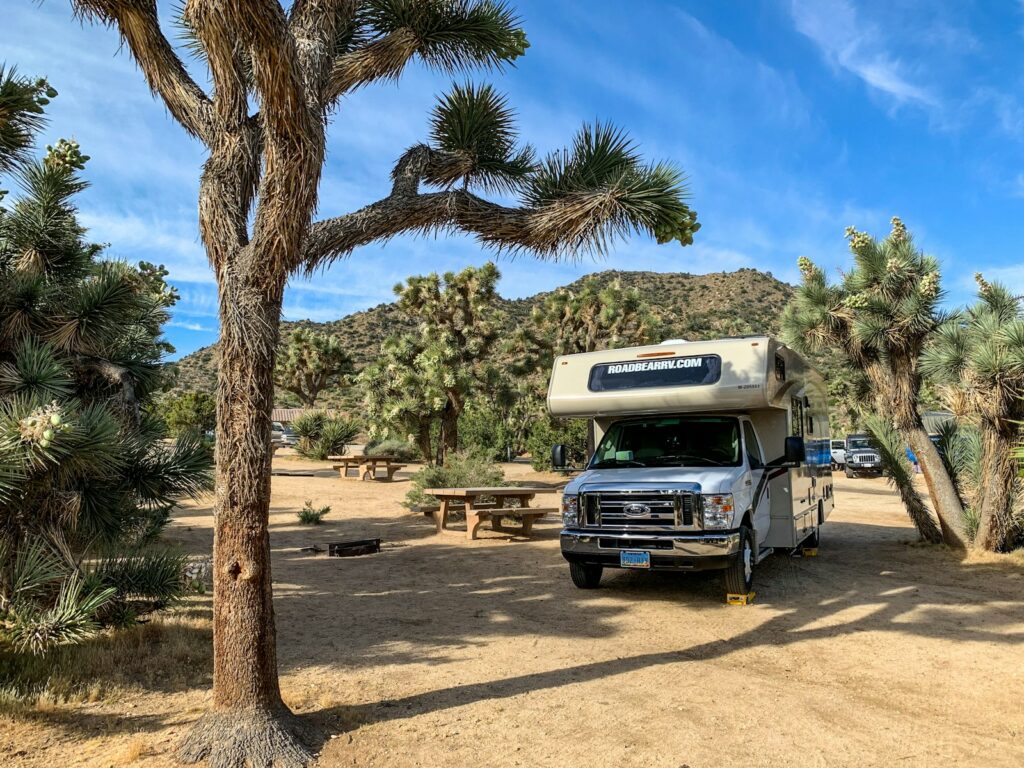
Vehicle restrictions often serve as effective tools for managing visitor capacity in popular parks facing overcrowding issues. By limiting access to foot, bicycle, or public transit options, parks can naturally control the flow of visitors to prevent degradation of natural resources and maintain quality experiences. Yosemite Valley, for example, has implemented shuttle systems and car restrictions during peak seasons to address congestion that was damaging both the visitor experience and the valley’s ecological health. These capacity management approaches ensure that visitation levels remain within the park’s carrying capacity—the number of people it can accommodate without compromising its essential qualities. The deliberate slowdown in visitor movement created by car restrictions also helps distribute visitors more evenly throughout a park rather than concentrating them at a few drive-to destinations.
Alternative Transportation Solutions

Parks that restrict private vehicles typically develop alternative transportation systems that can actually improve accessibility for many visitors. Shuttle systems in places like Zion National Park and Denali National Park demonstrate how well-designed public transit can reduce congestion while providing interpretive information and consistent service to popular destinations. Many car-free parks have embraced electric trams, bike share programs, and even water taxis to ensure visitors can navigate larger spaces without personal vehicles. These alternative systems often prove more efficient than private cars for moving large numbers of people, particularly during peak visitation periods when parking facilities would be overwhelmed. The thoughtful implementation of these systems shows that vehicle restrictions need not reduce access but can instead democratize it by serving visitors regardless of whether they own or have brought personal transportation.
Community Preferences and Local Politics

Local community values and political processes significantly influence decisions to maintain car-free parks, particularly in urban settings. Many neighborhood parks remain car-free because local residents have advocated for these restrictions, valuing the safety and tranquility they provide in densely populated areas. Community engagement processes often reveal strong preferences for vehicle-free green spaces, with residents willing to accept potential inconveniences to maintain these qualities. The political dynamics around these decisions can be complex, involving multiple stakeholders with varying interests—from environmental advocates to accessibility proponents to local businesses concerned about customer access. Successful car-free parks typically emerge from inclusive planning processes that acknowledge these diverse perspectives while prioritizing the park’s core purpose and the broader public interest.
Accessibility Challenges and Solutions

Critics of car-free parks often cite concerns about accessibility for people with mobility limitations, prompting thoughtful responses from park managers committed to inclusive access. Progressive car-free parks have implemented specialized transport options like electric shuttle services with wheelchair lifts, accessible pathways suitable for mobility devices, and permitted exceptions for visitors with documented disabilities. Mackinac Island, despite its general vehicle ban, allows limited use of motorized mobility aids for visitors who need them. These accommodations demonstrate that vehicle restrictions and accessibility aren’t mutually exclusive goals but require intentional planning and flexibility. The most successful car-free parks recognize accessibility as a fundamental right and design systems that balance ecological protection with universal access principles, ensuring that vehicle restrictions don’t inadvertently exclude segments of the population from enjoying public spaces.
Future Trends in Park Transportation

As transportation technology evolves, the definition of “car-free” parks continues to develop with new considerations for electric vehicles, autonomous shuttles, and other emerging mobility options. Some parks that historically banned all motorized transport now permit electric vehicles on certain routes, recognizing their reduced environmental impact compared to internal combustion engines. Forward-thinking park planners are developing frameworks to evaluate new transportation technologies based on their ecological footprint, noise production, safety implications, and compatibility with visitor experience goals. The rise of e-bikes has already prompted policy revisions in many parks, with administrators distinguishing between different classes of electric-assisted bicycles based on their speed capabilities and motor characteristics. These evolving approaches suggest that tomorrow’s “car-free” parks may not necessarily ban all vehicles but will continue to prioritize technologies and systems that support rather than detract from the fundamental purposes these special places serve.
As our world grows increasingly urbanized and mechanized, car-free parks stand as deliberate counterpoints—spaces where different values prevail and different experiences become possible. Whether motivated by ecological protection, historical preservation, visitor experience, or practical management concerns, the decision to restrict vehicles reflects a recognition that some places serve us best when accessed at a human pace. Far from being anachronisms, these vehicle-free environments offer increasingly relevant models for sustainable, healthy, and inclusive public spaces. As communities worldwide reconsider their relationship with automobiles, car-free parks provide living examples of alternatives that many find not just acceptable but preferable—places where the absence of cars creates not limitations but possibilities.