

Box turtles, with their distinctive domed shells and gentle demeanor, have captured the hearts of wildlife enthusiasts for generations. These remarkable reptiles, native to North America, face unprecedented challenges in today’s rapidly changing world. Once abundant across forests and meadows, box turtle populations have experienced alarming declines in recent decades. Their plight represents a critical conservation concern that demands our attention and action. These ancient creatures, which can live for over 100 years in ideal conditions, now struggle against habitat loss, road mortality, climate change, and illegal collection. This article explores why box turtles need our protection, what threatens their existence, and how we can ensure these iconic reptiles continue to thrive for generations to come.
The Remarkable Life History of Box Turtles
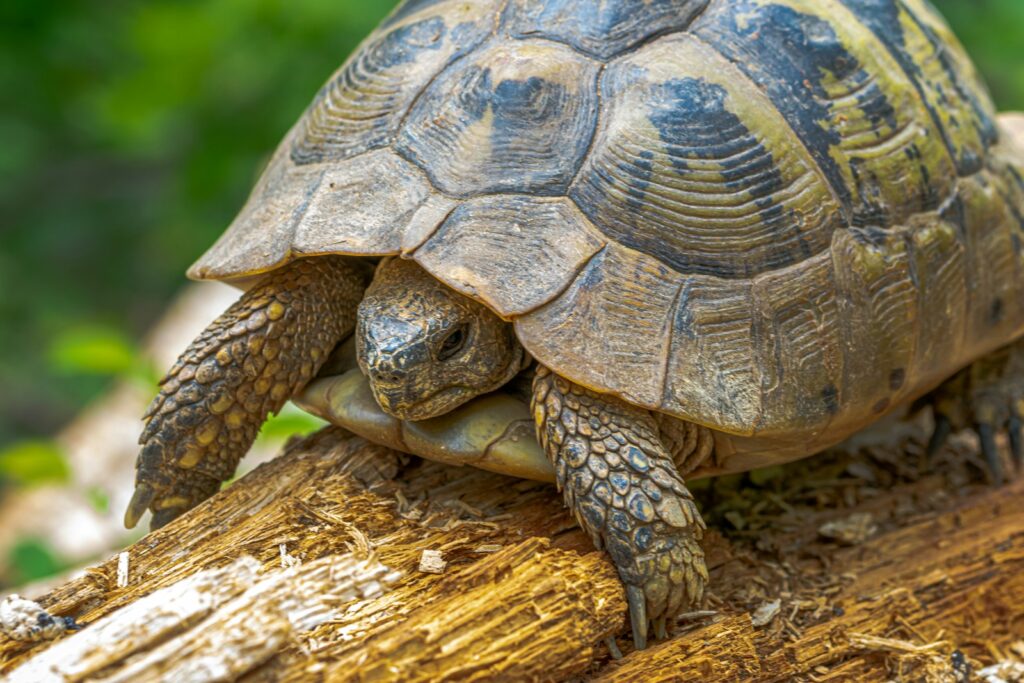
Box turtles (Terrapene spp.) are among the longest-lived reptiles in North America, with documented lifespans exceeding 100 years in exceptional cases. They grow slowly, taking anywhere from 7-10 years to reach sexual maturity, which means populations recover very slowly from declines. Unlike many reptiles, box turtles demonstrate remarkable site fidelity, often living their entire lives within an area smaller than a football field. This intimate connection to their birthplace makes them particularly vulnerable when habitats are altered or destroyed. Their life history strategy evolved in a world without bulldozers or highways, leaving them ill-equipped to adapt to rapid environmental changes driven by human activity.
A Species in Decline
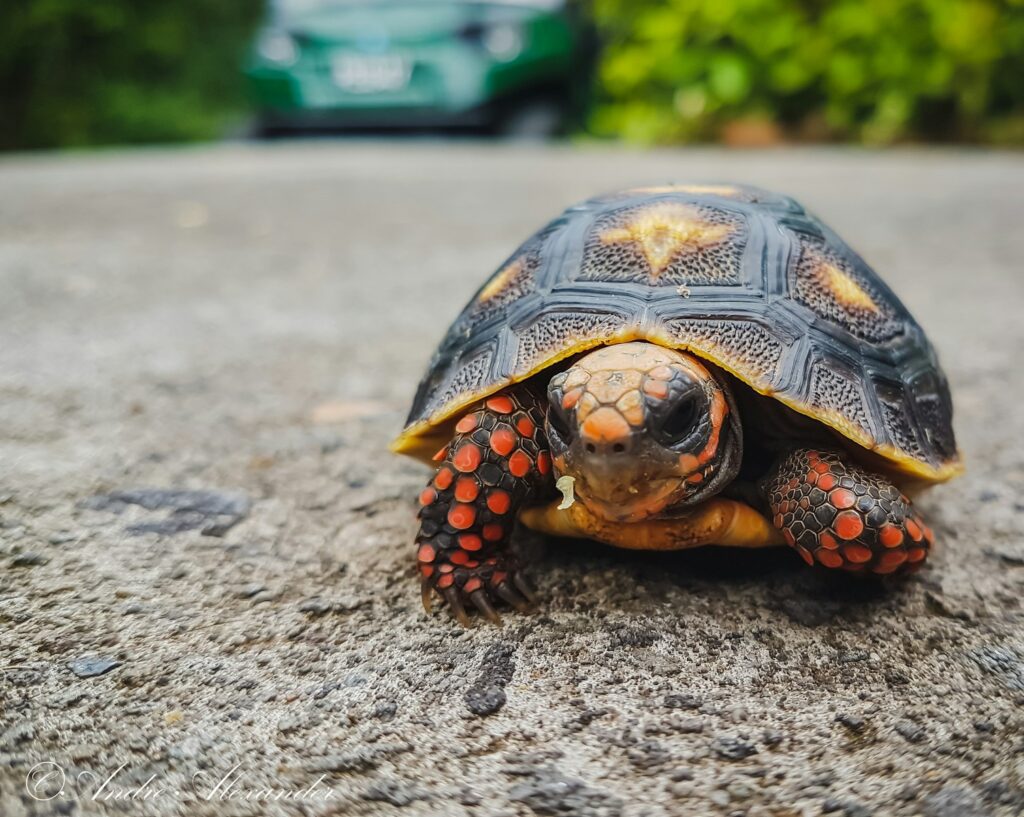
Scientific studies have documented precipitous declines in box turtle populations across their range, with some local populations decreasing by more than 75% in recent decades. The International Union for Conservation of Nature (IUCN) now lists the Eastern box turtle as “vulnerable” and several states have granted them special protection status. What makes these declines particularly concerning is the turtle’s slow reproductive rate – females typically lay only 3-8 eggs per year, and predation on nests and hatchlings is high. Even under perfect conditions, box turtle populations can only grow by about 1-2% annually, meaning recovery from severe declines could take centuries. This slow population growth rate makes every individual turtle critically important to the species’ survival.
Habitat Loss: The Primary Threat
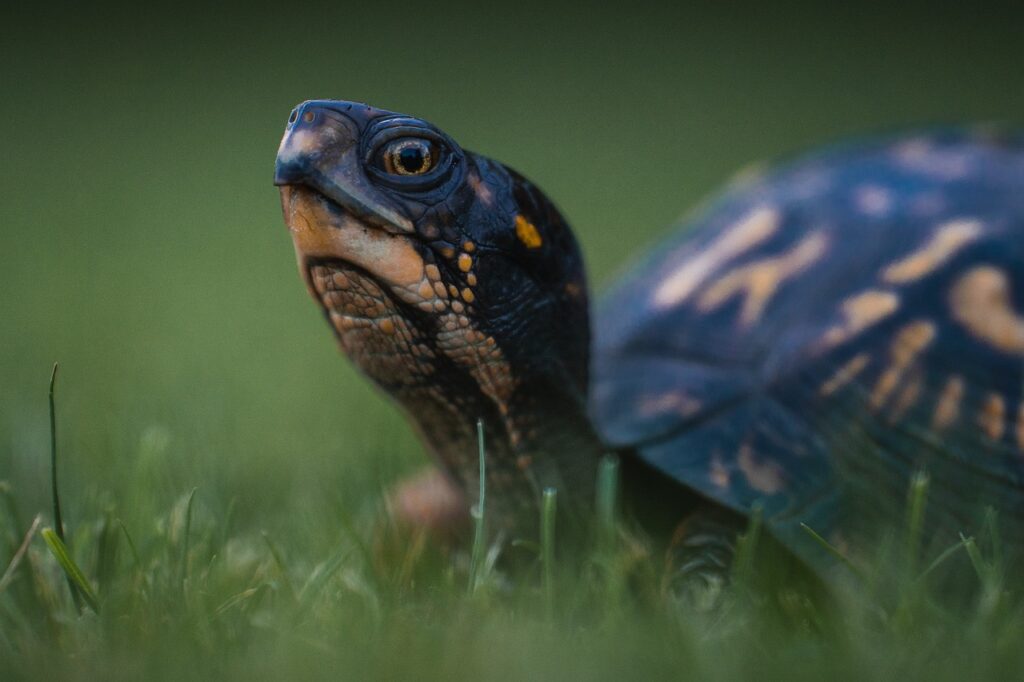
Habitat destruction represents the most significant threat to box turtle survival, with urban development, agriculture, and forestry practices eliminating or fragmenting their natural environments. These turtles require a mosaic of habitat types – woodlands for shelter and hibernation, open meadows for foraging and nesting, and wetland areas for hydration and cooling. When these complex habitat networks are disrupted, box turtles cannot simply relocate elsewhere. Studies show that displaced turtles often wander aimlessly, fail to find adequate resources, and frequently die from exposure or predation. The loss of suitable habitat also concentrates remaining turtles into smaller areas, increasing disease transmission and competition for limited resources.
Road Mortality: A Modern Death Trap
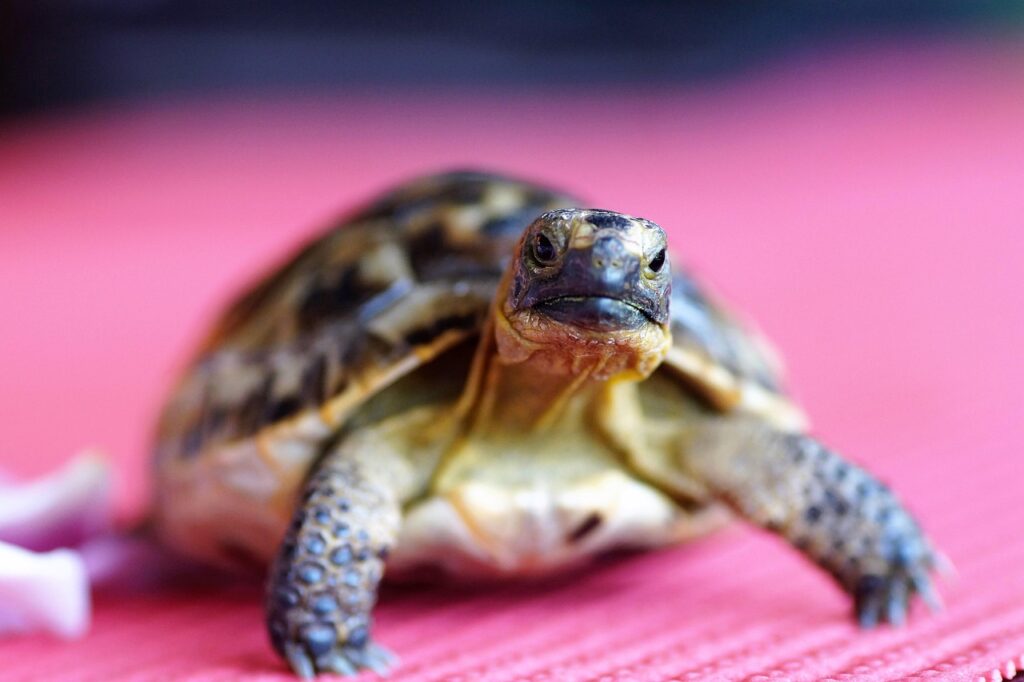
Roads crisscrossing turtle habitat have become lethal barriers for box turtles, with thousands killed annually during attempts to cross. Female turtles are particularly vulnerable as they search for suitable nesting sites in late spring and early summer, often traveling greater distances than males. Research indicates that even relatively small roads can create nearly impenetrable barriers for box turtle populations, effectively isolating groups from one another and reducing genetic diversity. Some studies suggest that a road mortality rate of just 5% annually can drive local box turtle populations to extinction within decades. This silent crisis plays out along countless roadways, where turtle crossings intersect with human transportation networks with deadly consequences.
The Pet Trade Problem

Despite legal protections in many states, illegal collection of wild box turtles for the pet trade continues to deplete natural populations. The commercial value of these turtles in domestic and international markets drives poaching, with individual turtles sometimes selling for hundreds of dollars. Unlike captive-bred reptiles, wild-caught turtles often fare poorly in captivity, with many dying within the first year from stress, improper care, or disease. The removal of adult breeding turtles from wild populations is particularly devastating, as these individuals represent decades of survival against the odds. Each adult female removed from the wild eliminates the potential for dozens of offspring over her reproductive lifetime, creating population deficits that cannot be easily overcome.
Climate Change Challenges

Climate change presents an emerging threat to box turtle populations through multiple pathways, including altered hibernation patterns, skewed sex ratios, and increased disease susceptibility. Like many reptiles, box turtles have temperature-dependent sex determination, meaning that warmer nest temperatures produce females while cooler temperatures produce males. As global temperatures rise, scientists have documented increasingly female-biased populations, which could eventually lead to reproductive failure. Extended droughts and extreme weather events also impact food availability and nesting success. Furthermore, changing climate conditions can disrupt hibernation timing and duration, potentially exposing turtles to freezing conditions before they’ve accumulated sufficient fat reserves or forcing premature emergence when food resources are scarce.
Ecological Importance
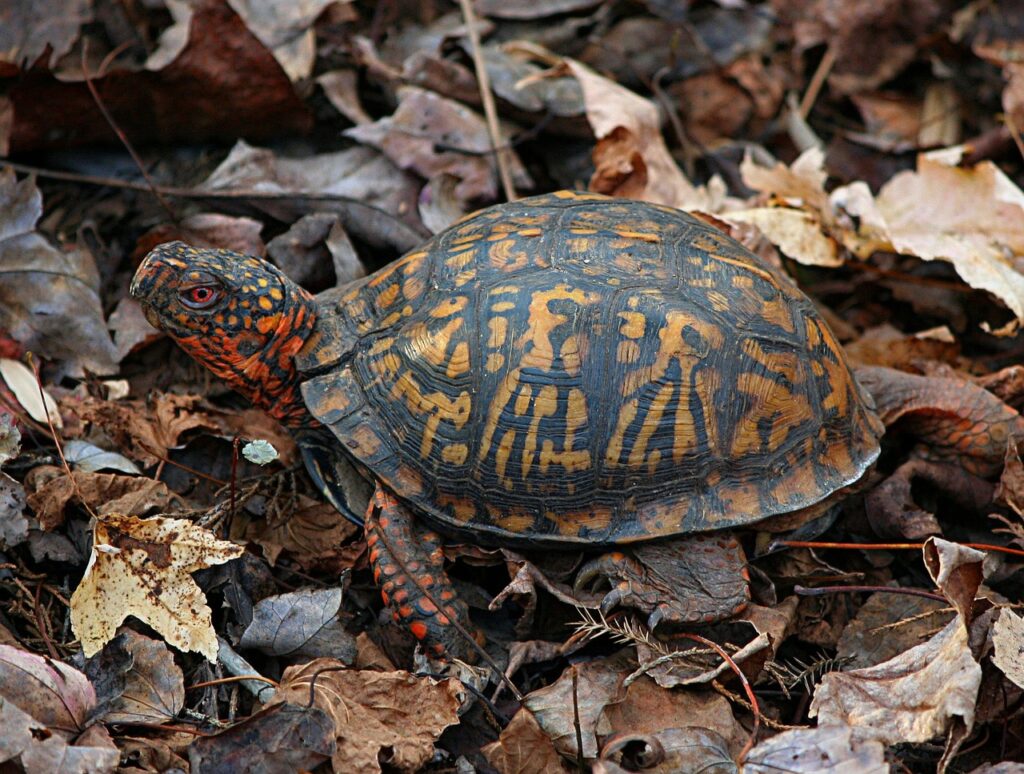
Box turtles play vital ecological roles that extend far beyond their own survival, functioning as seed dispersers, habitat engineers, and indicators of ecosystem health. Their omnivorous diet includes fruits, mushrooms, and vegetation, making them effective dispersers for numerous plant species, some of which have evolved seeds that germinate more successfully after passing through a turtle’s digestive tract. Research has documented box turtles transporting seeds up to half a mile from parent plants, helping maintain forest diversity and resilience. Their burrowing activities aerate soil and create microhabitats utilized by other wildlife. As long-lived predators of insects and mollusks, they also help regulate invertebrate populations and serve as prey themselves for larger predators, connecting multiple trophic levels within their ecosystems.
Legal Protections and Their Limitations

While box turtles receive legal protection in many states, enforcement challenges and inconsistent regulations between jurisdictions create significant conservation gaps. Some states prohibit any collection of wild box turtles, while others allow limited take with permits, creating confusing regulatory patchworks that are difficult to enforce. Unlike endangered sea turtles or other high-profile species, box turtles rarely receive federal protection under the Endangered Species Act, despite similar population trajectories. Even in states with strong protections, limited wildlife enforcement resources mean that poaching and habitat destruction often continue unabated. The slow-moving nature of turtle population declines also makes it difficult to demonstrate immediate conservation needs within legal frameworks designed for more rapidly responding species.
Conservation Success Stories
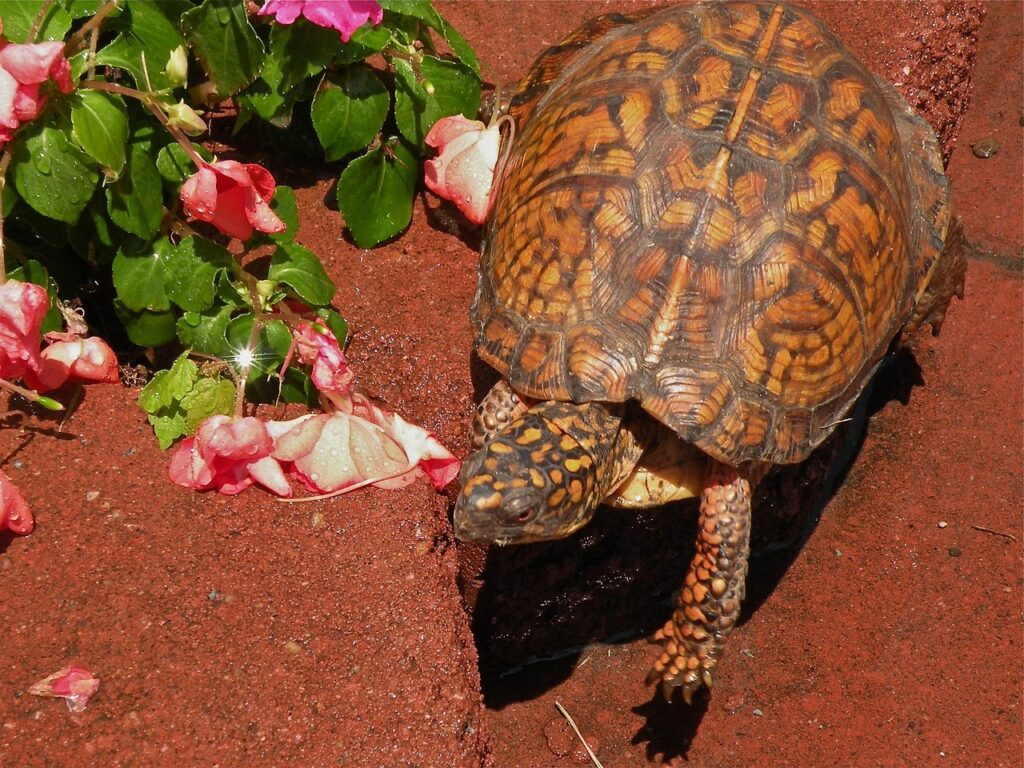
Despite the challenges, dedicated conservation efforts have demonstrated that box turtle populations can recover when given adequate protection and habitat management. Organizations like the Turtle Survival Alliance have established assurance colonies and head-starting programs that raise hatchlings in protected environments until they reach sizes less vulnerable to predation. In some areas, wildlife passage structures installed under roads have reduced mortality by up to 90% while maintaining habitat connectivity. Community science initiatives that engage citizens in turtle monitoring provide valuable population data while fostering public investment in conservation outcomes. Habitat restoration projects targeting specific box turtle requirements have shown promising results, particularly when incorporating diverse microhabitats and protective cover structures within connected landscape corridors.
How Individuals Can Help
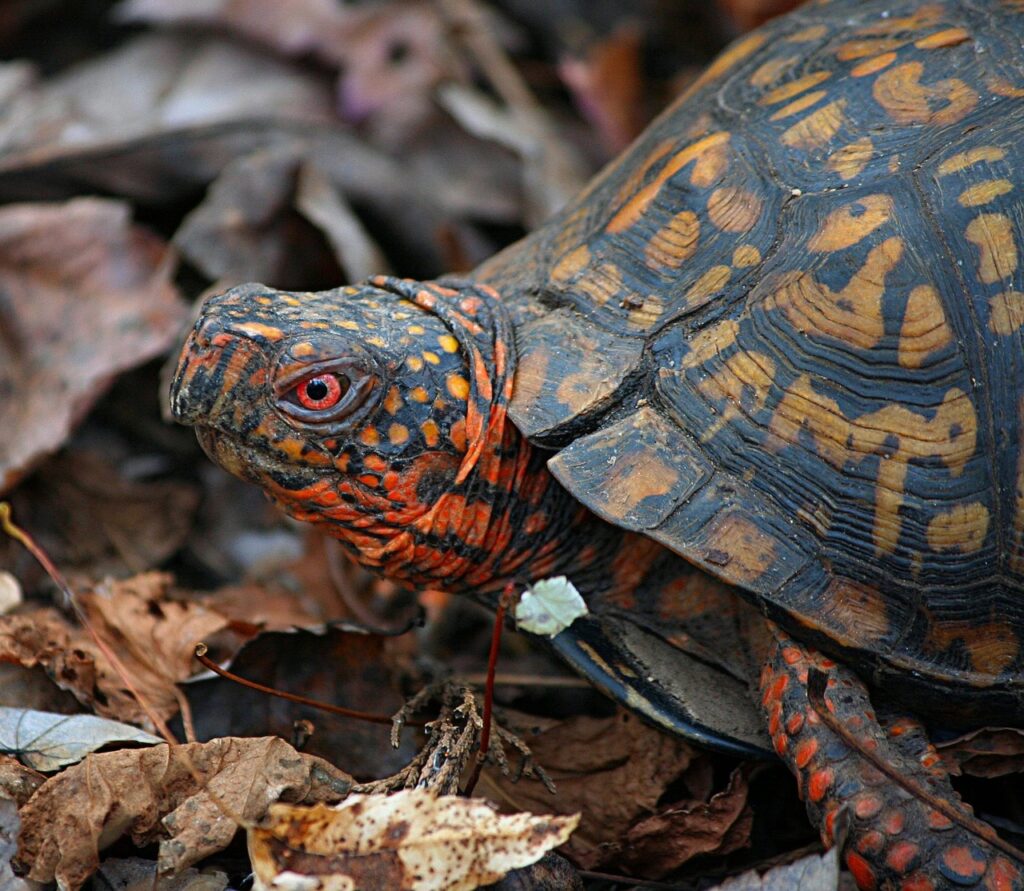
Everyone can contribute to box turtle conservation through simple but impactful actions in their daily lives and communities. Driving cautiously in turtle habitat during spring and summer months can prevent road mortalities, while safely helping turtles cross roads (always in the direction they were heading) can save individual lives. Homeowners can create turtle-friendly landscapes by maintaining diverse habitat patches, avoiding chemical pesticides, and leaving some areas unmowed during nesting season. Reporting suspicious collection activity to wildlife authorities helps combat the illegal pet trade. Perhaps most importantly, educating others about the value and vulnerability of these remarkable reptiles creates broader community support for conservation initiatives. Citizen science programs offer opportunities for meaningful engagement through population monitoring and habitat assessment activities that provide valuable data for researchers.
Captive Care Considerations
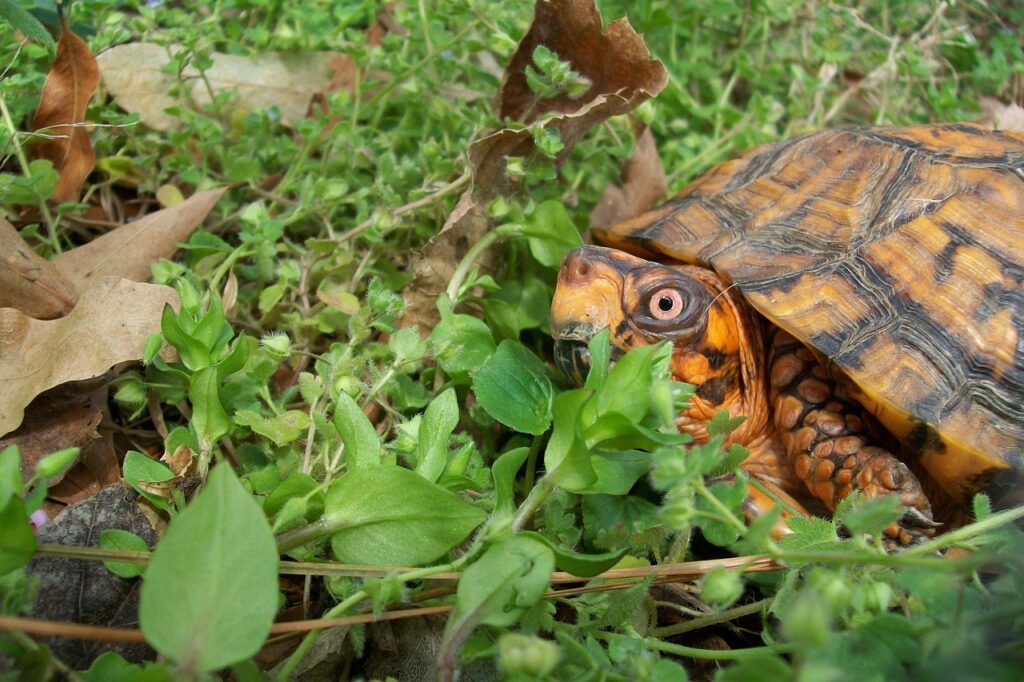
For those who already own box turtles as pets, providing proper care is essential to their welfare and prevents further pressure on wild populations. Box turtles require specialized environments with temperature gradients, UVB lighting, and appropriate substrate for burrowing. Their diverse diet should include proteins, vegetables, fruits and calcium supplements to prevent nutritional deficiencies that can lead to shell deformities and other health issues. Responsible owners should never release captive turtles into the wild, as this can introduce diseases to native populations and rarely benefits the released animal. Instead, unwanted pet turtles should be surrendered to herpetological societies or turtle rescue organizations that can provide appropriate care. Those considering a pet turtle should seek captive-bred specimens from reputable breeders rather than contributing to the wild collection trade.
Future Research Needs
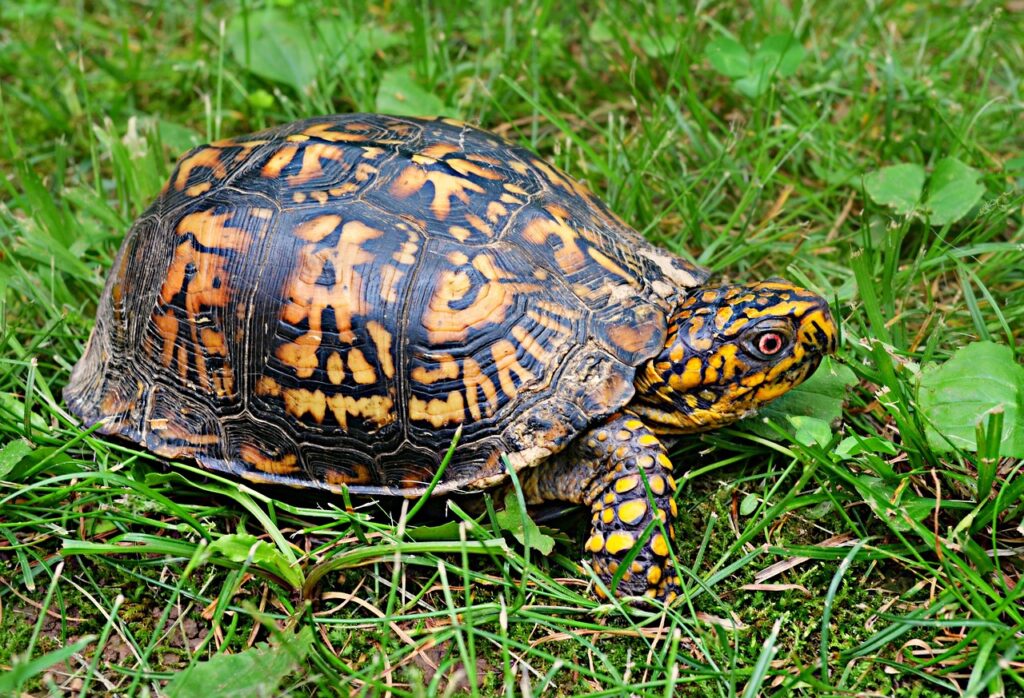
Effective box turtle conservation requires continued scientific research to address critical knowledge gaps about their ecology, health, and management needs. Long-term population monitoring studies are essential to understand demographic trends and evaluate conservation interventions across different habitats and regions. Genetic research helps identify distinct population segments requiring special protection and guides habitat connectivity planning to maintain genetic diversity. Disease ecology has become increasingly important as emerging pathogens like ranavirus and fungal infections threaten some populations. Technology offers new conservation tools, with radio telemetry and GPS tracking providing insights into movement patterns and habitat utilization that inform land management decisions. Climate change adaptation research is particularly urgent, as it may identify resilient populations and habitat features that can buffer turtles against warming temperatures and altered precipitation patterns.
The Moral Imperative for Protection
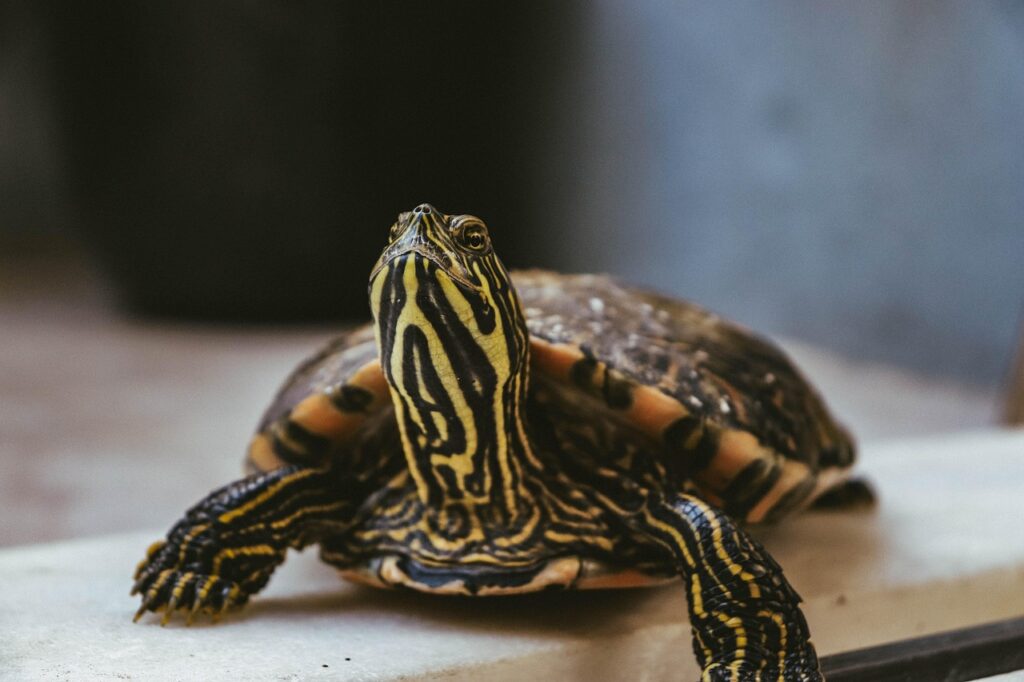
Beyond ecological and scientific considerations, the protection of box turtles represents a moral imperative for humanity’s relationship with the natural world. These gentle creatures have navigated Earth’s landscapes for millions of years, evolving remarkable adaptations and survival strategies long before humans appeared. Their recent population collapses result directly from human activities, creating an ethical responsibility to mitigate these impacts. Box turtles connect us to deep time – individuals living today hatched before many of us were born and could outlive many of us if given proper protection. This temporal perspective offers a humbling reminder of our place within natural systems and our duty as stewards of biodiversity. By protecting box turtles, we honor not only their intrinsic value but also preserve the complex ecological relationships they maintain within healthy ecosystems.
Conclusion
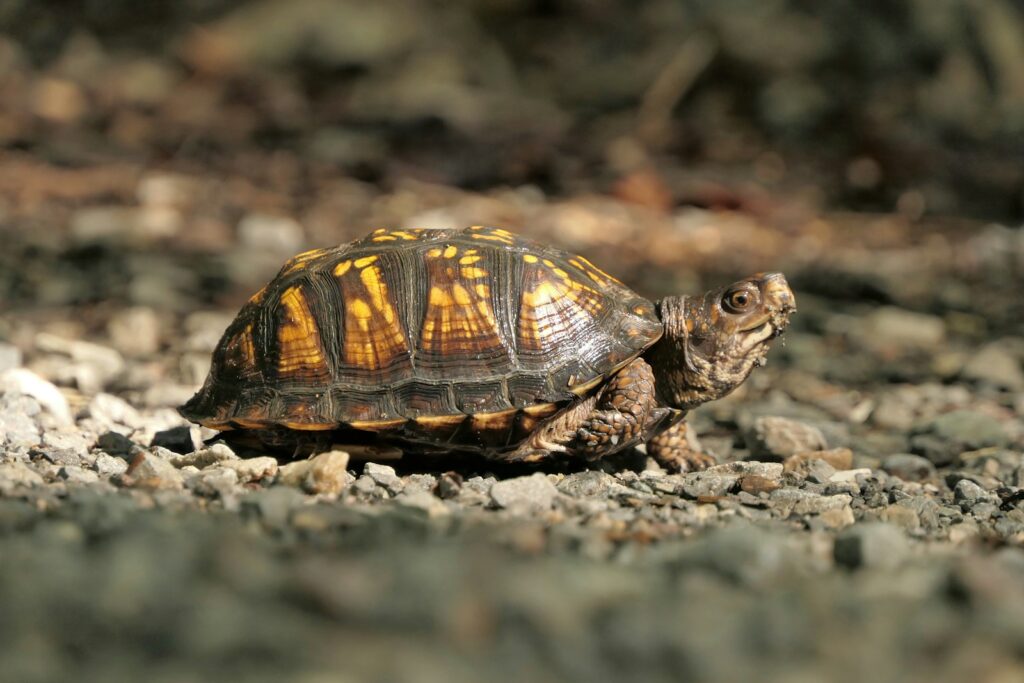
Box turtles stand at a conservation crossroads, with their future hanging in the balance between continued decline and potential recovery. These remarkable reptiles face daunting challenges from habitat loss, road mortality, climate change, and human exploitation, yet they persist with characteristic determination. Their protection requires a multifaceted approach combining legal safeguards, habitat conservation, scientific research, and public education. By understanding why box turtles need protection and taking concrete actions to secure their future, we can ensure these iconic creatures continue to roam North American landscapes for generations to come. Their slow walk through time deserves our respect and our commitment to conservation action. Each individual turtle saved, each habitat protected, and each child educated about their value contributes to a future where box turtles can once again thrive.