

America’s national parks represent some of our most treasured landscapes, serving as havens for biodiversity and monuments to natural splendor. Today, many of these protected areas are expanding their boundaries in response to ecological needs, conservation opportunities, and growing public demand. This growth reflects a broader understanding that ecosystems don’t conform to arbitrary lines on a map and that larger, connected protected areas better serve both wildlife and humans. From the redwood forests of California to the Everglades of Florida, park expansions are creating new opportunities for conservation, recreation, and ecological resilience in the face of climate change. This article explores which national parks are growing, the drivers behind these expansions, and what these changes mean for the future of America’s natural heritage.
The Great Smoky Mountains National Park’s Buffer Zone Expansion
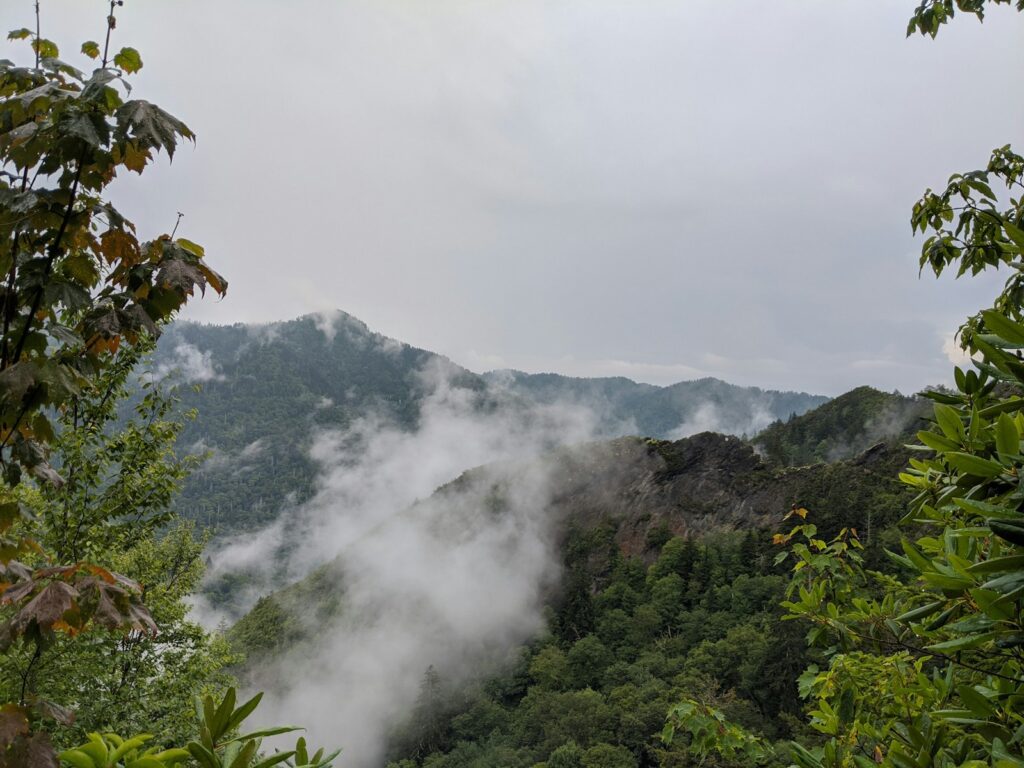
Great Smoky Mountains National Park, America’s most visited national park, has been gradually expanding its buffer zones to protect the park’s core wilderness from encroaching development. The Foothills Parkway expansion project, decades in the making, has added crucial access points and protective corridors along the Tennessee side of the park. Conservation groups like the Friends of the Smokies and the Conservation Fund have been instrumental in acquiring adjacent land parcels that protect watersheds feeding into park boundaries. These buffer expansions are particularly important for wide-ranging species like black bears and elk, which require extensive territories that often extend beyond the park’s official boundaries. The expansion efforts also help mitigate the impacts of the estimated 12 million annual visitors by dispersing access points and protecting viewsheds from development that would otherwise mar the region’s famous scenic vistas.
Everglades National Park Restoration and Expansion
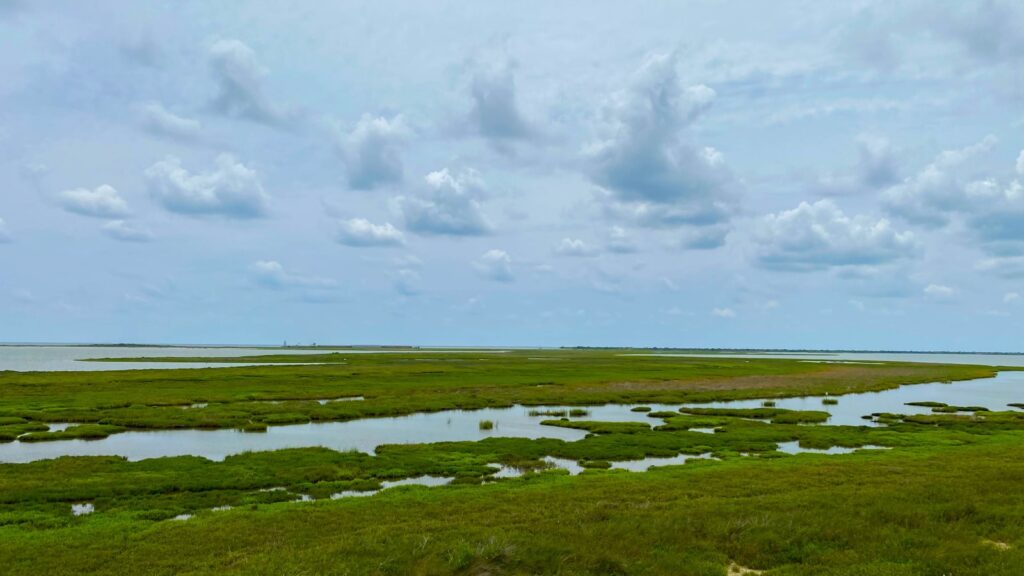
The Everglades National Park in Florida has undergone significant expansion as part of the Comprehensive Everglades Restoration Plan, one of the largest ecosystem restoration projects ever undertaken. In 2020, the park added nearly 6,500 acres to its boundaries, focusing on critical wetland areas that help restore natural water flow patterns disrupted by decades of drainage and development. The expansion includes former agricultural lands that are being transformed back into wetlands to filter water and provide habitat for endangered species like the Florida panther and American crocodile. These additions are particularly crucial as the Everglades faces existential threats from sea level rise, with the expanded buffer zones providing migration corridors for species and ecosystems retreating from advancing saltwater. The restoration project represents a $10.5 billion federal and state partnership that recognizes the Everglades’ importance not only as a unique ecosystem but also as South Florida’s primary water source.
Katahdin Woods and Waters National Monument’s Pathway to Park Status
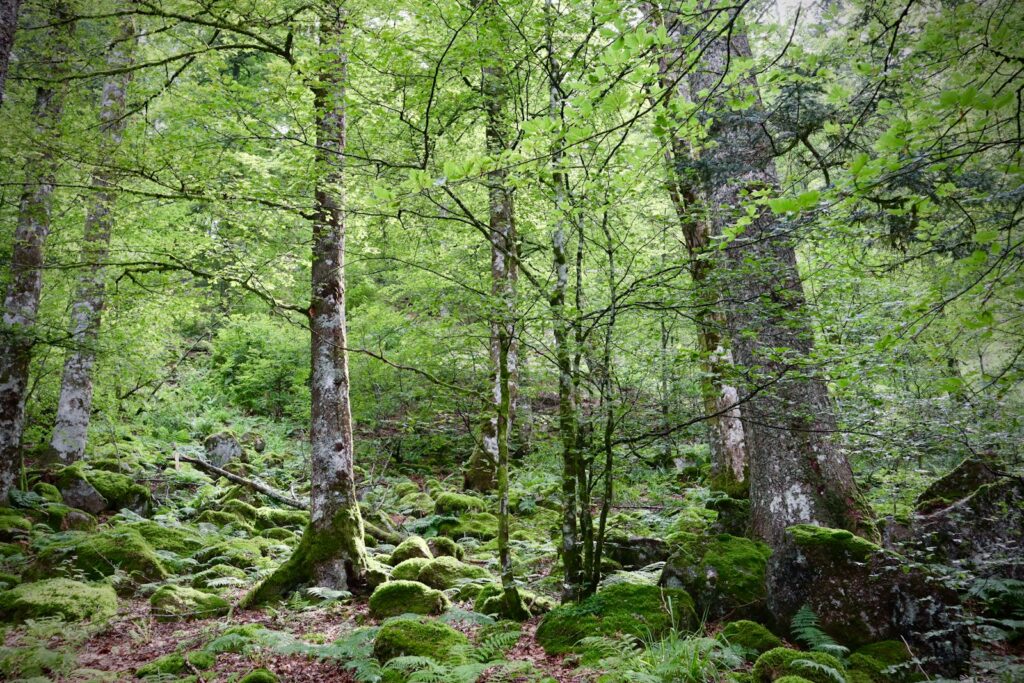
Maine’s Katahdin Woods and Waters National Monument, established in 2016, represents a different kind of expansion within the National Park System. Donated by Burt’s Bees co-founder Roxanne Quimby, this 87,500-acre monument preserves a vital portion of Maine’s North Woods and has spurred discussions about potential expansion and eventual national park status. Conservation organizations have been working to secure additional adjacent lands to create wildlife corridors connecting the monument to other protected areas in the region. The expansion efforts focus particularly on riparian zones along the East Branch of the Penobscot River, which provide critical habitat for Atlantic salmon and other native fish species. Local communities that initially opposed the monument’s creation have increasingly embraced it as a economic driver, with some now advocating for expansion to capitalize on growing ecotourism opportunities in the region.
Yosemite National Park’s Watershed Protection Efforts

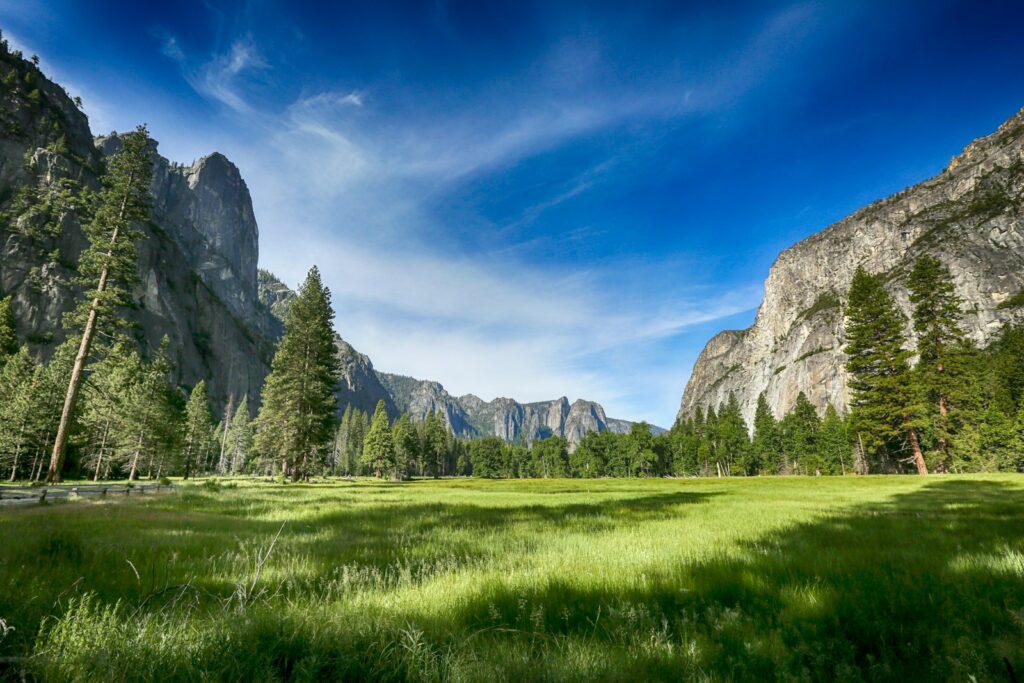
Yosemite National Park has been gradually expanding its protective reach through strategic land acquisitions in its watershed areas. The Yosemite Conservancy, in partnership with the Trust for Public Land, has helped acquire thousands of acres of previously private inholdings and adjacent properties that protect the headwaters of rivers flowing into the park. A notable recent addition was the 400-acre Ackerson Meadow, a rare wetland habitat donated to the park in 2016 that expanded Yosemite’s western boundary. These expansions protect against development that would fragment wildlife corridors and potentially degrade water quality within the park’s iconic valleys and waterfalls. The strategic focus on watershed protection acknowledges that Yosemite’s health depends on ecological processes that extend far beyond its official boundaries, particularly as climate change alters precipitation patterns and increases wildfire risks throughout the Sierra Nevada range.
Grand Teton National Park’s Private Land Acquisitions
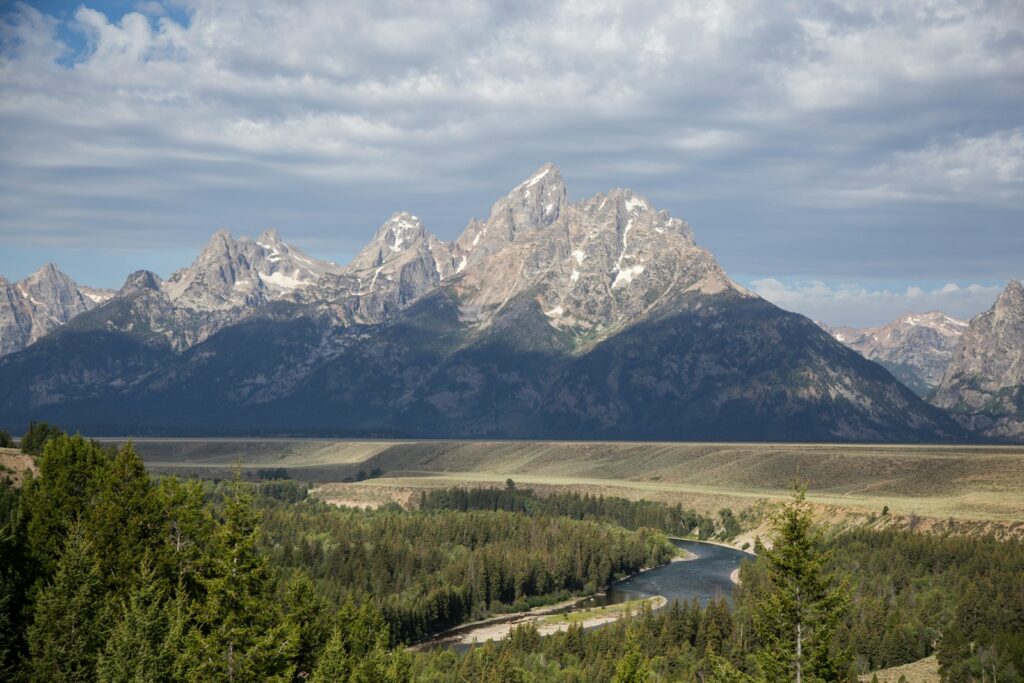
Grand Teton National Park in Wyoming has been methodically expanding through the acquisition of private inholdings and adjacent ranch lands, some of which date back to before the park’s establishment. The Grand Teton National Park Foundation has been instrumental in raising funds for these purchases, including the landmark $46 million acquisition of the 640-acre Antelope Flats parcel in 2016, which prevented potential development within the park’s boundaries. These expansions have particular ecological significance because they protect migration corridors for the Greater Yellowstone Ecosystem’s iconic wildlife, including elk, pronghorn, and grizzly bears. The park’s expansion strategy has focused on creating contiguous protected habitat that allows wildlife to move seasonally between the park’s mountains and the surrounding valleys and plains. Additionally, these land acquisitions help preserve the park’s famous viewscapes, ensuring that future generations will experience the same awe-inspiring vistas that have made Grand Teton one of America’s most photographed landscapes.
Redwood National and State Parks’ Forest Restoration
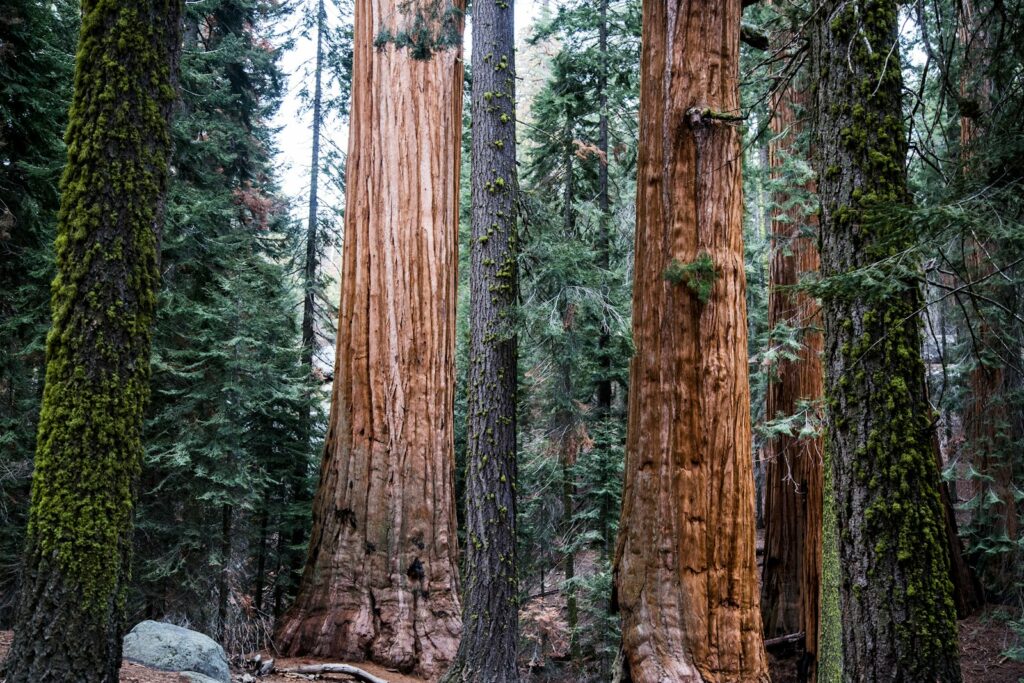
Redwood National and State Parks in California have been expanding through an innovative partnership approach that focuses on acquiring and restoring previously logged redwood forests adjacent to existing protected areas. The Save the Redwoods League has spearheaded efforts like the 2019 purchase of the 564-acre Andersonia West property, which added second-growth redwood forests to the park complex. These acquisitions are part of a broader vision called the Redwoods Rising initiative, which aims to reconnect fragmented old-growth groves by acquiring and restoring the intervening lands. Park expansion in this region is particularly urgent due to the globally significant carbon sequestration potential of redwood forests, which store more carbon per acre than any other forest type on Earth. The restoration component of these expansions involves removing logging roads, thinning dense second-growth stands to accelerate old-growth characteristics, and restoring natural watershed functions that support the entire forest ecosystem.
Acadia National Park’s Boundary Rationalization
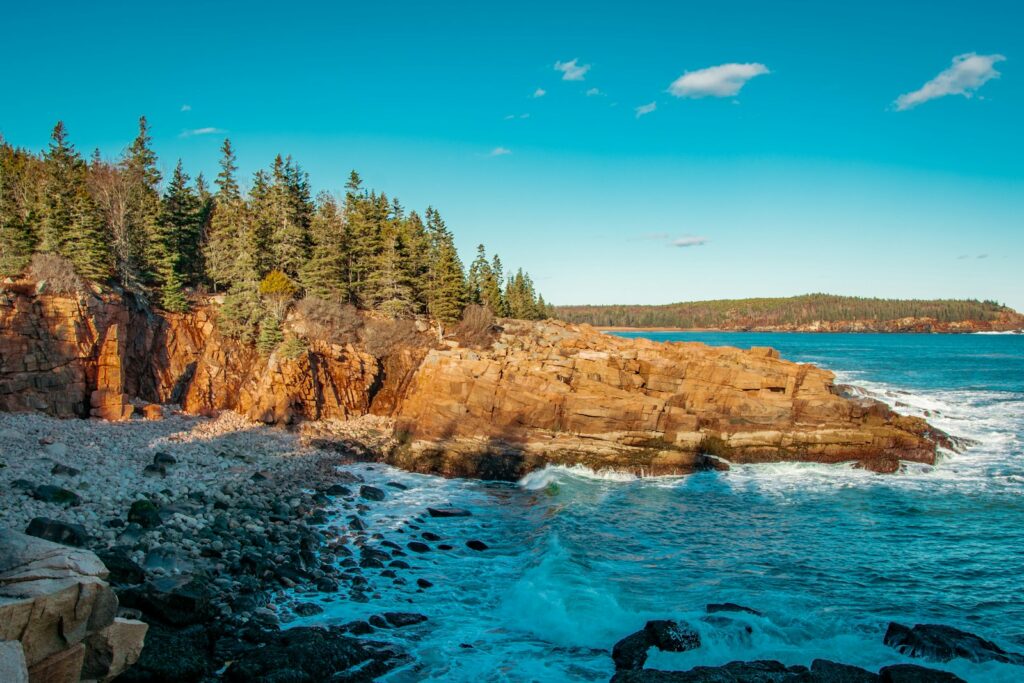
Acadia National Park in Maine has been undergoing a different kind of expansion through a process called “boundary rationalization,” which aims to create more ecologically and administratively coherent park borders. The 2019 Acadia National Park Boundary Clarification Act authorized the addition of approximately 1,400 acres to the park, including the significant Schoodic Woods property on the mainland portion of the park. These expansions focus on protecting the ecological integrity of entire watersheds and viewsheds rather than adhering to arbitrary boundary lines drawn decades ago. The expansion strategy pays particular attention to protecting the park’s coastal ecosystems, which are increasingly threatened by development pressure and rising sea levels. Local conservation organizations like Maine Coast Heritage Trust have been crucial partners in these efforts, often holding lands in conservation until they can be formally transferred to the National Park Service.
Joshua Tree National Park’s Desert Protection
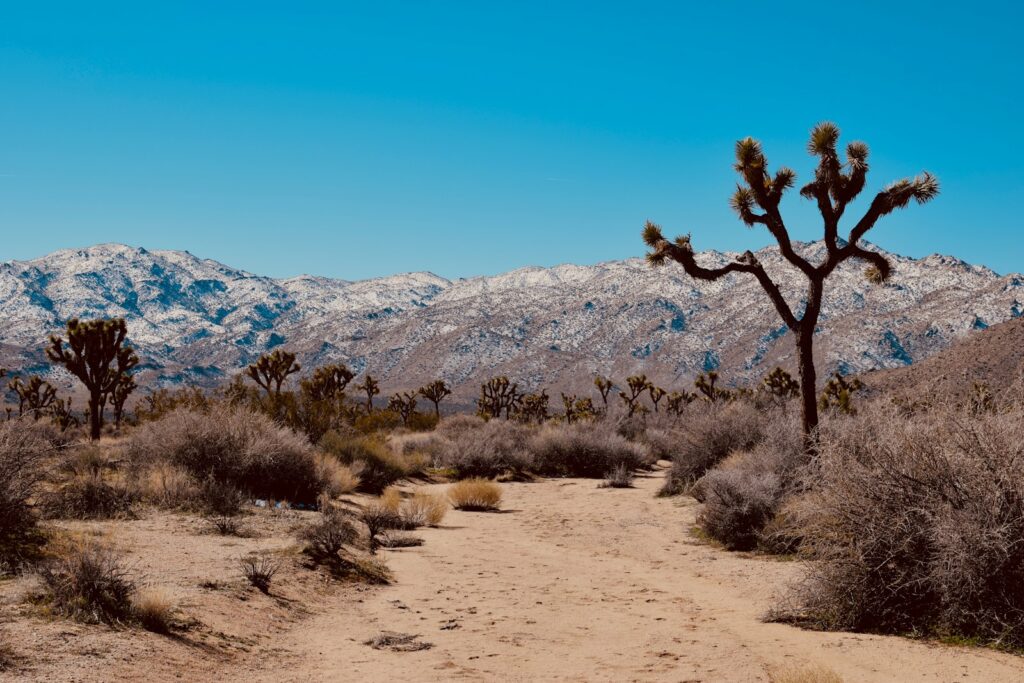
Joshua Tree National Park in California has expanded its boundaries several times since its establishment, with the most significant addition coming through the 1994 California Desert Protection Act, which added 234,000 acres and elevated the monument to national park status. More recently, conservation organizations have been working to establish buffer zones and wildlife corridors connecting the park to other protected desert areas. These expansions are particularly crucial as climate change threatens the park’s namesake Joshua trees, which are already disappearing from lower elevation areas due to rising temperatures and decreased precipitation. The Mojave Desert Land Trust has been actively acquiring parcels adjacent to the park to prevent development and eventually transfer these lands to public ownership. These buffer zones help protect the park’s dark skies from light pollution and preserve the serene desert soundscapes that are increasingly rare in our urbanizing world.
Climate Resilience as a Driver of Expansion
Climate change has emerged as one of the most compelling reasons for national park expansions across the country. Parks are increasingly being recognized not just as preserves of the past but as laboratories for the future and refuges for species adapting to rapidly changing conditions. Expansion efforts now routinely incorporate climate modeling to identify lands that will serve as migration corridors or climate refugia—areas where conditions may remain suitable for vulnerable species even as their current ranges become uninhabitable. Higher elevation and north-facing slopes are particularly valuable additions in many parks, as they tend to remain cooler as average temperatures rise. Water resources have also become central to expansion strategies, with parks seeking to protect entire watersheds to maintain hydrological functions in the face of changing precipitation patterns. The National Park Service’s Climate Change Response Program now explicitly incorporates resilience planning into boundary modification proposals, representing a fundamental shift from static conservation to dynamic ecosystem management.
Economic Benefits Driving Community Support
Economic considerations have become increasingly important in building local support for national park expansions. Communities that once opposed park establishment or expansion on grounds of lost tax revenue or resource extraction opportunities are increasingly recognizing the substantial economic benefits that protected public lands bring to regional economies. A 2019 National Park Service report found that visitors to national parks generated $41.7 billion in economic output and supported 340,500 jobs nationwide. These economic impacts are particularly significant in rural communities adjacent to expanding parks, where tourism-related businesses often become the backbone of local economies. The outdoor recreation economy has grown substantially in recent years, with studies showing that counties adjacent to protected public lands consistently outperform similar counties without such amenities in measures of employment, income growth, and population retention. This economic reality has transformed many former park expansion opponents into advocates, particularly in regions transitioning away from resource extraction economies.
Indigenous Partnerships in Park Expansion
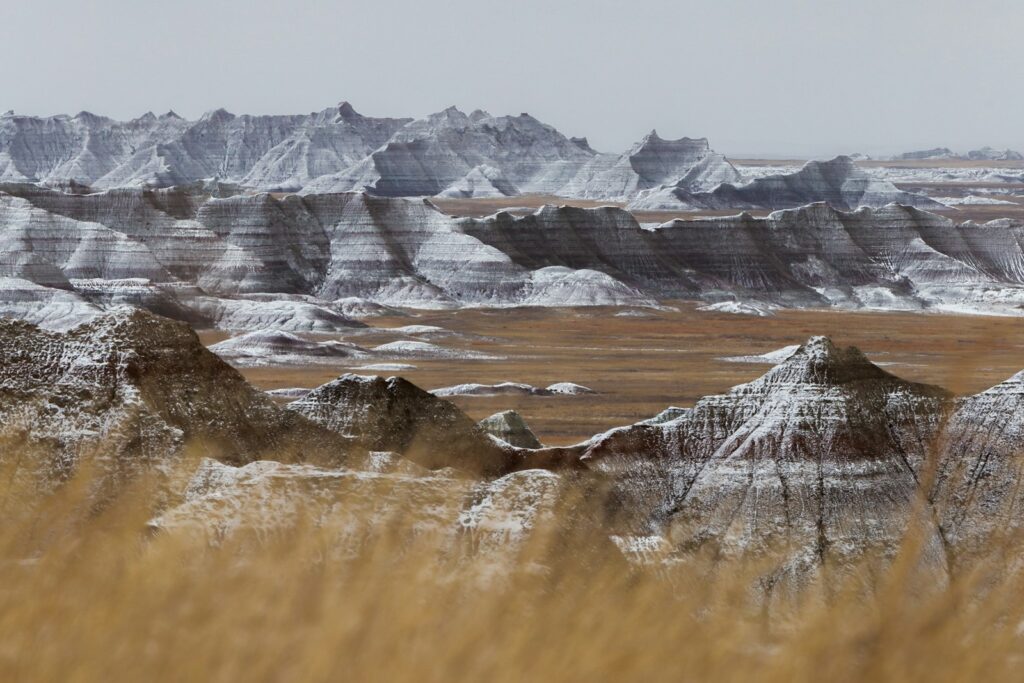
A significant shift in national park expansion approaches has been the development of meaningful partnerships with Indigenous tribes whose ancestral territories include park lands. Unlike earlier park establishments that often forcibly removed Native peoples, modern expansion efforts increasingly involve co-management agreements and incorporate Indigenous ecological knowledge. Bears Ears National Monument in Utah represents perhaps the most prominent example of this new approach, with five tribes playing a central role in its establishment and ongoing management. Similar partnerships are developing at Glacier National Park with the Blackfeet Nation, at Grand Canyon with the Havasupai and other tribes, and at Badlands National Park with the Oglala Sioux Tribe. These collaborative approaches acknowledge that many landscapes preserved in national parks were shaped by thousands of years of Indigenous stewardship before European contact. By incorporating traditional ecological knowledge into expansion and management decisions, parks can often achieve better conservation outcomes while addressing historical injustices and creating economic opportunities for tribal communities.
Legislative Pathways for Park Expansion
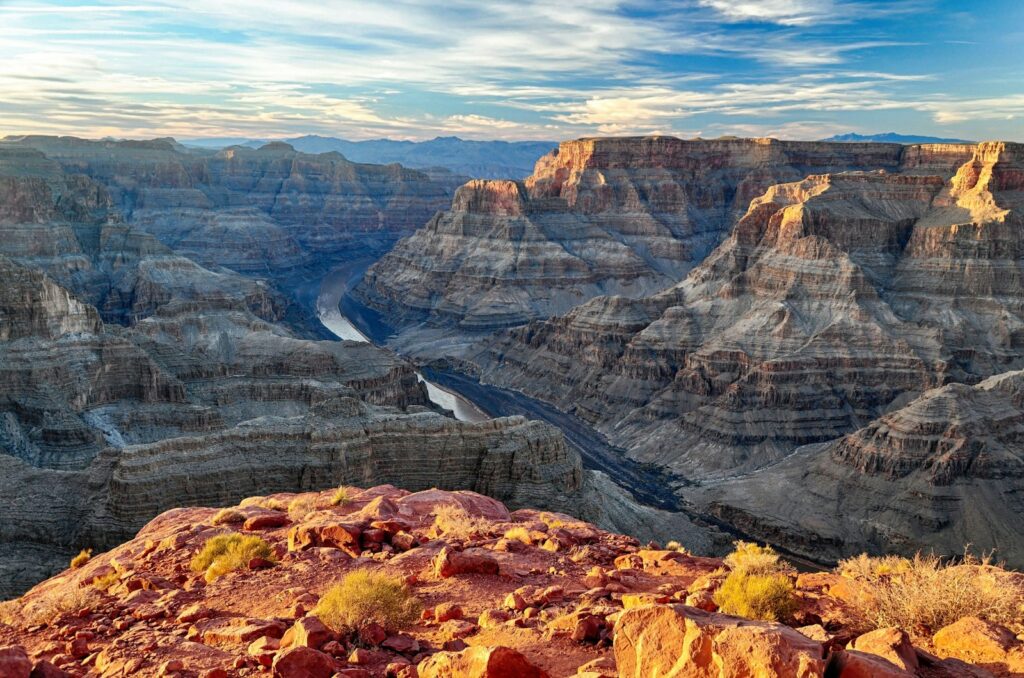
The process of expanding national parks involves navigating complex legislative and administrative pathways that vary depending on the specific circumstances. The most straightforward approach requires an act of Congress to modify park boundaries, typically following years of planning, public input, and negotiation with stakeholders. For more modest boundary adjustments, the National Park Service sometimes has administrative authority through laws like the Minor Boundary Adjustment Act. The Antiquities Act provides presidents with the authority to designate national monuments on federal lands, which has served as a precursor to national park status for many areas, including Grand Canyon, Olympic, and most recently, New Mexico’s White Sands National Park. The Land and Water Conservation Fund, permanently reauthorized in 2019 as part of the John D. Dingell, Jr. Conservation, Management, and Recreation Act, provides crucial federal funding for many park expansion acquisitions. These various pathways reflect the democratic complexity of public land management in America, requiring broad coalitions of support to succeed in permanently protecting additional lands within our national park system.
Challenges to National Park Expansion
Despite the ecological and recreational benefits of park expansions, significant challenges often complicate these efforts. Funding constraints remain a perennial issue, with the National Park Service facing a maintenance backlog exceeding $12 billion, prompting questions about the wisdom of adding more lands to an already strained system. Political opposition can be fierce in some regions, particularly where traditional land uses like grazing, hunting, or resource development would be curtailed by park status. Private property concerns present practical obstacles, as expansion often depends on willing sellers and fair market transactions that can take decades to complete. Climate change itself poses a paradoxical challenge, as parks designed to preserve specific ecosystems must adapt to fundamental changes in those very systems, raising philosophical questions about conservation goals. These challenges require patient, collaborative approaches that address legitimate stakeholder concerns while maintaining focus on the long-term public interest in preserving America’s natural heritage.
The Future of National Park Expansion
Looking ahead, national park expansion strategies are likely to evolve in response to emerging conservation science and societal needs. The concept of “landscape conservation cooperatives” is gaining traction, envisioning protected areas not as isolated islands but as anchors within larger networks of public, private, and tribal conservation lands. Technology is enabling more sophisticated expansion planning, with GIS mapping tools identifying high-priority acquisition targets based on multiple ecological and social factors. Public-private partnerships will become increasingly important as federal budgets remain constrained, with philanthropic organizations like the National Park Foundation playing crucial roles in securing lands for future park additions. The increasing recognition of parks’ roles in public health, environmental justice, and climate resilience suggests that urban-adjacent expansions may receive greater emphasis in coming decades. As America becomes more diverse, expansion efforts will likely focus not only on ecological considerations but also on creating parks that tell more inclusive stories and serve previously underrepresented communities, ensuring that our “America’s best idea” truly belongs to all Americans.
As climate change accelerates and development pressures intensify, the expansion of our national parks represents a crucial investment in America’s natural and cultural heritage. These growing protected areas serve not only as refuges for biodiversity but as living laboratories where we can study ecological resilience, economic models that balance conservation with community needs, and new approaches to collaborative stewardship. The story of expanding national parks is ultimately about foresight—the recognition that the boundaries we draw today will determine what remains possible tomorrow. By strategically growing our parks through science-based, inclusive approaches, we honor the vision of those who established these treasured landscapes while ensuring they continue to inspire, protect, and sustain for generations to come.