
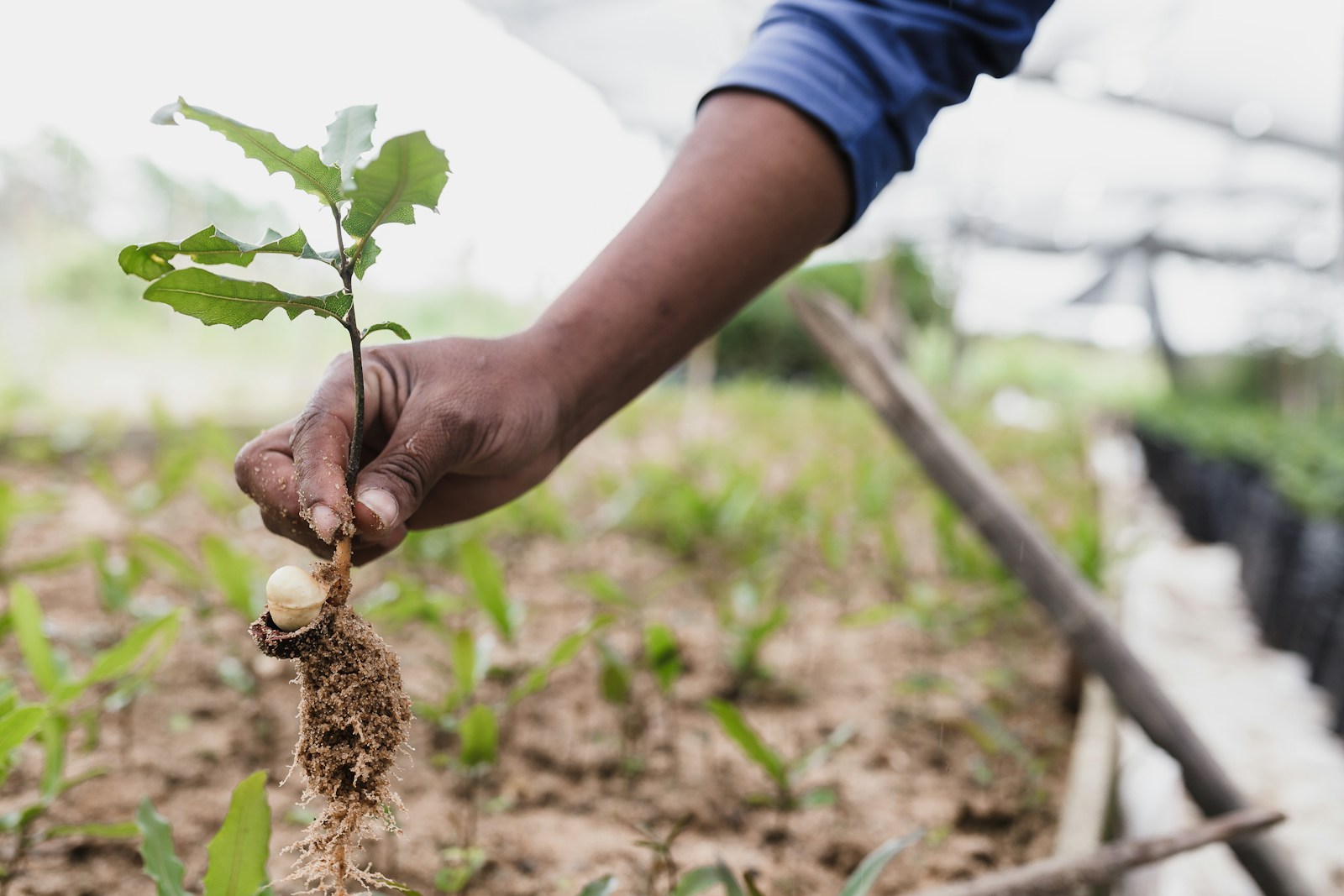
The quiet revolution taking place in our forests isn’t just about adding more trees—it’s about reimagining our relationship with woodland ecosystems. Tree planting initiatives have evolved from simple conservation efforts into sophisticated strategies that address climate change, biodiversity loss, and community development. As our understanding of forest ecology deepens, so too does our approach to reforestation. Today’s tree planting efforts incorporate indigenous knowledge, cutting-edge science, and innovative funding models to create resilient forests for future generations. This transformation in how we restore and expand our forests represents one of humanity’s most promising responses to environmental challenges, offering hope that we can reverse centuries of deforestation and habitat degradation.
The Global Scale of Deforestation
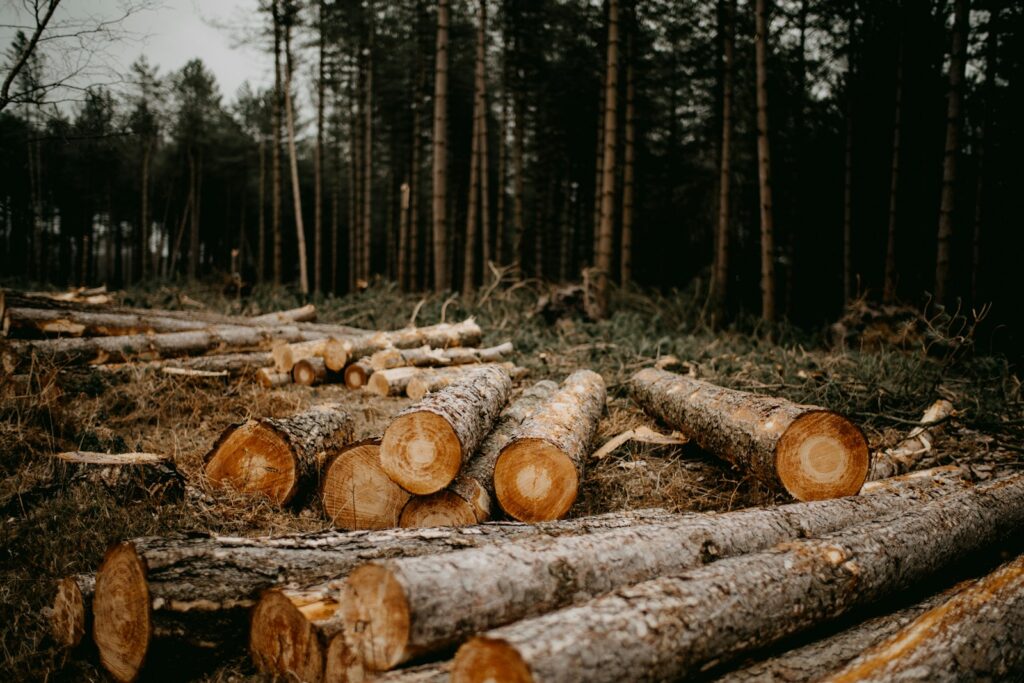
Our planet loses approximately 10 million hectares of forest annually—an area nearly the size of Iceland—primarily due to agricultural expansion, logging, and infrastructure development. This dramatic loss represents not just a reduction in tree cover but the degradation of entire ecosystems that have evolved over thousands of years. The consequences extend far beyond the forest boundaries, affecting climate patterns, water cycles, and countless species that depend on these habitats. Understanding the magnitude of forest loss provides crucial context for appreciating why tree planting initiatives have become so vital in our time, representing a necessary counterbalance to ongoing deforestation pressures.
Beyond Carbon: The Multiple Benefits of Reforestation
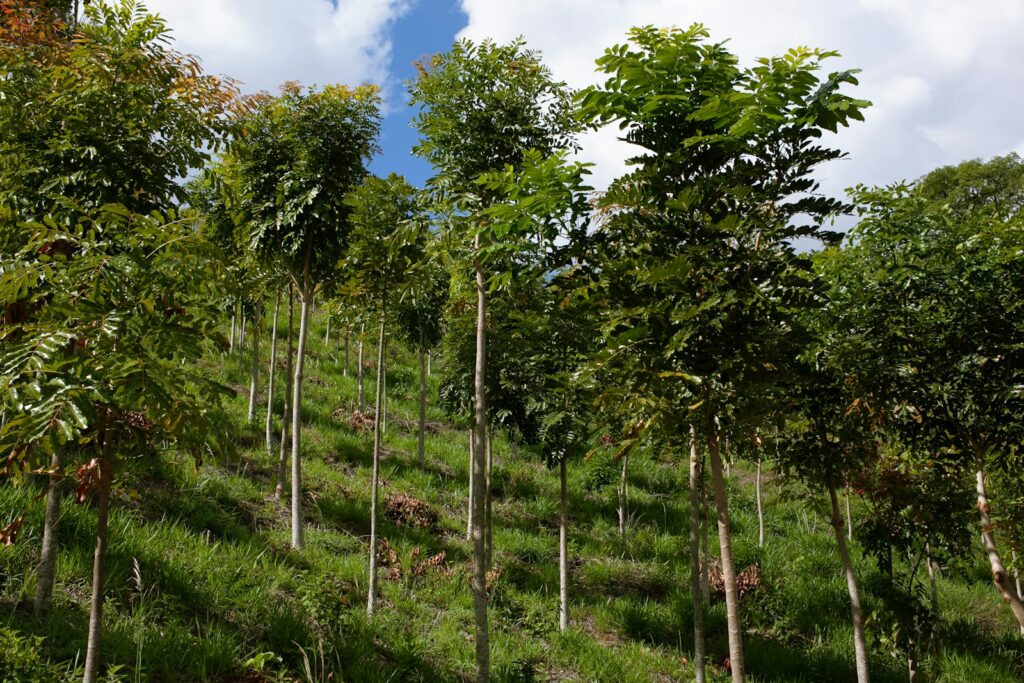
While carbon sequestration often dominates discussions about tree planting, forests deliver a remarkable array of additional benefits that enhance human and ecological wellbeing. Properly designed reforestation projects can restore watershed functions, reducing flooding risks and ensuring cleaner, more reliable water supplies for downstream communities. These same forests create habitat corridors for wildlife, allowing species to migrate and adapt to changing conditions while maintaining genetic diversity. In many regions, reforestation also addresses soil erosion, preventing landslides and preserving agricultural productivity in surrounding areas. The psychological benefits for human communities near restored forests are equally significant, with research consistently showing improved mental health outcomes associated with access to natural environments.
The Rise of Biodiverse Planting Approaches
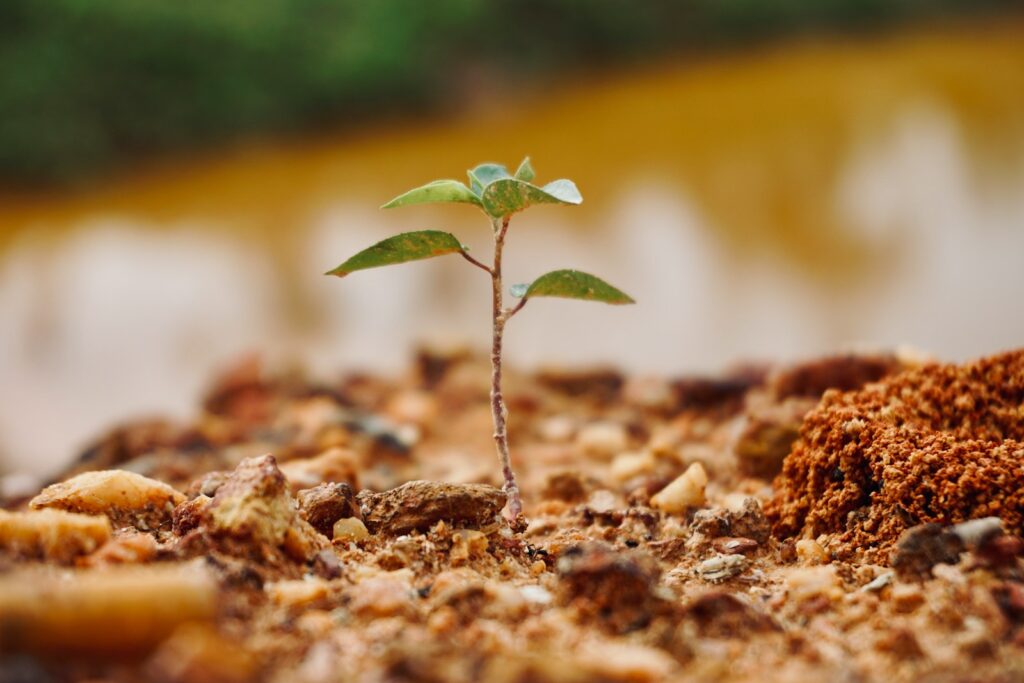
Modern reforestation efforts have largely moved beyond the monoculture plantations that dominated 20th-century forestry, embracing instead the complex diversity of natural forest systems. Today’s leading projects typically incorporate dozens of native species, carefully selected to recreate the layered structure and ecological relationships of mature forests. This approach acknowledges that forests are not merely collections of trees but intricate webs of interdependent organisms from soil fungi to canopy-dwelling mammals. Research demonstrates that biodiverse plantings show greater resilience to pests, diseases, and extreme weather events than single-species approaches. Additionally, these complex forests provide more varied resources for wildlife and typically develop faster toward self-sustaining ecosystems that require minimal human intervention.
Indigenous Knowledge and Forest Restoration

Indigenous communities have emerged as critical partners in successful forest restoration, bringing generations of ecological knowledge that often exceeds scientific understanding of local ecosystems. Many tribes and First Nations maintain detailed knowledge about which tree species thrive in specific microhabitats, when different species should be planted, and how various forest products can be sustainably harvested. This traditional ecological knowledge frequently encompasses understanding of fire management, seasonal cycles, and plant-animal interactions that western science is only beginning to document. Increasingly, reforestation projects are being designed and implemented with indigenous leadership, recognizing both the effectiveness of these approaches and the importance of addressing historical injustices in land management. Projects that combine indigenous wisdom with contemporary scientific methods often achieve remarkable success rates in establishing resilient new forests.
Technology Transforming Tree Planting
Technological innovation has dramatically expanded the scale and effectiveness of reforestation efforts, enabling projects that would have been unimaginable just decades ago. Drone seeding technologies can now disperse thousands of specially designed seed pods across difficult terrain, reaching areas that would be dangerous or impossible for human planters to access. Advanced mapping tools using satellite imagery and artificial intelligence help identify optimal planting locations and monitor forest growth with unprecedented precision. Meanwhile, genetic research is enabling the development of tree varieties better adapted to changing climate conditions without resorting to non-native species. Digital platforms now connect individual donors directly with specific tree planting projects, creating transparent funding mechanisms that have unleashed millions in new conservation financing.
The Economics of Forest Restoration
The financial models supporting tree planting have evolved dramatically, creating sustainable pathways for forest expansion even in resource-constrained regions. Carbon markets now channel billions of dollars into reforestation projects that demonstrate verifiable carbon sequestration, though the quality of these offset programs varies considerably. Payment for ecosystem services (PES) schemes reward landowners for the watershed protection, biodiversity, and other benefits their forests provide to broader society. Tourism based around restored forests creates lasting economic incentives for conservation, particularly in biodiversity hotspots. Research indicates that well-designed reforestation projects can generate an impressive return on investment—with studies showing that every dollar invested in restoration can yield between $7-30 in economic benefits through improved water quality, reduced disaster risk, and enhanced agricultural productivity.
Urban Forests: Redefining City Landscapes
Urban forestry has emerged as a critical frontier in tree planting initiatives, bringing forest benefits directly to where most people live. Cities worldwide are establishing ambitious canopy cover targets, recognizing that urban trees provide essential cooling, improve air quality, manage stormwater, and enhance mental health. Research consistently demonstrates that urban neighborhoods with generous tree cover experience lower rates of respiratory disease, reduced crime, and even improved academic performance among children. Modern urban forestry programs are increasingly addressing historic inequities in tree distribution, prioritizing plantings in disadvantaged neighborhoods that often have the greatest need for environmental benefits. The integration of fruit and nut trees into urban forests also creates new opportunities for community food security and educational engagement with forest systems.
Agroforestry: Where Food Production Meets Forest Recovery

Agroforestry systems represent one of the most promising approaches to reconciling agricultural needs with forest restoration, integrating trees into farming landscapes in ways that benefit both. These sophisticated systems can include alley cropping, where rows of trees alternate with conventional crops; silvopasture, which combines tree cover with livestock grazing; and multistory “food forests” that mimic natural forest structures while producing multiple harvests. Farmers practicing agroforestry typically experience improved soil health, better water retention, and enhanced resilience to extreme weather events compared to conventional approaches. In tropical regions, well-designed agroforestry systems can achieve up to 80% of the biodiversity benefits of natural forests while maintaining agricultural productivity. This integration of trees into working landscapes represents a crucial bridge between conservation and agricultural development goals.
The Challenge of Climate Adaptation in Reforestation
Climate change has complicated forest restoration by altering the environmental conditions under which forests must establish and thrive. Forward-thinking planting projects now incorporate climate projections to select species and genetic varieties likely to survive in future conditions rather than simply replicating historical forest compositions. This “assisted migration” approach involves carefully introducing species from slightly warmer regions that can maintain ecosystem functions as conditions change. Fire-adapted species are increasingly prioritized in areas facing heightened wildfire risk, creating more resilient landscapes that can recover quickly after disturbances. Some projects are experimenting with wider spacing between trees to reduce competition for water in regions expected to face increasing drought stress, demonstrating how planting techniques themselves must adapt to changing conditions.
Natural Regeneration: Letting Forests Restore Themselves
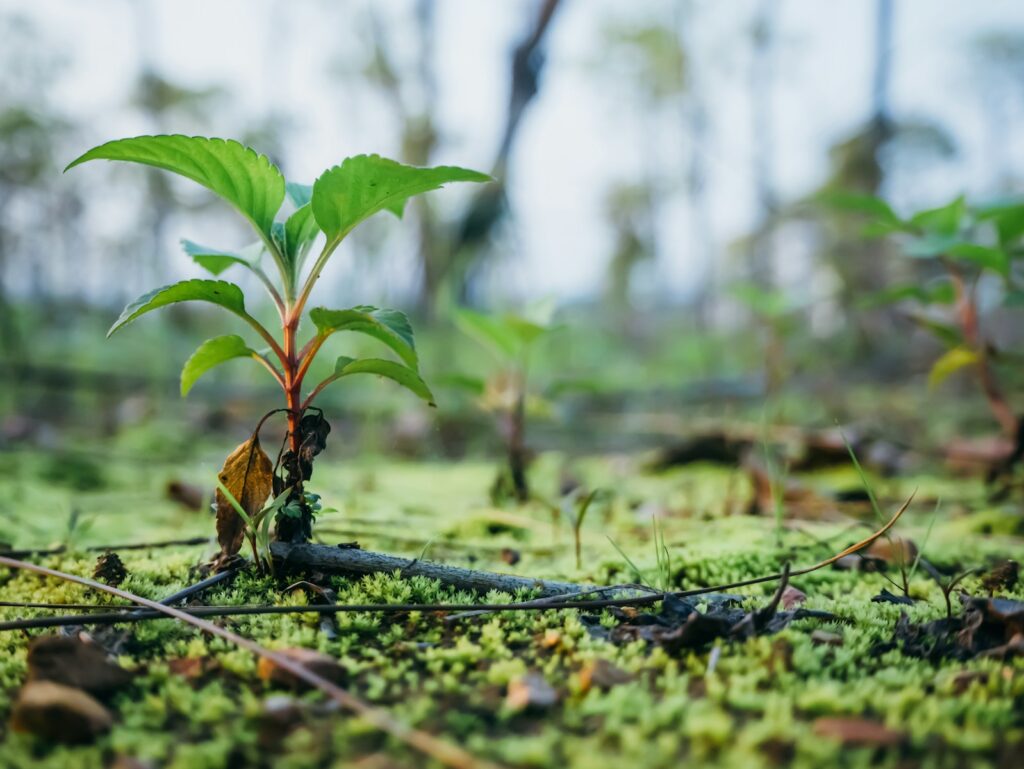
While active tree planting captures more attention, natural forest regeneration represents an equally important and often more cost-effective approach to forest recovery. Under the right conditions, abandoned agricultural lands can naturally transition back to forest through ecological succession, with pioneer species gradually giving way to longer-lived trees. This approach typically produces forests with greater biodiversity and more natural structure than planted forests, particularly when remnant forest patches exist nearby to provide seeds. Recent research in tropical regions has demonstrated that natural regeneration can achieve similar carbon sequestration to plantations at a fraction of the cost. Progressive restoration programs now carefully evaluate sites to determine whether active planting or assisted natural regeneration represents the most appropriate approach for each specific location.
Community-Based Forest Management

The most successful and sustainable reforestation efforts typically involve strong community engagement and local management rather than top-down impositions by outside entities. When local residents participate in planning, planting, and maintaining new forests, they develop personal stakes in the forest’s success and can integrate traditional knowledge into management practices. Community-managed forests have consistently demonstrated better protection outcomes than strictly protected areas in many regions, combining conservation with sustainable use that provides livelihoods. Research from Nepal to Mexico shows that forests under indigenous and community management often maintain or increase carbon stocks while supporting local economies. This approach recognizes that successful reforestation is fundamentally a social process as much as an ecological one, requiring human communities that value and protect the growing forests.
Measuring Success: Beyond Tree Survival Rates
The metrics used to evaluate forest restoration projects have evolved significantly, moving beyond simple tree survival counts toward more sophisticated measures of ecosystem function. Leading projects now track biodiversity indicators such as bird species richness, pollinator presence, and understory plant diversity to assess ecological recovery. Hydrological monitoring measures improvements in water quality and flow regulation as indicators of watershed restoration. Carbon monitoring increasingly encompasses soil carbon as well as aboveground biomass, recognizing that below-ground processes represent crucial aspects of forest carbon sequestration. Social metrics have gained equal importance, with projects evaluated on their contributions to local livelihoods, cultural values, and community wellbeing. This holistic approach to measuring outcomes reflects a deeper understanding that successful reforestation means recreating functioning ecosystems, not merely establishing tree cover.
The Future of Forests in a Changing World
As we look toward coming decades, forest restoration approaches continue to evolve in response to emerging challenges and opportunities. Research into fungal networks and plant communication is informing more sophisticated planting designs that support beneficial underground relationships between trees. Artificial intelligence is being deployed to optimize species selection for specific sites, balancing climate adaptation with biodiversity and cultural values. Rising interest in “rewilding” is expanding restoration goals beyond trees to include reintroduction of keystone animal species that maintain forest health through seed dispersal and herbivory management. Perhaps most importantly, there’s growing recognition that forests must be restored within broader landscape approaches that address the underlying drivers of deforestation—creating conditions where both new and existing forests can thrive indefinitely. This integrated vision represents our best hope for ensuring that the forests we plant today will still be standing, and still be healthy, a century from now.
Conclusion

Tree planting has evolved from a simple conservation activity into a sophisticated, multidisciplinary approach to ecosystem restoration. Today’s reforestation efforts integrate indigenous wisdom, cutting-edge technology, and community engagement to create forests that sequester carbon, support biodiversity, protect watersheds, and benefit human communities. As climate change intensifies, these efforts have never been more crucial—nor have they ever been more informed by science and traditional knowledge. The future of our forests depends not just on how many trees we plant, but on how thoughtfully we approach the complex challenge of restoring resilient, biodiverse woodland ecosystems that can thrive in changing conditions. Through continued innovation and collaboration, tree planting initiatives are transforming landscapes and offering renewed hope for the vital forest systems upon which our planet depends.