
Wildlife research plays a crucial role in understanding animal behavior, migration patterns, population dynamics, and conservation needs. One of the most valuable methods scientists use to gather data is animal tagging—a practice that allows researchers to track and identify individual animals over time. However, with growing ethical concerns and welfare considerations in wildlife research, the methods used to tag animals have evolved significantly to minimize stress and harm. Modern wildlife researchers employ various innovative, minimally invasive techniques that prioritize animal welfare while still collecting valuable scientific data. This article explores the fascinating world of humane animal tagging, highlighting the technologies, methodologies, and ethical considerations that allow scientists to study wildlife without causing lasting harm.
The Evolution of Animal Tagging Techniques
Animal tagging has undergone a remarkable transformation since its early days when researchers primarily used methods that often caused significant stress or harm to animals. Early tagging frequently involved capturing animals and applying permanent marks through practices like branding, toe clipping, or attaching bulky devices that impeded movement. As scientific understanding of animal welfare advanced, researchers recognized the ethical problems and scientific limitations of these approaches—stressed animals don’t behave normally, potentially invalidating research findings. Today’s wildlife researchers employ technologies specifically designed to minimize impact while maximizing data collection, reflecting a fundamental shift in research philosophy. This evolution represents not only technological advancement but also a growing recognition that good science and good ethics go hand in hand.
Passive Integrated Transponder (PIT) Tags

Passive Integrated Transponder (PIT) tags represent one of the least invasive tagging methods available to wildlife researchers today. These rice-sized microchips, similar to those used in pet identification, are inserted under an animal’s skin using a specialized needle in a procedure that takes mere seconds. The tags contain no batteries and remain dormant until activated by an external reader, which means they can function throughout an animal’s entire lifespan without requiring replacement or maintenance. When a researcher passes a scanner over the tagged animal, the PIT tag transmits a unique identification code, allowing for positive identification without recapturing or disturbing the animal. These tags have proven invaluable for studying everything from fish migrations in rivers to small mammal populations in forests, providing lifelong identification with minimal initial discomfort.
Non-Invasive Radio Collars and GPS Trackers
Modern tracking collars represent a remarkable advancement in wildlife research technology, with designs specifically engineered to minimize impact on animal behavior and welfare. Today’s GPS collars and radio transmitters are lightweight, often weighing less than 3-5% of an animal’s body weight—a threshold researchers consider ethical for ensuring normal movement and behavior. Many modern collars feature breakaway mechanisms that allow them to fall off after a predetermined research period or if they become snagged, preventing potential injuries. Sophisticated designs now incorporate contoured shapes that fit specific animal anatomies, preventing chafing or restriction of movement that earlier models sometimes caused. For animals like wolves, bears, and ungulates, these carefully designed collars provide incredible insights into habitat use, migration patterns, and social behavior while allowing the animals to live their lives essentially undisturbed.
Temporary Marking Methods

Researchers studying wildlife over shorter periods often employ temporary marking methods that naturally fade or fall off after the study concludes. Non-toxic, water-resistant paints and dyes can be applied to fur, feathers, or scales, creating distinctive patterns that allow individual identification from a distance without requiring recapture. For turtle studies, researchers sometimes apply small dots of nail polish to shells, which wear off naturally over time as the animal moves through its environment. Temporary adhesive tags attached to fur or feathers eventually fall off during normal molting or shedding cycles. Even specialized animal-safe glitter mixed with a mild adhesive has been used for short-term studies of amphibians and reptiles, allowing researchers to track individuals through visual observation alone. These methods are particularly valuable for behavioral studies where researchers need to distinguish between individuals without affecting natural behaviors.
Minimally Invasive Ear Tags
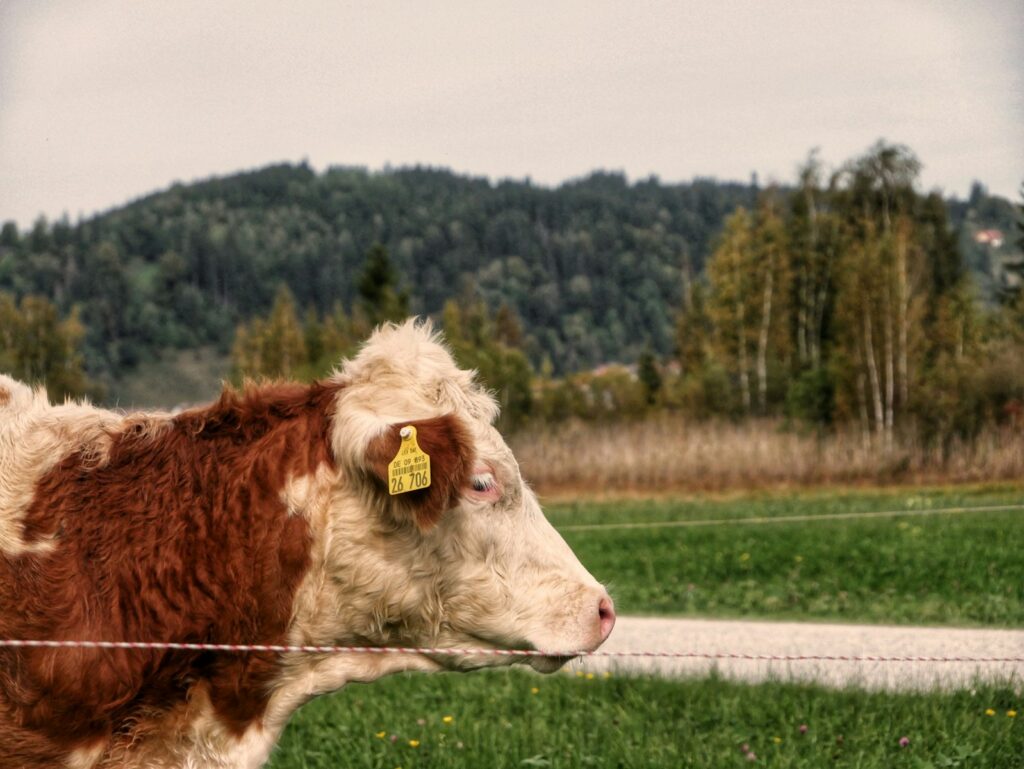
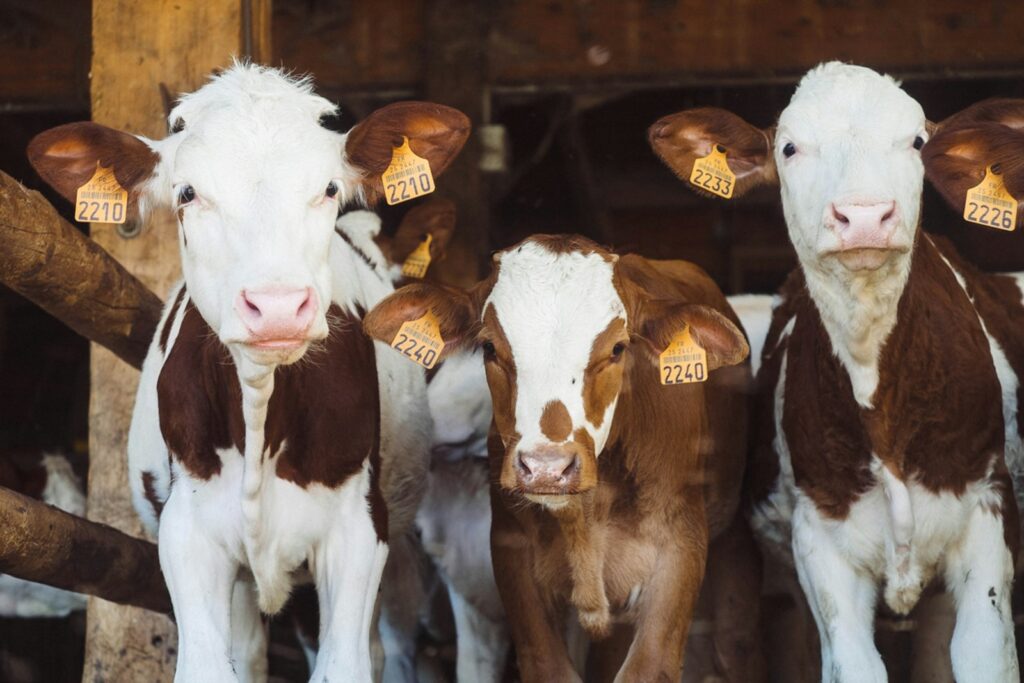
Ear tags have been redesigned significantly over the years to minimize discomfort while maintaining their effectiveness as identification tools. Modern ear tags are typically made from lightweight, flexible materials that move naturally with the animal’s ear, reducing irritation and preventing tears that older, rigid models sometimes caused. Researchers now use precision instruments to apply these tags, creating the smallest possible puncture while ensuring secure attachment. For many mammals, the ear has relatively few nerve endings and heals quickly, making it an ideal location for identification markers that cause minimal distress. Species-specific designs now exist for everything from tiny bats to large elephants, with researchers carefully selecting appropriate sizes and attachment methods based on the animal’s anatomy. When properly applied, these tags allow for long-term identification with negligible impact on the animal’s daily activities or well-being.
Photo Identification Techniques

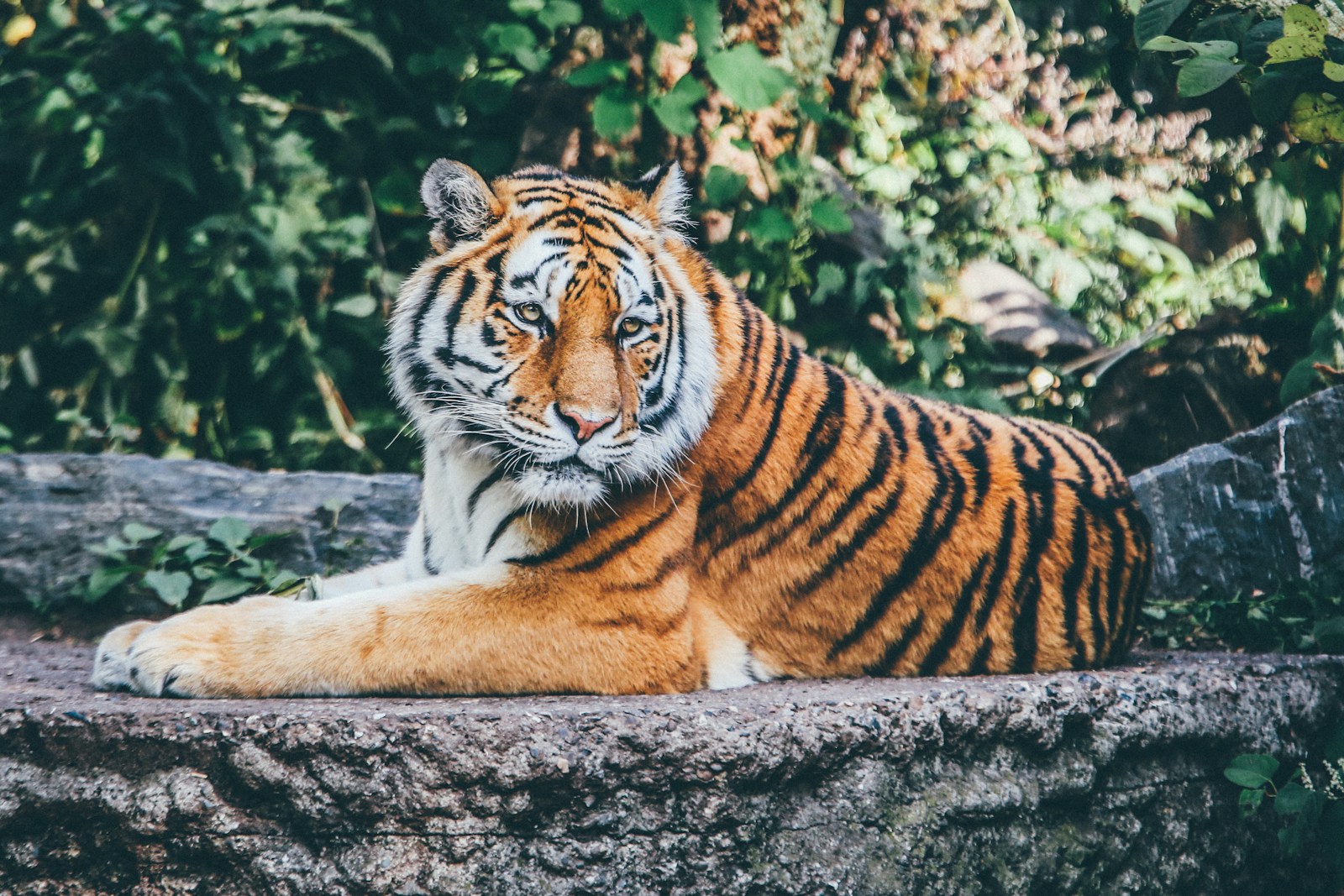
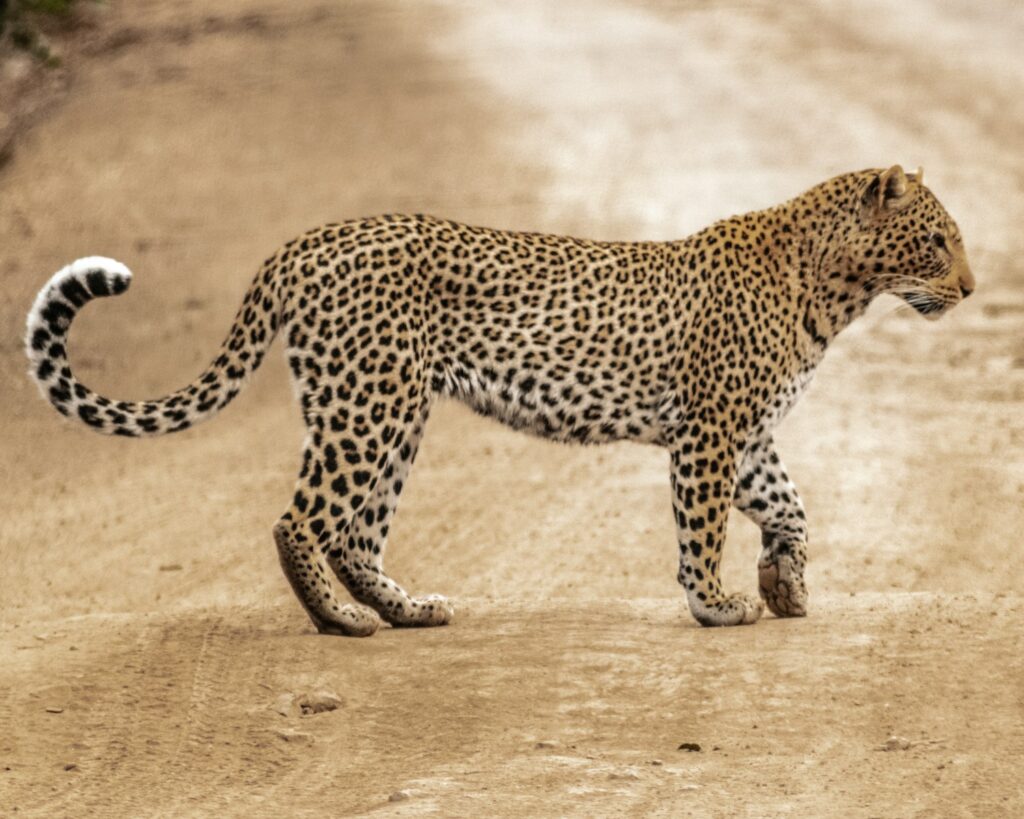
Perhaps the least invasive tagging method of all involves no physical manipulation of animals whatsoever—instead using their natural markings as nature’s own identification system. Many species possess unique natural patterns that remain stable throughout their lives, including whale flukes, tiger stripes, zebra patterns, and even the spot patterns on certain amphibians. Researchers photograph these distinctive features and use specialized pattern-recognition software to identify individuals when they’re observed again in the future. This completely hands-off approach eliminates any handling stress or physical impact on the animal while still providing reliable identification data. The technique has revolutionized research on sensitive or endangered species where handling might pose unnecessary risks, allowing scientists to track individuals over many years with absolutely no physical intervention. Some projects have successfully monitored individual animals for decades using this method, creating invaluable long-term datasets without a single instance of handling stress.
Advanced Biologging Technology
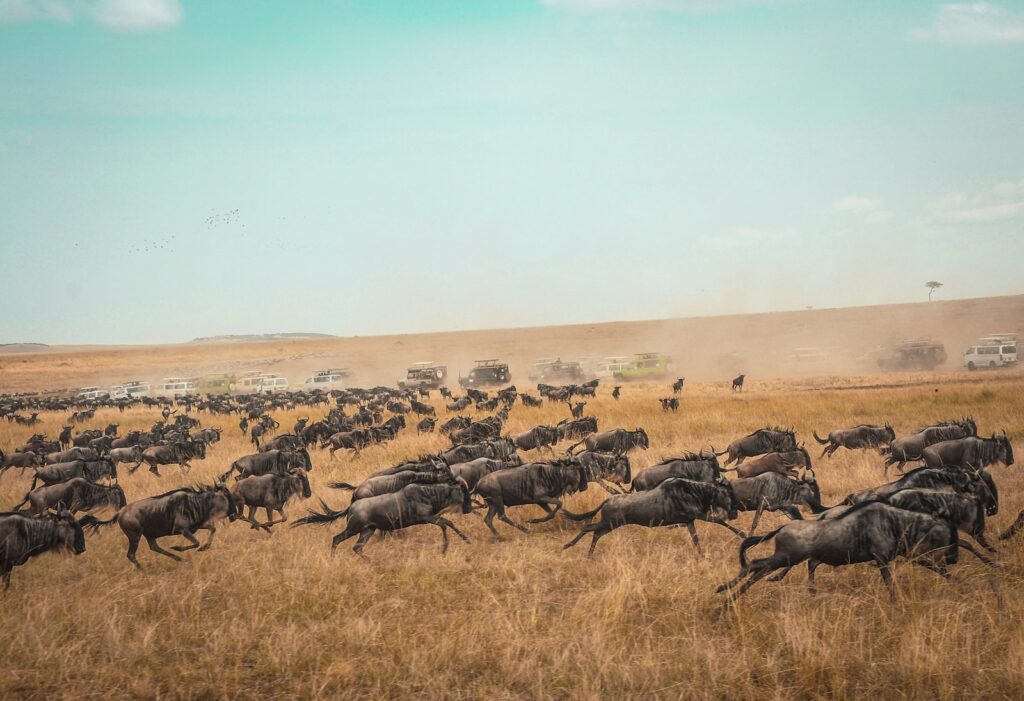
Cutting-edge biologging devices represent the frontier of animal tracking technology, with sophisticated sensors packed into increasingly tiny packages. Modern tags can incorporate multiple sensors that simultaneously record an animal’s location, body temperature, heart rate, diving depth, acceleration, and even environmental conditions—all within devices weighing just a few grams. The miniaturization of electronics has enabled researchers to study increasingly smaller species with minimal impact, while improved battery efficiency and solar recharging capabilities extend research duration without requiring recapture. Some biologgers are now designed to be attached externally using specialized adhesives that eventually wear off, eliminating the need for recapture to remove the device. For marine animals, researchers have developed suction cup tags that record detailed data for hours or days before naturally detaching, providing unprecedented insights into behaviors like deep-sea foraging without causing any permanent effects on the animal.
Ethical Anesthesia and Handling Protocols
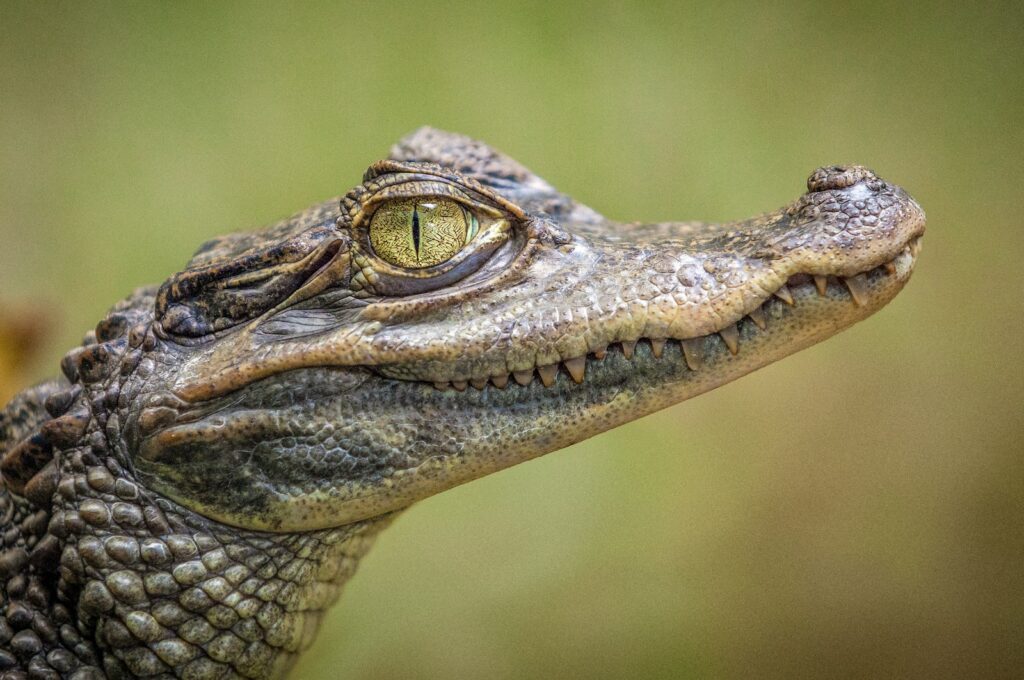
When animals must be temporarily captured and handled for tagging, researchers follow rigorous protocols designed to minimize stress and ensure safety. Modern wildlife anesthesia has evolved into a specialized field, with drugs and dosages carefully calibrated for each species and constantly refined to reduce recovery times and side effects. Trained wildlife veterinarians often accompany research teams, monitoring vital signs throughout procedures and making real-time adjustments to ensure animal welfare. During handling, researchers use techniques like covering animals’ eyes, working in climate-controlled environments, and minimizing noise to reduce sensory stressors that might cause psychological distress. Teams now meticulously plan every aspect of capture operations to minimize handling time—many tagging procedures that once took hours can now be completed in minutes, significantly reducing the time animals spend in human contact. These comprehensive welfare protocols reflect the scientific community’s commitment to conducting necessary research while respecting animal dignity and well-being.
Remote Attachment Methods

For certain species that are particularly sensitive to capture stress, researchers have developed innovative remote attachment techniques that eliminate the need for physical restraint. Specially designed dart systems can deliver lightweight tags to large mammals like whales or elephants without requiring capture, with the darts either falling out naturally after deployment or being designed to cause minimal tissue disruption. Some bird studies utilize mist nets that temporarily entangle birds without injury, allowing researchers to quickly attach small leg bands or backpack transmitters before immediate release. For marine species, researchers sometimes use modified fishing techniques that bring animals alongside boats just long enough to attach external tags without removing them from the water entirely. These methods have proven especially valuable for studying endangered species where traditional capture might pose unacceptable risks, allowing research to proceed while maintaining the highest welfare standards.
Surgical Implantation with Veterinary Oversight
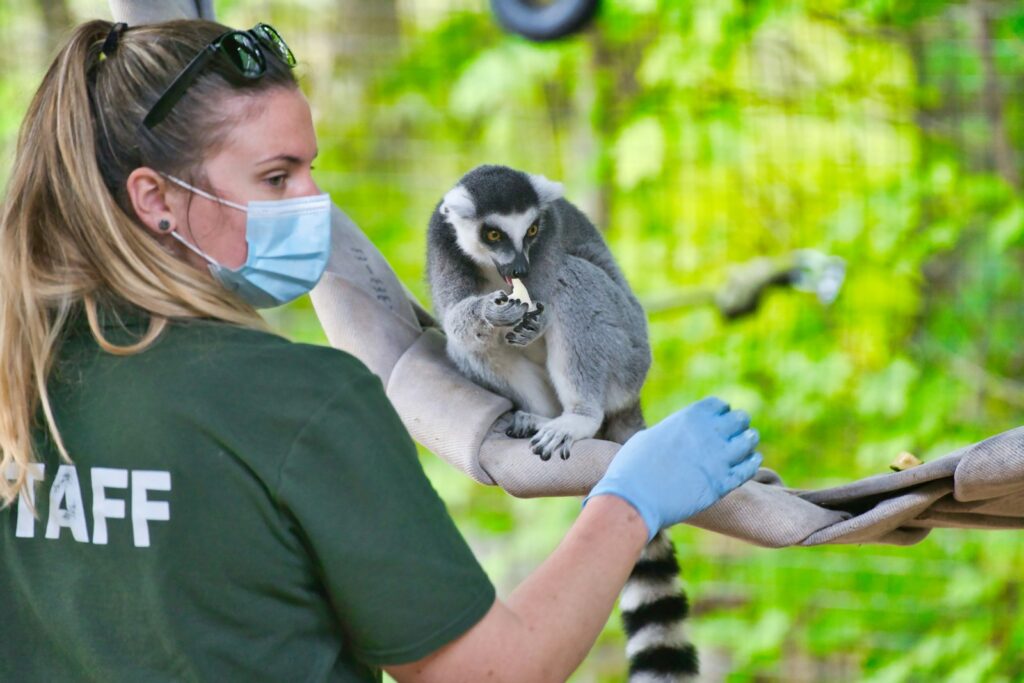
When internal monitoring devices are necessary for research objectives, modern protocols ensure these procedures meet the same standards as veterinary surgeries. Implantable tags are now performed with complete sterile technique, proper anesthesia, and post-operative pain management overseen by wildlife veterinarians specifically trained in the species being studied. The devices themselves have been redesigned with biocompatible materials that minimize tissue reaction and reduce the risk of rejection or infection. Researchers carefully select implantation sites based on detailed anatomical studies that identify locations causing the least disruption to the animal’s movement and physiological functions. Recovery monitoring has become a standard component of these protocols, with animals often held briefly after surgery to ensure proper healing before release. These sophisticated surgical approaches allow researchers to collect internal data like body temperature and heart rate while minimizing health risks, representing a significant advancement over earlier, more rudimentary implantation techniques.
Ethical Review Processes and Regulatory Oversight
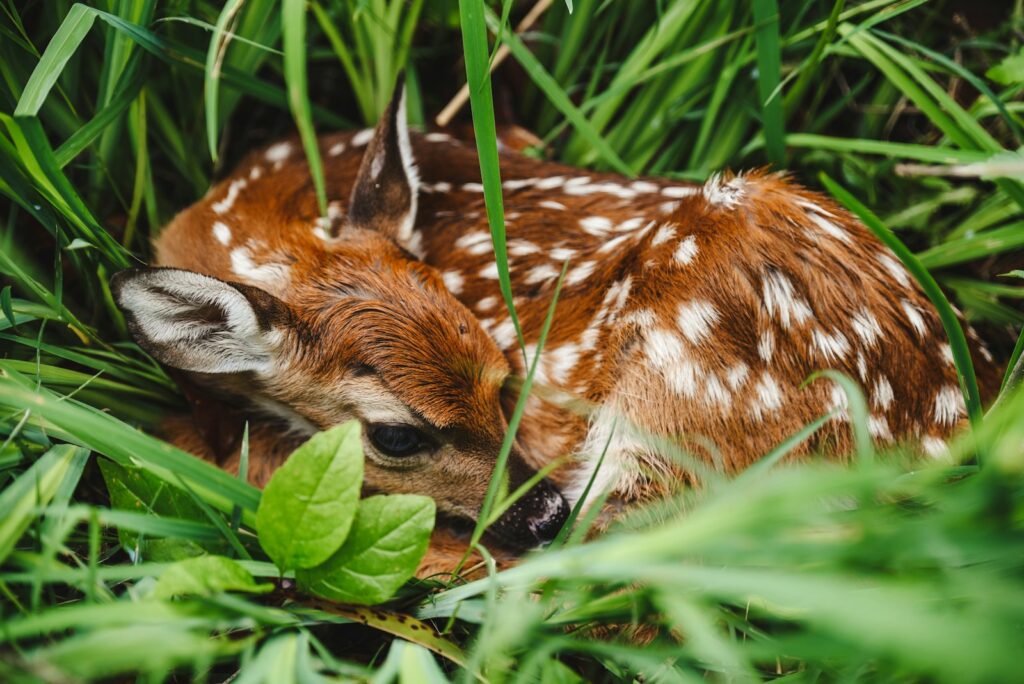
Modern wildlife research operates within a comprehensive framework of ethical review and regulatory oversight that was largely absent in earlier decades. Before any tagging study begins, researchers must now submit detailed protocols to institutional animal care and use committees (IACUCs) that include veterinarians, ethicists, and scientists who critically evaluate potential impacts on animal welfare. Many countries require specific permits for wildlife research that mandate humane practices and set strict limits on sample sizes and methods. Researchers must demonstrate that their questions cannot be answered using less invasive alternatives and that the potential knowledge gained justifies the minimal disturbance caused. These regulatory processes are continuously updated as new understanding of animal welfare emerges, creating an evolving standard of care that pushes researchers to constantly improve their methods. The combination of institutional oversight, permitting requirements, and peer review creates multiple layers of protection ensuring that animal welfare remains a primary consideration in wildlife research.
Balancing Research Needs with Animal Welfare
Wildlife researchers today operate at the intersection of scientific inquiry and ethical responsibility, constantly weighing the value of data against potential impacts on animal subjects. This balancing act requires honest assessment of whether research questions justify any level of animal disturbance, regardless of how minimal modern methods might be. Many researchers now incorporate pilot studies with small sample sizes to test and refine tagging methods before implementing them more broadly. The field has embraced the “3Rs” principle from laboratory animal science—replacement, reduction, and refinement—seeking alternatives to animal use when possible, minimizing the number of animals tagged, and continuously improving methods to reduce impacts. Professional societies for wildlife research have developed detailed ethical guidelines that go beyond regulatory requirements, creating a culture where animal welfare considerations are integrated into every stage of research design. This ethical framework recognizes that good science depends not just on methodological rigor but also on respect for the animals being studied.
Future Directions in Humane Wildlife Monitoring

The future of wildlife tagging points toward even less invasive approaches as technology continues to advance at a rapid pace. Environmental DNA (eDNA) techniques are already allowing researchers to detect species presence from water or soil samples without ever seeing the animals themselves, while acoustic monitoring can track some species through their vocalizations alone. Drone technology and high-resolution imaging are making it possible to observe and identify animals from greater distances, reducing the need for physical tagging in certain research contexts. Miniaturization continues to push the boundaries of what’s possible, with researchers developing microscopic sensors that could eventually be administered without capturing animals at all. Perhaps most importantly, artificial intelligence and machine learning are dramatically improving researchers’ ability to extract meaningful patterns from passive monitoring data, potentially reducing reliance on individual tagging altogether. These emerging technologies suggest a future where wildlife research becomes increasingly observational rather than interventional, aligning scientific goals with the highest standards of animal welfare.
Conclusion
The evolution of animal tagging techniques reflects a broader shift in how humans interact with wildlife—moving from approaches that prioritized data collection regardless of impact to methods that carefully balance scientific needs with ethical considerations. Today’s researchers have access to an impressive array of tools that allow them to gather crucial information while respecting animal welfare. This progress demonstrates that scientific advancement and ethical treatment of animals can progress hand in hand, producing better research outcomes while minimizing suffering. As technology continues to improve and ethical standards evolve, we can expect wildlife research to become even less invasive while yielding ever more detailed insights into the natural world. This balance represents the best of human ingenuity—finding ways to satisfy our curiosity about the natural world while honoring our responsibility to protect and respect the creatures we study.