
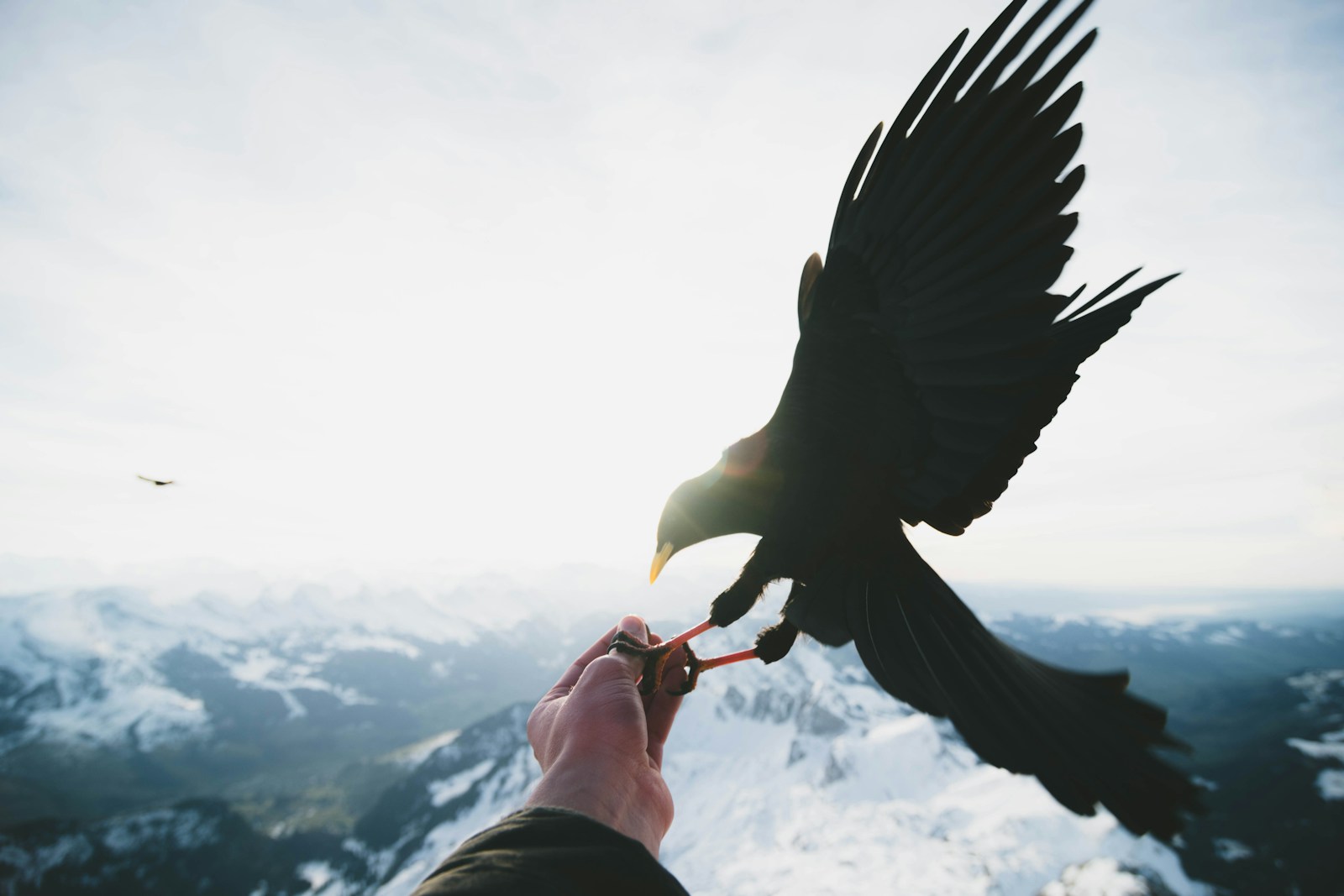
When visitors to parks, forests, and even suburban neighborhoods encounter wildlife, the impulse to share food often feels natural and kind. That squirrel looking expectantly at you, the deer approaching cautiously at the edge of your yard, or the majestic birds circling overhead can trigger an instinctive desire to connect through food sharing. However, this seemingly innocent act carries far-reaching consequences that extend beyond the immediate moment of connection. The practice of feeding wild animals disrupts natural behaviors, creates dangerous dependencies, and ultimately threatens both animal welfare and human safety. Understanding why wildlife feeding is problematic represents an essential step toward promoting healthier coexistence between humans and the natural world around us.
The False Kindness of Feeding Wildlife
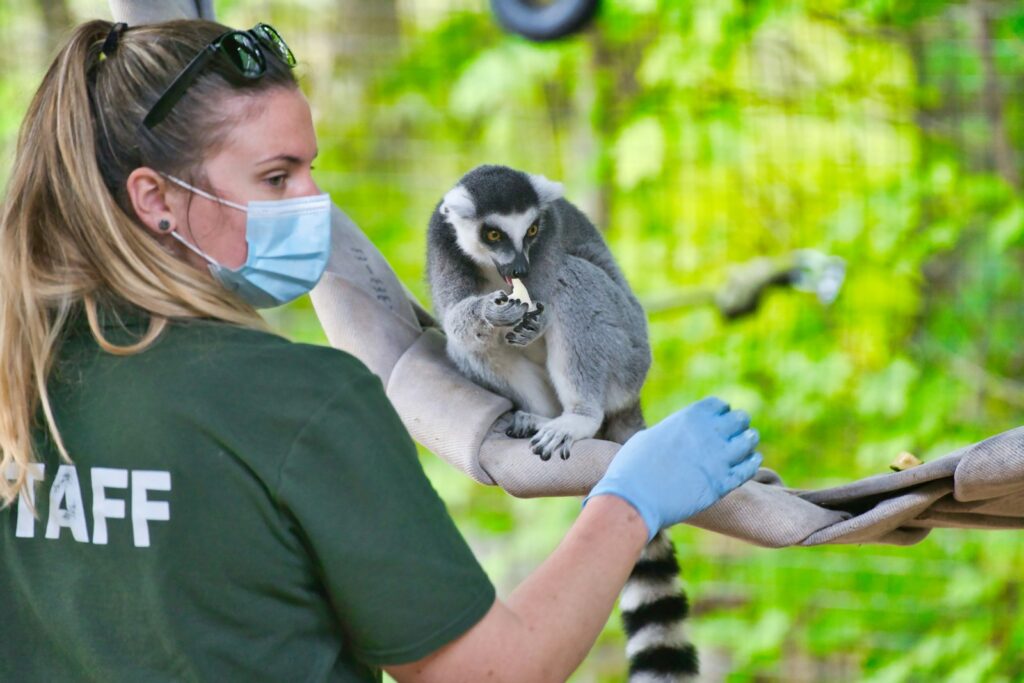
What appears as an act of compassion often disguises itself as one of the most significant disservices we can do to wild animals. When we offer food to wildlife, we’re not addressing their genuine needs but rather satisfying our own desire for connection and interaction. Animals in natural environments have evolved specific foraging skills and dietary requirements that human-provided food rarely satisfies. Even when feeding seems necessary because an animal appears hungry or thin, these physical states often represent natural seasonal variations or necessary population controls. Feeding interrupts these natural processes and creates artificial conditions that ultimately harm the very creatures we aim to help.
Creating Dangerous Dependencies
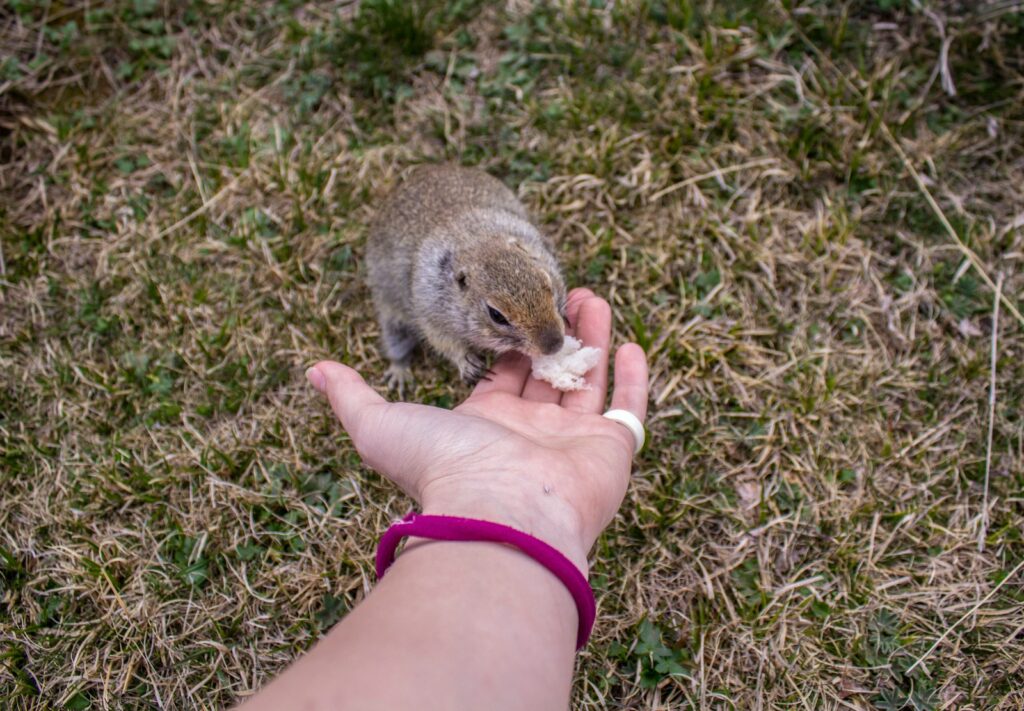
Wildlife that receives regular handouts quickly learns to associate humans with food, creating a dependency that fundamentally alters natural behaviors. This dependency doesn’t merely change where animals look for sustenance—it reshapes their entire survival strategy. Young animals may never learn crucial foraging skills when raised by parents reliant on human provisions. During natural food shortages or when human feeders move away or stop providing food, these animals lack the skills to sustain themselves. This dependency becomes particularly devastating during seasonal changes when animals should migrate or hibernate but instead remain in unsuitable areas expecting continued human support that may not materialize.
Nutritional Imbalances and Health Problems
Most food items humans offer wildlife fail to meet the specific nutritional needs these animals require for optimal health. Bread, often fed to waterfowl, contains minimal nutritional value while filling birds’ stomachs, preventing them from seeking more beneficial natural foods. This nutritional inadequacy leads to conditions like “angel wing” in waterfowl, a deformity causing wing feathers to point outward rather than lying flat against the body. Beyond lacking proper nutrients, human foods frequently contain additives, preservatives, and salt levels that wildlife digestive systems cannot properly process. The consequences include metabolic disorders, obesity, dental problems, and compromised immune systems that leave animals vulnerable to disease and predation.
Disease Transmission Concerns
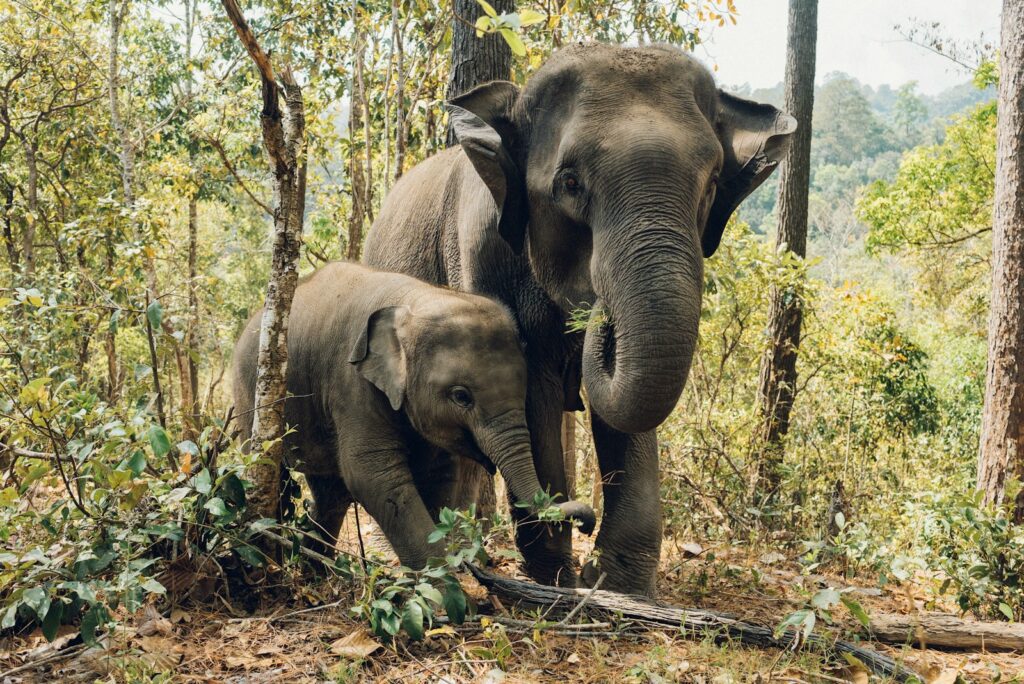
When wildlife congregates around feeding sites, the unnatural density creates perfect conditions for disease transmission. Diseases that might normally affect only isolated individuals can quickly become epidemics in these concentrated populations. The transmission risk flows in multiple directions—from animal to animal, animal to human, and human to animal. Bird feeders, when not regularly cleaned, can harbor bacteria and fungal growth that causes respiratory infections and eye diseases in birds. Mammals gathering at feeding sites can transmit rabies, distemper, and various parasites among their population. In regions where chronic wasting disease affects deer populations, artificial feeding significantly accelerates its spread through increased animal contact.
The Human Safety Risk
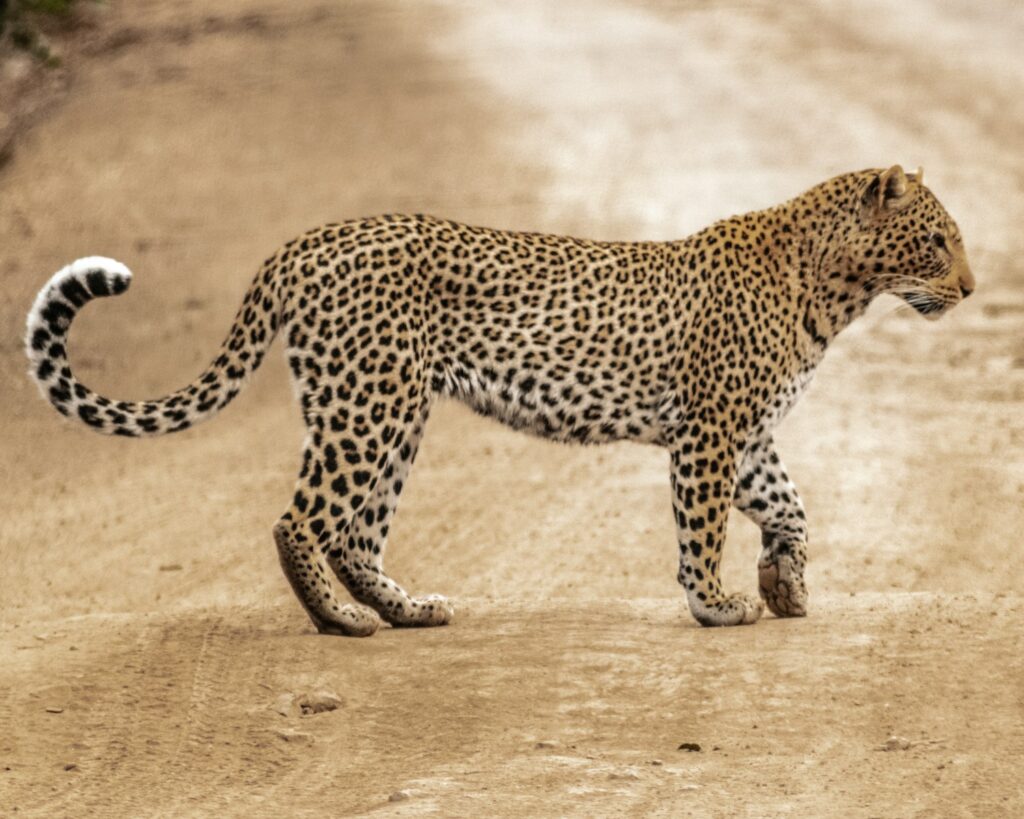
Wild animals habituated to human presence lose their natural wariness, creating potentially dangerous encounters. Bears who associate humans with food sources may approach campsites or residential areas, leading to property damage and sometimes fatal confrontations. Deer conditioned to approach humans for treats have injured people with their hooves and antlers during rutting season or when feeling threatened. Even smaller creatures like raccoons, when habituated, may become aggressive when food isn’t offered or when protecting perceived food territories. The statistics are sobering—wildlife officials report that the majority of negative wildlife-human interactions trace back to situations where animals were previously fed by humans.
Environmental Impact on Ecosystems
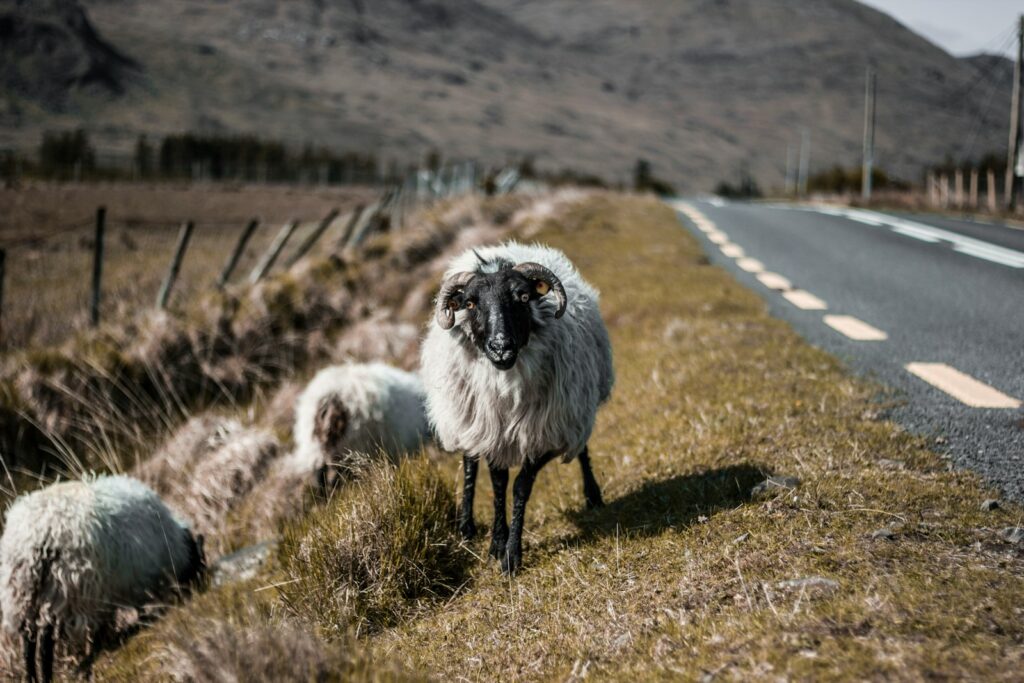
Feeding wildlife disrupts ecological balances by artificially supporting higher population densities than natural food sources would sustain. These inflated populations exert excessive pressure on the surrounding environment, leading to habitat degradation through overgrazing, over-browsing, or excessive predation. Artificially elevated predator populations can decimate prey species, while unnaturally high herbivore numbers can destroy native vegetation. For example, areas with heavily fed deer populations often show decreased forest regeneration and altered plant community composition. These cascading effects ripple through entire ecosystems, affecting numerous species not directly involved in feeding interactions.
The Urban Wildlife Challenge

Urban and suburban environments present unique challenges when it comes to wildlife feeding. Species like raccoons, skunks, and coyotes readily adapt to human landscapes, and feeding accelerates their urbanization. These animals learn to exploit human resources, taking up residence in attics, under decks, and in other structures close to reliable food sources. The resulting property damage can be substantial, with animals chewing through wiring, contaminating spaces with waste, and destroying insulation. Urban wildlife feeding also creates neighbor conflicts when some residents encourage wildlife presence while others experience the negative consequences. These situations often end tragically for the animals involved, as “nuisance wildlife” frequently faces lethal removal once conflicts escalate.
The Legal Consequences
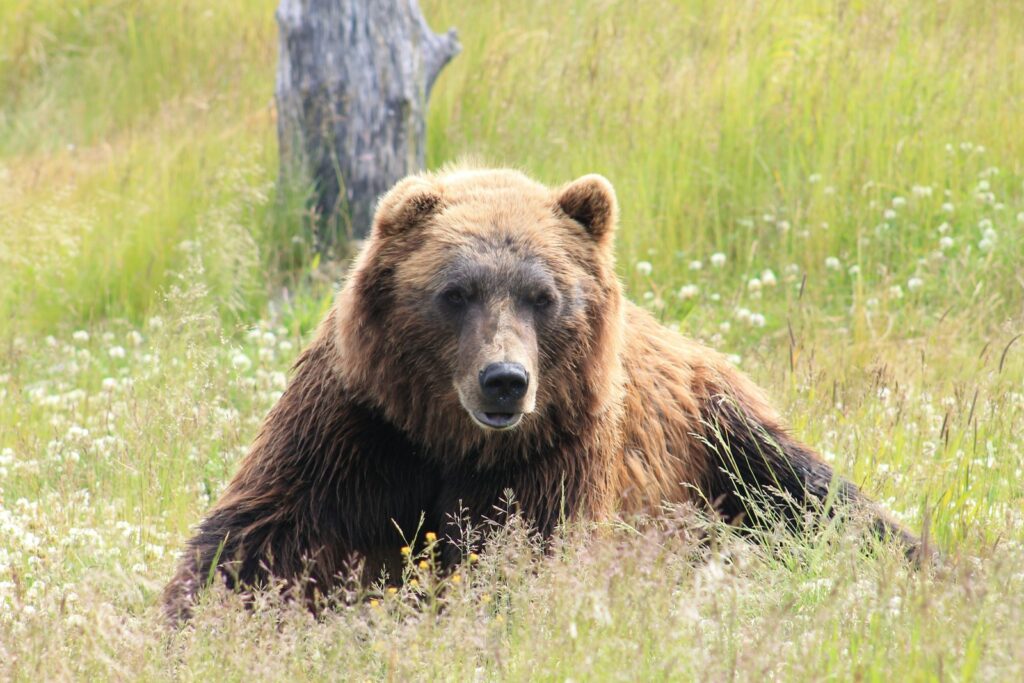
Many jurisdictions have implemented laws and regulations prohibiting wildlife feeding in response to the problems it creates. These restrictions carry financial penalties that can range from minor fines to substantial sums depending on the wildlife involved and the feeding pattern. In areas with threatened bear populations, feeding violations may result in fines exceeding $1,000 per incident. National parks and protected areas typically maintain strict feeding prohibitions, with enforcement officers actively patrolling and issuing citations. Even unintentional feeding through unsecured garbage or compost can result in legal consequences in some areas. Beyond financial penalties, individuals whose feeding activities create public safety hazards may face liability issues if injuries result.
The Special Case of Bird Feeders
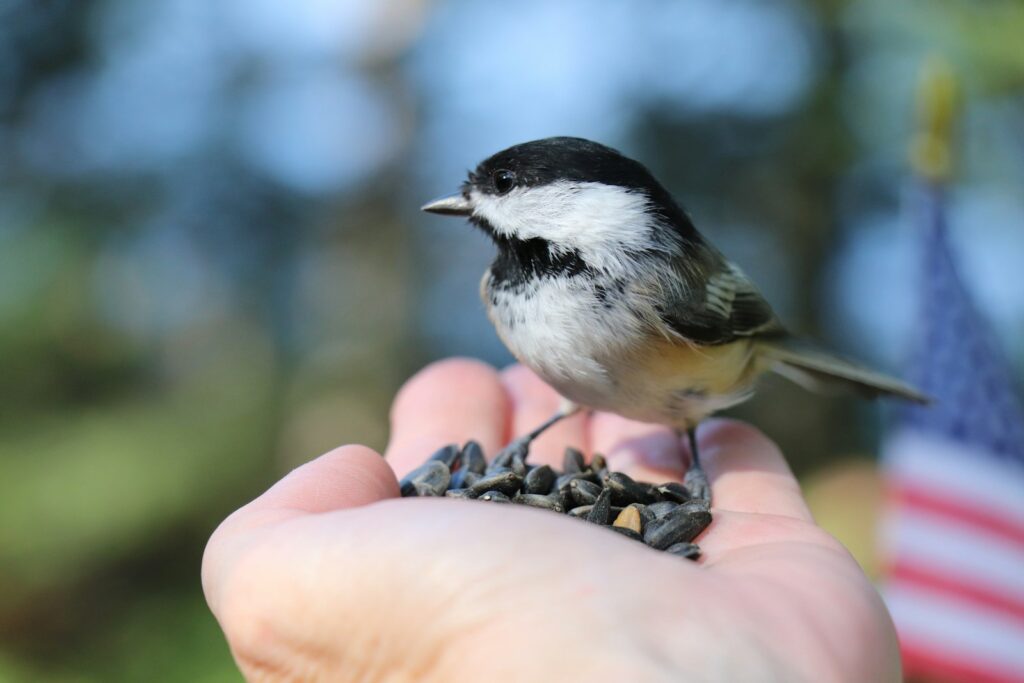
Bird feeding represents perhaps the most common and socially accepted form of wildlife feeding, but it carries its own set of concerns. While properly maintained feeders can supplement natural food sources without creating total dependency, they still concentrate birds in unnatural densities. This concentration facilitates the rapid spread of diseases like avian conjunctivitis, salmonellosis, and aspergillosis among feeder visitors. Feeders with insufficient cleaning protocols become disease transmission sites that can devastate local bird populations. Additionally, seed-heavy diets provided at many feeders lack the nutritional diversity birds would naturally consume, potentially leading to nutritional imbalances in species that become overly reliant on these sources. Responsible bird feeding requires regular cleaning, appropriate food selection, and seasonal adjustments to minimize negative impacts.
Wildlife Baiting vs. Feeding
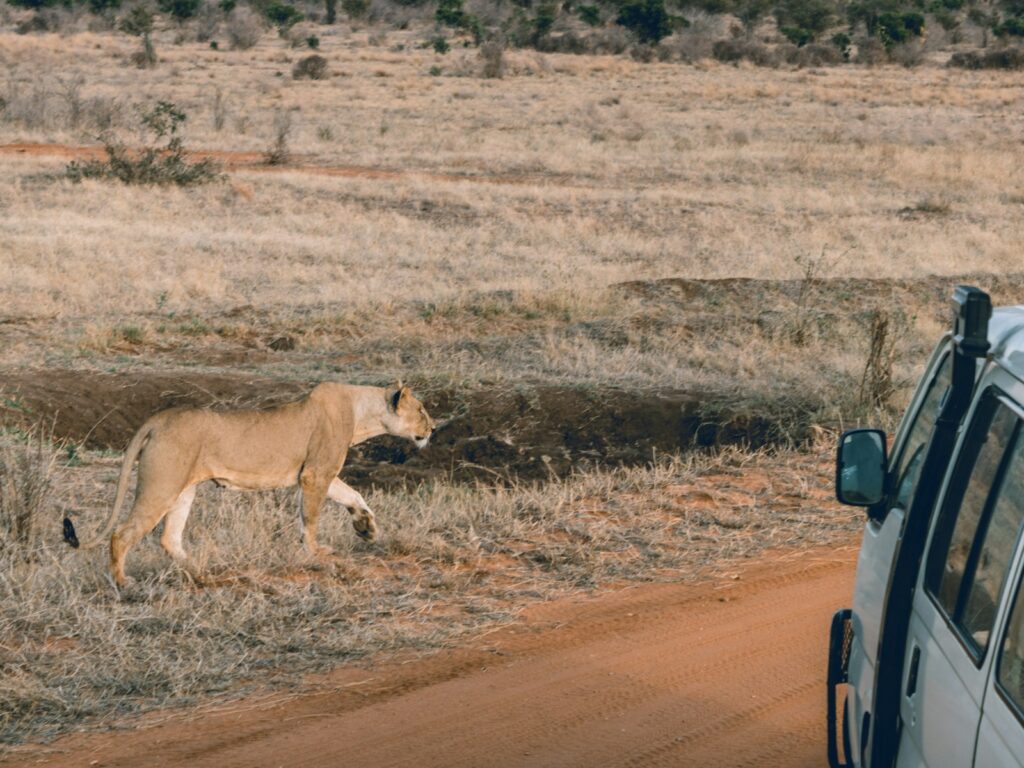
An important distinction exists between wildlife feeding and the controlled practice of baiting for management purposes. Wildlife professionals occasionally use baiting as a strategic tool for population control, disease monitoring, or relocation efforts. These baiting programs operate under strict protocols designed to minimize dependency and other negative outcomes while achieving specific management objectives. In contrast, casual feeding by the public lacks these safeguards and creates problems without corresponding benefits. Hunting regulations in many regions specifically address baiting practices, either prohibiting them entirely or establishing clear guidelines to prevent ecological disruption. The fundamental difference lies in the controlled, science-based approach of professional baiting versus the haphazard nature of recreational feeding.
Alternatives to Direct Feeding
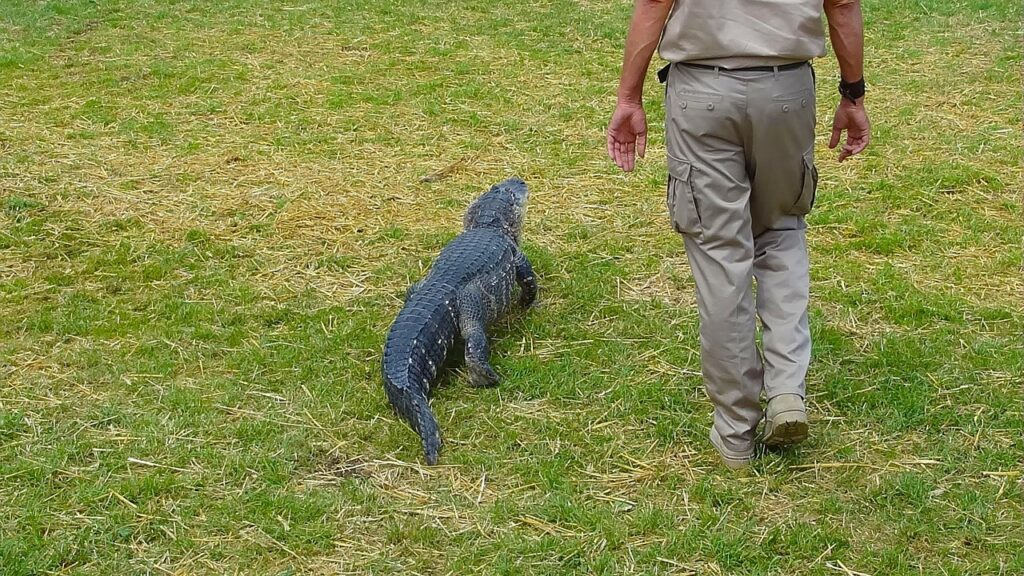
For those who genuinely wish to support wildlife, numerous alternatives exist that provide benefits without the dangers of direct feeding. Habitat improvement represents the most beneficial approach—planting native vegetation that provides natural food sources and shelter for local wildlife. Creating water features like bird baths or small ponds (with regular cleaning) offers vital resources without the dependency issues of food provisioning. Maintaining brush piles, standing dead trees, and diverse landscape features provides shelter and supports the natural food web by harboring insects and other small organisms that feed larger wildlife. Conservation support through donations to wildlife rehabilitation organizations or habitat protection initiatives creates broader, more sustainable benefits than individual feeding efforts.
Emergency Feeding Situations
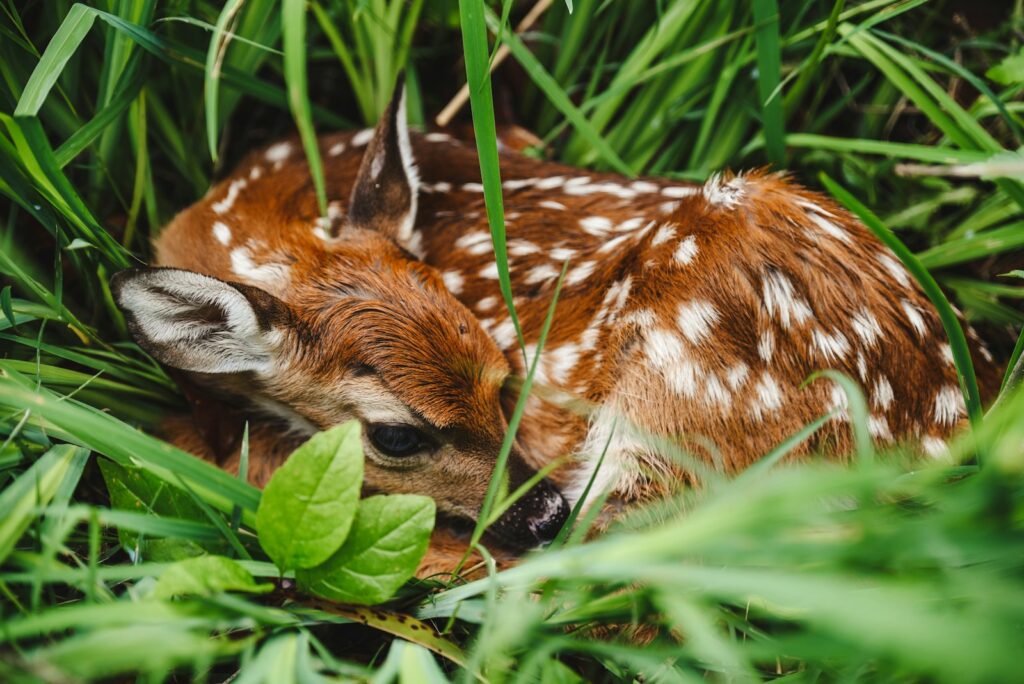
Rare circumstances exist where wildlife feeding becomes necessary as a temporary emergency measure. Extended severe weather events, natural disasters, or significant habitat destruction might prompt wildlife officials to implement controlled feeding programs to prevent mass starvation. These interventions occur under professional supervision with careful consideration of long-term implications and exit strategies to prevent dependency. Wildlife rehabilitation facilities use specialized feeding protocols for injured or orphaned animals, designed specifically to maintain wild behaviors while supporting recovery. The key distinction with these legitimate feeding scenarios involves professional oversight, specific nutritional formulations, and strategies to prevent habituation and dependency. The general public should never attempt emergency feeding without consulting wildlife authorities, as improper interventions often create more harm than good.
Education as the Ultimate Solution
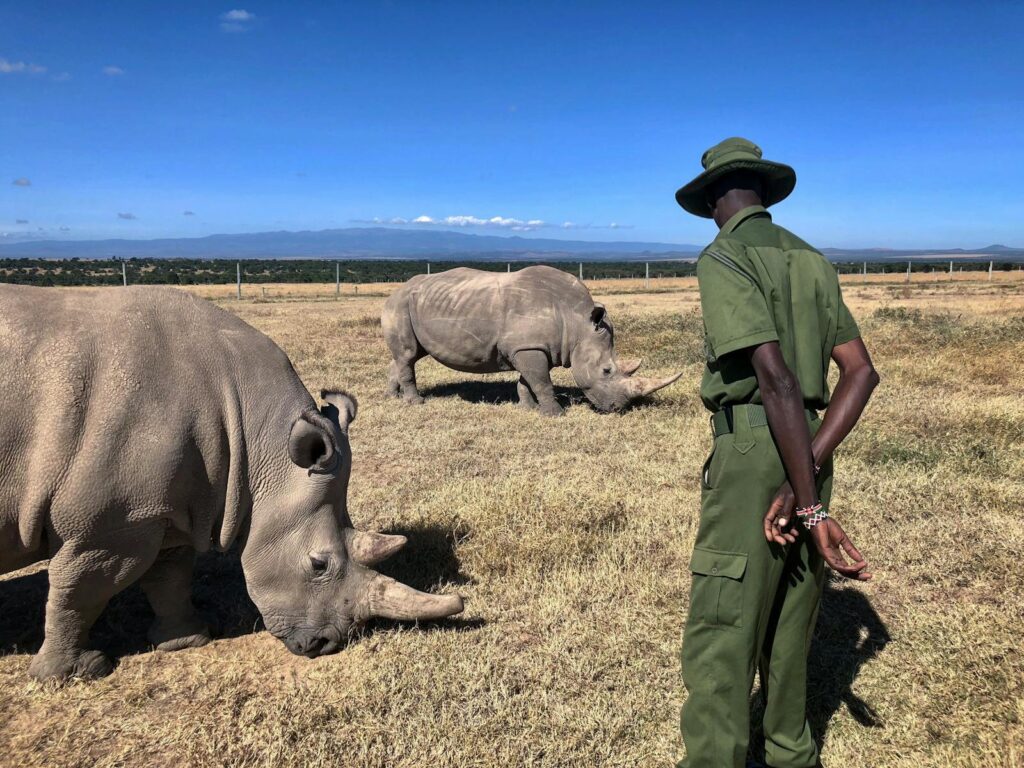
Addressing the wildlife feeding issue ultimately requires a foundation of public education and awareness. Many people who feed wildlife act from genuine compassion, unaware of the harmful consequences their actions create. Effective educational programs emphasize both the “why not” of feeding and the “what instead” of constructive alternatives. Community-based initiatives that promote understanding of local wildlife needs and natural behaviors help shift public perception away from feeding as a beneficial activity. Schools, nature centers, and wildlife agencies play crucial roles in developing this awareness from an early age. When communities understand that respecting wildlife means maintaining appropriate boundaries, both people and animals benefit from healthier relationships based on observation rather than interaction.
The temptation to feed wildlife springs from our innate desire to connect with the natural world. However, this connection becomes meaningful and sustainable only when it respects the true needs and nature of wild animals. By understanding the comprehensive risks that feeding creates—for animal health, ecosystem balance, and human safety—we can redirect our care toward more beneficial approaches. The most genuine expression of compassion for wildlife comes not through offering food from our hands but through preserving the habitats and natural processes that allow animals to thrive independently. In this thoughtful restraint, we discover a deeper and more authentic relationship with the wild creatures that share our world.