
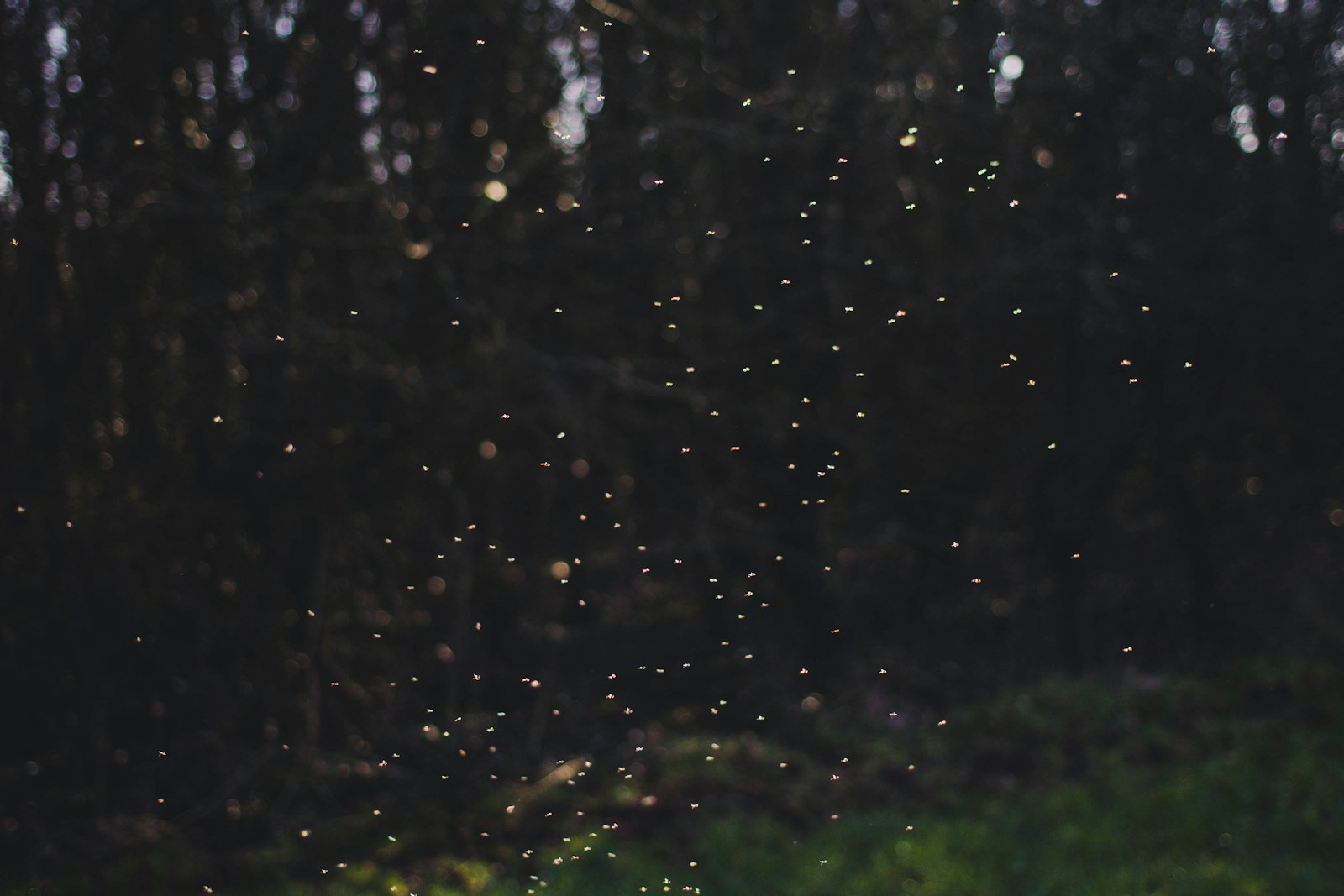
For generations, fireflies have captivated our imagination with their magical evening light shows. These bioluminescent beetles, also known as lightning bugs, have been cultural symbols in many societies and fond childhood memories for countless people. However, in recent decades, scientists and nature enthusiasts have noticed a troubling trend: firefly populations are declining worldwide. This silent disappearance of one of nature’s most enchanting insects represents not just the loss of summer evening magic, but signals deeper environmental issues affecting our ecosystems. Understanding why these living light displays are fading away—and what actions we can take to reverse this trend—is crucial if we hope to preserve fireflies for future generations.
The Magnificent World of Fireflies
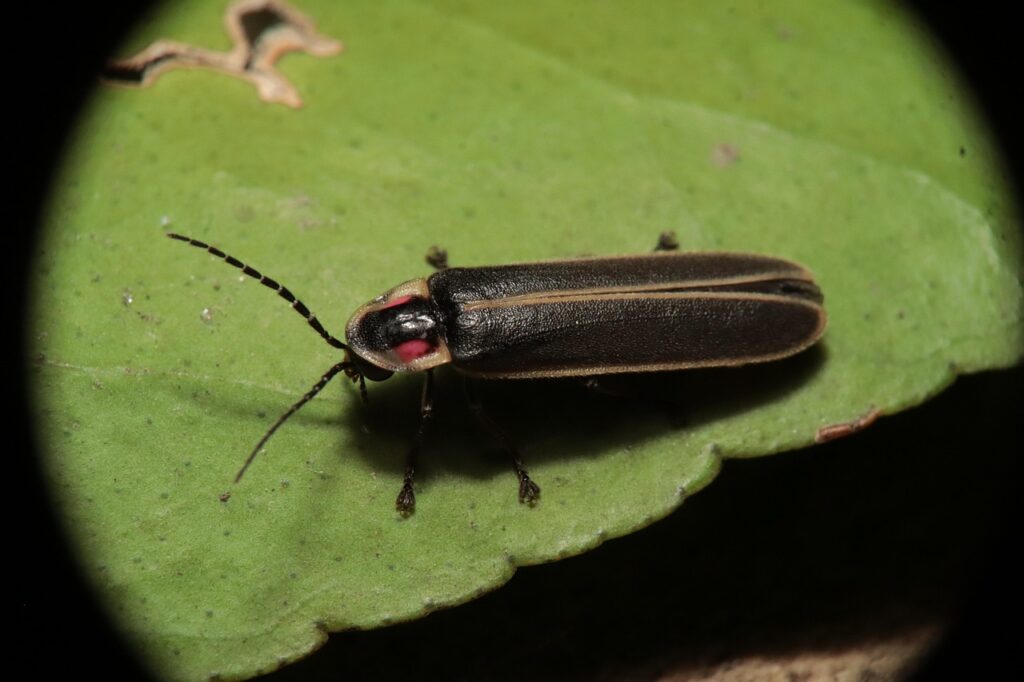
Fireflies belong to the beetle family Lampyridae, comprising over 2,000 species worldwide distributed across temperate and tropical regions. What makes fireflies truly remarkable is their ability to produce light through a chemical reaction in their abdomens—a process called bioluminescence. This light production serves primarily as a mating signal, with each species having distinct flash patterns that males use to attract females. Beyond their light displays, fireflies play important ecological roles as predators in larval stages, with many species feeding on snails, slugs, and other small invertebrates. Their presence in an ecosystem indicates healthy, balanced habitats with minimal pollution, making them valuable bioindicators of environmental quality.
Light Pollution: Dimming Nature’s Lightshow
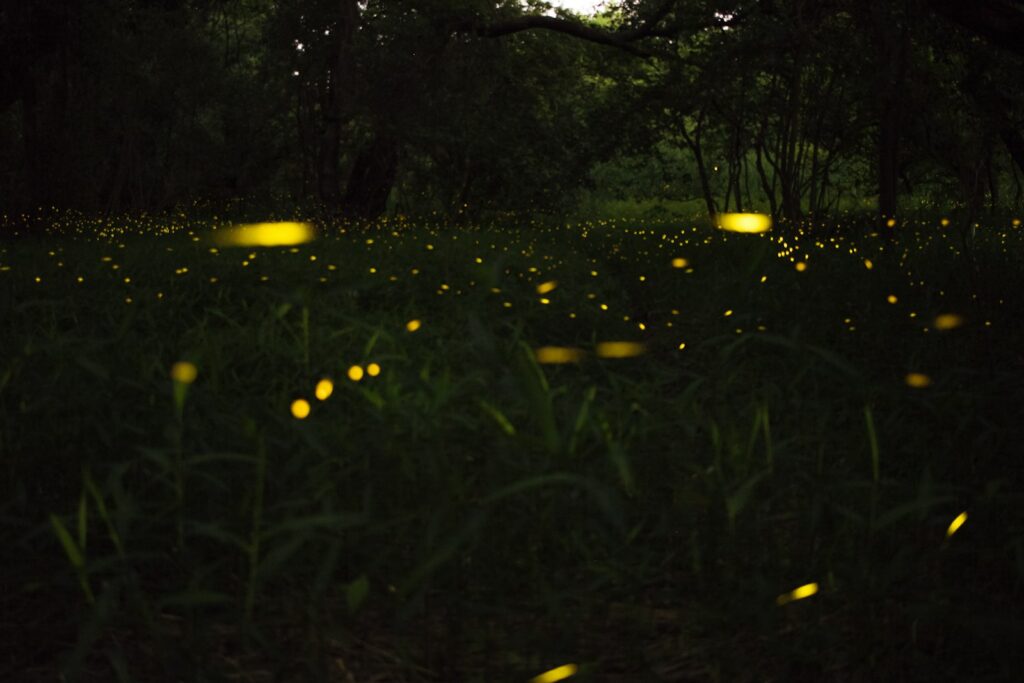
Perhaps the most significant threat to firefly populations worldwide is light pollution from street lamps, residential lighting, commercial buildings, and vehicle headlights. Artificial night lighting disrupts the fireflies’ communication patterns, making it difficult for males and females to find each other during mating season. Many female fireflies cannot detect the flashing patterns of males against the backdrop of constant artificial light, leading to reduced mating success and declining reproduction rates. Research has shown that areas with high levels of light pollution experience up to 70% reduction in firefly activity compared to darker areas. The expansion of urban areas means this problem continues to worsen, with global light pollution increasing by approximately 2% annually.
Habitat Loss: Disappearing Homes
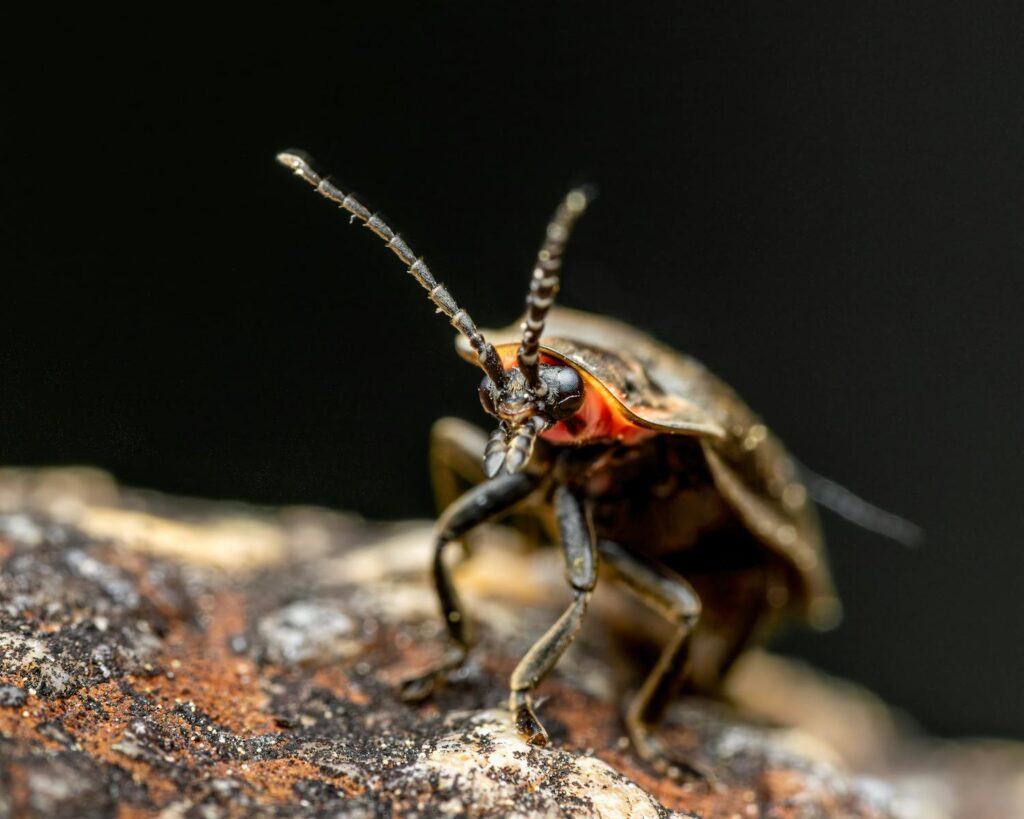
Fireflies have specific habitat requirements that are rapidly vanishing due to urban development, agricultural expansion, and land-use changes. Most species need moist environments such as marshes, stream edges, and damp forests to complete their life cycles. The larvae of many firefly species develop in moist soil, leaf litter, or rotting logs, environments that are often drained, cleared, or developed for human use. Coastal development has been particularly devastating for species like the rare blue ghost firefly (Phausis reticulata), which requires undisturbed forest floors. When wetlands are drained or forests are fragmented, firefly populations become isolated, reducing genetic diversity and resilience to environmental changes.
Pesticide Impacts: Silent Killers
The widespread use of pesticides, particularly insecticides, poses a serious threat to firefly populations at all life stages. Many commonly used lawn and garden chemicals are broad-spectrum pesticides that kill beneficial insects along with targeted pests. Firefly larvae, which spend up to two years developing in soil before emerging as adults, are particularly vulnerable to pesticide accumulation in soil and water. Even sublethal exposure to pesticides can disrupt firefly development, behavior, and reproduction. Studies have shown that neonicotinoid insecticides, widely used in agriculture and lawn care, can persist in soil for years and negatively impact the nervous systems of non-target insects like fireflies.
Climate Change: Disrupting Natural Cycles

Climate change affects firefly populations through altered temperature patterns, changing precipitation levels, and increased extreme weather events. Many firefly species have evolved precise timing for their emergence and mating activities, which can be disrupted by unseasonable temperatures or rainfall patterns. Extended droughts can dry out the moist habitats fireflies need, while extreme precipitation events may flood larvae in soil. Some researchers have documented shifts in firefly emergence timing, with adults appearing earlier in the season in response to warming temperatures. These phenological changes can create mismatches between firefly life cycles and their food sources or optimal mating conditions.
Water Pollution: Contaminating Aquatic Habitats
Many firefly species have aquatic or semi-aquatic larvae that develop in clean water bodies, making them highly susceptible to water pollution. Contaminants from agricultural runoff, industrial discharges, and residential sources can poison firefly larvae directly or reduce populations of their prey. Excess nutrients from fertilizers can cause algal blooms that deplete oxygen in water bodies, creating inhospitable conditions for aquatic larvae. Some firefly species, like those in the genus Photinus, are particularly sensitive to water quality changes and have disappeared from streams and ponds affected by pollutants. The degradation of water quality in many rural and suburban areas correlates strongly with local firefly population declines.
Invasive Species: New Threats to Native Fireflies
Invasive species can disrupt firefly populations through competition, predation, or habitat alteration. Invasive plants like kudzu, Japanese knotweed, and purple loosestrife can transform habitats by outcompeting native vegetation that fireflies depend on. Some introduced predators target fireflies directly, such as certain ground beetles and lizard species that have been introduced outside their native ranges. In parts of Europe and North America, the Asian jumping worm has dramatically altered soil composition and leaf litter, degrading habitat quality for firefly larvae. These ecological disruptions add another layer of stress to already vulnerable firefly populations.
Commercial Collection: Exploitation for Tourism

In some parts of the world, fireflies face direct exploitation through commercial collection for tourism. Particularly in Southeast Asia, the growing popularity of firefly-viewing tourism has led to habitat degradation through boat traffic, flashlight use, and physical disturbance of firefly habitats. In some cases, fireflies are collected for display in enclosed venues or for the souvenir trade. The synchronous fireflies of Thailand, Malaysia, and the Philippines have been especially impacted by unregulated tourism development. Even well-intentioned ecotourism can harm firefly populations if not carefully managed with science-based conservation practices.
Creating Firefly-Friendly Gardens
One of the most effective ways individuals can help firefly populations is by creating suitable habitat in their own yards and gardens. Leave areas of your property unmowed and undisturbed, with leaf litter and native plants that provide the moist environments firefly larvae need to develop. Incorporate water features like small ponds or rain gardens that collect and filter water, creating the damp conditions many species prefer. Avoid using chemical pesticides and fertilizers that can harm fireflies and their prey. Native plants not only support fireflies directly but also attract the small insects, snails, and other invertebrates that firefly larvae feed on, creating a complete ecosystem in your yard.
Reducing Light Pollution at Home

Simple changes to outdoor lighting can significantly reduce your contribution to light pollution that disrupts firefly communication. Install motion-activated lights rather than fixtures that stay on continuously throughout the night. Choose warm-colored LED bulbs (below 3000K color temperature) rather than bright white or blue lights, which are particularly disruptive to nocturnal wildlife. Use fixtures that direct light downward rather than allowing it to spread in all directions, and consider timers that automatically turn off lights during peak firefly activity hours (typically 8 PM to midnight in summer months). Drawing curtains at night also helps reduce light spill from inside your home into surrounding natural areas.
Community Firefly Monitoring
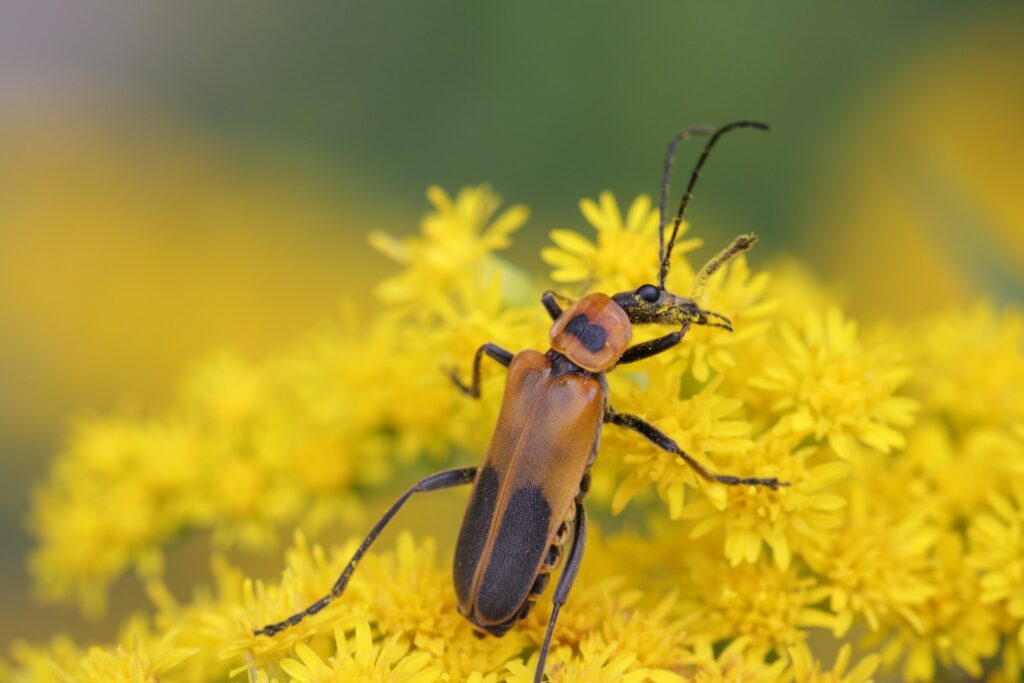
Citizen science projects that monitor firefly populations provide essential data for conservation efforts while raising public awareness. Programs like Firefly Watch (run by Mass Audubon) and the Fireflyers International Network enable volunteers to report firefly sightings, species information, and population trends in their local areas. These community-based monitoring efforts help scientists track changes in firefly distribution and abundance over time. Participating in these programs requires just a few minutes of observation each week during firefly season, making it accessible for families, schools, and community groups. The data collected through these initiatives has already helped identify priority conservation areas and document population changes that might otherwise go unnoticed.
Advocating for Firefly-Friendly Policies
Beyond individual actions, effective firefly conservation requires policy changes at municipal, state, and national levels. Advocating for dark-sky ordinances in your community can limit light pollution through regulations on outdoor lighting fixtures, brightness levels, and usage times. Supporting wetland protection laws and conservation easements helps preserve critical firefly habitats from development. Engaging with local planning commissions and conservation committees can ensure firefly needs are considered in land-use decisions. Organizations like the Xerces Society and International Dark-Sky Association provide resources and model policies that communities can adapt to protect fireflies and other light-sensitive wildlife.
The Future of Firefly Conservation
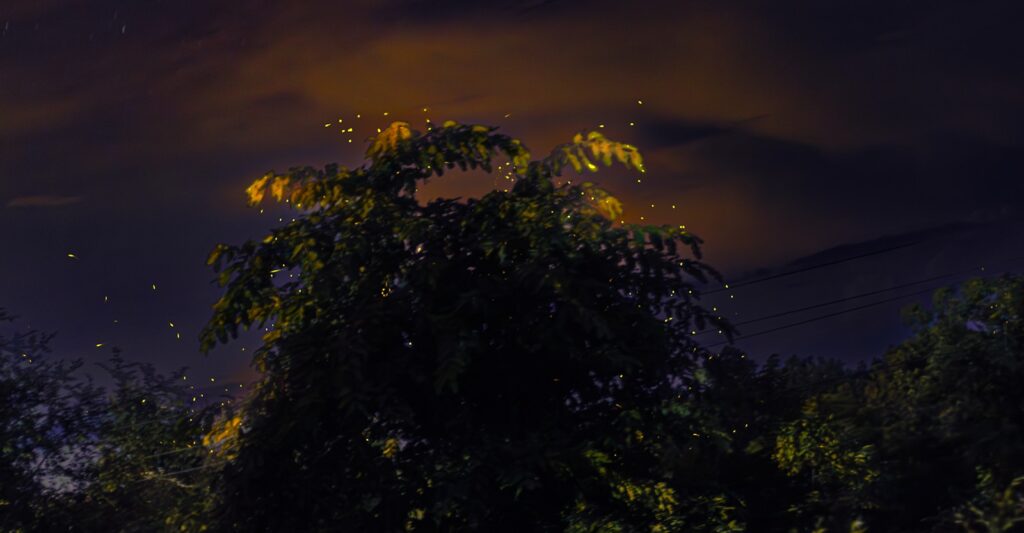
Despite the challenges fireflies face, there are encouraging signs of growing awareness and conservation action. Research into firefly biology, threats, and conservation needs has expanded dramatically in recent years, providing better scientific foundations for protection efforts. Conservation organizations increasingly include fireflies in their work, recognizing their ecological and cultural importance. Public engagement through citizen science, educational programs, and media coverage has heightened awareness of firefly declines and motivated action. The establishment of protected areas specifically designed to conserve firefly populations, like the Elkmont Synchronous Firefly Preserve in Great Smoky Mountains National Park, demonstrates institutional commitment to these charismatic insects.
As we face the potential loss of these luminous natural wonders, the path forward requires both individual and collective action. By creating firefly-friendly spaces, reducing our environmental impacts, and advocating for wider protection, we can help ensure that future generations will experience the magic of fireflies illuminating summer evenings. These small beetles with their magnificent light displays remind us that even the smallest creatures play important roles in healthy ecosystems and in the human experience of nature’s wonders. Through informed conservation efforts, we can keep their lights shining for generations to come.