
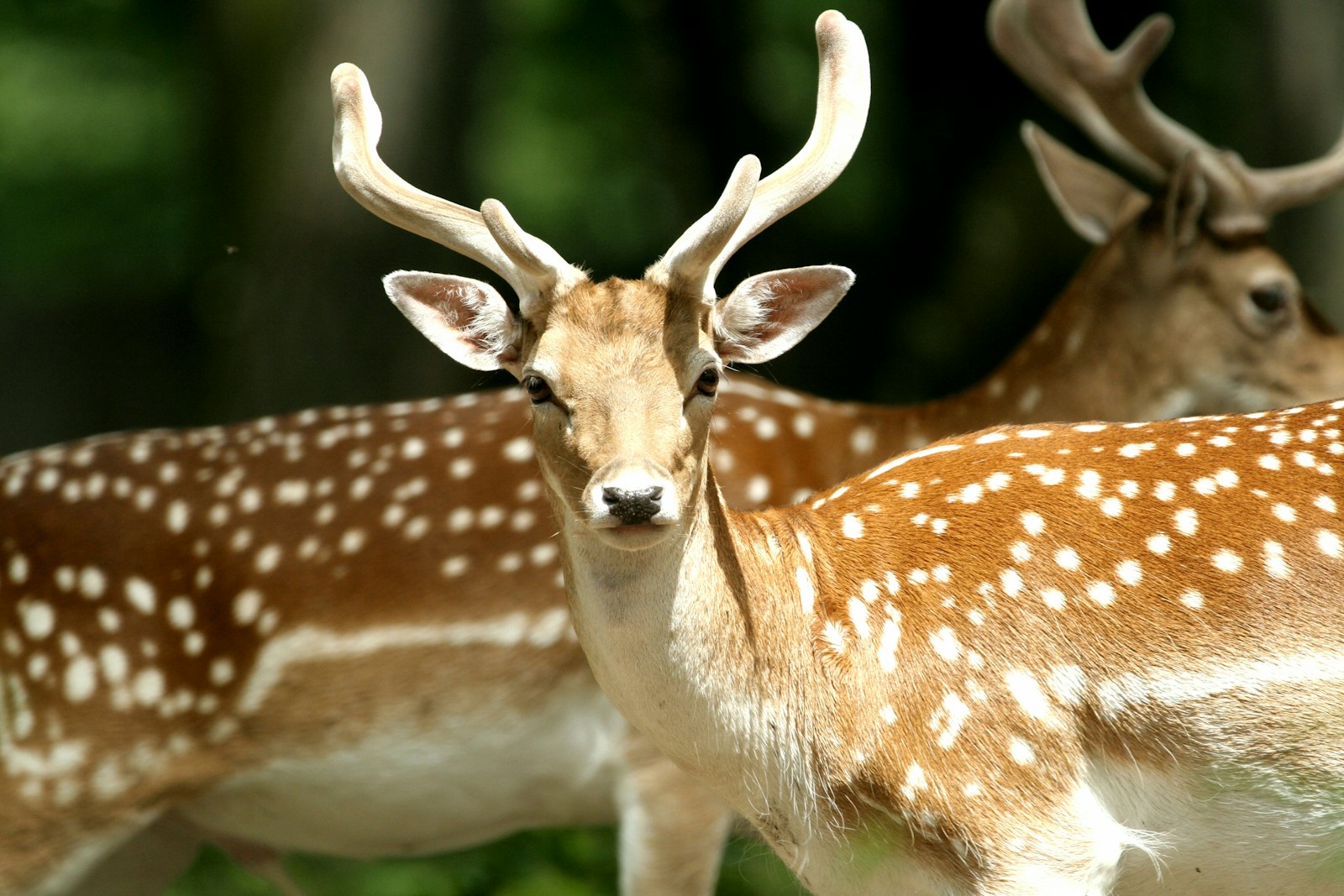
Encountering wildlife is one of the joys of spending time outdoors, but when that wildlife takes the form of a herd of deer blocking your path, it can quickly become an intimidating situation. Whether you’re driving on a rural road at dusk or hiking a woodland trail, coming face-to-face with multiple deer requires careful navigation. These gentle herbivores may seem harmless, but they can be unpredictable when startled and potentially dangerous during certain seasons. Understanding how to safely navigate these encounters is essential for both your safety and the wellbeing of these magnificent creatures.
Understanding Deer Behavior

Deer are naturally cautious animals with finely-tuned senses that help them detect potential threats. They possess excellent hearing, with their large ears capable of rotating to pinpoint sounds from various directions. Their sense of smell is remarkable, allowing them to detect human scent from significant distances, often before you even spot them. Deer are most active during dawn and dusk, periods known as “crepuscular hours,” which unfortunately coincide with times when human visibility is reduced. Understanding these basic behavioral traits helps explain why deer might be blocking your path and informs how you should respond to the situation.
Assessing the Situation
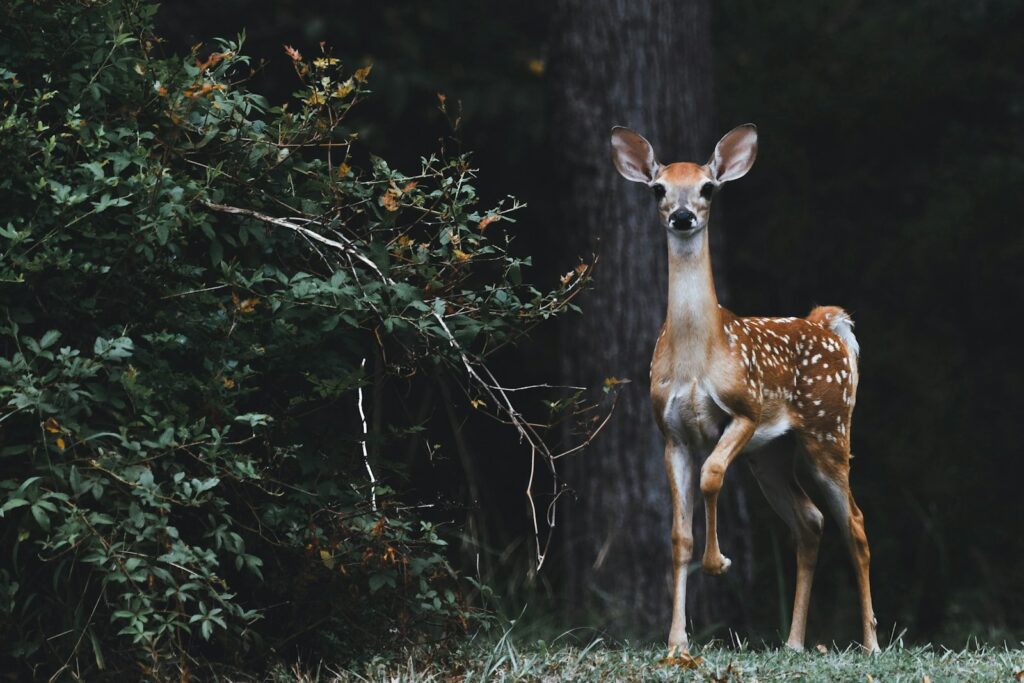
When you encounter a herd of deer blocking your path, the first step is to stop and carefully assess the situation before taking any action. Note how many deer are present, as larger herds may require more patience than just a few individuals. Pay attention to their behavior—are they calmly grazing, alert and watching you, or displaying signs of agitation like stomping or snorting? Look for fawns, which might indicate protective mothers nearby, or for males with antlers, especially during rutting season when bucks can be more aggressive. Also consider your surroundings and whether there are alternative routes available to you that would allow you to bypass the herd entirely.
Vehicle Encounters: Slow Down and Stay Alert
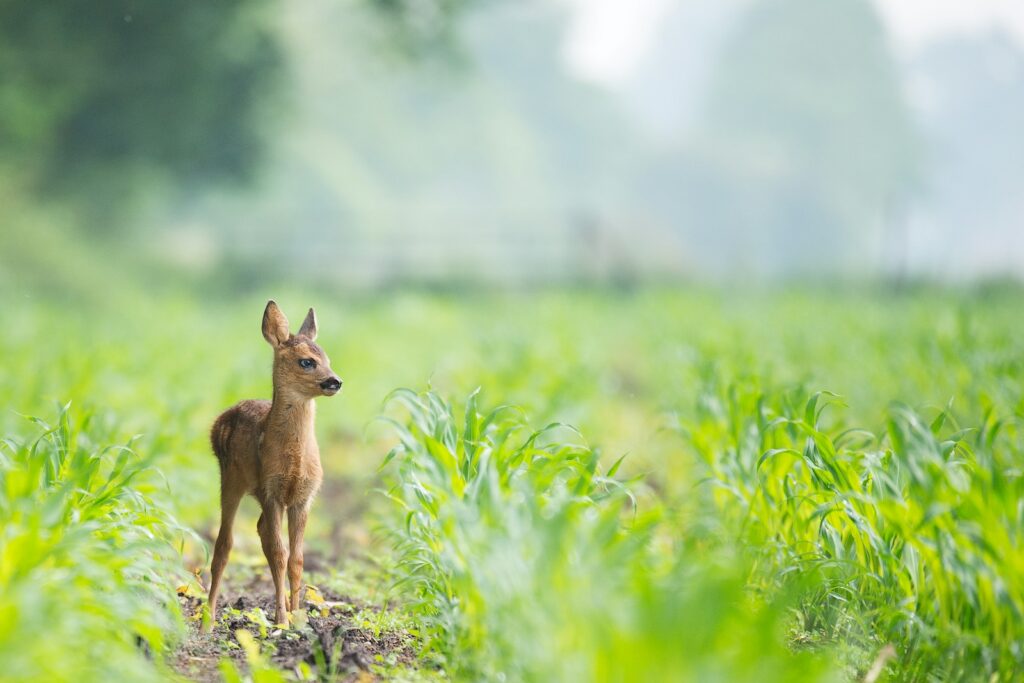
If you encounter deer while driving, immediately reduce your speed and turn on your hazard lights to alert other drivers. Avoid the instinct to swerve, as this often leads to more serious accidents involving other vehicles, trees, or ditches. Instead, brake firmly while maintaining control of your vehicle. If a collision seems unavoidable, many safety experts recommend maintaining your lane while braking, as swerving increases the risk of rollover accidents or head-on collisions with oncoming traffic. Remember that deer often travel in groups, so if one crosses your path, be prepared for more to follow.
Keep Your Distance

When encountering deer on foot, maintaining a safe distance is crucial for both your safety and the animals’ wellbeing. Wildlife experts recommend staying at least 50 yards (150 feet) away from deer at all times. This distance provides enough space for the deer to feel unthreatened while giving you time to react if they suddenly change direction. Getting too close to deer can trigger their flight response, causing them to bolt unpredictably, potentially toward you or into dangerous areas like roadways. Remember that no photo opportunity is worth risking your safety or causing undue stress to wildlife.
Avoid Making Sudden Movements
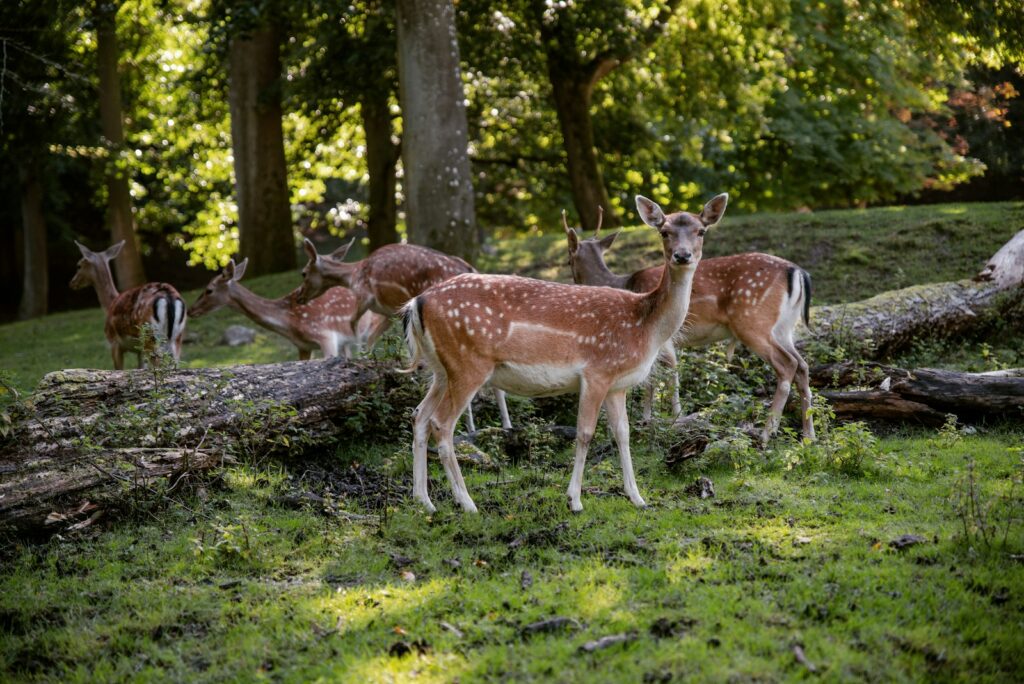
Deer are especially sensitive to sudden movements, which they interpret as predatory behavior. When you encounter a herd, avoid any abrupt gestures or quick changes in your position. If you need to move, do so slowly and deliberately, keeping your arms close to your body rather than waving them around. This measured approach helps prevent triggering the deer’s flight response. Even reaching for a camera or water bottle should be done with careful, controlled movements to avoid startling the animals. Remember that deer have evolved to react instantly to sudden movements as a survival mechanism.
Use Your Voice Calmly
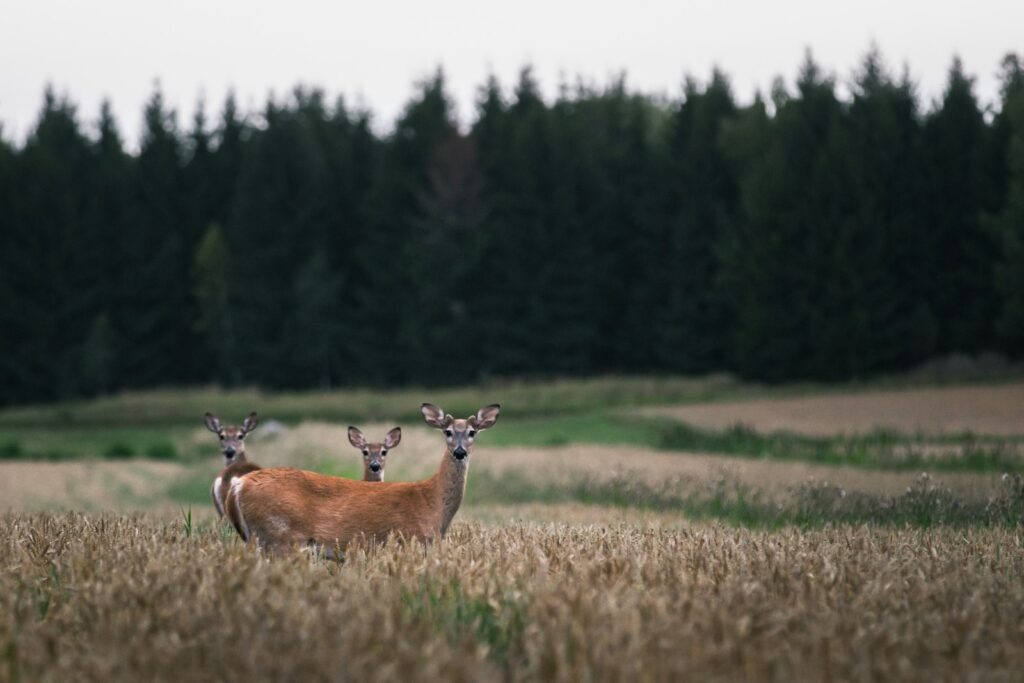
Speaking in a calm, steady voice can actually help alert deer to your presence without frightening them. Unlike sudden movements or loud noises, a conversational tone can indicate to deer that you’re not trying to be stealthy like a predator. Some hikers find that talking quietly to the deer in a monotone voice helps the animals recognize you as a human rather than a threat. The constant, gentle sound also prevents you from accidentally surprising the deer if they hadn’t noticed you. Remember not to raise your voice suddenly or make sharp sounds, as these can trigger a flight response.
Be Especially Cautious During Rutting Season
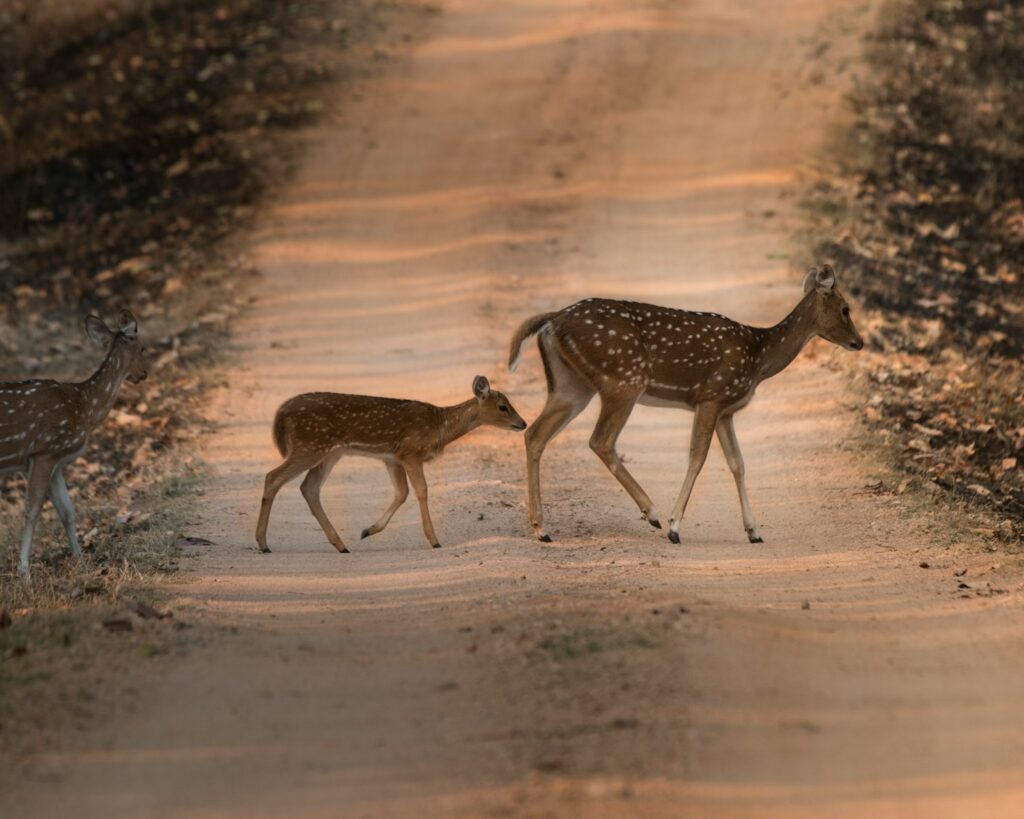
During the fall rutting (mating) season, typically October through December, male deer become particularly unpredictable and potentially aggressive. Bucks experience significant hormonal changes that make them more territorial and less cautious than usual. During this time, they may interpret your presence as a challenge or threat, especially if you’re near does they’re pursuing. Signs of an agitated buck include pawing the ground, lowering their antlers toward you, or approaching rather than retreating. If you encounter a deer exhibiting these behaviors, back away slowly and find an alternative route, even if it means significantly changing your plans.
Never Feed Wild Deer
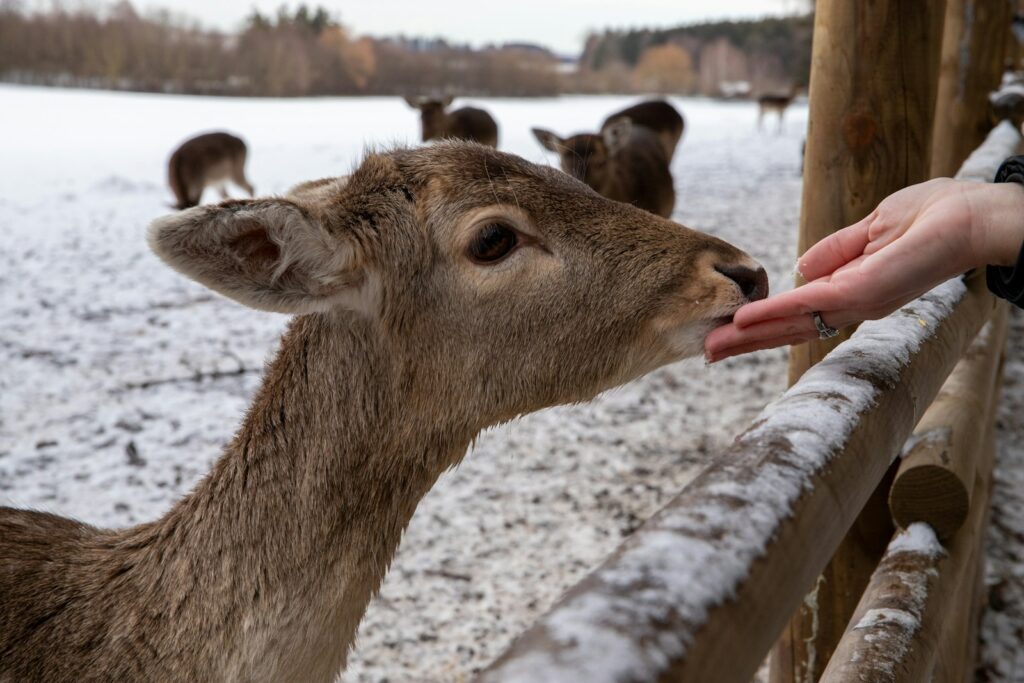
Though it might be tempting to offer food to clear your path, feeding deer is harmful and potentially dangerous. Providing food alters their natural foraging behaviors and can lead to dependency on humans, which reduces their ability to survive independently. Deer that associate humans with food may become aggressive when expectations for handouts aren’t met. Additionally, inappropriate foods can cause serious digestive problems or illness in deer. Feeding also encourages deer to congregate in unnatural numbers, which increases the risk of disease transmission among the herd and can lead to more frequent human-deer conflicts.
Create an Exit Path
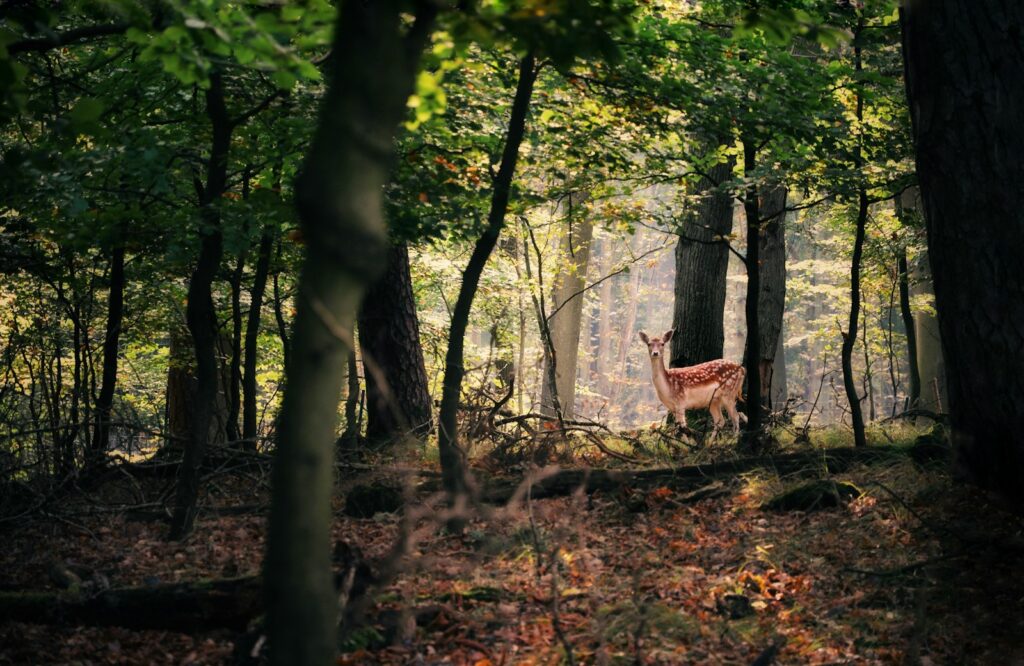
When deer block your path, they need to see a clear and easy escape route before they’ll feel comfortable moving. Rather than approaching head-on, try positioning yourself at an angle that creates an obvious exit path for the deer. This technique uses the deer’s natural inclination to flee from perceived threats by giving them a direction that doesn’t involve running through or over you. If you’re on a narrow trail, consider stepping off the path into a clearing if possible, allowing the deer to continue along the familiar trail. The key is to make the deer feel they have an escape option that doesn’t require confrontation.
Use Patience as Your Primary Strategy

Often, the most effective approach when encountering deer on your path is simply to exercise patience. Deer typically won’t remain in one location for extended periods unless they feel threatened or cornered. By stopping and waiting quietly, you give the herd time to grow accustomed to your presence and eventually move on naturally. This waiting period could be anywhere from a few minutes to half an hour, depending on the deer’s comfort level and how invested they are in their current location. Remember that attempting to rush or force your way past is likely to create a more dangerous situation for both you and the animals.
Consider Alternative Routes
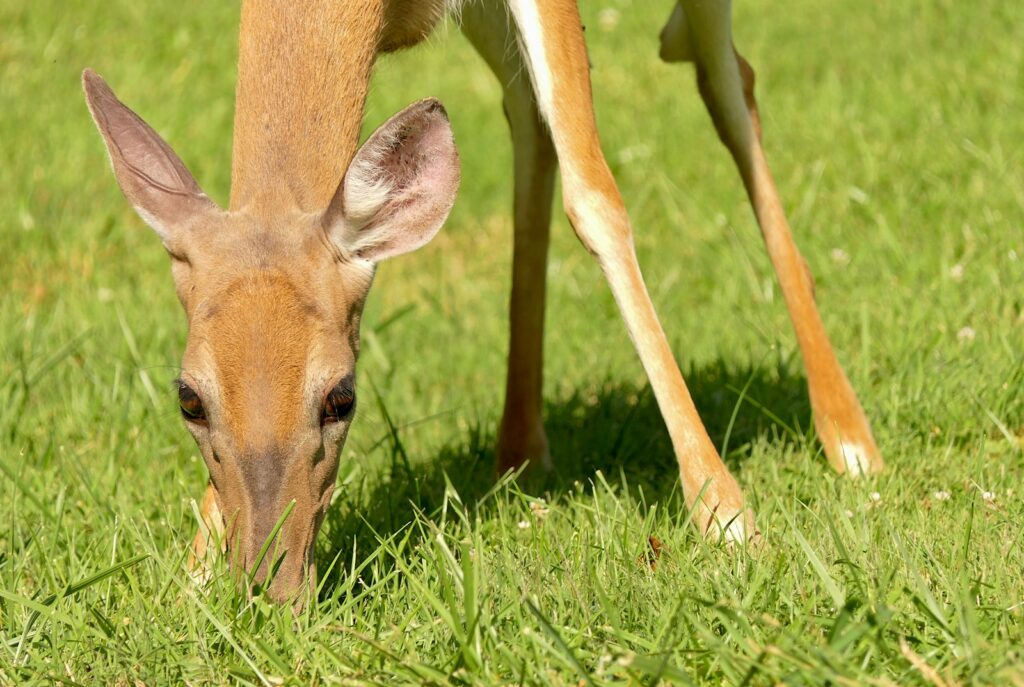
Sometimes the safest option when encountering a deer herd is to find an alternative path altogether. This is particularly true if you’ve observed behaviors indicating the deer are stressed or if there are fawns or rutting bucks present. Check your map or GPS for nearby connecting trails or roads that would allow you to bypass the area completely. Even backtracking to find a different route is preferable to forcing an encounter that could end poorly. Remember that deer are wild animals defending their territory and young, and respecting their space by choosing another path is often the most responsible decision.
What to Do If a Deer Approaches You

In the rare event that a deer approaches rather than avoids you, maintain your composure while assessing whether the approach seems aggressive or merely curious. If the deer appears agitated—snorting, pawing the ground, or lowering its head—back away slowly without turning your back on the animal. Make yourself appear larger by raising your arms or opening your jacket while speaking firmly but calmly. Should a deer actually charge, protect your vital areas by curling into a ball if knocked down, covering your head and neck with your arms. While deer attacks are extremely uncommon, they can occur, particularly with habituated deer or during rutting season.
Reporting Unusual Deer Behavior
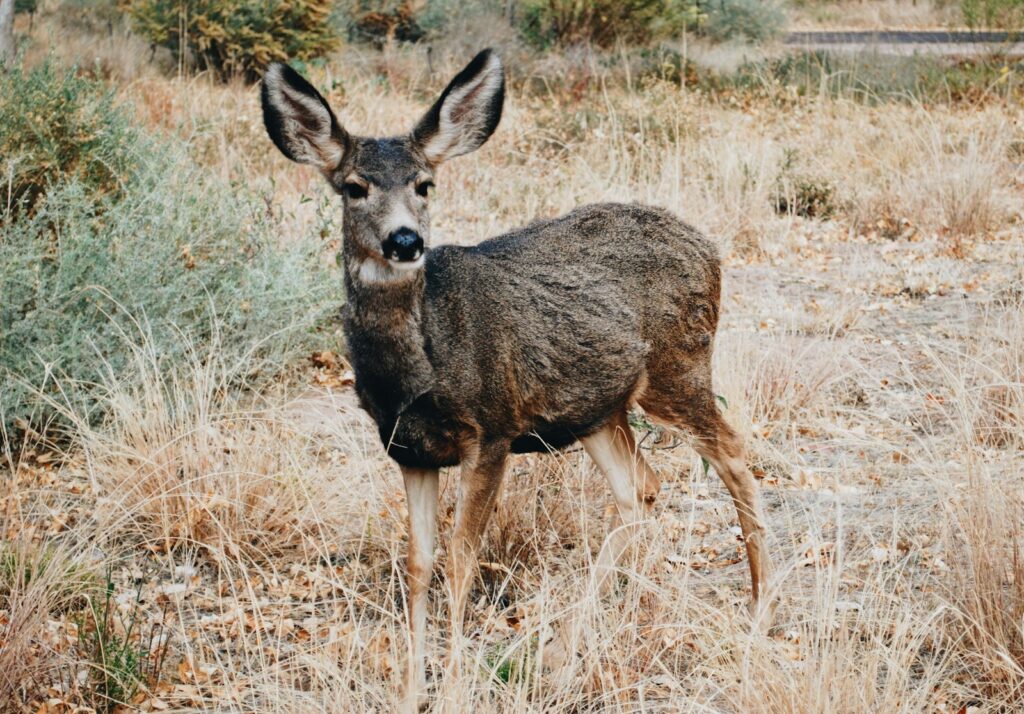
After safely navigating an encounter with deer, consider whether the behavior you witnessed warrants reporting to local wildlife authorities. Deer that show unusual aggression, appear diseased, or seem abnormally comfortable approaching humans may need intervention. Chronic Wasting Disease (CWD) and other conditions can cause deer to behave erratically, and early detection is crucial for managing wildlife health. Many state wildlife agencies have hotlines or online reporting systems for such observations. By reporting unusual encounters, you contribute valuable data to wildlife management efforts while potentially preventing dangerous situations for other outdoor enthusiasts.
Preparing for Future Deer Encounters
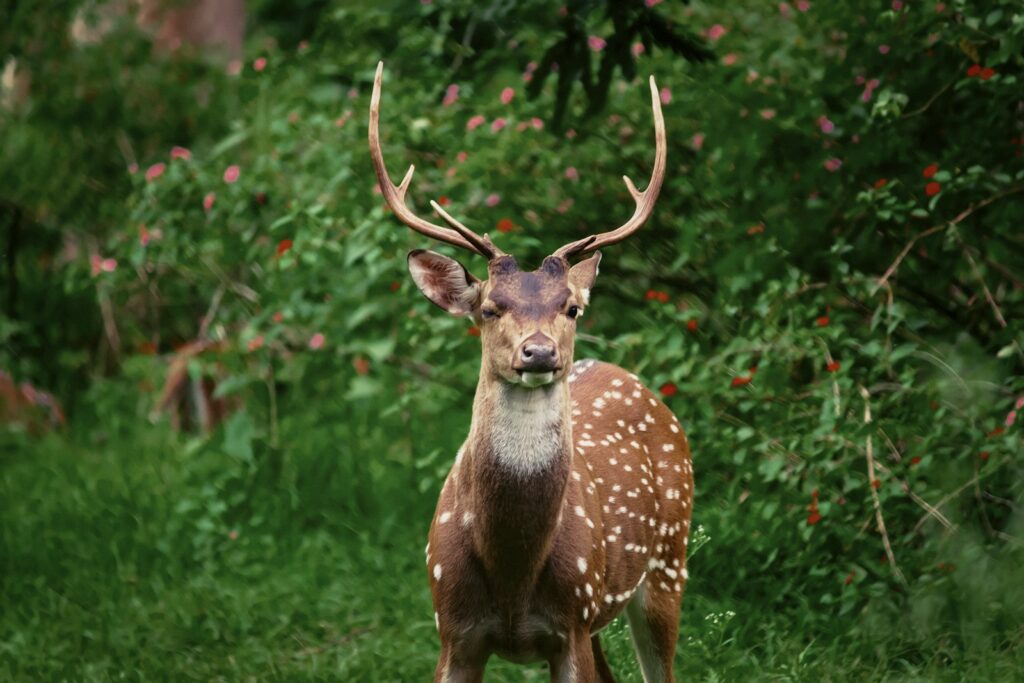
After experiencing a deer blockade, take time to prepare for potential future encounters, especially if you frequently travel or hike in deer-populated areas. Consider carrying a wildlife whistle, which can alert deer to your presence before you surprise them around a bend in the trail. Learn to identify signs of deer presence, such as tracks, scat, or browsed vegetation, which might indicate you’re entering an area with high deer activity. Research the specific deer rutting and fawning seasons in your region, as these are times when deer are most likely to be defensive or unpredictable. Lastly, share your knowledge with fellow hikers, drivers, or outdoor enthusiasts to help everyone coexist safely with these magnificent but sometimes challenging woodland neighbors.
Encountering a herd of deer blocking your path is both a privilege and a responsibility. By approaching these situations with knowledge, patience, and respect, you can navigate safely while minimizing stress to these important woodland creatures. Remember that we are visitors in their habitat, and our actions can have lasting impacts on wildlife behavior. The next time you find yourself face-to-face with these gentle giants, take a deep breath, follow these guidelines, and appreciate the remarkable opportunity to observe one of nature’s most graceful animals in their natural environment.