

As our planet continues to warm and ecosystems shift in response to climate change, national parks are emerging as vital sanctuaries for species seeking refuge from changing conditions. These protected landscapes represent some of the last extensive, intact habitats where plant and animal species can adapt, migrate, and potentially survive the increasing pressures of a warming world. Spanning diverse ecosystems from alpine mountains to coastal wetlands, national parks offer critical environmental stability in an increasingly unstable climate. Their importance extends beyond mere conservation—they represent lifeboats for biodiversity during one of the most significant environmental transitions in Earth’s recent history.
The Concept of Climate Refugia
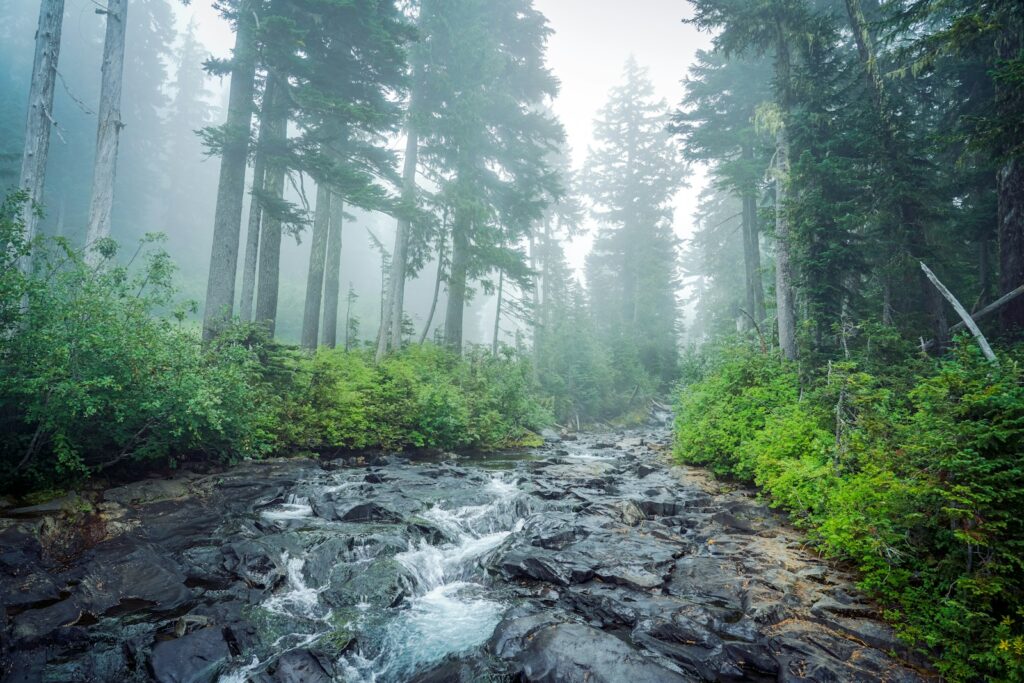
Climate refugia are areas where local environmental conditions remain relatively stable despite regional or global climate change, providing safe havens for species that might otherwise face extinction. National parks often contain these crucial refugia due to their topographical diversity, elevation gradients, and various microclimates. For example, deep valleys in parks like Yosemite or Grand Canyon can maintain cooler temperatures even as surrounding regions warm. These refugia function as ecological islands where species can persist while conditions elsewhere become inhospitable. Research has shown that areas with diverse topography and minimal human disturbance—hallmarks of many national parks—are most likely to serve as effective climate refugia in coming decades.
Elevation Gradients as Escape Routes

One of the most valuable features of many national parks is their significant elevation range, which provides natural migration pathways for species responding to warming temperatures. As lower elevations become too warm, species can gradually move upslope to maintain their preferred climate conditions. Parks like Rocky Mountain National Park, with elevations ranging from 7,860 to 14,259 feet, offer these critical “escalator” effects. Studies tracking plant and animal movements in mountainous parks have documented upward shifts averaging 36 feet per decade in response to warming. These vertical migration corridors are especially crucial for species with limited dispersal abilities or specialized habitat requirements that cannot easily relocate across fragmented landscapes outside protected areas.
Genetic Diversity Preservation
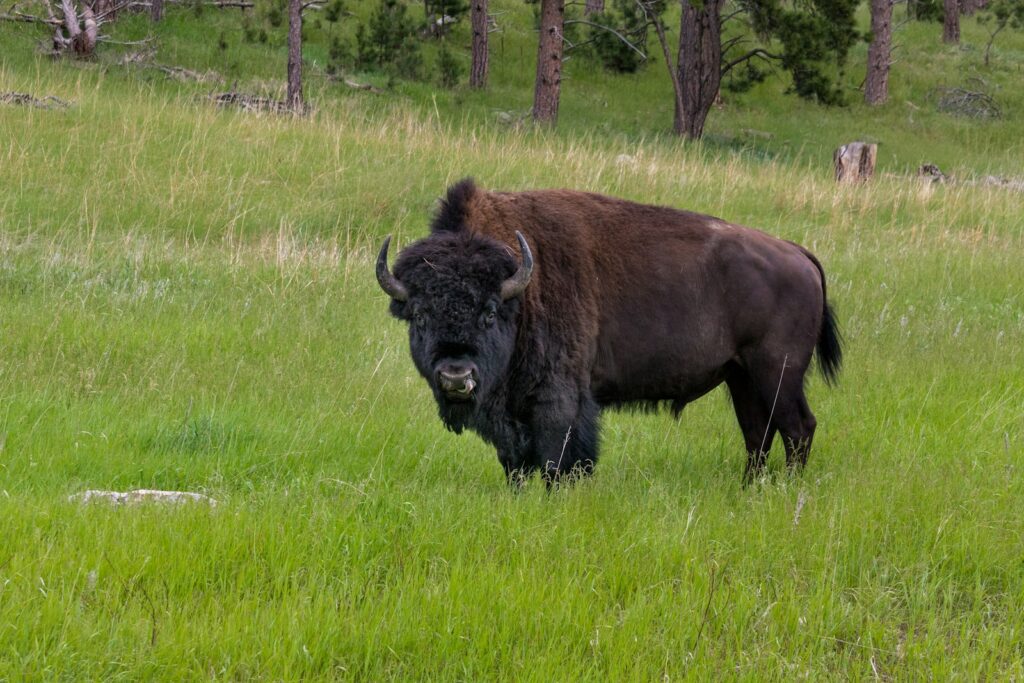
National parks serve as reservoirs of genetic diversity, which is essential for species’ adaptability to changing conditions. By protecting large populations and diverse habitats, parks help maintain the genetic variation that allows for natural selection and adaptation to new climate regimes. This genetic diversity acts as biological insurance against environmental change. For instance, Yellowstone National Park’s bison herds represent one of the few genetically pure populations of American bison, offering genetic resources that could prove crucial for the species’ long-term survival. The preservation of this genetic diversity becomes increasingly important as climate change creates new selection pressures that test species’ evolutionary capacity to adapt.
Connectivity Between Protected Areas

Individual national parks are strengthened when they form part of larger connected networks of protected areas, allowing species to migrate between refuges as climate conditions shift. These wildlife corridors are essential for maintaining genetic flow between populations and enabling range shifts in response to climate change. The Yellowstone to Yukon Conservation Initiative exemplifies this approach, working to connect protected areas across 2,000 miles of mountain landscape. Such connectivity helps overcome the limitations of isolated reserves and provides multiple climate refuge options. Research indicates that connected protected area networks can increase species’ survival probabilities by up to 60% compared to isolated reserves of the same total area.
Minimizing Non-Climate Stressors
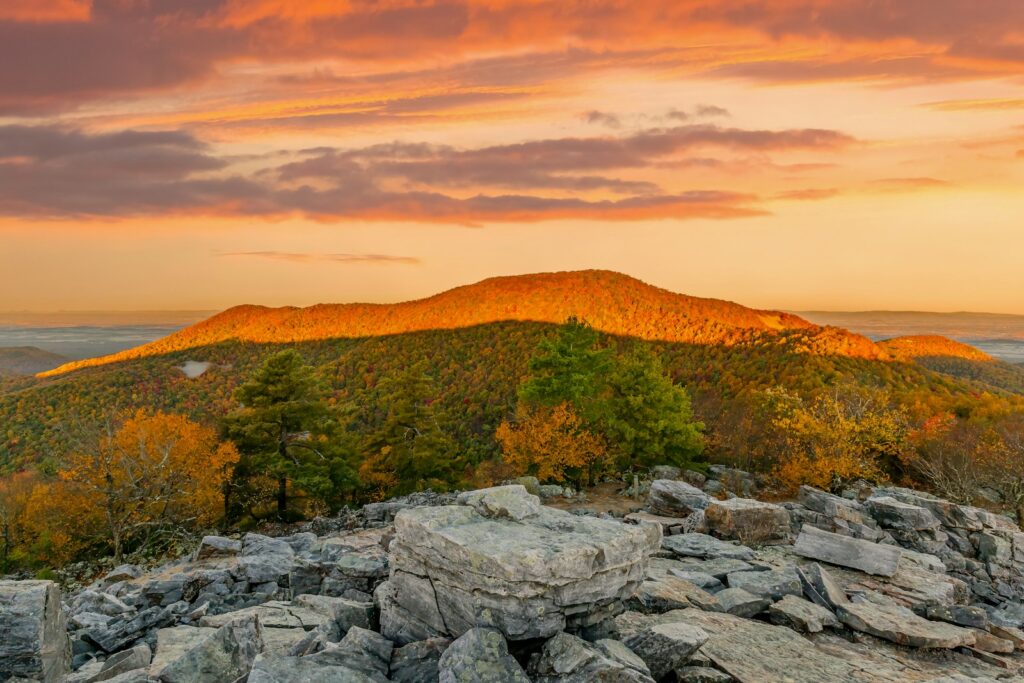
National parks reduce additional pressures on wildlife already stressed by climate impacts, creating environments where species can better focus their adaptive capacity on climate challenges. By limiting habitat destruction, pollution, invasive species, and hunting within their boundaries, parks create conditions where native species have the best chance of adapting to climate change. This reduction of compounding stressors is analogous to keeping a patient in optimal health while they fight a serious disease. Studies in multiple ecosystems have demonstrated that species facing fewer non-climate stressors show greater resilience to climate-related disturbances, underscoring the value of the protected status that national parks provide.
Intact Ecological Processes
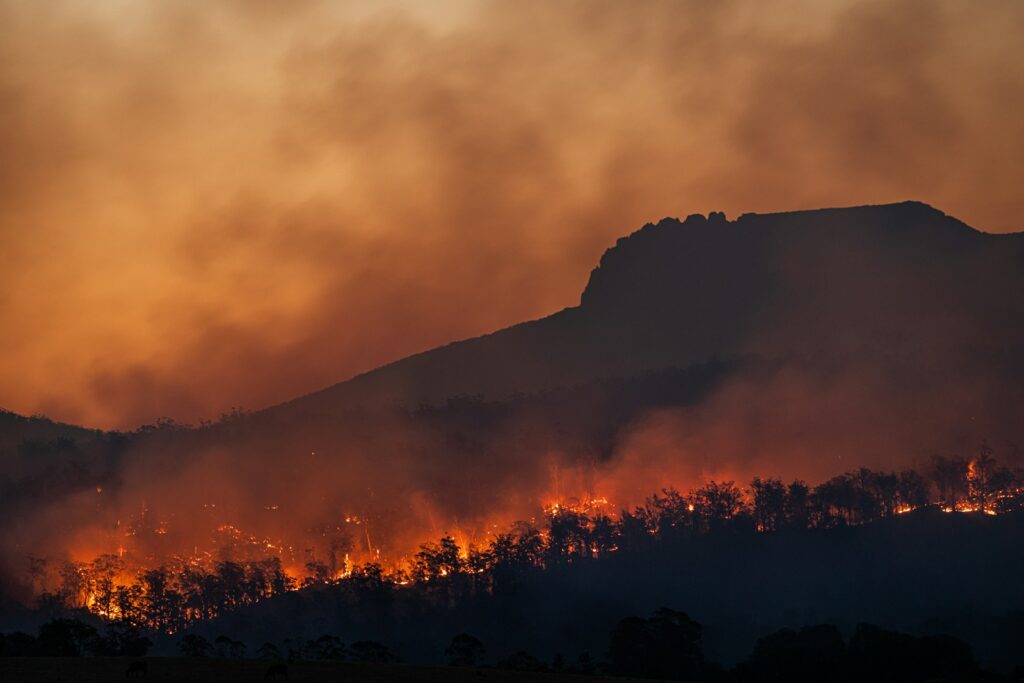
The protection of entire ecosystems within national parks preserves ecological processes and relationships crucial for climate adaptation. Natural fire regimes, predator-prey relationships, nutrient cycling, and pollination networks all function more naturally within these protected areas. For instance, Yellowstone’s reintroduction of wolves restored predator-prey dynamics that improved ecosystem health and resilience. These intact ecological processes create more stable systems that can better withstand climate disruptions. Research increasingly shows that maintaining these complex ecological interactions is essential for helping ecosystems adapt to changing conditions, as they enable natural feedback mechanisms that promote resilience.
Protecting Climate-Sensitive Species

Many species particularly vulnerable to climate change find critical habitat within national parks. These climate-sensitive organisms often include those with specialized habitat requirements, limited dispersal abilities, or those already at the edge of their climate tolerance. The threatened pika, a small alpine mammal extremely sensitive to temperature increases, finds refuge in the high elevations of parks like Olympic and Rocky Mountain. Similarly, Joshua Tree National Park protects its namesake species, which faces significant threats from warming temperatures and changing precipitation patterns. For these and countless other climate-vulnerable species, national parks represent perhaps their best hope for long-term survival in a warming world.
Monitoring and Research Opportunities
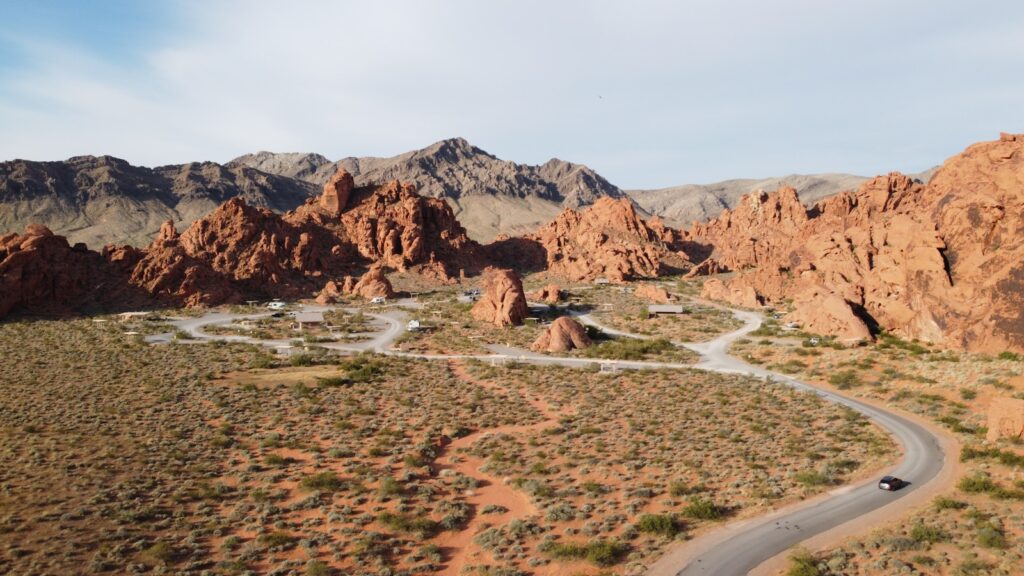
National parks provide invaluable settings for climate change research, offering protected natural laboratories where scientists can study ecological responses to warming with minimal confounding human impacts. Long-term monitoring programs in parks track changes in phenology, species distributions, and ecosystem processes, providing crucial data for understanding climate impacts. The National Park Service’s Inventory and Monitoring Network conducts systematic observations across parks, creating one of the most comprehensive ecological monitoring systems in the world. This research not only improves our understanding of climate change effects but also informs adaptive management strategies that can be applied both within parks and in other conservation areas.
Aquatic Refugia in National Parks
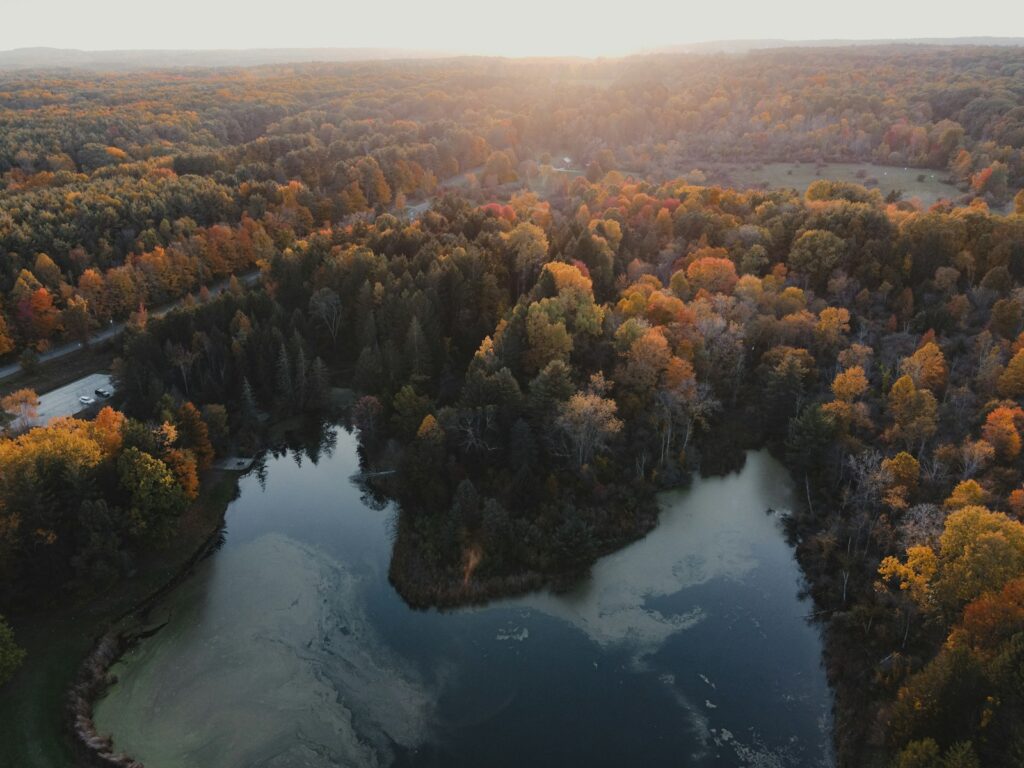
While terrestrial habitats receive significant attention, the aquatic environments within national parks also provide crucial climate refuges for freshwater species. Cold-water streams in parks like Great Smoky Mountains and Olympic offer thermal refuges for temperature-sensitive fish species like trout and salmon. These protected watersheds, free from pollution and water extraction, maintain higher water quality and more natural flow regimes than unprotected waterways. As climate change threatens freshwater ecosystems through warming, altered precipitation patterns, and reduced snowpack, the intact watersheds within national parks become increasingly valuable. Their protection ensures that aquatic species have the highest possible chance of adapting to changing conditions.
Cultural and Historical Value of Refuge Species
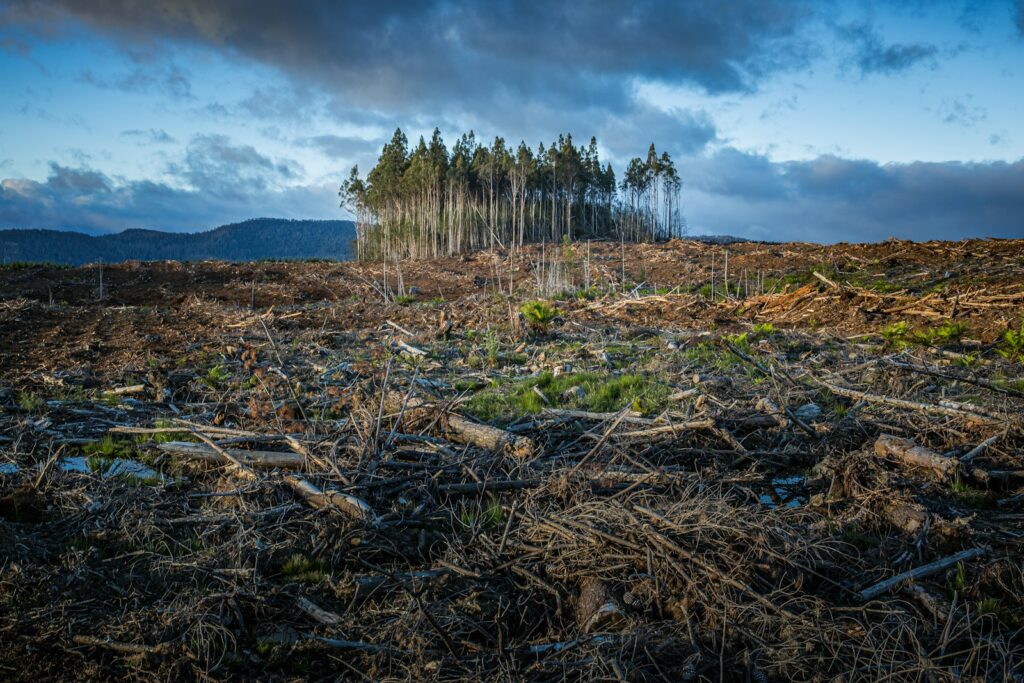
Beyond their ecological importance, many climate refuge species protected in national parks hold deep cultural and historical significance. These connections strengthen public support for their conservation and the parks that protect them. For indigenous communities, many park lands represent ancestral territories where cultural practices intertwined with the natural world for thousands of years. Species like bison in Yellowstone, redwoods in Sequoia, and salmon in Olympic are not merely biological entities but cultural icons embedded in American identity. This cultural dimension adds another layer of importance to their preservation as climate refugees, as their loss would represent not only an ecological tragedy but a cultural one as well.
Economic Benefits of Climate Refuge Protection

The protection of climate refuges within national parks generates significant economic benefits beyond their conservation value. National parks drive substantial tourism revenue, with visitors spending billions annually in gateway communities. This economic activity supports hundreds of thousands of jobs and generates tax revenue that far exceeds park management costs. Furthermore, parks provide ecosystem services including clean water, carbon sequestration, and flood mitigation worth billions of dollars annually. As climate change intensifies, these economic benefits may increase as parks become even more valued for their relative ecological stability and as destinations for visitors seeking relief from warming in urban areas.
Management Challenges and Adaptive Strategies

Despite their importance, national parks face significant challenges in fulfilling their potential as climate refuges. Fixed boundaries may become problematic as suitable habitat for species shifts beyond park borders. Park managers are developing innovative approaches to address these challenges, including creating climate-smart conservation plans that anticipate future conditions. Some parks are establishing management partnerships with surrounding landowners to create buffer zones and migration corridors. Others are considering assisted migration for species unable to disperse naturally, though such interventions remain controversial. The National Park Service’s Climate Change Response Strategy represents a comprehensive approach to integrating climate considerations into all aspects of park management, helping maximize their effectiveness as climate refuges.
The Future Role of National Parks in a Warming World

As climate change accelerates, the role of national parks as climate refuges will only grow more crucial. Parks may need to expand and adapt their boundaries to encompass shifting habitats and create more resilient protected networks. Conservation strategies increasingly focus on protecting not just current biodiversity hotspots but areas projected to serve as future climate refuges. International cooperation becomes essential as species ranges shift across national boundaries. The concept of “conserving the stage, not just the actors” emphasizes protecting diverse landforms and environmental gradients that will support biodiversity regardless of which specific species they host in the future. With thoughtful management and sufficient resources, national parks can serve as the cornerstone of climate change adaptation strategies for biodiversity conservation worldwide.
National parks represent humanity’s greatest conservation achievement, preserving extraordinary landscapes and the biodiversity they support. In the face of accelerating climate change, these protected areas have taken on a new and critical role as climate refuges where species have their best chance at adaptation and survival. Their diverse topography, connected habitats, minimal human disturbance, and professional management create ideal conditions for species under climate stress. As we navigate an uncertain climate future, national parks stand as beacons of hope—living laboratories where nature’s resilience can be witnessed, studied, and supported. Their protection and expansion represent one of our most powerful tools in preserving the incredible diversity of life on Earth during this period of unprecedented environmental change.