
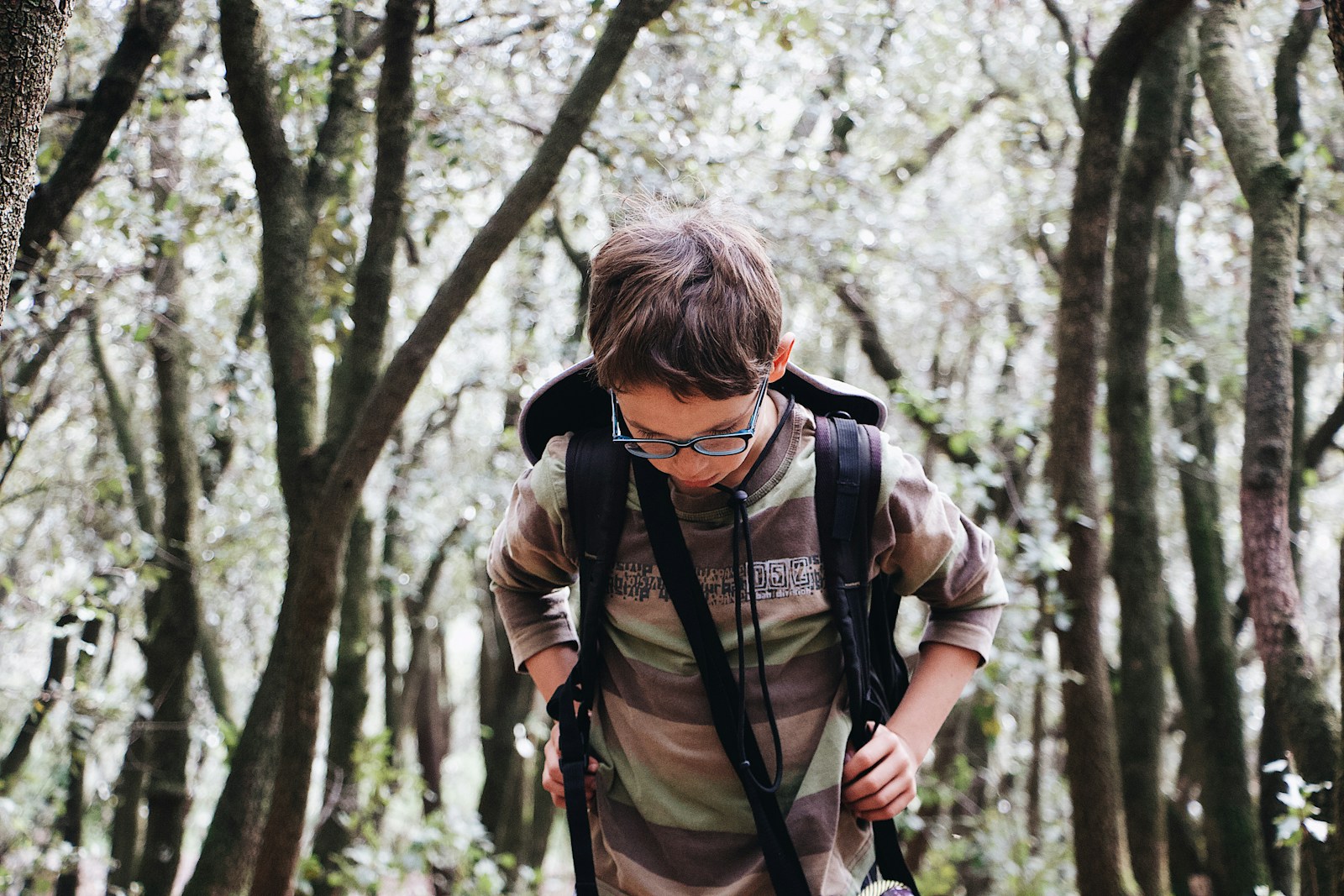
In a world where children are increasingly drawn to screens and indoor activities, fostering a connection with nature and wildlife becomes ever more valuable. However, wildlife encounters require preparation and knowledge to ensure they remain safe and positive experiences for everyone involved. Teaching children how to respect and appreciate wildlife while maintaining appropriate boundaries is an essential life skill that builds confidence, environmental awareness, and safety consciousness.
This comprehensive guide explores how parents, teachers, and guardians can prepare children for safe wildlife encounters, whether in their backyard, on hiking trails, or during dedicated nature excursions.
Understanding the Importance of Wildlife Safety Education
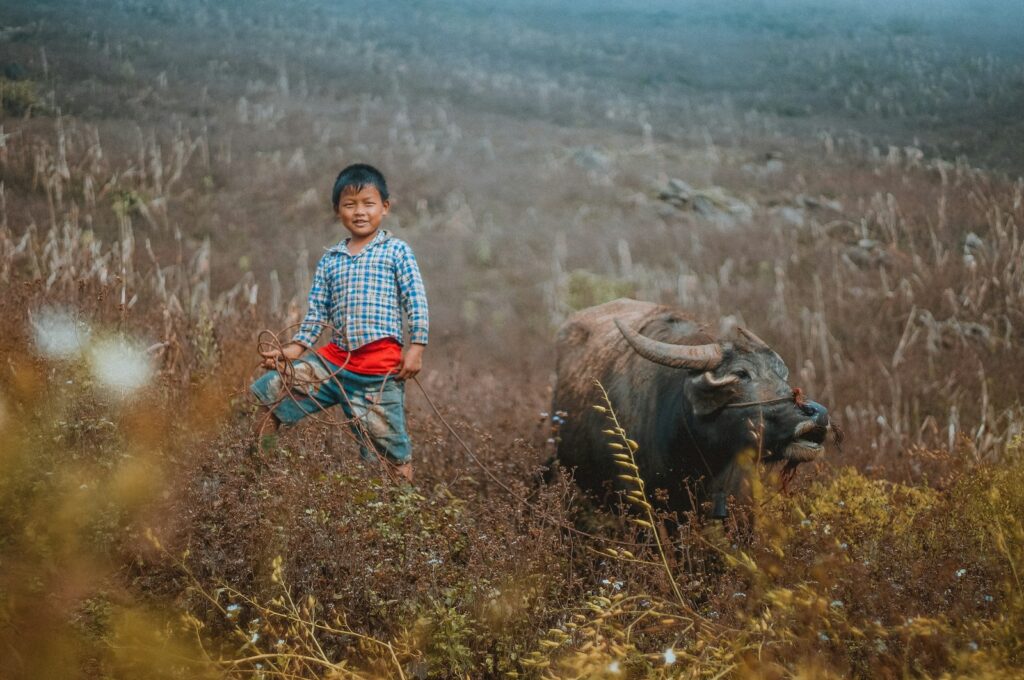
Wildlife safety education forms the foundation of positive nature experiences for children, creating a framework for lifelong respect toward animals and their habitats. When children understand basic wildlife principles from an early age, they develop critical thinking skills that help them assess potential risks and make sound decisions during unexpected animal encounters.
This education goes beyond simple rules, fostering a deeper understanding of animal behavior, territoriality, and natural instincts that guide wildlife responses. Additionally, proper wildlife education helps dispel common myths and fears about animals, replacing misconceptions with factual knowledge that empowers rather than frightens children.
Starting with Age-Appropriate Wildlife Concepts

Wildlife education should align with a child’s developmental stage, gradually introducing more complex concepts as they mature. For preschoolers, simple concepts like “wild animals need space” and “animals have homes too” create foundational understanding without overwhelming young minds. Elementary-aged children can grasp more nuanced ideas about different species, habitats, and why certain animals might behave defensively when approached by humans. By middle school, children can comprehend ecological relationships, conservation principles, and more detailed safety protocols for various wilderness settings.
Tailoring information to a child’s cognitive abilities ensures they absorb and retain wildlife safety concepts effectively rather than becoming confused or frightened.
Teaching Basic Wildlife Observation Skills

Developing proper wildlife observation skills helps children enjoy nature while maintaining appropriate distances from animals. Show children how to use binoculars, magnifying glasses, or wildlife identification apps that allow them to observe animals without direct approach or interaction. Teach the importance of quiet movement, speaking in hushed tones, and patience when wildlife watching, explaining how sudden movements or loud noises can frighten animals.
Create simple observation journals where children can record sightings, noting animal behaviors, habitats, and physical characteristics without interference. These practices foster an appreciation for wildlife in their natural state while reinforcing the concept that observation, not interaction, should be the primary goal.
Creating Clear Rules for Wildlife Encounters

Establishing straightforward, non-negotiable rules provides children with clear boundaries for wildlife interactions. The most fundamental rule—never approach, touch, or feed wild animals, regardless of how cute or harmless they appear—should be reinforced consistently through both discussion and modeling. Teach children to maintain appropriate distances (generally 100 feet for larger mammals and 50 feet for smaller animals) and to always stay on designated trails in parks and nature reserves.
Explain why feeding wildlife disrupts natural foraging behaviors and can lead to dangerous habituation to humans. Create a simple acronym or mnemonic device that helps children remember these core rules, making them easier to recall during actual wildlife encounters.
Recognizing Warning Signs in Animal Behavior

Children should learn to identify basic animal warning signs that indicate stress, fear, or potential aggression. Teach them that animals displaying behaviors like raised fur, bared teeth, hissing, growling, stamping feet, or raised tails are communicating discomfort and should be given additional space immediately. Help children understand that even typically docile animals like deer can become dangerous if they feel cornered or threatened, particularly during mating seasons or when protecting young.
Use age-appropriate videos, illustrations, or role-playing exercises to demonstrate these warning signs across different species common to your region. Emphasize that recognizing these signals early allows children to respond appropriately before a situation escalates.
Developing an Emergency Response Plan
Every child should know what to do if a wildlife encounter becomes potentially dangerous, with responses tailored to local wildlife. For predator encounters like coyotes or mountain lions, teach children to appear larger by raising arms, speaking firmly, maintaining eye contact, and backing away slowly without turning their back. For encounters with defensive animals like snakes or skunks, instruct children to freeze briefly, then slowly and quietly back away without sudden movements.
Role-play these scenarios at home, practicing responses until they become second nature rather than panic-induced reactions. Create a family emergency signal that children can use to alert adults of potential wildlife concerns without causing alarm or excitement that might aggravate the animal.
Teaching Proper Food Storage and Waste Management

Many problematic wildlife encounters stem from animals being attracted to human food or waste, making proper storage and disposal essential safety skills. Teach children never to leave food unattended outdoors and to understand how even small food scraps can attract wildlife to picnic areas, campsites, or backyard spaces. Demonstrate proper use of animal-resistant food containers when camping or hiking in wilderness areas, explaining how bears and other wildlife can smell food from remarkable distances.
Involve children in properly securing trash cans at home, especially if you live in areas with raccoons, bears, or other opportunistic feeders. These practical skills not only prevent dangerous encounters but also teach responsibility toward wildlife habitat protection.
Exploring Wildlife Through Educational Resources
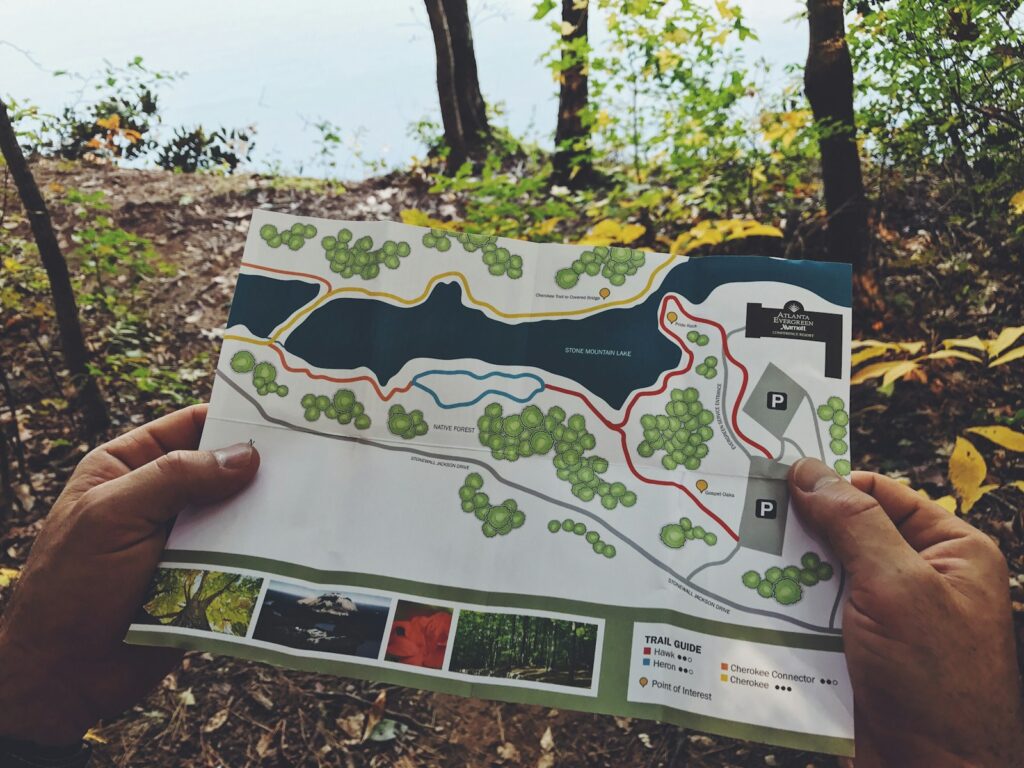
Supplement direct outdoor experiences with high-quality educational resources that deepen children’s understanding of wildlife behavior and safety. Age-appropriate nature documentaries provide fascinating glimpses into animal behaviors without glorifying close encounters or inappropriate interactions. Field guides specific to your region help children identify local wildlife and understand each species’ typical behaviors and habitat requirements.
Children’s books featuring realistic (rather than anthropomorphized) portrayals of wildlife can spark meaningful discussions about animal needs and human responsibilities. Online resources from wildlife management agencies offer specific regional guidance about seasonal wildlife concerns, from nesting birds to migrating mammals.
Participating in Guided Wildlife Experiences

Professionally led wildlife experiences provide controlled environments where children can learn proper wildlife observation under expert supervision. Ranger-led programs at national and state parks offer structured opportunities to learn about local wildlife while modeling appropriate distance and respect. Wildlife rehabilitation centers often provide educational programs where children can observe recovering animals while learning about human impacts on wildlife populations.
Specialized family wildlife tours with trained naturalist guides can offer safe opportunities to view larger or more elusive species that might be dangerous to encounter independently. These structured experiences reinforce safety principles while providing memorable wildlife viewing opportunities within appropriate contexts.
Addressing Common Wildlife Myths and Misconceptions
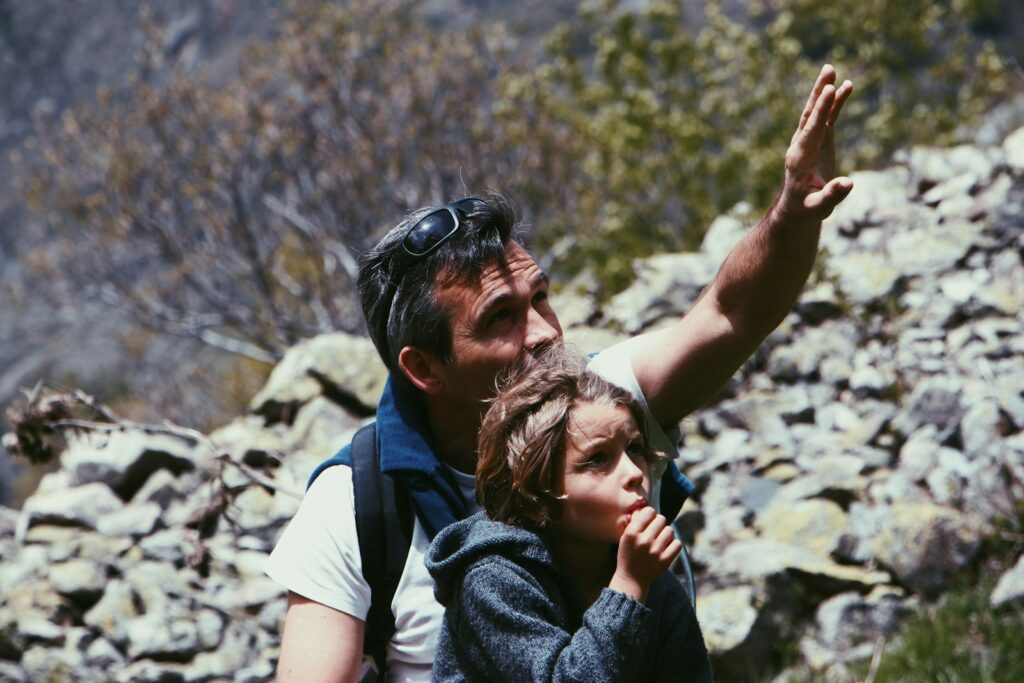
Children often absorb wildlife misconceptions from media, peers, or even well-meaning adults, making myth-busting an important component of wildlife safety education. Correct common misconceptions like “baby animals found alone are abandoned” (many species leave young temporarily) or “all snakes are dangerous” (most are harmless and beneficial). Address media portrayals that show people touching, feeding, or closely approaching wild animals, explaining why these depictions promote dangerous behaviors that should never be imitated.
Discuss how seemingly harmless actions, like approaching a wild rabbit for a photo, can cause significant stress to animals even when no physical harm occurs. By addressing these misconceptions directly, children develop more realistic expectations about wildlife interactions.
Modeling Proper Wildlife Respect

Children learn wildlife ethics primarily through observing adult behaviors, making consistent modeling critical to safety education. Demonstrate appropriate wildlife viewing distances yourself, using binoculars rather than approaching animals closely for better views or photographs. Verbalize your decision-making process during wildlife encounters, helping children understand why you’re maintaining distance or choosing not to feed or touch wild animals. When you spot wildlife signs like tracks, scat, or nests, show enthusiasm while respecting these discoveries from an appropriate distance.
Your consistent example sets behavioral standards more effectively than verbal instructions alone, particularly when children observe your genuine appreciation for wildlife coupled with respectful boundaries.
Building Confidence Through Progressive Experiences
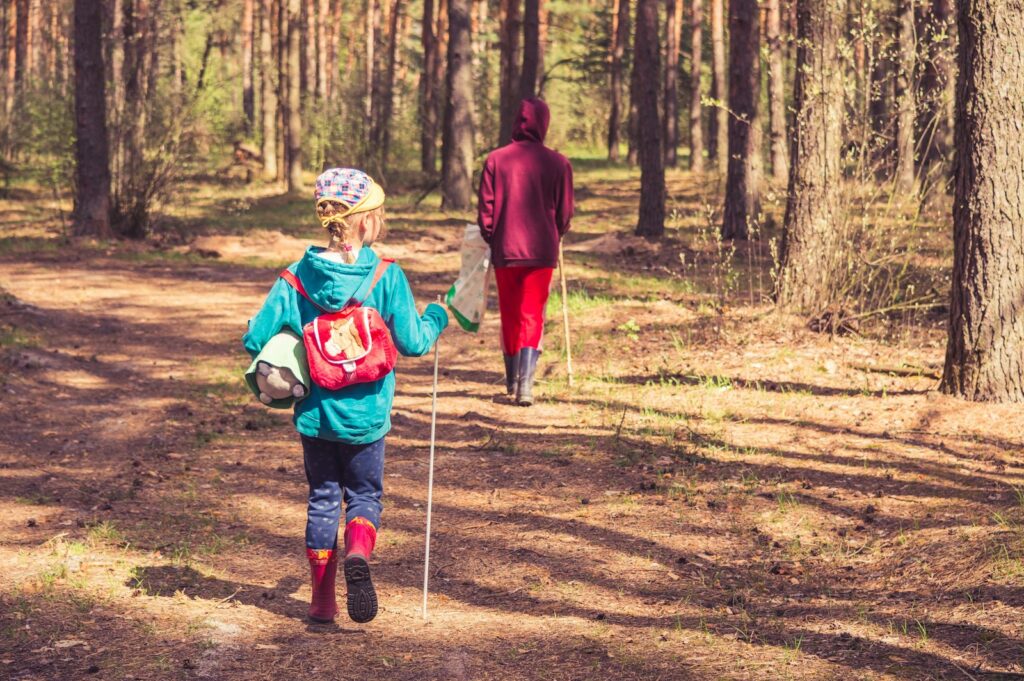
Gradually expanding children’s wildlife experiences helps build confidence while maintaining safety boundaries appropriate to their development. Begin with wildlife viewing in controlled environments like nature centers or wildlife sanctuaries where encounters are predictable and staff can provide guidance. Progress to more independent experiences like hiking established trails in managed parks, discussing potential wildlife encounters before each outing.
As children demonstrate understanding of safety principles, carefully introduce more challenging environments like backcountry hiking or overnight camping in wildlife areas. This graduated approach allows children to develop both excitement and respect for wildlife encounters while building competence in safety practices appropriate to each setting.
Nurturing Long-Term Wildlife Appreciation

The ultimate goal of wildlife safety education extends beyond preventing dangerous encounters to fostering lifelong appreciation and conservation ethics. Encourage children to participate in citizen science projects like bird counts or butterfly monitoring that contribute to wildlife knowledge while maintaining appropriate distances. Support their interest in wildlife photography, which naturally encourages observation rather than interaction.
Discuss conservation challenges facing local wildlife and involve children in age-appropriate conservation actions, from building backyard habitat features to participating in community cleanup events. When children understand the value of wildlife and their habitats, safe observation becomes not just a rule to follow but a deeply held personal value that guides their interactions with the natural world.
Conclusion: Teach Kids Safe Wildlife Encounters Today
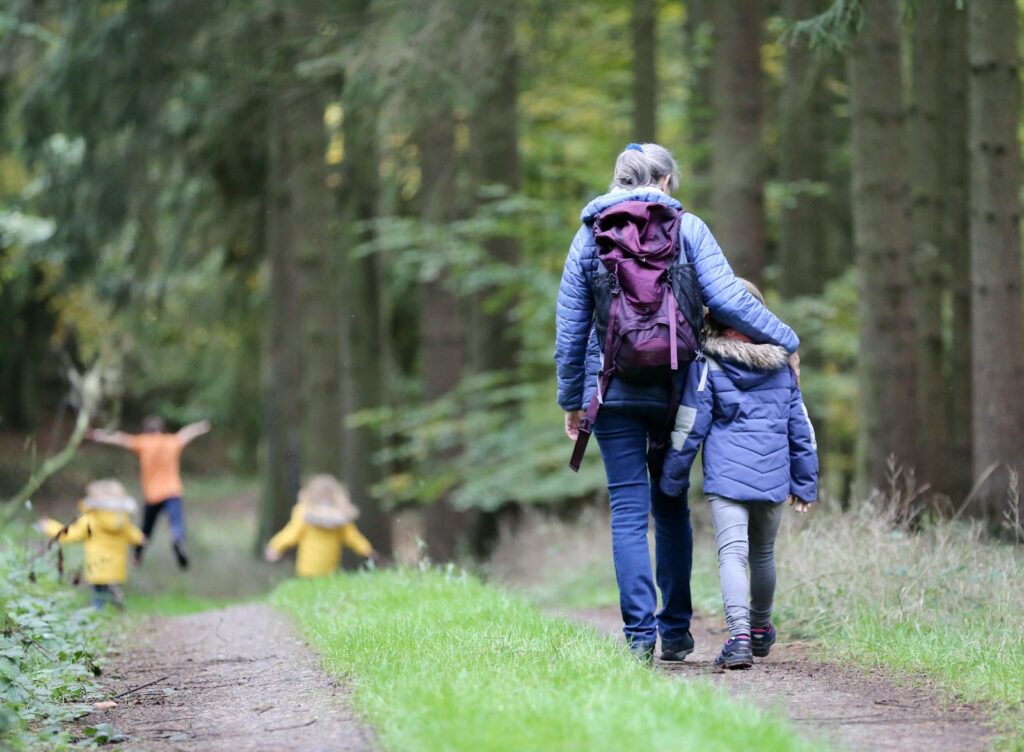
Preparing children for safe wildlife encounters is an investment in both their safety and their relationship with the natural world. By providing age-appropriate education, clear boundaries, and opportunities for meaningful wildlife observation, parents and educators help children develop confidence, respect, and wonder when experiencing wild animals in their natural habitats.
These foundations not only prevent dangerous situations but also nurture the next generation of wildlife stewards who understand that the most meaningful animal encounters happen at a respectful distance, where both humans and wildlife can thrive in their own spaces.