
In the vast wilderness of our planet, countless animals roam freely, each playing a vital role in their respective ecosystems. Yet beneath this seeming freedom lies a world of mystery that scientists have been striving to understand for decades. Animal tagging—the practice of attaching identification devices to wildlife—has emerged as one of the most valuable tools in wildlife research and conservation efforts. From tiny insects to massive whales, tagging has opened windows into previously unseen aspects of animal behavior, migration patterns, population dynamics, and more.
This article explores the fascinating world of animal tagging, examining why scientists tag animals, what technologies they use, and the remarkable insights this practice has revealed about our planet’s diverse fauna.
The History and Evolution of Animal Tagging

Animal tagging as a scientific practice dates back to the early 20th century when simple markers were first used to track bird migrations. In 1899, Danish biologist Hans Christian Cornelius Mortensen pioneered the use of aluminum rings on birds, marking the birth of scientific bird banding. These humble beginnings with simple metal rings bearing identification numbers have evolved into sophisticated electronic devices capable of transmitting real-time data across continents.
The technological advancement from basic visual tags to satellite transmitters and GPS loggers represents one of the most significant developments in wildlife research. This evolution has transformed our ability to monitor animals remotely and continuously, providing unprecedented insights into their lives without constant human presence disturbing their natural behaviors.
Different Types of Animal Tags and Their Functions

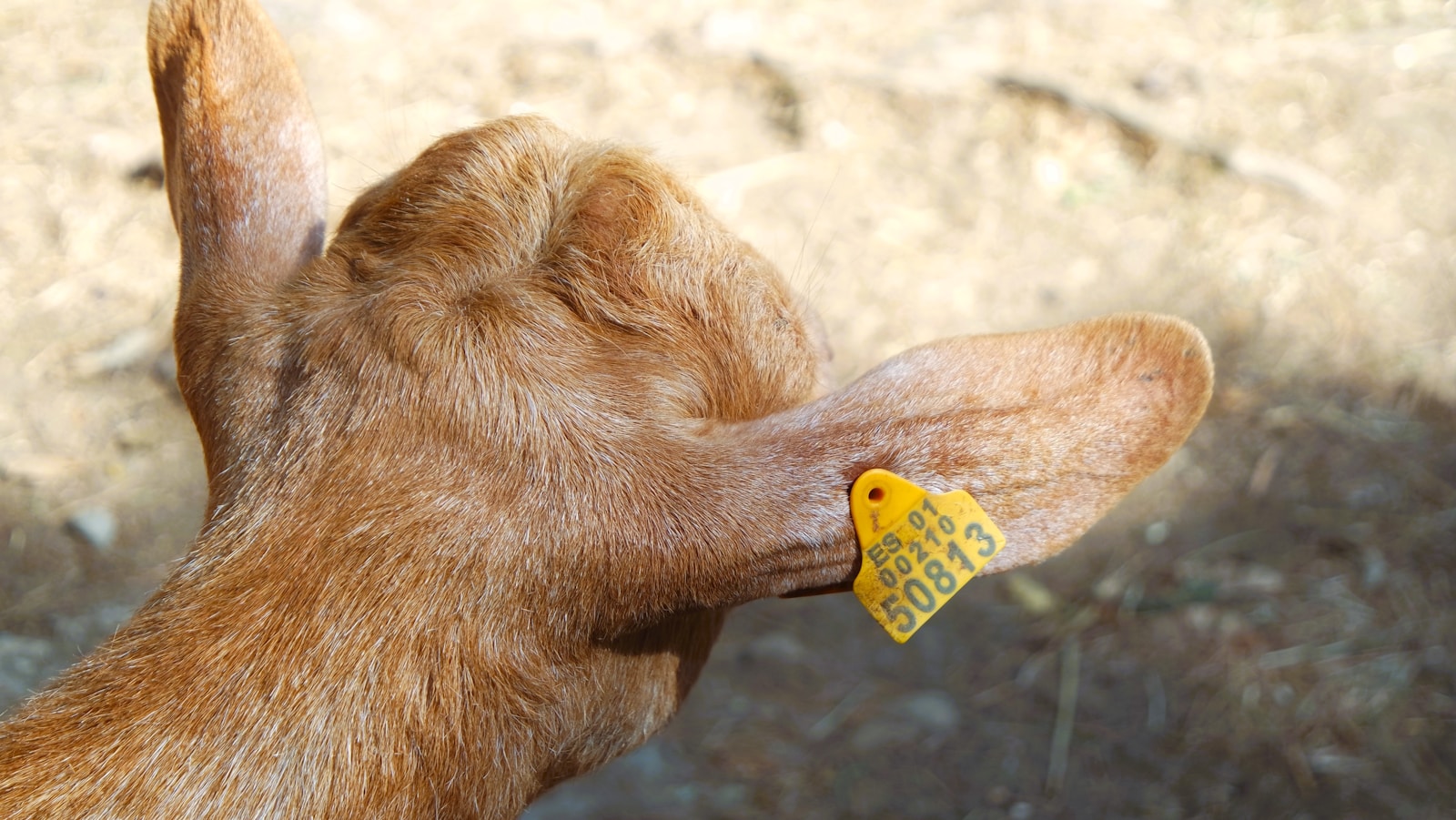
The diversity of animal tagging technology is as varied as the species they monitor, with each type serving specific research purposes. Conventional ID tags like leg bands for birds or ear tags for mammals simply identify individuals but require recapture to gather data. More advanced options include radio transmitters that emit signals detectable within a limited range, allowing researchers to locate animals within their habitat. At the cutting edge, satellite tags and GPS loggers provide precise location data transmitted to researchers in real-time, enabling the tracking of long-distance migrations across continents and oceans.
Passive integrated transponder (PIT) tags, similar to microchips used in pets, offer permanent identification without batteries, while data loggers can record information about an animal’s surroundings such as temperature, depth, or light levels. The choice of tag depends on the research question, animal size, habitat, and study duration, with scientists carefully balancing data needs against animal welfare.
Tracking Migration Patterns and Routes

Perhaps the most well-known application of animal tagging is the monitoring of migration patterns, which has revealed astonishing journeys undertaken by numerous species. Arctic terns tagged with geolocators have confirmed these birds make annual round trips of about 44,000 miles between Arctic breeding grounds and Antarctic feeding areas—the longest known migration of any animal. Satellite tagging of sea turtles has documented their transoceanic voyages, with some leatherback turtles traveling over 10,000 miles annually between feeding and nesting grounds. Monarch butterflies, despite weighing less than a gram, have been tracked with tiny tags revealing their multi-generational migration spanning North America.
These tracking studies have not only mapped previously unknown migration routes but have also identified critical stopover sites and habitats that require protection to maintain these ancient migratory pathways. The precision of modern tracking technology allows conservationists to pinpoint exactly where animals face the greatest threats during their journeys.
Understanding Population Dynamics and Conservation

Tagging provides crucial data for monitoring population trends and implementing effective conservation strategies. By marking individuals within a population, researchers can conduct mark-recapture studies to estimate population size, survival rates, and recruitment of new individuals. Long-term tagging studies of endangered species like the California condor have been instrumental in guiding recovery efforts, allowing conservationists to monitor each individual in the small population. For marine species like great white sharks, identification tags have revealed smaller global populations than previously estimated, prompting increased protection measures.
Tagging data also helps identify population bottlenecks—points where mortality is highest—enabling conservationists to target their efforts more effectively. For species facing extinction, this detailed population information can mean the difference between recovery and loss.
Revealing Previously Unknown Behaviors
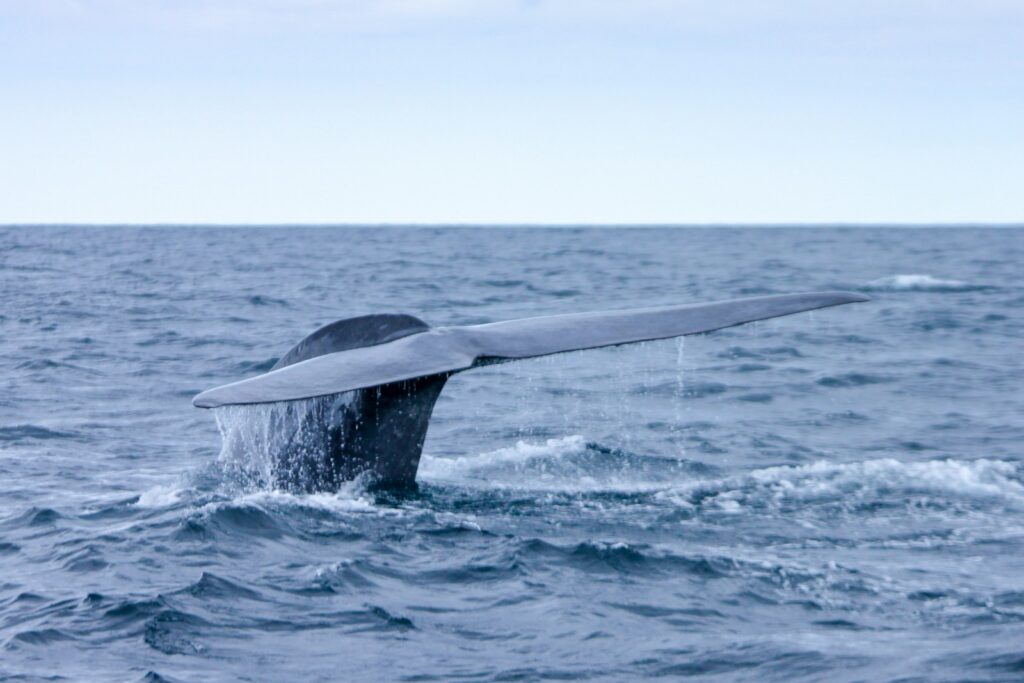
The remote monitoring capabilities of modern tags have uncovered animal behaviors that would otherwise remain hidden from human observation. Deep-diving marine animals like sperm whales, tagged with pressure-sensitive devices, have been recorded plunging to depths exceeding 7,000 feet—feats impossible for human observers to witness directly. Accelerometers attached to wild predators have documented hunting techniques and success rates, revealing how species like cheetahs achieve their remarkable hunting efficiency. In the avian world, tags have discovered that some birds can sleep while flying, with frigatebirds taking brief microsleeps during transoceanic journeys.
Even social dynamics have been illuminated through proximity tags that record when tagged animals come near each other, mapping social networks within elephant herds or wolf packs. These behavioral insights go far beyond mere curiosity, offering critical information about how species survive in their environments and how they might adapt to changes.
The Ethics of Animal Tagging

While tagging provides invaluable scientific data, researchers must carefully consider the ethical implications of attaching devices to wild animals. The welfare of tagged individuals is paramount, with scientists designing studies to minimize any negative impacts on behavior, survival, or reproduction. Tags must be proportional to the animal’s size—generally weighing less than 3-5% of the animal’s body weight—to avoid impeding movement or increasing energy expenditure. Before large-scale deployment, researchers typically conduct pilot studies to assess potential effects on tagged individuals. Institutional animal ethics committees review and approve tagging protocols, ensuring research benefits outweigh potential risks to animal welfare.
The scientific community continuously refines tagging methods to reduce invasiveness, with newer technologies trending toward smaller, lighter devices with longer battery life. This ethical framework balances the need for knowledge against our responsibility to minimize harm to the animals we study.
Tagging Marine Life: Challenges and Breakthroughs

The ocean presents unique challenges for animal tagging, driving remarkable technological innovation in marine wildlife research. Water-resistant tags must withstand extreme pressure at depth, corrosive saltwater, and powerful animal movements while maintaining functionality. For large marine mammals like whales, non-invasive suction cup tags provide short-term attachment without permanent marking, often incorporating multiple sensors that record dive profiles, acoustic data, and even video footage. Shark tagging has evolved from simple fin tags to sophisticated packages that can transmit data when the animal surfaces or detaches after a predetermined period.
One of the most significant breakthroughs has been the development of the Argos satellite system and acoustic receiver networks, which allow researchers to monitor tagged marine animals across entire ocean basins. These technologies have revealed that the ocean is not the barrier to monitoring once thought, with tagged bluefin tuna, whale sharks, and sea turtles now routinely tracked across thousands of miles of open ocean.
Climate Change Insights Through Animal Tagging

Tagged animals have become unwitting sentinels of climate change, their movements and behaviors signaling environmental shifts across the planet. Migratory birds tagged with geolocators have documented changes in migration timing and routes as they adapt to shifting seasonal patterns and food availability. Marine species tagged with temperature sensors serve as mobile ocean monitors, collecting data from remote areas rarely surveyed by traditional oceanographic methods. Polar bears fitted with GPS collars have revealed longer fasting periods and greater swimming distances as Arctic sea ice diminishes, providing direct evidence of climate impacts on iconic species.
Mountain-dwelling animals like bighorn sheep show altered movement patterns in response to changing snowpack and vegetation conditions at different elevations. These animal-borne observations complement traditional climate monitoring, adding biological context to physical measurements and highlighting the real-time ecological consequences of our warming planet.
Citizen Science and Public Engagement Through Tagging

Animal tagging has created unique opportunities for public participation in wildlife research, bridging the gap between professional scientists and interested citizens. Bird banding programs worldwide engage volunteers who help capture, tag, and release birds, contributing to massive datasets spanning decades. The North American Butterfly Association coordinates thousands of citizen scientists who report sightings of tagged monarch butterflies during their migration. Marine turtle tagging programs at nesting beaches often involve local communities, building conservation awareness while gathering valuable scientific data.
Digital platforms now allow anyone with internet access to follow the journeys of tagged animals in real-time, creating emotional connections between people and wild animals they might never encounter personally. This democratization of wildlife monitoring has not only expanded data collection capabilities but has also fostered public support for conservation initiatives based on tagging research.
Technological Frontiers in Animal Tagging

The future of animal tagging promises even greater insights as technology continues to advance at a rapid pace. Miniaturization is pushing the boundaries of which species can be tagged, with researchers now developing tags light enough for insects and small amphibians previously considered too small for tracking. Solar-powered tags eliminate battery limitations, potentially allowing lifetime monitoring of long-lived species like albatrosses or tortoises. Biologically inspired attachment methods, such as tags that mimic remoras attaching to sharks, are improving tag retention while reducing impacts on the animals. Perhaps most revolutionary are emerging “smart tags” with artificial intelligence capabilities that can process data onboard, identifying and transmitting only significant events rather than continuous streams of information.
These technological advances are expanding not just what we can learn, but which species we can study, potentially democratizing wildlife research across the taxonomic spectrum rather than focusing primarily on large, charismatic species.
How Tagging Informs Wildlife Management Policies

The concrete data provided by animal tagging has become increasingly influential in shaping evidence-based wildlife management and conservation policy worldwide. Marine protected areas have been established or expanded based on tagging data that identifies critical habitats, with California’s leatherback sea turtle conservation zone created specifically around satellite tracking information. International agreements like the Convention on Migratory Species use tagging data to identify and protect migration corridors that cross national boundaries, recognizing that effective conservation requires multinational cooperation. Wildlife managers use tagging information to set hunting quotas and seasons based on actual population dynamics rather than estimates or historical practices.
For endangered species reintroduction programs, post-release monitoring through tagging provides crucial feedback on success rates and survival challenges, allowing adaptive management. This direct connection between scientific data and policy implementation represents one of the most practical applications of animal tagging, translating research into real-world conservation action.
The Unexpected Discoveries from Tagging Studies

Beyond their intended research goals, tagging studies have frequently yielded surprising discoveries that reshape our understanding of animal capabilities and behaviors. Albatrosses tagged with GPS units revealed that some individuals circumnavigate the entire Southern Ocean multiple times per year, traveling over 10,000 miles in a single foraging trip—far exceeding what researchers believed possible. Bar-tailed godwits tagged with satellite transmitters demonstrated these shorebirds could fly non-stop for nine days across the Pacific Ocean from Alaska to New Zealand without food, water, or rest—a physiological feat once considered impossible. Deep-sea tagging discovered that elephant seals regularly dive to depths exceeding a mile, essentially “sleeping” while continuing to dive through oceanic darkness.
Great white sharks, long considered coastal predators, were found through satellite tagging to make precise, targeted migrations to specific areas of the open ocean thousands of miles from shore, returning to exact coastal locations the following year. These unexpected findings highlight how much remains to be learned about animals we thought we understood, with each tagging study potentially rewriting textbooks.
From Individual Tags to Ecosystem Understanding

The cumulative data from thousands of tagged animals across multiple species is enabling scientists to move beyond single-species research toward comprehensive ecosystem understanding. By simultaneously tagging predators and prey within the same ecosystem, researchers can map predator-prey dynamics and food web relationships with unprecedented detail. Multi-species tagging in marine environments has revealed previously unknown ecological connections, such as how the movements of tuna, sharks, and seabirds often converge at productive ocean fronts. Watershed-scale tagging of multiple fish species helps identify critical habitats and movement corridors needed for ecosystem-based management approaches.
When combined with environmental monitoring, tagging data helps scientists construct models predicting how entire ecological communities might respond to environmental changes or conservation interventions. This systems approach represents the frontier of tagging research, recognizing that understanding individual species in isolation is insufficient for effective conservation in our interconnected natural world.
Conclusion: Wildlife Conservation Through Innovative Animal Tagging

Animal tagging has transformed from a simple identification method to a sophisticated research approach that continues to expand our understanding of wildlife. Each tagged animal becomes an ambassador for its species, revealing secrets about life histories, behaviors, and conservation needs that would otherwise remain hidden. As technology advances and more species come under study, the insights gained from animal tagging will remain essential to wildlife conservation in an increasingly human-dominated world.
Perhaps most importantly, these tagged animals connect us to the wild in new ways, allowing us to witness their remarkable lives and inspiring greater commitment to protecting the natural world they represent. In following their journeys, we not only learn about them but also about our shared planet and our responsibility toward it.