

The great outdoors offers unparalleled opportunities to witness wildlife in their natural habitats. However, many campers, especially those new to wilderness experiences, make critical errors when encountering wild animals. These mistakes not only endanger the animals but also put campers at significant risk. Wildlife encounters should be respectful, distant, and on nature’s terms—not ours.
Understanding the common mistakes campers make around wildlife can help preserve these magnificent creatures while ensuring your camping experience remains safe and enjoyable. Let’s explore the most frequent errors and how to avoid them on your next outdoor adventure.
Approaching Animals for Photos or “Better Views”

One of the most dangerous mistakes campers make is approaching wildlife to capture the perfect photo or get a closer look. This behavior disrupts animals’ natural activities and can trigger defensive or aggressive responses, especially from larger mammals like bears, moose, or bison. Animals need their personal space, which varies by species but generally should be at least 100 yards for predators and 25 yards for other large animals.
Remember that zooming with your camera lens rather than your feet not only produces better photographs but also keeps both you and the wildlife safe. Wildlife photography should never come at the cost of an animal’s wellbeing or your safety.
Feeding Wild Animals
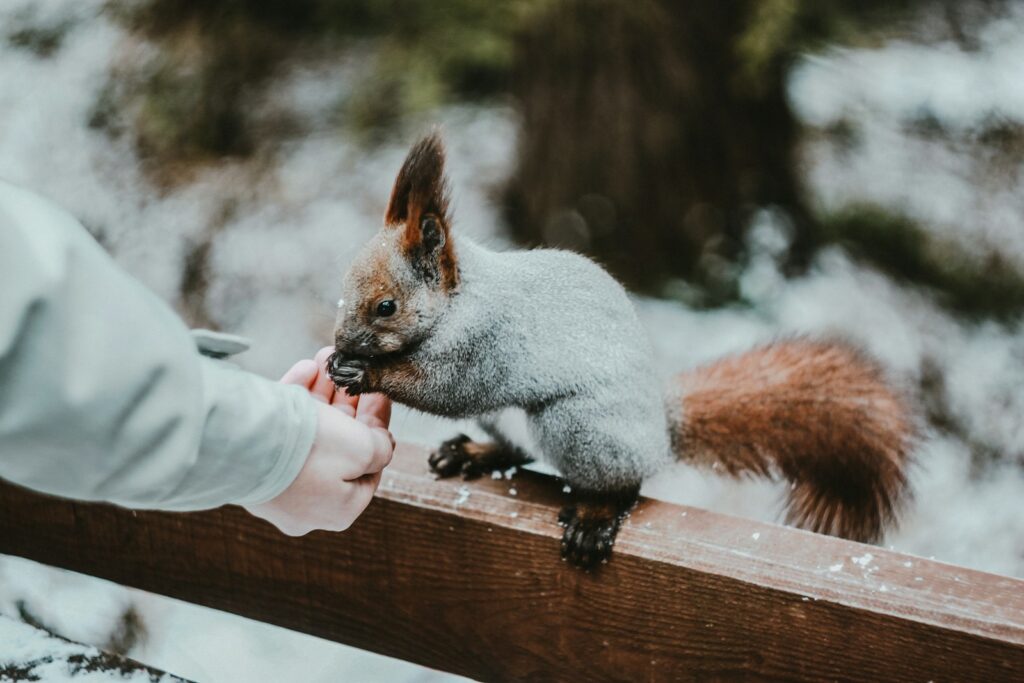
Offering food to wildlife, whether intentionally or through careless food storage, is perhaps the most harmful mistake campers make. When animals associate humans with food, they lose their natural foraging behaviors and become dependent on handouts, dramatically reducing their survival chances. This habituation to human food can lead to aggressive behavior as animals begin to approach campsites expecting meals.
Additionally, human food lacks the nutritional composition wild animals need and can cause serious health problems. In many parks and wildlife areas, feeding animals is illegal and can result in substantial fines—for good reason.
Improper Food Storage at Campsites
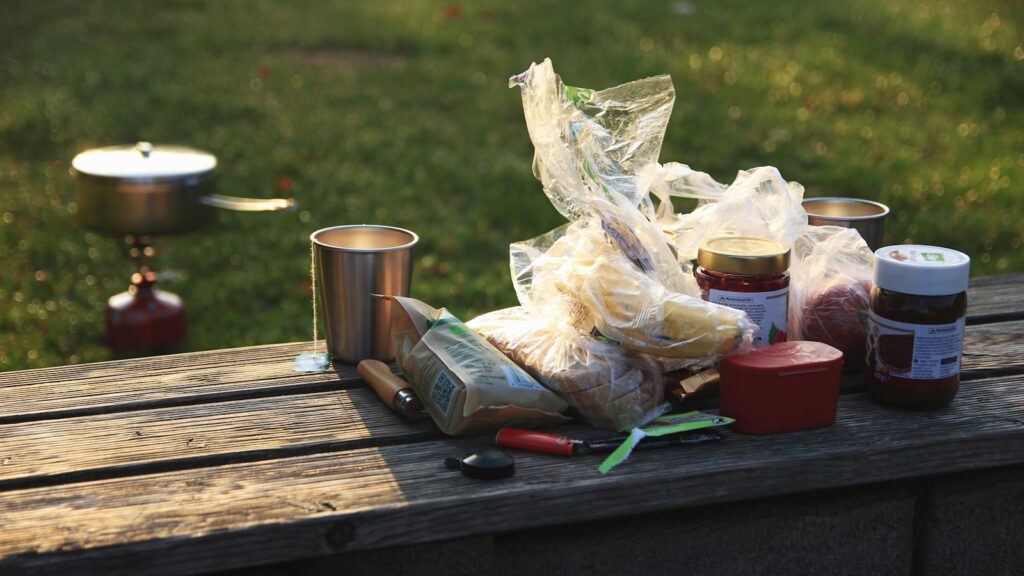
Many campers underestimate wildlife’s remarkable sense of smell and ability to access food. Leaving food out on picnic tables, storing it in tents, or failing to use proper wildlife-resistant containers invites unwanted visitors to your campsite. Bears, in particular, can smell food from miles away and will go to extraordinary lengths to access it, potentially destroying property and creating dangerous situations.
Proper food storage involves using bear canisters, designated food lockers, or hanging food bags at least 10 feet high and 4 feet from any vertical support. This precaution applies not just to food but also to scented items like toothpaste, deodorant, and even chapstick.
Making Loud, Sudden Movements Around Wildlife

Sudden movements and loud noises can startle wild animals, triggering fight-or-flight responses that endanger both the animal and nearby campers. Many animals interpret quick movements as predatory behavior, which may cause them to flee frantically or, worse, attack defensively. When encountering wildlife, the best approach is to remain calm, speak in soft tones, and move slowly and predictably.
This calm demeanor helps animals assess that you aren’t a threat and gives them time to retreat naturally. Remember that wildlife encounters should happen on the animal’s terms, not through human provocation or pursuit.
Misinterpreting Animal Behavior
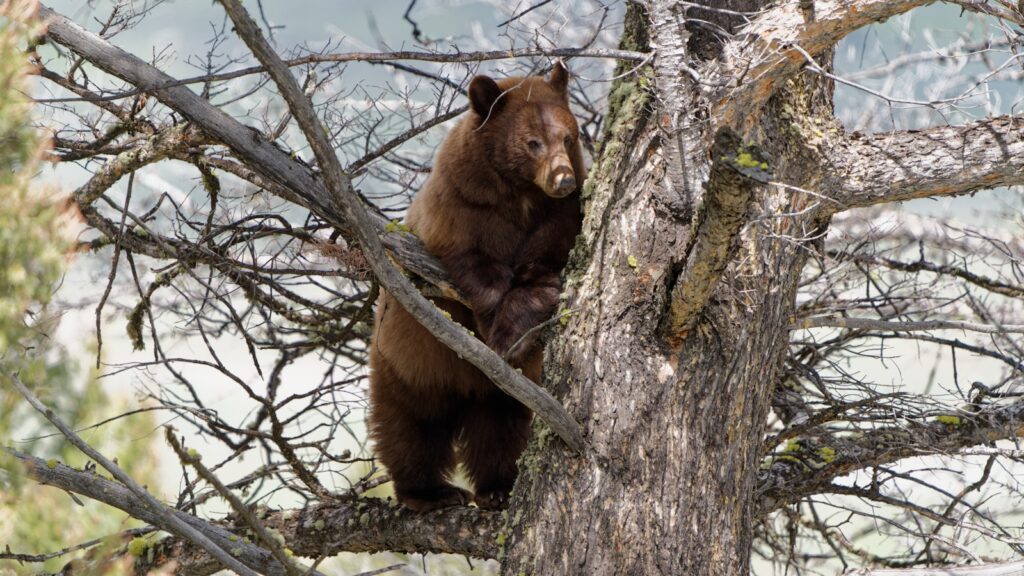
Many campers lack basic knowledge about wildlife behavior, leading to dangerous misinterpretations of animal signals. For instance, a moose stomping its hooves isn’t being playful—it’s warning you to back away immediately. Similarly, a bear standing on its hind legs isn’t necessarily aggressive but is trying to get a better look or smell. Misreading these cues can result in campers either fleeing when they should stand their ground or approaching when they should retreat.
Taking time to learn about the specific behaviors of wildlife in your camping area before your trip can prevent potentially fatal misunderstandings. Even seemingly docile animals like deer can become dangerous if they feel cornered or threatened.
Leaving Trash and Food Scraps Behind
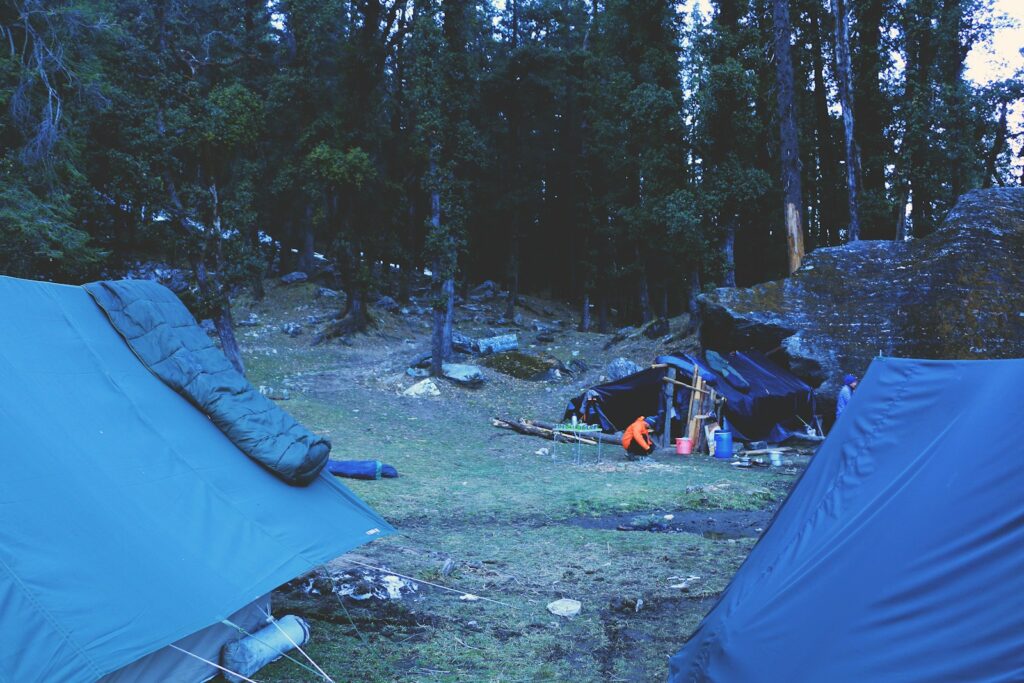
The “leave no trace” principle exists for good reason, yet many campers violate it by leaving behind trash, food scraps, or unwashed cookware. Even small food remnants can attract wildlife to campsites, creating dangerous habituation patterns that persist long after you’ve departed. Animals that become accustomed to finding food at human campsites may become nuisances or dangers to future campers.
Beyond the immediate risks, human food can disrupt wildlife’s digestive systems and natural diets. Proper disposal means packing out all trash, burning nothing in your campfire that wasn’t natural to the area, and thoroughly cleaning cooking areas after meals.
Getting Between Mothers and Their Young
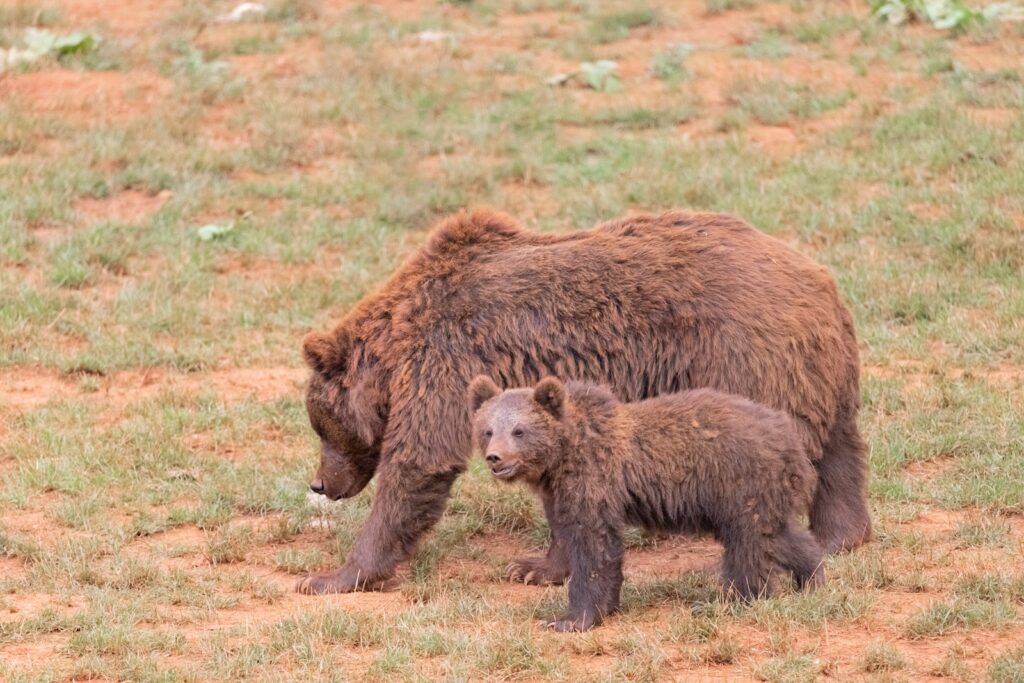
Few situations in the wilderness are as dangerous as inadvertently coming between a mother animal and her offspring. Maternal instincts are incredibly powerful, and mother animals will defend their young with remarkable aggression and persistence. Mother bears, moose, elk, and even smaller animals become unpredictable and potentially lethal when they perceive a threat to their young.
Campers should be especially vigilant during spring and early summer when many species have vulnerable young offspring. If you spot young animals, assume the mother is nearby and quietly retreat from the area without approaching the babies, even if they appear abandoned. Mother animals often leave their young temporarily while foraging but remain close enough to defend them.
Hiking or Camping Without Making Noise
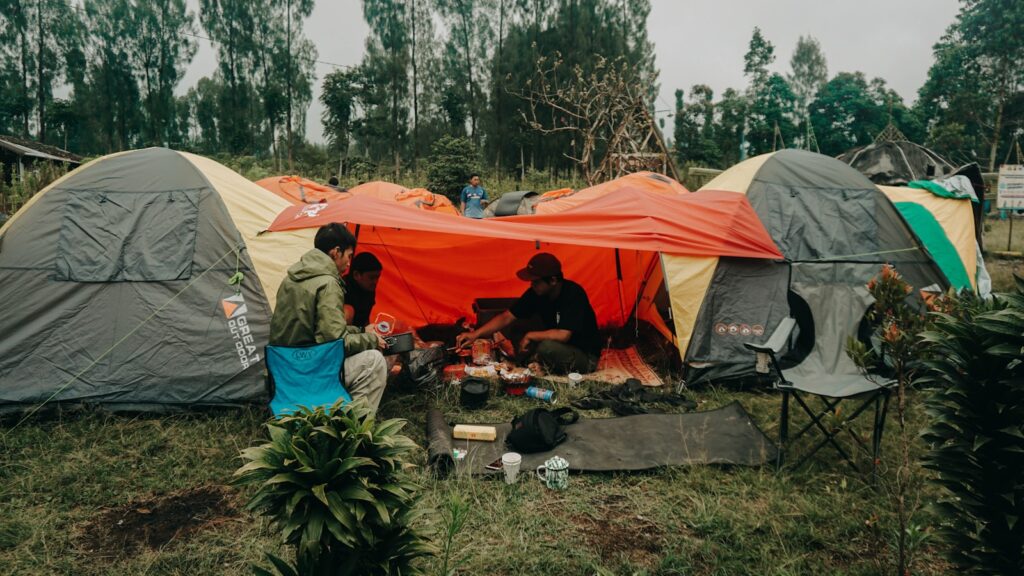
While many campers value the silence of nature, moving quietly through wildlife habitat creates dangerous surprise encounters. Animals typically avoid humans and will move away if they hear you coming, but silent hikers can inadvertently corner or startle wildlife. Talking in normal voices, occasionally clapping, or wearing bear bells helps alert animals to your presence, giving them time to avoid confrontation.
This is especially important when moving through dense vegetation, around blind corners, or near noisy water features where animals might not see or smell you approaching. Making intermittent noise doesn’t ruin the wilderness experience—it simply ensures that encounters happen on safer terms.
Wearing Attractant Scents in the Wilderness

Many campers don’t realize that heavily scented personal products can attract curious wildlife to their campsite. Perfumes, colognes, scented soaps, and even some insect repellents contain compounds that may intrigue animals with keen senses of smell. Bears, in particular, are notorious for investigating novel scents in their territory.
For safer camping, choose unscented versions of all personal care products, or at minimum, store scented items with your food using proper wildlife-resistant methods. This precaution is especially important when camping in bear country, where anything with an interesting smell might bring unwanted visitors to your tent during the night.
Camping Directly on Wildlife Trails or Near Water Sources

Setting up camp directly on game trails or too close to water sources is a serious mistake that creates high-risk wildlife encounters. Animals use established paths to travel between feeding, watering, and bedding areas, and interrupting these routes puts campers in the middle of regular wildlife traffic. Similarly, camping within 200 feet of water sources not only impacts the environment but positions you at a location frequented by virtually all wildlife in the area.
Before setting up your tent, look for signs of animal activity such as tracks, scat, or worn paths, and choose a site that doesn’t interfere with wildlife movement patterns. Proper campsite selection dramatically reduces nighttime animal encounters while minimizing your impact on wildlife behavior.
Misunderstanding “Friendly” Wildlife
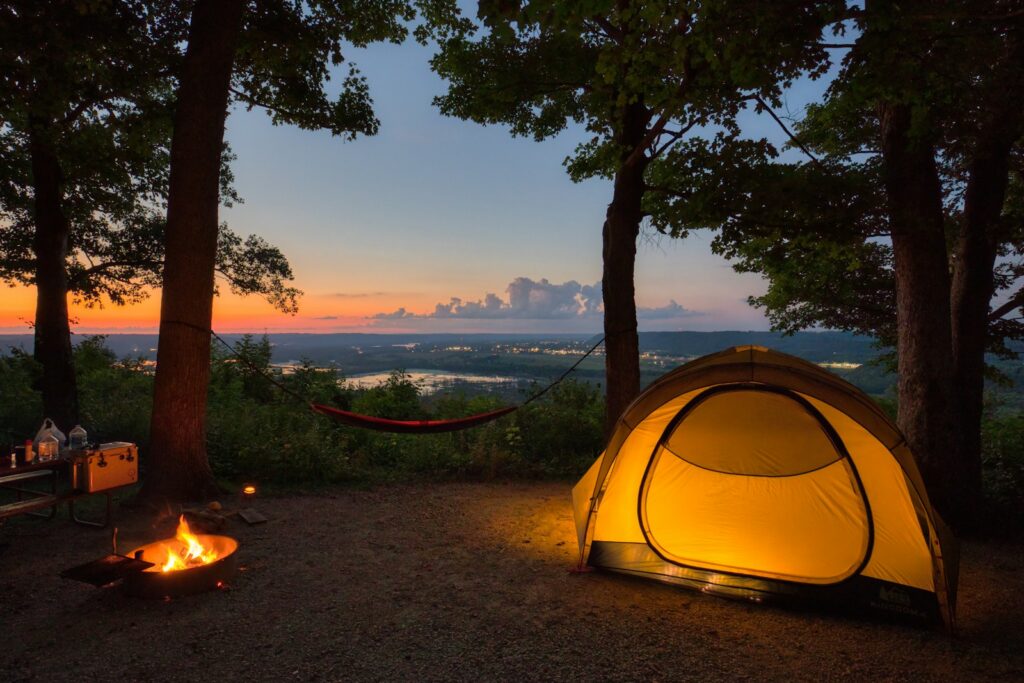
Animals that appear accustomed to humans are often the most dangerous, yet many campers misinterpret this habituation as friendliness. Wildlife that seems comfortable approaching people has likely been fed by humans before and has lost its natural wariness. These animals may approach expecting food and can become aggressive if disappointed. This behavior is particularly problematic in popular camping areas where wildlife has frequent human contact.
Even small animals like squirrels or raccoons can inflict serious bites or scratches when attempting to access food. Remember that truly wild animals naturally avoid humans—any that willingly approach you have likely developed problematic associations with people.
Failing to Research Local Wildlife Before Camping

Many wilderness mishaps occur because campers fail to research the specific wildlife present in their destination area. Different regions have unique animal species with distinct behaviors, dangers, and appropriate human responses. For instance, playing dead might help during certain bear encounters but could be fatal during a mountain lion attack. Before any camping trip, take time to learn about local wildlife, seasonal behaviors (like rutting or migration), and recommended safety protocols from park rangers or wildlife authorities.
Most parks and wilderness areas provide specific wildlife safety information tailored to local species and conditions. This knowledge forms the foundation of safe wildlife interaction and could make the difference between a positive experience and a dangerous encounter.
Conclusion: Enjoying Wildlife Responsibly
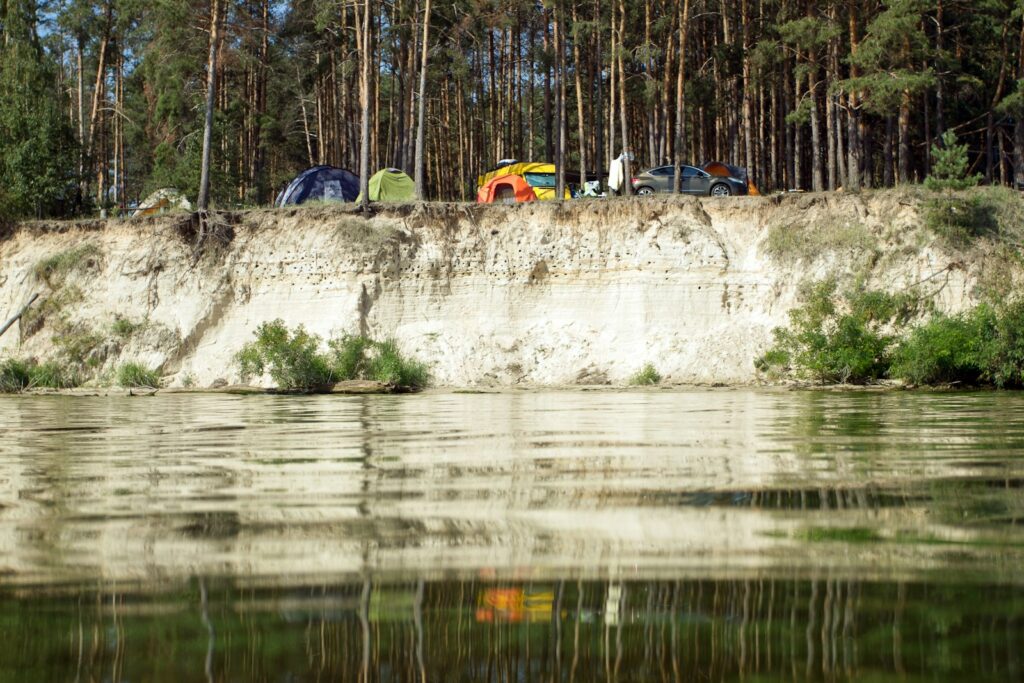
The wilderness offers extraordinary opportunities to witness animals in their natural habitats, but these experiences come with significant responsibilities. By avoiding these common mistakes, campers can enjoy wildlife from a respectful distance while keeping both themselves and the animals safe. Remember that we are visitors in wildlife territories, and our goal should be to observe without disturbing the natural behaviors that make these encounters so special.
With proper preparation, respectful distance, and appropriate responses, wildlife encounters can become the highlight of your camping experience rather than a dangerous situation. Happy camping, and may your wildlife sightings be both memorable and, most importantly, safe.