

The nine-banded armadillo, with its distinctive armor-plated shell and peculiar appearance, has been on an extraordinary journey across the United States. Native to Central and South America, these unusual mammals have been steadily moving northward for over a century, gradually establishing themselves in regions where they were previously unknown. Their expansion represents one of the most successful natural range extensions of any mammal in recent history. What makes this journey particularly fascinating is that it has occurred largely without human assistance, driven instead by the armadillo’s adaptability, reproductive strategy, and changing environmental conditions that have created favorable circumstances for their northward march.
Origins in the American Southwest
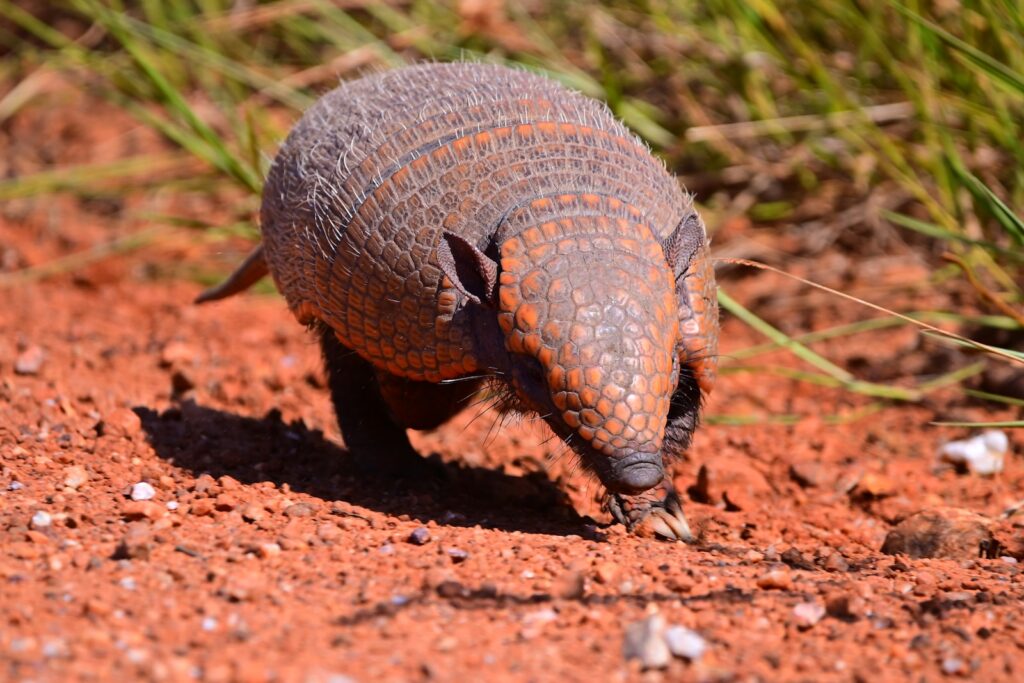
The armadillo’s U.S. story begins in the late 1800s, when the species first established a foothold in the Rio Grande Valley of Texas. Historical records indicate that armadillos were limited to the southernmost regions of Texas until around 1880, but they didn’t remain confined there for long. Their initial expansion was likely facilitated by natural dispersal across the Rio Grande river from Mexico. These pioneering armadillos found the warm climate and abundant insect populations of southern Texas highly suitable for their survival needs. By the early 1900s, they had become common throughout southern Texas, establishing the beachhead that would eventually allow them to colonize much of the southeastern United States over the following century.
A Surprising Swimming Ability
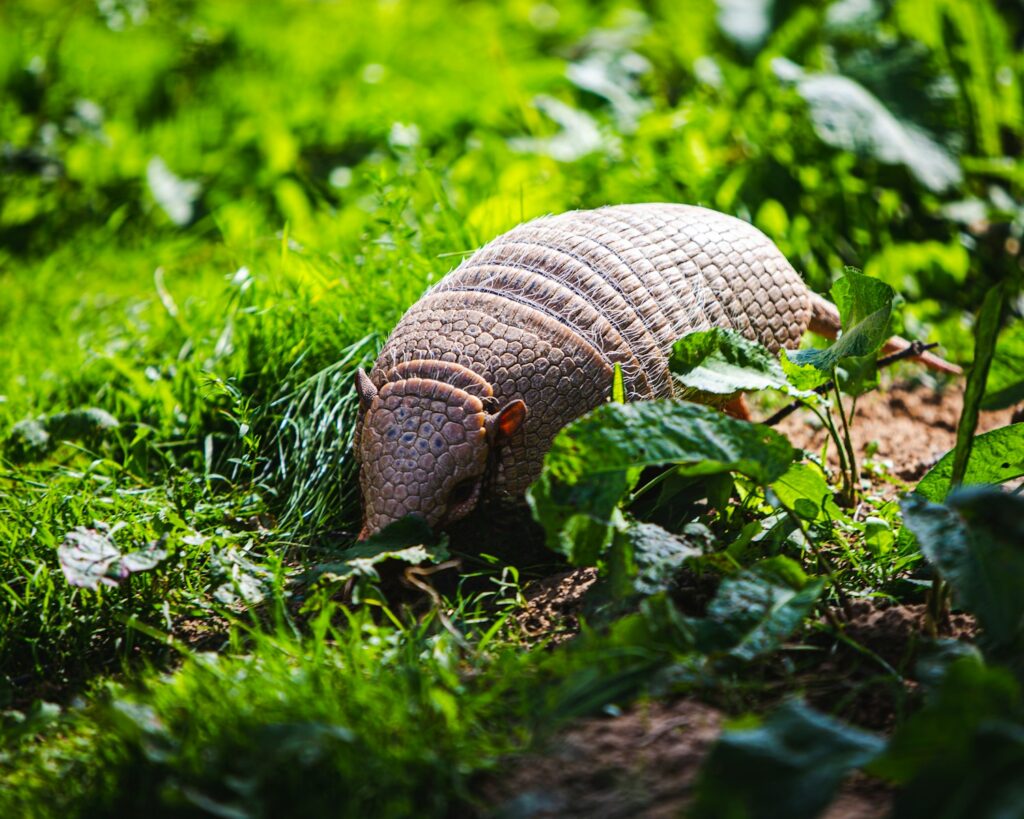
One might assume that rivers and waterways would pose significant barriers to armadillo expansion, but these creatures possess a surprising aquatic talent that has aided their dispersal. When confronted with a body of water, armadillos can employ multiple strategies—they can inflate their intestines with air to increase buoyancy and swim across, or more remarkably, they can actually walk across riverbeds while holding their breath for up to six minutes. This unexpected adaptation has allowed armadillos to cross numerous rivers throughout the southeastern United States, including major waterways like the Mississippi. Their swimming prowess demonstrates how a seemingly terrestrial animal has evolved capabilities that directly contribute to its range expansion success, allowing it to overcome geographical barriers that might otherwise limit its spread.
Climate as a Limiting Factor
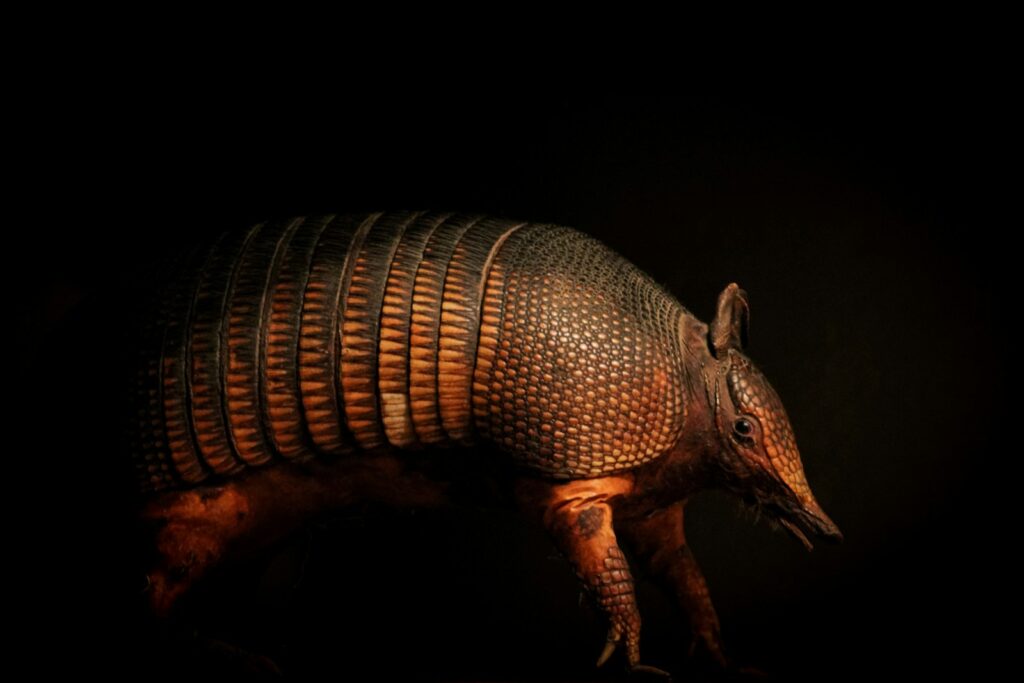
Despite their remarkable adaptability, armadillos face one significant constraint to their northward expansion: cold temperatures. Unlike many mammals that thrive in temperate regions, armadillos have poor temperature regulation and limited body fat, making them vulnerable to extended periods of cold weather. They lack the thick fur or substantial fat layers that help other mammals survive harsh winters. This physiological limitation explains why the armadillo’s range expansion has historically been bounded by climate zones, with freezing temperatures creating a natural barrier to further northward movement. In areas where winters regularly drop below freezing for extended periods, armadillos struggle to find enough food and maintain their body temperature, limiting their ability to establish permanent populations.
The Climate Change Connection

Climate change has played a significant role in accelerating the armadillo’s northward march in recent decades. As average winter temperatures increase across much of the United States, areas that were previously too cold for armadillos to survive year-round have become increasingly hospitable. Researchers have documented a clear correlation between warming winter temperatures and armadillo range expansion, particularly along the northern boundaries of their territory. In states like Missouri, Illinois, and even parts of Nebraska, milder winters with fewer extended freezes have allowed armadillos to survive year-round where they previously could not. This climate-assisted expansion provides a tangible example of how global warming is reshaping wildlife distributions across North America, with the armadillo serving as a visible indicator species for these broader ecological shifts.
The Unusual Reproductive Strategy

The nine-banded armadillo possesses one of the most unusual reproductive strategies in the mammal world, which has contributed significantly to its successful expansion. Female armadillos nearly always give birth to identical quadruplets—four genetically identical offspring from a single fertilized egg that splits into four embryos. This reproductive peculiarity ensures that each successful pregnancy results in multiple new armadillos, accelerating population growth even with relatively few breeding adults in newly colonized areas. Additionally, female armadillos can delay implantation of the fertilized egg for several months after mating, allowing them to time births for optimal environmental conditions. This reproductive flexibility, combined with their ability to reproduce annually once they reach sexual maturity at around one year of age, has enabled armadillos to establish viable populations quickly after reaching new territories.
Hitchhiking to Florida
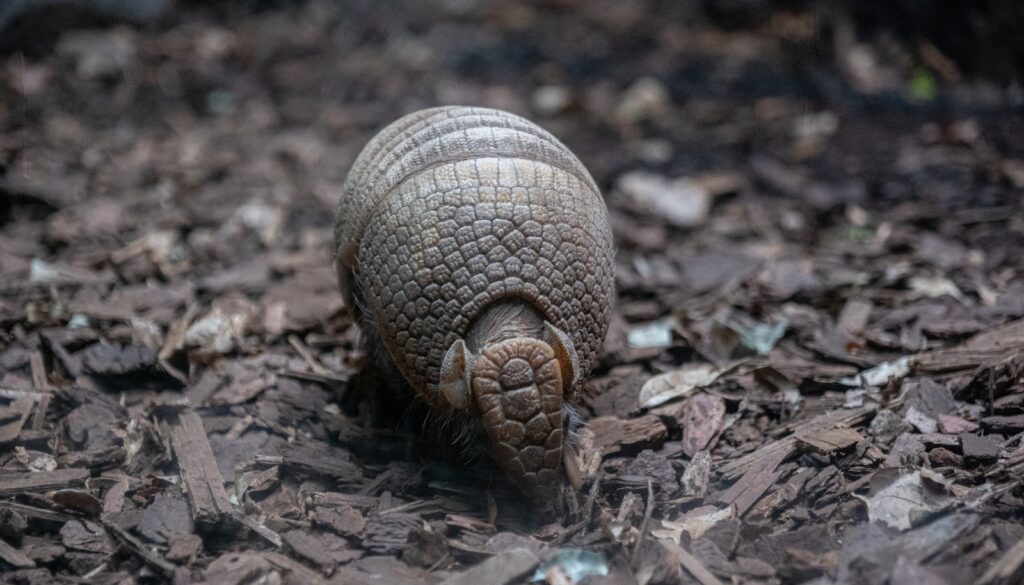
While most of the armadillo’s range expansion has occurred through natural dispersal, their arrival in Florida illustrates how humans have occasionally accelerated this process. Armadillos were first introduced to Florida in the 1920s and 1930s, both intentionally as attractions in small zoos and unintentionally as stowaways on cattle transports and trains from Texas. Some accounts suggest that a small traveling circus released armadillos near Miami when it went out of business. These introduced populations thrived in Florida’s warm climate and sandy soils, which were ideal for their burrowing habits and insect-hunting lifestyle. From these initial human-assisted introductions, armadillos spread throughout the Florida peninsula through natural dispersal, eventually connecting with the naturally expanding populations moving eastward from Texas through the Gulf states.
Tracking the Decades of Expansion
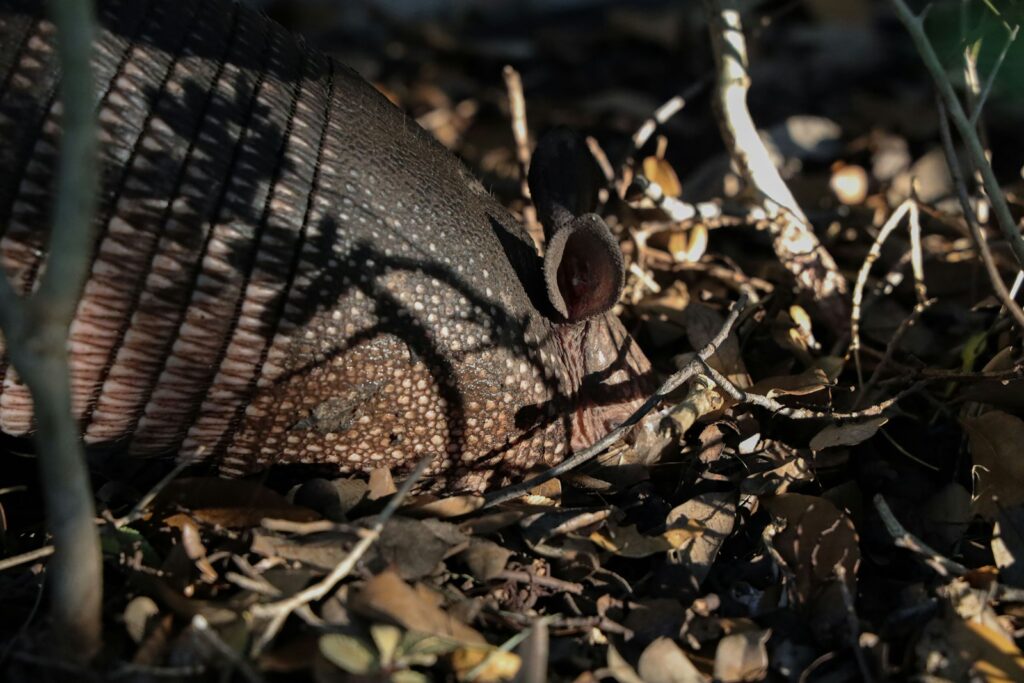
The armadillo’s expansion across the United States has been remarkably steady and well-documented over the past century. By the 1950s, they had established themselves throughout Texas, Louisiana, and much of Oklahoma and Arkansas. The 1970s saw them become common throughout Georgia, Alabama, and Mississippi, while the 1980s and 1990s marked their further push into Tennessee, South Carolina, and parts of North Carolina. The early 2000s witnessed armadillos establishing footholds in southern Illinois, southern Indiana, and even parts of Kansas and Missouri. Wildlife biologists have tracked this expansion through a combination of roadkill surveys, camera traps, and citizen science reporting programs that document armadillo sightings in new areas. This methodical spread averaging about 4-10 miles per year has resulted in armadillos now occupying more than 20 states—a footprint that continues to grow.
Adaptability to Human-Modified Landscapes
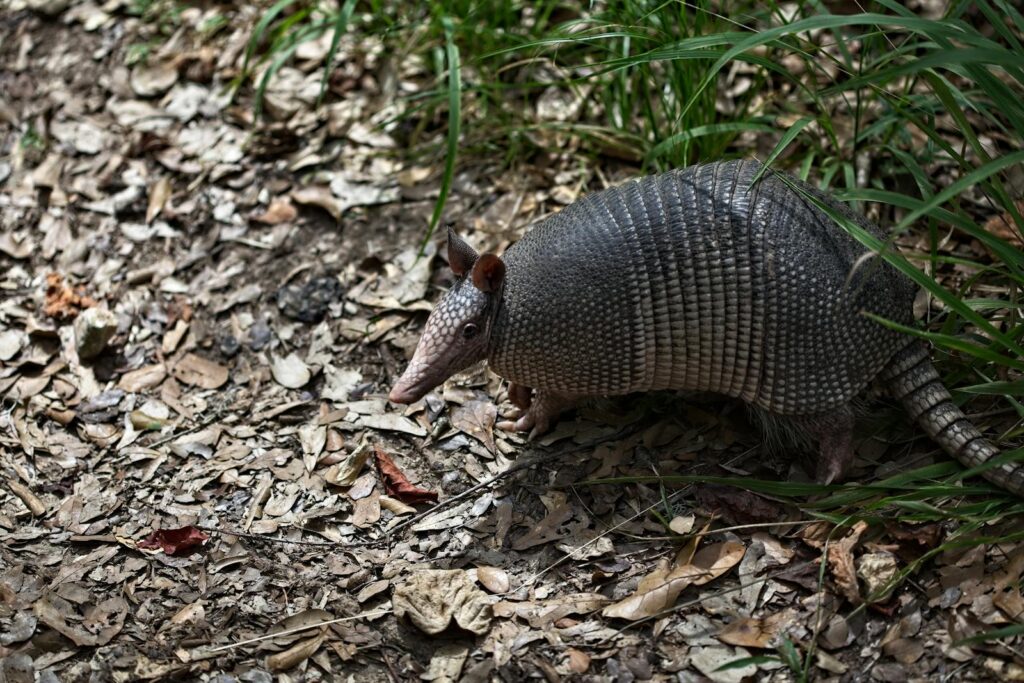
One key to the armadillo’s successful expansion has been its remarkable adaptability to human-modified environments. Unlike many wildlife species that decline with urbanization and agriculture, armadillos have proven quite capable of thriving in suburban landscapes, agricultural areas, and even city parks. Their primary dietary needs—insects, grubs, and other invertebrates—remain abundant in lawns, gardens, and agricultural fields. Armadillos readily utilize human-created edge habitats and corridors like roadsides, railroad tracks, and power line cuts to move between natural areas. They’ve also demonstrated an ability to coexist with humans by becoming primarily nocturnal in developed areas, reducing conflict with people. This adaptability to anthropogenic landscapes has allowed armadillos to maintain their expansion even as natural habitats have been fragmented and developed across much of the southeastern United States.
Ecological Impacts of Expansion

As armadillos have colonized new territories, they’ve had measurable ecological impacts on native ecosystems. Their vigorous digging behavior, essential for finding food and creating burrows, can significantly disturb soil and ground-nesting bird populations in newly colonized areas. A single armadillo can turn over substantial amounts of soil, affecting soil composition, aeration, and potentially displacing native plant communities. They also compete with native insectivores like skunks and American badgers for food resources. However, the ecological picture isn’t entirely negative—armadillos consume many agricultural pests and have become part of the predator-prey relationship in their new territories, serving as food for alligators, coyotes, and large raptors. Their complex ecological role demonstrates how a novel species can become integrated into existing ecosystems, creating both disruptions and new functional relationships.
Road Mortality: The Double-Edged Sword
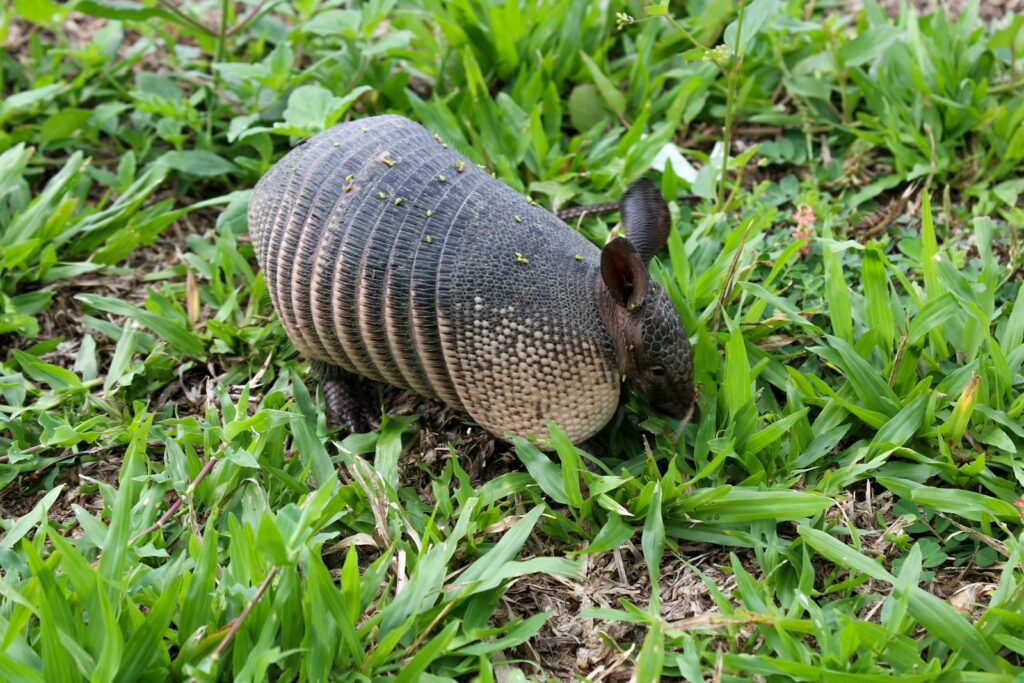
The expanding network of roads across America has presented both opportunities and threats to armadillo expansion. Roads serve as corridors that allow armadillos to access new territories, particularly when those roads cut through formerly dense forests or cross rivers via bridges. However, these same roads exact a heavy toll through vehicle collisions, making roadkill the leading cause of mortality for armadillos in many areas. Armadillos have a peculiar defensive response when startled—they jump straight upward about three feet—which unfortunately puts them at perfect bumper height when they’re startled by an approaching vehicle. This behavior, combined with their nocturnal habits and poor eyesight, makes them particularly vulnerable to road mortality. Despite this significant source of mortality, armadillo populations have continued to increase and expand, suggesting that their reproductive rate has generally outpaced road mortality losses in most areas.
Disease Concerns: Leprosy Connection

The armadillo’s expansion has raised some public health considerations, most notably their status as the only known non-human animal that naturally carries Mycobacterium leprae, the bacterium that causes leprosy in humans. Research has confirmed that armadillos can transmit leprosy to humans through direct contact, though such transmission is rare and requires prolonged, direct interaction with infected animals. The risk is primarily limited to people who frequently handle or consume armadillos. The armadillo’s unusually low body temperature (around 93°F) creates an ideal environment for the leprosy bacterium, which cannot survive at normal human body temperature except in cooler extremities. Public health officials in states with expanding armadillo populations have implemented educational campaigns to inform residents about proper precautions when encountering these animals, emphasizing that the risk remains very low for people who simply observe armadillos without handling them.
Future Projections: How Far North?

Scientists continue to monitor and model the armadillo’s potential future range, with most projections suggesting their northward expansion has not yet reached its limit. Climate models that account for warming temperatures predict that armadillos could potentially establish permanent populations as far north as southern Michigan, southern New York, and possibly even southern New England within the next 50 years if warming trends continue. However, these projections come with significant uncertainty, as factors beyond temperature—including urbanization patterns, soil types, and competition with native species—will influence their successful establishment. The most important limiting factor will likely remain winter temperature extremes, particularly the duration of hard freezes that limit food availability. As climate patterns continue to shift, wildlife managers across the northern boundary states are preparing for the potential arrival of this distinctive species, developing monitoring programs and public education materials about this unique immigrant from the south.
A Natural Experiment in Range Expansion
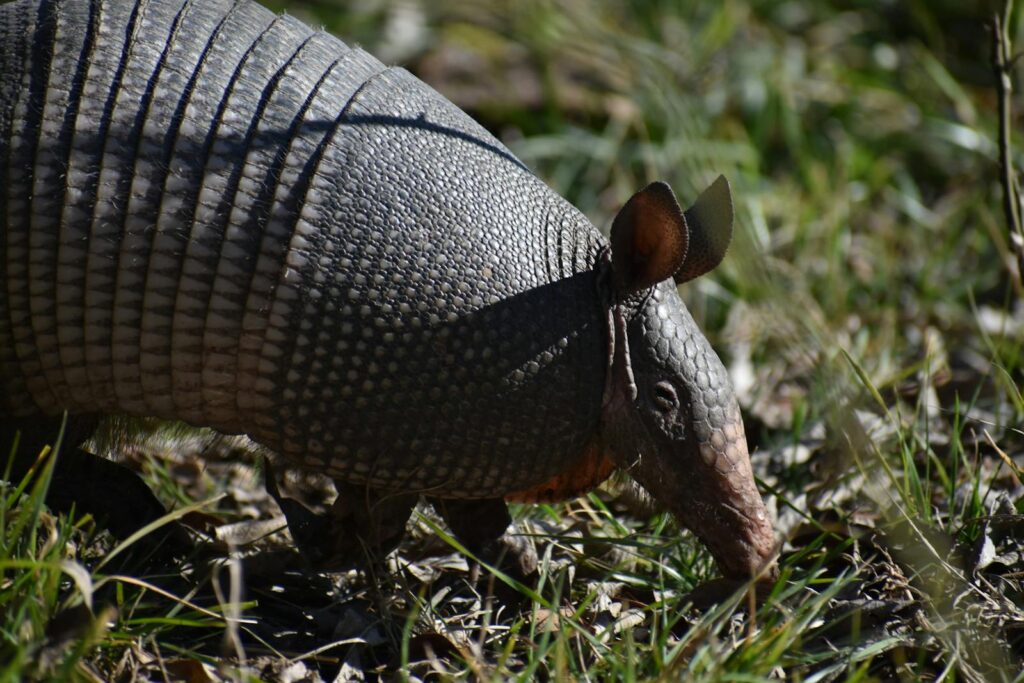
The continuing saga of armadillo expansion represents one of nature’s most remarkable natural experiments in real-time. Unlike many range shifts that are purely human-caused through intentional introduction, the armadillo’s expansion combines natural dispersal with climate change influences and occasional human assistance. Biologists studying this phenomenon gain valuable insights into how species adapt to new environments, overcome geographical barriers, and integrate into existing ecological communities. The documentation of this expansion through field studies, citizen science, and historical records provides an unparalleled dataset for understanding the mechanics of range expansion. As armadillos continue their slow but steady march northward, they offer scientists a living laboratory for studying how species respond to environmental change—lessons that may prove increasingly valuable as climate change continues to reshape ecological relationships across North America and beyond.
Conclusion: America’s Unlikely Immigrant
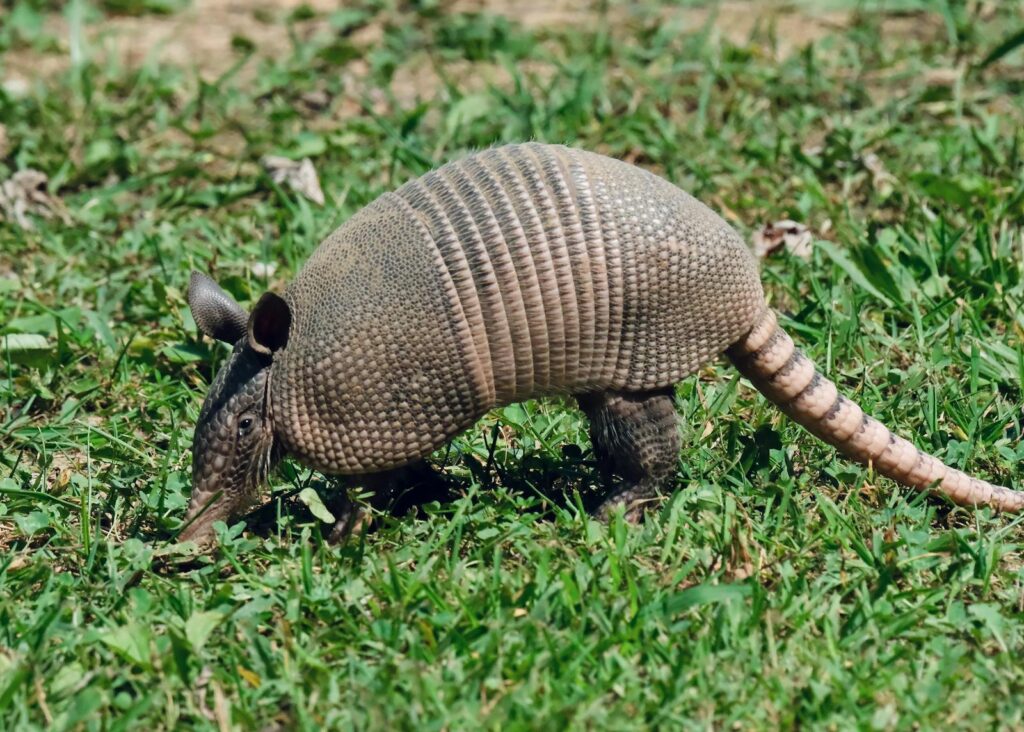
The armadillo’s remarkable journey across the United States stands as a testament to this unusual creature’s adaptability and resilience. From their humble beginnings in southern Texas to their current presence across much of the southern and central United States, armadillos have demonstrated an extraordinary capacity to overcome obstacles, adapt to new environments, and thrive in a changing landscape. Their expansion continues to be shaped by a complex interplay of natural dispersal abilities, climate change, human development patterns, and their own unique biological characteristics. As these armored pioneers continue their gradual march northward, they remind us that nature remains dynamic and unpredictable, with species ranges in constant flux. The armadillo—once considered an exotic curiosity limited to the southernmost fringes of the country—has quietly but steadily earned its place as an established member of America’s wildlife community, rewriting the ecological map one state at a time.