

Deciphering wildlife body language is an essential skill for anyone who encounters animals in their natural habitat or even in controlled environments like zoos and wildlife parks. Animals communicate constantly through their postures, movements, vocalizations, and facial expressions. Understanding these signals not only enhances our appreciation of wildlife but also contributes significantly to our safety during animal encounters. By recognizing the subtle shifts from calm to aggressive states, we can better predict animal behavior, avoid dangerous confrontations, and develop a deeper connection with the natural world. This article explores the fascinating language of animal body signals across various species and contexts, helping you become fluent in the silent communications that occur in the animal kingdom.
The Universal Language of Animal Bodies
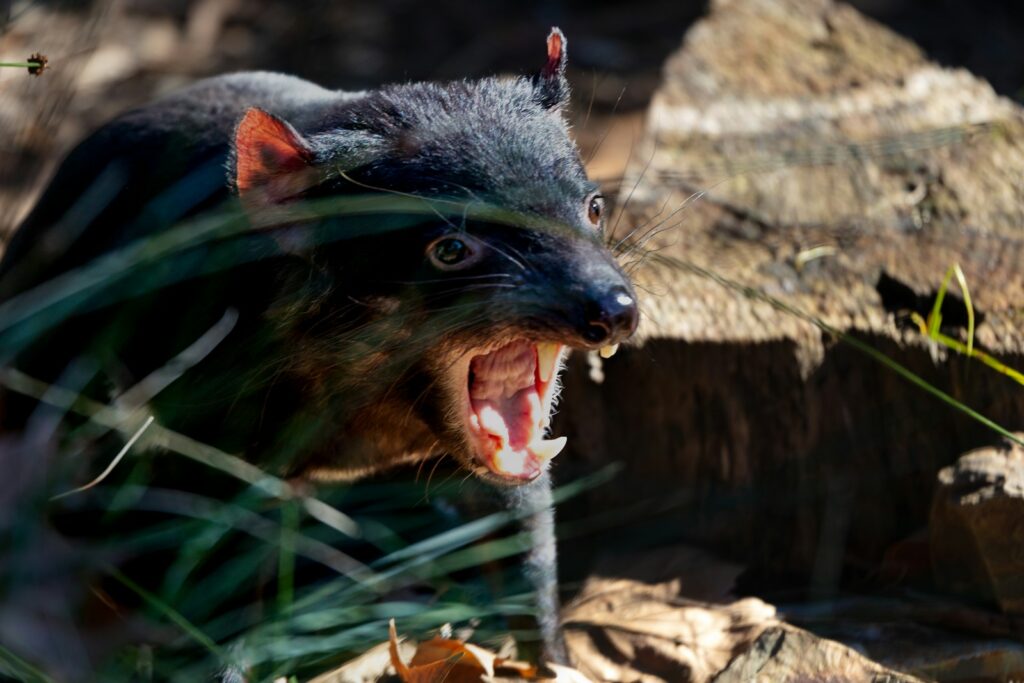
While verbal communication varies dramatically across species, body language shares surprising commonalities throughout the animal kingdom. Many mammals display similar patterns of relaxation, alertness, fear, and aggression despite evolutionary divergence millions of years ago. Relaxed ears, smooth body movements, and natural posture typically indicate comfort, while raised hackles, bared teeth, and stiffened postures often signal aggression or fear. These patterns emerged because they served similar survival functions across species – the need to communicate intent to potential predators, rivals, or allies. Understanding these universal signals provides a foundation for reading more species-specific communications. For humans, recognizing these patterns taps into our own evolutionary history, as our ancestors’ survival often depended on accurately interpreting animal intentions.
Recognizing Signs of Calm in Mammals

Calm mammals typically display a distinctive set of physical characteristics that signal their relaxed state. Look for loose, natural body postures without tension in the muscles, particularly around the face, shoulders, and back. Breathing will typically be slow and regular, with relaxed facial features and normal-sized pupils. In many species, calm individuals may engage in maintenance behaviors like casual grooming, comfortable resting positions, or slow, deliberate movements without startling. Social species often demonstrate calm through affiliative behaviors like gentle physical contact, relaxed proximity to others, or synchronized activities like feeding together. Recognizing these baseline calm behaviors provides the essential context for identifying when an animal’s state begins to shift toward alertness or agitation.
Alert But Not Alarmed: The First Shift
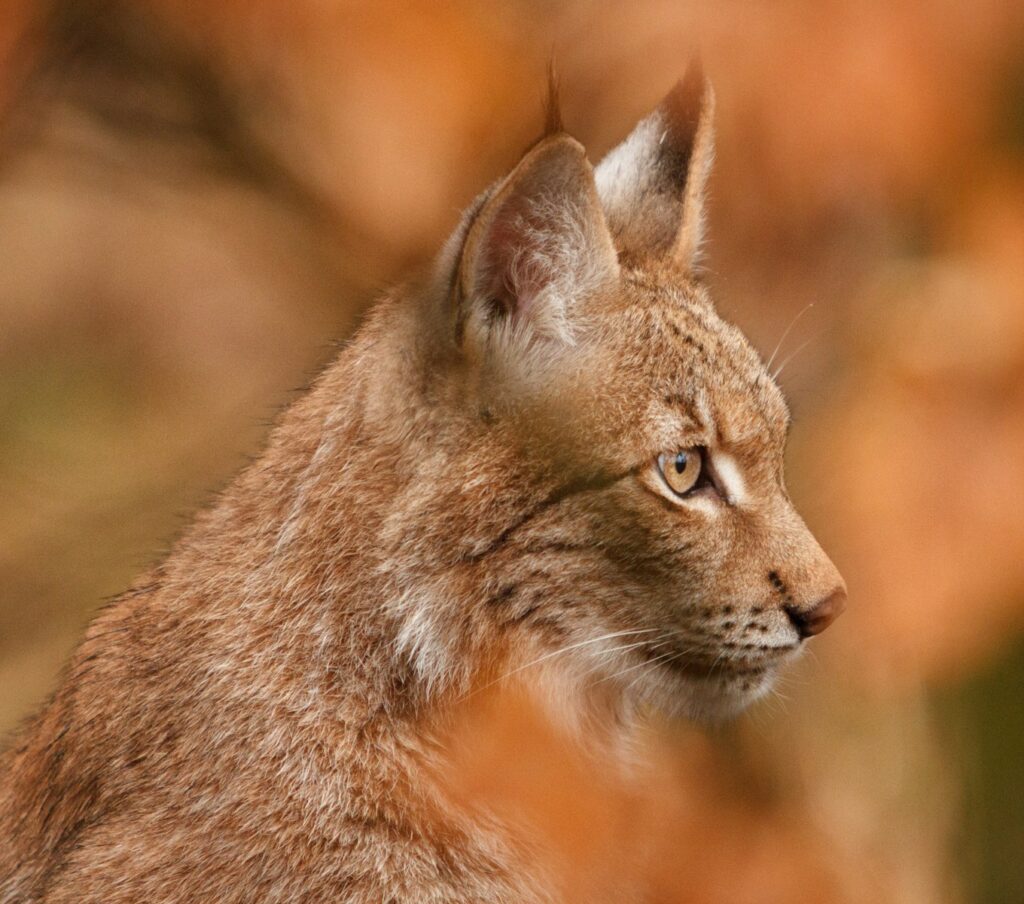
The transition from calm to alert represents the first significant shift in an animal’s body language and understanding this phase is crucial for predicting potential escalation. Alert animals typically display perked ears, raised heads, and focused attention while maintaining relatively relaxed body postures. Their breathing may quicken slightly, and they often pause ongoing activities like feeding or grooming to gather more information about a potential threat or point of interest. Eyes widen, pupils dilate somewhat, and the animal may reposition its body for better sensory input or faster movement if needed. This alert state functions as an information-gathering phase where the animal assesses whether to return to calm behavior or escalate to more defensive postures. For observers, this state signals a need for awareness but not immediate concern.
Defensive Posturing: Making Themselves Bigger
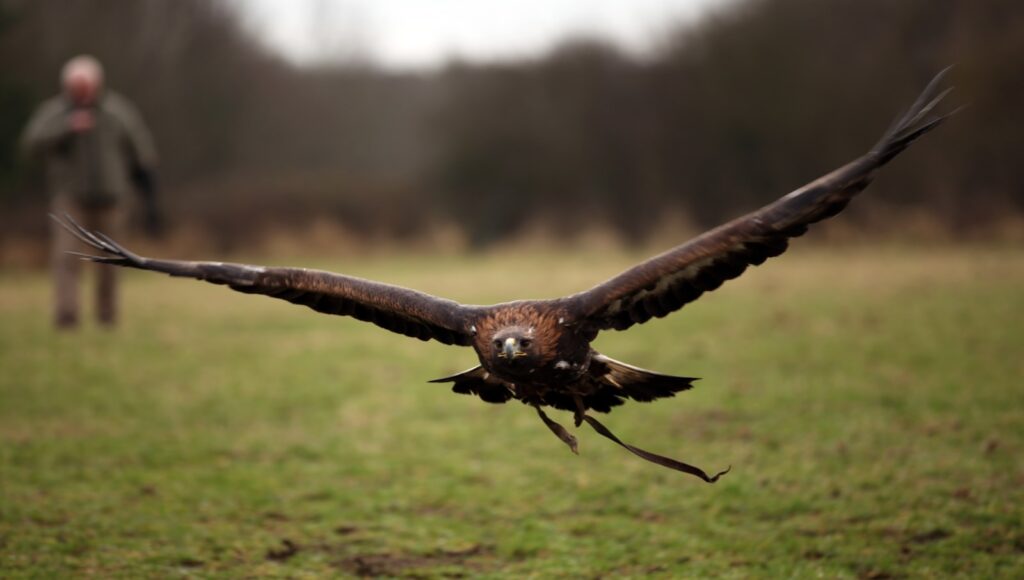
When animals feel threatened but aren’t yet committed to aggression, many species employ defensive posturing that makes them appear larger and more formidable. Mammals frequently raise their hackles (piloerection), arch their backs, puff out their chests, or stand on tiptoes to increase their apparent size. Birds fluff their feathers, spread their wings, and may fan their tails to create an impression of greater mass. These size-increasing displays serve to discourage potential threats without immediate escalation to physical confrontation. Accompanying these postural changes, animals often position themselves to appear as imposing as possible – facing threats head-on, elevating their stance, and sometimes incorporating slow, deliberate movements that demonstrate their physical capabilities. These defensive displays represent a critical warning phase where animals communicate clear boundaries while still providing opportunity for the perceived threat to withdraw without conflict.
Vocalizations as Warning Signals
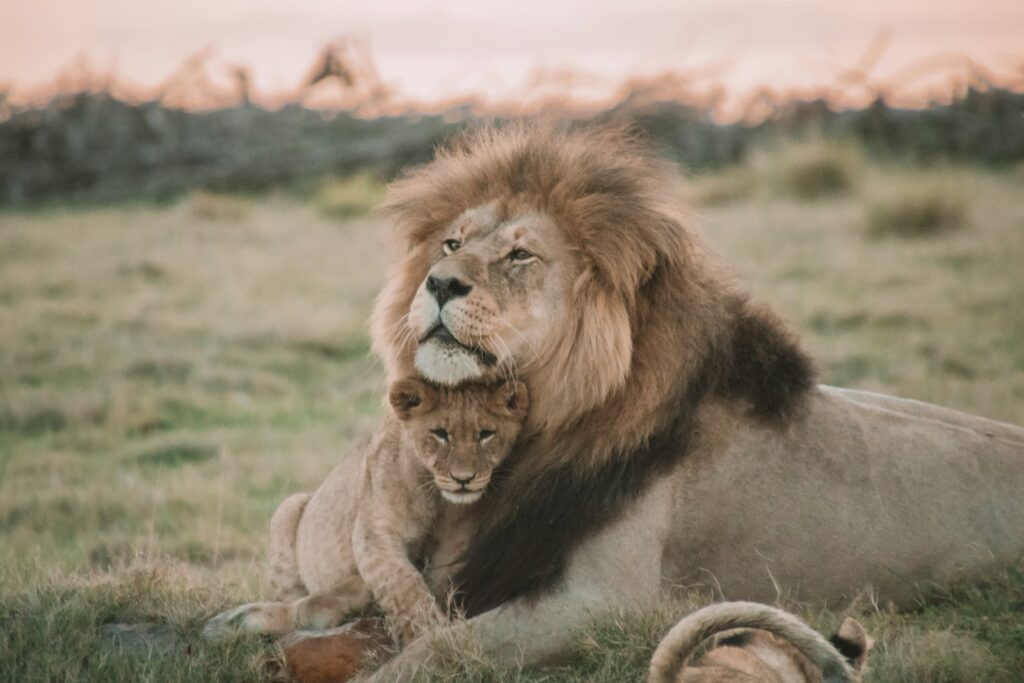
Sound plays a crucial role in animal communication, particularly when signaling escalating states of distress or aggression. Most species possess a graduated system of vocalizations that progress from mild concern to imminent attack. Low-intensity warnings often begin with subtle sounds – the quiet growl of a wolf, the soft hiss of a snake, or the warning chirp of a ground squirrel. As tension escalates, vocalizations typically increase in volume, pitch, and repetition rate, creating more urgent acoustic signals. The intensity and pattern of these sounds convey specific information about the animal’s emotional state and likely next actions. Skilled observers can distinguish between defensive vocalizations (meant to create distance) and offensive warnings (potential preludes to attack). Understanding species-specific vocal patterns provides valuable advance notice of an animal’s intentions before visual cues become apparent.
Reading Facial Expressions in Primates

Primates, our closest evolutionary relatives, possess remarkably complex facial expressions that communicate nuanced emotional states and intentions. A relaxed primate typically displays a neutral face with regular blinking, normal-sized pupils, and a closed or slightly open mouth without tension. As stress or aggression builds, watch for compressed lips, flared nostrils, intense direct staring, and reduced blinking – all signals of increasing arousal. Many primate species display fear grimaces (resembling human smiles but signifying submission or anxiety) or threat faces featuring bared teeth, wrinkled foreheads, and raised eyebrows. Great apes demonstrate particularly sophisticated facial communications, including subtle eyebrow movements, various forms of play faces, and distinct expressions of contemplation or frustration. Human observers often misinterpret primate facial expressions through the lens of our own social signals, leading to dangerous misunderstandings of their emotional states and intentions.
Tail Positions and Movements in Canids and Felids
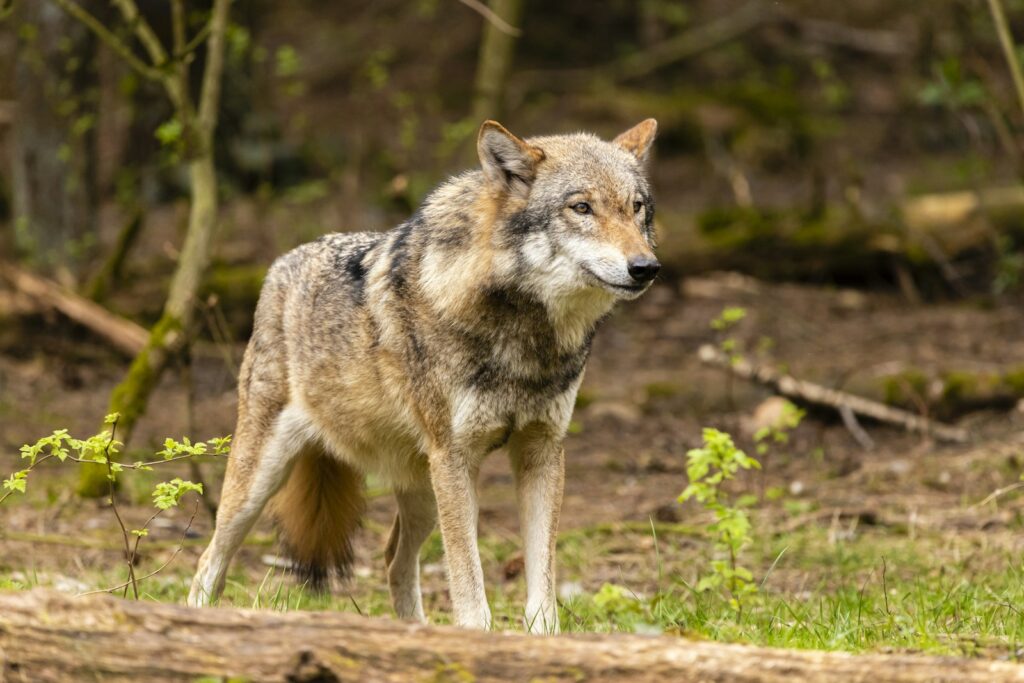
The tail serves as a prominent communication tool for members of the dog and cat families, with positions and movements conveying detailed information about emotional states. Contrary to popular belief, a wagging tail in canids doesn’t always indicate friendliness – the height, speed, and breadth of the wag provide crucial context about the animal’s intentions. A tail held high and stiffly wagging in short, rapid movements often signals arousal and potential aggression in dogs and wolves. In contrast, felids like domestic cats, lions, and tigers use tail positions and movements differently, with low, slow swishes often indicating focused attention before hunting or aggression, while rapid tail flicking signals increasing irritation. Tucked tails generally indicate submission or fear across both families, though the degree of tucking offers insight into the intensity of these emotions. The most reliable interpretations come from observing tail signals in conjunction with other body language elements like ear position, facial tension, and overall posture.
Bird Body Language: From Relaxed to Threatened

Birds communicate their emotional states through a sophisticated combination of feather positions, postures, and movements that follow predictable patterns as they transition from calm to aggressive states. Relaxed birds typically hold their feathers smoothly against their bodies, perch with balanced weight distribution, and display normal preening and maintenance behaviors. As alertness increases, many species adopt more upright postures, cease preening, and focus their attention while maintaining relatively smooth feathers. Defensive or aggressive displays involve dramatic feather manipulations – crest raising, wing spreading, tail fanning, and overall plumage expansion to increase apparent size. Prior to potential attacks, many birds adopt distinctive pre-flight postures: crouching slightly, shifting weight forward, and often fixing their gaze intently on the perceived threat. Understanding these progressive signals allows observers to anticipate escalation and modify their behavior accordingly, particularly important with larger species like raptors, geese, or territorial songbirds.
Reptilian Warning Signals

Despite their reputation for being difficult to read, reptiles display distinct body language that communicates their stress and aggression levels to careful observers. Many lizard species employ dramatic visual displays including gular (throat) expansion, lateral body compression to appear larger, raised crests, and intensified body coloration when feeling threatened. Snakes communicate increasing agitation through progressive behaviors starting with freezing or attempted escape, followed by defensive posturing like flattening their necks (cobras), raising their heads, coiling tightly, or vibrating their tails. Turtles and tortoises may communicate stress through head retraction, hissing, or unusual elevations of their shells. The rate of tongue flicking often increases with reptilian stress levels across many species, providing a subtle early warning of changing emotional states. Since reptiles lack the facial musculature for expressions familiar to mammal-observers, their body positioning and behavioral changes serve as the primary indicators of their internal states.
Imminent Attack Indicators
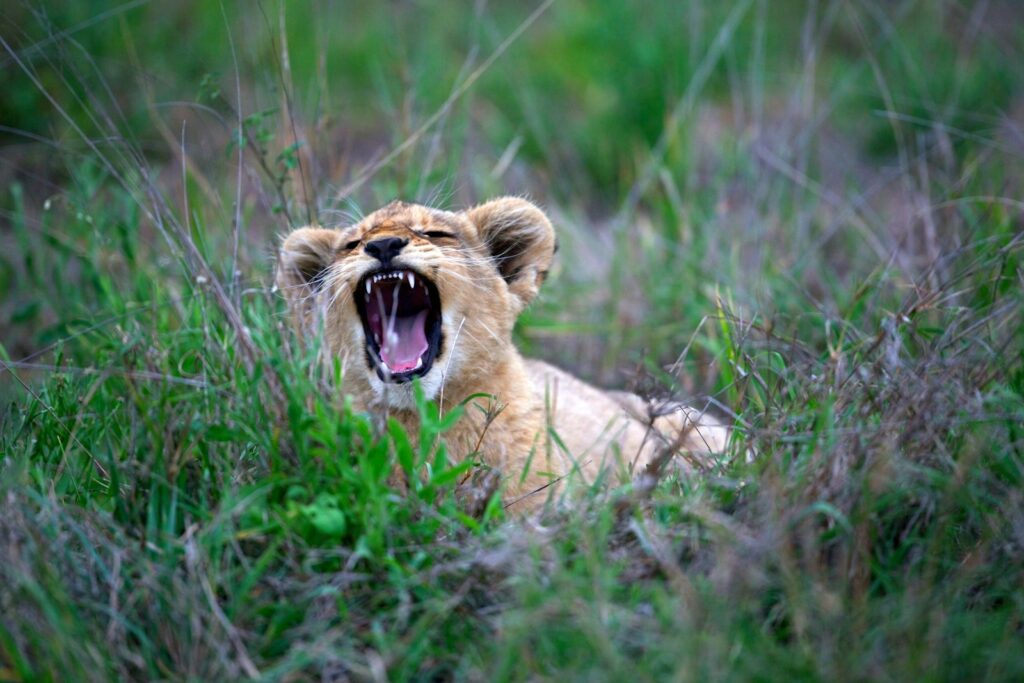
Animals typically display unmistakable signals in the moments before launching an attack, and recognizing these urgent warnings can prevent dangerous encounters. Look for sudden stillness or freezing, intensely focused staring, and a noticeable shift in body weight that prepares for explosive movement. Many predators exhibit target fixation – an unwavering visual lock on their intended target – combined with subtle body repositioning that optimizes their attack angle and coiled muscle tension in preparation for launch. Breathing patterns often shift dramatically, either becoming deliberately slow and controlled or rapid and shallow depending on the species and attack strategy. These pre-attack signals frequently occur after a progression of earlier warnings, but can sometimes appear with minimal precursors when animals feel cornered or their threat assessment suddenly escalates. The window between these imminent attack indicators and actual aggression may be extremely brief, demanding immediate and appropriate responses from human observers.
Interpreting Mixed Signals and Conflicted States

Animals experiencing internal conflict often display contradictory body language that combines elements of different emotional states, creating challenging situations for human interpretation. A common example is the simultaneous expression of fear and aggression – such as a dog with a wagging tail but bared teeth and raised hackles, or a chimpanzee displaying both submission grins and threat postures. These mixed signals typically indicate an animal under stress that hasn’t resolved whether to flee, freeze, or fight. Environmental constraints often contribute to these conflicted displays, as when an animal feels trapped and displays both escape attempts and defensive aggression simultaneously. The unpredictability of animals in these states makes them particularly dangerous, as their behavior may rapidly shift between appeasement and attack with minimal warning. When observing such conflicted signals, the safest approach is to create space and opportunity for the animal to decompress without feeling further threatened or cornered.
Species-Specific Signals and Cultural Variations
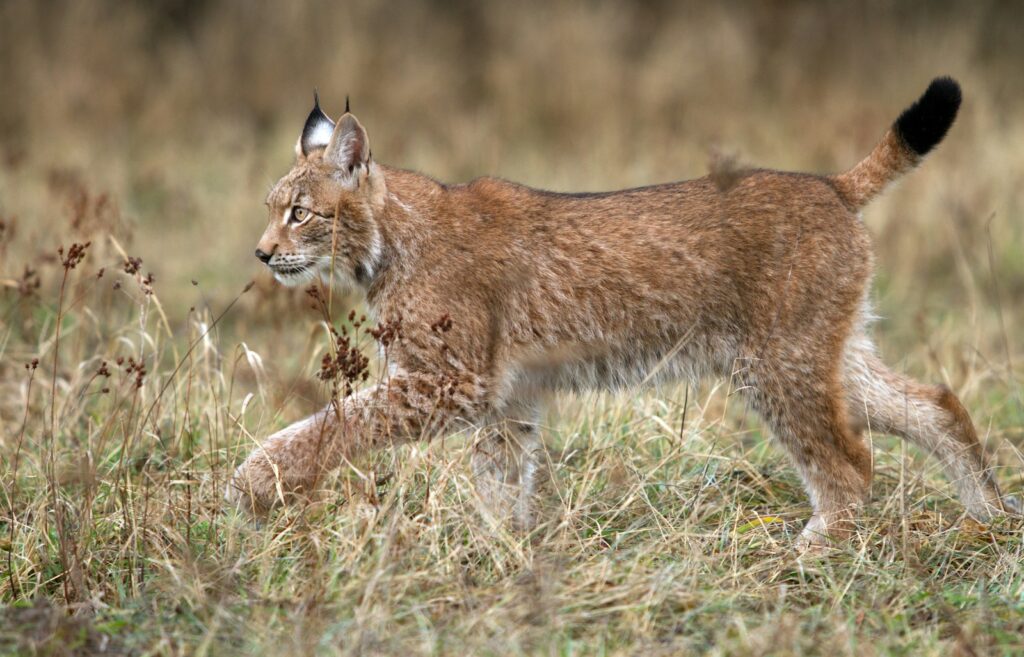
While many body language patterns share commonalities across related species, significant variations exist that demand species-specific knowledge for accurate interpretation. For instance, direct eye contact signals aggression in many primates but can indicate curiosity or attentiveness in others. Tail positions that indicate relaxation in one canid species might signal alertness in another, depending on their evolutionary history and social structures. Even within species, cultural variations emerge in populations with different environmental pressures or social organizations. Wolves from different regions display subtle variations in their submission rituals, just as elephant herds develop unique patterns of trunk-touch greetings specific to their family groups. Understanding these nuanced differences requires careful observation and species-specific knowledge, particularly when interpreting the body language of less familiar wildlife. The most accurate readings come from combining general principles of animal communication with detailed knowledge of the particular species’ natural history and behavioral ecology.
Human Safety: Responding to Animal Communications
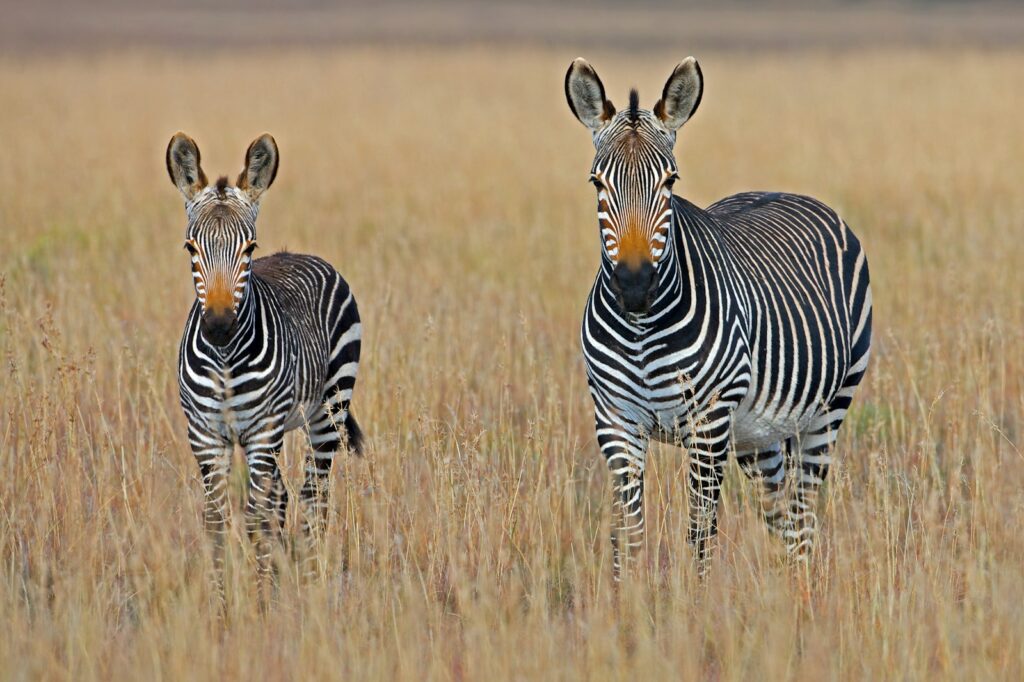
Appropriate human responses to animal body language can de-escalate potential conflicts and ensure safety for both parties. When an animal displays alert or defensive signals, avoid direct eye contact, which many species interpret as a challenge, and instead look slightly away while keeping the animal in your peripheral vision. Create distance slowly without turning your back, making yourself appear smaller by crouching slightly, and keeping your movements deliberate rather than sudden or erratic. Maintain silence or speak in low, calm tones rather than high-pitched sounds that might mimic distress calls. Different species require specific responses – backing away slowly from territorial predators while maintaining visual contact works with many large carnivores, while certain herbivores like moose or cape buffalo may require greater distances due to their unpredictable aggression thresholds. Remember that flight distances (how close an animal allows approach before fleeing) vary dramatically between species and contexts, making continuous attention to changing signals essential throughout any wildlife encounter.
Ethical Wildlife Observation and Interaction

Understanding animal body language carries an ethical responsibility to minimize the stress our presence causes wildlife. Recognizing early signs of discomfort allows observers to adjust their behavior before animals reach high-stress states that deplete their energy reserves and compromise their welfare. Ethical wildlife observation involves maintaining appropriate distances, using camouflage or blinds when necessary, and always prioritizing the animal’s natural behavior patterns over photographic or viewing opportunities. When animals display alert postures, slight retreats, interrupted feeding, or orientation shifts in response to human presence, these subtle signals indicate we’re influencing their behavior and should reconsider our approach. Professional wildlife guides develop deep knowledge of species-specific comfort thresholds, allowing them to predict appropriate viewing distances that balance visitor experience with animal welfare. The most meaningful wildlife encounters occur when animals display their natural behavioral repertoire without reactive responses to human observers – a goal achievable only through careful attention to their communication signals.
The ability to read wildlife body language transforms our relationship with the natural world, enhancing both safety and appreciation. By recognizing the subtle progression from calm to aggressive states, we develop a deeper understanding of animal experiences and needs. This knowledge protects both humans and wildlife during encounters by preventing unnecessary conflicts and stress. The language of animal bodies reminds us that despite our technological advances, we remain biological beings sharing ancient communication patterns with our fellow creatures. As we develop fluency in these universal signals, we gain not just a safety tool but a profound connection to the emotional lives of the diverse species with whom we share our planet.