

Exploring America’s national parks offers some of the most breathtaking natural experiences available, but popular destinations like Yellowstone, Yosemite, and the Grand Canyon can sometimes feel more like theme parks than wilderness sanctuaries. The crowds, traffic, and competition for campsites can diminish the very serenity we seek in these protected landscapes. Fortunately, the National Park System encompasses 63 national parks and over 400 sites, many of which remain relatively undiscovered by the masses. This guide will help you find solitude in remote national parks, plan effectively for less-traveled adventures, and experience the tranquility of nature without the tourist throngs. Whether you’re an experienced backcountry explorer or simply seeking a more peaceful connection with nature, these strategies will help you discover the quieter side of America’s greatest natural treasures.
Choose Lesser-Known National Parks
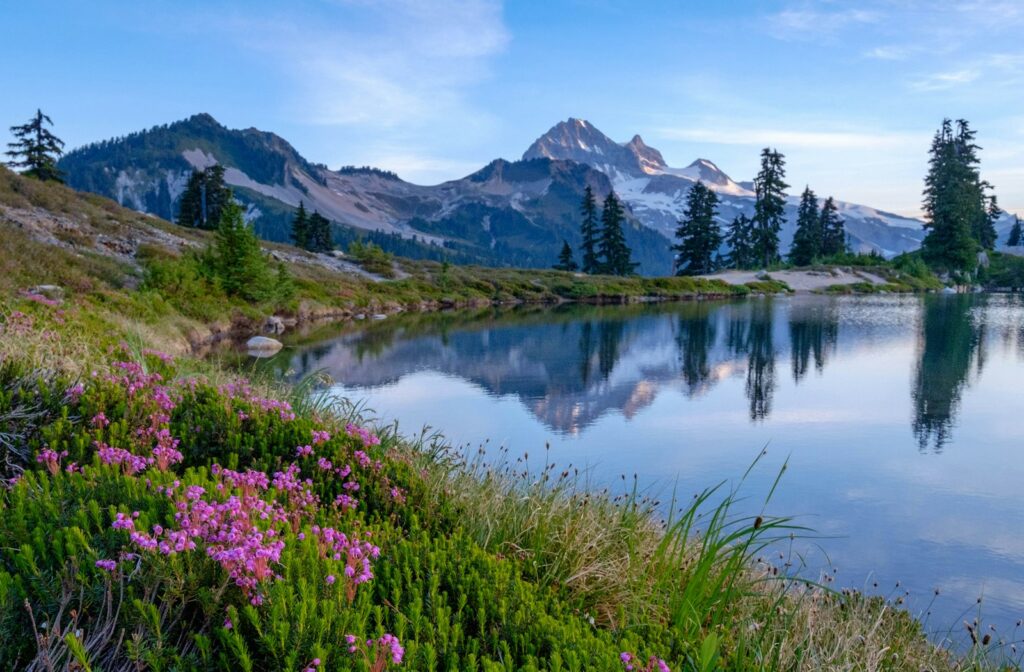
While iconic parks draw millions annually, numerous spectacular parks receive just a fraction of those visitors. North Cascades National Park in Washington offers alpine landscapes rivaling the European Alps but welcomes fewer than 30,000 visitors per year—compared to Yosemite’s 4 million. Great Basin National Park in Nevada features ancient bristlecone pines, remarkable cave systems, and stellar dark sky viewing with only about 90,000 annual visitors. Congaree National Park in South Carolina protects the largest intact expanse of old-growth bottomland hardwood forest in the southeastern United States, yet remains largely overlooked by tourists. These hidden gems often provide comparable or even superior natural experiences to their famous counterparts, but without the crowds that can diminish wilderness immersion.
Visit During Off-Peak Seasons
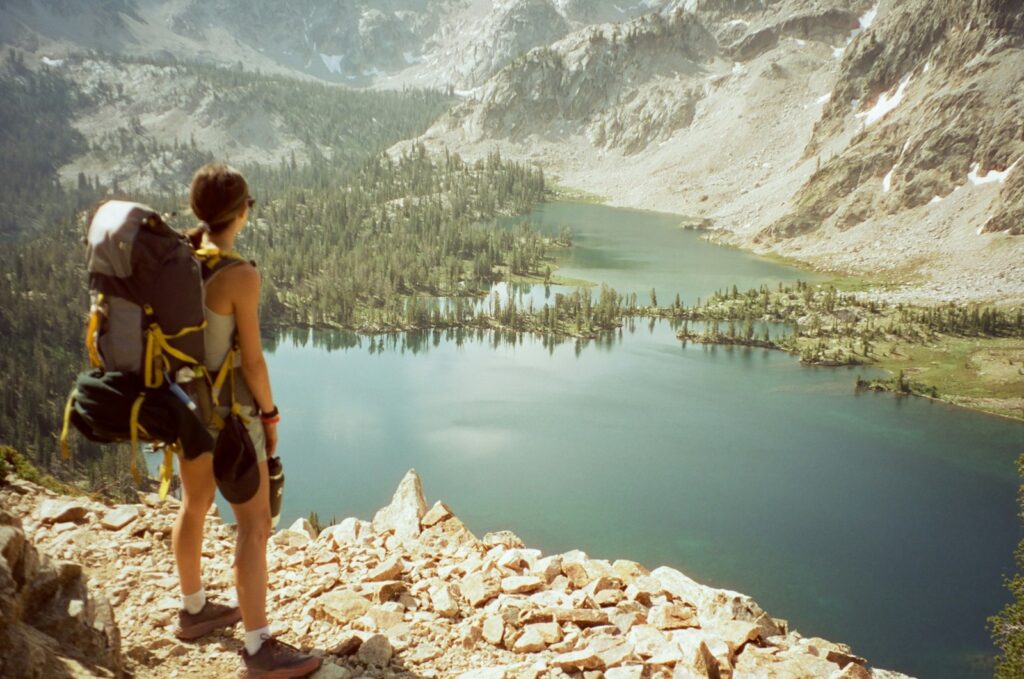
Timing your visit strategically can transform even popular parks into relatively solitary experiences. Consider visiting desert parks like Death Valley or Big Bend during winter months when temperatures are mild and visitation drops significantly. Spring and fall offer spectacular foliage and wildlife viewing in parks like Great Smoky Mountains or Acadia, yet attract far fewer visitors than summer months. Many alpine parks including Rocky Mountain and Glacier become winter wonderlands from November through April, perfect for snowshoeing and cross-country skiing with minimal company. While some facilities may operate with reduced hours during off-seasons, the trade-off of having trails, viewpoints, and natural features nearly to yourself creates an entirely different—and often more profound—park experience.
Explore Midweek Rather Than Weekends
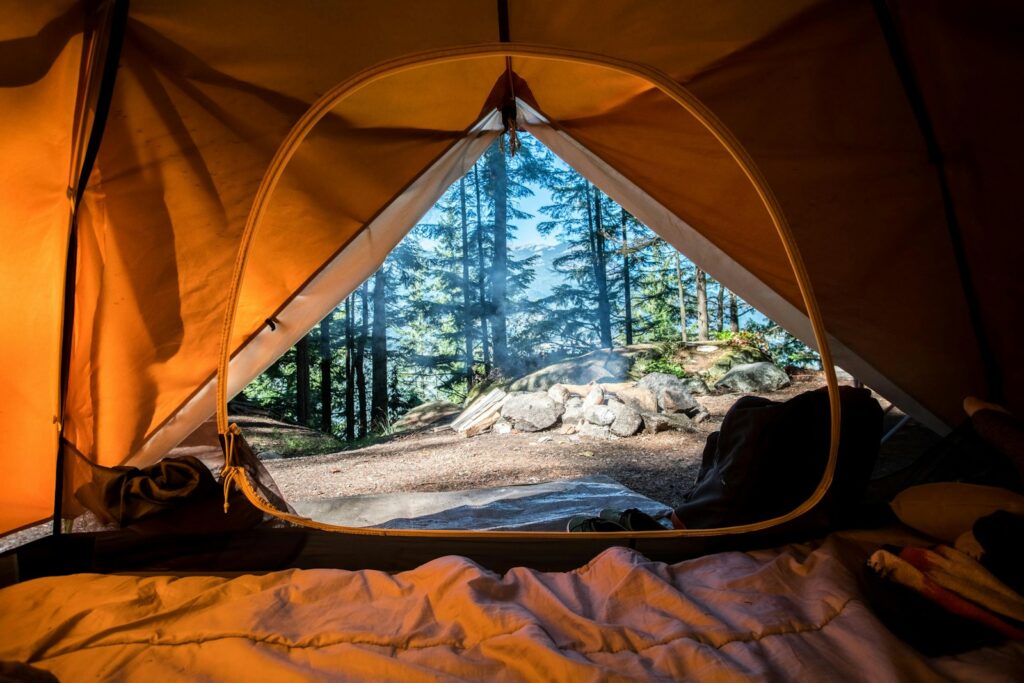
The visitation patterns of most national parks follow predictable cycles, with dramatic increases on weekends and holidays. Planning your visit for Tuesday through Thursday can significantly reduce encounters with other visitors, even during otherwise busy seasons. Many parks report that visitor numbers drop by 30-50% on midweek days compared to weekends. This timing strategy works particularly well for parks within driving distance of major metropolitan areas, where weekend visitation spikes as urban dwellers seek nature escapes. Midweek visits also typically mean better availability for last-minute accommodations, less competition for permits, and more attentive service from park rangers and staff who aren’t stretched thin managing weekend crowds.
Research Remote Sections Within Popular Parks
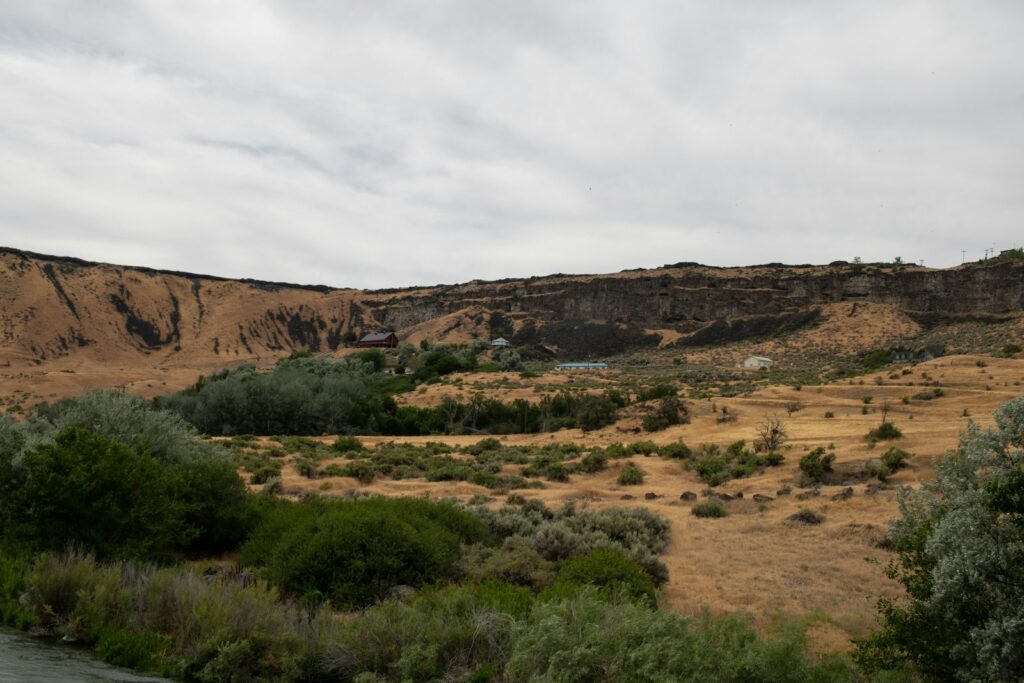
Even the most visited national parks contain vast sections rarely explored by the average visitor. In Yosemite, while Yosemite Valley teems with tourists, the park’s northern Hetch Hetchy region sees a tiny fraction of that traffic despite its spectacular waterfalls and granite formations. At Grand Canyon, the North Rim receives only 10% of the visitors that flood the South Rim, yet offers equally magnificent views with a more wild atmosphere. Yellowstone’s northeastern Lamar Valley provides some of the park’s best wildlife viewing but remains far less congested than the geyser basins. Taking time to study park maps, consult with rangers, and venture beyond the standard tourist routes can reveal secluded areas within otherwise busy parks that offer solitude and untrampled beauty just miles from crowded hotspots.
Utilize Backcountry Permits

One of the most effective ways to escape crowds in national parks is venturing into designated backcountry areas that require special permits. These permits, which typically involve modest fees and some planning, instantly separate you from the vast majority of visitors who never stray far from developed areas. In Olympic National Park, the coastal wilderness trail offers dramatic seaside camping with strict daily visitor limits that ensure solitude. Canyonlands’ Needles District permits provide access to a maze of colorful canyons rarely seen by day visitors. Many parks implement backcountry quotas specifically to preserve wilderness experiences and minimize human impact, resulting in genuinely remote adventures even in otherwise popular destinations. Though these permits sometimes require reservation months in advance for peak seasons, many parks hold portions for walk-up visitors, especially during shoulder seasons.
Consider Alaska’s National Parks
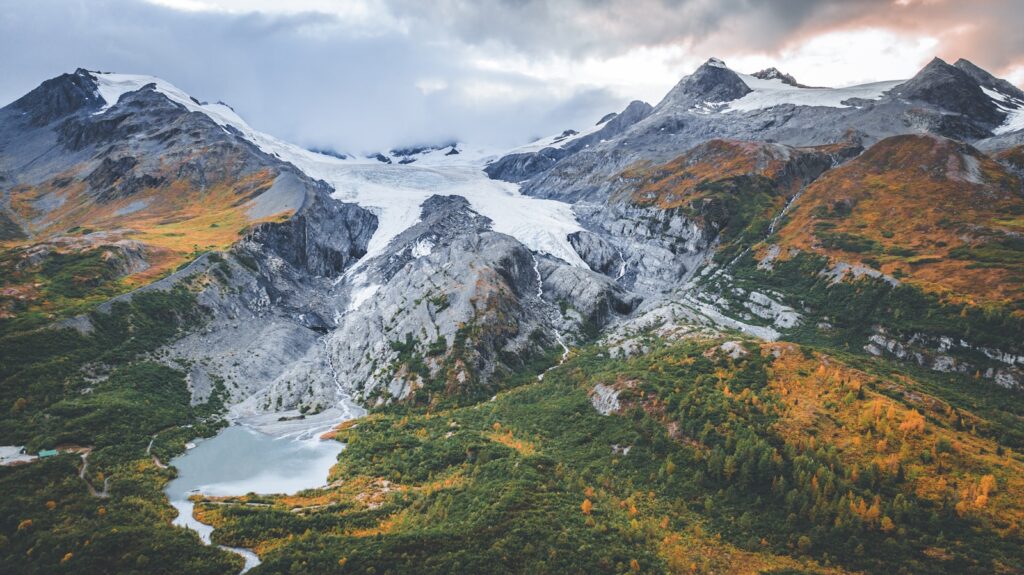
Alaska contains some of America’s most spectacular and least-visited national parks, offering true wilderness immersion for those willing to make the journey. Gates of the Arctic National Park, the northernmost national park in the United States, receives fewer than 10,000 visitors annually across its vast 8.4 million acres—meaning each visitor could theoretically have 840 acres to themselves. Lake Clark National Park combines stunning mountain scenery, coastal environments, and abundant wildlife viewing with annual visitation below 20,000. Kobuk Valley National Park, home to extraordinary arctic sand dunes and caribou migrations, typically welcomes fewer than 15,000 visitors yearly. While reaching these remote Alaskan parks requires more planning and sometimes bush plane transportation, the reward is experiencing truly pristine ecosystems largely unchanged by human presence.
Embrace Early Mornings and Evenings
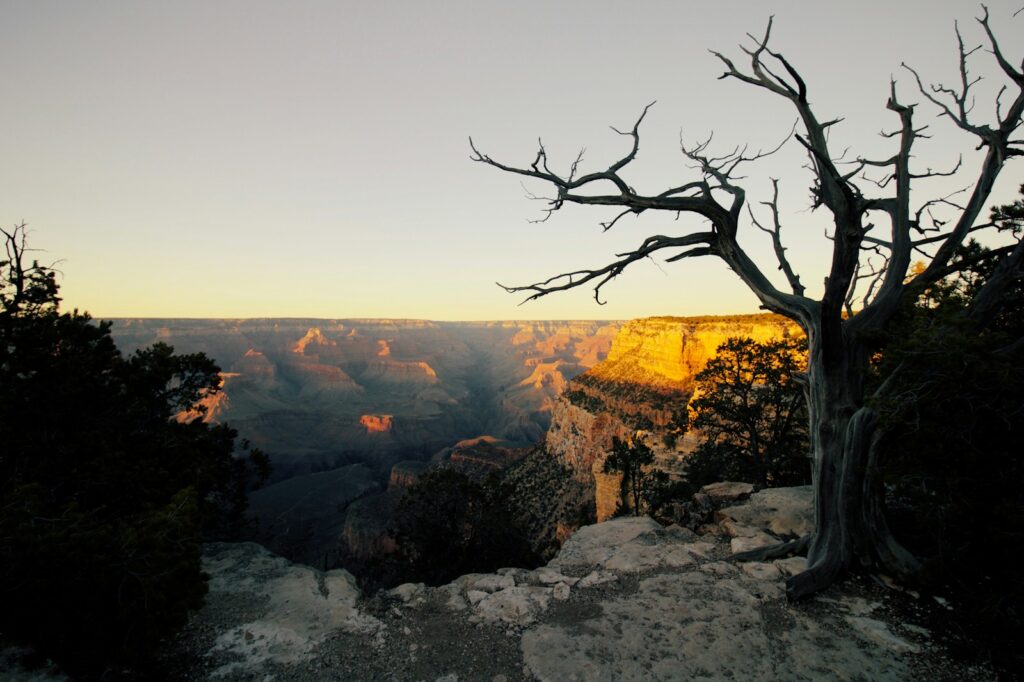
The daily rhythm of most national park visitors follows predictable patterns that savvy travelers can use to their advantage. Arriving at popular attractions before 8:00 AM or after 4:00 PM often means experiencing them with dramatically fewer people, even during peak season. In Arches National Park, the iconic Delicate Arch might host hundreds of visitors at midday but only a handful at sunrise. Wildlife viewing is typically best during these crepuscular hours anyway, when animals are most active and visible. The quality of light during early morning and evening also creates superior photographic opportunities, with golden hour illumination that transforms landscapes. Additionally, hiking during these hours in hot-weather parks like Zion or Saguaro provides the practical benefit of avoiding dangerous midday heat while simultaneously avoiding crowds.
Develop Advanced Outdoor Skills
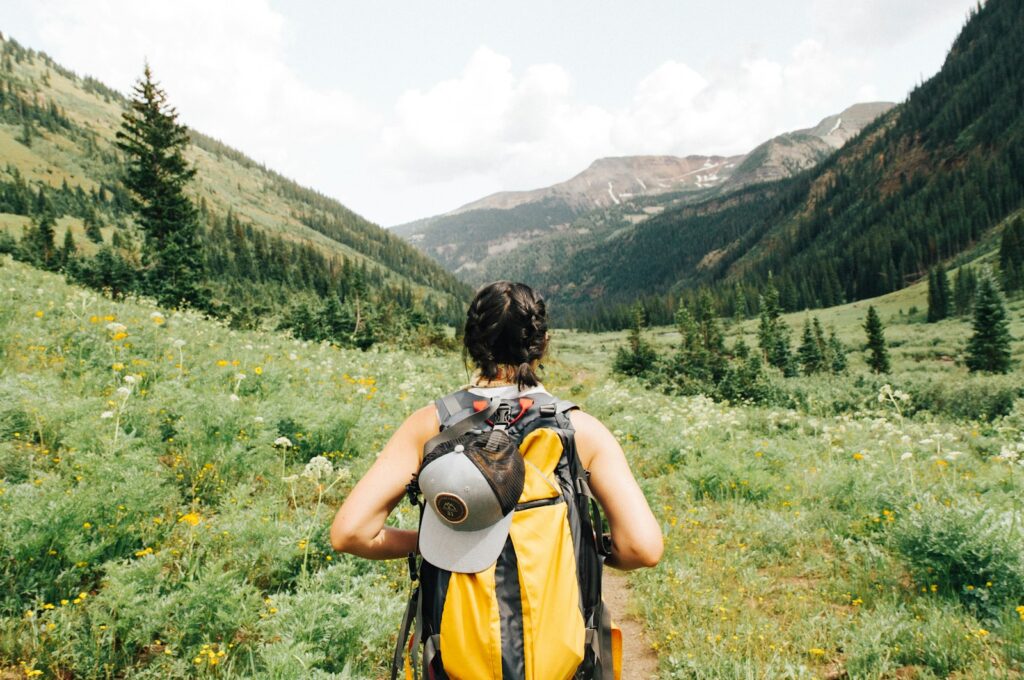
Investing time in developing wilderness skills opens doors to remote park experiences inaccessible to casual visitors. Learning proper winter camping techniques allows exploration of parks like Mount Rainier during their least-visited months when snow transforms the landscape into a serene wonderland. Becoming proficient in packrafting creates opportunities to explore roadless sections of river-based parks like Big Bend or Dinosaur National Monument. Technical rock climbing skills provide access to vertical terrain in parks like Black Canyon of the Gunnison where most visitors remain confined to rim viewpoints. These specialized skills not only enhance safety in remote areas but also create entirely different relationships with park landscapes, revealing dimensions invisible to drive-through visitors. Many parks offer field courses through their associated institutes, providing excellent opportunities to develop these skills in the environments where you’ll use them.
Plan Multi-Day Wilderness Itineraries
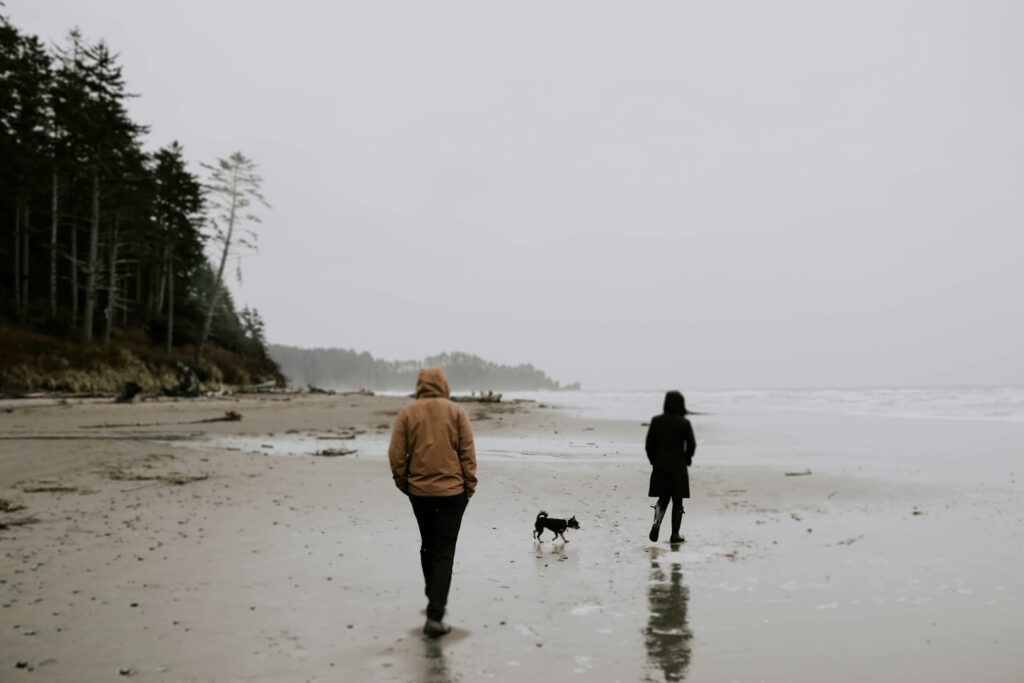
Designing extended wilderness itineraries inherently leads to less-traveled regions of national parks. Statistical data shows that fewer than 2% of park visitors venture more than two miles from a road, meaning even modest backpacking trips guarantee relative solitude. In Olympic National Park, a seven-day traverse from mountains to sea crosses three distinct ecosystems with minimal human encounters outside established campsites. The Thorofare region of Yellowstone represents the most remote location in the contiguous United States, requiring a multi-day commitment but rewarding with unparalleled wildlife viewing opportunities. Grand Canyon’s remote Nankoweap Trail descends to ancient granaries and Colorado River beaches rarely seen by day hikers. These longer journeys require proper equipment, physical preparation, and wilderness knowledge, but they showcase aspects of national parks that remain invisible to visitors unwilling or unable to venture beyond developed areas.
Utilize Alternative Park Entrances
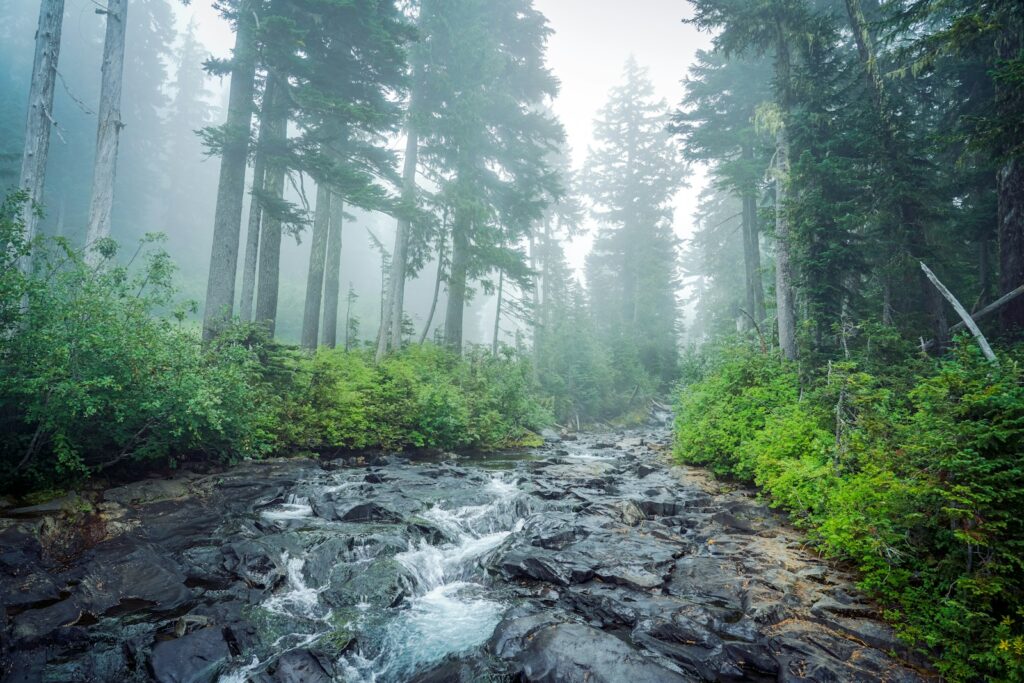
Many national parks feature multiple entrance stations, with dramatic differences in visitation numbers between them. Rocky Mountain National Park’s east entrance through Estes Park processes over 70% of park visitors, while the western Grand Lake entrance provides a much quieter introduction to similar alpine scenery. At Shenandoah, the central Thornton Gap entrance sees substantially less traffic than the northern Front Royal gateway, despite offering access to equally scenic sections of Skyline Drive. Sequoia National Park’s less-used Mineral King entrance requires navigating a winding mountain road but leads to spectacular high-country trails without the crowds found at the main entrance. Researching these alternative access points often reveals not just lighter traffic but also distinctive landscapes and experiences that differ from the park’s more heavily promoted features.
Consider International Travel Alternatives
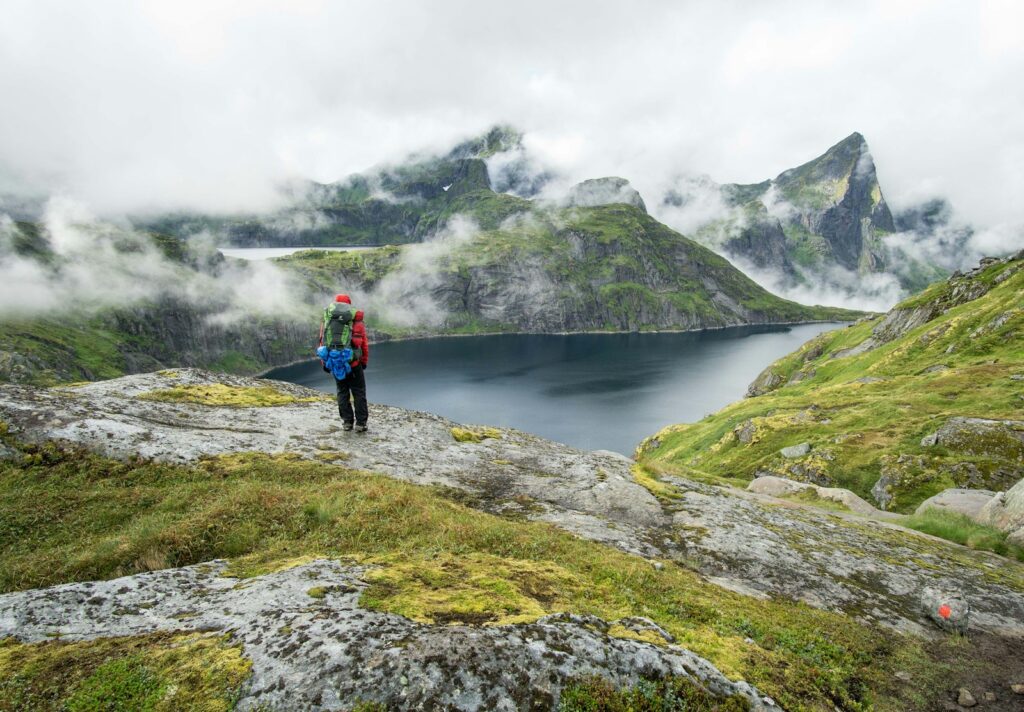
When seeking truly remote national park experiences, expanding your search beyond U.S. borders can yield extraordinary results. Canada’s Torngat Mountains National Park in Labrador offers fjords, polar bears, and Northern Lights with fewer than 1,000 annual visitors. Nahanni National Park Reserve in the Northwest Territories features dramatic canyons and Virginia Falls—twice the height of Niagara—yet remains virtually unknown to international travelers. In South America, Chile’s Bernardo O’Higgins National Park encompasses vast ice fields and remote fjords accessible only by boat, ensuring minimal tourist encounters. While international travel requires additional planning and sometimes permits, these distant parks frequently offer the solitude and untouched wilderness that increasingly eludes visitors to America’s most popular national parks.
Pack Essential Remote Travel Gear
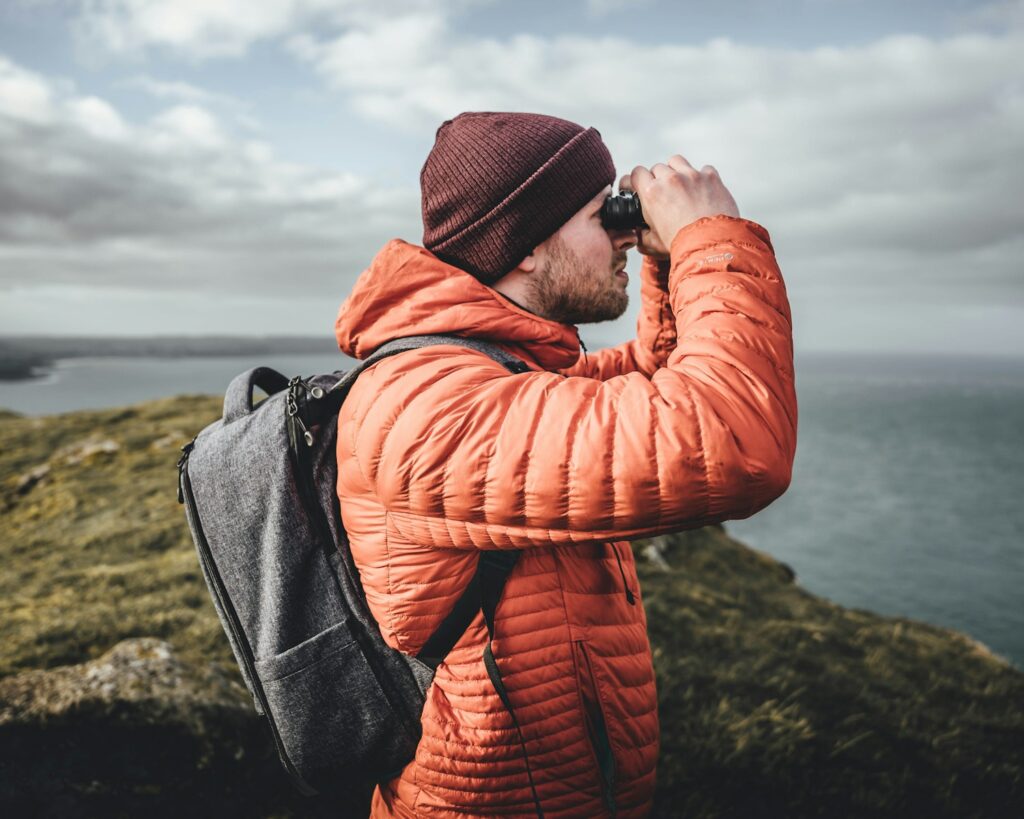
Visiting remote national parks requires more thorough preparation and specialized equipment than typical tourist destinations. Reliable communication tools like satellite messengers or personal locator beacons provide emergency connectivity in areas without cell service. Comprehensive first aid supplies should include prescription medications and treatments for environmental conditions specific to your destination, whether desert heat or alpine cold. Water purification systems become essential when traveling beyond developed areas with potable water sources. Navigation tools including physical maps, compass, and GPS devices with pre-downloaded maps prevent dangerous disorientation in areas where trail markings may be minimal. This proper preparation not only enhances safety but also builds confidence for venturing further from crowded areas, ultimately enabling more authentic wilderness experiences in the quieter corners of the national park system.
Practice Responsible Remote Visitation

The privilege of experiencing national parks with minimal crowds carries special responsibility for preservation and minimal impact. Following Leave No Trace principles becomes even more critical in remote areas where ecosystem recovery happens more slowly and maintenance staff rarely visit. Cultural sites in backcountry areas deserve particular respect, as many contain irreplaceable archaeological resources vulnerable to even well-intentioned handling. Wildlife encounters in remote regions require extra caution, maintaining greater distances as these animals typically have less habituation to humans. Supporting conservation efforts through park donations, volunteer work, or participation in citizen science programs helps ensure these remote areas remain protected for future generations. The solitude found in less-visited park regions represents a diminishing resource in our increasingly crowded world—one worth protecting through conscientious visitation practices.
The allure of America’s national parks lies not just in their spectacular landscapes but in their ability to connect us with something greater than ourselves—a connection often deepened through solitude and quiet contemplation. By strategically selecting lesser-known destinations, traveling during off-peak periods, and venturing beyond the well-worn tourist paths, you can discover the profound wilderness experiences that inspired the creation of these protected lands in the first place. Remote national park visits reward the additional effort they require with memories unburdened by crowds and photographs unmarred by throngs of tourists. In finding these quieter corners of America’s best idea, we not only enhance our own experience but also reduce pressure on heavily-visited areas, contributing to the preservation of these treasured landscapes for generations to come.