

Spring marks an exciting time for birdwatchers across North America as millions of birds embark on their seasonal migrations. National parks, with their protected ecosystems and diverse habitats, offer some of the most spectacular opportunities to observe birds in their natural environments. From coastal wetlands to mountain forests, these sanctuaries become alive with colorful plumage, melodious songs, and fascinating mating rituals. Whether you’re an experienced birder with a life list spanning hundreds of species or a curious newcomer hoping to spot your first scarlet tanager, these parks provide unforgettable experiences that connect visitors with nature’s winged wonders during the most vibrant season of renewal.
Everglades National Park, Florida
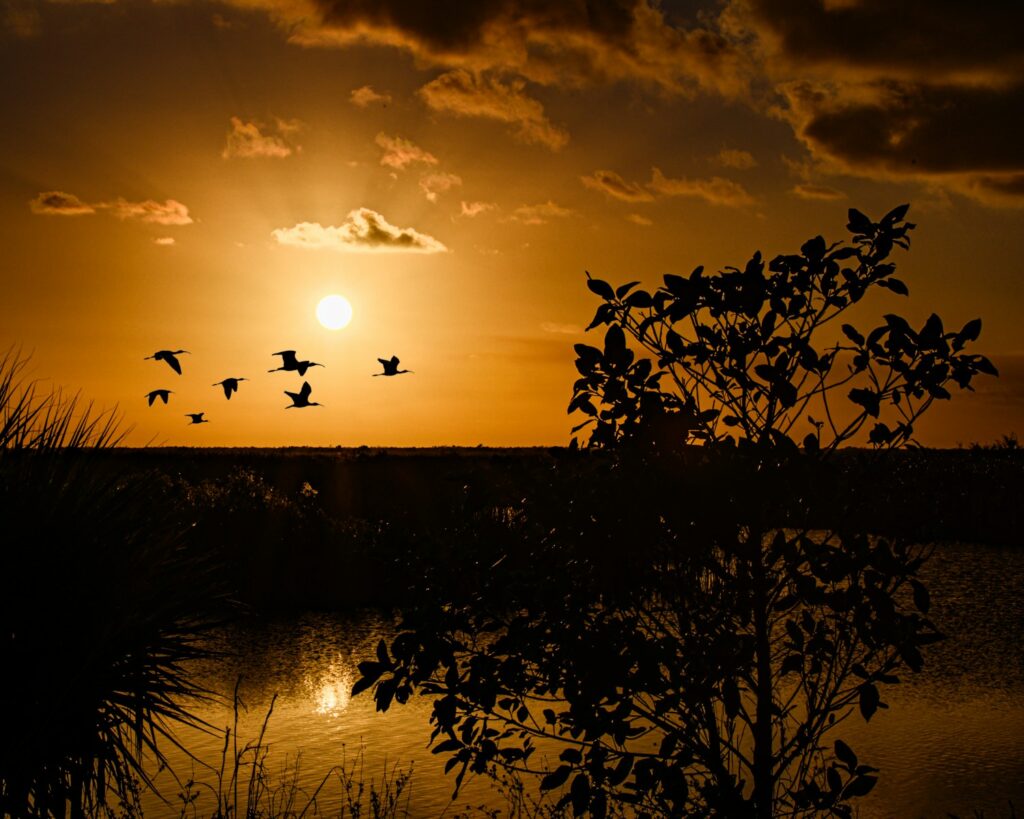
The Everglades transforms into a birdwatcher’s paradise each spring when wading birds gather in impressive numbers as water levels recede. This unique ecosystem hosts over 360 bird species, including the iconic roseate spoonbill, wood stork, and several varieties of herons and egrets that are especially active during nesting season. The Anhinga Trail provides an accessible boardwalk where visitors can observe birds fishing and drying their wings mere feet away. For a more immersive experience, paddle through mangrove tunnels by kayak to spot the elusive mangrove cuckoo or the striking swallow-tailed kite that returns from South America in March.
Point Reyes National Seashore, California
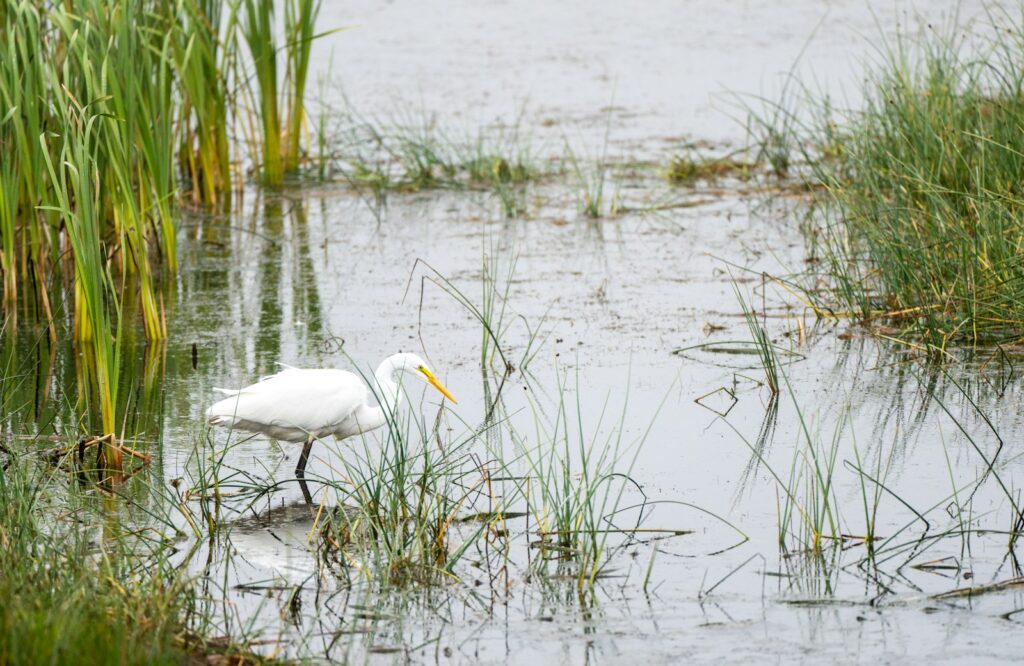
With over 490 recorded bird species representing nearly half of all North American birds, Point Reyes offers exceptional spring birding along the Pacific Flyway migration route. The diverse habitats—coastal beaches, estuaries, marshes, and forests—attract both resident and migratory species, making it possible to observe everything from pelagic birds to woodland warblers in a single day. Spring brings the arrival of vibrant breeding plumage on species like the western tanager and Townsend’s warbler. The park’s Chimney Rock area becomes a hotspot for observing the spring courtship rituals of elegant tufted puffins, while the Bear Valley area hosts countless songbirds filtering through the trees as they migrate northward.
Great Smoky Mountains National Park, Tennessee/North Carolina
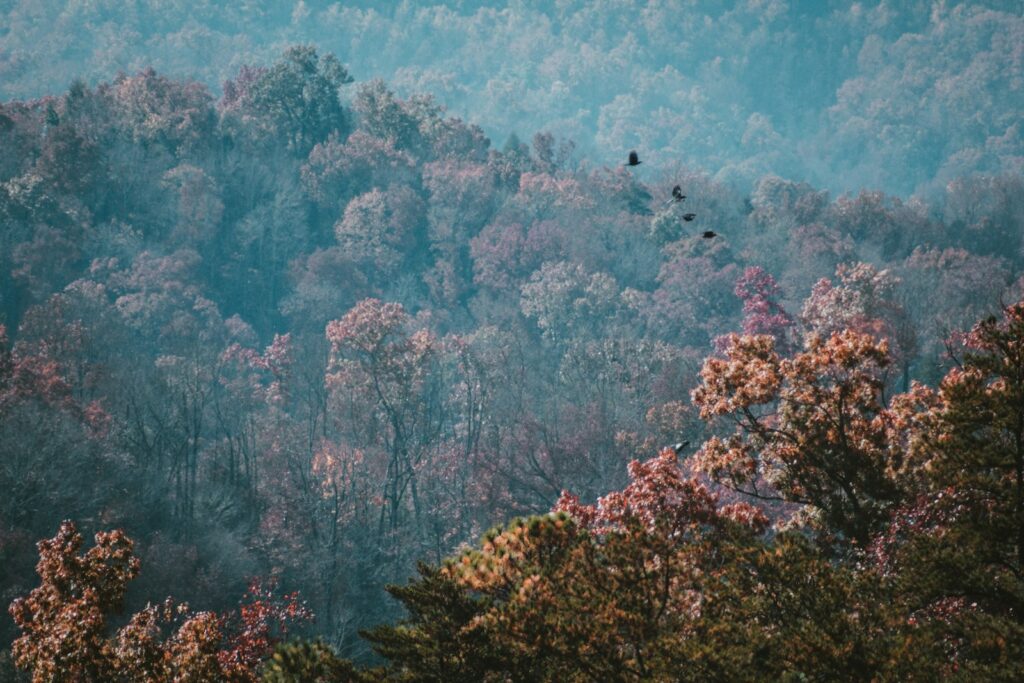
The Great Smoky Mountains become a symphony of birdsong each spring as neotropical migrants return to breed in the park’s varied elevations. Over 240 bird species have been documented here, with spring offering the unique opportunity to witness the arrival of colorful wood warblers—with more than 30 species possible, including the striking hooded warbler and the brilliant blackburnian warbler with its flame-orange throat. The park’s elevation gradient creates a staggered migration, allowing visitors to follow the progression of spring from the lower valleys in April to the highest peaks in May. Cades Cove and Newfound Gap Road offer exceptional birding opportunities, with dawn chorus experiences that rank among the most melodious in the eastern United States.
Big Bend National Park, Texas
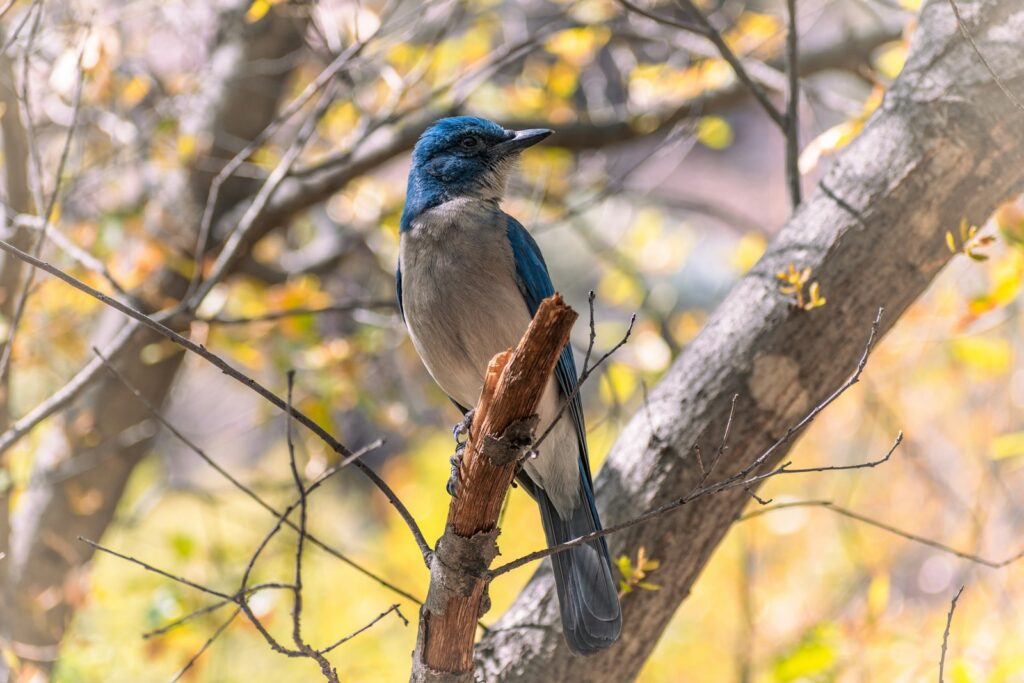
Situated along a crucial migratory pathway and offering sky island habitats in the Chisos Mountains, Big Bend becomes a birdwatching mecca during spring migration. The park hosts over 450 species, including Mexican birds that reach their northernmost range here, such as the painted redstart and Colima warbler—the latter being a prize sighting that nests almost exclusively within this park in the United States. The riparian areas along the Rio Grande burst with activity as vermilion flycatchers, summer tanagers, and varied buntings establish breeding territories. Spring also brings the chance to witness the courtship flights of common black hawks and zone-tailed hawks as they soar over desert canyons and mountain woodlands.
Acadia National Park, Maine
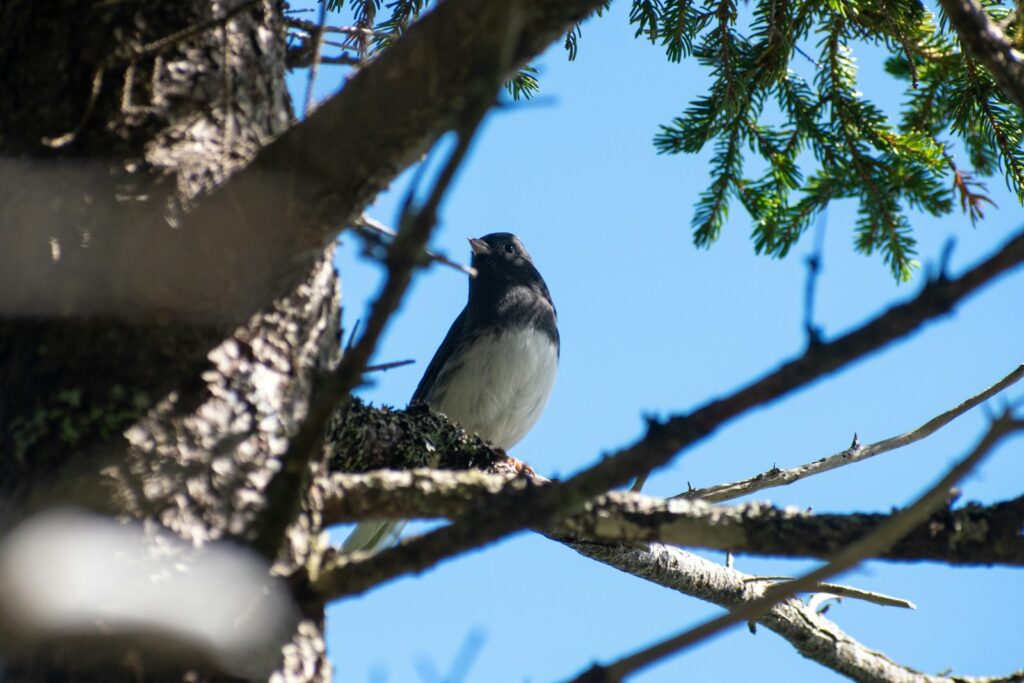
As one of the first places to receive morning light in the United States, Acadia becomes a critical stopover for spring migrants making their way north. The park’s varied habitats, from rocky coastlines to spruce-fir forests, support over 230 bird species during migration. Spring visitors might witness the return of Atlantic puffins to nearby islands or spot the rare Bicknell’s thrush in higher elevations as it returns from wintering grounds. Cadillac Mountain provides an exceptional vantage point for observing hawks and falcons riding morning thermals, while the park’s numerous ponds attract a variety of waterfowl and wading birds. The Schoodic Peninsula section offers some of the best opportunities to observe sea birds like common eiders, black guillemots, and razorbills from shore.
Shenandoah National Park, Virginia
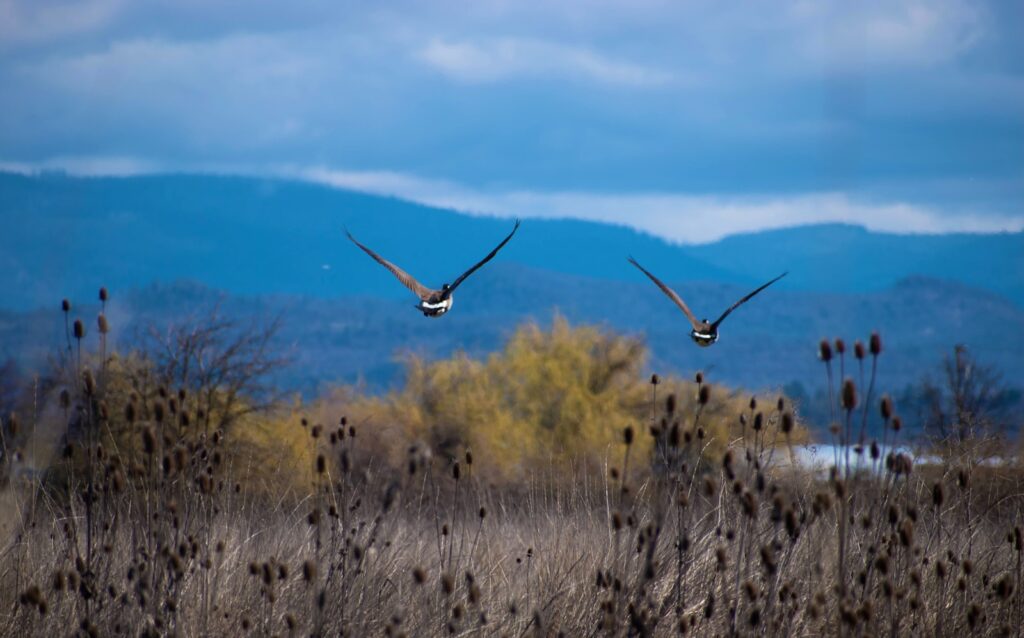
The ridges and valleys of Shenandoah create perfect conditions for observing spring migration, as birds follow the Appalachian Mountains northward. Over 200 species have been recorded in the park, with spring bringing a wave of colorful breeding migrants to the mature hardwood forests. The famous Skyline Drive offers numerous overlooks where visitors can observe birds at eye level as they move through the forest canopy—a rare and intimate perspective for spotting scarlet tanagers, cerulean warblers, and rose-breasted grosbeaks. The Big Meadows area becomes particularly productive in spring, as its open habitat attracts species like bobolinks and eastern meadowlarks, while the surrounding edge habitat hosts indigo buntings and prairie warblers establishing territories and performing courtship displays.
Padre Island National Seashore, Texas
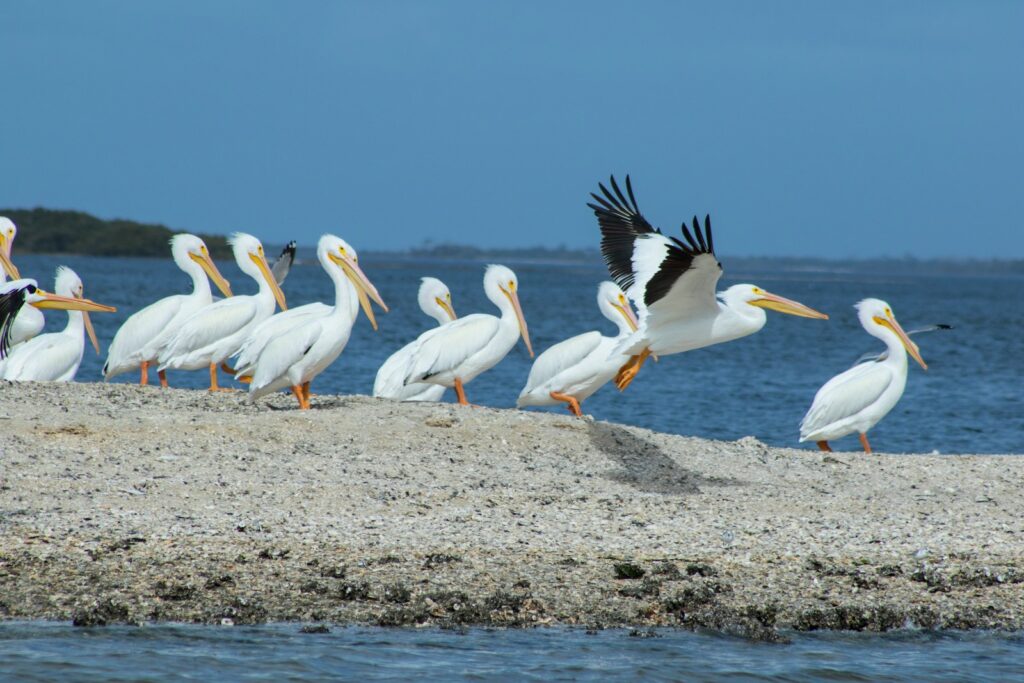
This barrier island along the Gulf Coast becomes a critical refueling station for spring migrants completing their journey across the Gulf of Mexico. Exhausted warblers, thrushes, and orioles often make their first landfall here, creating what birders call “fallout” conditions when weather systems force large numbers of birds to descend at once. The park’s diverse habitats—from coastal dunes to grasslands and mudflats—support both migrants and resident species like reddish egrets performing their distinctive “drunken sailor” hunting dance. Spring also brings the opportunity to witness colonial nesting birds like least terns and black skimmers establishing breeding territories along protected beaches. The Laguna Madre side of the island offers exceptional viewing of roseate spoonbills and American avocets in their vivid breeding plumage.
Olympic National Park, Washington
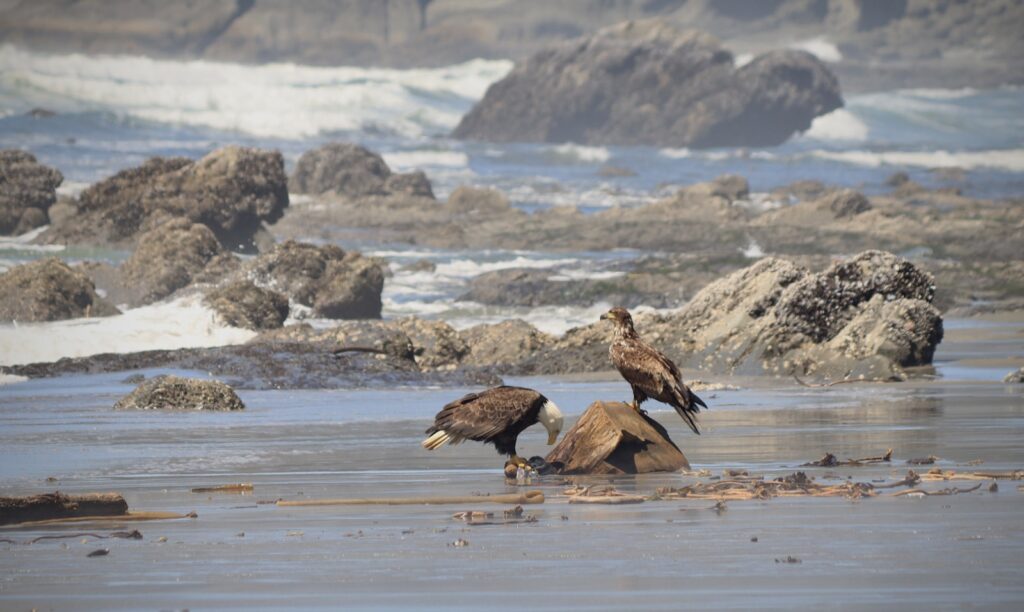
The incredible habitat diversity of Olympic National Park—from Pacific coastline to temperate rainforest to alpine meadows—creates unique birding opportunities during spring migration. More than 300 bird species have been documented within the park boundaries, including specialized residents like the marbled murrelet, which nests in the park’s old-growth forests. The Hoh Rain Forest explodes with birdsong in spring as varied thrush, Wilson’s warblers, and Pacific-slope flycatchers establish territories among moss-draped trees. The coastal sections at Kalaloch and Rialto Beach offer opportunities to spot spring migrants like surfbirds and black turnstones as they feed along rocky shores before continuing their journey to Arctic breeding grounds.
Congaree National Park, South Carolina
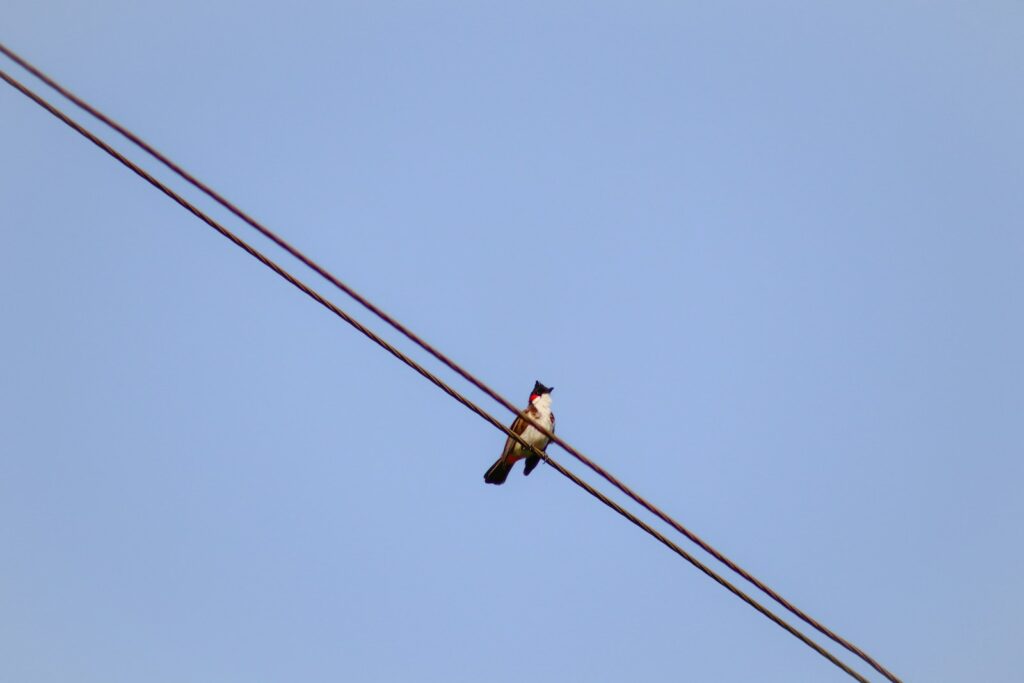
Home to the largest intact expanse of old-growth bottomland hardwood forest in the southeastern United States, Congaree provides crucial habitat for both resident and migratory birds each spring. The park’s ancient trees and seasonal floodplains support over 200 bird species, including a remarkable concentration of prothonotary warblers—brilliant yellow birds that nest in tree cavities over water and have earned the nickname “swamp canaries.” Spring visitors can observe pileated woodpeckers, barred owls, and Mississippi kites against the backdrop of towering cypresses and tupelos. The elevated boardwalk trail allows for easy access to observe swallowtail kites performing aerial acrobatics as they snatch dragonflies from the air, while the park’s river trails offer opportunities to spot rarely seen species like Swainson’s warblers in the dense understory.
Aransas National Wildlife Refuge, Texas
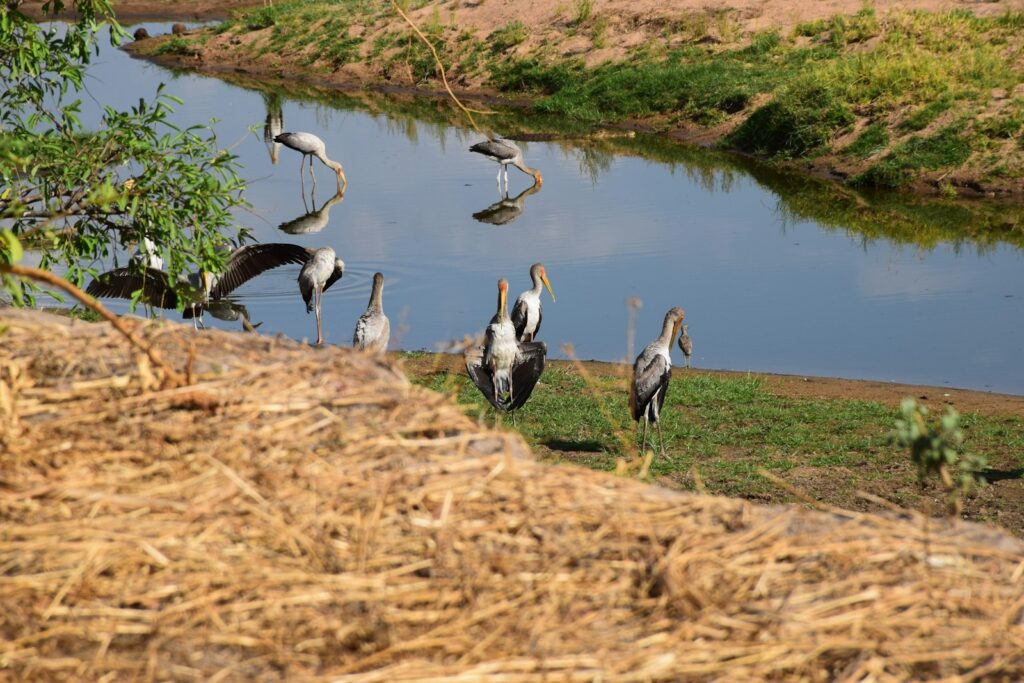
While technically not a national park but a national wildlife refuge, Aransas deserves special mention for spring birding due to its significance for whooping cranes and coastal species. Spring offers the final opportunity to observe North America’s tallest birds before they depart for their Canadian breeding grounds, typically by mid-April. Beyond these magnificent endangered birds, the refuge supports over 400 species, including spectacular numbers of roseate spoonbills and white-faced ibis in their breeding plumage. The mixing of fresh and salt water creates productive marshes where visitors can observe reddish egrets, clapper rails, and seaside sparrows establishing territories. Spring also brings the chance to witness the aerial courtship displays of magnificent frigatebirds and the arrival of painted buntings—perhaps North America’s most colorful songbird—as they return from wintering grounds in Central America.
Yellowstone National Park, Wyoming/Montana/Idaho
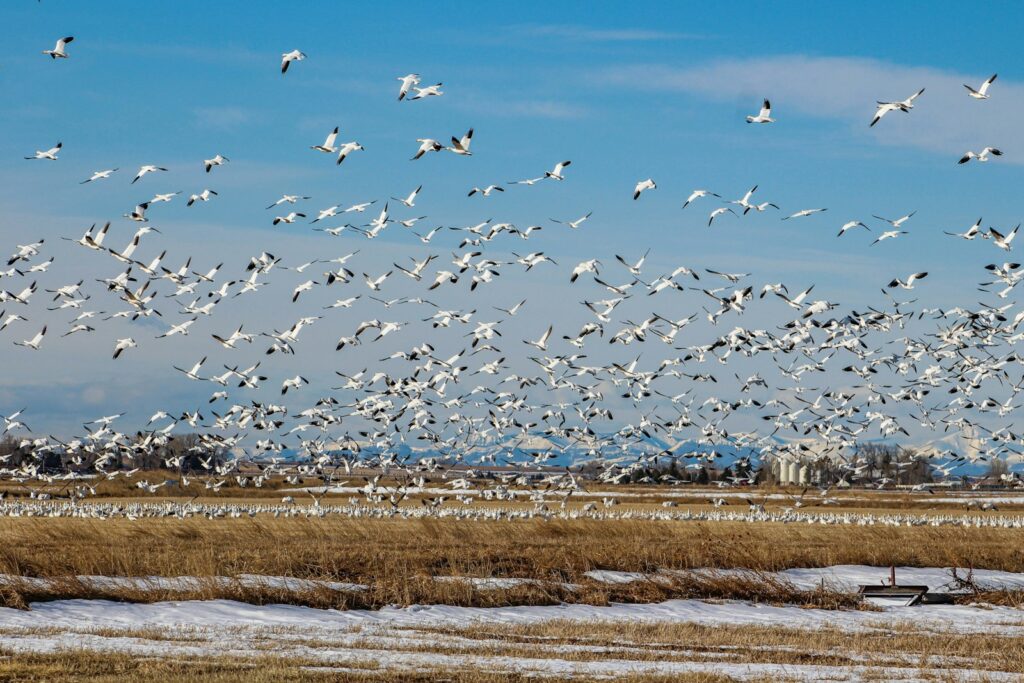
Spring arrives later at Yellowstone due to its elevation, creating a unique opportunity to observe birds responding to the seasonal progression well into June. The park’s geothermal features provide ice-free water that attracts early migrants like American dippers and water pipits, while the open sagebrush country hosts returning mountain bluebirds whose brilliant azure plumage stands out dramatically against lingering snow. Hayden Valley becomes an excellent location to observe sandhill cranes performing their elaborate dancing courtship rituals, with the added possibility of spotting trumpeter swans establishing nesting territories on thawing lakes. The Lamar Valley offers chances to see mountain species like Clark’s nutcrackers, Steller’s jays, and golden eagles, while lucky visitors might even glimpse the elusive great gray owl hunting along meadow edges in early morning or evening hours.
Essential Gear and Preparation Tips
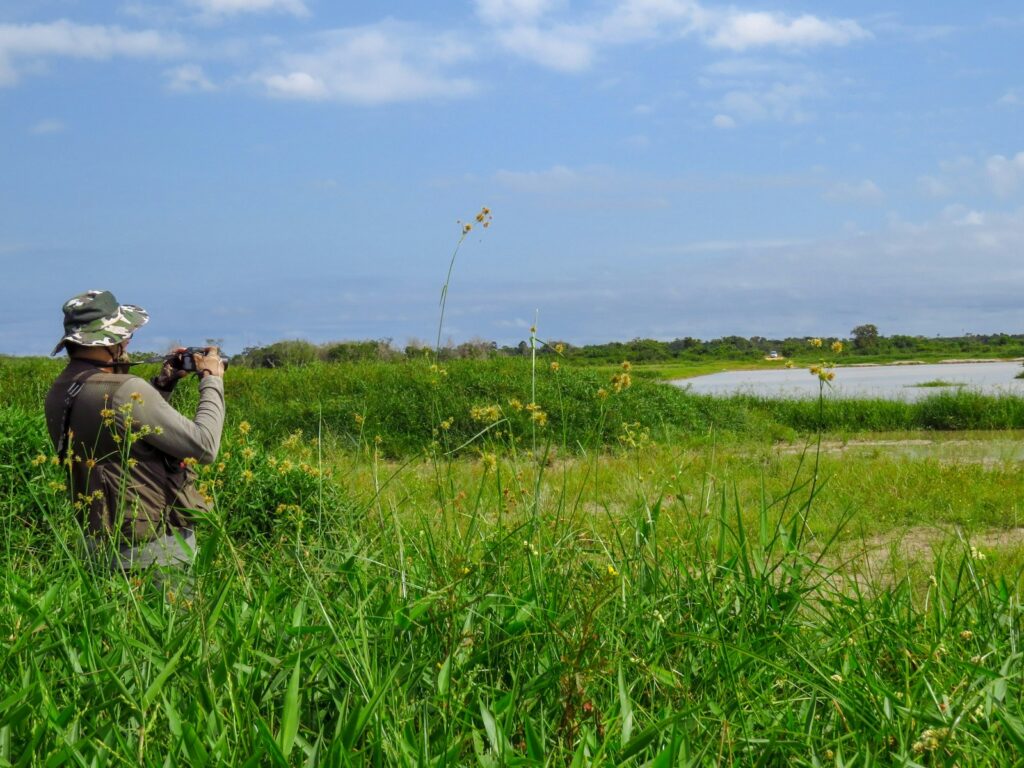
Successful spring birdwatching in national parks requires thoughtful preparation beyond just bringing binoculars. Layered clothing becomes essential as spring weather can fluctuate dramatically, particularly in parks with significant elevation changes or coastal influences. A quality field guide specific to the region or a birding app with downloadable content ensures you can identify species even in areas without cell service. Many experienced birders recommend keeping a small notebook to record observations, which enhances the experience and helps track migration patterns year after year. Considering the unpredictable nature of spring weather, waterproof gear, including covers for optical equipment, can save a birding day when unexpected showers arrive. Finally, always check park websites for current conditions, as spring floods, prescribed burns, or late-season snowstorms can affect accessibility to prime birding locations.
Conservation and Ethical Birdwatching
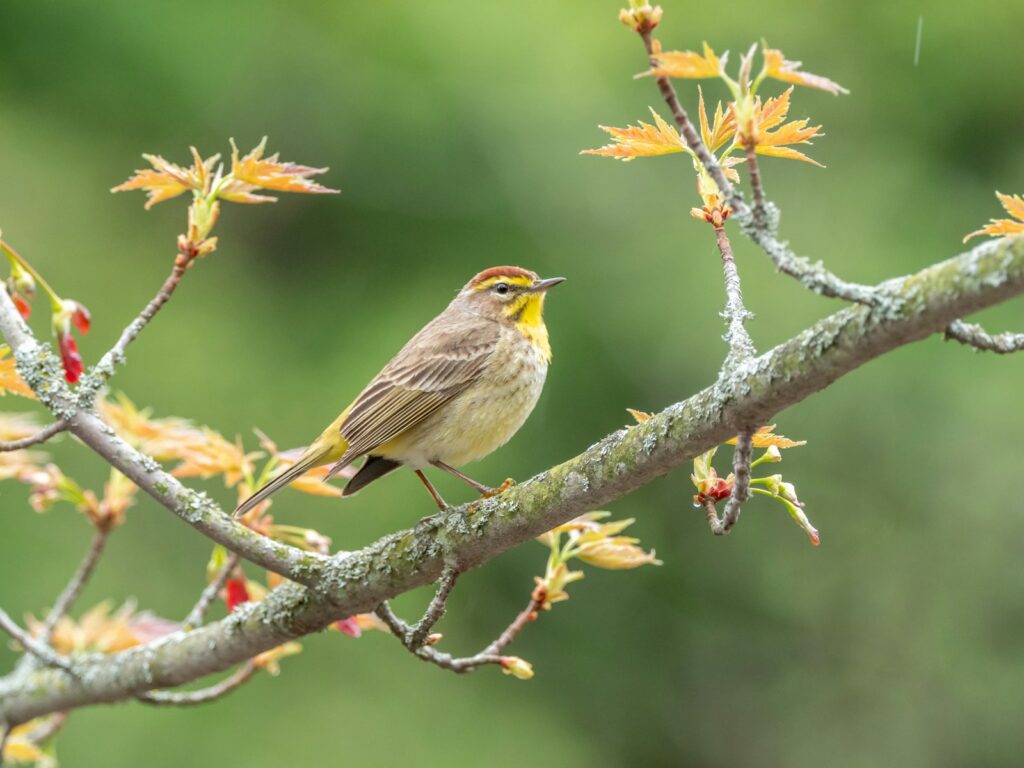
When visiting national parks for spring birdwatching, practicing responsible wildlife observation becomes particularly important during this sensitive breeding season. Maintain appropriate distances from nesting areas, as disturbance can cause birds to abandon nests or expose eggs to predators or harmful weather. The American Birding Association’s Code of Ethics provides excellent guidelines, emphasizing the importance of staying on designated trails and using recordings of bird calls sparingly and responsibly. Many parks offer citizen science opportunities where visitors can contribute valuable data about bird populations through organized programs like breeding bird surveys or nest monitoring projects. Supporting the parks through entrance fees and following “leave no trace” principles ensures these crucial habitats remain protected for future generations of both birds and birders to enjoy during the spectacular spring migration.
Spring offers a magical window into the avian world as birds display their most vibrant colors, complex behaviors, and melodious songs. The national parks highlighted above represent some of North America’s premier destinations for witnessing this seasonal spectacle. From the subtropical wetlands of the Everglades to the old-growth forests of the Pacific Northwest, each location provides unique opportunities to connect with nature through the observation of birds. Whether you’re tracking the northward progression of warblers along mountain ridges or watching shorebirds feed frantically to fuel their continued migration, spring birdwatching in our national parks delivers unforgettable experiences and a deeper appreciation for the remarkable journeys these creatures undertake each year. Pack your binoculars, bring your patience, and prepare to be amazed by the wings of spring.