

The United States National Park System stands as one of America’s greatest achievements in conservation and public land management. From the towering sequoias of Yosemite to the otherworldly geothermal features of Yellowstone, these protected landscapes showcase nature’s grandeur while telling the story of a nation’s commitment to preserving its natural heritage. Since the establishment of Yellowstone as the world’s first national park in 1872, the U.S. has developed a system that balances conservation, recreation, and education in ways that countries worldwide have sought to emulate. The American national parks concept has become so influential that it’s often called “America’s best idea”—a testament to how this innovative approach to public lands has inspired conservation efforts across the globe.
A Revolutionary Concept Born in America
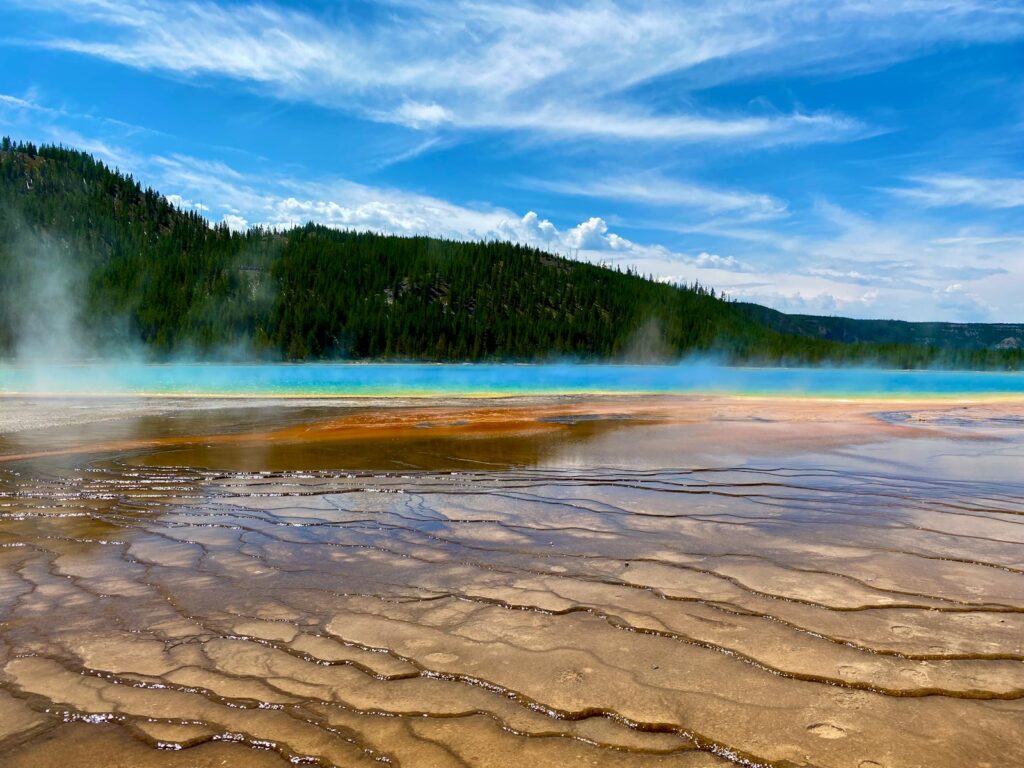
The concept of setting aside vast tracts of land not for the elite or for resource extraction, but for the benefit and enjoyment of all people, was revolutionary when it emerged in the late 19th century. Prior to this innovation, most protected lands around the world were royal hunting grounds or private estates accessible only to the privileged few. The democratic underpinning of the American national park system—the idea that natural wonders should belong to everyone—represented a profound shift in how societies viewed their relationship with nature. This fundamental principle established a precedent that would eventually influence more than 100 countries to establish their own national park systems. The 1872 Yellowstone Act, which protected more than two million acres from settlement and development, marked the beginning of a global movement that continues to expand today, with the U.S. model serving as the original blueprint.
Unparalleled Diversity of Landscapes
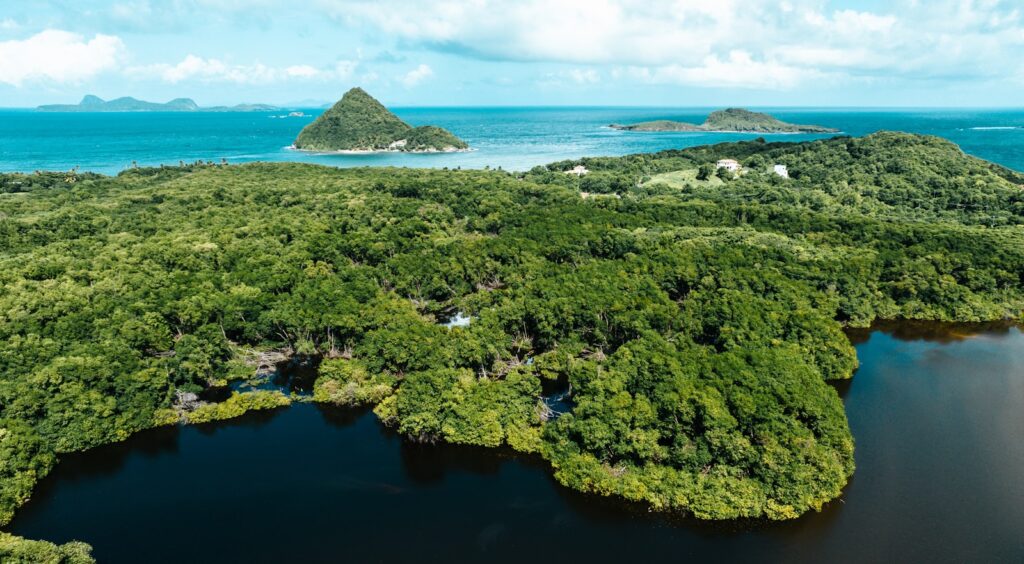
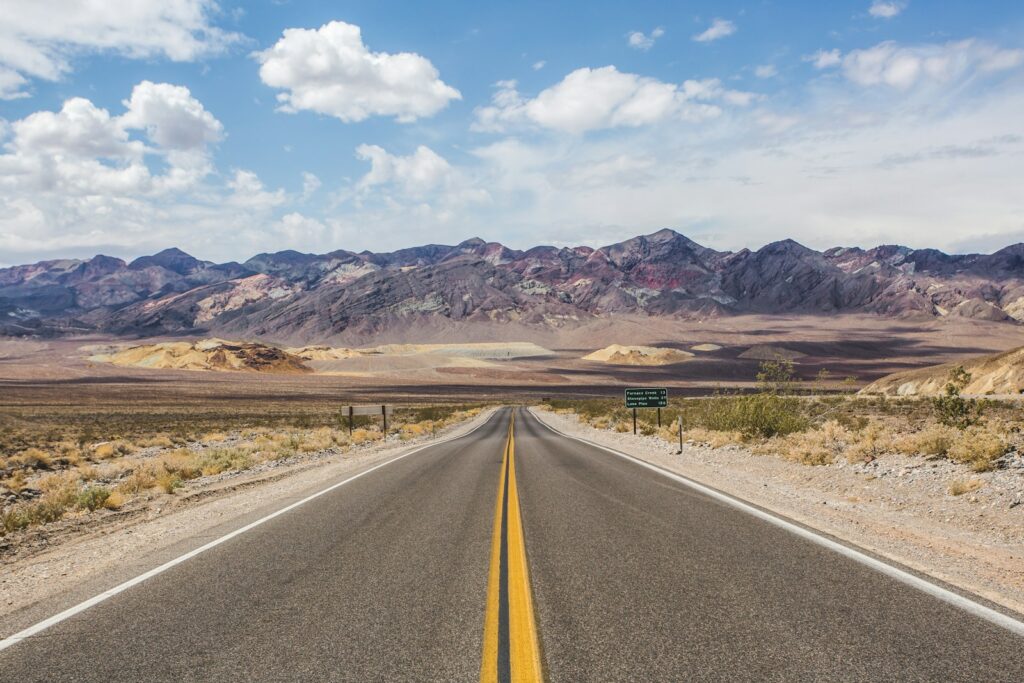
One reason the U.S. National Park System draws worldwide admiration is its extraordinary range of protected landscapes and ecosystems. Within the system’s 423 units (including 63 designated national parks), virtually every type of North American ecosystem is represented—from the Arctic tundra of Gates of the Arctic to the tropical wetlands of Everglades National Park. Visitors can experience scorching deserts at Death Valley, ancient rainforests in Olympic National Park, and the world’s most extensive cave systems at Mammoth Cave. The Grand Canyon showcases two billion years of Earth’s geological history in its exposed rock layers, while Hawaii Volcanoes National Park allows visitors to witness active land formation in real-time. This remarkable diversity within a single national system offers unparalleled opportunities for conservation, research, and visitor experiences that few other countries can match in scope or scale.
Science-Based Conservation Leadership
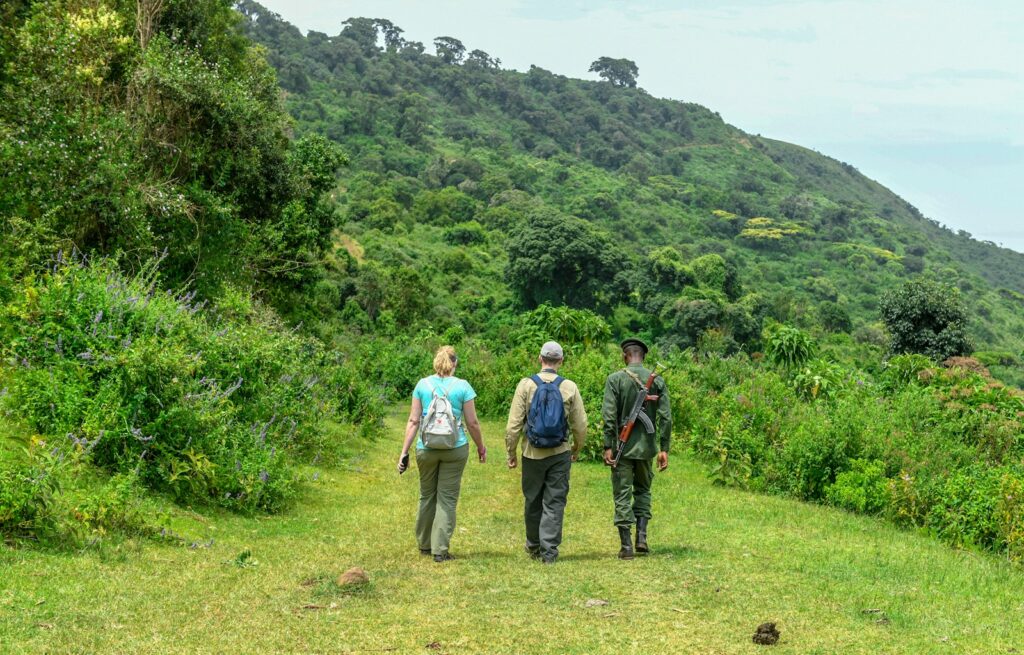
The National Park Service has established itself as a global leader in science-based conservation practices that have been studied and adopted internationally. Since its founding in 1916, the NPS has evolved sophisticated approaches to wildlife management, fire ecology, invasive species control, and ecosystem restoration that have advanced conservation science worldwide. The reintroduction of wolves to Yellowstone in the 1990s, for instance, stands as one of history’s most famous and successful ecosystem restoration projects, demonstrating the concept of trophic cascades and inspiring similar efforts globally. The NPS employs hundreds of scientists who conduct vital research on climate change impacts, species preservation, and cultural resource protection. This institutional commitment to science-based management has made U.S. national parks living laboratories for conservation innovation, with techniques developed in American parks now applied in protected areas from Serengeti National Park in Tanzania to Kruger National Park in South Africa.
World-Class Visitor Infrastructure
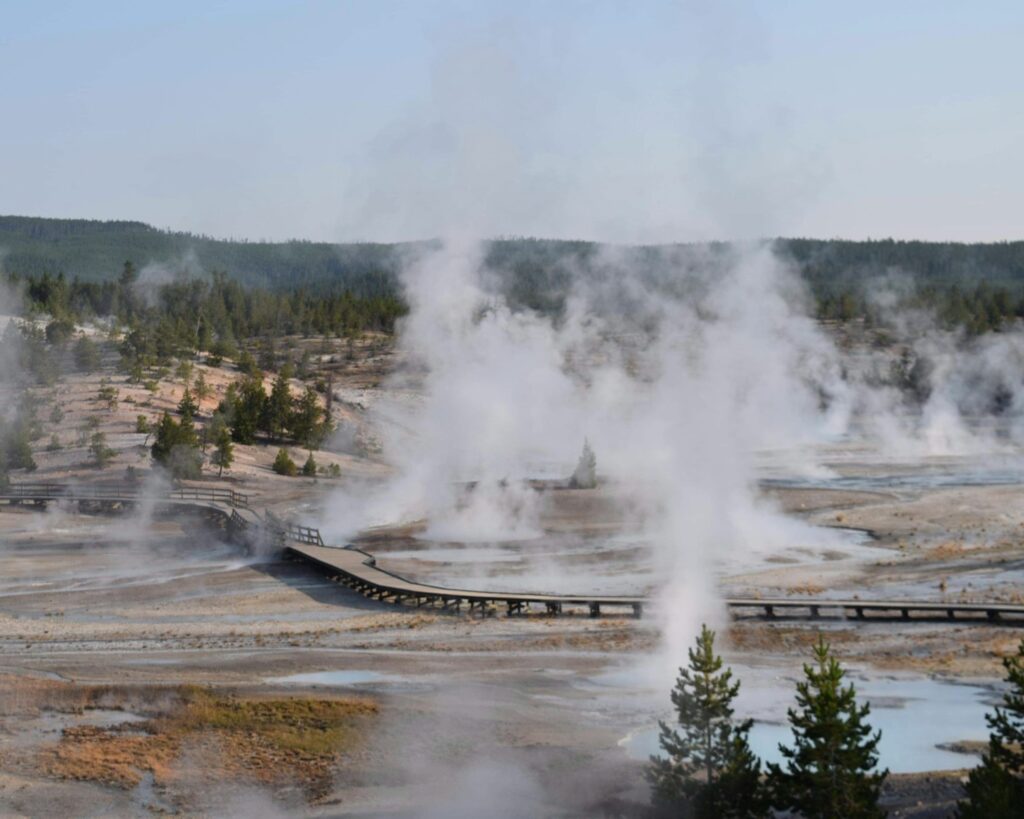
The exceptional visitor infrastructure within U.S. national parks sets a global standard that many countries strive to achieve. The careful balance between access and preservation is evident in the thoughtfully designed road systems, visitor centers, and accommodations that welcome over 300 million visitors annually without compromising resource protection. Historic lodges like Yellowstone’s Old Faithful Inn and Grand Canyon’s El Tovar Hotel demonstrate how architecture can complement natural settings while providing world-class visitor experiences. The extensive network of over 18,000 miles of trails has been constructed with meticulous attention to environmental impact and visitor safety. Perhaps most impressive is the accessibility efforts—many parks feature wheelchair-accessible trails, tactile exhibits for visually impaired visitors, and interpretive materials in multiple languages. Countries developing their own national park systems frequently send representatives to study this infrastructure model that successfully handles massive visitation while maintaining ecological integrity.
The Legacy of Interpretation Programs
The National Park Service pioneered the concept of interpretation—the art of connecting visitors intellectually and emotionally to natural and cultural resources—that has been adopted by park systems worldwide. This approach goes beyond simply providing information; it aims to reveal deeper meanings and relationships through firsthand experiences and thought-provoking programming. The ranger-led programs found in U.S. parks, from campfire talks to guided walks, have become the gold standard for environmental education in protected areas. Junior Ranger programs engage millions of children annually, fostering the next generation of conservation advocates through age-appropriate activities and memorable experiences. The NPS Interpretive Development Program has trained thousands of rangers in advanced communication techniques that many international park systems now emulate. Countries from Costa Rica to South Korea have developed their interpretive programs based directly on the U.S. model, recognizing its effectiveness in building public support for conservation.
Cultural and Historical Preservation
Unlike many international park systems that focus exclusively on natural resources, U.S. national parks embrace a dual mandate that includes preserving cultural and historical sites alongside natural wonders. This comprehensive approach to preservation encompasses over 27,000 historic structures, more than 2 million archaeological sites, and countless cultural landscapes within the system. Mesa Verde protects ancestral Puebloan cliff dwellings, while parks like Independence Hall preserve sites crucial to American democracy. The system also protects difficult aspects of American history, including Japanese American internment camps and Civil War battlefields, demonstrating a commitment to telling the full American story. This integration of natural and cultural conservation has influenced countries worldwide to adopt more holistic approaches to protected area management. The U.S. model has shown that effective conservation must honor the human stories embedded in landscapes, recognizing that cultural and natural heritage are often inseparably linked.
The Philanthropic Partnership Model
The innovative public-private partnership model that supports U.S. national parks has become increasingly emulated around the world. While core funding comes from government appropriations, the parks benefit tremendously from a robust network of philanthropic partners that significantly extend what parks can accomplish. The National Park Foundation, the system’s official charity, has raised hundreds of millions of dollars for priority projects across the system. Additionally, over 70 park-specific friends groups and cooperating associations provide critical financial and volunteer support to individual parks. This diverse funding approach allows for innovation and excellence beyond what government funding alone could achieve. The model has proven so successful that countries from Canada to Kenya have established similar philanthropic frameworks to support their own protected areas. These partnerships demonstrate how engaging the private sector and individual citizens can create more resilient and vibrant park systems than government funding alone could sustain.
Gateway Communities and Economic Impact
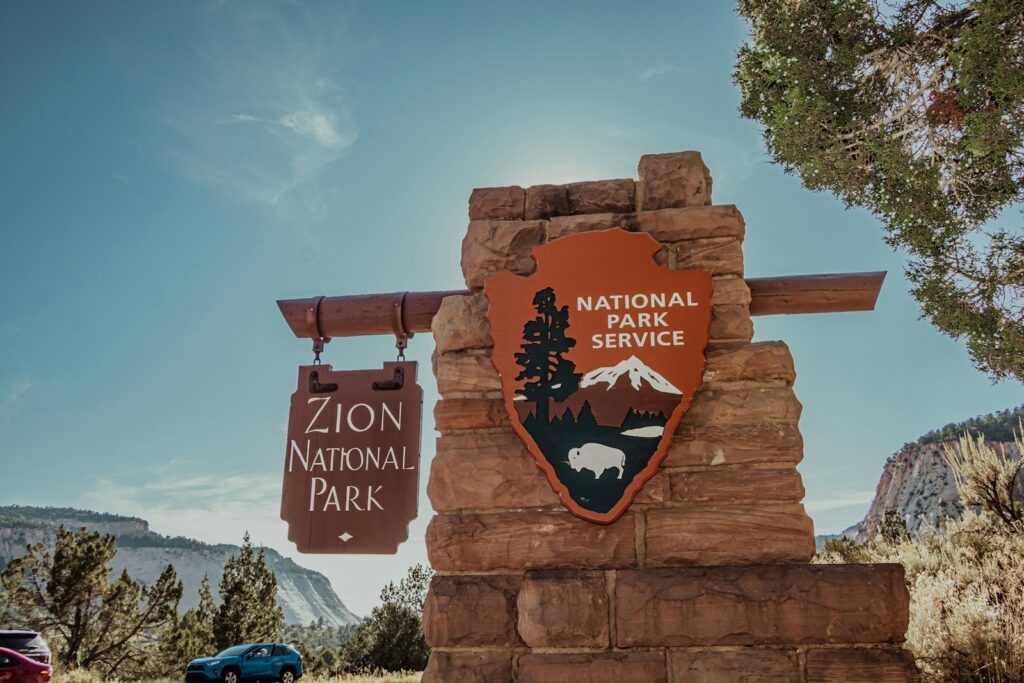
The economic engine that U.S. national parks create for surrounding communities demonstrates how conservation and economic development can be complementary rather than competing goals. National parks generate over $40 billion in economic output annually and support more than 340,000 jobs, primarily in gateway communities that have developed symbiotic relationships with neighboring parks. Towns like West Yellowstone, Montana and Springdale, Utah (adjacent to Zion National Park) have built thriving, sustainable economies based on park tourism rather than resource extraction. This economic success story has changed the global conversation about protected areas, helping to counter the notion that conservation comes at the expense of economic growth. Countries developing their national park systems now frequently cite the American model when making the economic case for conservation to local stakeholders. The demonstrated economic benefits of U.S. parks have helped convince governments worldwide that investing in park infrastructure and protection makes sound financial sense beyond the ecological benefits.
Iconic Wildlife Conservation Success Stories
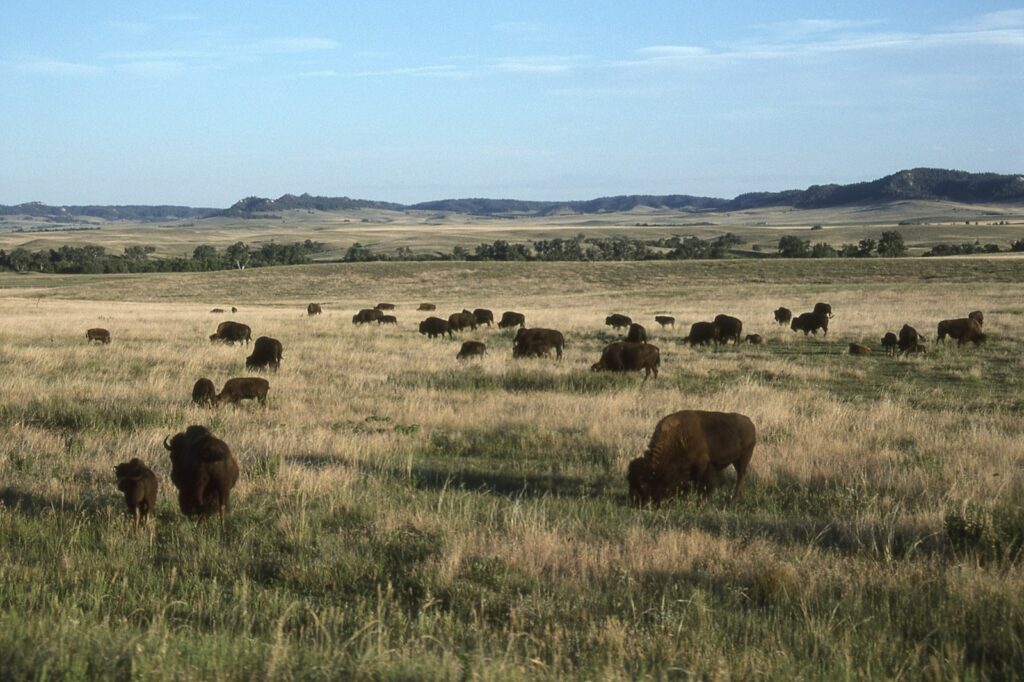
U.S. national parks have played a pivotal role in some of the world’s most celebrated wildlife conservation success stories, demonstrating how protected areas can reverse species decline. The American bison, once reduced to fewer than 100 wild individuals, now thrives in Yellowstone and several other parks, with herds totaling thousands of animals. Bald eagles, removed from the endangered species list in 2007, find crucial habitat in parks from Acadia to Olympic. The restoration of gray wolves to Yellowstone and the subsequent ecosystem recovery has become a textbook example of successful reintroduction and trophic cascade effects. These high-profile conservation victories have provided both practical methodologies and inspirational examples for wildlife recovery efforts worldwide. The comprehensive approach to species protection—combining habitat preservation, scientific research, and adaptive management—established in U.S. parks has influenced conservation strategies in protected areas across six continents.
Balancing Recreation and Preservation
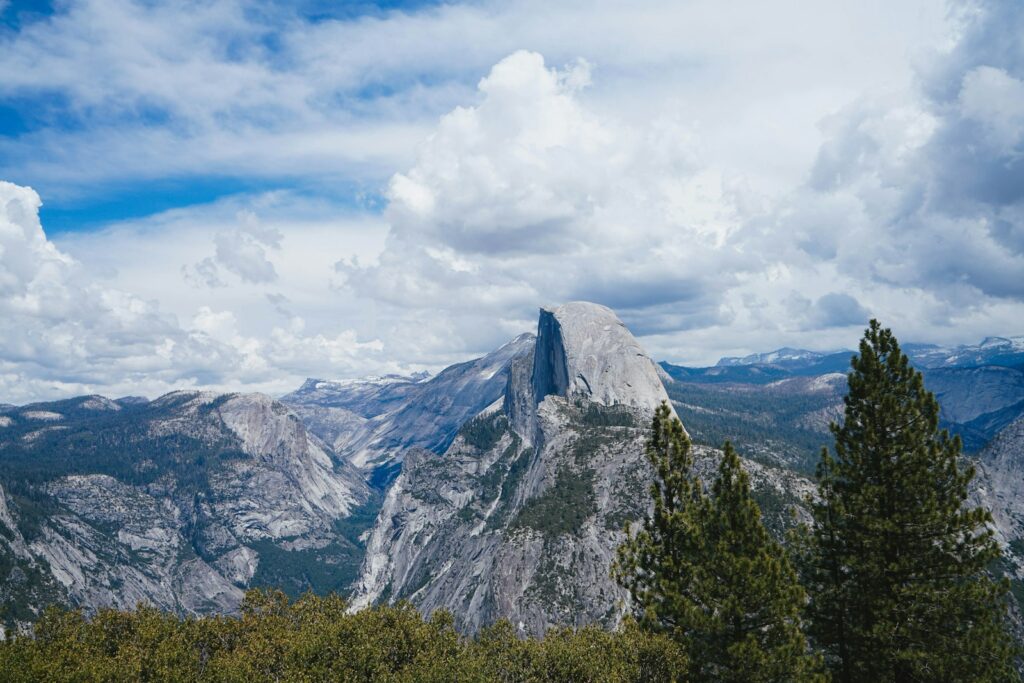
Perhaps the most studied aspect of the U.S. National Park System is its delicate balancing act between providing recreational access and ensuring long-term preservation. The founding legislation of the National Park Service established this dual mandate: to conserve resources unimpaired while providing for public enjoyment. This tension has led to innovative management solutions that countries worldwide have adopted in their own protected areas. The development of carrying capacity models, timed entry systems, and shuttle buses at crowded parks like Yosemite and Zion demonstrate how visitor access can be maintained while reducing environmental impacts. The designation of wilderness areas within parks creates a spectrum of experiences, from frontcountry amenities to backcountry solitude. This nuanced approach to visitor management has become increasingly relevant globally as nature tourism grows in popularity. Park managers from Japan to Chile regularly study NPS visitor management techniques as they face similar challenges in their own increasingly popular protected areas.
Democratic Access and the “Parks for All” Philosophy

The foundational principle that national parks should be accessible to people of all backgrounds—not just the wealthy or privileged—continues to distinguish the American system internationally. From the beginning, U.S. national parks were established “for the benefit and enjoyment of the people,” creating a democratic tradition of public lands that was revolutionary when introduced and remains influential today. This philosophy manifests in practical ways: entrance fees remain relatively affordable (and free on several designated days annually), campsites provide low-cost accommodation options, and public transportation access is increasingly available. Programs like “Every Kid Outdoors” provide free admission to fourth-grade students and their families, while community outreach efforts specifically target underrepresented populations. This commitment to accessibility has inspired similar initiatives in national park systems from Brazil to South Korea, as countries recognize that broad public support for conservation depends on parks being welcoming and accessible to all citizens.
Leadership in Climate Change Research and Adaptation
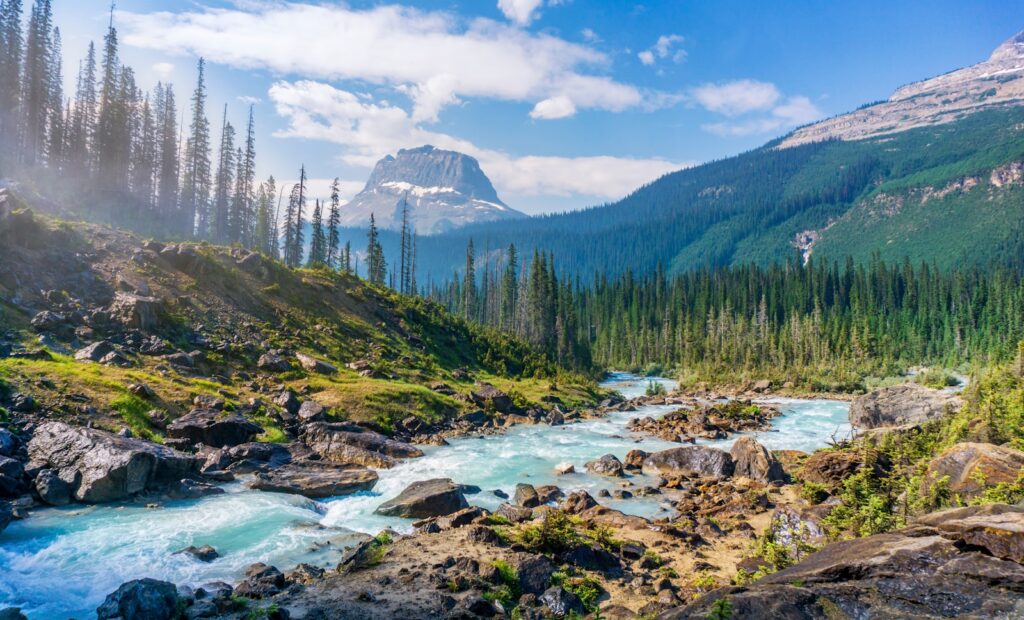
As climate change increasingly threatens protected areas worldwide, U.S. national parks have emerged as global leaders in both researching impacts and developing adaptation strategies. Parks serve as crucial baseline monitoring sites where scientists can observe climate change effects in relatively undisturbed ecosystems. Glacier National Park’s rapidly disappearing ice fields have become iconic symbols of climate change, while ongoing research in parks from the Everglades to Alaska provides vital data on how different ecosystems respond to warming temperatures. The National Park Service has developed comprehensive climate adaptation strategies that address everything from infrastructure vulnerability to shifting species ranges. International partnerships like the Parks for Climate Change program facilitate knowledge sharing between park systems facing similar challenges worldwide. The leadership role of U.S. parks in climate science and adaptation planning has provided models that protected area managers globally are increasingly adopting as they confront similar climate threats.
The Transformative Visitor Experience
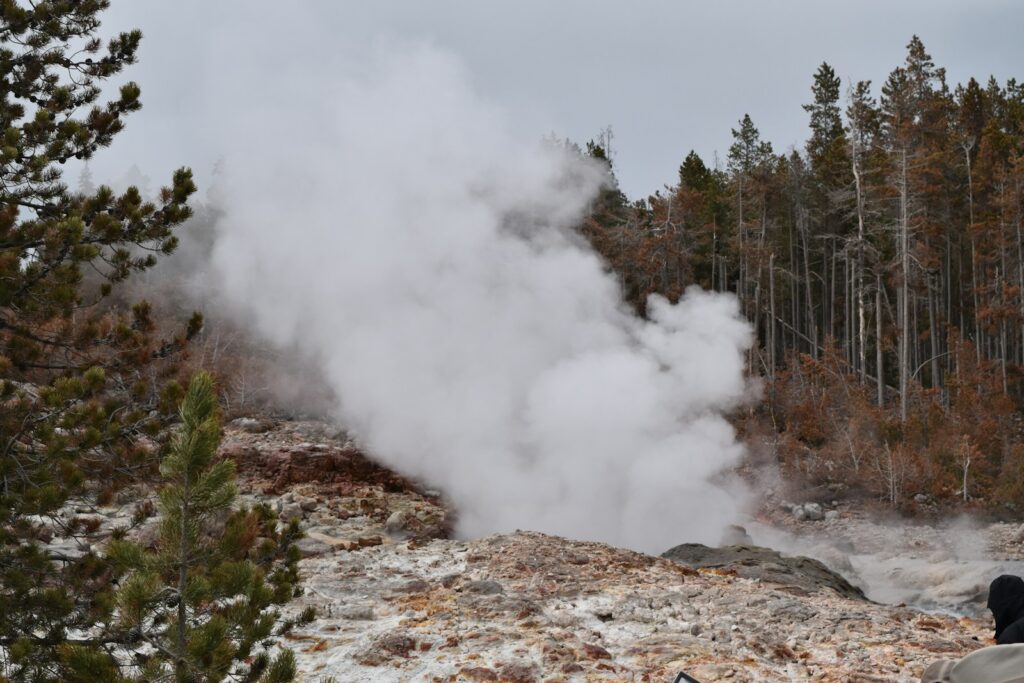
Perhaps the most profound aspect of U.S. national parks—and what ultimately makes them the envy of the world—is their capacity to provide transformative experiences that create lasting connections between people and the natural world. The immersive quality of these protected landscapes offers visitors something increasingly rare in our modern world: the opportunity to experience nature on its own terms, at its most magnificent scale. Standing at Glacier Point in Yosemite or watching geysers erupt in Yellowstone creates moments of awe that transcend cultural and language barriers. These experiences foster a conservation ethic that extends far beyond park boundaries, as visitors return home with newfound appreciation for natural processes and ecosystems. Research consistently shows that meaningful experiences in natural settings correlate with pro-environmental behaviors and attitudes. The emotional impact of America’s national parks—their ability to inspire, humble, and connect—may ultimately be their most significant contribution to global conservation, as they demonstrate how protected areas can build lasting public support for environmental protection through personal experience.
Conclusion
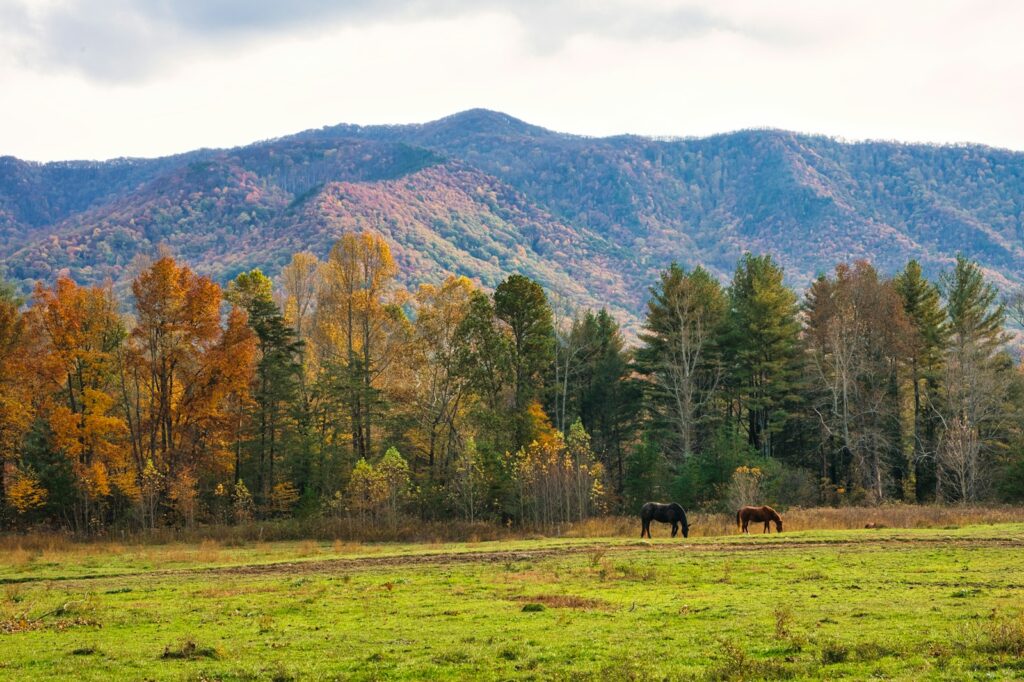
The U.S. National Park System’s global influence stems not just from its spectacular landscapes, but from the innovative approaches to conservation, education, and public access it has pioneered over 150 years. From the revolutionary concept of public lands held in trust for all citizens to cutting-edge approaches in scientific management and visitor engagement, American national parks have established templates that continue to guide protected area development worldwide. As countries face increasing environmental challenges, the lessons learned through the American experiment in conservation provide both practical solutions and inspirational examples. While many nations now have impressive national park systems of their own—some protecting larger areas or rarer species—the American system remains distinctive for its democratic foundations, its integration of cultural and natural heritage, and its demonstrated ability to build broad public support for conservation through meaningful visitor experiences. The U.S. National Park System continues to evolve and improve, but its fundamental approach—balancing preservation with access, science with inspiration—remains the gold standard that conservation efforts worldwide aspire to achieve.