

The vast, rolling prairies of North America’s Great Plains were once home to tens of millions of American bison, creating one of the most remarkable wildlife spectacles on Earth. These massive creatures weren’t merely inhabitants of the landscape—they were powerful ecological engineers that fundamentally shaped and maintained the prairie ecosystem for thousands of years. From the soil beneath the grass to the diverse wildlife communities that thrived alongside them, bison influenced virtually every aspect of the Great Plains. Their dramatic near-extinction in the late 19th century didn’t just represent the loss of an iconic species; it triggered cascading ecological changes that transformed the entire region. Today, as conservation efforts bring bison back to portions of their former range, scientists are documenting the profound ways these animals function as a keystone species—one whose influence on its environment is disproportionately large compared to its abundance. This article explores the multifaceted relationship between the American bison and the Great Plains ecosystem they helped create and maintain.
The Original Ecosystem Engineers
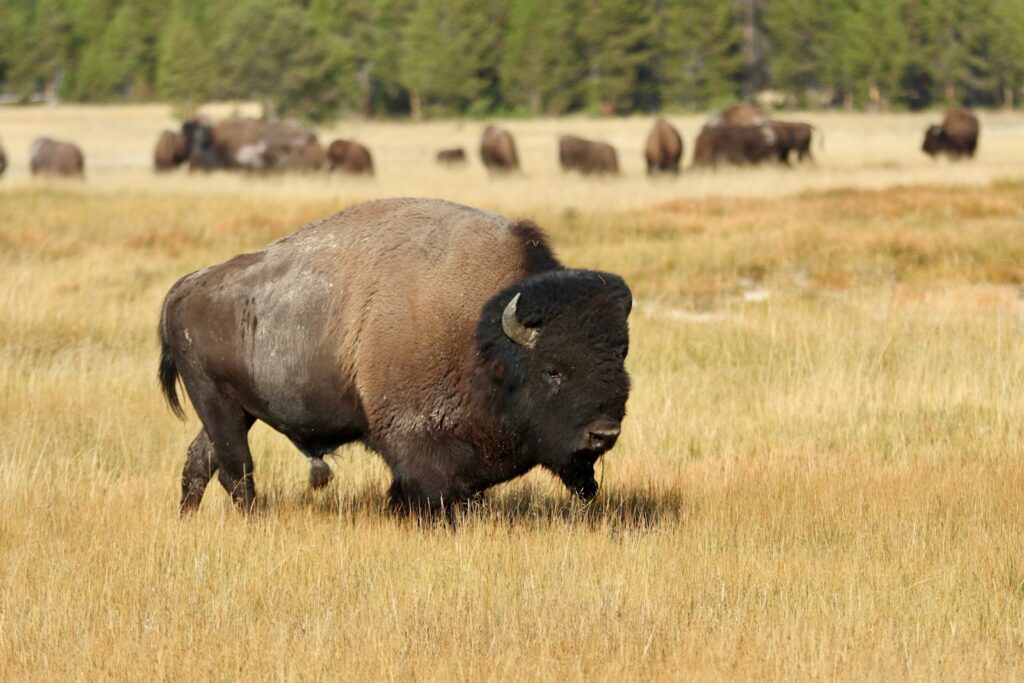
American bison (Bison bison) evolved as the dominant large herbivore of the Great Plains, with populations estimated between 30-60 million animals at their peak. As ecosystem engineers, they physically modified their environment through numerous behaviors that influenced the structure and composition of the prairie. Their massive bodies—with bulls weighing up to 2,000 pounds—created trails through the landscape that functioned as natural firebreaks and affected water drainage patterns. Their wallowing behavior, where they rolled in dirt depressions, created distinctive features called “buffalo wallows” that collected rainwater and provided habitat for specialized plants and animals. Perhaps most significantly, their intensive but patchy grazing patterns created a mosaic of vegetation at different growth stages, promoting biodiversity in what might otherwise appear as a monotonous sea of grass.
Grazing Patterns and Plant Diversity
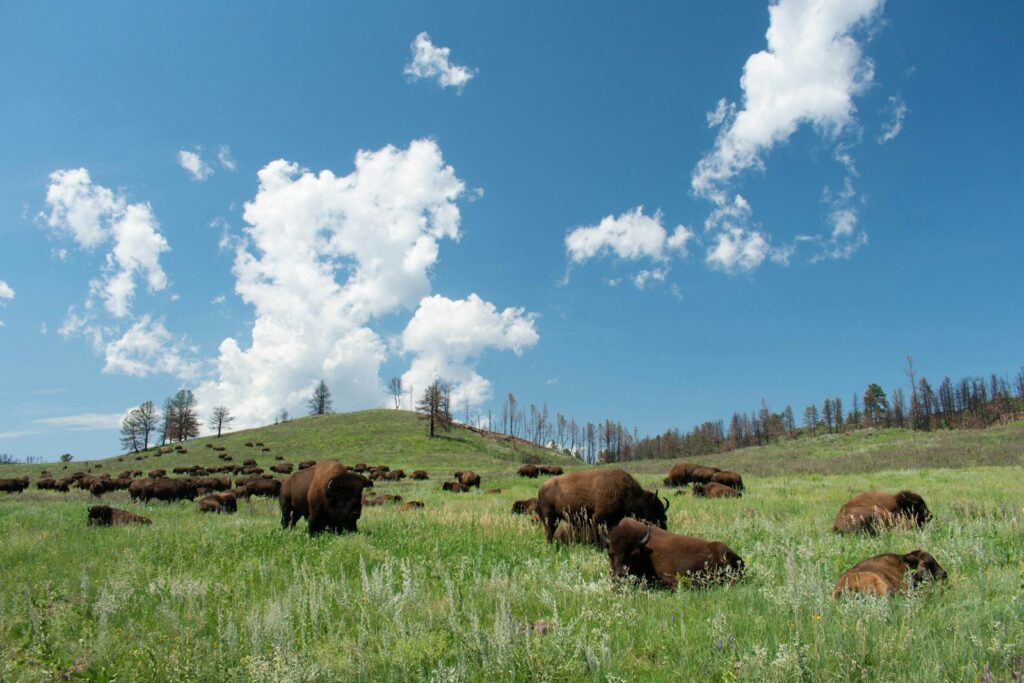
Unlike cattle, which tend to graze uniformly across landscapes, bison exhibit what ecologists call “patch-selective grazing”—intensively feeding in some areas while leaving others relatively untouched. This selective approach creates a diverse mosaic of vegetation heights and ages across the prairie landscape. Short, recently grazed patches provide habitat for certain bird species like mountain plovers, while taller grass sections support other species like meadowlarks and prairie chickens. Research has demonstrated that bison-grazed prairies typically contain 50-60 plant species per square meter, compared to much lower diversity in ungrazed areas. Their preference for grasses over forbs (flowering plants) allowed wildflowers to flourish, supporting complex pollinator communities and contributing to the spectacular displays of prairie wildflowers that once characterized the Great Plains.
Soil Fertilization and Nutrient Cycling
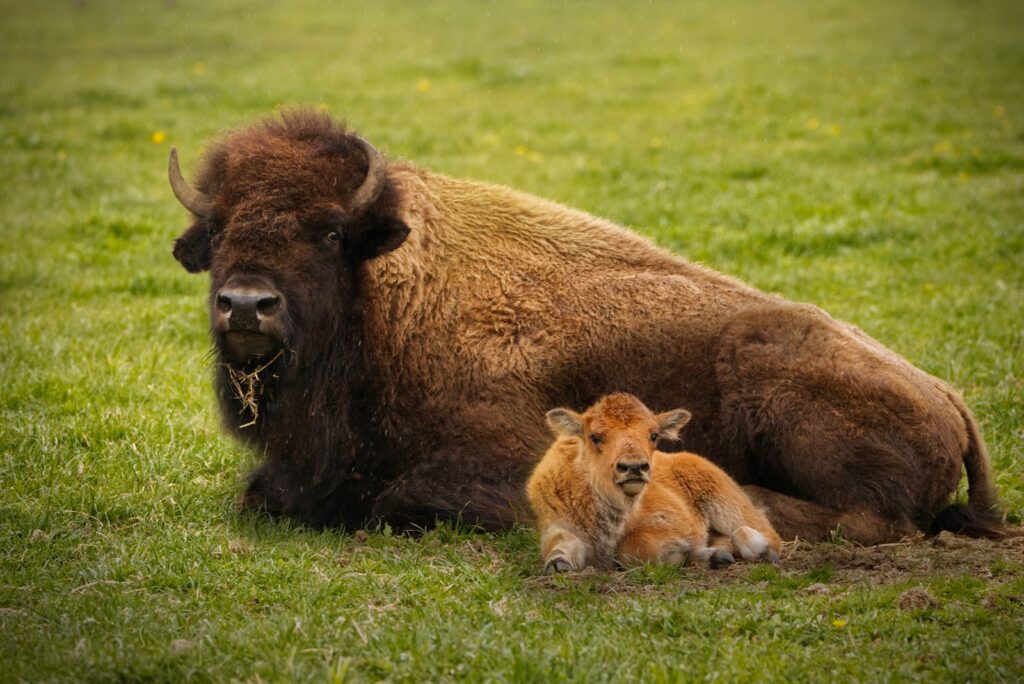
Bison played a crucial role in nutrient cycling throughout the prairie ecosystem through their consumption and digestion of plant material. Each animal produced approximately 50 pounds of dung daily, redistributing nutrients across the landscape and enhancing soil fertility. This natural fertilization process was particularly important in the Great Plains, where nutrients could otherwise be locked up in plant tissues or slowly decomposing litter. The nitrogen-rich urine and feces of bison accelerated decomposition processes and increased the availability of essential nutrients for plant growth. Soil studies in areas where bison have been reintroduced show measurably higher levels of soil nitrogen, phosphorus, and carbon compared to similar areas without bison. Additionally, bison dung provided food sources for numerous dung beetles and other decomposers that further enhanced soil health.
Wallowing Behavior and Microhabitats
One of the most distinctive behaviors of bison is wallowing—rolling in dirt depressions to shed parasites, cool themselves, and possibly as a social display. These wallows created unique microhabitats across the prairie landscape that persisted for decades or even centuries. During rainy seasons, wallows collected water, forming ephemeral ponds that supported amphibians, invertebrates, and specialized plant communities. In drier periods, these depressions contained different soil conditions than surrounding areas, allowing for the growth of plants that might otherwise not survive in the prairie. Aerial surveys of the Great Plains can still detect ancient buffalo wallows as distinctive circular patterns across the landscape, demonstrating their lasting impact. Some studies suggest that historic bison wallows created as many as 20-30 unique microhabitats per square mile in prime bison habitat.
Seed Dispersal and Plant Distribution
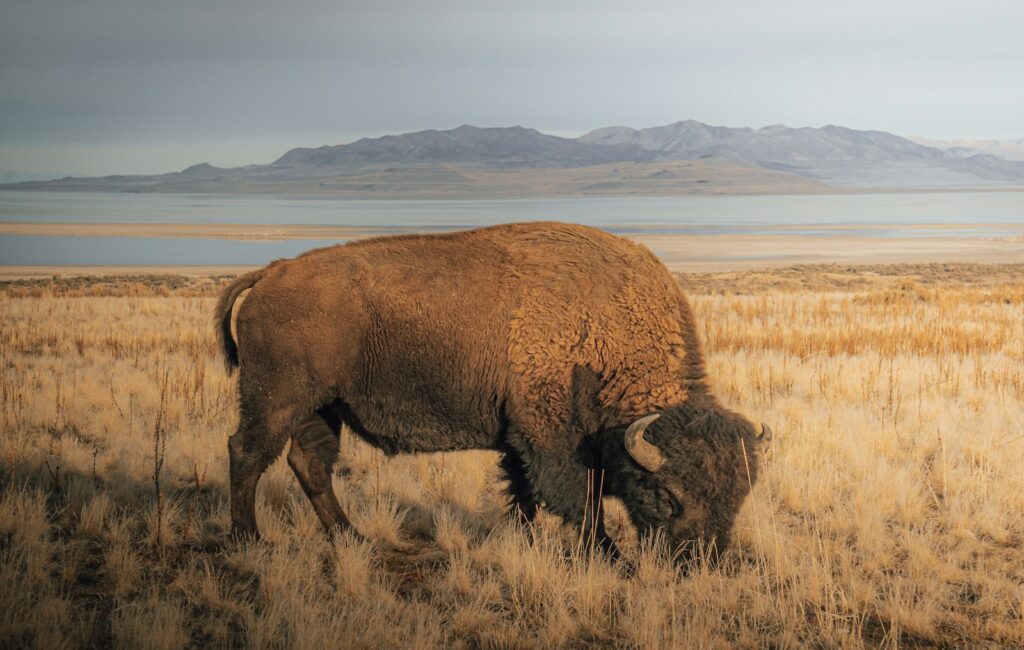
Bison functioned as important seed dispersal agents throughout the Great Plains, transporting plant seeds in their fur and digestive tracts across vast distances. Their shaggy coats collected seeds with hooks or barbs, carrying them to new locations where they could germinate away from parent plants. Research has shown that seeds can remain viable after passing through a bison’s digestive tract, with their journey through the animal’s gut actually improving germination rates for some species by scarifying the seed coat. One study identified more than 70 different plant species whose seeds were dispersed by bison in this manner. This dispersal service was particularly important in the Great Plains, where strong winds can carry seeds in primarily one direction, while bison movements helped ensure more omnidirectional plant dispersal across the prairie landscape.
Fire and Bison: An Ecological Partnership
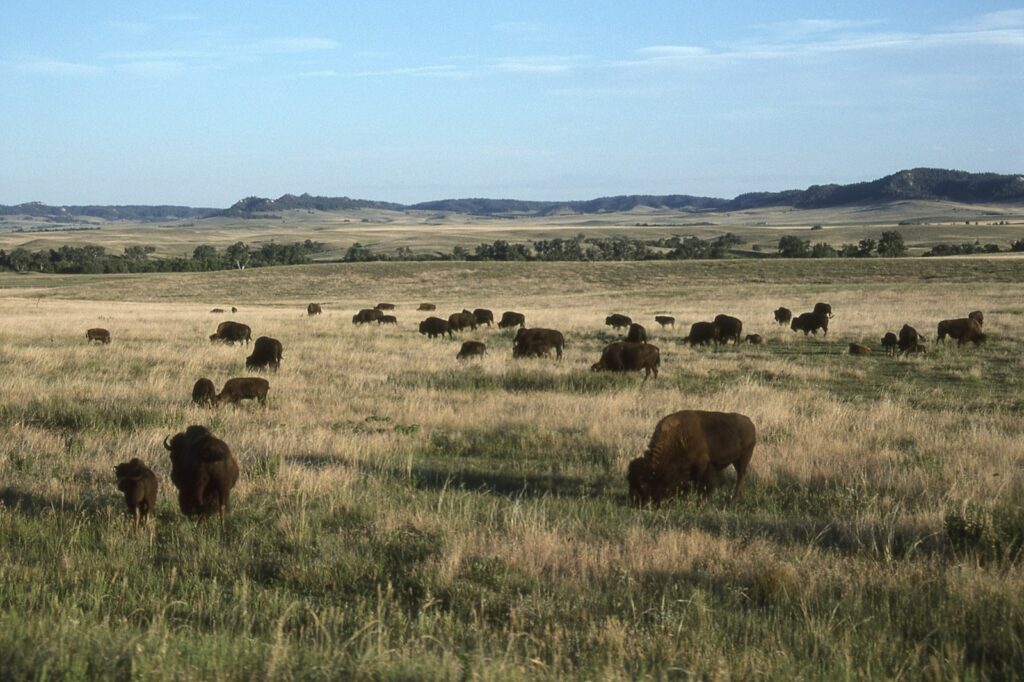
Fire and bison grazing worked together as complementary ecological forces that maintained the prairie ecosystem. Lightning-sparked fires or those set by Native Americans cleared away dead vegetation and stimulated new growth, while bison were attracted to the nutritious regrowth in recently burned areas. This relationship created a shifting mosaic of habitat types across the landscape as fires and grazing pressure moved across the prairie in dynamic patterns. Studies in tallgrass prairie preserves have shown that areas managed with both fire and bison grazing contain up to 15% more plant species than areas managed with only one of these processes. Without either fire or grazing, woody vegetation would gradually encroach on the prairie, converting grassland to forest or shrubland over time. This intricate relationship between fire, grazing, and vegetation has been termed “pyric herbivory” by modern ecologists studying prairie restoration.
Supporting the Prairie Food Web
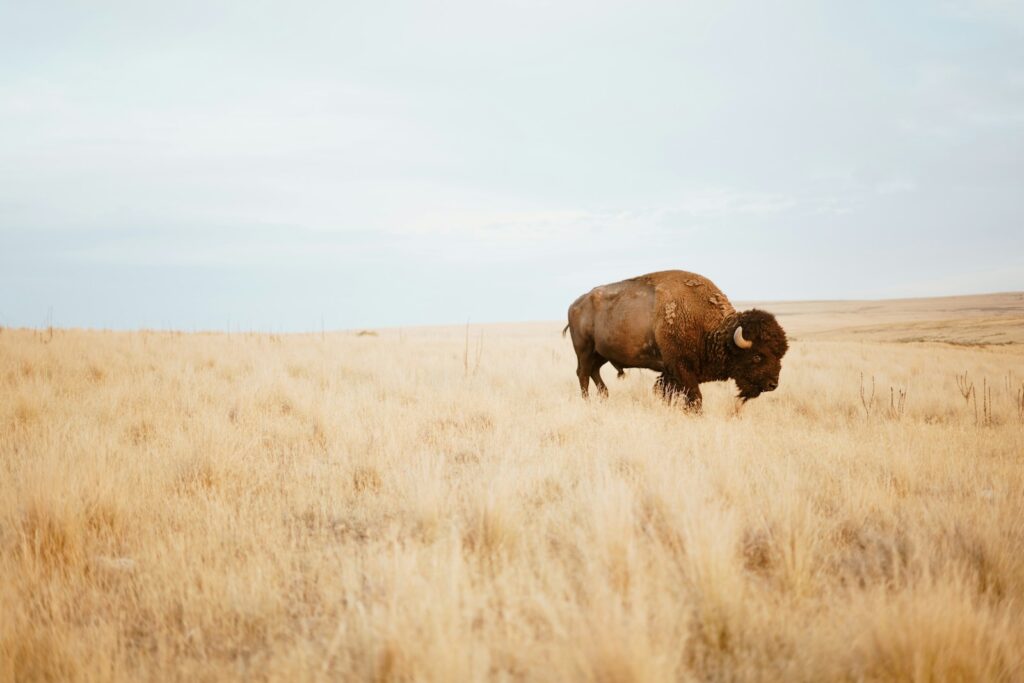
Bison served as a foundational species in the prairie food web, supporting numerous predators, scavengers, and commensals. Wolves, grizzly bears, and Native American hunters preyed upon bison, while scavengers like coyotes, eagles, and ravens fed on carcasses. Even seemingly unrelated species benefited from bison presence—birds like cowbirds followed bison herds to catch insects stirred up by their hooves, while prairie dogs established colonies in areas where bison grazing had shortened the grass, improving their ability to spot predators. The protein-rich meat of bison sustained Native American tribes throughout the region, with an estimated 30 different tribal nations depending on bison for food, tools, clothing, and spiritual practices. When bison were nearly exterminated in the late 1800s, this entire ecological network collapsed, demonstrating the animal’s keystone role in the ecosystem.
Decline and Ecological Consequences
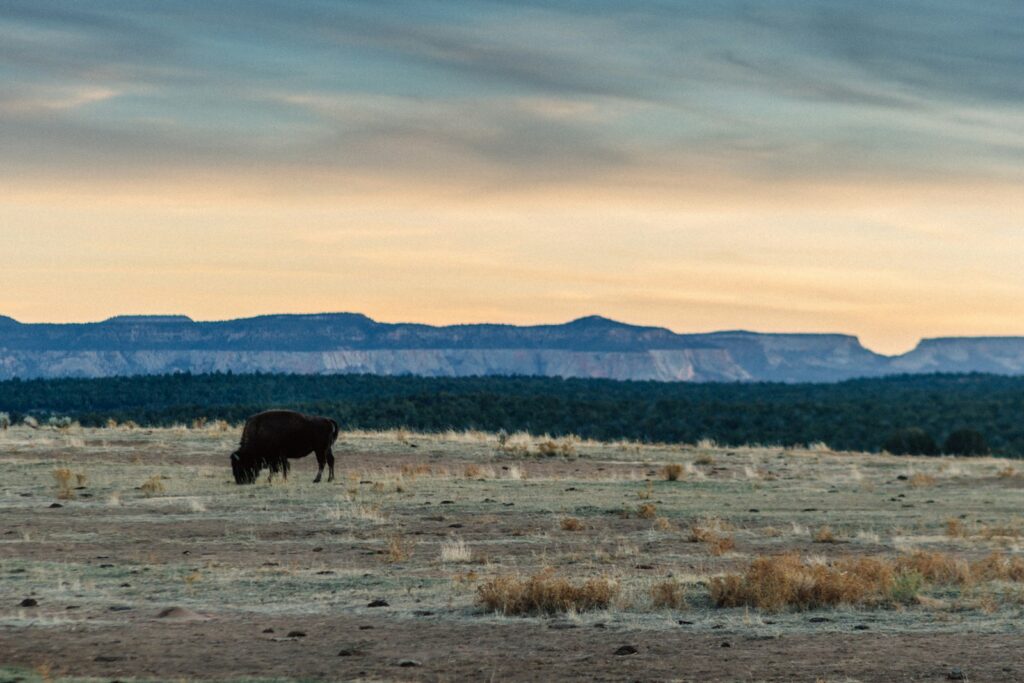
The systematic slaughter of American bison during the 19th century represents one of history’s most dramatic examples of species collapse, with populations plummeting from tens of millions to fewer than 1,000 individuals by 1890. This catastrophic decline wasn’t merely the loss of a single species—it triggered cascading ecological effects throughout the Great Plains ecosystem. Without bison grazing, prairie vegetation became more uniform in height and composition, reducing habitat diversity for wildlife. The absence of wallowing created fewer microhabitats for specialized plant and animal communities. Prairie streams and rivers experienced changes in channel morphology and water quality without the influence of bison crossings and bank disturbance. Perhaps most significantly, the great nutrient cycling engine of millions of grazing bison came to a halt, fundamentally altering soil fertility patterns across the landscape.
Relationship with Native American Cultures
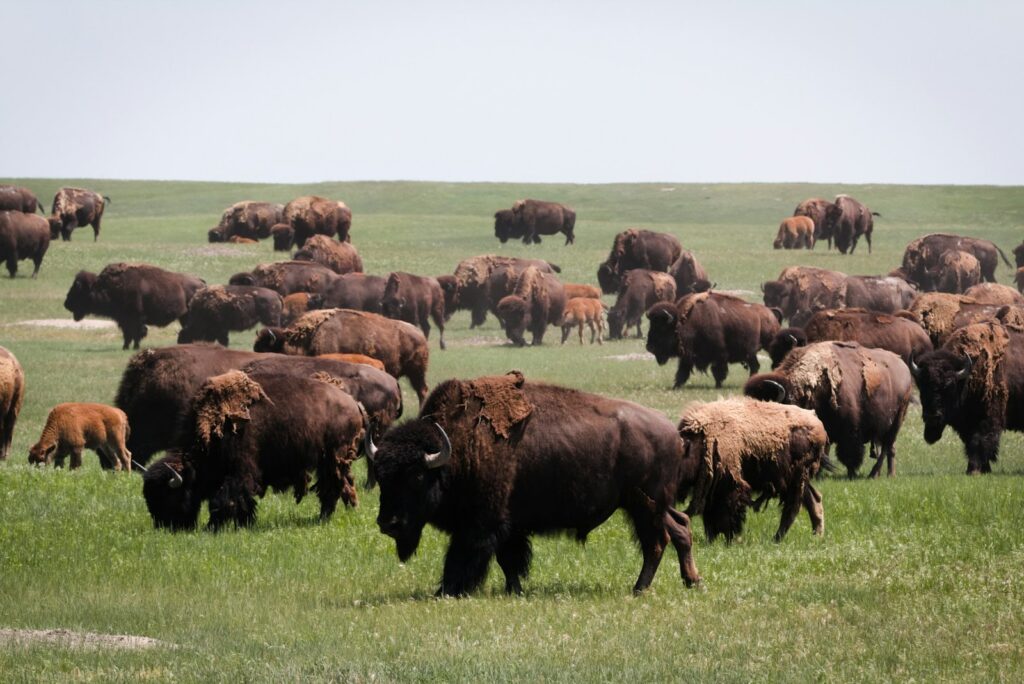
The ecological impact of bison cannot be separated from their profound cultural significance to the Indigenous peoples of the Great Plains. For tribes like the Lakota, Blackfeet, Comanche, and many others, bison were the center of material and spiritual life, providing food, shelter, tools, and ceremonial objects. Native Americans actively managed bison populations and prairie habitats through controlled burning, which created prime grazing conditions that attracted herds. These traditional ecological knowledge systems recognized the intimate connections between fire, grazing, and prairie health centuries before Western science documented these relationships. The deliberate destruction of bison herds by European settlers in the 1800s was not only an ecological catastrophe but also a devastating blow to Native cultures and economies. Today, many tribal nations are at the forefront of bison restoration efforts, reconnecting cultural practices with ecological restoration.
Modern Conservation and Reintroduction
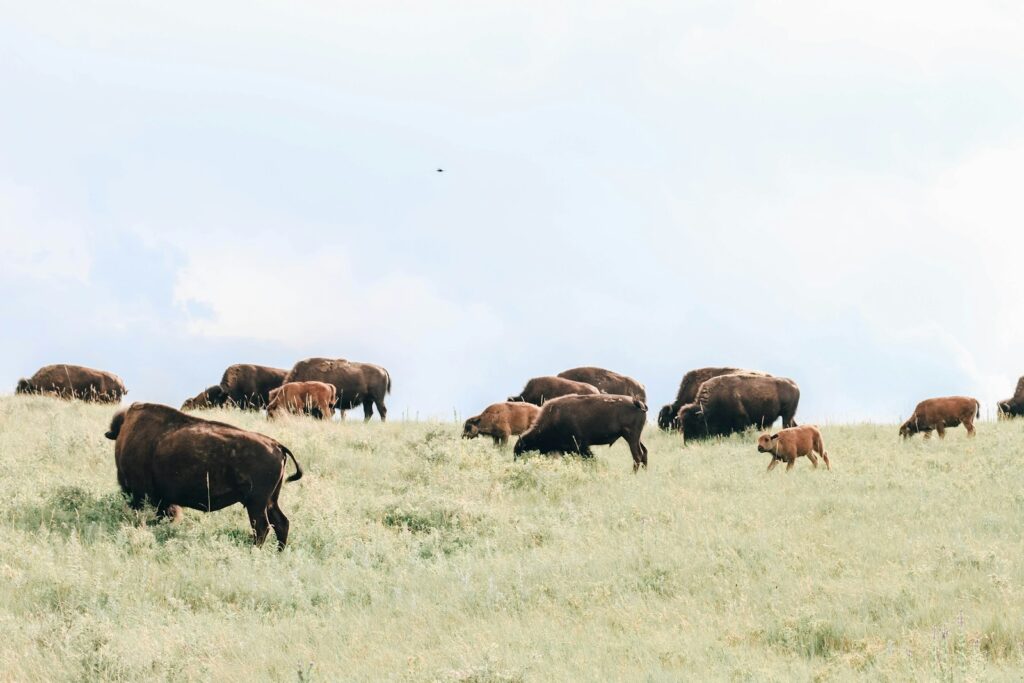
Bison conservation represents one of America’s earliest wildlife recovery successes, though restoration remains far from complete. From a low point of fewer than 1,000 animals in the late 1800s, conservation efforts have increased the North American population to approximately 500,000 bison today, though only about 20,000 are in conservation herds managed primarily for ecological purposes rather than meat production. Organizations like the American Prairie Reserve in Montana, The Nature Conservancy, and the InterTribal Buffalo Council are working to restore bison to significant portions of their former range. These reintroduction efforts face numerous challenges, including limited habitat availability, genetic concerns from past bottlenecks, disease management issues like brucellosis, and social conflicts with agricultural interests. Despite these obstacles, each new conservation herd offers opportunities to restore not just the animals themselves but their ecological functions within the prairie ecosystem.
Ecological Restoration Through Bison Reintroduction
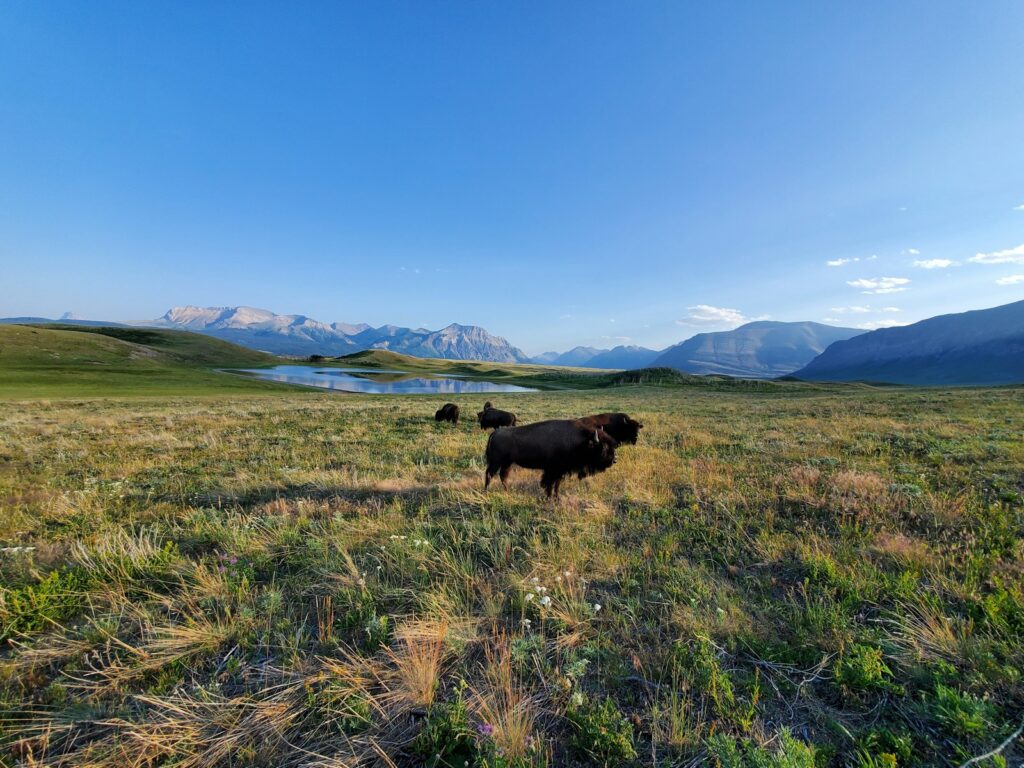
The reintroduction of bison to prairie landscapes offers a powerful tool for ecological restoration beyond simply recovering the species itself. Research from sites where bison have been reestablished, such as Konza Prairie in Kansas and the American Prairie Reserve in Montana, demonstrates measurable changes in vegetation structure, plant diversity, soil characteristics, and wildlife communities following their return. Plant diversity typically increases by 20-30% within a decade of bison reintroduction compared to similar sites without bison. Bird communities shift to include more grassland specialists that depend on the vegetation mosaic created by bison grazing. Researchers have documented improvements in soil carbon sequestration in bison-grazed areas, suggesting potential climate benefits from restoration. These ecological improvements happen relatively quickly—within 5-15 years of reintroduction—demonstrating the powerful influence these animals continue to exert on their environment.
Scientific Research and New Discoveries
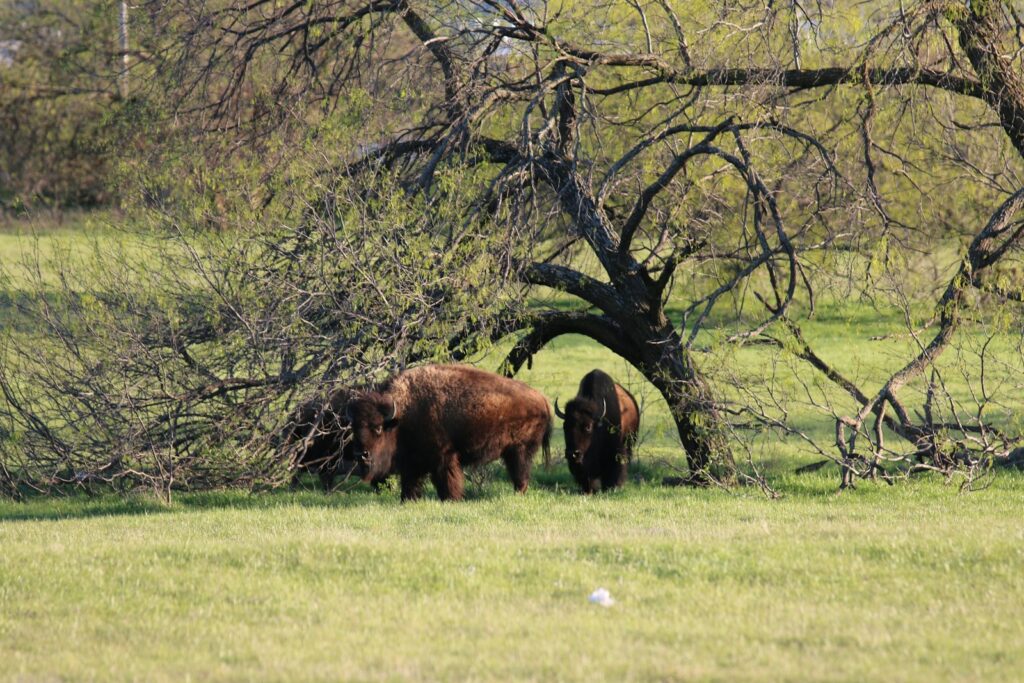
Modern scientific research continues to reveal new dimensions of the bison-prairie relationship, often confirming traditional ecological knowledge held by Native American communities. Recent studies using GPS collars have mapped bison movement patterns across landscapes, showing how their grazing decisions respond to fire history, plant nutrition, and seasonal changes. Soil microbiome research has identified distinctive microbial communities associated with bison presence that may influence plant growth and ecosystem functions in ways previously unrecognized. Genetic studies are helping conservationists maintain diversity in small, isolated bison herds through careful breeding programs and occasional translocations between populations. Climate change research suggests that bison may help prairie ecosystems become more resilient to drought and extreme weather events through their effects on vegetation structure and soil health. These scientific insights inform conservation strategies while deepening our appreciation for the ecological complexity of the bison-prairie relationship.
Challenges and Future Prospects
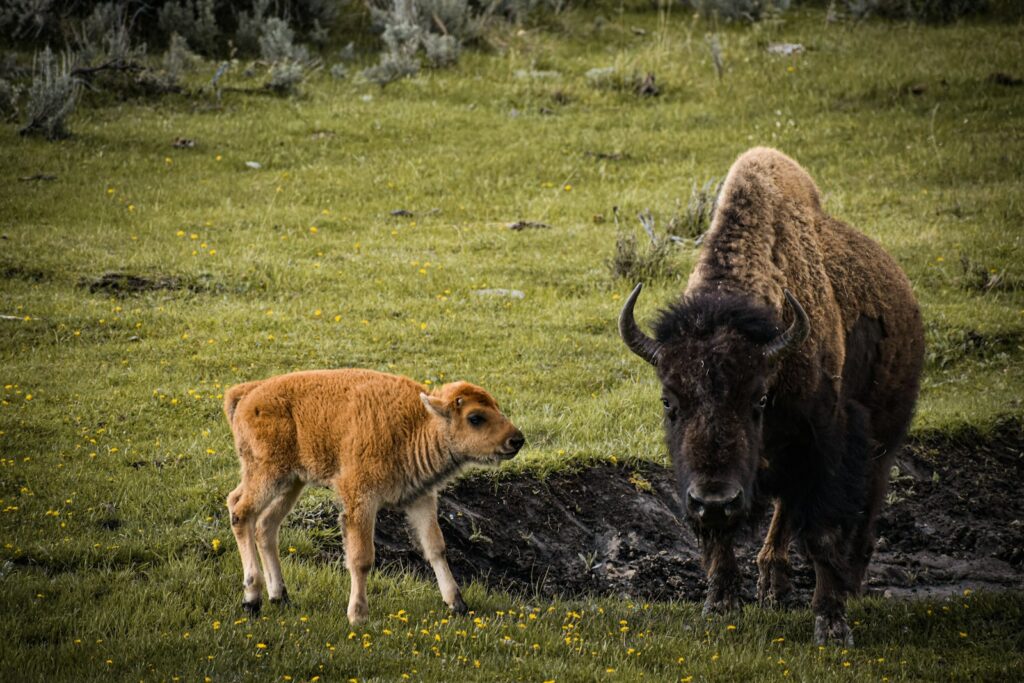
Despite conservation successes, significant challenges remain in restoring bison to meaningful ecological roles across the Great Plains. Most conservation herds occupy relatively small areas compared to the vast landscapes bison once roamed, limiting their ability to express natural behaviors like long-distance migration. Genetic concerns persist, with many herds showing evidence of historic cattle hybridization that may affect their adaptations to prairie environments. Disease management, particularly for brucellosis in herds near Yellowstone, creates political and management complications. Perhaps most significantly, competing land uses—primarily agriculture and development—limit opportunities for large-scale bison restoration across much of their former range. Nevertheless, innovative approaches like the American Prairie Reserve’s model of connecting public and private lands offer templates for future expansion. With continued research, collaboration with ranching communities, and partnerships with Native American tribes, the ecological influence of bison may yet be restored to significant portions of the Great Plains.
Conclusion
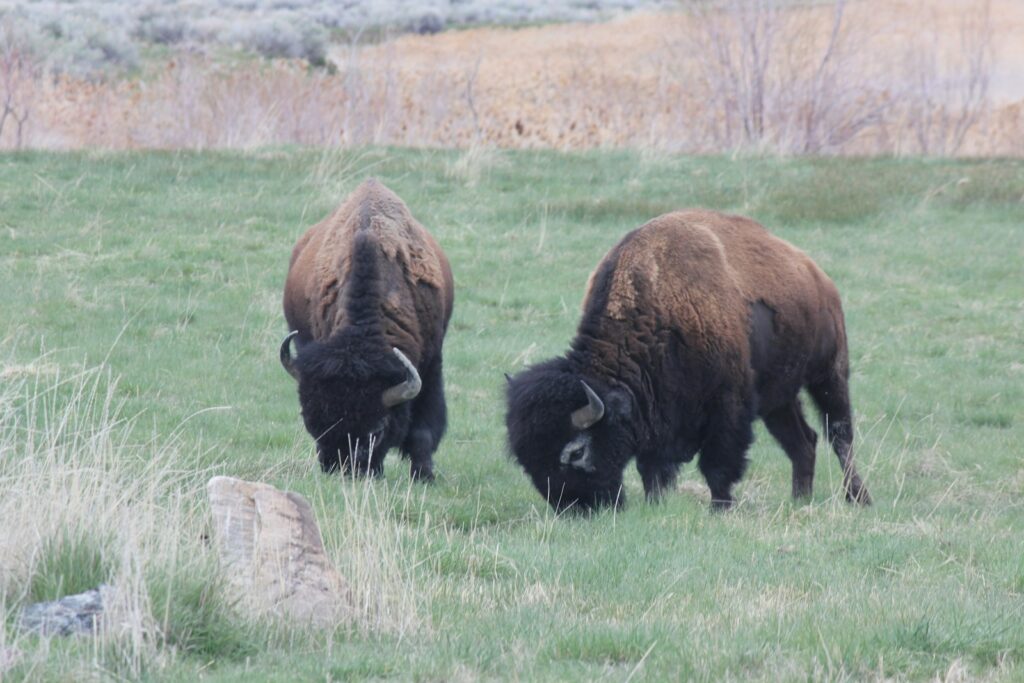
The story of American bison and the Great Plains ecosystem represents one of nature’s most remarkable examples of how a single species can shape an entire landscape. From their grazing patterns that promoted plant diversity to their wallowing behavior that created microhabitats, from their role in nutrient cycling to their interactions with fire regimes, bison functioned as true ecosystem engineers. Their near-extinction in the 19th century triggered cascading ecological changes throughout the prairie ecosystem, many of which we are still working to understand and address today. Modern conservation efforts, guided by both scientific research and traditional ecological knowledge, offer hope that bison can once again fulfill their keystone role in portions of their historic range. As these magnificent animals return to the landscape, they bring with them the potential to restore not just their physical presence but the dynamic ecological processes that maintained the Great Plains for thousands of years. In the relationship between bison and prairie, we find a powerful reminder of the complex interconnections that sustain healthy ecosystems.