

Wildfires, often perceived as purely destructive forces, actually play a complex and sometimes beneficial role in many ecosystems. While the immediate aftermath of a fire presents a stark, charred landscape that appears devoid of life, nature has evolved remarkable mechanisms for not just recovery, but rejuvenation. Some species don’t merely survive wildfires—they actively thrive in their wake, having developed specialized adaptations over millions of years. These fire-adapted organisms capitalize on the changed conditions, reduced competition, and nutrient-rich soil that follows a burn. From plants with fire-activated seeds to animals that exploit newly opened habitats, the post-fire environment represents not an ending but a beginning—a reset button that triggers new cycles of growth and opportunity. This article explores the fascinating strategies and adaptations that allow certain species to flourish in what might seem like the most inhospitable of circumstances.
Fire as an Ecological Reset Button
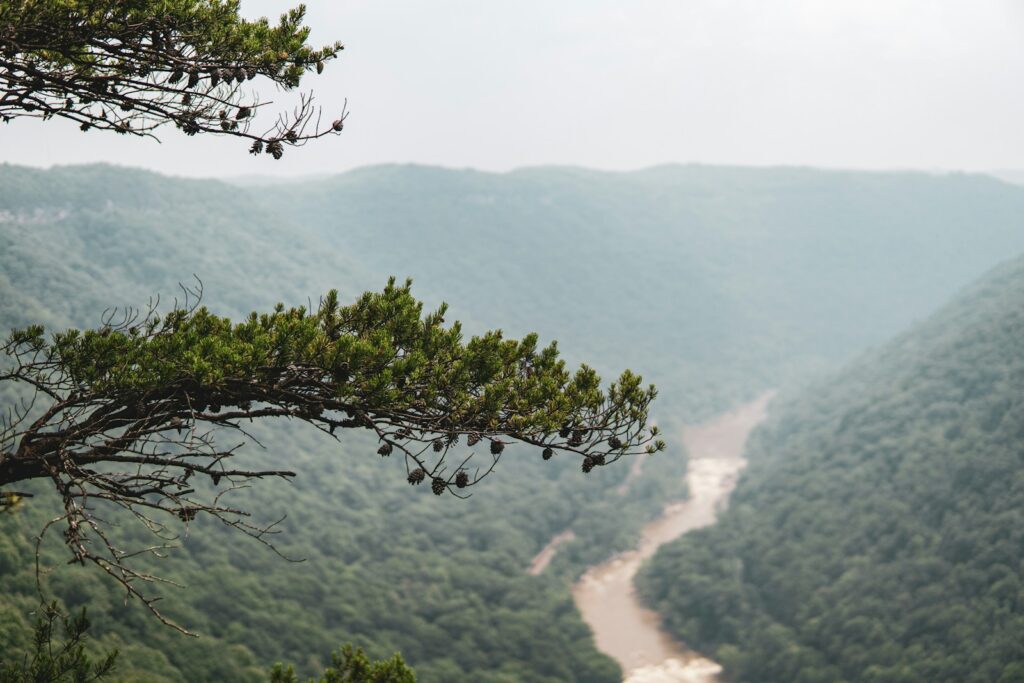
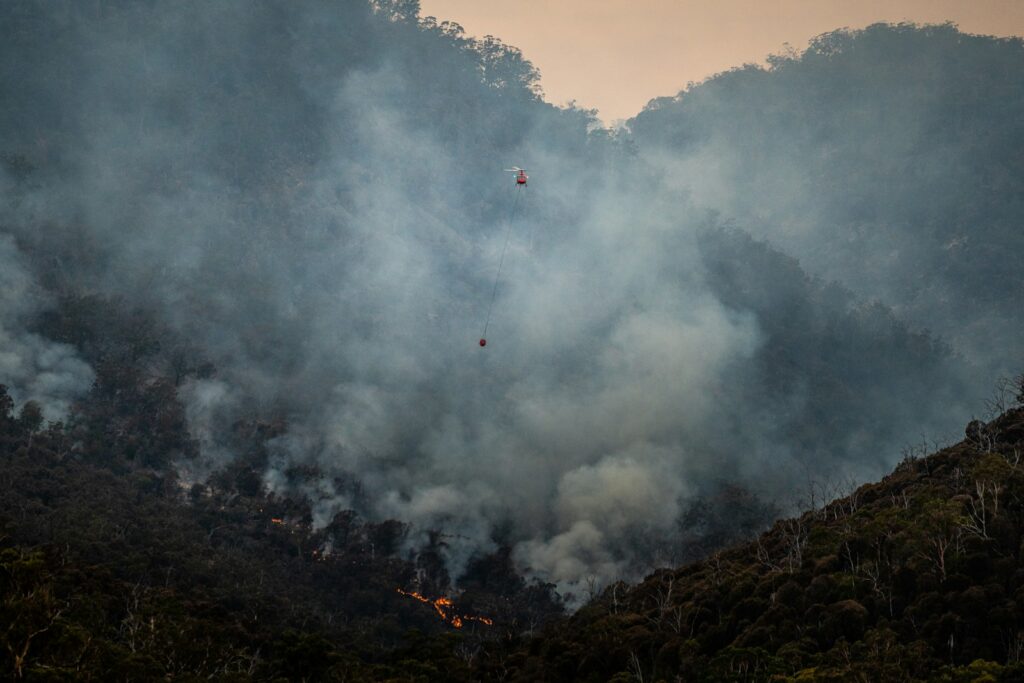
Wildfires serve as natural reset mechanisms in many ecosystems, clearing away accumulated debris, dead vegetation, and competing plants. This ecological cleansing creates open space and releases nutrients back into the soil, effectively pressing a reset button on the landscape. For fire-adapted species, this reset isn’t a catastrophe but an opportunity—a chance to thrive without competition in nutrient-rich conditions. In many forests and grasslands across the world, periodic fires are not just natural but necessary for maintaining overall ecosystem health and biodiversity. The removal of dense undergrowth also reduces fuel loads, potentially making future fires less severe and creating a mosaic of habitats at different stages of recovery that can support a wider range of species.
Serotinous Cones: Nature’s Fire-Activated Seed Dispensers
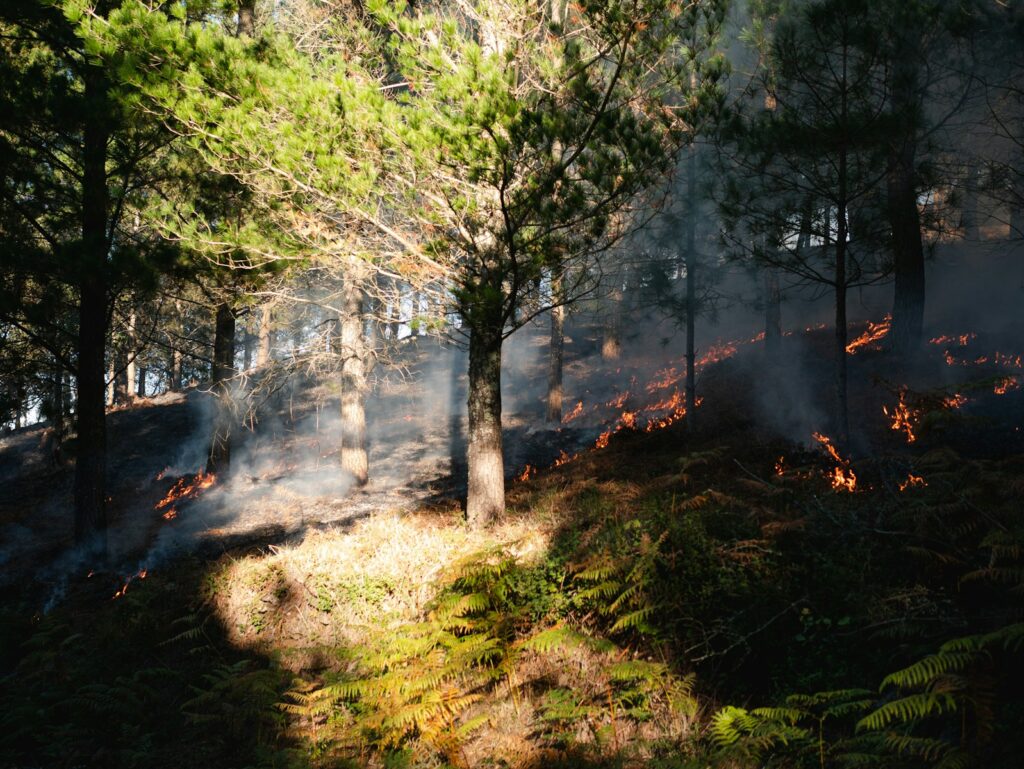
Perhaps one of the most remarkable adaptations to fire belongs to certain conifer species, including lodgepole pines, jack pines, and some species of banksia, which produce serotinous cones. These specialized cones remain sealed with a resin that only melts at high temperatures typically reached during a wildfire. When the heat of a fire passes through the forest, these cones open, releasing seeds precisely when competition has been eliminated and the soil has been enriched with ash. This perfectly timed dispersal gives these species a significant advantage in colonizing the newly cleared area. Some lodgepole pine forests are almost entirely dependent on periodic fires, with trees holding onto their sealed cones for years or even decades, waiting for the next fire to trigger a mass release of seeds and a new generation of trees.
Underground Survival Strategies

Many plants have evolved underground structures that allow them to survive above-ground destruction during wildfires. Bulbs, rhizomes, and root crowns remain protected beneath the soil where temperatures during a fire typically don’t reach lethal levels. After a fire passes, these underground survivors quickly send up new growth, taking advantage of the suddenly available sunlight and nutrients before competing vegetation can establish itself. In Australian eucalyptus forests, trees have developed specialized structures called lignotubers—woody swellings at the base of the stem that contain numerous dormant buds and nutrient reserves. When fire destroys the above-ground portions of the tree, these lignotubers rapidly produce new shoots, sometimes within days of the fire’s passage. This gives eucalyptus a significant head start in the post-fire environment, allowing them to dominate many fire-prone Australian landscapes.
Fire-Stimulated Germination
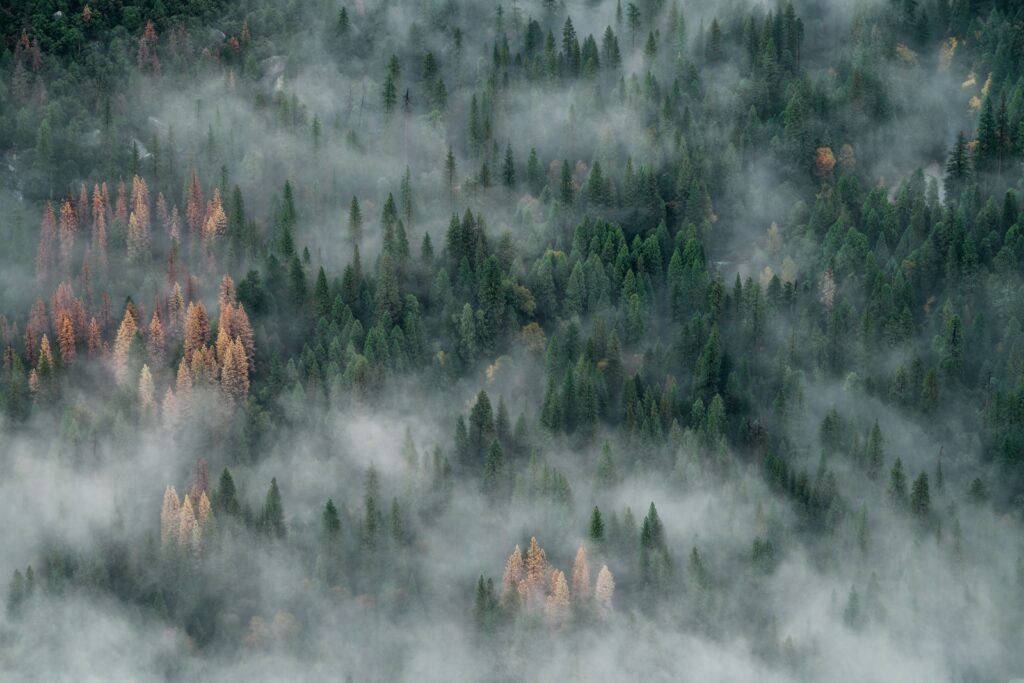
A fascinating adaptation found in many plant species is the requirement for fire to trigger seed germination. Seeds of these plants remain dormant in the soil for years, sometimes decades, until specific fire-related cues activate them. Some seeds respond to chemicals in smoke, others to the intense heat, and some require both stimuli. The seeds of manzanita, ceanothus, and many species in the South African fynbos require such fire-related triggers to break dormancy. This adaptation ensures that germination occurs precisely when conditions are optimal—when competing vegetation has been removed, sunlight reaches the ground, and nutrients have been released into the soil. Research has identified specific chemicals in smoke, such as karrikinolide, that can stimulate germination in these fire-adapted species, even in laboratory conditions without actual fire exposure.
Thick Bark as Fire Protection
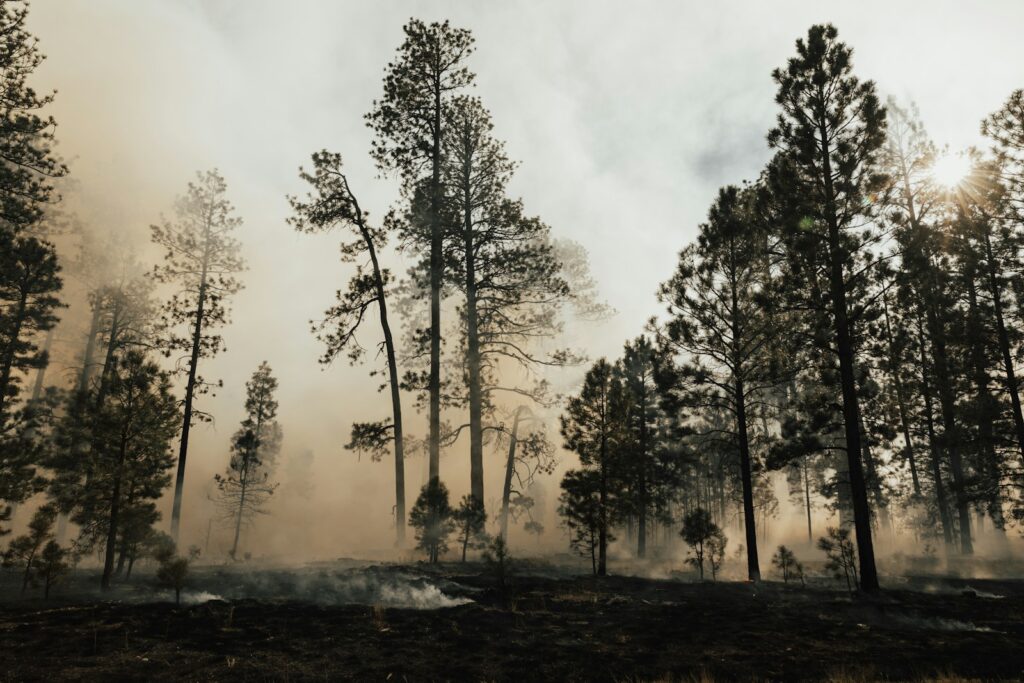
Many tree species that thrive in fire-prone environments have evolved extraordinarily thick, insulating bark that protects their vital cambium layer from heat damage. Ponderosa pines, giant sequoias, and coast redwoods all possess bark that can be several inches thick, acting as a protective shield during wildfires. This insulation allows these trees to survive fires that would kill thin-barked species, giving them a competitive advantage in fire-frequent ecosystems. As these trees mature, they often shed their lower branches, creating a higher canopy that remains above the reach of ground fires. Giant sequoias not only survive fires but actually depend on them to clear the forest floor for their seeds to germinate, combining thick protective bark with a requirement for fire to propagate successfully.
Post-Fire Flowering Spectacles
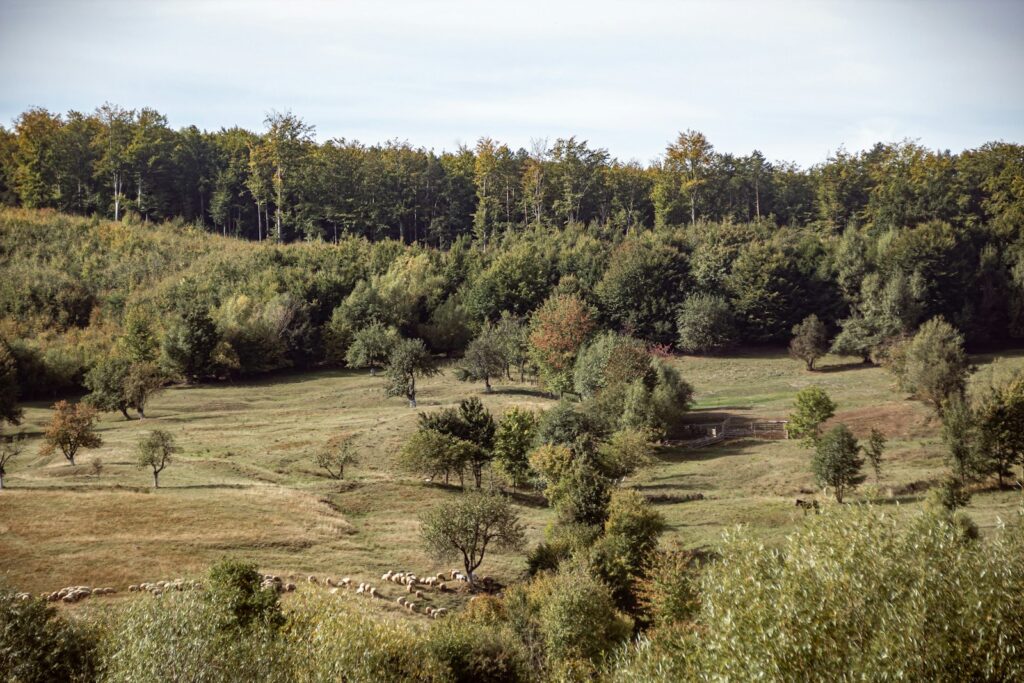
Some plant species put on spectacular flowering displays following wildfires, a phenomenon sometimes called “fire following.” Plants like fire poppies (Papaver californicum) and fire lilies (Cyrtanthus species) may remain dormant for years or even decades between fires, then emerge in stunning abundance after a burn. This strategy allows these species to concentrate their reproductive efforts when conditions are optimal, with reduced competition and maximum nutrient availability. In South Africa’s fynbos ecosystem, post-fire flowering events create breathtaking displays of color across landscapes that appeared completely devastated just weeks before. These mass flowering events not only ensure successful reproduction for the plants but also provide critical resources for pollinators that have co-evolved with these fire-dependent flowering cycles.
Wildlife Opportunities in Burned Landscapes
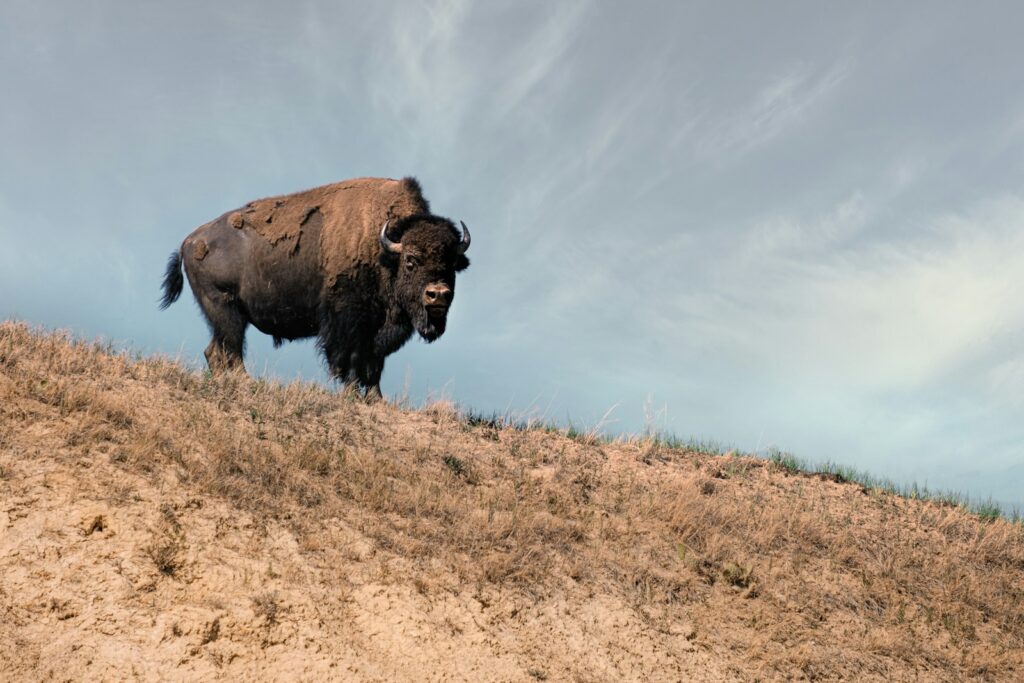
Many animal species find new opportunities in recently burned areas, taking advantage of the changed conditions. Certain woodpeckers, like the black-backed woodpecker, specifically seek out burned forests where they feast on wood-boring beetle larvae that invade fire-killed trees. These birds are so specialized for post-fire habitats that they’re sometimes called “fire birds” and can detect freshly burned areas from considerable distances. Deer and elk often graze in burned areas where nutritious new growth emerges, providing higher-quality forage than was available before the fire. Small mammals like pocket gophers may increase in abundance after fires, benefiting from the flush of herbaceous growth and reduced predation risk in the temporarily simplified habitat. Even some bat species preferentially forage in recently burned areas, taking advantage of the reduced vegetation complexity that makes insect prey easier to detect and capture.
Pyrophilous Insects: The Fire Lovers
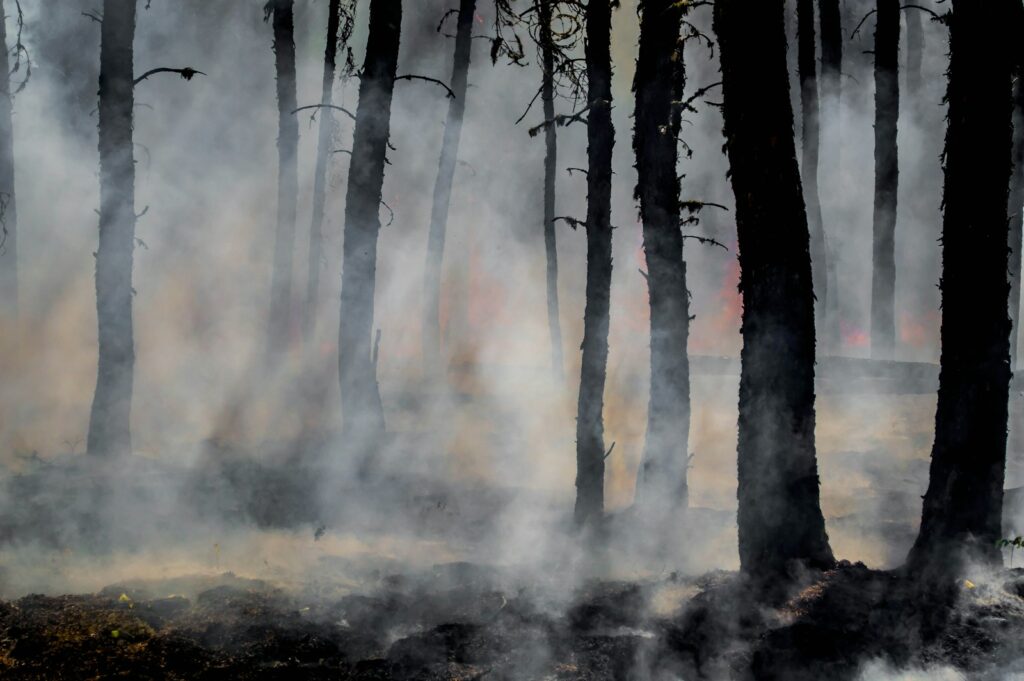
Some of the most remarkable fire adaptations belong to insects that are actually attracted to fires, known as pyrophilous or “fire-loving” insects. Certain beetles in the Buprestidae family have infrared sensors that can detect forest fires from up to 80 miles away, and they fly toward the heat to mate and lay eggs in still-smoldering trees. These beetles benefit from the absence of the tree’s natural defenses, allowing their larvae to feast on the dead wood with minimal competition. The larvae of the fire beetle Melanophila acuminata can only develop in freshly fire-killed trees, making their parents’ attraction to fire essential for their survival. Some pyrophilous fungi also appear exclusively after fires, completing their life cycles in the unique post-fire chemical environment before disappearing until the next burn.
Nutrient Cycling and Soil Enrichment
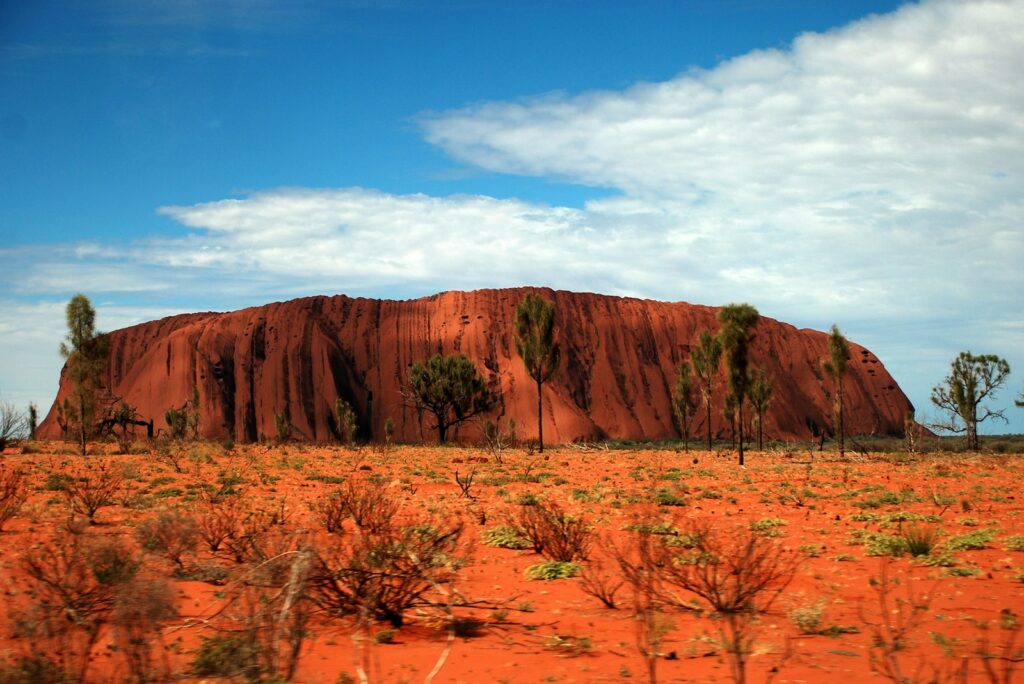
Wildfires play a crucial role in nutrient cycling within ecosystems by rapidly converting plant biomass into mineral-rich ash. This ash contains concentrated amounts of potassium, phosphorus, calcium, and other nutrients that might otherwise remain locked in slowly decomposing plant matter for years. The temporary increase in soil pH after a fire can make certain nutrients more available to plants, creating a fertility pulse that fire-adapted species are positioned to exploit. Studies have shown that the first plants to emerge after a fire often exhibit higher nutrient content in their tissues, benefiting herbivores that feed on this new growth. Additionally, the blackened soil surface following a fire absorbs more solar radiation, warming the soil and potentially extending growing seasons in otherwise cool environments—another advantage for early colonizers.
Fire-Dependent Ecosystems
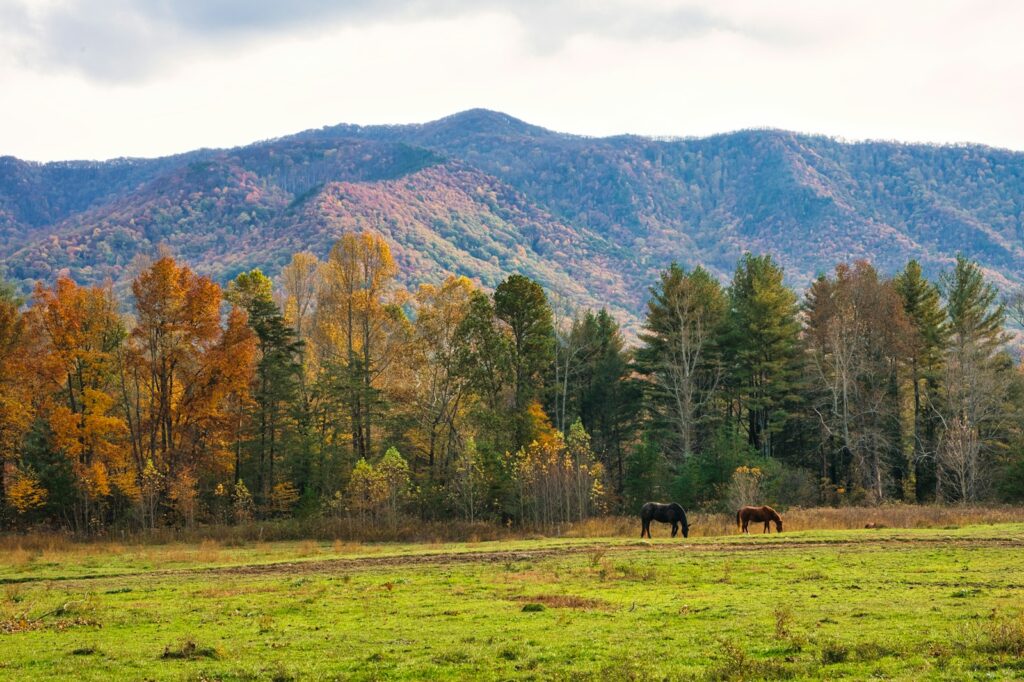
Some ecosystems have become so adapted to regular fire that they now depend on it for their continued existence and biodiversity. The longleaf pine savannas of the southeastern United States historically burned every 2-5 years, maintaining an open, park-like forest structure that supported unique plant and animal communities. Without these frequent fires, these savannas quickly transition to closed forests with dramatically reduced biodiversity. Similarly, tallgrass prairies require periodic burning to prevent encroachment by woody vegetation that would transform these grasslands into forests. In Australia’s mallee ecosystems, a complex fire regime creates a mosaic of differently aged vegetation patches, each supporting different assemblages of species and collectively maintaining higher biodiversity than would exist with either too frequent or too infrequent fires.
Evolutionary History of Fire Adaptations
The remarkable adaptations that allow species to thrive after wildfires didn’t develop overnight—they represent millions of years of evolutionary history. Paleontological evidence suggests that fire has been a significant ecological factor since plants first colonized land, with charcoal in the fossil record dating back over 400 million years. The appearance of abundant charcoal in geological strata corresponds with increases in atmospheric oxygen that would have made wildfires more frequent and intense. Different regions have experienced different fire histories, leading to varying degrees and types of fire adaptation among their flora and fauna. Mediterranean climate regions like California, the Mediterranean Basin, and parts of Australia have particularly rich assemblages of fire-adapted species due to their long histories of seasonal drought and lightning-ignited fires.
Climate Change and Fire Adaptation Challenges
While many species have evolved remarkable adaptations to thrive after wildfires, climate change is altering fire regimes in ways that may challenge even the most fire-adapted organisms. Fires are becoming more frequent, more intense, and are occurring in seasons when ecosystems historically didn’t burn, potentially exceeding the adaptive capacity of many species. Even serotinous cones have limits—if fires return before trees have matured enough to produce a new crop of cones, populations can decline rather than benefit from fire. Similarly, underground storage organs may be depleted if plants must resprout too frequently without sufficient recovery time. Climate change is also facilitating the spread of invasive grasses in many ecosystems, creating more continuous and flammable fuel loads that can transform historically patchy, moderate-intensity fire regimes into more severe and homogeneous burns that exceed the tolerance of native species.
Conservation Implications of Fire-Adapted Species
Understanding fire adaptations has profound implications for conservation and land management practices. For decades, many land management agencies pursued policies of complete fire suppression, not recognizing the ecological importance of periodic burns. This approach has led to fuel accumulation and more severe wildfires while simultaneously threatening fire-dependent species that require regular burns to complete their life cycles. Today, conservation strategies increasingly incorporate prescribed burning and managed natural fires to maintain healthy ecosystems and preserve fire-adapted biodiversity. Fire management must be carefully tailored to specific ecosystems, as different plant communities have evolved with different fire frequencies, intensities, and seasonalities. Conservation efforts also include seed banking of fire-adapted species, habitat restoration using appropriate fire regimes, and protecting critical refugia where species can persist even during larger landscape changes.
Conclusion
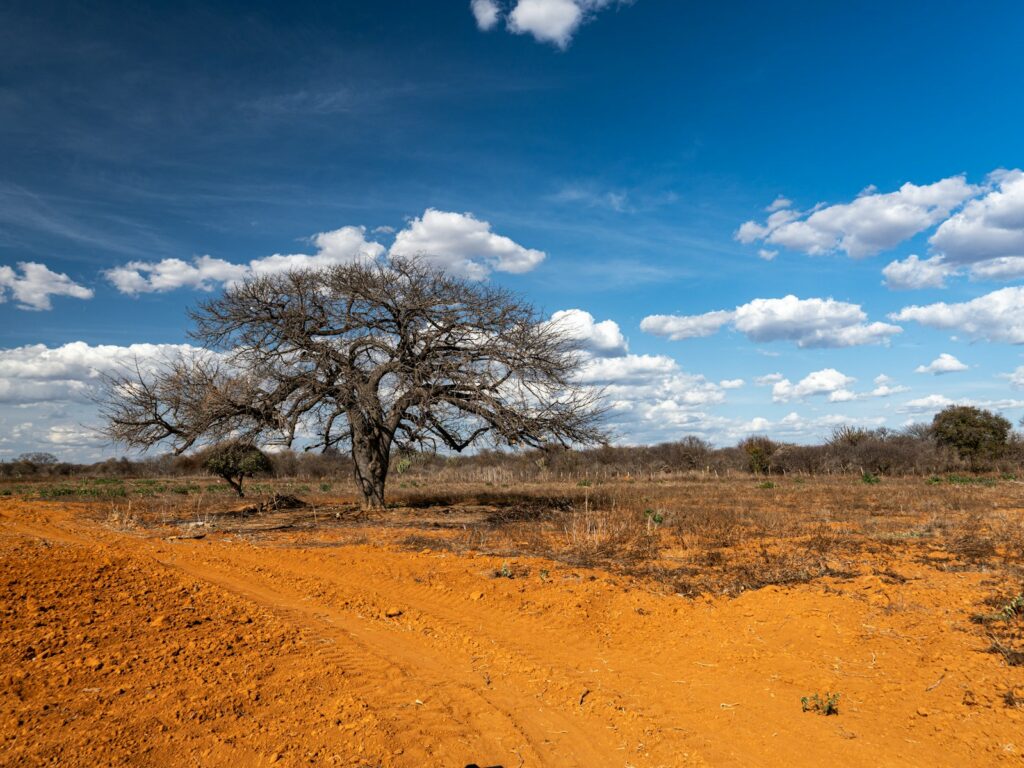
The remarkable ability of certain species to not merely survive but thrive after wildfires demonstrates nature’s resilience and adaptability. From serotinous cones that wait years for fire’s heat to underground structures that quickly resprout to insects with specialized heat sensors, these adaptations represent evolutionary solutions to what might seem like environmental catastrophe. They remind us that what appears destructive from one perspective can be regenerative from another. As climate change alters fire regimes worldwide, understanding these adaptations becomes increasingly important for conservation efforts. By respecting and working with natural fire cycles rather than against them, we can help maintain the delicate balance that supports fire-adapted species and the diverse ecosystems they inhabit. The phoenix-like emergence of life after fire serves as a powerful metaphor for resilience—a reminder that even in apparently devastating circumstances, the seeds of renewal are often already present, waiting for the right conditions to flourish.