
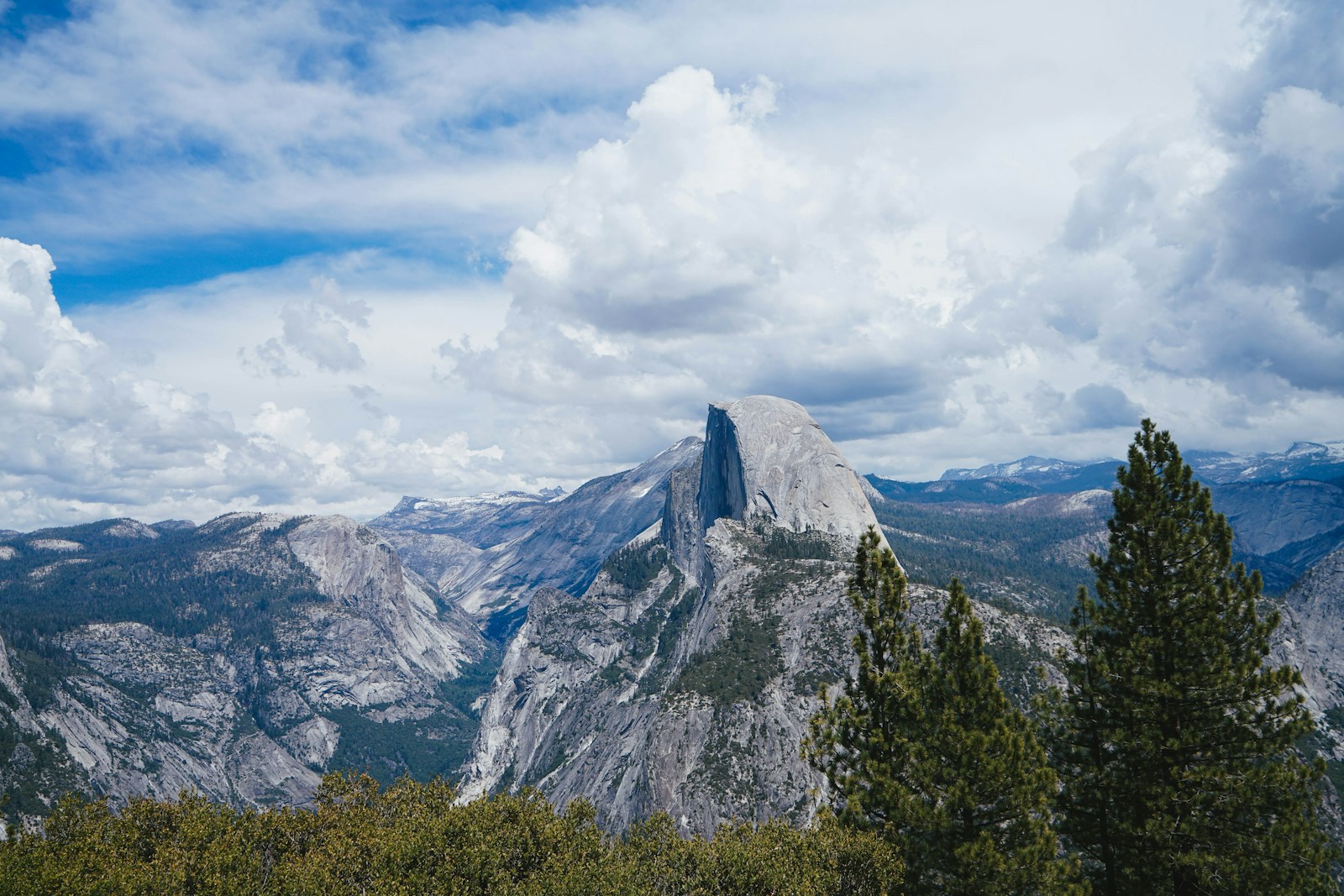
Nature’s artistic talents shine brightest in the spectacular arches, bridges, and formations carved from stone over millennia. These geological wonders stand as testament to the patient power of wind, water, and time, creating structures that inspire awe and wonder in all who behold them. From delicate sandstone spans that seem to defy gravity to massive stone windows framing perfect views of sky and landscape, natural arches represent some of Earth’s most photogenic and captivating features. This guide will take you on a journey to the world’s most remarkable stone sculptures—no human hands required, just the persistent artistry of natural forces working their magic on the canvas of our planet.
Arches National Park, Utah, USA
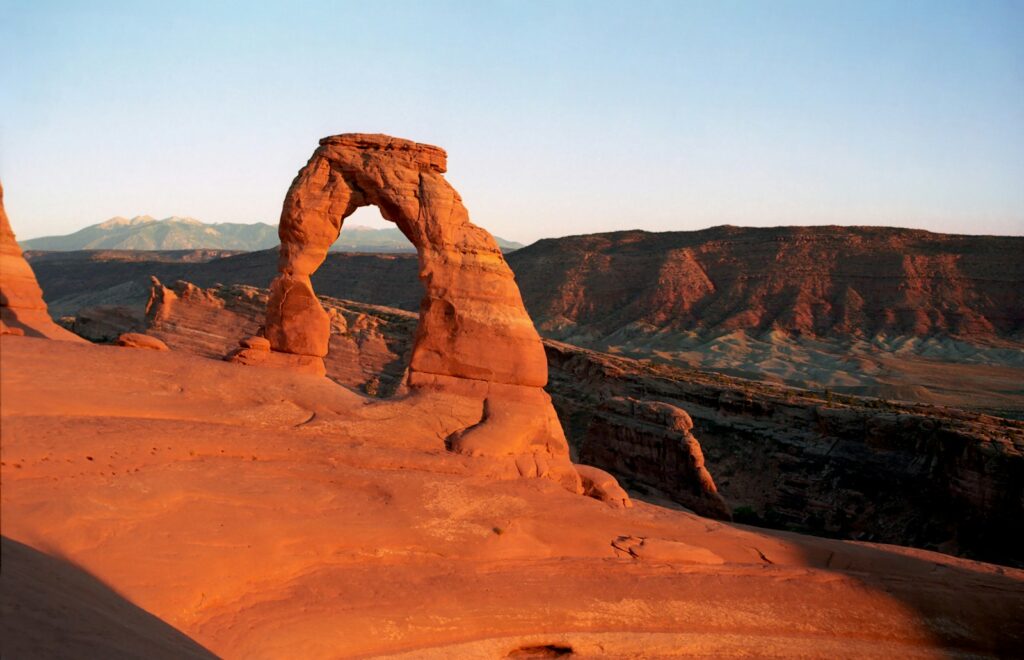
With over 2,000 documented natural stone arches, Arches National Park delivers exactly what its name promises in spectacular fashion. The park’s red rock landscape hosts the world-famous Delicate Arch, a freestanding 65-foot arch that has become an iconic symbol of the American Southwest. Landscape Arch stretches an impressive 306 feet across, making it one of the longest natural stone arches in the world. The park’s unique geology—a combination of salt beds, sandstone layers, and millions of years of erosion—has created perfect conditions for arch formation. Visitors can explore numerous trails ranging from easy walks to challenging hikes, with each path revealing new stone wonders around every bend.
Zhangjiajie National Forest Park, China
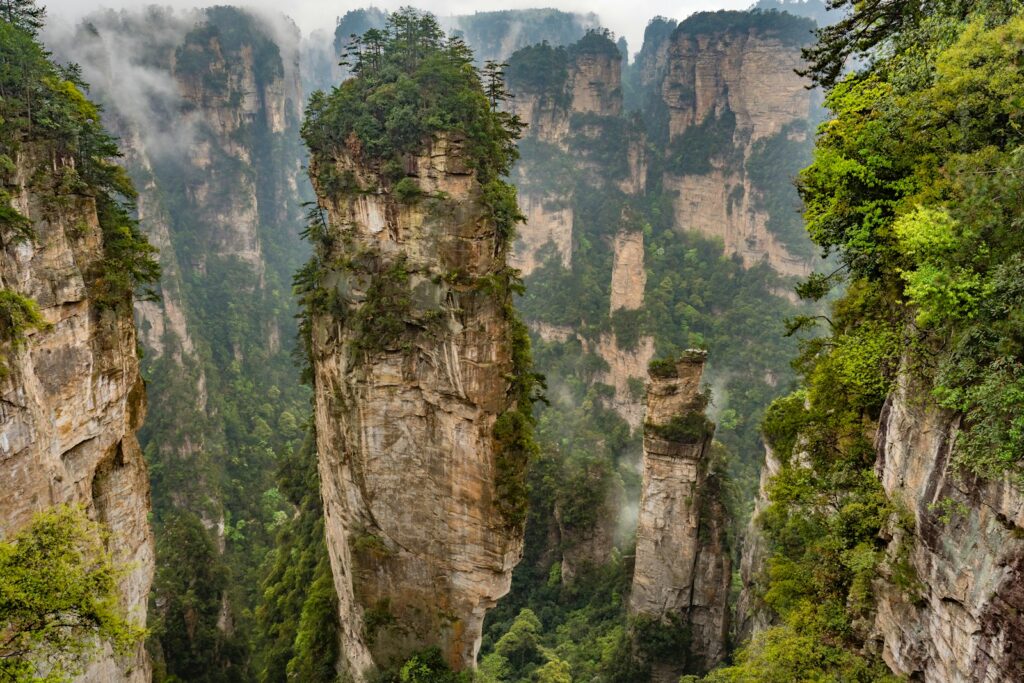
The otherworldly landscape of Zhangjiajie National Forest Park features over 3,000 quartzite sandstone pillars that rise dramatically from the forest floor, some reaching heights of more than 1,000 feet. These remarkable formations inspired the floating mountains in the film “Avatar” and create one of the most visually stunning landscapes on Earth. The Hallelujah Mountains, as they’re sometimes called, were formed through thousands of years of physical weathering where water froze in cracks, expanded, and gradually split the rocks. Visitors can ascend to viewing platforms via the Bailong Elevator, a 1,070-foot glass lift built along the cliff face, offering breathtaking panoramas of the stone forest. The area also features natural bridges, including the famous Natural Bridge of Zhangjiajie, which connects two mountain peaks.
Monument Valley, Arizona/Utah, USA
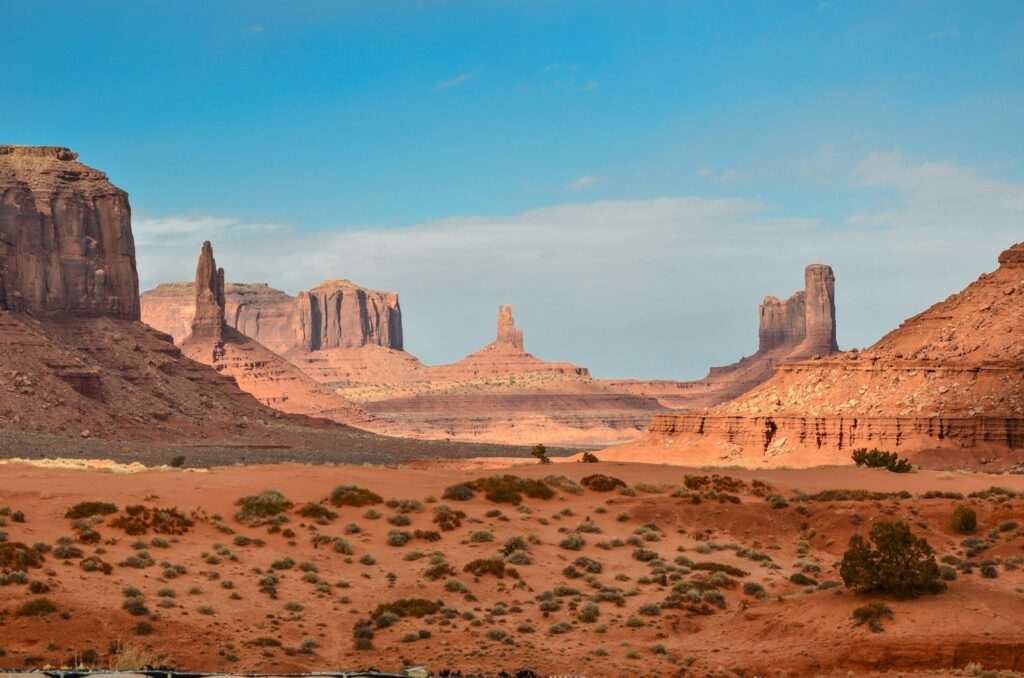
The iconic sandstone buttes of Monument Valley rise from the desert floor like nature’s skyscrapers, creating one of the most recognizable landscapes in America. These massive formations, some reaching 1,000 feet tall, are remnants of sandstone layers that once covered the entire region before being eroded away over millions of years. The Mittens, two buttes that resemble hands with thumbs extended, have become symbols of the American West through countless films and photographs. The Tribal Park is located within the Navajo Nation, and local Navajo guides offer tours that provide not only access to restricted areas but also cultural insights into this sacred landscape. The dramatic interplay of light and shadow throughout the day transforms the color of the monuments from deep rust to brilliant orange to purple at sunset.
Cappadocia, Turkey
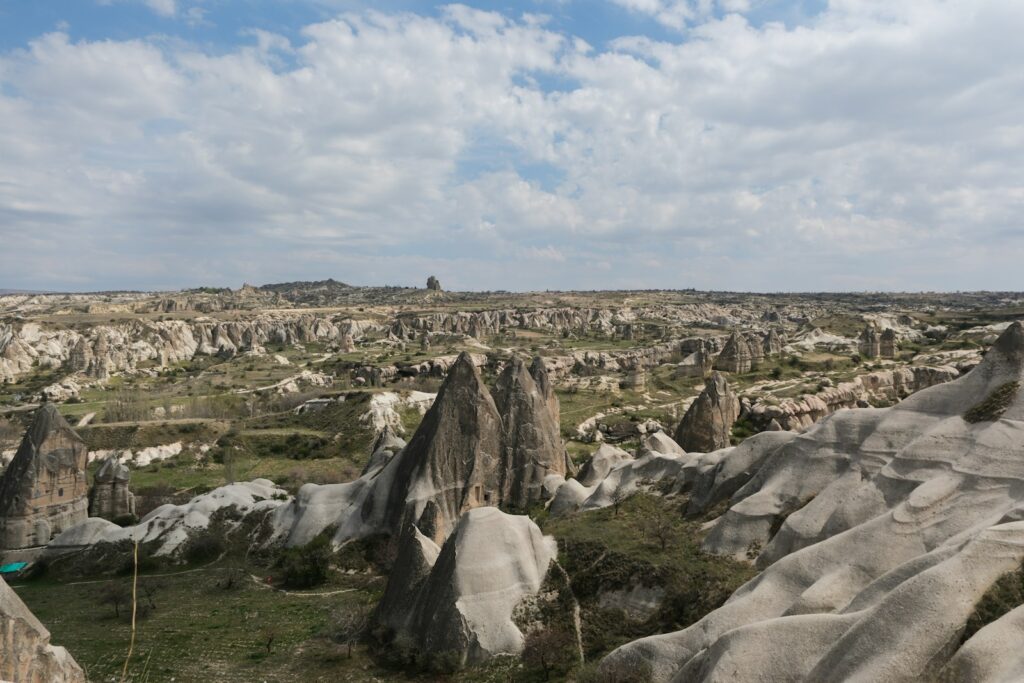
Cappadocia’s fairy chimneys and hoodoos create one of the most surreal landscapes on Earth, where soft volcanic tuff has been carved by erosion into cone-shaped spires topped with harder, more resistant cap rocks. Early Christians carved entire underground cities and churches into these formations, creating a unique fusion of natural and human artistry. The region’s Rose Valley, Red Valley, and Love Valley each offer distinctive formations with varying colors from pink to white to golden, depending on the mineral content of the stone. Viewing the landscape from a hot air balloon at sunrise—a popular tourist activity—reveals the full scope and beauty of these formations spreading across valleys and plateaus. Some of the more notable formations include the Three Beauties (Üç Güzeller) and Paşabağı’s mushroom-shaped fairy chimneys.
The Wave, Arizona, USA
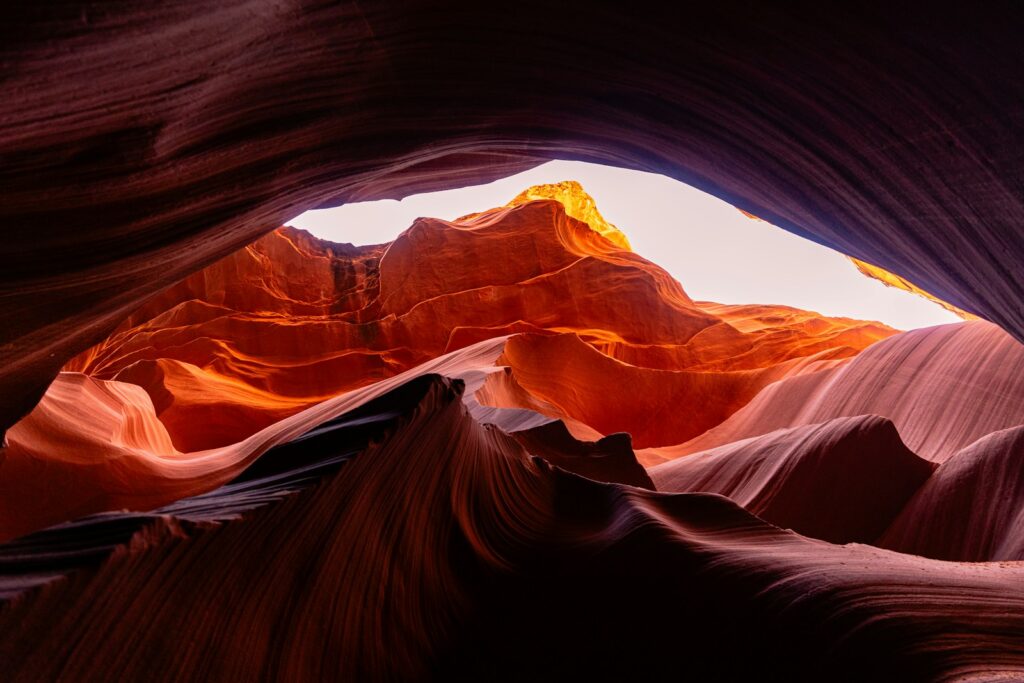
The Wave is perhaps one of the most photographed sandstone formations in the world, featuring smooth, undulating curves of layered Navajo Sandstone that create a wave-like appearance. Located in the Coyote Buttes North area of the Paria Canyon-Vermilion Cliffs Wilderness, this formation displays mesmerizing bands of red, yellow, pink, and white sediments laid down during the Jurassic period. Access to The Wave is strictly limited to protect the fragile environment, with only 64 permits issued daily through a lottery system that sees thousands of applicants. The dramatic curves were formed by a combination of water erosion and wind abrasion over millions of years, sculpting the sandstone into its distinctive flowing pattern. Visitors lucky enough to obtain permits are treated to what feels like walking on the surface of another planet, with swirling patterns that seem to capture motion in stone.
Uluru (Ayers Rock), Australia
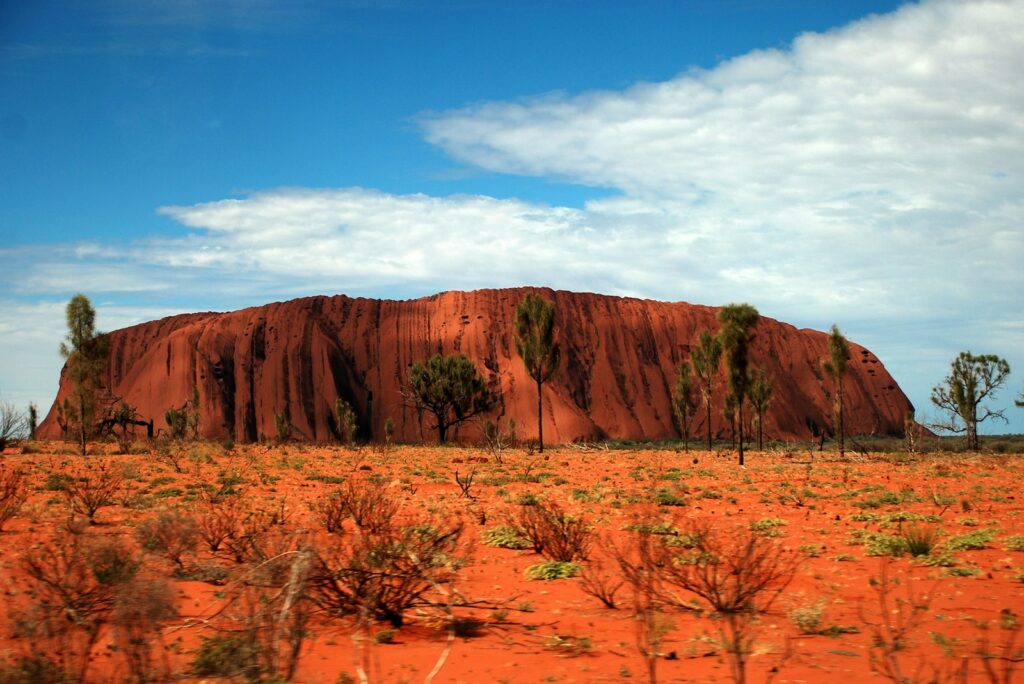
Rising 1,142 feet from the surrounding plains, Uluru stands as one of the world’s most recognizable monoliths and holds profound spiritual significance for Aboriginal Australians. This massive formation isn’t technically an arch, but its curved surfaces, weathering patterns, and remarkable color changes throughout the day make it a must-see geological wonder. Composed of arkose, a type of sandstone, Uluru’s distinctive red color comes from the oxidation of iron-bearing minerals exposed to air and water. Cultural tours led by the traditional Anangu owners reveal the rich mythology and stories associated with different features of the rock, offering insights beyond its geological significance. While climbing Uluru is now prohibited out of respect for its cultural importance, walking the 6-mile base trail allows visitors to appreciate the rock’s many caves, water holes, and ancient rock art.
Bryce Canyon National Park, Utah, USA
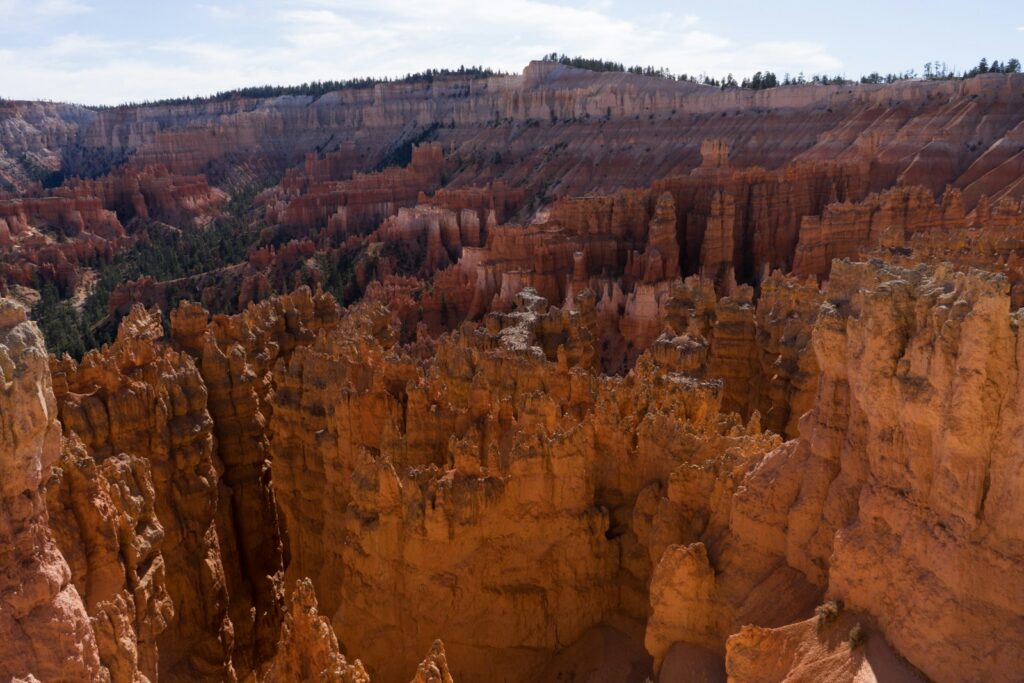
Bryce Canyon National Park showcases the world’s largest collection of hoodoos—irregular columns of rock formed by frost weathering and stream erosion. These spire-shaped formations create an otherworldly landscape often described as a “stone forest,” with thousands of hoodoos arranged in amphitheater-like basins. The distinctive orange, red, and white colors come from different mineral deposits within the limestone, with iron oxides creating reds and pinks while manganese oxides contribute purples and blues. Sunrise and sunset are particularly magical times to visit as the changing light intensifies the colors and creates dramatic shadows among the formations. Hiking trails like the Navajo Loop and Queen’s Garden allow visitors to descend among the hoodoos for a more intimate experience of these geological wonders.
Meteora, Greece
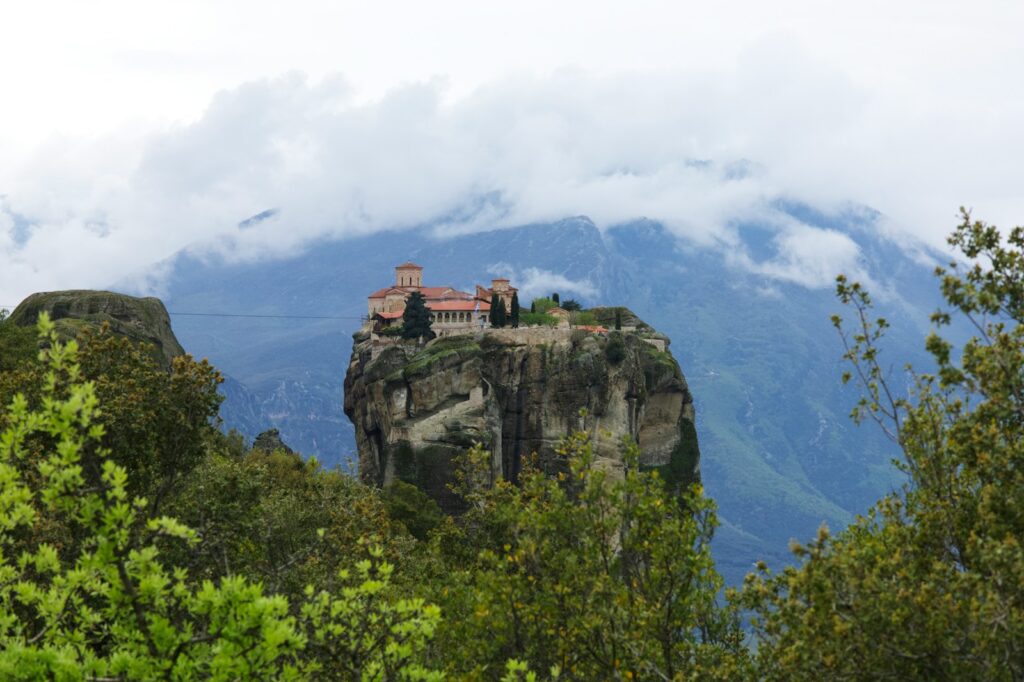
The towering rock pillars of Meteora rise dramatically from the Plain of Thessaly, creating a landscape that seems to bridge earth and sky. These natural sandstone towers reach heights of up to 1,800 feet and are crowned with medieval monasteries built by Eastern Orthodox monks seeking spiritual isolation and protection from political unrest. The name “Meteora” appropriately means “suspended in air,” reflecting how the monasteries appear to float above the landscape. The formations developed approximately 60 million years ago when a series of earth movements pushed the seabed upward, creating a plateau that was later eroded by weathering and water into the pinnacles visible today. Six monasteries remain active and open to visitors, offering not only spectacular views but also glimpses into Byzantine art and Orthodox traditions preserved for centuries atop these natural skyscrapers.
Rainbow Bridge National Monument, Utah, USA
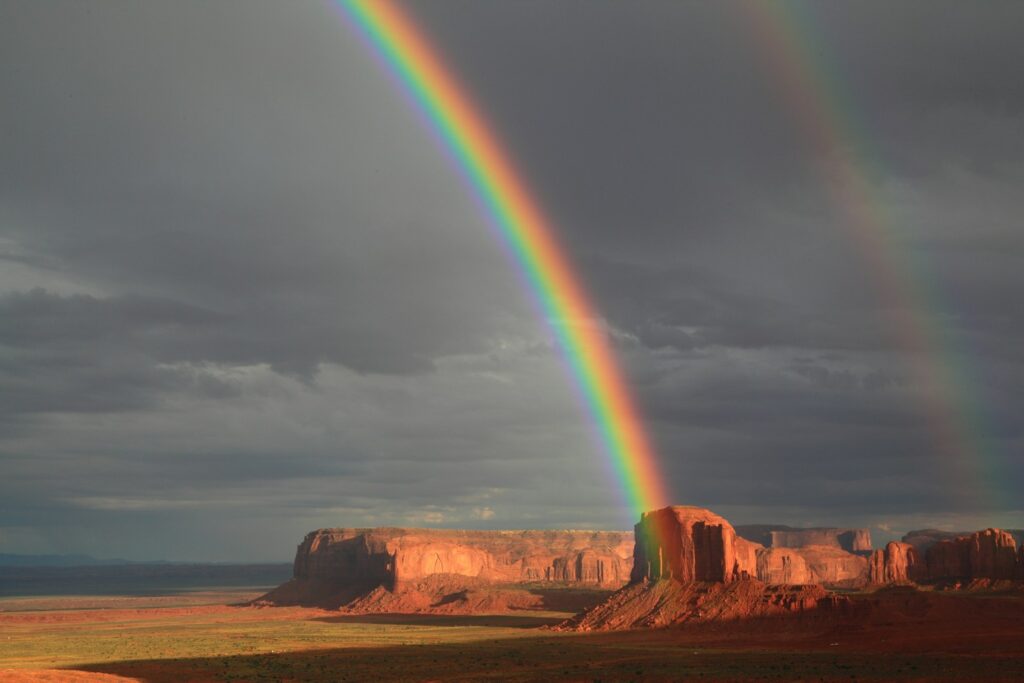
Rainbow Bridge stands as one of the world’s largest known natural bridges, spanning 234 feet and reaching a height of 290 feet—tall enough to fit the Statue of Liberty beneath its graceful arch. This sandstone bridge was formed by water erosion from Bridge Creek, which once meandered in tight curves before eventually cutting through the narrow fin of sandstone to create the bridge. For centuries, Rainbow Bridge has been sacred to Native American tribes including the Navajo, Hopi, and Paiute, who considered it a religious site long before European exploration. Most visitors today reach the monument via boat across Lake Powell followed by a mile-long hike, though traditional land routes covering approximately 16 miles from the nearest road are still used by some adventurous hikers. The bridge’s position in a remote canyon creates perfect lighting conditions for photography in mid-morning or mid-afternoon when the sun illuminates the underside of the arch.
Antelope Canyon, Arizona, USA
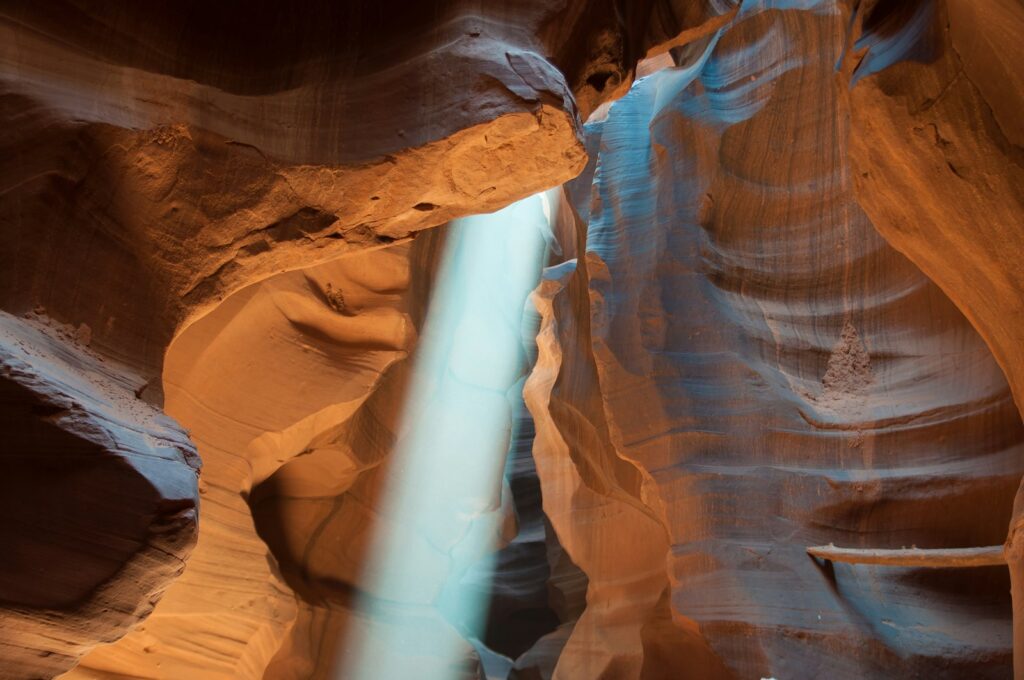
Antelope Canyon’s flowing sandstone walls create one of the most photographed slot canyons in the world, with narrow passageways that display mesmerizing wave-like patterns. Located on Navajo land near Page, Arizona, the canyon is divided into Upper Antelope Canyon (Tsé bighánílíní, meaning “the place where water runs through rocks”) and Lower Antelope Canyon (Hazdistazí, or “spiral rock arches”). These canyons formed through flash flooding and erosion that carved the soft Navajo sandstone into smooth, undulating walls that change color throughout the day as sunlight penetrates from above. The most sought-after sight occurs when sunbeams pierce through openings in the canyon ceiling, creating light shafts that illuminate the dusty air and sandstone floor in brilliant golden light. Access is only permitted through guided tours led by Navajo guides who share not only the best photography spots but also cultural significance and safety information about these beautiful but potentially dangerous narrow passages.
Giant’s Causeway, Northern Ireland
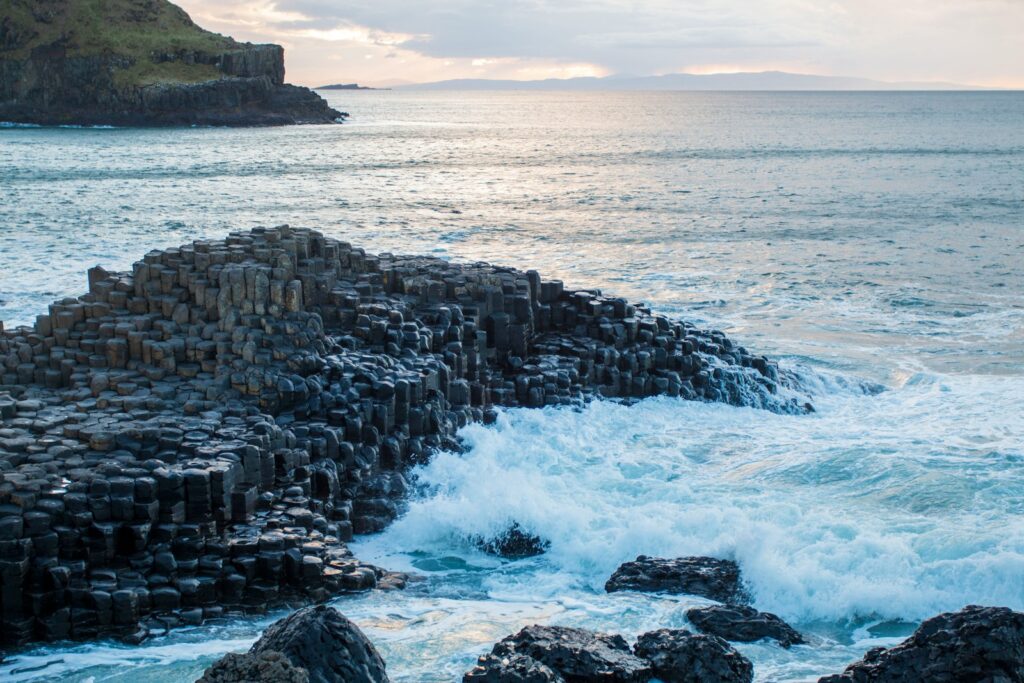
The Giant’s Causeway presents one of the most unusual rock formations in the world: approximately 40,000 interlocking basalt columns, most with six perfectly formed sides, creating what appears to be a massive cobbled road stretching into the sea. These columns formed about 60 million years ago when intense volcanic activity forced molten basalt up through chalk beds, which then cooled and contracted, creating the distinctive hexagonal fracture patterns. Local legend attributes the causeway to the giant Finn McCool, who supposedly built it as a pathway to Scotland to confront his rival Benandonner. The site features several distinct formations with colorful names reflecting their shapes, including the Chimney Stacks, the Giant’s Boot, and the Organ (a collection of columns resembling pipe organs). Visitors can climb and explore the various stepping-stone columns that decrease in height as they disappear into the North Channel between Ireland and Scotland.
Valley of Fire State Park, Nevada, USA
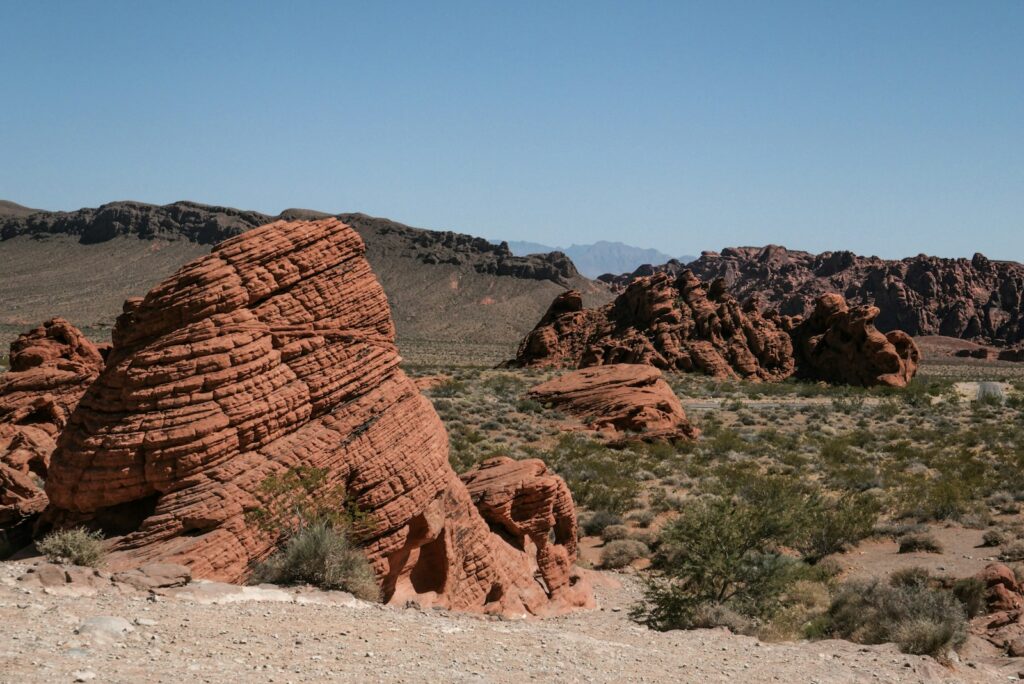
Just an hour from Las Vegas lies the Valley of Fire, where 150-million-year-old Aztec sandstone has eroded into a wonderland of arches, bridges, and sculptural forms that glow brilliantly red in the desert sun. The park’s Arch Rock, Elephant Rock, and Piano Rock showcase nature’s artistic capabilities, with each formation resembling its namesake in surprising detail. Petroglyphs dating back more than 2,000 years adorn many rock faces, left by ancient Puebloan peoples who once inhabited the area. The Valley’s Fire Wave, similar to Arizona’s more famous Wave formation but much more accessible, displays mesmerizing swirls of orange and white sandstone creating a pattern reminiscent of marble cake. Rainbow Vista provides a panoramic view where minerals have stained the rocks in a spectrum of colors from deep purples and blues to vibrant yellows and reds, revealing the area’s complex geological history.
The Twelve Apostles, Australia
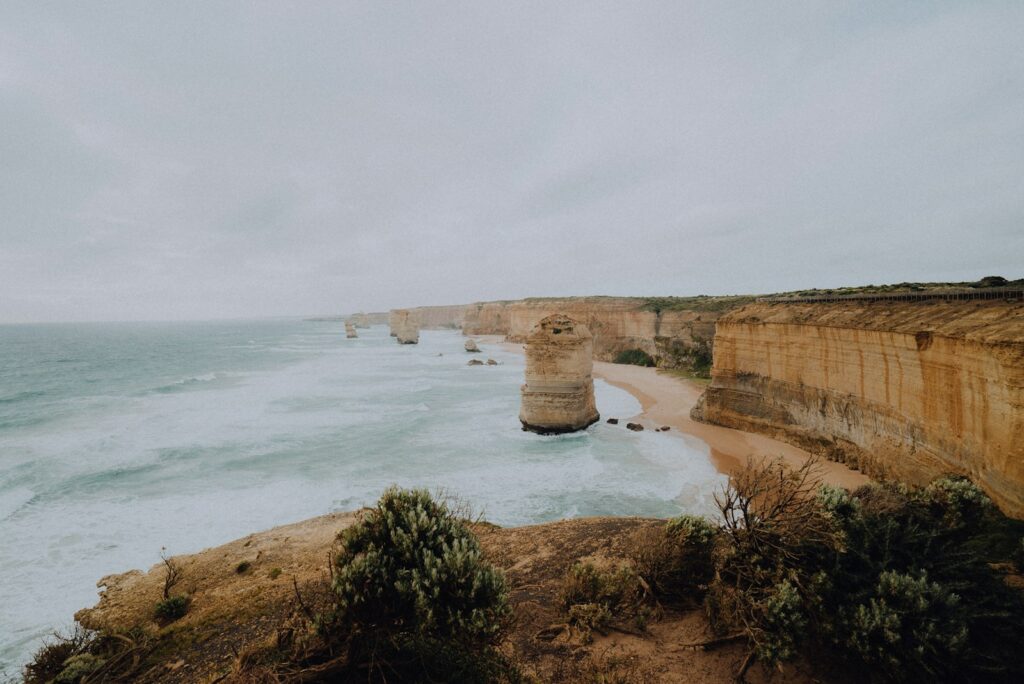
The Twelve Apostles stand as sentinels along Australia’s Great Ocean Road, with massive limestone stacks rising dramatically from the Southern Ocean. Despite their name, there were only ever nine stacks (now eight after one collapsed in 2005), formed through a process where the constant battering of waves gradually eroded the soft limestone cliffs, carving out caves that eventually became arches and finally isolated pillars as their tops collapsed. Each stack rises up to 150 feet from the ocean, creating a striking contrast against the blue water and constantly changing their appearance as light conditions shift throughout the day. The surrounding Port Campbell National Park features other remarkable formations including Loch Ard Gorge, London Bridge (which partially collapsed in 1990, stranding tourists who had to be rescued by helicopter), and the Grotto. Helicopter tours offer a spectacular aerial perspective of these coastal sculptures and the rugged shoreline that continues to be shaped by the relentless Southern Ocean.
Göreme National Park, Turkey
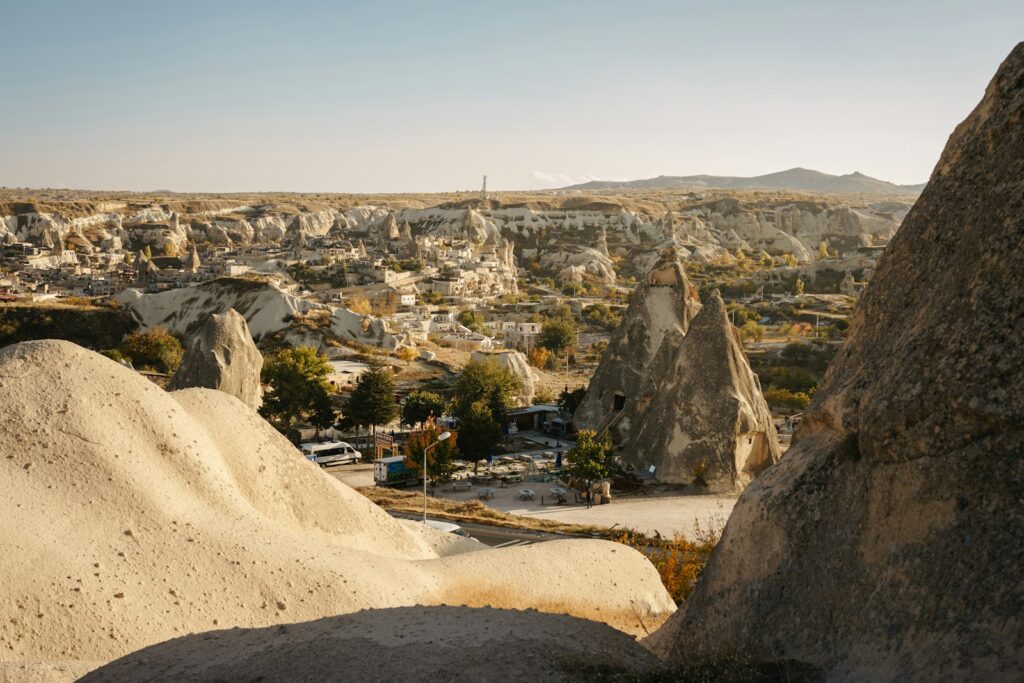
Beyond Cappadocia’s famous fairy chimneys, the broader Göreme National Park contains some of the most unusual rock formations in the world, including entire valleys of stone “mushrooms,” cones, and pillars in a landscape that feels more lunar than terrestrial. The park’s unique geology stems from ancient volcanic eruptions that covered the region in ash and lava, which compacted into soft tuff rock that was then eroded by wind and water. Early Christians carved thousands of cave churches, monasteries, and entire underground cities into these formations between the 4th and 13th centuries, creating a remarkable combination of natural and human-made architecture. The UNESCO World Heritage site contains more than 200 underground structures, some descending eight levels below the surface with elaborate ventilation systems, living quarters, and places of worship. The outdoor museum of Göreme preserves some of the finest examples of Byzantine art in cave churches with colorful frescoes dating back to the 9th century.
The world’s natural arches and rock formations represent Earth’s most spectacular geological artistry, shaped by forces that work on timescales difficult for humans to comprehend. These stone monuments remind us of nature’s patient power and the temporary nature of our own existence compared to geological time. Whether you’re drawn to the dramatic red arches of Utah, the fairy-tale landscapes of Cappadocia, or the wave-like patterns of slot canyons, these formations offer both visual splendor and scientific wonder. Each site tells a unique story of the earth’s history, capturing moments of geological drama frozen in stone. As you plan your travels to these remarkable destinations, remember that many are fragile ecosystems deserving of our respect and protection so that future generations can also stand in awe before these masterpieces of natural sculpture.