
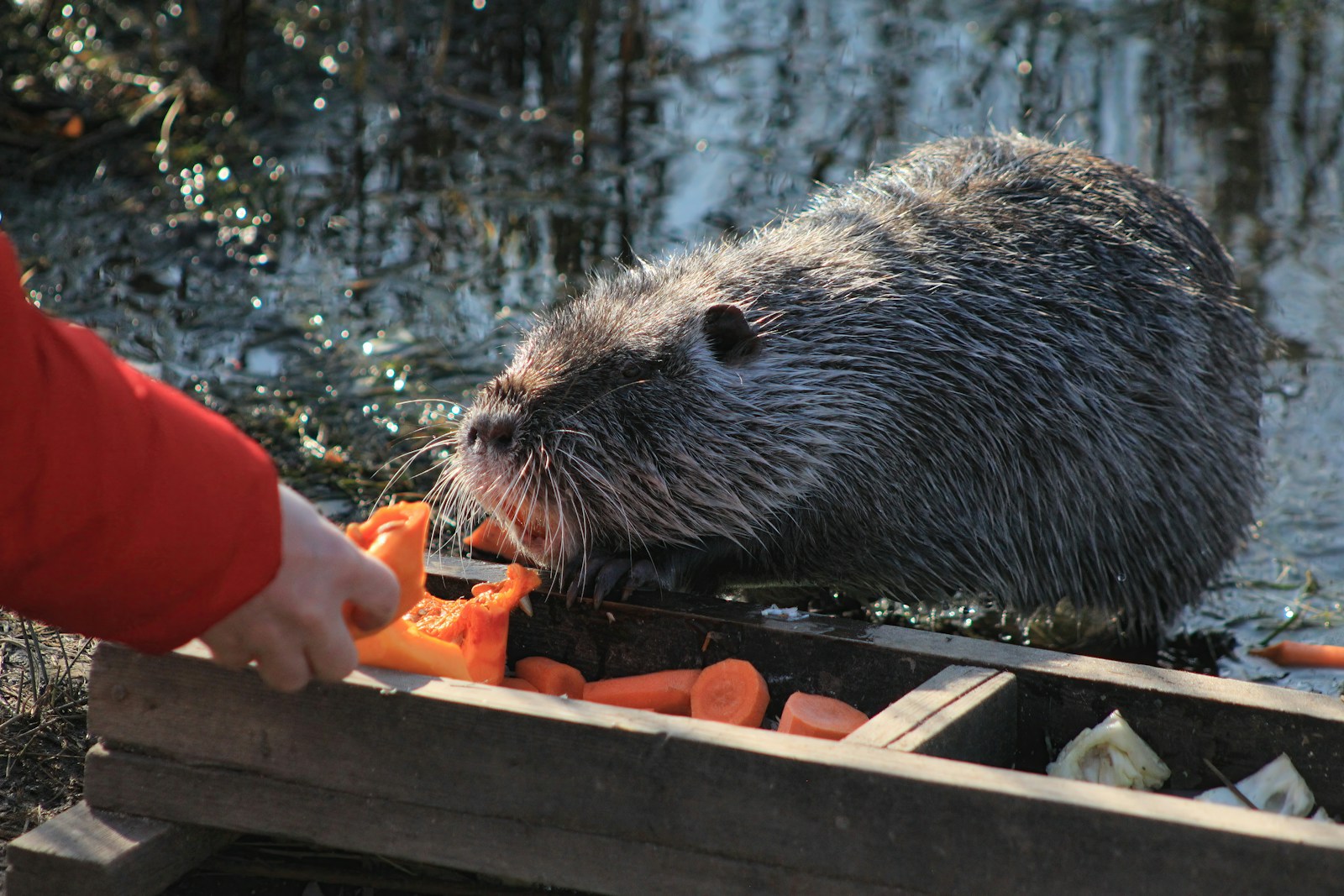
In the realm of environmental conservation, an unexpected hero has emerged with buck teeth and a flat tail. Beavers, often dismissed as nuisance animals that flood roads and fell trees, are now being recognized as powerful ecosystem engineers with the unique ability to restore degraded wetlands. These industrious rodents have been shaping landscapes for millions of years, creating complex waterways and habitats that benefit countless species—including humans. As climate change intensifies droughts and floods, scientists and land managers are increasingly turning to these natural dam-builders as partners in ecological restoration. Their remarkable ability to transform landscapes makes them key players in addressing some of our most pressing environmental challenges.
Nature’s Engineering Marvels: The Beaver’s Toolkit
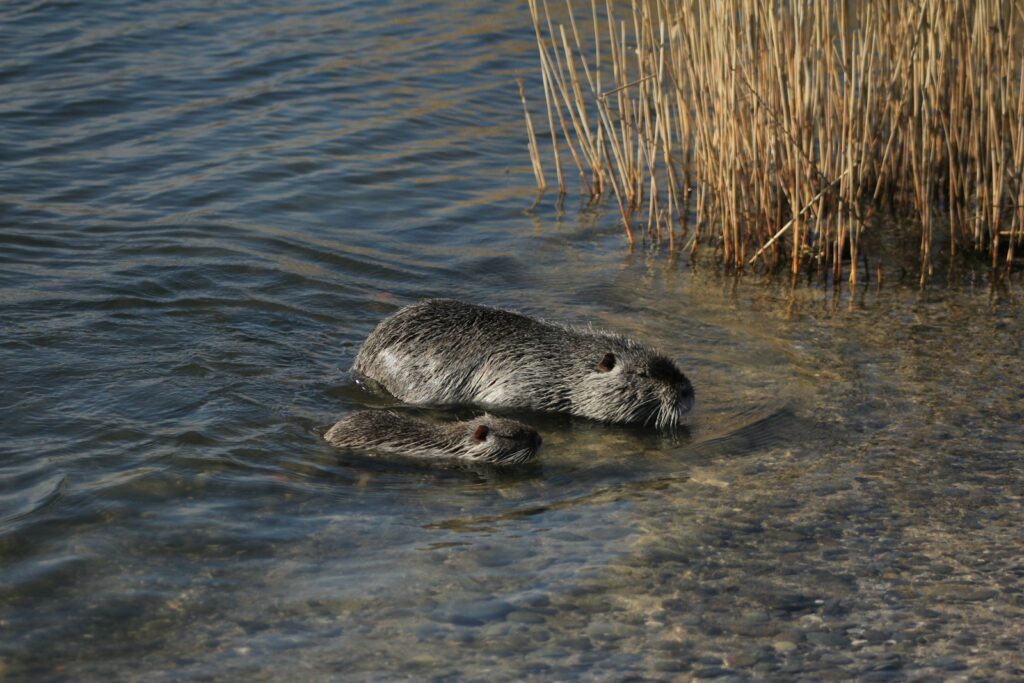
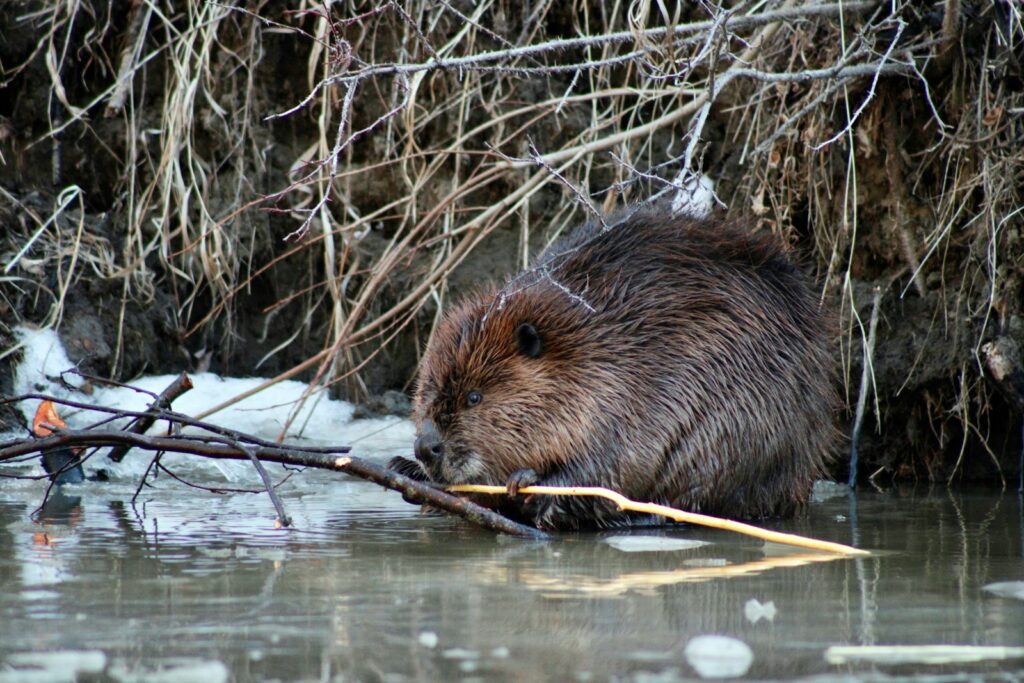
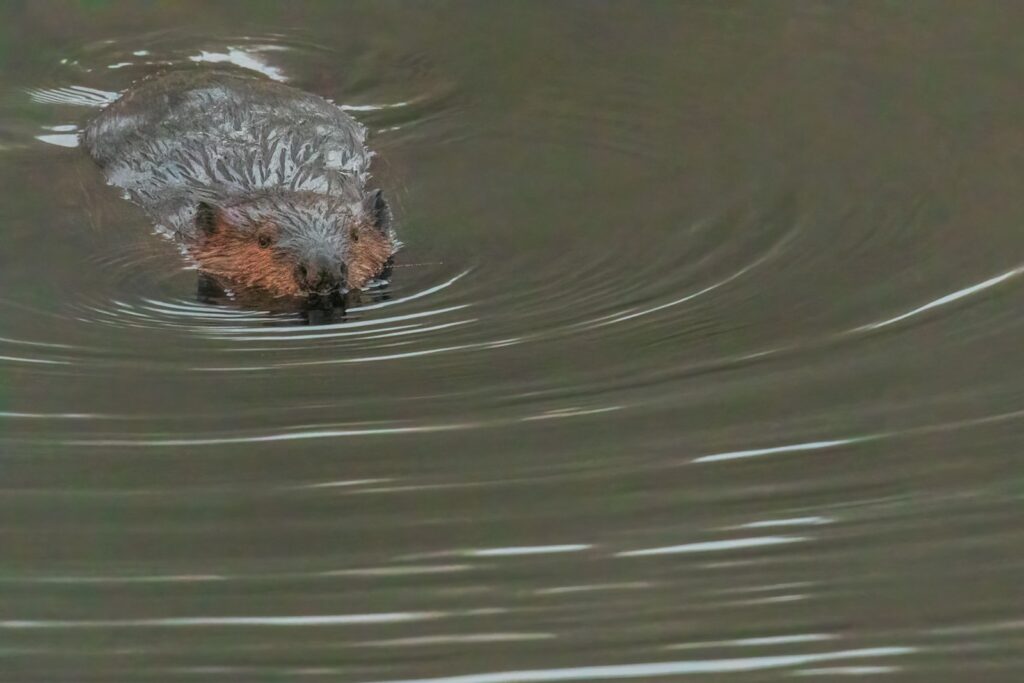
Beavers possess an impressive arsenal of physical adaptations that make them unparalleled wetland engineers. Their powerful jaws and continuously growing incisors allow them to fell trees several times their size, while webbed hind feet and a paddle-like tail make them excellent swimmers. Perhaps most remarkable is their ability to build complex structures—dams, lodges, and canals—using nothing but natural materials they gather themselves. These structures can span hundreds of feet and withstand significant water pressure, showcasing engineering principles that humans have only relatively recently understood. A beaver’s waterproof fur and specialized lungs enable them to remain underwater for up to 15 minutes, allowing them to work extensively on underwater portions of their constructions.
The Historical Decline of Beaver Populations
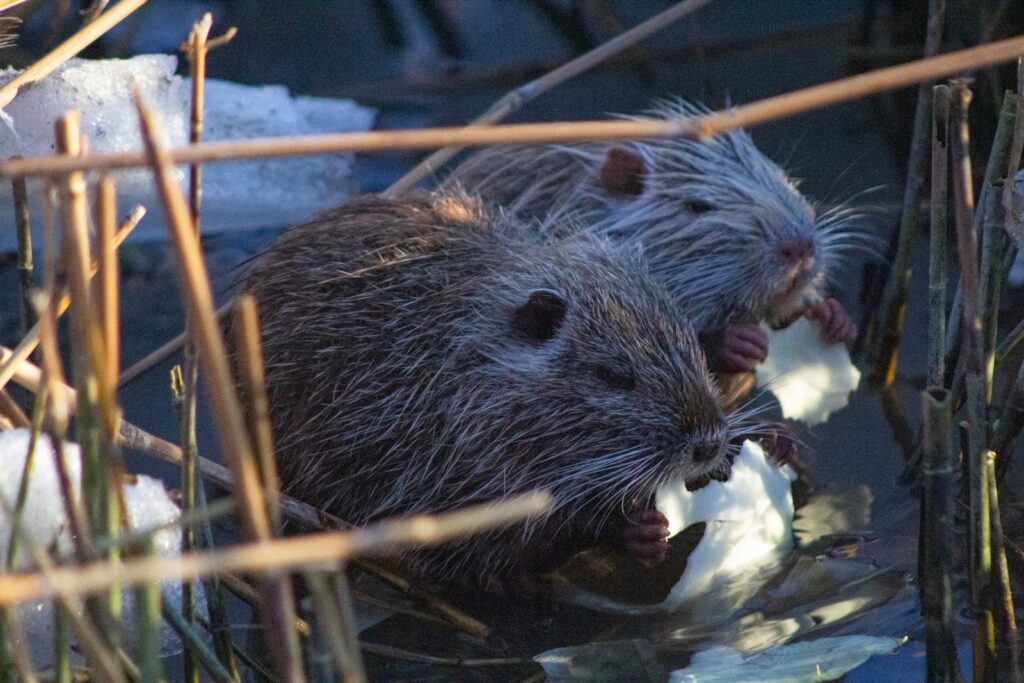
Once numbering in the hundreds of millions across North America, beaver populations were decimated during the 17th-19th centuries due to the European fur trade. Their luxurious pelts were transformed into fashionable hats, leading trappers to hunt them to near extinction in many regions. By the early 20th century, only about 100,000 beavers remained in North America, a mere fraction of their historical numbers. This dramatic population collapse had profound ecological consequences that went largely unrecognized at the time. With the beavers’ disappearance, their dams fell into disrepair, wetlands drained, and the landscape fundamentally changed—streams cut deeper channels, groundwater levels dropped, and wetland-dependent species declined.
Wetland Architects: How Beaver Dams Transform Landscapes
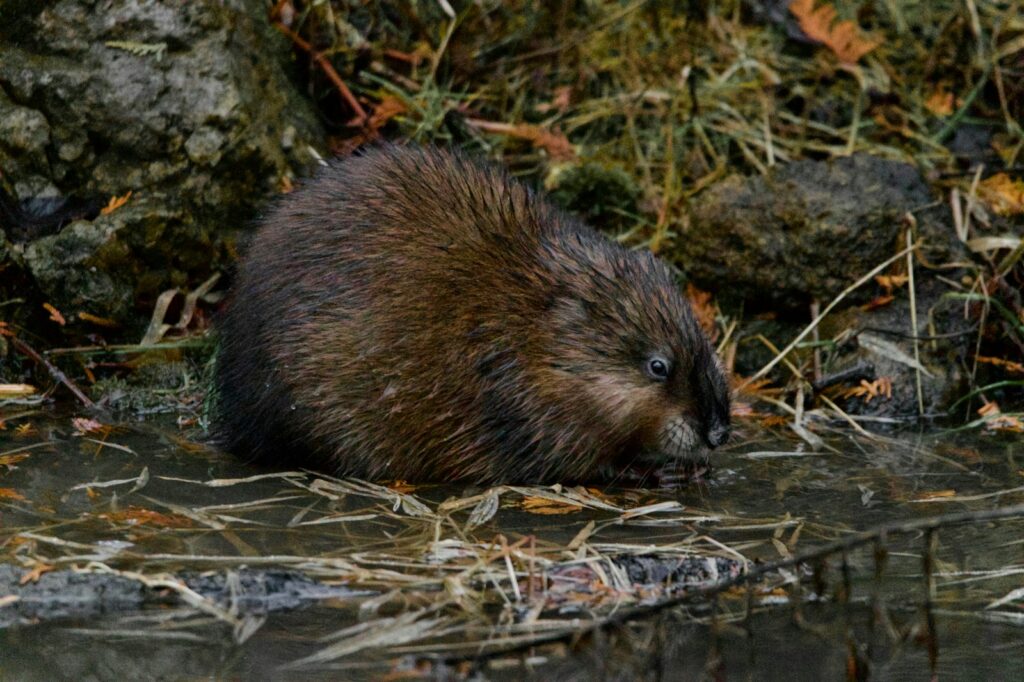
When beavers construct dams across streams, they create profound changes that ripple throughout the ecosystem. The immediate effect is the transformation of a flowing stream into a complex wetland ecosystem with areas of both deep and shallow water. These ponds slow the movement of water through the landscape, reducing erosion and allowing sediment to settle rather than being carried downstream. The dams create a graduated water flow rather than the “feast or famine” pattern typical of many modern watersheds. Over time, this dam-building activity creates a patchwork of ponds, marshes, and meadows—what ecologists call a “habitat mosaic”—that dramatically increases biodiversity in the area.
Water Retention: Beavers as Natural Drought Fighters
In an era of increasingly severe droughts, beaver dams serve as natural water storage systems that can help mitigate these dry periods. Studies have shown that landscapes with beaver activity retain significantly more water than those without, with some research indicating up to 30 times more water storage in beaver-influenced watersheds. This stored water releases slowly over time, maintaining stream flows during dry seasons when undammed streams might run dry completely. The expanded wetlands created by beavers also recharge groundwater supplies by allowing water to percolate slowly into aquifers rather than rushing downstream. For agricultural communities, this natural water storage can mean the difference between crop survival and failure during extended dry periods.
Flood Control: Nature’s Defense Against High Waters
While it might seem counterintuitive, beaver dams actually play a crucial role in reducing flooding during heavy rain events. By creating a series of ponds and wetlands, beavers effectively create a distributed flood control system that can absorb and slow floodwaters. Unlike single large dams, this network of smaller impoundments distributes the water retention across the landscape, creating a more resilient system. Research has demonstrated that watersheds with healthy beaver populations experience peak flows that are 30-60% lower than similar watersheds without beavers. These natural flood control benefits have significant economic implications, potentially saving communities millions in flood damage and infrastructure costs.
Carbon Sinks: Beaver Wetlands as Climate Change Fighters
Beaver-created wetlands serve as powerful carbon sinks, trapping greenhouse gases that would otherwise contribute to climate change. When beavers flood areas, they create oxygen-poor environments where decomposition slows dramatically, allowing carbon to accumulate in sediments rather than being released to the atmosphere. These wetlands also trap methane—a potent greenhouse gas—through specialized microorganisms that live in beaver pond sediments. Research suggests that beaver ponds sequester carbon at rates comparable to or exceeding those of tropical forests on a per-acre basis. As climate scientists search for natural climate solutions, beaver wetlands represent an underutilized tool that could help mitigate rising atmospheric carbon levels.
Biodiversity Hotspots: Creating Homes for Countless Species
The wetland complexes created by beavers become biodiversity hotspots that support an astonishing array of species. Studies have documented dramatic increases in bird species diversity—often 50% or more—in areas with beaver activity compared to similar areas without beavers. Amphibians like frogs and salamanders thrive in these environments, while fish benefit from the deeper pools that provide refuge during droughts. Even the trees killed by flooding become valuable habitat for woodpeckers, owls, and countless insects. The mosaic of habitat types—from deep water to shallow marshes to meadows—provides ecological niches for species with different requirements, creating a complex and resilient ecosystem. This biodiversity increase extends beyond the immediate wetland to impact the surrounding forest and riparian zones as well.
Water Quality Improvement: Nature’s Filtration System
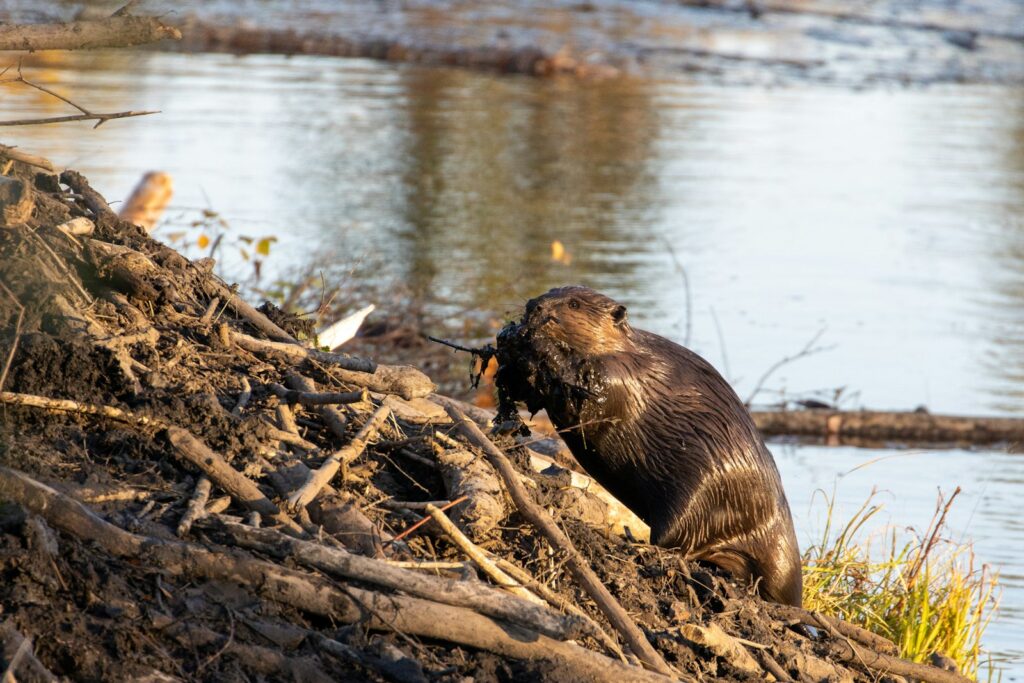
Beaver ponds act as natural water filtration systems that significantly improve water quality in watersheds. As water slows behind beaver dams, sediments and pollutants settle out rather than being carried downstream. Research has shown that beaver ponds can remove up to 90% of potentially harmful nitrogen compounds from water, transforming them into less harmful forms through biological processes. These wetlands also trap phosphorus, heavy metals, and other pollutants, preventing them from contaminating downstream water bodies. The improved water quality benefits not only wildlife but also human communities that rely on these watersheds for drinking water supplies. This natural filtration service provides economic benefits by reducing the need for costly water treatment infrastructure.
Beaver Relocation: Reintroduction as a Restoration Strategy
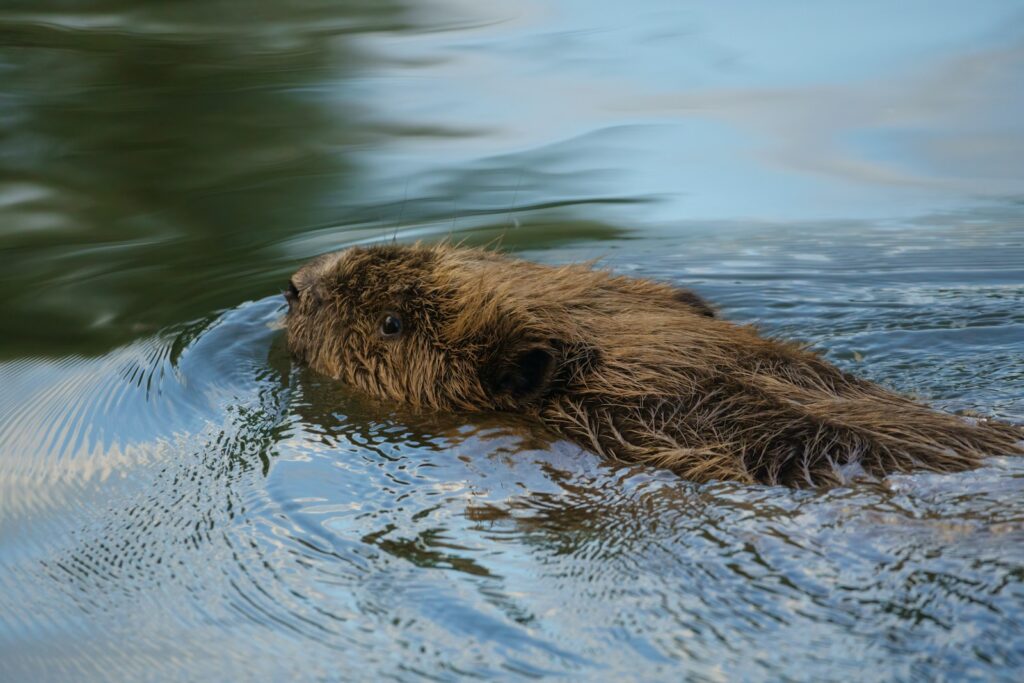
Faced with degraded watersheds and the high costs of traditional restoration methods, conservation organizations and government agencies are increasingly turning to beaver reintroduction as a cost-effective solution. These programs capture beavers from areas where they’re causing conflicts and relocate them to watersheds that would benefit from their engineering skills. Such relocation efforts can cost a fraction of human-engineered restoration projects while often achieving better ecological results. In states like Washington, Oregon, and Utah, successful beaver relocation programs have restored miles of degraded streams at costs as low as 5% of traditional restoration approaches. The challenge lies in identifying suitable release sites with sufficient food resources and protection from predators to allow the beaver colonies to establish successfully.
Beaver Dam Analogues: Mimicking Nature’s Engineers
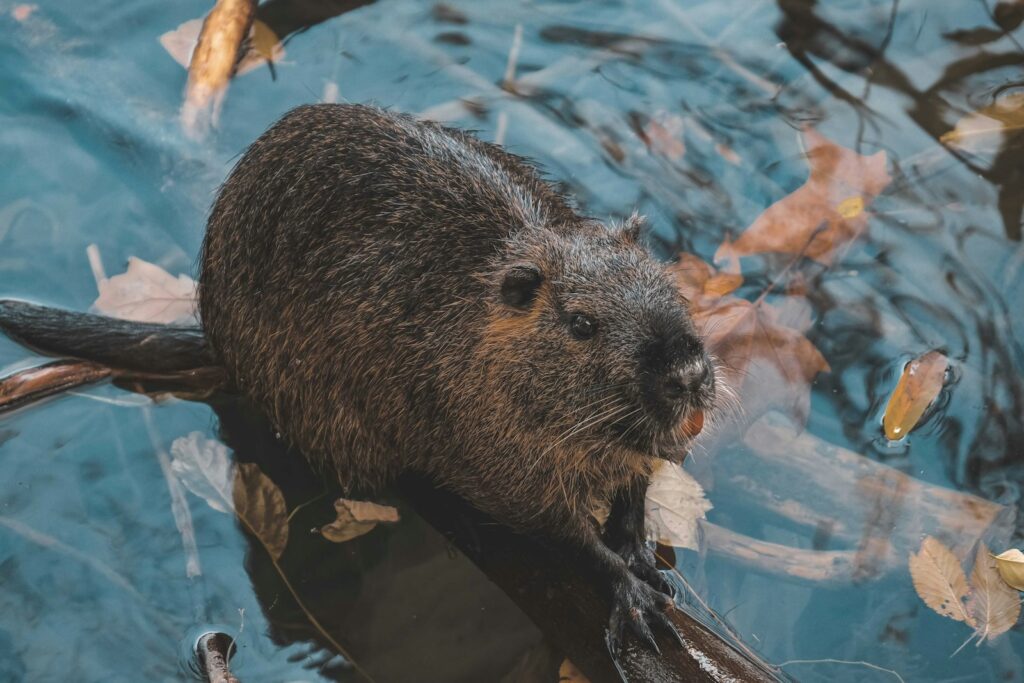
In areas where beaver reintroduction isn’t immediately feasible, conservationists have developed structures called Beaver Dam Analogues (BDAs) that mimic the effects of natural beaver dams. These human-built structures typically consist of wooden posts driven into the streambed with branches woven between them to slow water flow and trap sediment. Unlike traditional human-engineered solutions, BDAs are designed to work with natural processes rather than against them. The goal of many BDA projects is to create conditions attractive enough that beavers will eventually colonize the area and take over maintenance of the structures. This approach has been successfully implemented across thousands of stream miles in the western United States, creating immediate benefits while setting the stage for natural beaver colonization.
Human-Beaver Conflicts: Finding Coexistence Solutions
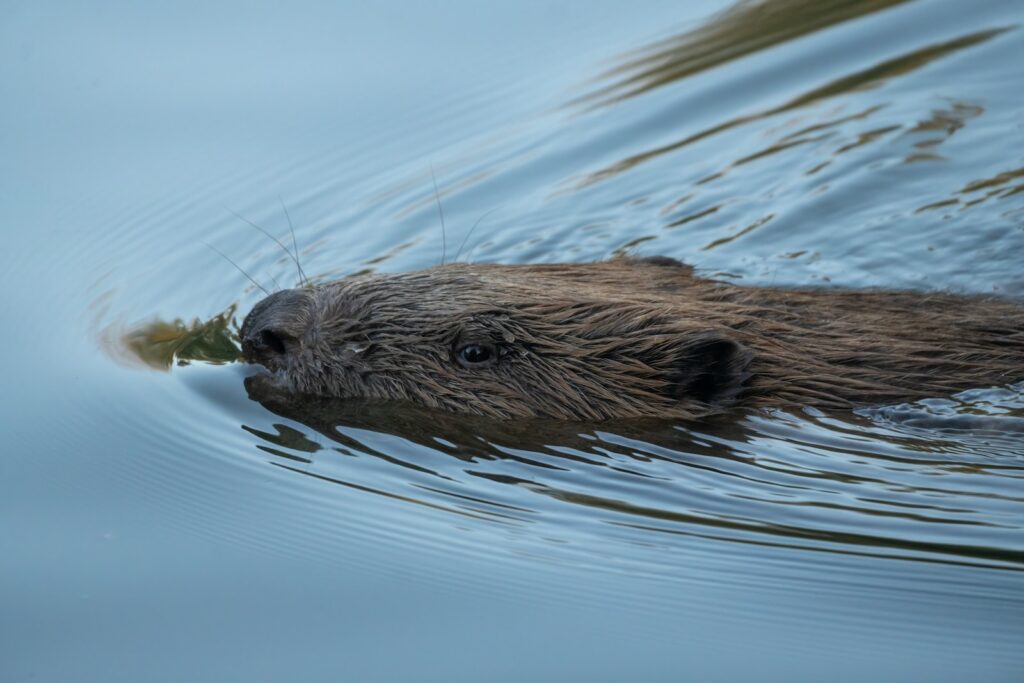
Despite their ecological benefits, beavers can create conflicts when their engineering activities flood roads, agricultural lands, or residential areas. Historically, the response to such conflicts was lethal removal, but modern approaches focus on coexistence through creative solutions. Flow devices—systems of pipes that regulate water levels in beaver ponds—allow beavers to remain while preventing flooding of critical infrastructure. Tree protection measures using wire mesh or sand-paint mixtures deter beavers from cutting valued trees while allowing them to harvest others. Educational outreach helps communities understand the value beavers bring to the landscape, often transforming attitudes from hostility to appreciation. These coexistence strategies recognize that the ecological services provided by beavers often far outweigh the costs of localized conflicts.
The Economic Benefits of Beaver-Assisted Restoration
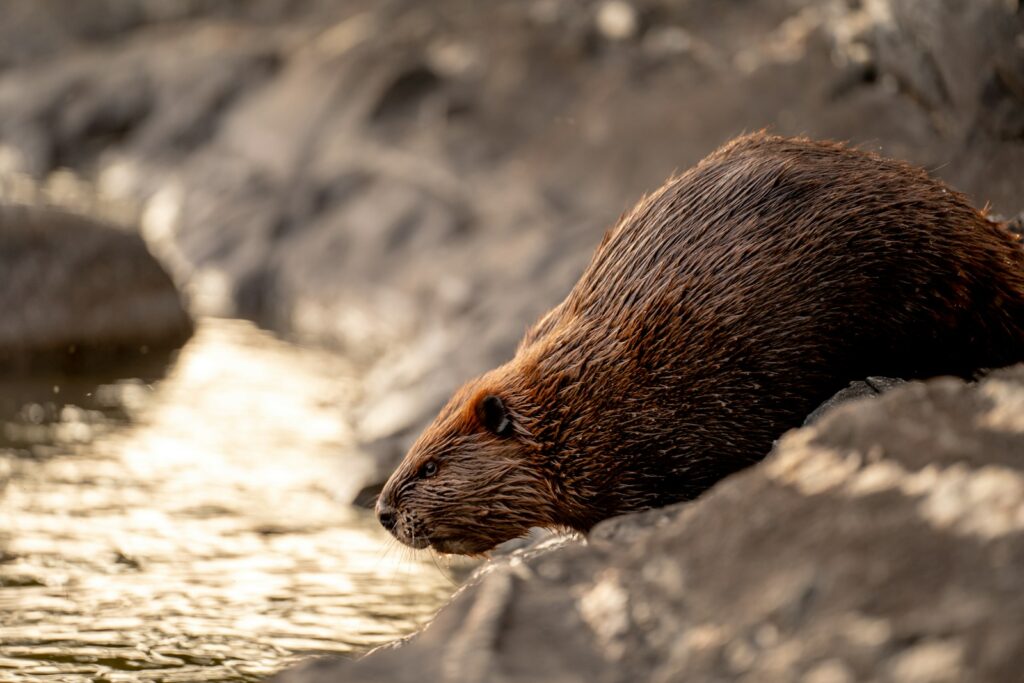
The economic case for beaver-assisted restoration is compelling when compared to traditional engineering approaches. Traditional stream restoration projects typically cost between $50,000 and $500,000 per mile, while beaver relocation or encouragement programs often cost less than $10,000 per mile while achieving similar or superior results. The ecosystem services provided by beaver wetlands—including water storage, flood control, and water filtration—represent significant economic value to communities. One economic analysis in Utah estimated that the water storage services alone provided by beaver ponds were worth over $3 million annually across the state. For ranchers in arid regions, the extended growing season around beaver complexes can mean thousands of dollars in additional forage production each year, turning what was once seen as a nuisance animal into a valuable partner in sustainable ranching.
Future Directions: Beavers in a Changing Climate
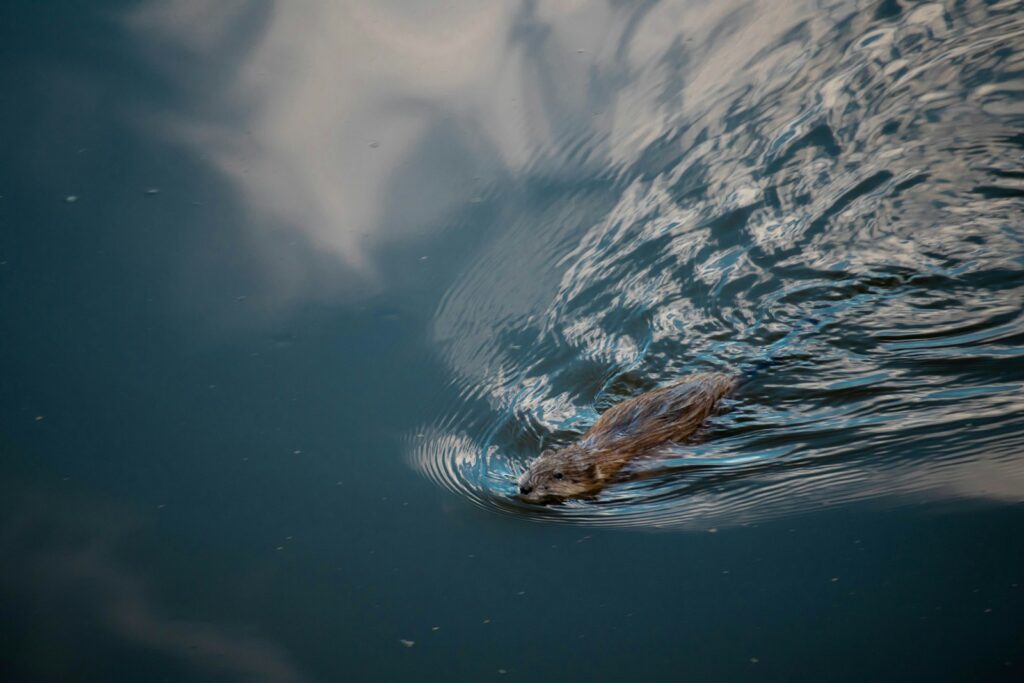
As climate change intensifies, the role of beavers in watershed resilience is likely to become even more valuable. The water storage provided by beaver complexes may prove crucial in mitigating both intensified droughts and floods predicted under various climate scenarios. Research into optimizing beaver-assisted restoration is expanding, with scientists developing better methods to predict suitable release sites and monitoring techniques to measure outcomes. Some forward-thinking municipalities are even incorporating beaver management into their climate adaptation strategies, recognizing that these natural engineers provide services that would cost millions to replicate with human infrastructure. As we face an uncertain climate future, working with—rather than against—these industrious rodents may represent one of our most cost-effective strategies for building resilient landscapes.
Conclusion: Embracing Our Bucktoothed Allies
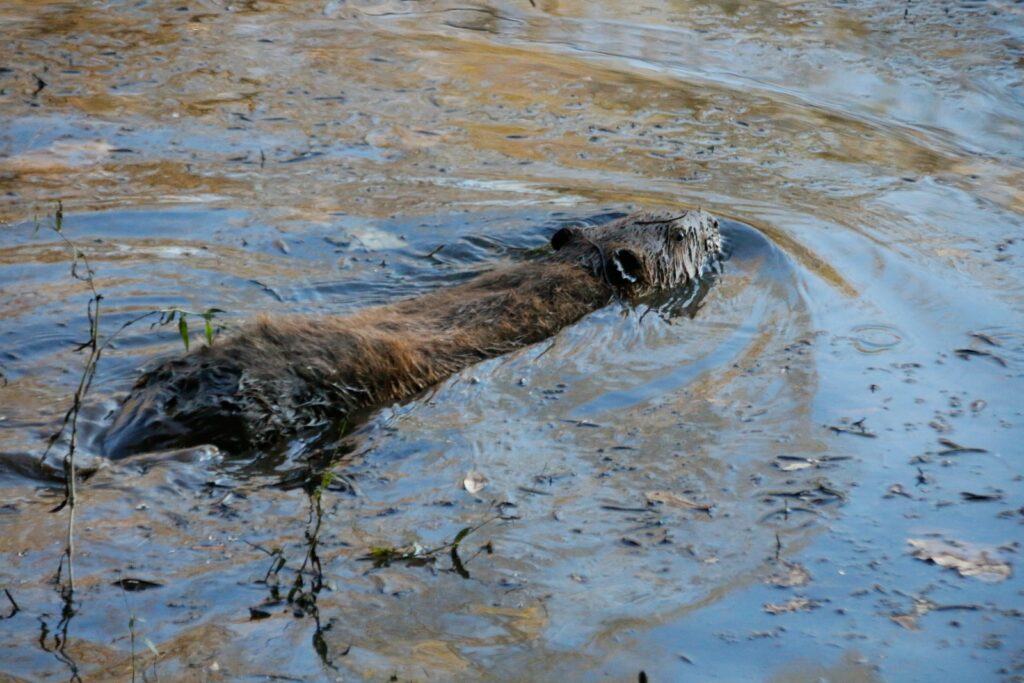
The surprising role of beavers in wetland restoration represents a paradigm shift in ecological management—moving from fighting against natural processes to working with them. These remarkable animals, once persecuted nearly to extinction, now offer solutions to some of our most pressing environmental challenges, from water scarcity to biodiversity loss. By understanding and embracing the beaver’s role as ecosystem engineers, we gain powerful allies in the effort to heal damaged landscapes. Their dams and ponds create resilience in the face of climate extremes, while providing habitat for countless species and ecosystem services worth millions of dollars. As we continue to develop our relationship with these industrious rodents, we may find that the humble beaver—nature’s original wetland restorer—has much to teach us about creating sustainable, resilient landscapes for the future.