

Trees are the lungs of our planet, and reforestation has become a critical strategy in combating climate change and restoring degraded ecosystems. Behind every newly planted forest lies a complex web of decision-making, scientific assessment, and financial mechanisms. Reforestation isn’t simply about planting trees anywhere; it involves careful site selection, species consideration, community engagement, and sustainable funding. This article explores the intricate processes behind how reforestation projects are chosen and funded, from initial site assessment to long-term monitoring and maintenance.
Identifying Priority Areas for Reforestation
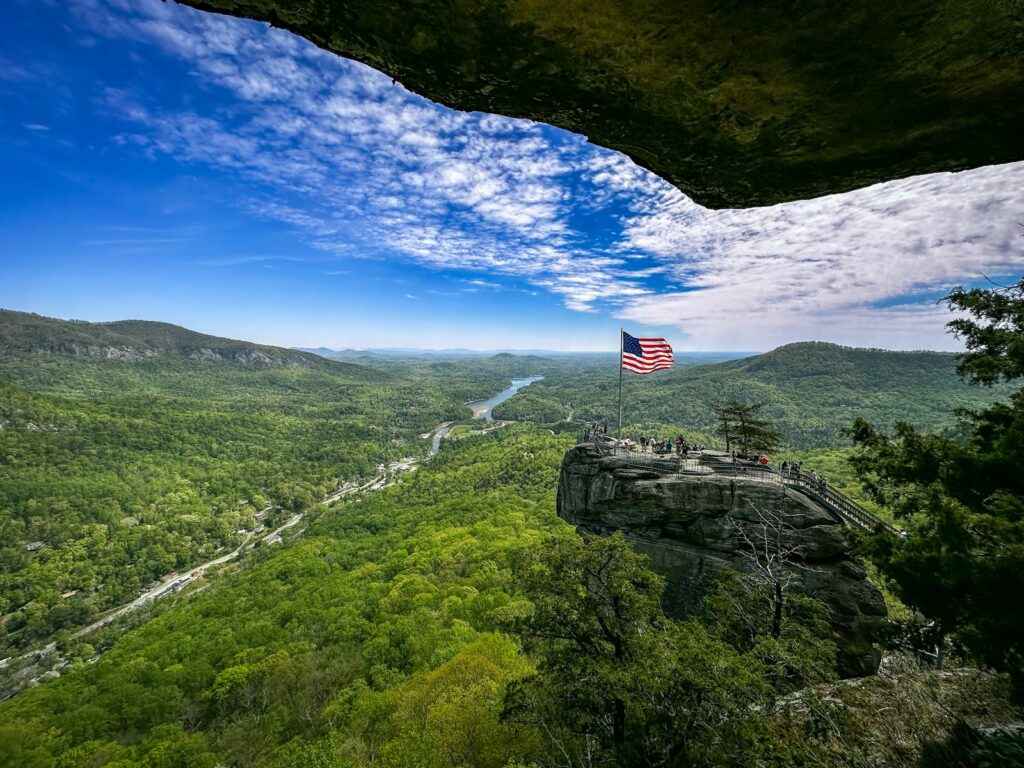
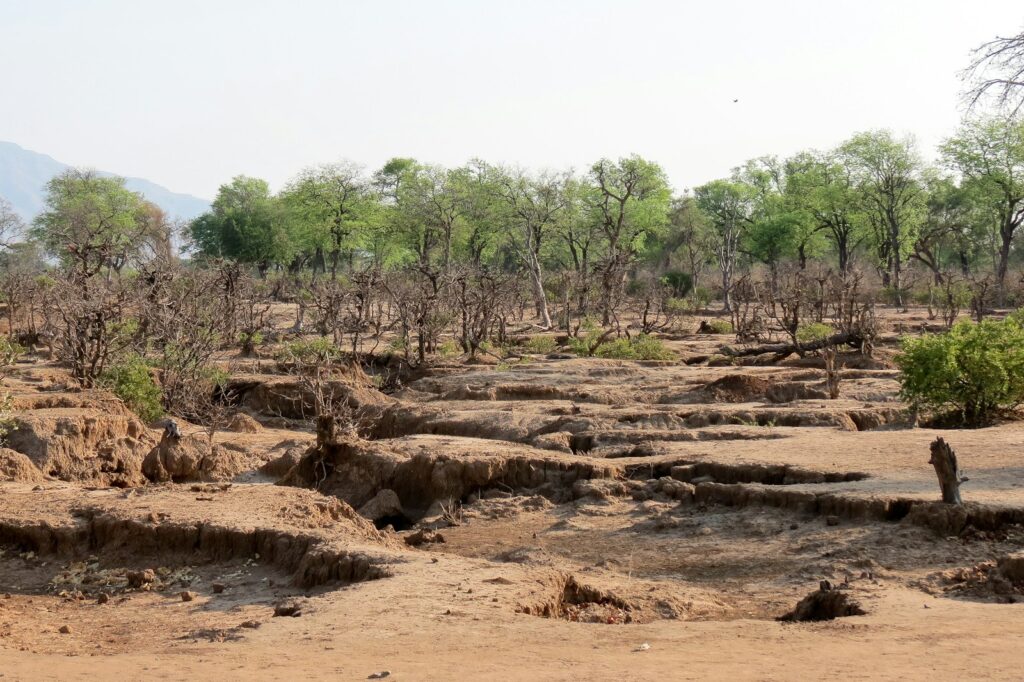
The first step in any reforestation initiative involves identifying areas that would benefit most from tree planting efforts. Scientists and conservation experts use geographical information systems (GIS), satellite imagery, and field surveys to pinpoint degraded lands, deforested regions, or areas susceptible to erosion. Priority is often given to biodiversity hotspots, watershed protection zones, wildlife corridors, and regions where forest loss has significantly impacted local communities. These assessments consider factors such as soil quality, rainfall patterns, existing vegetation, and the potential for natural regeneration. International organizations like the World Resources Institute have developed tools such as the Forest Landscape Restoration methodology to help identify the most promising sites where reforestation would provide maximum ecological and social benefits.
Scientific Assessment of Ecological Factors
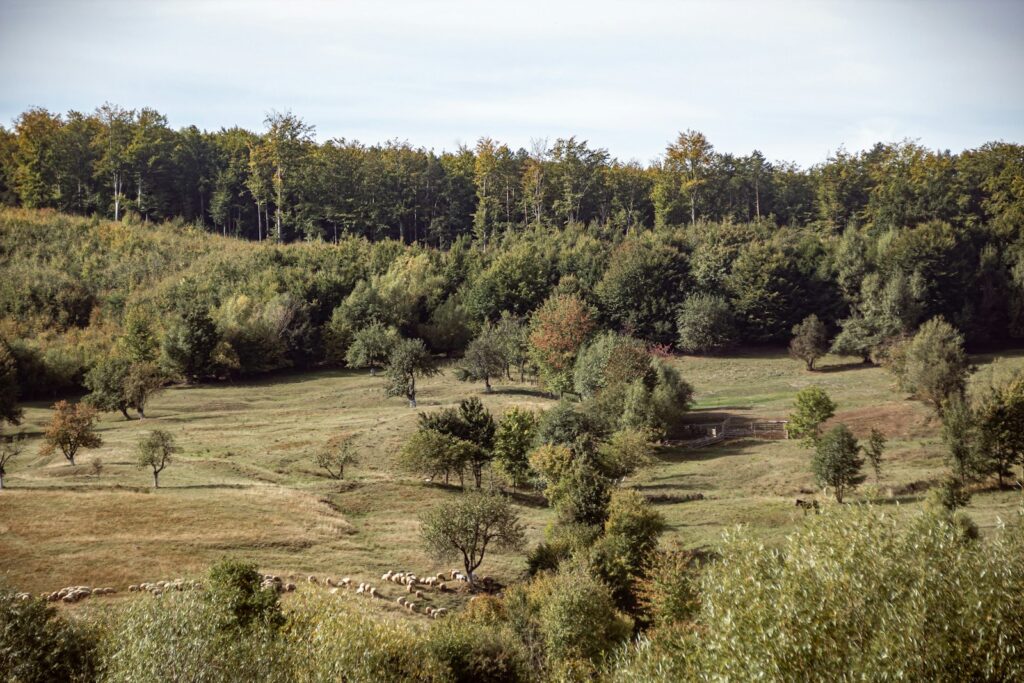
Before a single sapling goes into the ground, extensive scientific analysis must determine which species will thrive in the target environment. Ecologists assess soil composition, examining factors like pH levels, nutrient content, microbial activity, and water retention capacity. Climate considerations including temperature ranges, precipitation patterns, and seasonal variations help narrow down suitable native species. The surrounding ecosystem is studied to understand which trees would complement existing flora and fauna, supporting rather than disrupting local biodiversity. These scientific assessments are crucial because planting inappropriate species can create ecological imbalances, introduce invasive species, or result in failed reforestation efforts where trees cannot survive in their new environment. The goal is always to restore a functional ecosystem, not just to plant trees.
Community Engagement and Stakeholder Analysis

Successful reforestation projects recognize that local communities are essential partners, not passive bystanders. Before launching initiatives, project developers conduct stakeholder analyses to identify all parties affected by or interested in the reforestation efforts. This includes indigenous peoples, local farmers, government officials, nearby industries, and conservation groups. Community consultations provide valuable insights into local needs, traditional ecological knowledge, and potential land-use conflicts. In many regions, involving communities from the planning stage increases project success rates as locals develop a sense of ownership and commitment to protecting the growing forests. Some of the most effective reforestation programs incorporate agroforestry techniques that allow communities to harvest sustainable products from restored forests, creating economic incentives for long-term forest protection.
Government Funding Mechanisms

Governments worldwide have established various funding mechanisms to support reforestation initiatives as part of broader environmental policies. National forest services often receive budget allocations specifically for restoration projects, while dedicated environmental funds may be created through taxation or resource extraction fees. In countries like Costa Rica, Payment for Ecosystem Services (PES) programs compensate landowners who convert agricultural land back to forests, recognizing the public benefits of watershed protection and carbon sequestration. Some nations have incorporated reforestation into their Nationally Determined Contributions (NDCs) under the Paris Climate Agreement, unlocking climate finance opportunities. Additionally, government-to-government funding through international development assistance has become a significant source of reforestation finance, with countries like Norway, Germany, and Japan providing billions of dollars to support forest restoration in developing nations.
Corporate Investment and CSR Initiatives
The corporate sector has become increasingly involved in funding reforestation as companies seek to offset their carbon footprints and demonstrate environmental responsibility. Many businesses now incorporate tree planting into their Corporate Social Responsibility (CSR) strategies, either through direct implementation or by partnering with specialized conservation organizations. Some corporations have made ambitious pledges to plant millions or even billions of trees as part of their sustainability commitments. Technology companies like Microsoft, Apple, and Amazon have announced major investments in nature-based climate solutions, including reforestation projects around the globe. The rise of ESG (Environmental, Social, and Governance) investing has further incentivized businesses to fund forest restoration as investors increasingly consider environmental impact in their investment decisions. This corporate funding can provide significant financial resources for reforestation, though the quality and long-term sustainability of these initiatives vary considerably.
Carbon Offset Markets and REDD+ Programs

Carbon markets have emerged as a powerful financing tool for reforestation projects worldwide. These markets allow entities to invest in forest restoration as a means of offsetting their greenhouse gas emissions, creating monetary value for the carbon sequestration services that forests provide. Voluntary carbon markets enable companies and individuals to purchase carbon credits generated by verified reforestation projects, while compliance markets exist in regions with carbon pricing regulations. The United Nations’ REDD+ (Reducing Emissions from Deforestation and Forest Degradation) framework has created international mechanisms for channeling climate finance toward forest conservation and restoration in developing countries. Under REDD+, countries can receive payments for measurable, verifiable reductions in emissions achieved through improved forest management and reforestation. These market-based approaches have directed billions of dollars toward forest restoration, though they require rigorous monitoring and verification systems to ensure actual carbon benefits are delivered.
Philanthropic Foundations and NGO Support
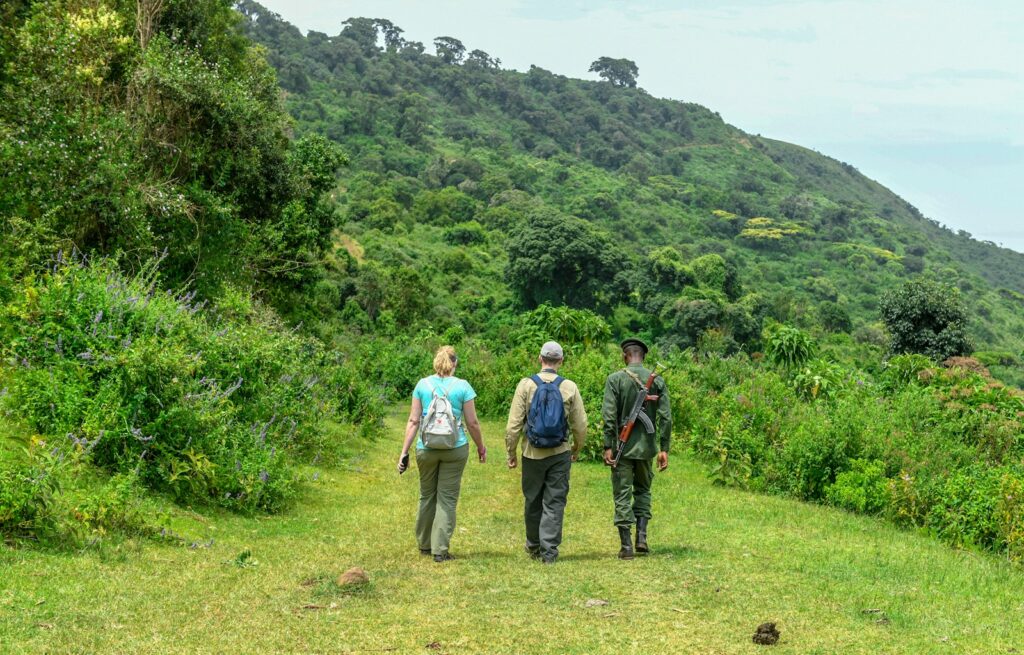
Environmental philanthropies and non-governmental organizations play a crucial role in both implementing and funding reforestation efforts worldwide. Major foundations like the MacArthur Foundation, Ford Foundation, and Gates Foundation have developed dedicated environmental programs that include substantial funding for forest restoration. Conservation organizations such as The Nature Conservancy, World Wildlife Fund, and Conservation International not only implement reforestation projects but also help mobilize resources from diverse sources. These organizations often serve as intermediaries between donors and local implementing partners, providing technical expertise and ensuring accountability. Many NGOs have developed innovative funding models, including “adopt a tree” programs that allow individual donors to contribute to reforestation efforts. The philanthropic sector’s advantage lies in its ability to take risks and fund experimental approaches that may be too uncertain for government or corporate investors, helping advance reforestation science and practice.
Project Scale and Implementation Considerations

The scale of reforestation projects significantly impacts both selection criteria and funding requirements. Small-scale community projects may focus on restoring specific degraded sites within a village’s territory and rely on local resources and volunteer labor. Medium-scale initiatives often target watershed protection or wildlife corridor restoration at a regional level, requiring more substantial funding and technical expertise. Large-scale national or transnational reforestation programs, such as China’s Great Green Wall or the African Great Green Wall initiative, involve enormous logistical challenges and multi-billion dollar investments over decades. The implementation approach must match the project scale, with appropriate governance structures, monitoring systems, and stakeholder engagement processes. Project developers must carefully consider whether to pursue intensive planting strategies or assisted natural regeneration approaches, which can be more cost-effective in certain environments. These scale considerations directly influence which funding sources are most appropriate, as different funders have different preferences regarding project size and complexity.
Risk Assessment and Mitigation Strategies

Reforestation projects face numerous risks that must be assessed and mitigated before significant resources are committed. Climate-related risks include drought, extreme weather events, and changing temperature patterns that could threaten seedling survival. Biological risks encompass pest outbreaks, disease, and competition from invasive species. Social and political risks involve land tenure conflicts, changing government policies, or waning community support. Financial risks include funding shortfalls, especially for long-term maintenance needs after initial planting. Project developers conduct thorough risk assessments and develop specific mitigation strategies, such as selecting drought-resistant species, creating firebreaks, diversifying tree species, securing formal land agreements, and establishing financial reserves. Sophisticated reforestation initiatives now incorporate climate change projections into their planning, sometimes selecting tree species that may not be native to the area but are predicted to thrive under future climate conditions. These risk management approaches are increasingly important to funders who want assurance that their investments will yield lasting results.
Monitoring, Reporting, and Verification Systems

Robust monitoring systems are essential for both project selection and securing ongoing funding for reforestation initiatives. Modern monitoring approaches combine ground-level measurements with remote sensing technologies, including satellite imagery and drone surveys, to track forest growth and health. Regular field assessments measure tree survival rates, biodiversity indicators, soil quality improvements, and other ecological outcomes. Projects funded through carbon markets require particularly rigorous verification protocols to confirm carbon sequestration claims, often involving third-party certification bodies like Gold Standard or Verra. Many funders now require standardized reporting frameworks that document not just environmental outcomes but also social and economic impacts on local communities. These monitoring systems serve multiple purposes: they help project managers adapt their techniques based on results, provide accountability to funders, and generate valuable data that can inform future reforestation efforts. The development of technologies like environmental DNA testing and artificial intelligence-assisted satellite analysis is making monitoring more accurate and cost-effective.
Public-Private Partnerships in Forest Restoration
Public-private partnerships have emerged as powerful vehicles for combining government authority with private sector efficiency in reforestation efforts. These partnerships leverage the strengths of multiple sectors: governments provide policy support, land access, and baseline funding; companies contribute financial resources and management expertise; NGOs offer technical knowledge and community connections; and academic institutions provide scientific guidance. The 20×20 Initiative in Latin America exemplifies this approach, bringing together national governments, private investors, and technical partners to restore 50 million hectares of degraded land. Similar partnership models include the AFR100 (African Forest Landscape Restoration Initiative) and the Bonn Challenge, a global effort to restore 350 million hectares of degraded land by 2030. These collaborative approaches can overcome the limitations of single-sector efforts, creating more resilient and sustainable reforestation programs. By blending different funding sources and implementation capacities, public-private partnerships can tackle large-scale restoration challenges that would be beyond the reach of any single organization.
Long-term Maintenance and Sustainability Planning
Perhaps the most overlooked aspect of reforestation project selection and funding is planning for long-term maintenance after initial planting. Successful forest restoration requires years of care, including watering during dry periods, protecting young trees from wildlife or human interference, removing competing vegetation, and sometimes replanting in areas with high mortality. Project developers must create realistic budgets for these ongoing activities and secure funding mechanisms that extend beyond the excitement of initial planting. Some innovative approaches include establishing endowment funds where interest payments cover annual maintenance costs, developing sustainable harvesting of non-timber forest products to generate ongoing revenue, or creating ecotourism opportunities in restored forests. Projects that fail to plan for these long-term needs often experience high tree mortality rates and ultimately fail to establish functioning forest ecosystems. Funders have become increasingly aware of this challenge and now frequently require detailed sustainability plans before committing resources to reforestation initiatives.
International Coordination and Global Restoration Goals
Reforestation efforts increasingly operate within the context of global restoration commitments and international coordination frameworks. The United Nations Decade on Ecosystem Restoration (2021-2030) has established a global platform for accelerating restoration efforts, while the Bonn Challenge has secured pledges to restore 210 million hectares of degraded land worldwide. These international frameworks help align national policies, direct funding flows, and create accountability mechanisms for tracking progress. Global platforms like the Global Partnership on Forest and Landscape Restoration bring together technical experts to share best practices and coordinate implementation strategies across borders. International financial institutions including the World Bank and regional development banks have created dedicated forest investment programs that help standardize project selection criteria and funding approaches. These global coordination efforts are particularly important for addressing transboundary issues like watershed management or creating wildlife corridors that cross national borders. By embedding national reforestation projects within these international frameworks, countries can access additional technical support and funding opportunities while contributing to global environmental goals.
Conclusion
Reforestation represents one of humanity’s most powerful tools for addressing climate change, biodiversity loss, and land degradation. The process of selecting and funding these projects has evolved from simple tree-planting campaigns to sophisticated, science-based initiatives that consider ecological, social, and economic factors. As climate change intensifies and ecosystems continue to degrade, the importance of strategic reforestation will only grow. The future of reforestation lies in developing even more innovative funding mechanisms, improving monitoring technologies, strengthening community involvement, and ensuring that restored forests remain protected for generations to come. By understanding the complex processes behind how reforestation projects are chosen and funded, we can all become more effective advocates for forest restoration in our communities and around the world.