

Exploring the natural beauty of parks offers an unparalleled opportunity to connect with wildlife in their native habitats. Whether you’re planning a day hike in a local nature preserve or a week-long adventure in a national park, proper preparation is essential not just for your comfort, but for your safety around wild animals. Many park visitors underestimate the importance of bringing specific items that can prevent dangerous wildlife encounters or help manage them if they occur. Understanding what to pack for wildlife safety can make the difference between a memorable outdoor experience and a potentially hazardous situation. This comprehensive guide will walk you through the essential items and knowledge needed to respectfully and safely enjoy wildlife viewing on your next park visit.
Understanding Wildlife Behavior Before You Pack
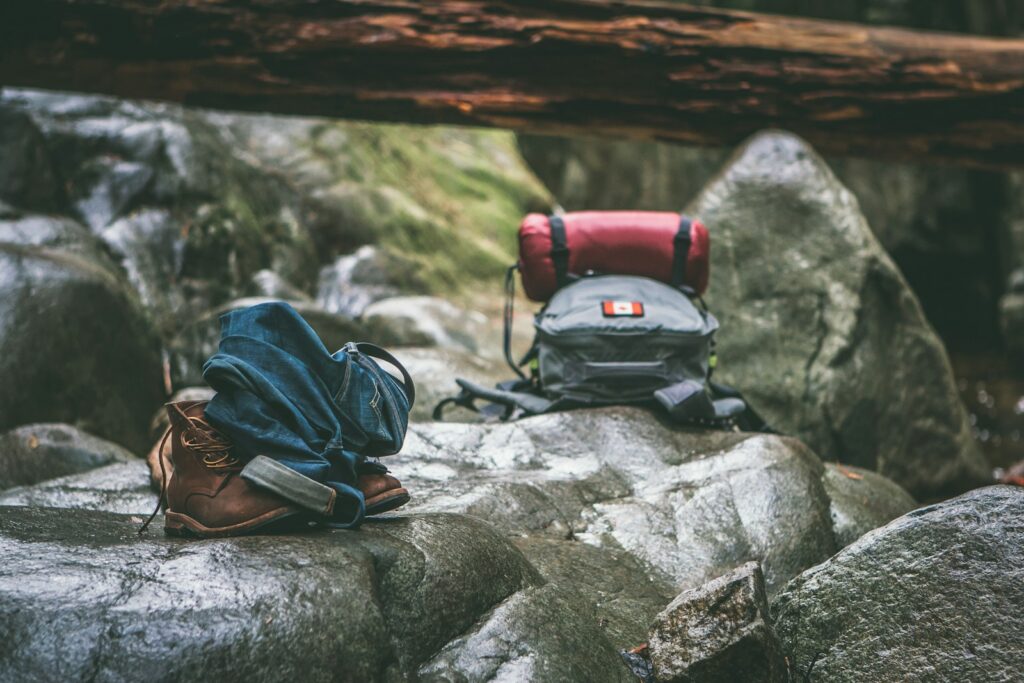
Before determining what to bring on your park visit, it’s crucial to research the specific wildlife present in the area you’ll be exploring. Different animals require different safety approaches – bear country necessitates different precautions than areas with venomous snakes or aggressive moose. Take time to learn about normal wildlife behavior patterns, including feeding times, territorial tendencies, and signs of aggression. Many parks offer wildlife safety information on their websites or visitor centers, including recent animal sightings and activity. This knowledge will inform your packing decisions and help you recognize potentially dangerous situations before they escalate. Remember that most wildlife encounters become dangerous only when animals feel threatened or when humans behave inappropriately around them.
Essential Food Storage Equipment
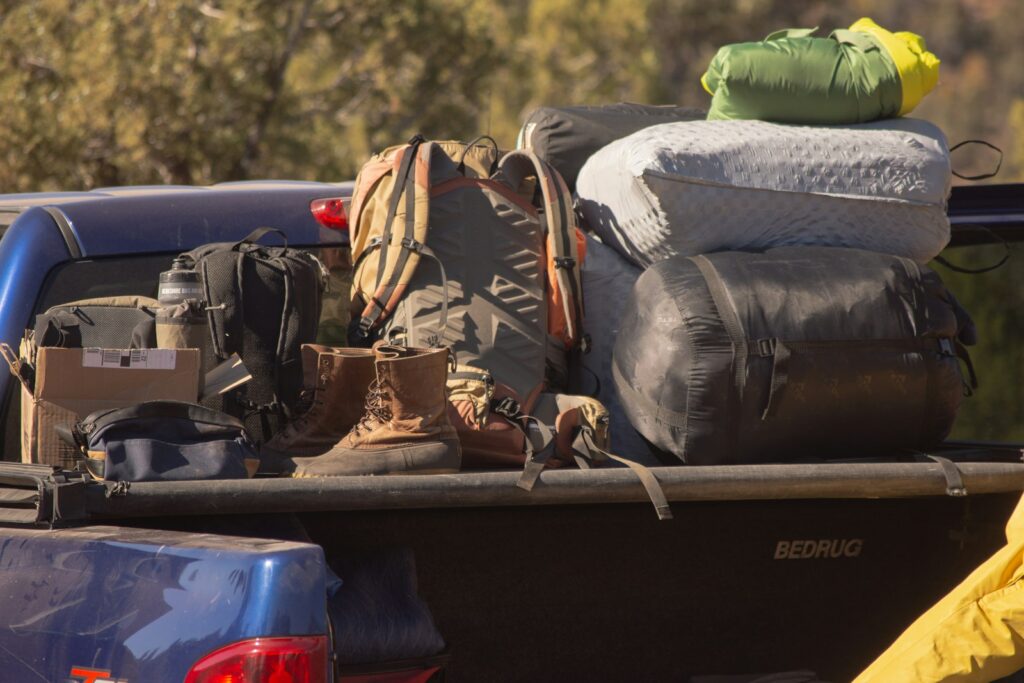
Proper food storage ranks among the most critical aspects of wildlife safety in parks, as food attractants are responsible for a significant percentage of negative human-wildlife interactions. When visiting bear country, a certified bear-resistant food container is often required by park regulations and provides the most reliable protection against curious bears. In areas without bears, rodent-proof containers can prevent smaller animals from raiding your supplies and potentially becoming habituated to human food. Odor-proof bags add an extra layer of protection by containing food scents that might attract wildlife even through sealed containers. Never underestimate the powerful sense of smell that most wild animals possess – even items like toothpaste, deodorant, and lip balm should be properly stored with your food supplies.
Wildlife Deterrents and Protection Tools
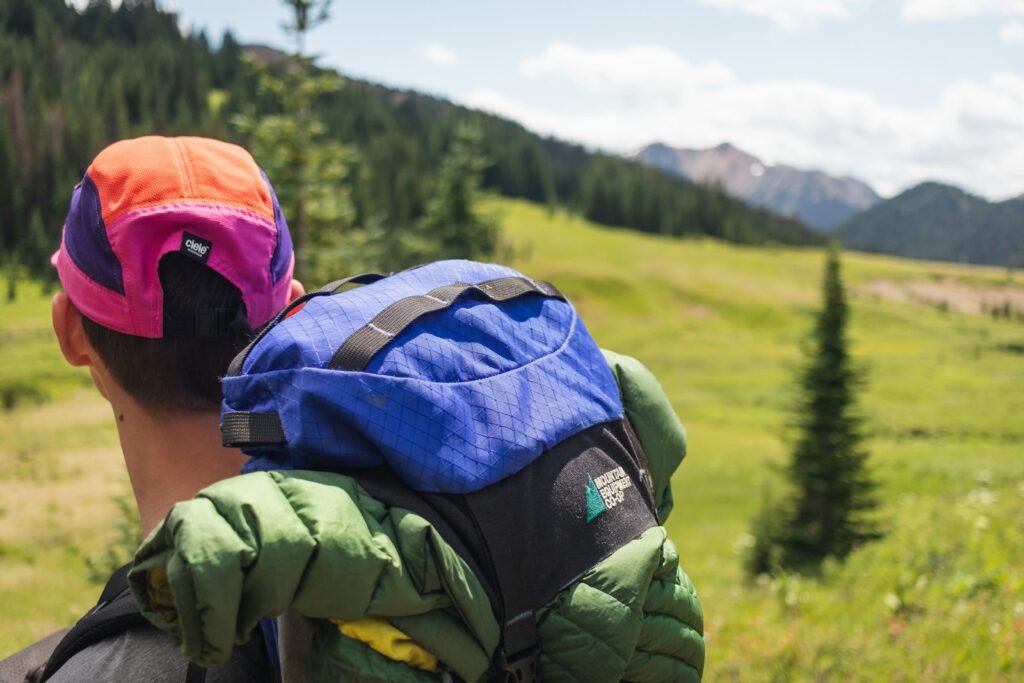
Carrying appropriate wildlife deterrents can provide peace of mind and practical protection during park visits. Bear spray, which is essentially a high-volume, powerful pepper spray designed specifically for bear encounters, is considered the most effective tool for deterring aggressive bears and works on other large mammals as well. Air horns or whistle blasts can startle animals and discourage approaches in many circumstances. Some hikers in mountain lion territory carry walking sticks not just for hiking assistance but as potential defensive tools if needed. Electronic deterrents that emit sounds inaudible to humans but disturbing to certain wildlife species are also available, though their effectiveness varies by animal and situation. Always familiarize yourself with the proper use of any deterrent before your trip, as improper deployment can sometimes worsen a wildlife encounter.
Appropriate Clothing and Footwear
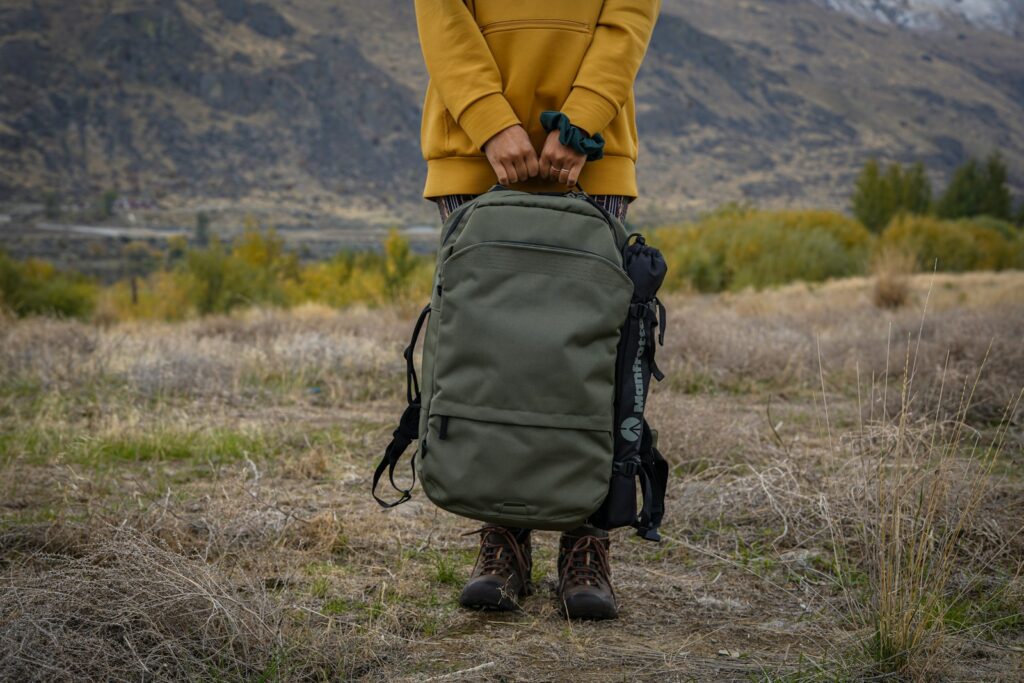
The clothing you pack plays a significant role in wildlife safety during park visits. Long pants and sleeves protect against insects that may carry diseases and minimize exposure to plants like poison ivy that can cause severe reactions. Sturdy hiking boots with ankle support not only prevent injuries on uneven terrain but also provide some protection against snake bites, which typically occur at ankle height. Avoid wearing scented products or clothes washed in strongly scented detergents, as these can attract curious wildlife. Some experts recommend avoiding bright colors or patterns in predator territories, as these might attract unwanted attention, while others suggest bright colors help you remain visible to other hikers who could assist in an emergency. Regardless of color choice, wearing layers allows adaptability to changing weather conditions, preventing hypothermia or heat exhaustion that could impair judgment during wildlife encounters.
Communication Devices for Emergencies

When wildlife encounters turn dangerous, immediate communication can be lifesaving. A fully charged cell phone is essential, though reception in remote park areas is often unreliable. Consider investing in a satellite communicator or personal locator beacon for backcountry trips where cell service is nonexistent. Two-way radios allow communication between members of your group who may become separated. Always inform someone outside your hiking party about your itinerary and expected return time, providing them with emergency contact information for park rangers or local authorities. Some parks offer emergency contact information specific to wildlife incidents, which should be programmed into your devices before departing. Remember that electronic devices require power, so pack portable chargers or extra batteries to ensure communication capabilities throughout your visit.
First Aid Supplies for Wildlife Encounters
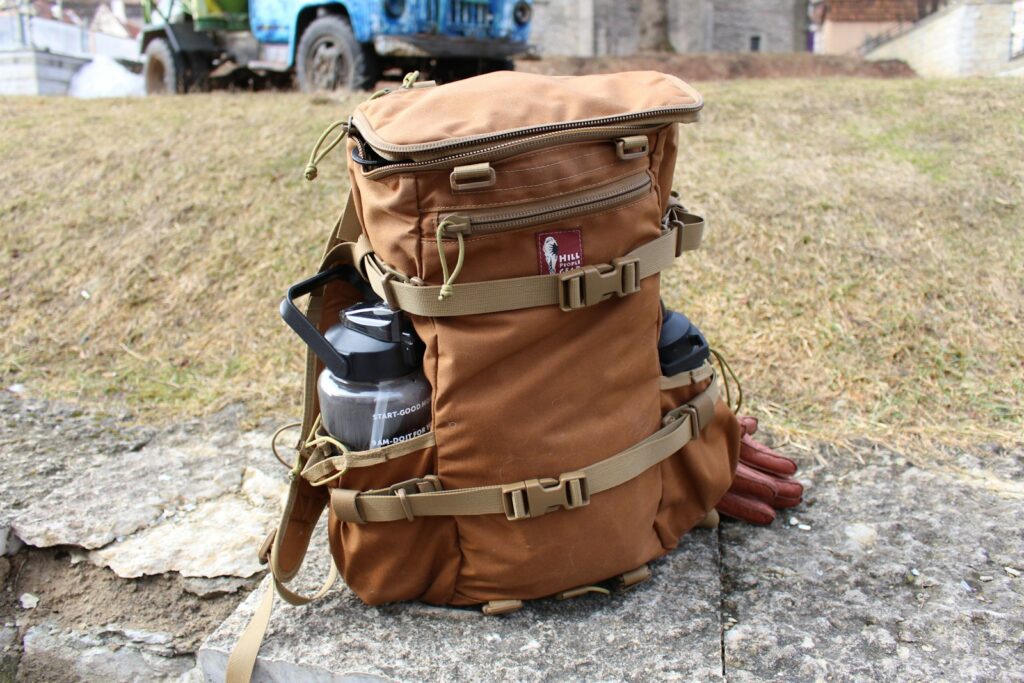
A comprehensive first aid kit tailored for wildlife-related injuries is an absolute necessity for any park visit. Beyond standard supplies, include items specifically for animal encounters such as pressure bandages for snake bites, tweezers for tick removal, and antihistamines for insect stings or allergic reactions. Irrigation syringes can clean wounds from scratches or bites, while antiseptic wipes help prevent infection from bacteria commonly found in animal saliva. Include emergency contact information for the nearest medical facilities that can treat wildlife-related injuries, as specialized antivenom or rabies treatment may not be available at all healthcare locations. Knowledge of basic first aid procedures for animal encounters is just as important as having the supplies – consider taking a wilderness first aid course before your trip if possible.
Optics for Safe Wildlife Viewing
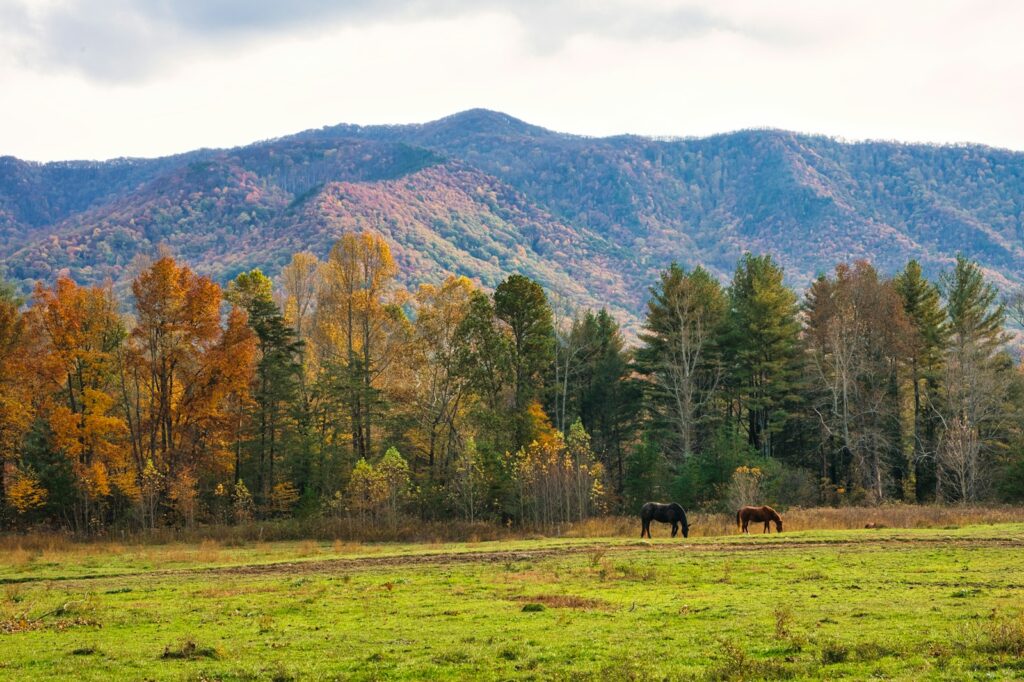
Quality optics allow you to observe wildlife from a safe distance, reducing the temptation to approach animals for a better view. Binoculars are perhaps the most versatile wildlife viewing tool, with 8×42 or 10×42 magnifications providing a good balance of magnification and field of view for most park environments. A spotting scope offers even greater magnification for viewing distant wildlife, though it requires a tripod for stability. Camera equipment with telephoto lenses serves dual purposes – capturing memorable images while maintaining safe distances from wildlife. Some smartphone adapters for binoculars are now available, allowing you to photograph what you’re viewing through your optics. Remember that no photograph is worth risking your safety or disturbing an animal’s natural behavior – always prioritize distance and respect over getting the perfect shot.
Appropriate Backpacks and Storage Systems
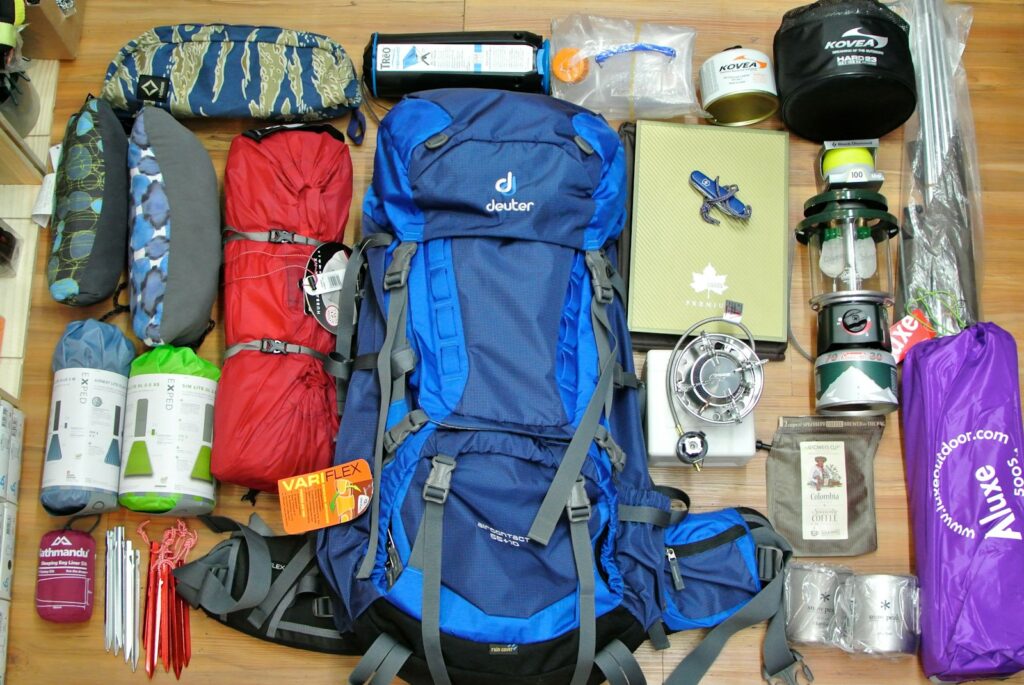
The way you carry and organize your wildlife safety equipment can significantly impact its effectiveness in emergency situations. Choose a backpack with multiple compartments to keep safety items separated and easily accessible. Consider using a chest harness for bear spray rather than keeping it buried in your pack, as you may have only seconds to deploy it during an encounter. Store food items and scented products in separate waterproof bags, ideally in an external pocket that can be quickly jettisoned if necessary to distract an aggressive animal. Some specialized wildlife safety backpacks include built-in whistles on the sternum strap and reflective materials for increased visibility. Regardless of your pack choice, establish a consistent organization system so you can find critical items quickly without having to dump out your entire backpack in an emergency situation.
Navigational Tools to Avoid Wildlife Hotspots
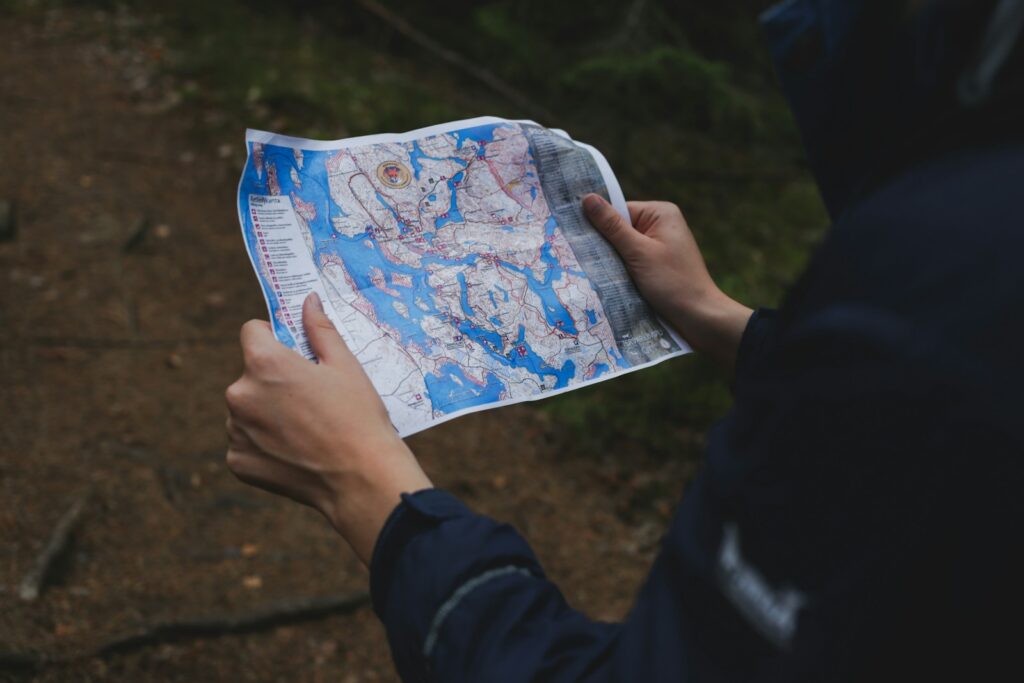
Proper navigation equipment helps you avoid areas with high wildlife activity or reported aggressive animal behavior. Detailed topographic maps of the park you’re visiting should mark known wildlife corridors, watering holes, and seasonal feeding grounds where encounters are more likely. A compass and the knowledge to use it remain essential backup tools even in our digital age. GPS devices or smartphone apps with downloadable offline maps allow you to track your location and reference wildlife alert information updated by park services. Some specialized wildlife safety apps even include real-time reporting of animal sightings by other park visitors. Before setting out each day, check at ranger stations for recent wildlife activity reports and mark these areas on your maps to plan routes that minimize potential conflict zones.
Water Purification Systems
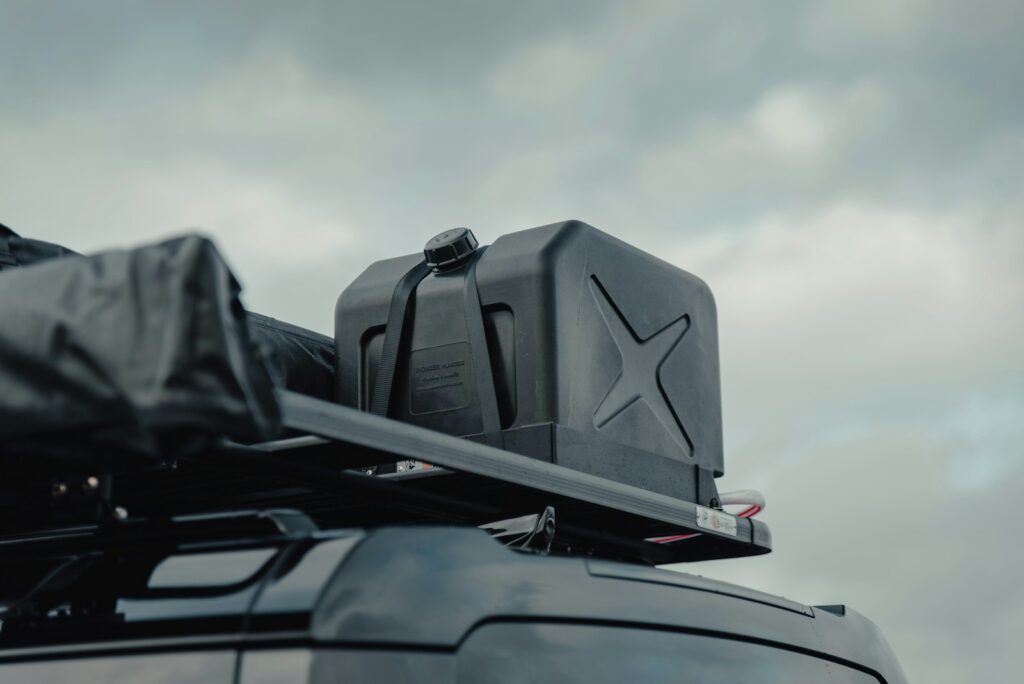
Clean water access reduces the need to visit natural water sources frequented by wildlife, decreasing the likelihood of surprise encounters. Portable water filters or purification tablets allow you to obtain drinking water from various sources without competing with animals at limited water holes, particularly important during drought conditions when wildlife may be more aggressive about protecting resources. Some parks restrict camping near natural water sources specifically because these areas see higher wildlife traffic, especially at dawn and dusk. Carrying sufficient water or having reliable purification methods means you can establish camp in locations less likely to experience animal visitors. Additionally, proper hydration ensures clear thinking during potential wildlife encounters, when quick decisions and appropriate reactions are essential for safety.
Specialized Children’s Safety Items

Families traveling with children need additional wildlife safety considerations when packing for park visits. Child-sized whistles attached to children’s clothing provide an immediate way for them to signal for help if separated from adults or if they spot wildlife. Bright, identifiable clothing makes children easier to locate quickly in an emergency situation. Consider child-carrier backpacks with built-in sun and bug protection for younger children, keeping them secure and preventing them from wandering toward interesting animals. Age-appropriate wildlife identification cards can help children recognize potentially dangerous species while fostering appreciation for wildlife from a safe distance. Teaching children proper wildlife safety behavior before your trip, accompanied by specially designed kid-friendly wildlife safety items, ensures the whole family can enjoy nature responsibly.
Insect Protection Essentials

While large mammals often receive the most attention in wildlife safety discussions, insects present more common health risks in many park environments. EPA-approved insect repellents containing DEET, picaridin, or oil of lemon eucalyptus provide protection against mosquitoes, ticks, and other biting insects that may carry diseases like Lyme disease, West Nile virus, or Rocky Mountain spotted fever. Permethrin-treated clothing offers an additional layer of protection and remains effective through multiple washings. Fine-mesh head nets provide crucial face protection in areas with intense insect activity, particularly during dawn and dusk hours or in marshy environments. After-bite treatment products containing antihistamines or anti-inflammatory compounds help reduce swelling and itching if preventive measures fail, preventing excessive scratching that could lead to secondary infections.
Educational Materials and Wildlife Identification Guides

Knowledge remains one of your most valuable wildlife safety tools, making educational materials essential items to pack. Pocket-sized wildlife identification guides help you recognize potentially dangerous species and understand their behavioral patterns and warning signs. Park-specific wildlife safety pamphlets often contain location-relevant information not found in general guidebooks, including seasonal concerns like rutting or migration periods when certain animals may be more aggressive. Digital resources downloaded to your device before departure ensure access to information even without cell service. Some parks now offer augmented reality applications that provide real-time information about wildlife commonly found in specific areas you’re visiting. Taking time to review these materials before and during your visit significantly enhances your ability to make informed decisions during wildlife encounters.
Conclusion: Balancing Preparation with Enjoyment
Preparing for wildlife safety shouldn’t diminish the joy and wonder of connecting with nature – rather, it enhances your experience by providing confidence and peace of mind. The items suggested in this guide represent a comprehensive approach to wildlife safety, but your specific packing list should be tailored to your destination, season of travel, and the particular wildlife present. Remember that most wild animals prefer to avoid human interaction, and proper preparation significantly reduces the already small risk of dangerous encounters. By packing thoughtfully for wildlife safety, you demonstrate respect for the natural world and its inhabitants while ensuring your park visit creates lasting positive memories. As the conservation ethic reminds us: take only photographs, leave only footprints, and pack the knowledge and tools to keep both wildlife and yourself safe during your adventures.