

Deep within North America’s forests and wetlands, a remarkable animal has been shaping landscapes for millions of years. With powerful jaws, industrious work ethic, and an innate ability to transform ecosystems, the beaver has earned the prestigious title of “nature’s engineer.” These semi-aquatic rodents don’t simply adapt to their environment—they fundamentally redesign it to suit their needs, creating ripple effects that benefit countless other species. Their ecological influence is so profound that scientists consider beavers to be keystone species whose environmental modifications rival those made by humans. Through their tireless construction activities, beavers demonstrate engineering principles that humans have only relatively recently formalized in scientific terms.
The Master Dam Builders
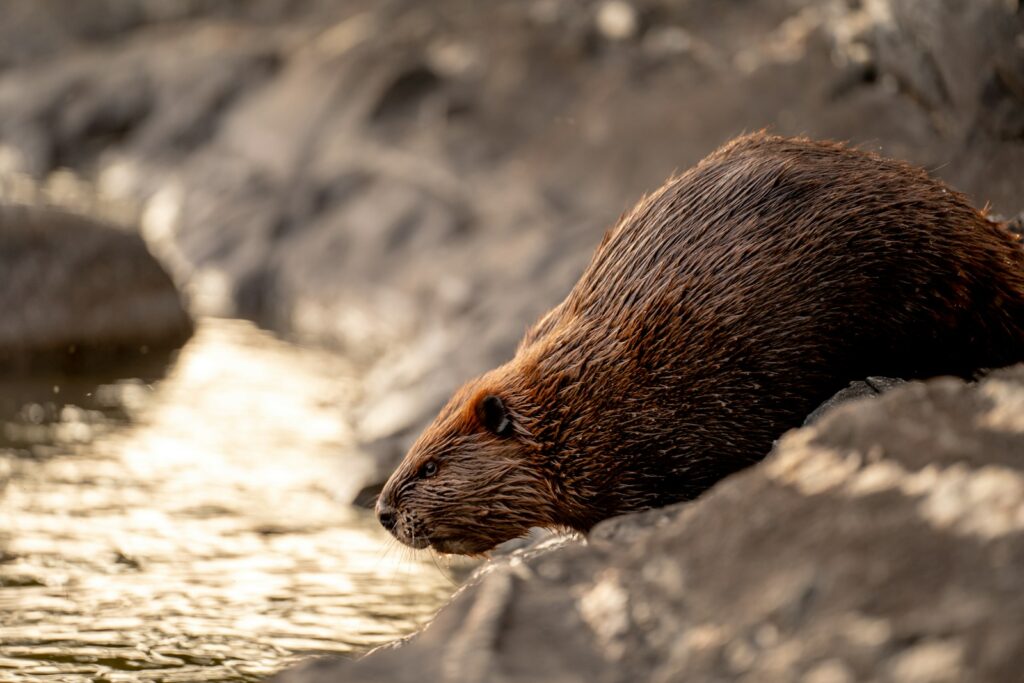
Beavers construct dams with remarkable precision and effectiveness, using branches, mud, rocks, and other materials they gather from their surroundings. These structures can span impressive distances—sometimes extending over 500 feet in length and standing up to 10 feet tall. What’s particularly fascinating is that beavers build these dams instinctively, without blueprints or formal training, yet their constructions can withstand powerful water currents and seasonal floods. The sound of running water actually triggers beavers’ building behavior, prompting them to work tirelessly until they’ve successfully slowed the flow. Their dams are not static structures but rather ongoing projects that require constant maintenance and improvements, demonstrating an engineering mindset focused on structural integrity and functional performance.
Creating Lodges: Aquatic Architecture
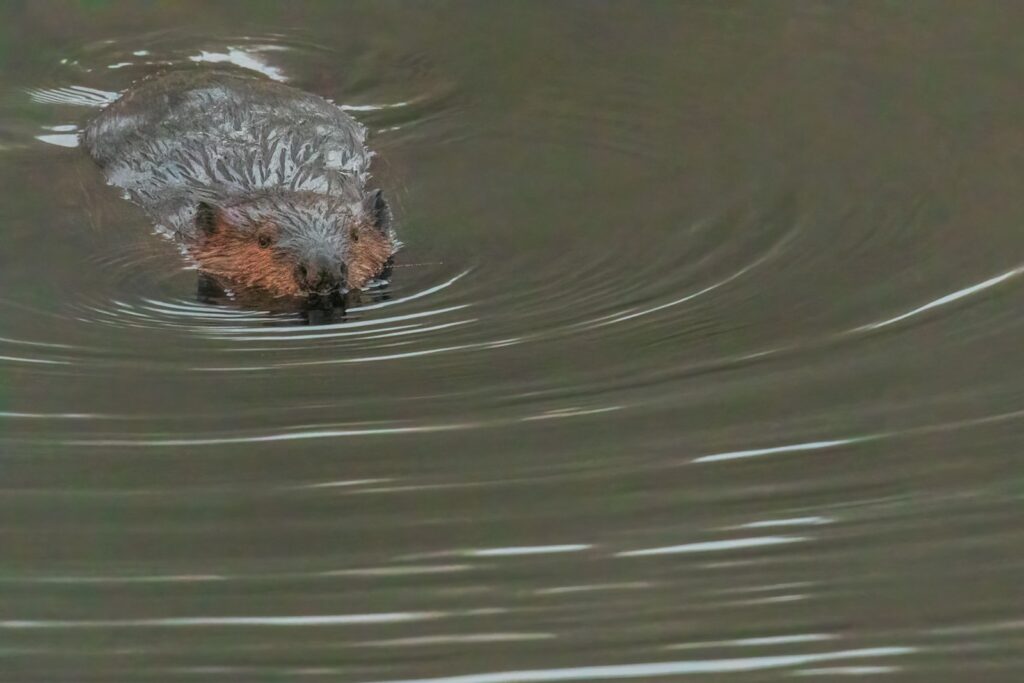
Beyond their famous dams, beavers design and construct elaborate homes called lodges that showcase their architectural prowess. These dome-shaped structures typically feature underwater entrances that provide protection from land predators while allowing beavers easy access to their food storage during winter months. Inside, lodges contain multiple chambers, including a dedicated living area that remains dry and sits above the water line. The walls of these lodges can be remarkably thick—up to several feet of woven sticks and mud—providing excellent insulation that keeps interiors warm even when outside temperatures drop well below freezing. Some beaver lodges have been actively maintained for decades, with generations of beavers continuously reinforcing and expanding their family homes.
Canal Systems and Water Management
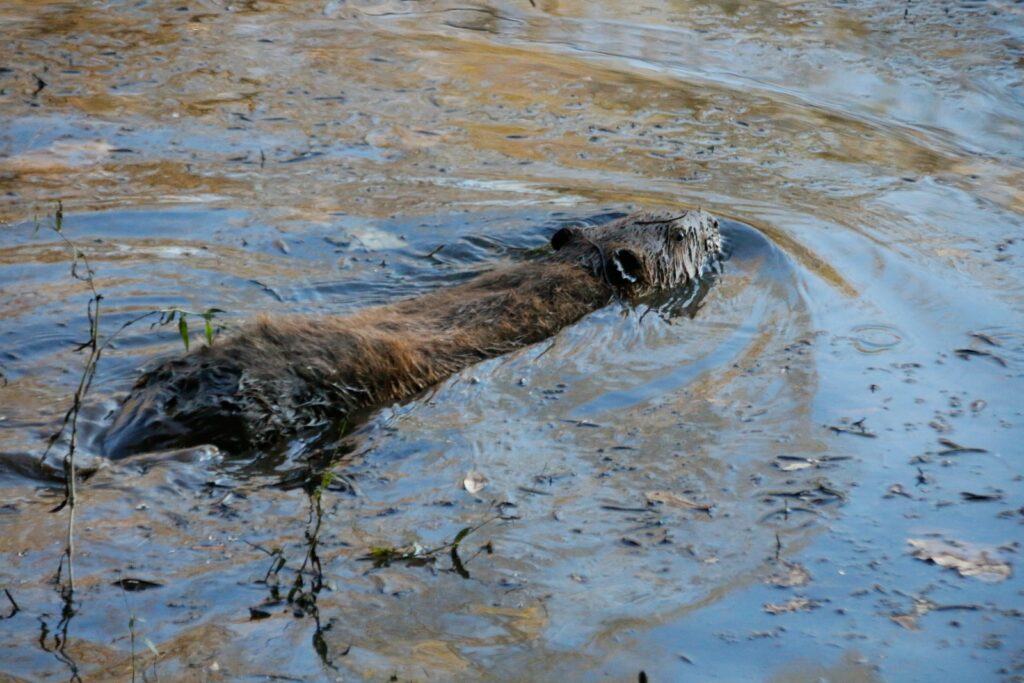
Beavers demonstrate sophisticated water management skills by creating intricate canal systems that extend their aquatic reach into the surrounding forest. These canals, often several feet wide and up to three feet deep, allow beavers to transport harvested logs and branches more efficiently than dragging them overland. By controlling water levels through their dam construction, beavers effectively create navigable waterways that serve as transportation infrastructure for their building materials and food resources. The precision with which these canals are dug shows remarkable understanding of water flow principles and gradient requirements. Some beaver canal systems extend hundreds of feet from the main pond, effectively expanding their foraging territory while minimizing exposure to predators.
Transforming Ecosystems Through Hydrology
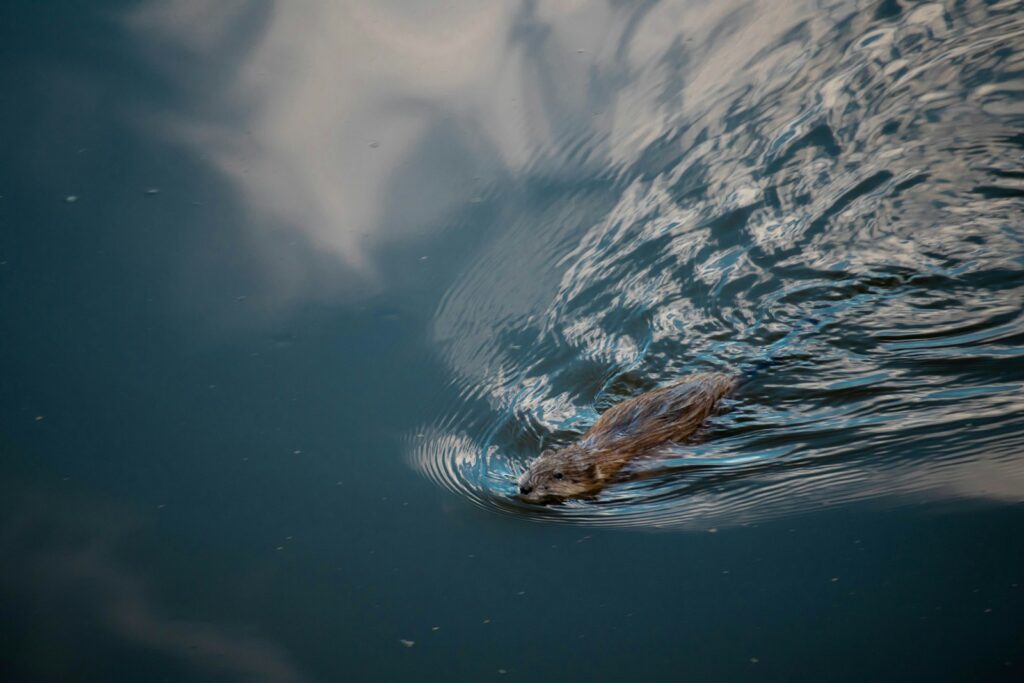
The engineering activities of beavers fundamentally alter the hydrology of landscapes, creating effects that cascade throughout entire ecosystems. By converting fast-flowing streams into ponds and wetlands, beavers effectively slow water movement, which reduces erosion and allows sediments to settle rather than washing downstream. This water retention creates natural reservoirs that help mitigate both drought and flood conditions by regulating water flow throughout seasons. The slowed water movement allows more time for groundwater recharge, often raising the water table in surrounding areas. Research has shown that beaver-modified watersheds can store millions of additional gallons of water compared to similar watersheds without beaver activity, demonstrating their significant hydrological engineering impact.
Soil Enrichment and Sedimentation Experts
Beaver ponds function as natural sedimentation basins, trapping soil particles and organic matter that would otherwise flow downstream. This accumulated sediment becomes enriched with nutrients as plants decompose and microorganisms flourish, creating fertile deposits that can be several feet deep. Over time, when beavers abandon a site and dams eventually breach, these nutrient-rich sediments become exposed as beaver meadows—exceptionally fertile areas that support diverse plant communities. Studies have shown that soil in former beaver ponds can contain up to five times more organic material than surrounding soils. This enrichment process demonstrates how beaver engineering activities contribute to soil formation and nutrient cycling across landscapes, effectively creating productive habitat patches that persist long after the beavers have moved on.
Biodiversity Creation Through Habitat Engineering

Beaver-engineered environments support remarkably high levels of biodiversity, functioning as ecological hotspots within forest landscapes. Their ponds and wetlands create habitat for numerous fish species, amphibians, aquatic insects, and water-loving plants that couldn’t otherwise survive in fast-flowing stream environments. The mosaic of deep water, shallow margins, and periodically flooded zones creates diverse microhabitats that support different species assemblages. Research has documented that areas with beaver activity typically support 40-60% more species than similar areas without beavers. By felling trees and creating clearings, beavers also allow sunlight to reach the forest floor, promoting growth of sun-loving plants that attract different wildlife species, effectively increasing habitat heterogeneity and ecological diversity through their engineering activities.
The Beaver’s Toolbox: Specialized Adaptations
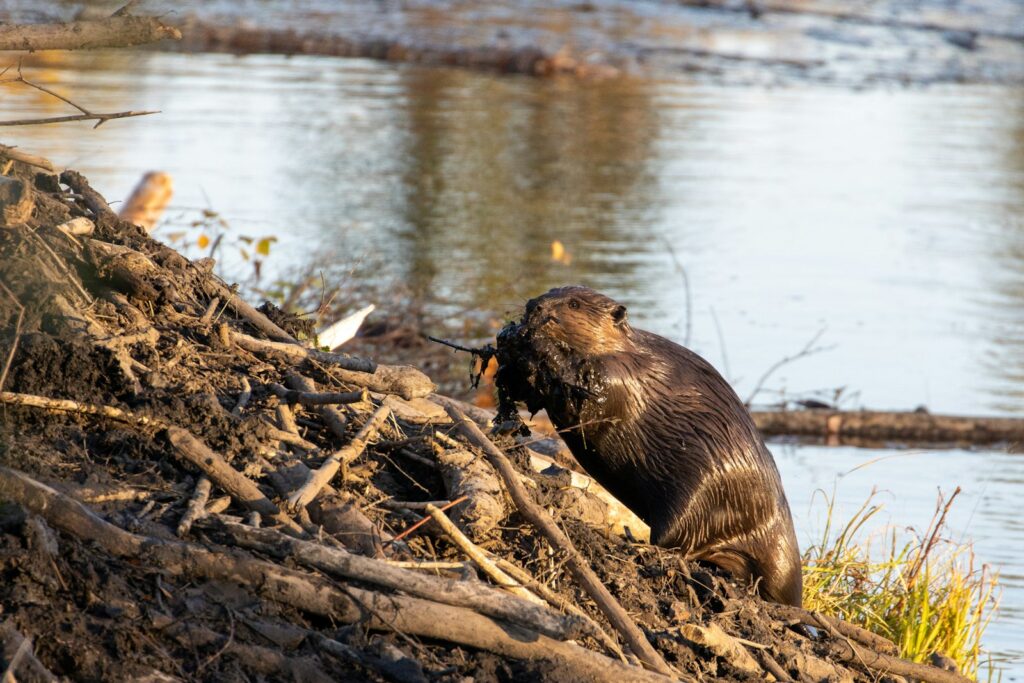
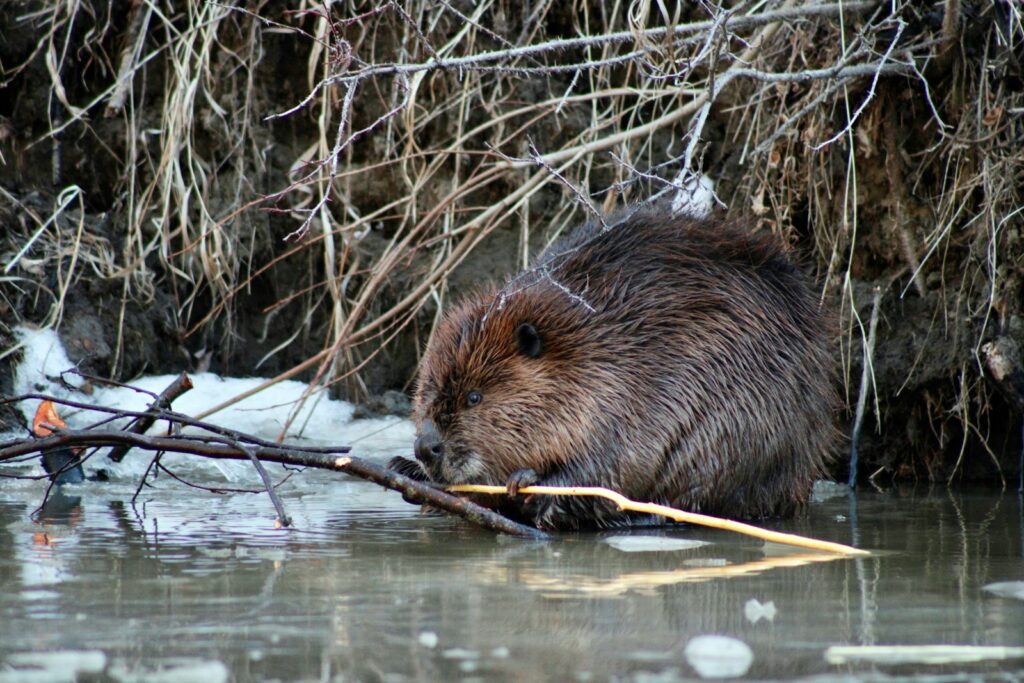
Beavers possess remarkable physical adaptations that equip them for their engineering lifestyle, making them nature’s perfect construction specialists. Their continuously growing incisors are reinforced with iron compounds that give them an orange color and exceptional hardness, allowing beavers to fell trees and shape construction materials with precision. Their specialized front paws feature dexterous digits that can manipulate objects with surprising precision, effectively functioning like human hands when weaving sticks into dams and lodges. Their broad, flat tails serve multiple engineering functions—acting as rudders for swimming, props for standing upright while working, tools for tamping down mud on their structures, and even as warning devices when slapped against water to alert family members of danger. These physical tools, combined with their instinctual knowledge, make beavers uniquely equipped as natural engineers.
Climate Change Mitigation Engineers
Recent scientific research has highlighted beavers’ unexpected role as climate change mitigation engineers. Their wetland creation activities increase carbon sequestration as plant matter accumulates in oxygen-poor pond sediments where decomposition occurs slowly, effectively locking carbon away rather than releasing it as atmospheric carbon dioxide. Beaver ponds also reduce methane emissions compared to other wetland types because of the specific plant communities they support. Their water management creates landscape-level fire breaks and moisture refuges that can help moderate the effects of increasingly frequent wildfires in many regions. Studies estimate that active beaver complexes can sequester between 100-1,000 metric tons of carbon per square kilometer, positioning these industrious rodents as valuable allies in climate resilience efforts and showcasing how their engineering activities provide ecosystem services with global implications.
Nature’s Water Filtration Systems
Beaver ponds function as highly effective natural water filtration systems, improving water quality through several engineering mechanisms. As water slows behind beaver dams, suspended sediments settle out, reducing turbidity and preventing these particles from clogging downstream aquatic habitats. The created wetlands act as biological filters where microorganisms break down potential pollutants, including excess nutrients from agricultural runoff. Research has shown that beaver ponds can remove up to 45% of harmful nitrogen compounds and significant amounts of phosphorus from water flowing through them. Additionally, the anaerobic conditions in pond bottoms promote chemical processes that neutralize certain toxins and heavy metals, effectively sequestering them in sediments rather than allowing them to continue downstream. This natural water treatment demonstrates how beaver engineering provides ecological services that would cost millions to replicate with human technology.
Ecosystem Restoration Partners
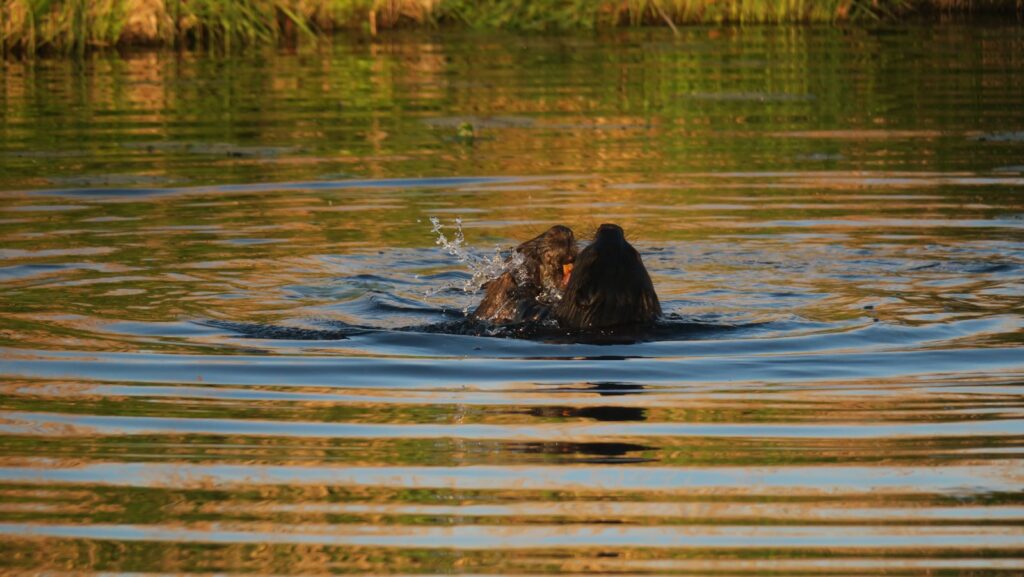
Conservation biologists and restoration ecologists increasingly recognize beavers as invaluable partners in ecosystem restoration efforts. After centuries of beaver trapping and habitat destruction, many watersheds have become degraded, with incised streams, lowered water tables, and reduced ecological function. Reintroducing beavers to these systems—or mimicking their engineering work through human-built structures called “beaver dam analogs”—has become a cost-effective restoration strategy. Beavers work tirelessly without payment, using local materials and responding dynamically to environmental conditions in ways that human engineering often cannot match. Successful beaver-assisted restoration projects have recovered degraded streams across North America, restored wetland habitat for endangered species, and improved water security for human communities. Their engineering work demonstrates nature’s remarkable capacity for self-repair when keystone species are allowed to perform their ecological roles.
Ancestral Engineers with Ancient Impact
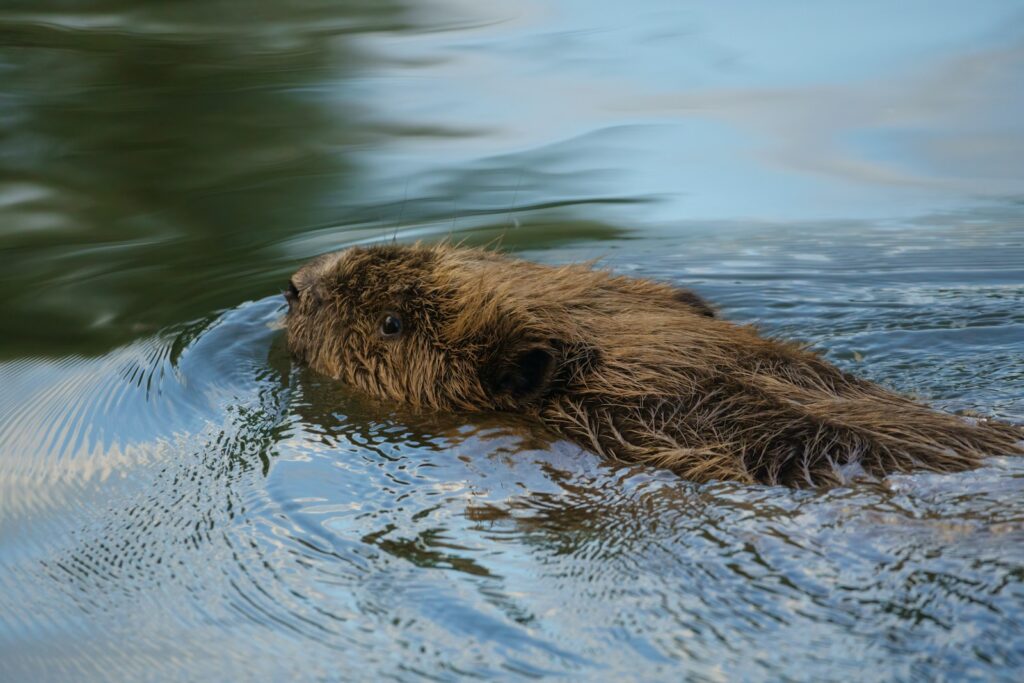
Beavers have been engineering North American landscapes for millions of years, with fossil records showing that ancient beaver relatives constructed dams similar to those built by modern species. During the Pleistocene epoch, giant beavers the size of bears (Castoroides) coexisted with modern beavers, though paleontologists debate whether these larger relatives built dams or simply lived in wetlands. The landscape-level engineering effects of beavers have shaped the evolution of countless plant and animal species that adapted to beaver-created habitats over millennia. Native American cultures recognized beavers’ engineering significance, incorporating them into creation stories and sustainable harvest practices that respected their ecological role. This long history of ecosystem engineering makes beavers one of the most influential non-human architects on the planet, having modified North American hydrology and ecology for timespans that dwarf human engineering endeavors.
Human-Beaver Engineering Conflicts and Coexistence
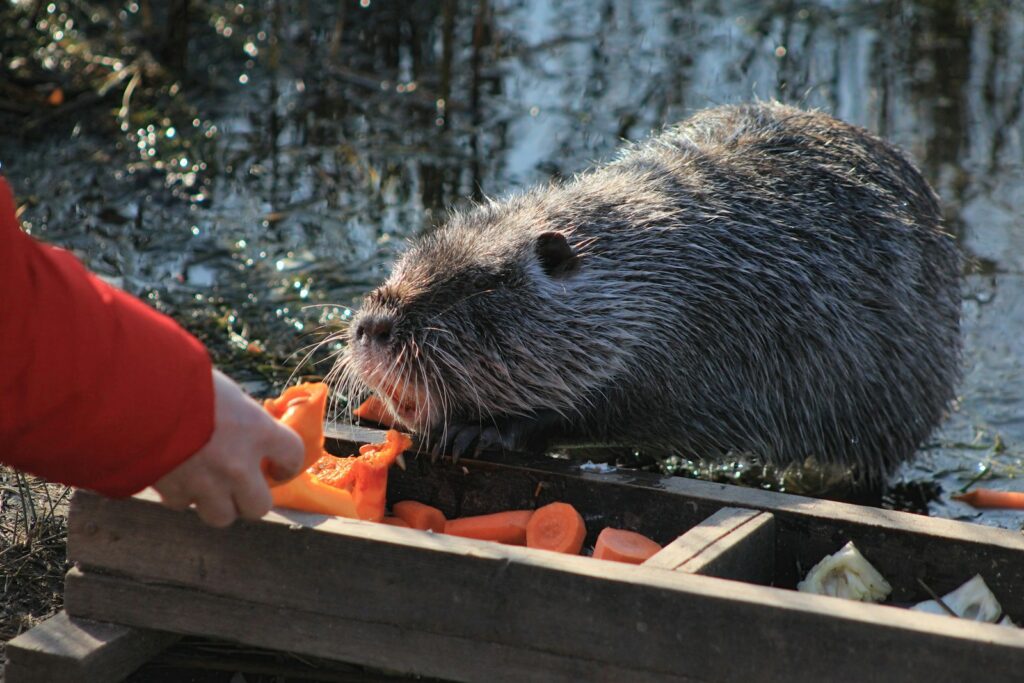
Despite their ecological benefits, beaver engineering sometimes conflicts with human infrastructure and land use, creating management challenges. Beaver dams can flood roads, agricultural fields, and residential areas, while their tree-cutting activities may target valuable ornamental or timber species. These conflicts have historically led to beaver removal or destruction of their engineering works, often with unintended negative consequences for watershed health. Modern management approaches increasingly focus on coexistence solutions that accommodate beaver engineering while protecting human interests. Flow devices like “Beaver Deceivers” can be installed to maintain pond levels while preventing flooding of human infrastructure. Some municipalities now officially employ beavers as watershed engineers, recognizing that their natural water management provides services like flood control and water storage that would cost millions to replicate with conventional engineering. This evolution in management perspective acknowledges beavers’ value as nature’s original ecosystem engineers.
The Engineering Legacy: Beaver Meadows
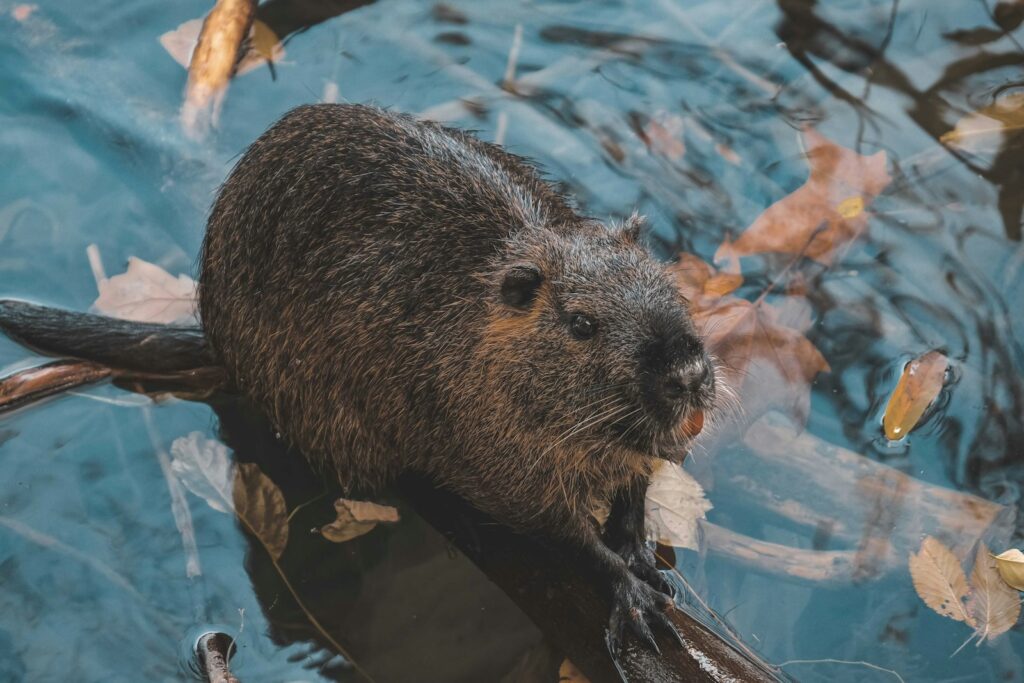
Perhaps the most profound demonstration of beavers’ engineering influence is the beaver meadow—a distinct landscape feature that persists long after beavers have left an area. When beavers abandon a site, their dams eventually breach, draining the pond but leaving behind rich, flat sediments and altered hydrology. These beaver meadows represent some of the most productive habitats in North American forests, supporting diverse plant communities and abundant wildlife. Some beaver meadows persist for decades or even centuries, their fertile soils and unique plant assemblages testifying to the enduring impact of beaver engineering. Studies in Rocky Mountain National Park have identified ancient beaver meadows that have influenced landscape patterns for hundreds of years. This long-lasting transformation of ecosystems showcases how beaver engineering creates ecological legacies that continue benefiting countless species long after the engineers themselves have moved to new territories.
From their precisely constructed dams and lodges to their landscape-level hydrological modifications, beavers truly embody the concept of ecosystem engineers. Their instinctive ability to transform environments not only serves their own survival needs but creates conditions that support countless other species. As humans face increasing challenges from climate change, water scarcity, and habitat degradation, we find ourselves turning to these original environmental engineers for inspiration and partnership. Beavers remind us that sometimes the most effective solutions to complex ecological problems already exist in nature, performed by species that have been perfecting their engineering craft for millions of years. By understanding, appreciating, and working with beaver engineering rather than against it, we gain valuable allies in our efforts to create more resilient, biodiverse, and sustainable landscapes.