
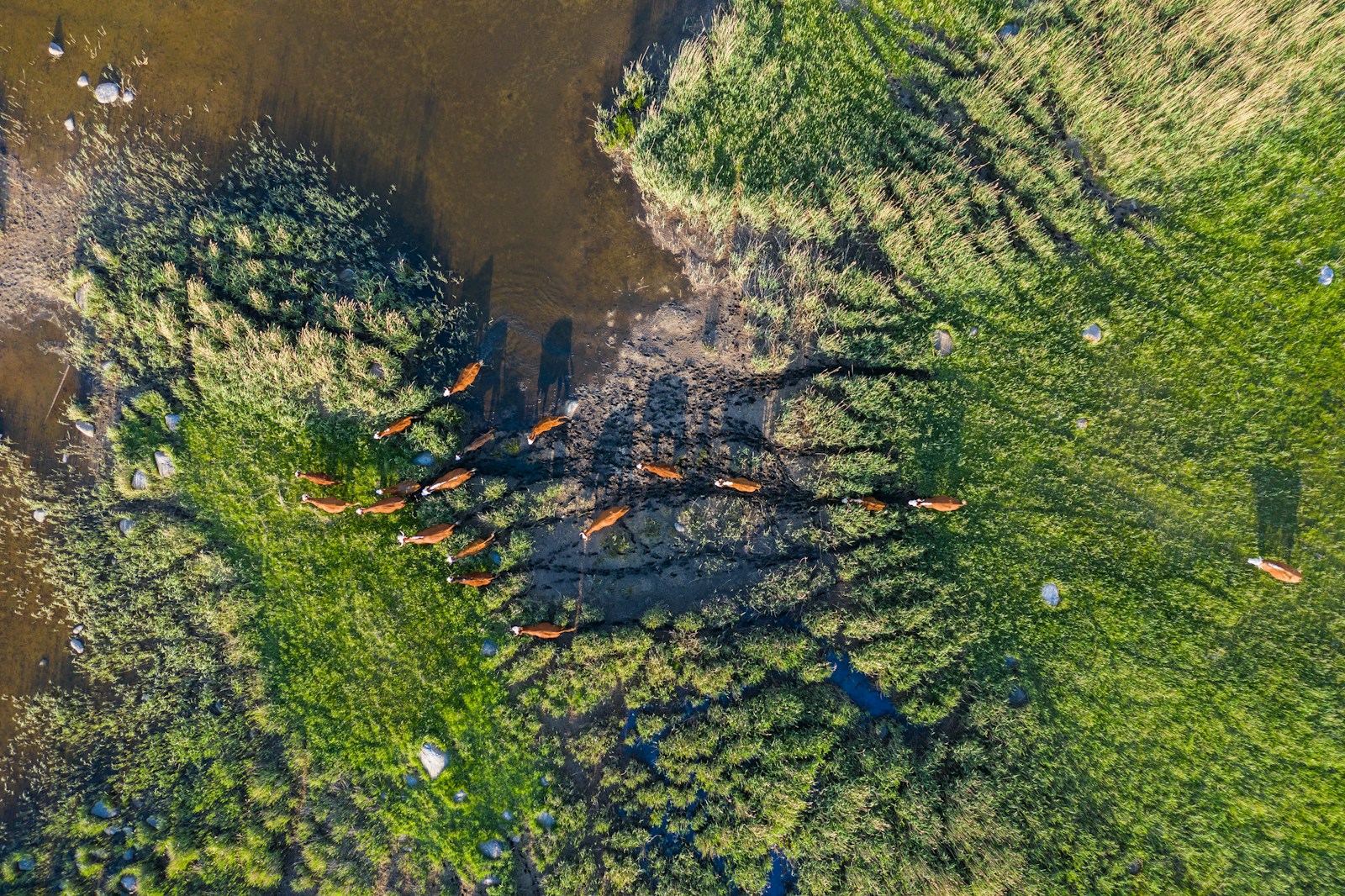
Encounters with wildlife can be one of the most thrilling aspects of visiting parks and natural areas. However, these interactions can occasionally become dangerous when animals display aggressive behavior. Understanding how to properly report these incidents is crucial for maintaining public safety and wildlife conservation efforts. Wildlife management teams rely on accurate, timely reports from visitors to track patterns of animal behavior, identify potential problem areas, and implement appropriate intervention strategies. This comprehensive guide will walk you through the essential steps and considerations for reporting aggressive wildlife behavior in parks, ensuring that both visitors and animals remain protected in these shared natural spaces.
Recognizing Aggressive Wildlife Behavior
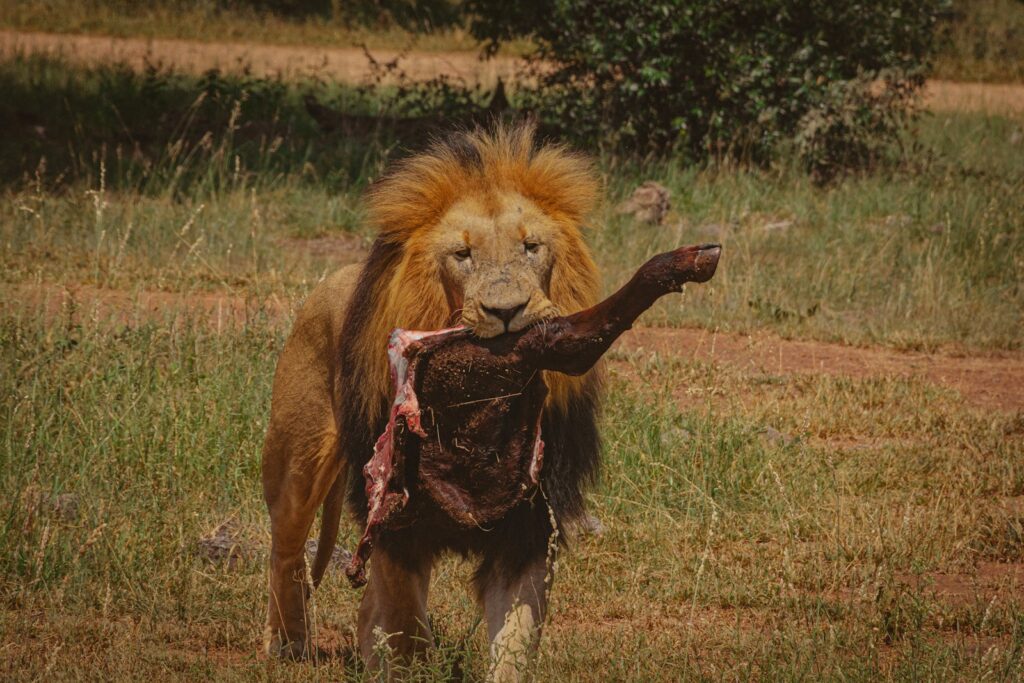
Before reporting an incident, it’s important to understand what constitutes truly aggressive wildlife behavior versus normal animal responses. Wild animals typically display aggression when they feel threatened, are protecting young, defending territory, or have become habituated to humans through improper feeding or interaction. Signs of aggression may include charging, lunging, excessive vocalization, baring of teeth, raised fur, or direct stalking behavior. It’s essential to differentiate between defensive posturing—which animals often display when surprised or feeling cornered—and predatory aggression, which poses a more serious threat. Animals that appear sick, disoriented, or unusually bold around humans may also warrant reporting, as these behaviors can indicate rabies or other diseases that increase aggression.
Maintaining Safe Distance During an Encounter
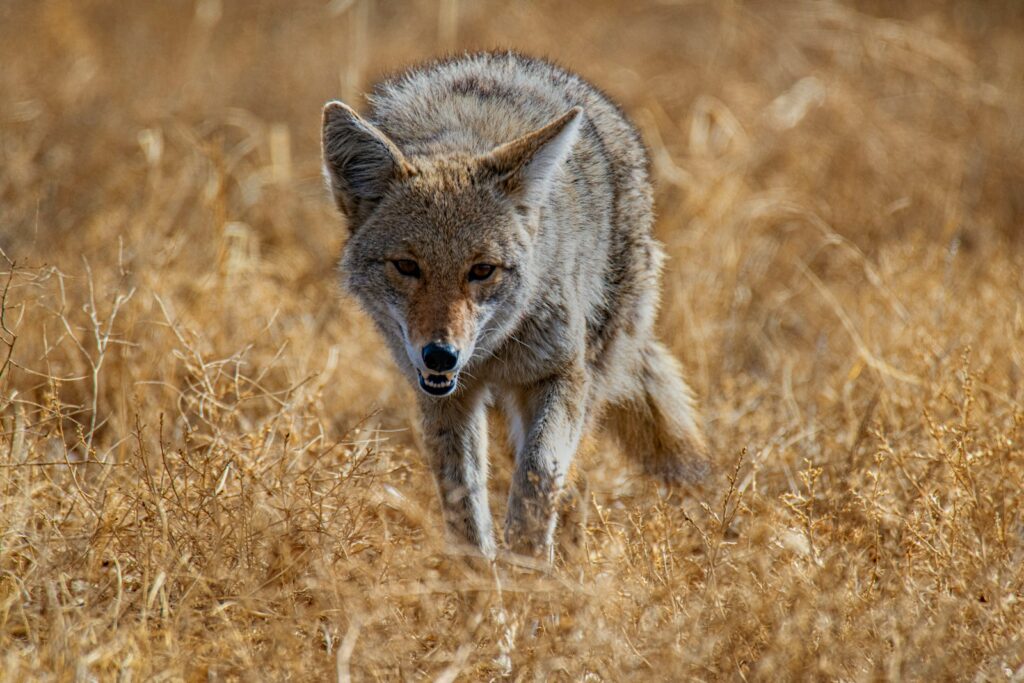
Your immediate safety is the top priority when encountering aggressive wildlife. Most national and state parks recommend maintaining specific distances from wildlife—typically 25 yards (23 meters) from most animals and 100 yards (91 meters) from predators like bears and wolves. If you find yourself too close to an animal showing signs of agitation, back away slowly without turning your back, running, or making sudden movements that could trigger a chase response. Make yourself appear larger by raising your arms and speaking in a firm, calm voice. Never attempt to approach, feed, or photograph an aggressive animal, even if it means missing a once-in-a-lifetime photo opportunity. Remember that your safety and the natural behavior of wildlife are more important than any interaction you hoped to have.
Documenting the Incident
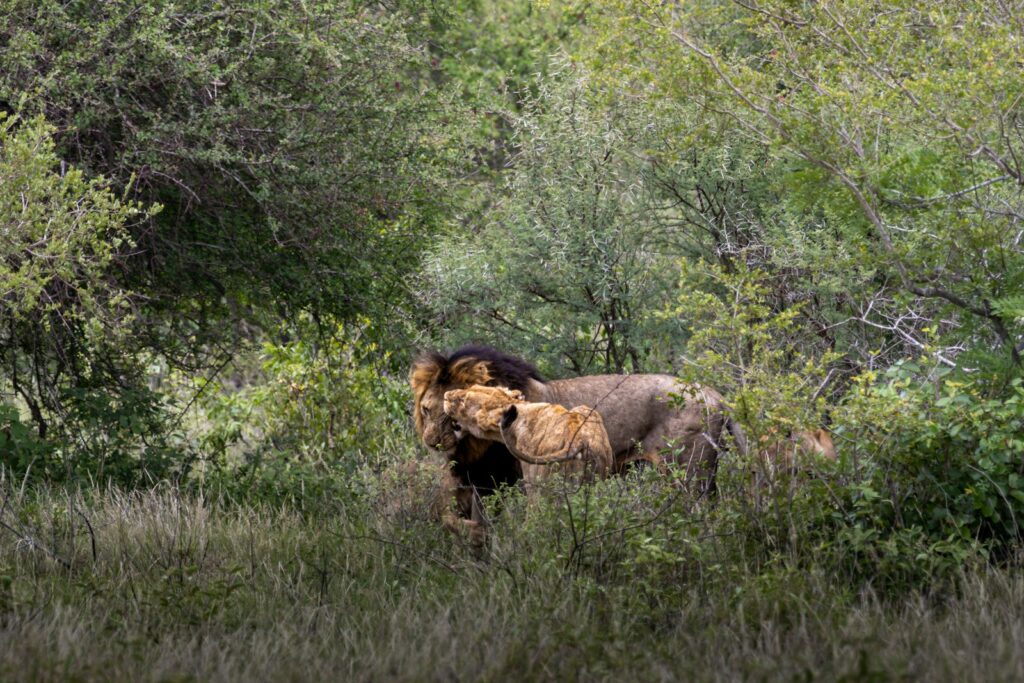
Accurate documentation is crucial for effective wildlife management and for helping other visitors stay safe. If possible, note the exact location of the encounter using trail markers, GPS coordinates, or prominent landmarks. Record the date and time of the incident, as animal behavior often follows patterns related to time of day or season. Try to identify the species involved as specifically as possible, noting distinguishing characteristics if you’re unsure of the exact species. Document the animal’s behavior in detail—what triggered the aggression, how the animal responded, and what actions resolved the situation. If it’s safe to do so and won’t provoke the animal further, taking photos or video from a distance can provide valuable evidence for park rangers and wildlife biologists analyzing the report.
Immediate Reporting Procedures

Time is of the essence when reporting aggressive wildlife, particularly in heavily visited park areas. Most national and state parks maintain visitor centers or ranger stations where incidents can be reported in person. If you’re in a remote area or unable to reach a staffed facility, many parks provide emergency contact numbers specifically for wildlife incidents. These numbers are typically posted at trailheads, on park maps, and on official websites. Some larger parks have implemented mobile apps that allow for real-time incident reporting, complete with location tagging and photo uploading capabilities. In situations that present immediate danger to other visitors, use the universal 911 emergency number if other reporting methods aren’t readily available.
Utilizing Park-Specific Reporting Systems
Different parks often have specialized reporting systems tailored to their specific wildlife management needs. Before visiting a park, familiarize yourself with their particular reporting protocols, which are usually detailed on official park websites or in visitor guides. Some parks have implemented dedicated wildlife incident hotlines, online reporting forms, or mobile applications designed specifically for tracking animal behavior. The National Park Service, for example, offers the “NPS App” that includes features for reporting wildlife incidents across many of its managed properties. State parks often have similar systems, though they may vary considerably from state to state. Larger wildlife preserves with known predator populations typically have more robust reporting requirements and may ask for more detailed information about aggressive encounters.
What Information to Include in Your Report
Filing a comprehensive report helps wildlife management teams respond appropriately to the situation. Begin with your contact information, as rangers may need to follow up with additional questions. Provide precise details about when and where the encounter occurred, including trail names, mile markers, or nearby landmarks. Describe the animal involved as specifically as possible, noting size, coloration, distinguishing features, and whether it appeared to be tagged or collared. Explain the circumstances leading up to the aggressive behavior—were you hiking, picnicking, or camping? Detail the animal’s specific behaviors and your response to the situation. If others witnessed the incident, include their information if they’re willing to corroborate the report. Finally, note whether anyone was injured or if property was damaged during the encounter.
Understanding the Response Timeline

After filing a report, it’s helpful to understand how and when park authorities typically respond to wildlife incident reports. For immediate threats to public safety, such as a predator stalking visitors near a populated area, response is usually rapid, with rangers dispatched to the location to assess and manage the situation. For less urgent reports of concerning but not immediately threatening behavior, the response may involve monitoring the area more closely over the coming days. Many parks compile wildlife incident reports to track patterns over time, which might not result in immediate action but contributes to important long-term management decisions. If your report involves an injury or property damage, you may be asked to file additional paperwork for insurance or legal purposes, and follow-up investigations are standard procedure in these cases.
Following Up on Your Report
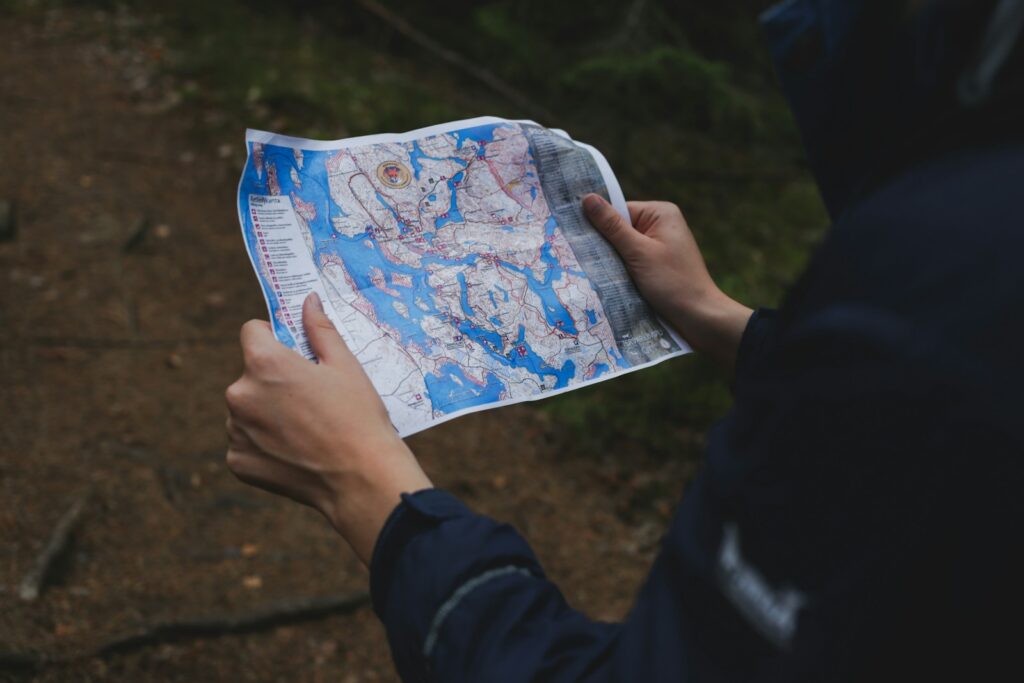
Following up on your report can help ensure it receives proper attention and provides an opportunity to supply additional information if needed. When filing your initial report, ask for a reference number or case ID that you can use to track the status of your report. Most parks have procedures for checking on reported incidents, which might include calling a dedicated phone line or checking an online portal. If you’ve reported a serious incident and haven’t received acknowledgment within a reasonable timeframe, a polite follow-up call to the park’s main administration office is appropriate. Should you remember additional details after filing your report, contact the park as soon as possible to provide this information, as seemingly minor details can sometimes be crucial for wildlife management decisions.
Reporting Wildlife Habituated to Humans
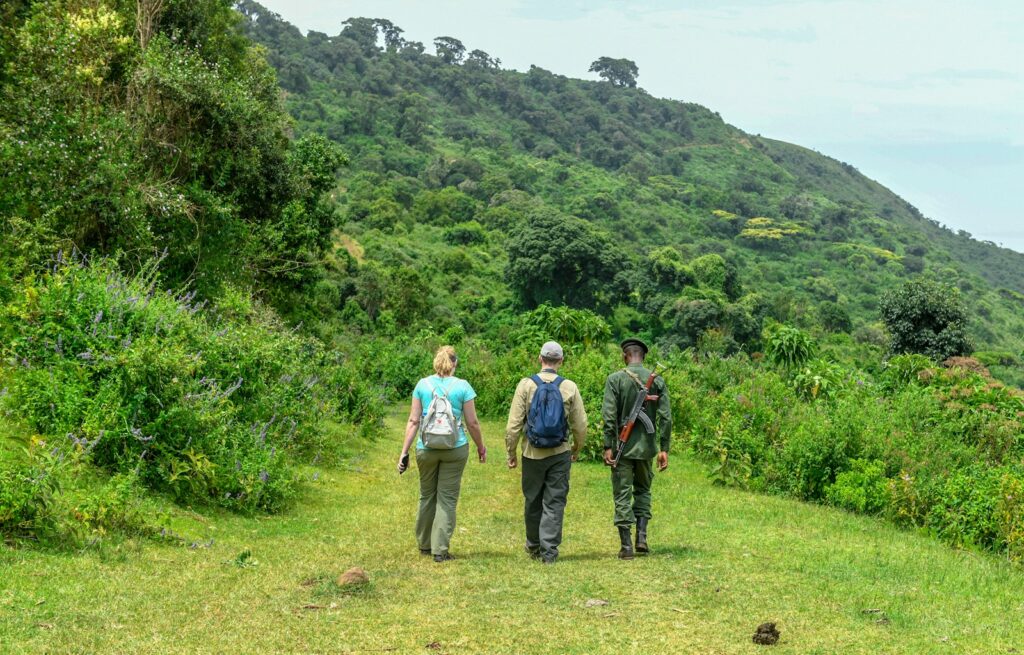
Animals that have become habituated to humans through feeding or improper food storage represent a special category of wildlife concern. These animals may not display overtly aggressive behavior initially but pose significant risks as they lose their natural wariness of humans. If you observe wildlife approaching people, looking for handouts, or attempting to access human food sources, this behavior should be reported even if no aggression is observed. Include details about whether you witnessed anyone feeding the animals deliberately or if improper food storage might be contributing to the problem. Habituated wildlife often becomes increasingly bold and aggressive over time, so early reporting of these behaviors can prevent dangerous situations from developing. Parks may respond by increasing patrols, posting additional signage, or implementing targeted education efforts in problem areas.
Differentiating Between Species-Specific Behaviors

Different wildlife species display aggression in distinctive ways, and understanding these differences can help you provide more accurate reports. Bear aggression might include bluff charges, standing on hind legs (often curiosity rather than aggression), or jaw popping. Moose may pin their ears back, raise hackles, or lick their lips before charging. Mountain lions rarely provide warning signs and may stalk silently, while rattlesnakes typically rattle before striking but won’t always if they feel suddenly threatened. Bison, despite their seemingly docile appearance, can charge with little warning when they feel threatened. When reporting an incident, noting species-specific behaviors helps rangers assess the nature and severity of the encounter. This contextual information allows wildlife management teams to determine whether the behavior was normal defensive posturing or unusual aggression that might indicate a problem animal.
Legal Implications and Responsibilities

Understanding the legal framework surrounding wildlife interactions in parks is important for responsible reporting. Under federal and state wildlife protection laws, it’s generally illegal to harass, harm, or kill wildlife, even if an animal is displaying aggressive behavior. Your report should honestly reflect whether human actions potentially provoked the animal’s response, as this information is vital for fair assessment of the situation. In some jurisdictions, knowingly filing a false wildlife report can result in legal penalties. If your actions contributed to the incident—such as approaching too closely or feeding wildlife—being forthright about these details helps park authorities address the root causes of wildlife conflicts. Most parks operate under a policy that prioritizes wildlife conservation while maintaining public safety, meaning they’ll take the least invasive approach necessary to resolve conflicts.
Contributing to Citizen Science Through Reporting

Your wildlife incident reports contribute valuable data to larger conservation and management efforts beyond the immediate response to the incident. Many parks participate in citizen science initiatives that track wildlife behavior and distribution patterns across seasons and years. These long-term datasets help biologists understand how wildlife is adapting to changing conditions, including increased human visitation and climate change. Some parks offer specialized training programs for frequent visitors who want to become more involved in wildlife monitoring and reporting. By providing detailed, accurate reports of your wildlife encounters—both positive and negative—you’re helping build a more comprehensive understanding of animal behavior in protected areas. This information ultimately contributes to more effective conservation strategies and visitor management practices that benefit both wildlife and park visitors.
Educating Other Visitors About Proper Reporting
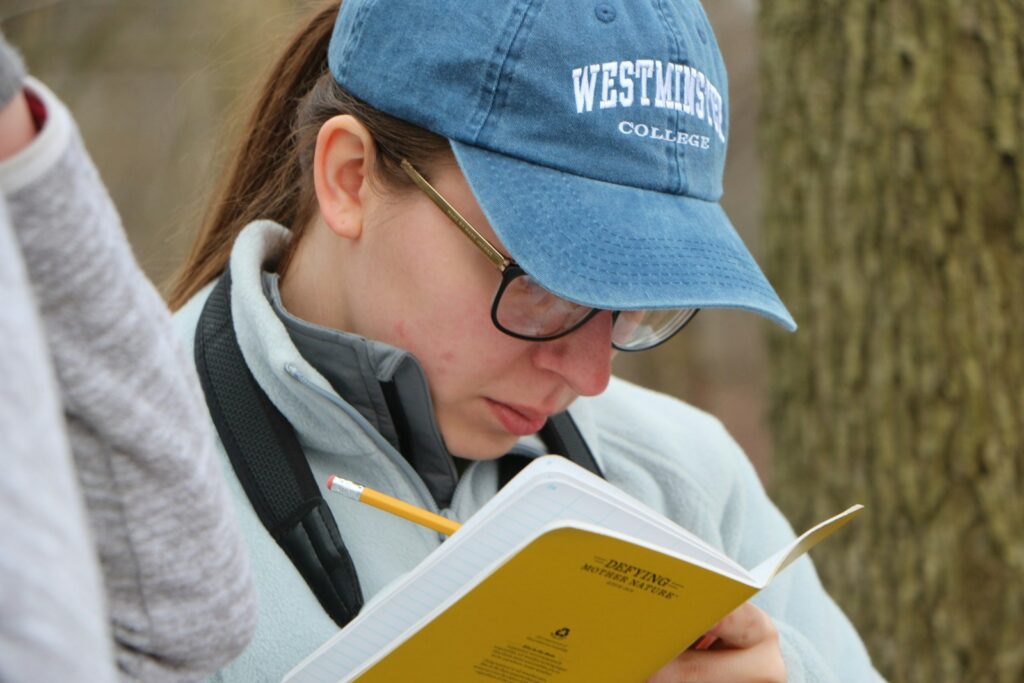
Spreading awareness about proper wildlife reporting procedures multiplies the effectiveness of park management systems. If you witness other visitors having potentially dangerous wildlife encounters, respectfully inform them about appropriate behavior around wild animals and the importance of reporting aggressive incidents. Many people are simply unaware of the reporting mechanisms in place or don’t understand why reporting is important for both public safety and wildlife conservation. Consider carrying extra copies of wildlife safety brochures (available at most visitor centers) to share with others you meet on the trail. Social media groups dedicated to specific parks can also be effective platforms for respectfully sharing information about recent wildlife activity and reminding fellow visitors about reporting protocols. By fostering a community that values responsible wildlife interaction and reporting, you’re helping create safer parks for everyone.
Preparing for Future Park Visits
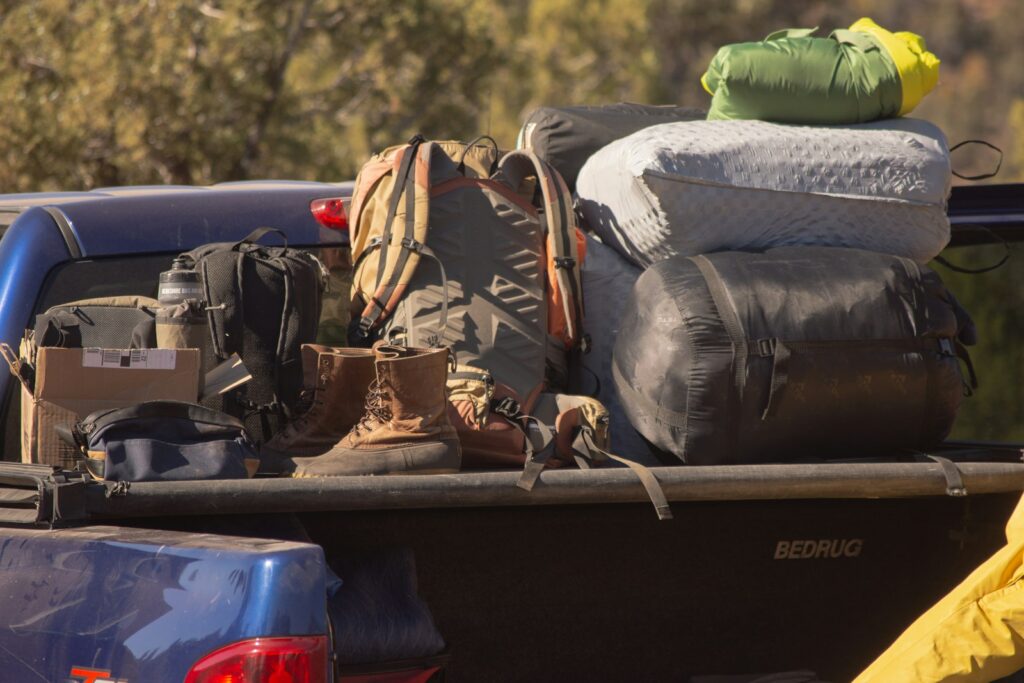
Learning from wildlife encounters can help you better prepare for future park visits. Before your next trip, research the specific wildlife species you might encounter and familiarize yourself with their typical behaviors and warning signs. Download any park-specific apps that facilitate wildlife reporting, and save emergency contact numbers in your phone before entering areas with limited cell service. Consider carrying wildlife deterrents appropriate to the area, such as bear spray in bear country, and know how to use them properly. Take a few minutes to review the park’s wildlife safety protocols, which are usually posted at visitor centers and trailheads. By preparing proactively for wildlife encounters, you’ll be more confident in your ability to avoid problematic interactions and respond appropriately when necessary, making your outdoor experiences safer and more enjoyable.
Conclusion: The Collective Responsibility of Wildlife Stewardship
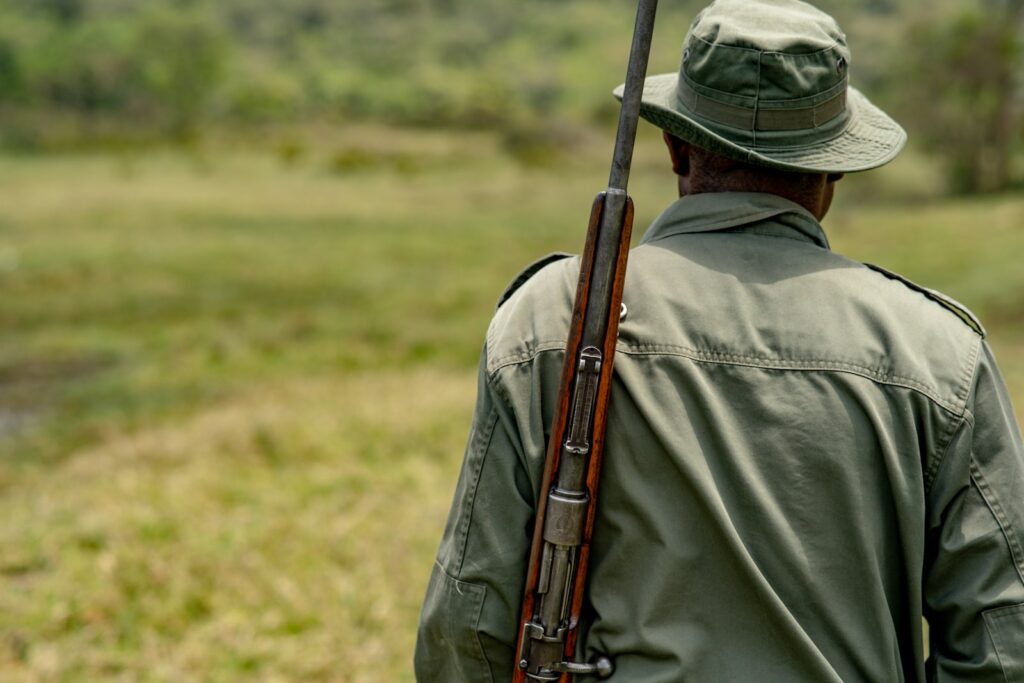
Reporting aggressive wildlife behavior is more than just a safety measure—it’s an act of environmental stewardship that benefits both humans and animals. Each report contributes to a broader understanding of wildlife behavior patterns and human-animal conflicts in our shared natural spaces. By taking the time to report incidents thoroughly and accurately, you’re helping park managers make informed decisions about wildlife management, visitor education, and resource allocation. Remember that most aggressive wildlife encounters result from animals being surprised, feeling threatened, or having been improperly habituated to humans through feeding or close interaction. Our collective goal should be coexistence that respects the wild nature of these animals while ensuring visitor safety. Through responsible reporting, mindful behavior, and mutual respect for wildlife, we can help preserve the natural character of our parks for generations to come.