
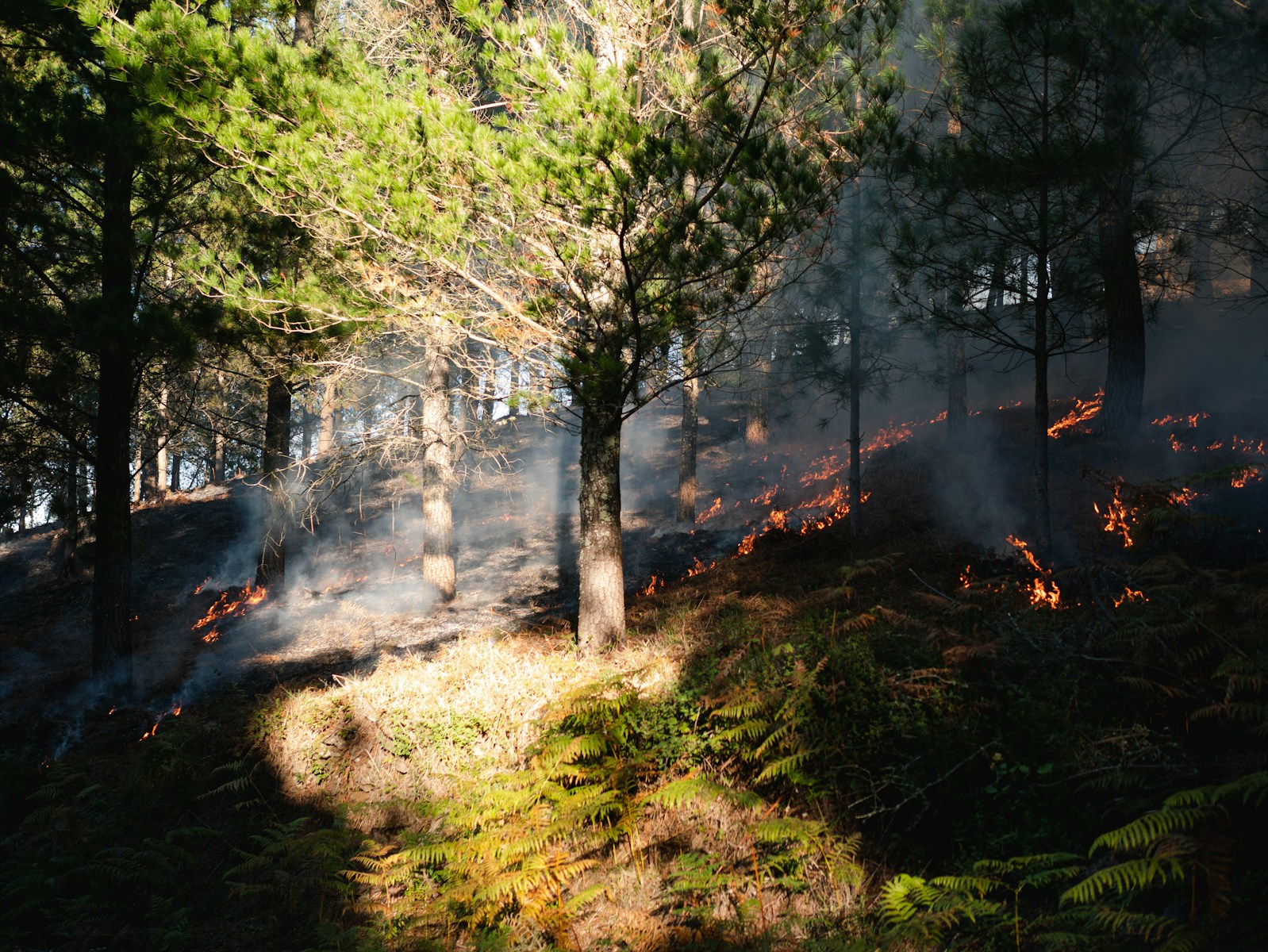
Fire, often viewed as a purely destructive force, plays a vital and complex role in ecosystem management and wildlife habitat renewal. Throughout history, natural fires have shaped landscapes, forests, and prairies, creating dynamic environments where diverse species can thrive. Today, land managers and conservation experts deliberately use controlled burns as essential tools for habitat restoration and biodiversity preservation. This practice, sometimes called prescribed burning, mimics natural processes that many ecosystems have evolved with over millennia. Understanding how fire renews wildlife habitats reveals the fascinating interplay between destruction and regeneration in natural systems.
The Ecological Role of Fire in Natural Environments
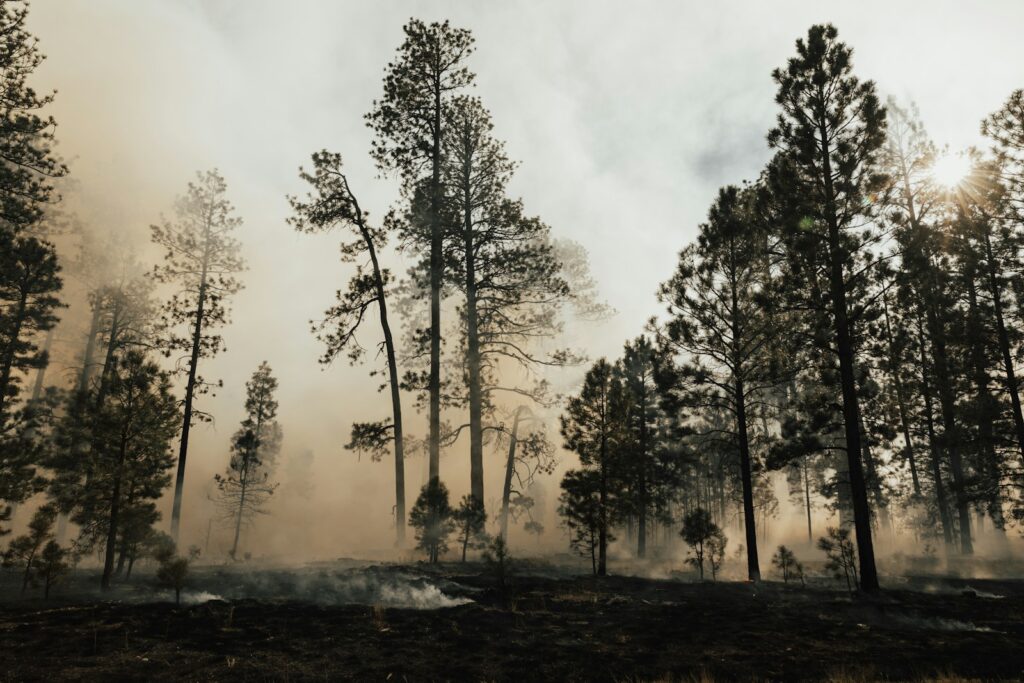
Fire has been shaping ecosystems for millions of years, functioning as a natural and necessary component of environmental health. Many habitats are fire-adapted, meaning their plant and animal communities have evolved specific traits and life strategies that not only help them survive fire events but often require them for proper functioning. In places like the longleaf pine forests of the southeastern United States or the tallgrass prairies of the Midwest, fire historically swept through with regularity, clearing understory vegetation and recycling nutrients. Without these periodic burns, these ecosystems gradually lose their characteristic species composition and structure. Fire’s absence in fire-dependent ecosystems often leads to declining biodiversity, increased vulnerability to disease, and altered habitat conditions that no longer support native wildlife populations.
Historical Fire Regimes and Human Intervention
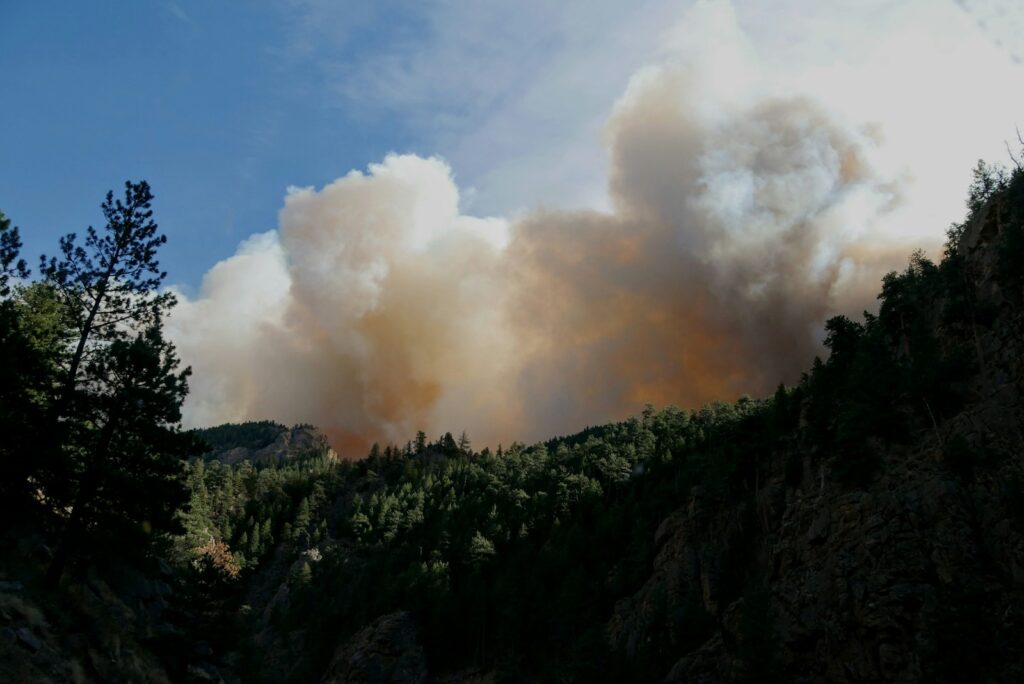
Before widespread European settlement across North America, indigenous communities actively managed landscapes with fire for thousands of years. These cultural burns maintained open woodlands, created diverse habitat mosaics, and enhanced conditions for plants that provided food and materials. When European settlers arrived, they often suppressed these traditional burning practices, leading to fundamental changes in ecosystem structure. By the early 20th century, wildfire suppression became official policy across much of the United States and other developed nations, creating a fire deficit in many landscapes. This interruption of natural and cultural fire regimes has resulted in dramatic vegetation changes, fuel accumulation, and habitat degradation for countless wildlife species. Today’s restoration efforts often aim to reintroduce fire at frequencies and intensities that more closely match historical patterns.
Prescribed Burns: A Controlled Approach to Habitat Renewal
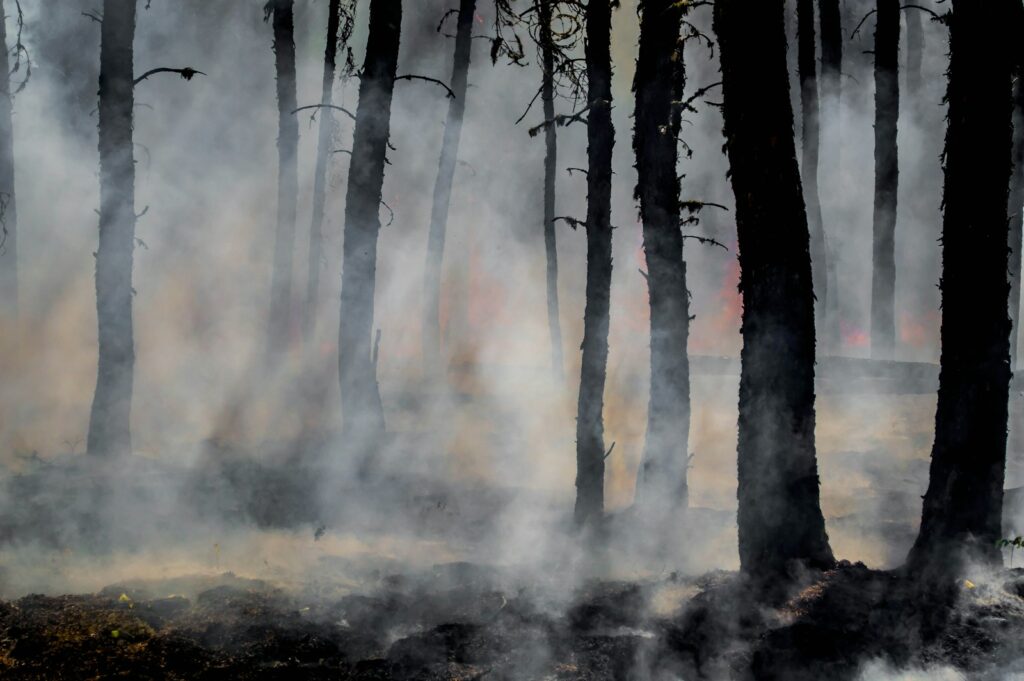
Prescribed burning involves the careful planning and controlled application of fire to achieve specific ecological objectives. Unlike wildfires, which may burn at inappropriate times or with excessive intensity, prescribed burns are conducted under particular weather conditions, with defined boundaries, and with specific habitat goals in mind. Professional fire crews establish firebreaks, monitor weather forecasts for suitable conditions, and use specialized equipment to manage the fire’s behavior and spread. These controlled burns typically follow detailed plans that specify temperature thresholds, humidity levels, wind speeds, and fuel moisture content necessary for a safe and effective burn. Agencies conducting prescribed burns must often obtain permits, notify nearby communities, and ensure that trained personnel and equipment are on site to maintain control throughout the process.
Nutrient Cycling and Soil Rejuvenation

One of fire’s most significant ecological benefits is its ability to accelerate nutrient cycling in an ecosystem. When vegetation burns, nutrients locked in plant tissues quickly return to the soil as ash, providing a fertility boost that stimulates new growth. This nutrient pulse is particularly important in ecosystems where decomposition occurs slowly, such as coniferous forests or cool prairie environments. The blackened soil following a fire absorbs more solar radiation, warming more quickly in spring and extending the growing season for emerging plants. Fire also alters soil chemistry in ways that can benefit certain plant species, temporarily raising pH levels and changing nitrogen availability patterns. These soil changes create windows of opportunity for fire-adapted plants to germinate and establish before competition increases.
Creating Diverse Vegetation Structure for Wildlife
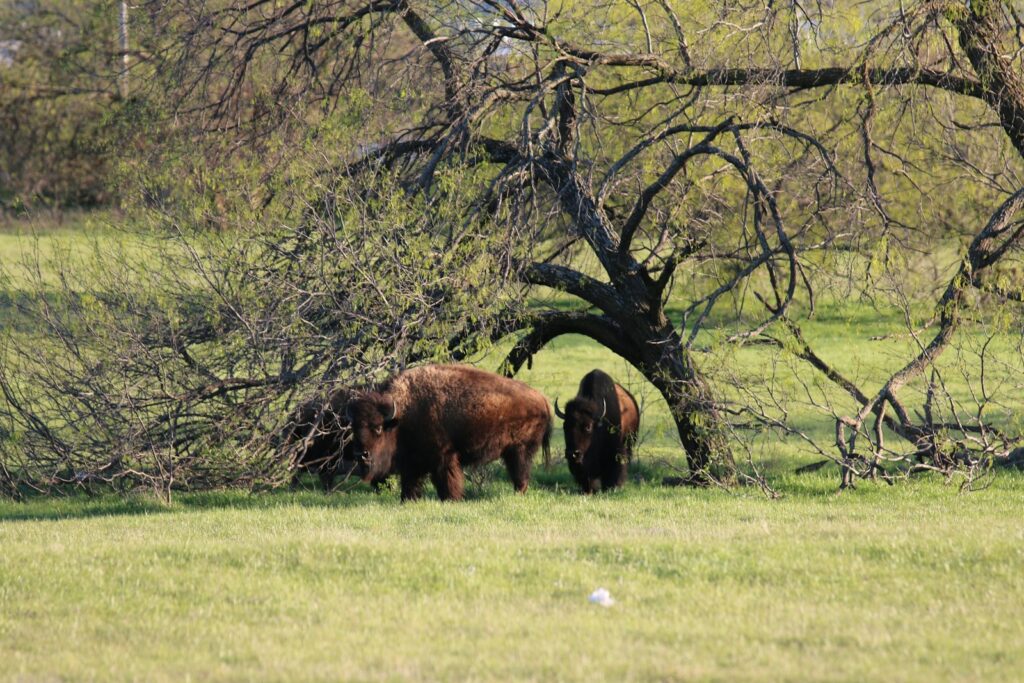
Fire creates habitat heterogeneity—a varied mosaic of vegetation types, ages, and structures—that supports diverse wildlife communities. By burning with different intensities across a landscape, fire creates patches of newly regenerating vegetation alongside more mature areas, providing resources for species with different habitat needs. Edge habitats, the transitions between burned and unburned areas, often support particularly high biodiversity. Species like white-tailed deer benefit from the nutritious new growth in recently burned areas while still having access to cover in adjacent unburned sections. Birds like the red-cockaded woodpecker require mature pine trees for nesting but also need open, fire-maintained understories for foraging. This structural diversity created by fire allows more species to coexist within the same general landscape.
Promoting Fire-Dependent Plant Species
Numerous plant species have evolved remarkable adaptations that enable them not just to survive fire but to depend on it for reproduction and competitive advantage. Serotinous cones of certain pine species, for instance, remain sealed with resin until the heat of a fire melts this barrier, releasing seeds precisely when competition is reduced and sunlight reaches the forest floor. Prairie plants like blazing star and compass plant possess deep root systems that remain protected underground during fires, allowing them to quickly resprout and capitalize on post-fire conditions. Some seeds actually require fire’s heat or smoke chemicals to break dormancy and germinate, a phenomenon called fire-stimulated germination. By maintaining these fire-dependent plant communities, controlled burns preserve the foundation of habitat for countless animal species that rely on these plants for food and shelter.
Controlling Invasive Species Through Fire
Fire serves as a powerful management tool for controlling certain invasive species that threaten native wildlife habitat. Many invasive plants evolved in fire-free environments and lack the adaptations that allow native species to survive and recover from burns. When timed correctly, prescribed fires can target invasive plants during their vulnerable growth stages while native fire-adapted species remain dormant or protected. For example, burning can help control invasive cool-season grasses that begin growing earlier than native warm-season grasses in prairie systems. In some forest types, fire can reduce the density of invasive shrubs that would otherwise create dense shade and prevent native understory plants from establishing. This selective pressure helps restore the natural community composition that provides appropriate food sources and habitat structure for native wildlife.
Managing Fuel Loads to Prevent Catastrophic Wildfires
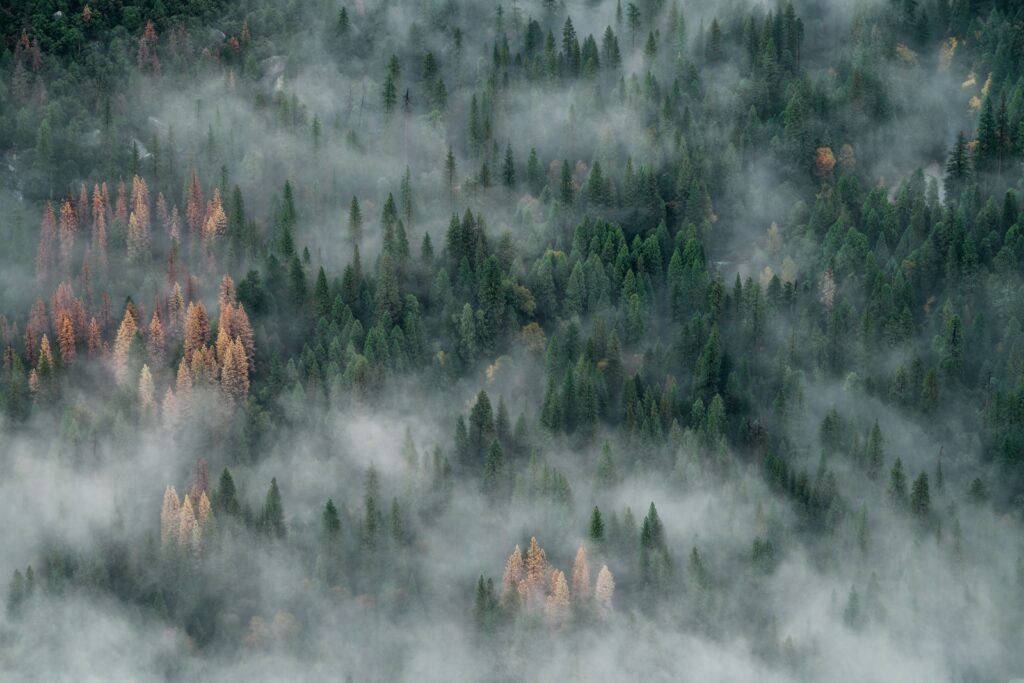
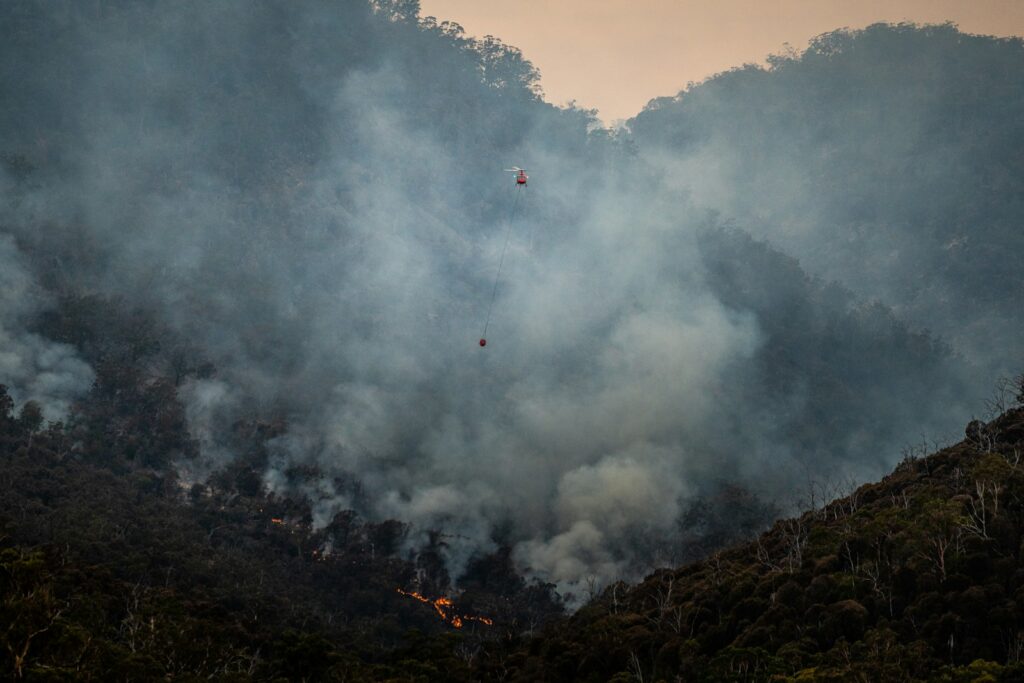
One crucial habitat-protecting function of prescribed fire is reducing accumulated fuels that could otherwise lead to destructive, high-intensity wildfires. Decades of fire suppression have allowed dead wood, leaf litter, and dense vegetation to build up in many forests and woodlands, creating conditions for fires that burn too hot and spread too quickly for wildlife to escape. Prescribed burns conducted under controlled conditions can reduce these fuel loads incrementally, creating landscapes more resistant to catastrophic fire. These managed burns typically consume smaller fuels while leaving larger trees intact, maintaining forest structure while reducing fire risk. For wildlife populations, the difference between a low-intensity prescribed fire and a high-intensity wildfire can be dramatic—the former allows for escape routes and survival mechanisms, while the latter may overwhelm entire communities.
Fire Effects on Insect Populations and Food Webs
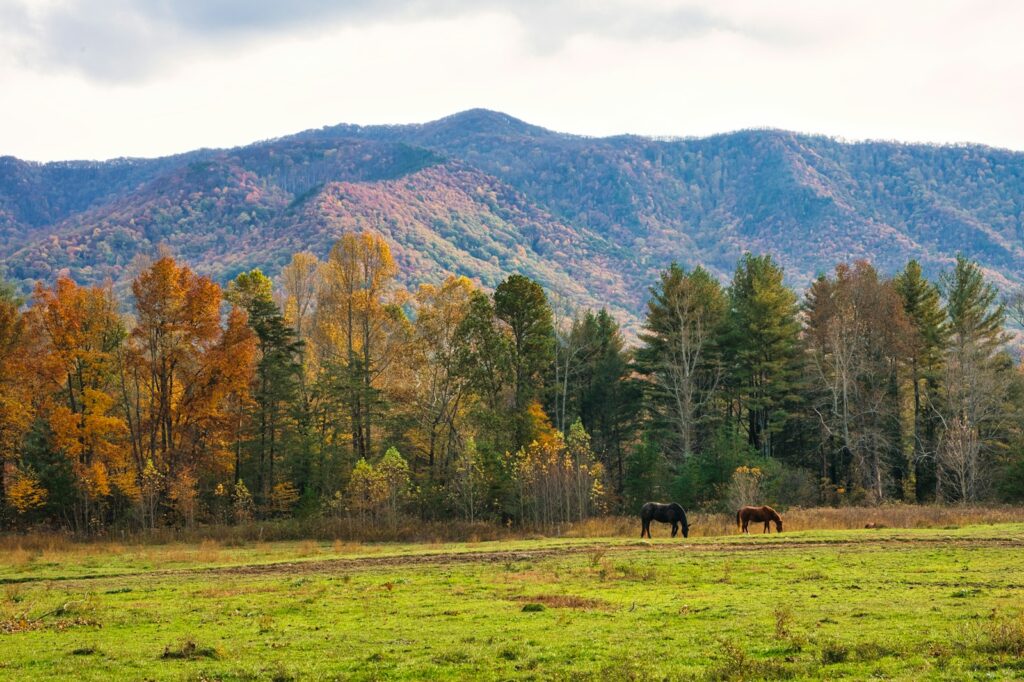
Fire’s effects ripple through ecosystems, significantly influencing insect populations that form the foundation of many wildlife food webs. While fire certainly causes direct mortality to some insects, the post-fire environment often experiences insect population booms that benefit insectivorous wildlife. Dead and weakened trees become habitat for wood-boring beetles, which in turn attract woodpeckers and other insect-eating birds. The flush of new plant growth following fire supports increased populations of herbivorous insects like grasshoppers, which become prey for birds, small mammals, and reptiles. Some insect species, particularly certain butterflies and moths, depend on specific fire-maintained plant communities for their life cycles. By maintaining these insect communities through appropriate fire regimes, managers support the entire food web of a healthy ecosystem.
Mammal Responses to Fire and Renewed Habitat
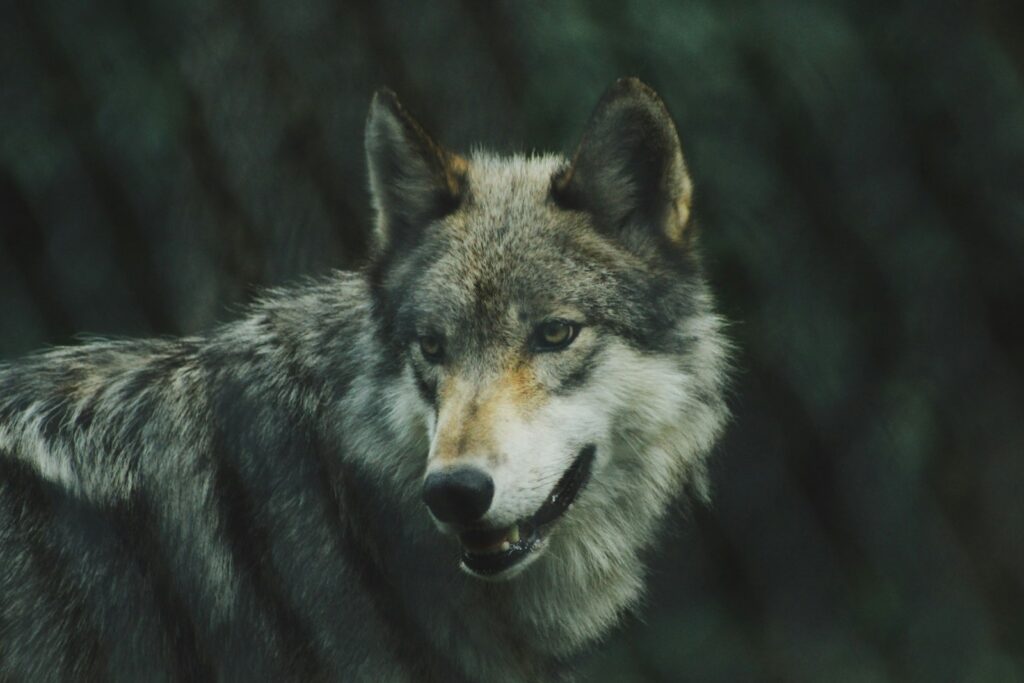
Different mammal species show varied responses to fire, often related to their mobility, diet preferences, and habitat requirements. Large herbivores like elk and deer frequently benefit from the nutritious regrowth that emerges after fires, with studies showing they preferentially graze in recently burned areas where vegetation has higher protein content and digestibility. Small mammals demonstrate more complex responses—some species decline immediately after a fire due to reduced cover, while others increase as seed availability improves in the open conditions. Burrowing mammals often survive fires underground and emerge to find reduced competition and new food sources. Predators like foxes and coyotes may initially hunt more successfully in the open post-fire landscape where prey has fewer hiding places. Over time, the changing vegetation structure continues to shift the mammal community as the habitat regenerates.
Bird Communities in Fire-Managed Landscapes

Birds exhibit some of the most well-documented responses to fire-renewed habitats, with different species specializing in different post-fire stages. Immediately after a fire, cavity-nesting birds like woodpeckers often increase in abundance, taking advantage of newly created snags (standing dead trees) for nesting sites and the influx of bark beetles and other wood-boring insects. Ground-foraging species benefit from the more open conditions that make seeds and insects more visible and accessible. As vegetation recovers, shrub-nesting species gradually return to the regenerating habitat. Some species, like Kirtland’s warbler, depend specifically on young jack pine stands that regenerate after fire, demonstrating how crucial fire management is for certain specialized birds. By maintaining a patchwork of different post-fire stages across a landscape, managers can support the greatest diversity of bird species.
Reptile and Amphibian Conservation Through Fire Management
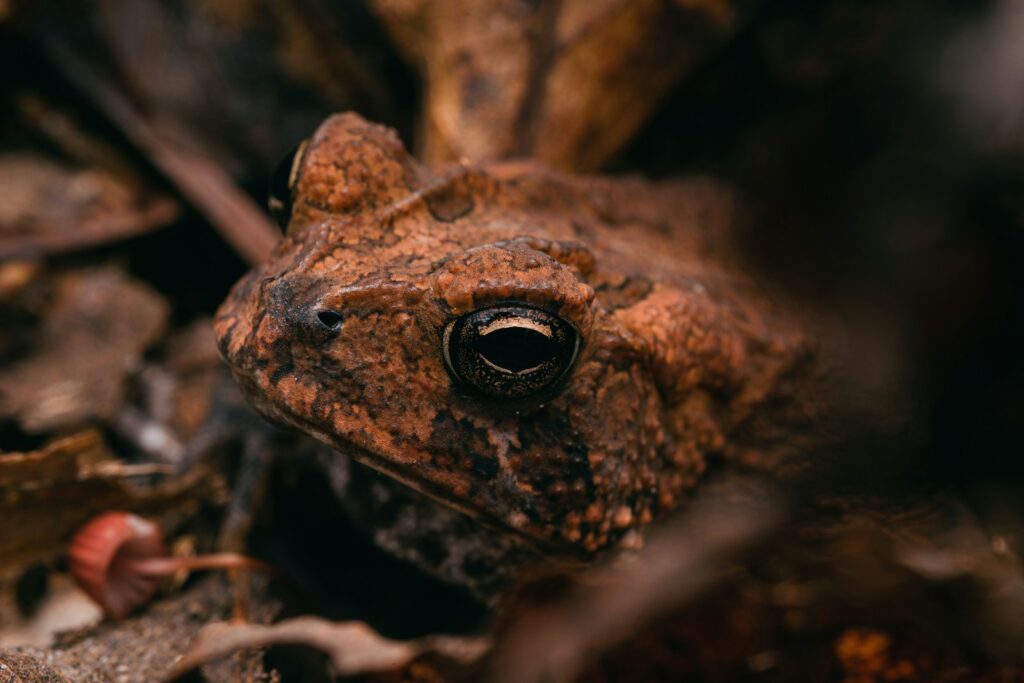
Herpetofauna—reptiles and amphibians—often show positive responses to appropriate fire management, particularly in ecosystems where they evolved with frequent fires. Many turtle species, for instance, benefit from the open, sunny conditions created by fire that provide optimal nesting sites and basking opportunities. Gopher tortoises, keystone species of longleaf pine ecosystems, depend on the open understory maintained by regular fires for movement, foraging, and burrow construction. These burrows in turn provide refuge for hundreds of other species during subsequent fires. While amphibians may seem vulnerable to fire due to their moisture requirements, many species actually thrive in landscapes with appropriate fire regimes that maintain their breeding habitats and prevent encroachment of woody vegetation into wetlands. Careful timing of prescribed burns to avoid peak breeding seasons can minimize direct impacts while maximizing habitat benefits.
Challenges and Considerations in Fire Management
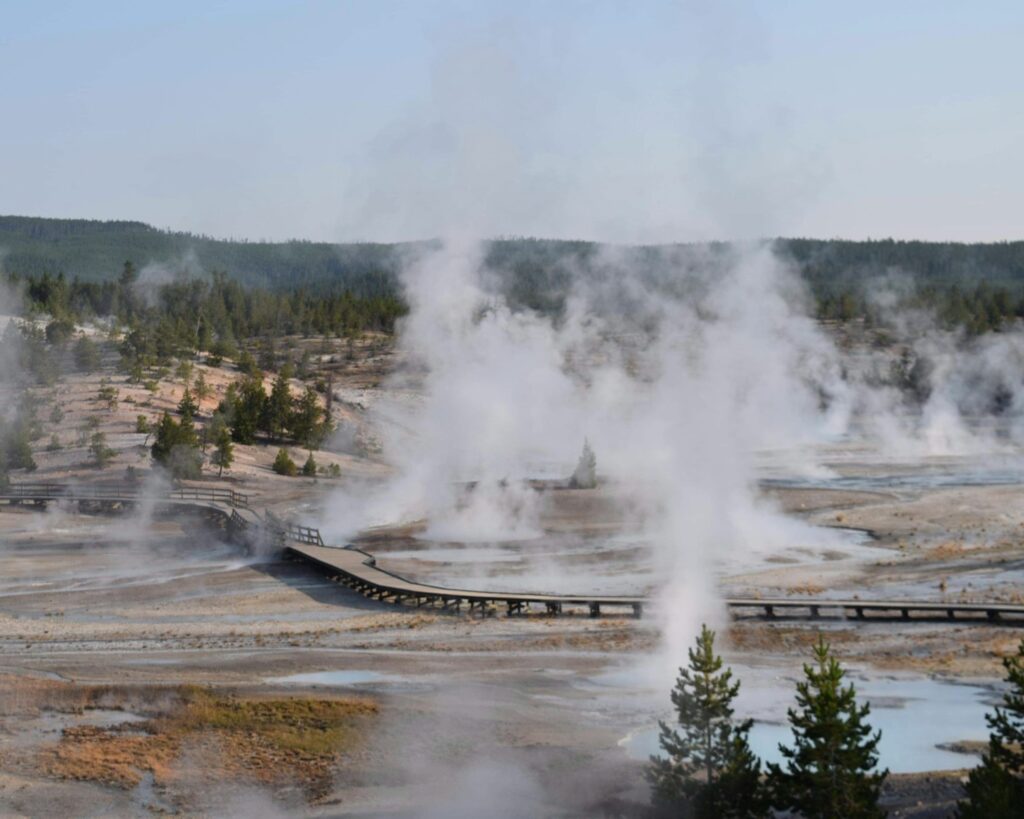
Despite its ecological benefits, implementing prescribed fire involves navigating significant challenges that require careful planning and adaptive management. Air quality concerns and smoke management represent major considerations, particularly near population centers where health impacts must be minimized. Climate change complicates prescribed burning by altering traditional burning windows, with longer droughts, higher temperatures, and unpredictable weather patterns making safe implementation more difficult. The wildland-urban interface—where human development meets natural areas—creates particular challenges for fire managers who must protect structures while still providing ecological benefits. Additionally, some ecosystems have experienced such long periods without fire that reintroduction must occur gradually to avoid unintended consequences. Despite these challenges, the ecological cost of fire exclusion often outweighs the difficulties of reintroduction, driving continued innovation in fire management techniques.
Future Directions in Fire-Based Habitat Management
The future of fire management for wildlife habitat conservation involves increasingly sophisticated approaches that integrate traditional knowledge, modern science, and emerging technologies. Indigenous fire practices are gaining renewed recognition and incorporation into management plans, acknowledging the deep ecological understanding embedded in cultural burning traditions. Advanced modeling techniques now allow managers to better predict fire behavior and ecological outcomes under different scenarios, improving planning precision. Drone technology offers new possibilities for ignition patterns and real-time monitoring during burns. As climate change intensifies, adaptive management approaches that remain flexible to changing conditions will become increasingly important. Ultimately, successful fire management will require continued public education about fire’s ecological role, cross-boundary coordination between different landowners and jurisdictions, and policies that support the appropriate use of fire as a vital conservation tool.
Conclusion

Fire management represents one of humanity’s most powerful tools for wildlife habitat conservation, though it requires careful application based on sound ecological understanding. By mimicking natural disturbance regimes that ecosystems evolved with, prescribed burning helps maintain the dynamic conditions many species require to thrive. The renewed habitats that emerge after fire—with their nutrient-rich soils, diverse vegetation structure, and specialized niches—support biodiversity that would otherwise decline under fire suppression. As climate change and habitat fragmentation create new challenges for wildlife, thoughtfully applied fire management offers a crucial means of maintaining resilient ecosystems. When we view fire not simply as destruction but as renewal, we gain a deeper appreciation for the complex ecological processes that sustain our natural heritage.