
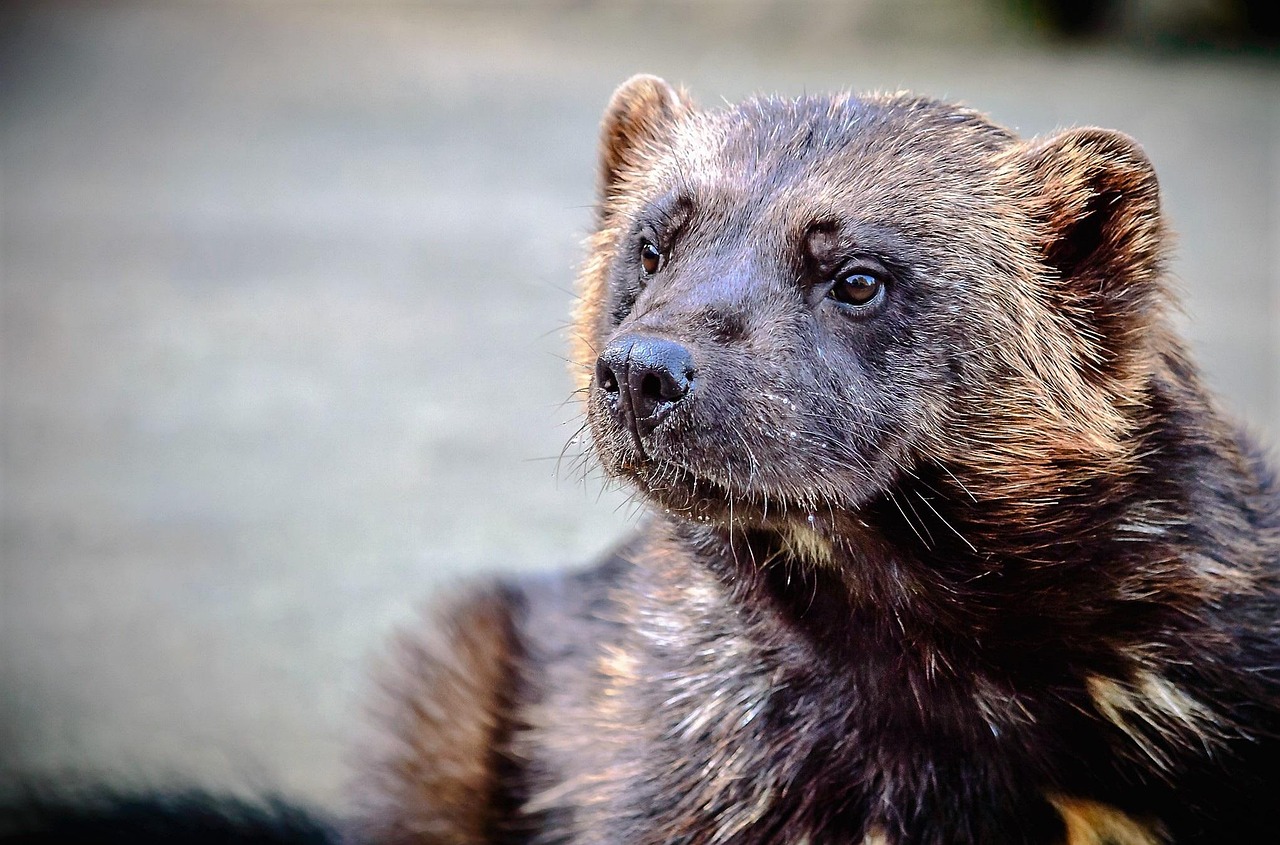
Deep in the coldest, most unforgiving landscapes of the Northern Hemisphere, one animal has earned a reputation that far exceeds its modest size. The wolverine, often called “the devil bear” or “skunk bear,” represents nature’s embodiment of resilience and ferocity. Despite weighing no more than 40 pounds—roughly the size of a medium dog—these remarkable mustelids have adapted to survive in conditions that would be fatal to most mammals. Their legendary toughness, territorial aggression, and remarkable physiological adaptations make wolverines one of nature’s ultimate survival specialists. As we explore the extraordinary world of these elusive carnivores, we’ll discover why wolverines have become symbols of indomitable wilderness spirit and how they’ve earned their reputation as some of the most formidable survivors in the animal kingdom.
Masters of the Frozen Wilderness
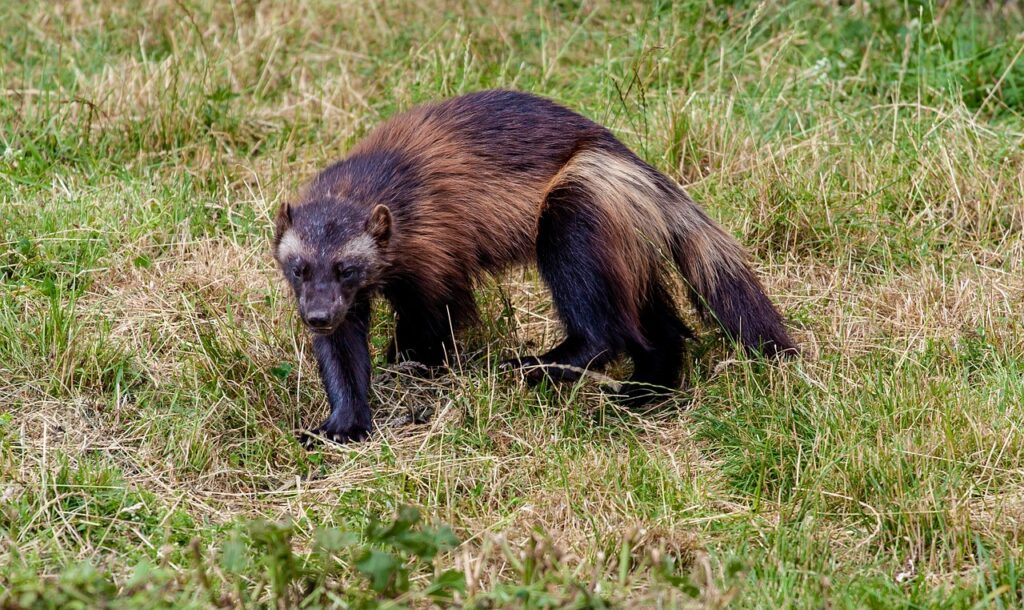
Wolverines primarily inhabit the boreal forests, alpine regions, and arctic tundra of North America, Europe, and Asia—some of the harshest environments on Earth. These remarkable creatures thrive in areas where winter temperatures regularly plummet to -40°F and snow blankets the landscape for more than half the year. While most mammals retreat or hibernate during such extreme conditions, wolverines remain active year-round, traversing vast territories that can span hundreds of square miles. Their specialized physiology allows them to operate in deep snow where other predators cannot follow, giving them access to food sources others cannot reach. This preference for extreme environments has earned them the scientific name Gulo gulo, derived from the Latin word for “glutton,” reflecting their relentless pursuit of sustenance in landscapes where food is scarce and competition is fierce.
Anatomical Adaptations for Extreme Survival
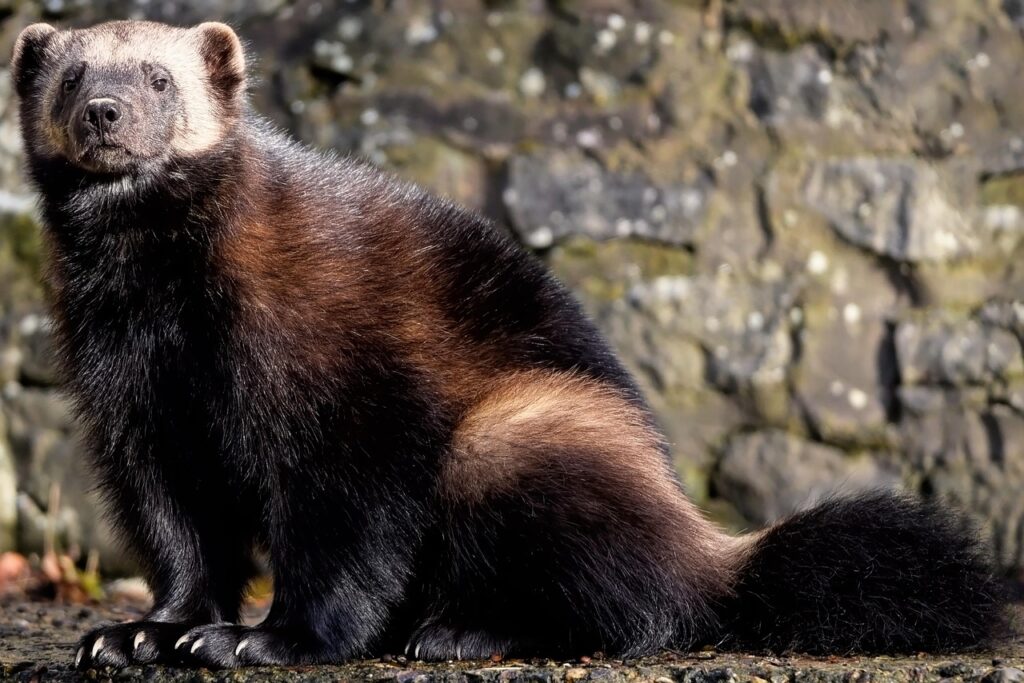
The wolverine’s physical adaptations reveal a creature perfectly engineered for survival in frigid environments. Their dense, oily fur is virtually frost-proof, with unique properties that resist the formation of frost even in the most extreme cold—a characteristic so effective that wolverine fur is highly prized for lining the hoods of arctic parkas. Their oversized paws function like natural snowshoes, distributing their weight and allowing them to move efficiently across deep snow where other predators would flounder. Wolverines possess extraordinarily powerful jaws and specialized molars designed to crush frozen meat and bones, enabling them to extract nutrition from carcasses that would be inaccessible to most other scavengers. Perhaps most impressive is their metabolic efficiency—wolverines can slow their metabolism during food scarcity while maintaining the ability to rapidly ramp up energy production when needed for hunting or defending territory.
Ferocity That Defies Their Size
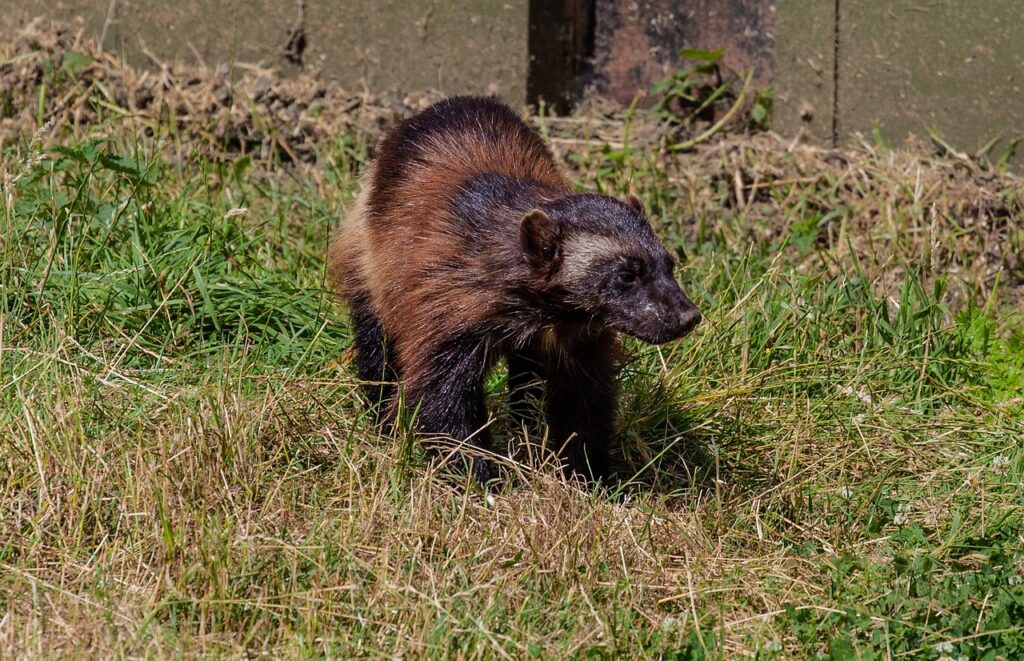
Despite their modest dimensions, wolverines exhibit a level of aggression and fearlessness that seems wildly disproportionate to their physical stature. These tenacious predators have been documented driving bears and mountain lions away from kills and defending their food caches against animals many times their size. Their reputation for ferocity isn’t merely legend—wolverines possess incredible strength relative to their weight, with the ability to bring down prey as large as caribou and moose when conditions favor them. Their aggressive temperament is partly an evolutionary necessity; in environments where food is scarce and winter conditions severe, backing down from a potential meal could mean starvation. This combination of physical power and psychological intensity makes wolverines formidable opponents despite being considerably smaller than many competing predators in their ecosystem.
Exceptional Endurance and Mobility
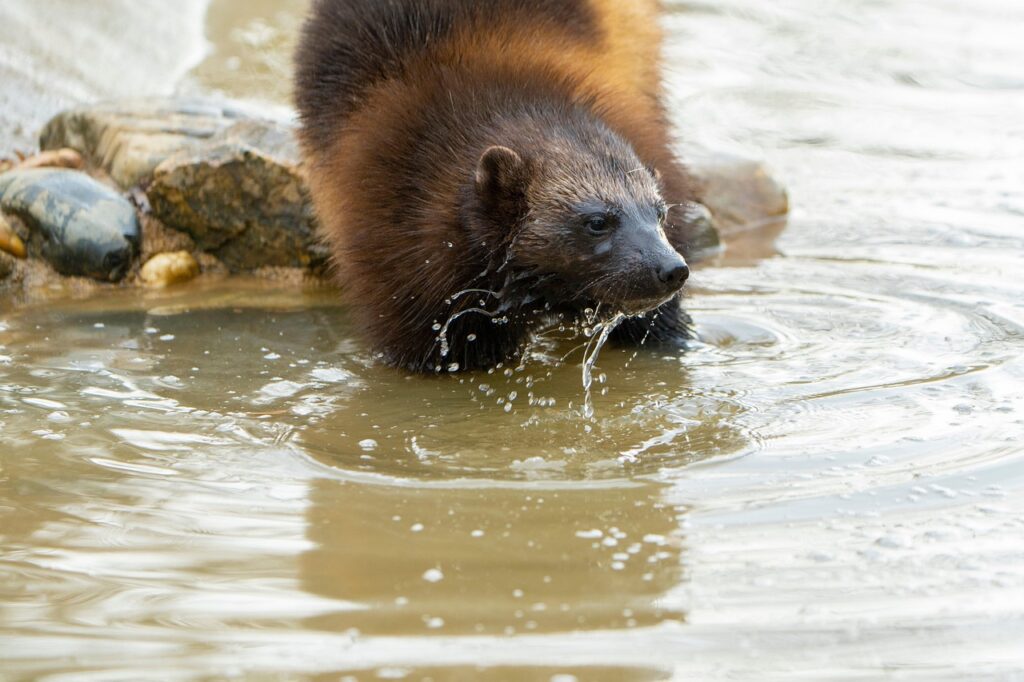
The wolverine’s capacity for sustained physical exertion borders on the supernatural by mammalian standards. These tireless travelers have been documented covering more than 15 miles in a single day across rugged mountain terrain, and radio-collared individuals have been tracked ascending 5,000 feet in elevation over incredibly steep terrain at a rapid pace. One famous tracking study recorded a wolverine that traveled 15 miles, climbed 4,900 feet, and descended 4,600 feet—all within just 3 hours. Their remarkable stamina extends to hunting behavior, where they can pursue prey to the point of exhaustion in deep snow that handicaps other predators. This extraordinary endurance is supported by oversized hearts and lungs relative to their body size, efficient oxygen utilization, and specialized muscle fiber composition that favors slow-twitch endurance fibers over fast-twitch power fibers.
Resourceful Foraging Strategies
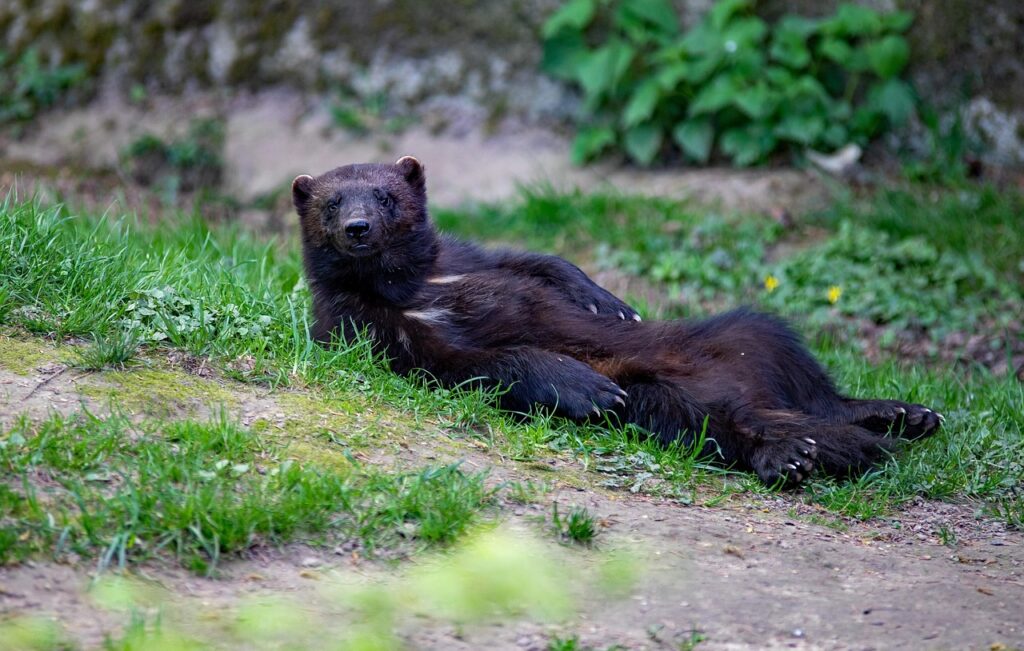
Wolverines employ diverse and opportunistic feeding strategies that epitomize the adaptability required for survival in resource-limited environments. These omnivorous scavengers will consume virtually anything of nutritional value they encounter, from berries and roots to small mammals and bird eggs. Their powerful sense of smell allows them to detect carrion buried under several feet of snow, providing access to winter-killed animals that sustain them through the leanest months. Perhaps most impressive is their caching behavior—wolverines systematically hide food items throughout their territory, creating a network of natural refrigerators that preserve meat in the cold environment for future consumption. Their remarkable spatial memory allows them to return to these caches weeks or even months later, providing critical sustenance during periods when hunting is unsuccessful or conditions are particularly harsh.
Strategic Defense of Vast Territories
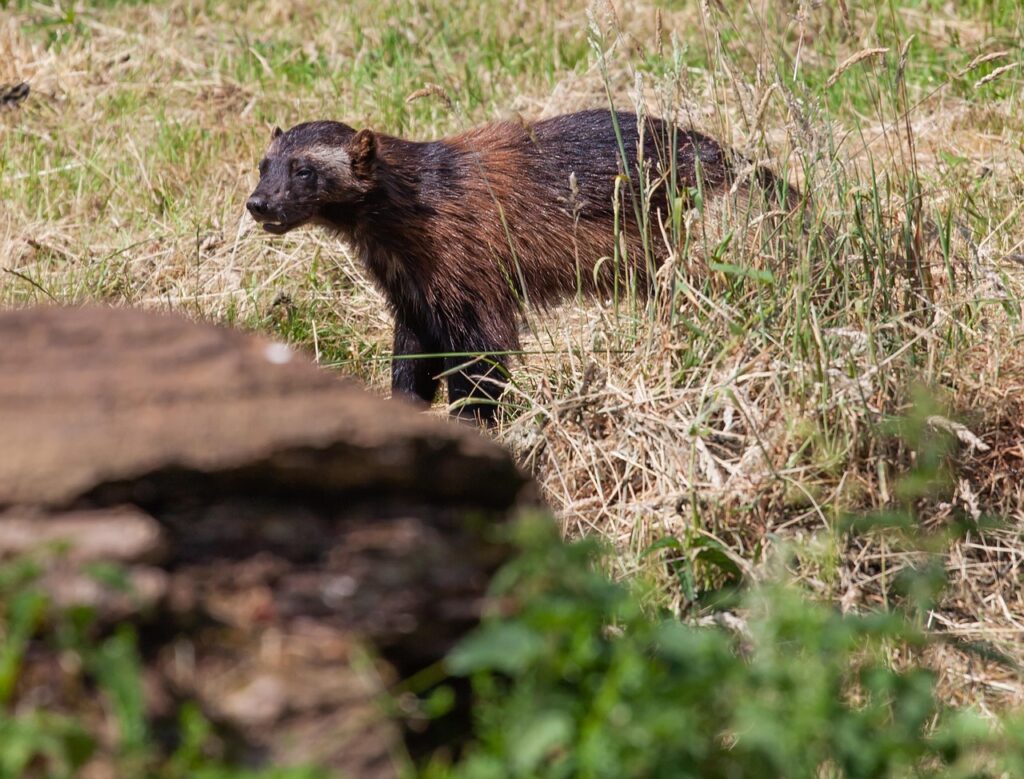
Wolverines maintain some of the largest territories relative to body size of any mammal, with males patrolling areas that can exceed 500 square miles—a domain larger than many major cities. They mark these extensive boundaries with scent glands and vigorously defend them against intruders, particularly other wolverines of the same sex. This territorial behavior isn’t merely about resource monopolization; it represents a critical survival strategy in environments where food density is extremely low. Each wolverine requires an enormous range to ensure sufficient resources throughout the year, and territorial incursions can represent genuine survival threats. Males often maintain territories that overlap with several females, creating a spatial organization that maximizes reproductive opportunities while minimizing competition for scarce resources during crucial winter months.
Reproductive Resilience in Harsh Conditions
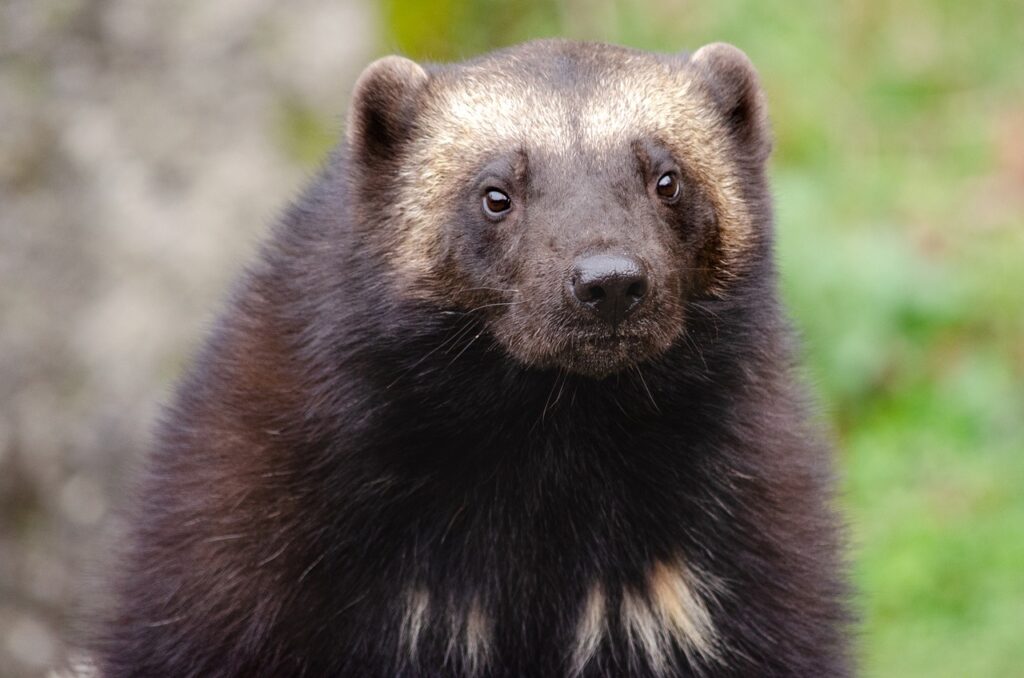
The wolverine’s reproductive strategy reveals additional adaptations for survival in extreme environments. Female wolverines employ a unique reproductive adaptation called delayed implantation, where fertilized eggs remain dormant for months until environmental conditions favor successful development. This allows mating to occur during summer when travel is easier, but actual embryonic development begins in winter when the female has established adequate fat reserves. Most remarkably, female wolverines often den in areas with persistent spring snow, using deep snowpacks that last until late May as natural insulation for their vulnerable kits. This dependency on deep, persistent snow makes wolverines particularly vulnerable to climate change, as warming temperatures alter snowpack duration in traditional denning areas. Young wolverines develop rapidly, gaining independence within their first year—an accelerated maturation necessary for survival in environments where learning windows for crucial skills are compressed by harsh seasonal limitations.
Legendary Problem-Solving Abilities
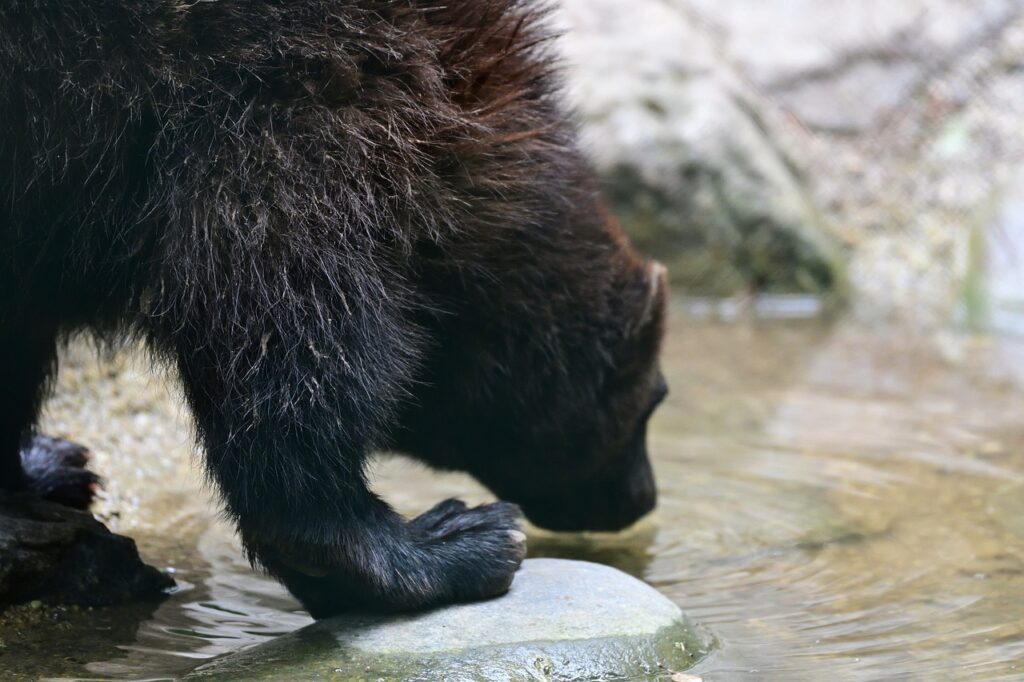
Wolverines possess cognitive abilities that complement their physical adaptations, displaying problem-solving skills that place them among the most intelligent non-primate mammals. Researchers and trappers have documented wolverines defeating complex mechanisms designed specifically to thwart them, including elaborate trap designs and supposedly wolverine-proof storage containers. In captivity, wolverines quickly learn to use tools and solve multi-step problems, demonstrating both persistence and creativity in their approach. Their spatial intelligence is particularly advanced, allowing them to navigate vast territories with precision and remember the locations of hundreds of food caches across landscapes that change dramatically with seasonal snow cover. This cognitive flexibility proves essential in environments where conditions change rapidly and unpredictably, allowing wolverines to adapt their foraging and hunting strategies to match whatever opportunities present themselves.
The Myth and Reality of Wolverine Strength
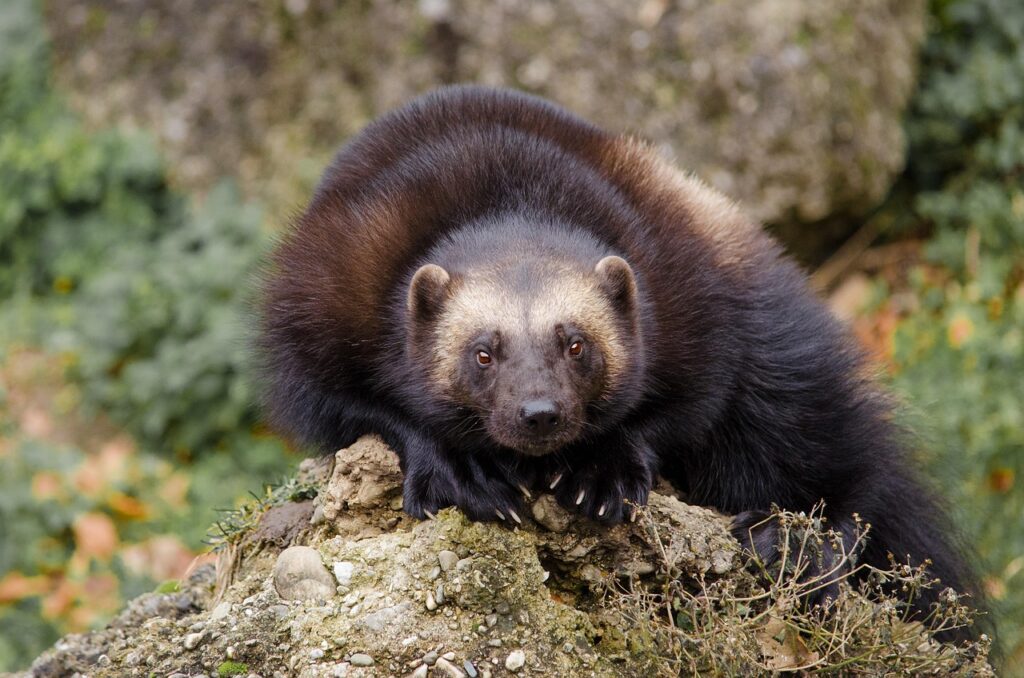
The wolverine’s reputation for extraordinary strength is supported by both scientific observation and countless accounts from trappers and wilderness guides. These compact predators can break bones that would challenge animals three times their size, using specialized jaw muscles and unique dental structure to generate crushing force. Their neck and shoulder muscles are disproportionately developed, allowing them to drag prey items many times their own weight across substantial distances—a documented wolverine was observed pulling a caribou carcass weighing over 700 pounds. This remarkable strength serves multiple survival functions: it allows wolverines to dismember frozen carcasses in winter, crack open bones to access nutritious marrow, and move food to secure locations away from competing scavengers. While some folkloric accounts of wolverine strength are certainly exaggerated, the scientific evidence confirms that pound-for-pound, they rank among the strongest terrestrial mammals.
Survival Against Human Encroachment
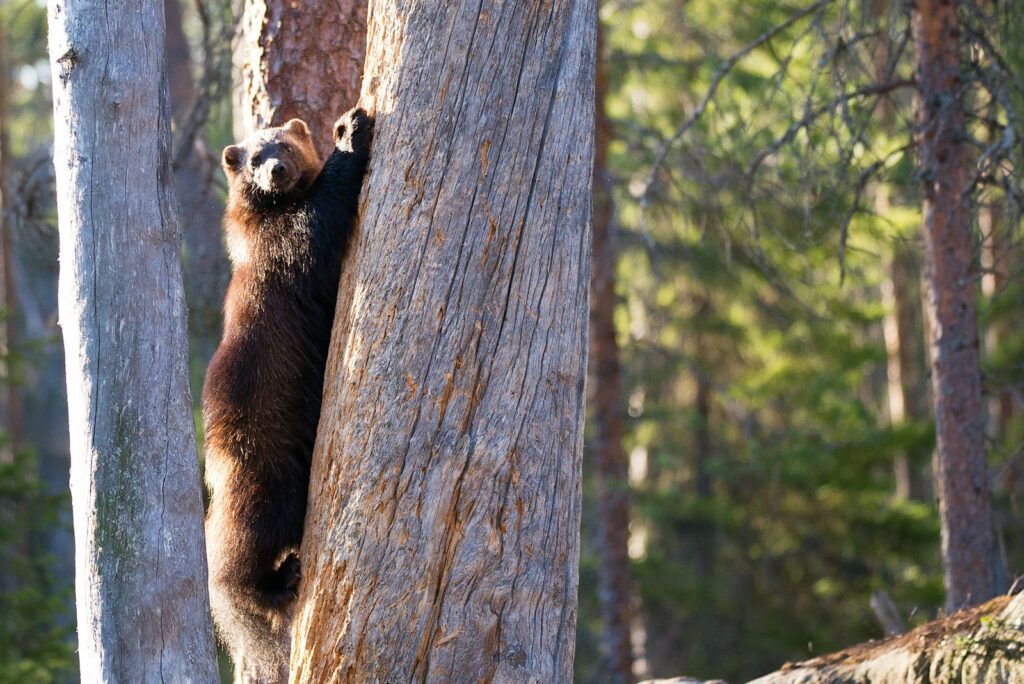
Throughout history, wolverines have maintained an uneasy relationship with humans, demonstrating remarkable resilience against persecution and habitat disruption. During the fur trade era, wolverines were aggressively trapped for their frost-resistant fur, yet proved notoriously difficult to capture—earning respect from trappers for their ability to defeat, disable, or escape even the most sophisticated traps. Unlike many large carnivores that were eliminated from much of their historical range by human expansion, wolverines have persisted in remote areas, adapting their behavior to minimize human contact while maximizing access to resources. Their natural wariness and preference for remote wilderness has helped protect remaining populations, though this same characteristic makes scientific study challenging. Modern conservation efforts face significant hurdles as climate change threatens the deep spring snow wolverines require for denning, creating new survival challenges that even these adaptable creatures may struggle to overcome.
Cultural Significance Across Northern Societies
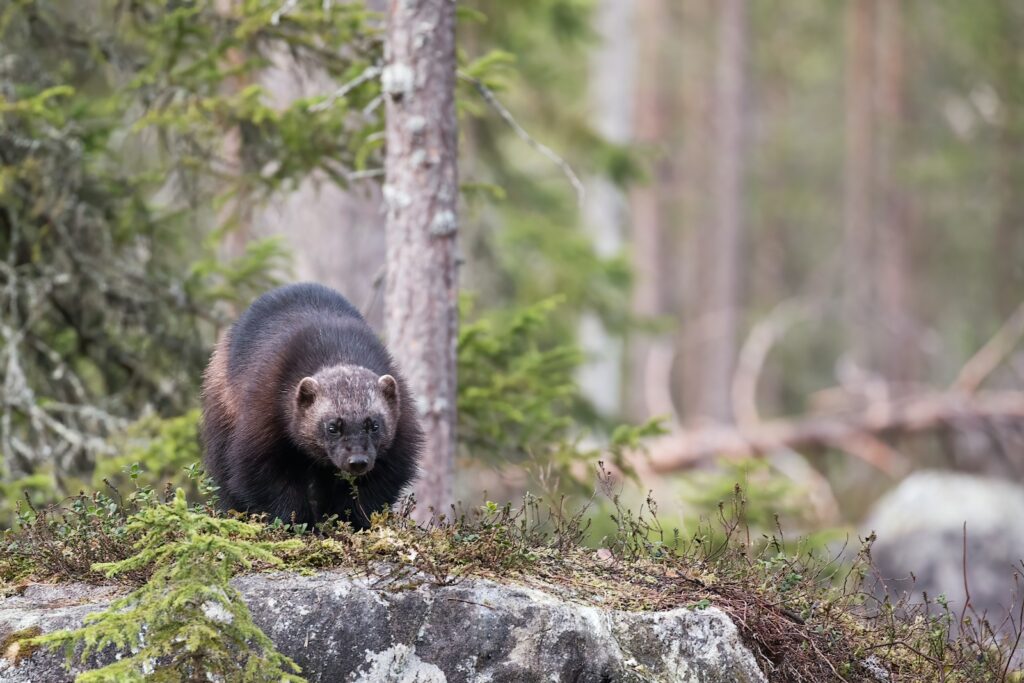
The wolverine’s reputation for ferocity and resilience has made it a powerful symbol in the cultures of northern peoples for thousands of years. In many Indigenous North American traditions, the wolverine represents strength, endurance, and resourcefulness—qualities highly valued in harsh environments where survival demands these same characteristics. Norse mythology features the wolverine as a creature of remarkable power and cunning, while Finnish folklore gives it a special status as an animal of supernatural significance. For trappers and mountain men of the 18th and 19th centuries, wolverines became legendary adversaries—animals whose intelligence and tenacity earned them a mixture of frustration and respect. Even modern popular culture reflects this legacy, with the comic book character Wolverine deliberately embodying the animal’s reputation for ferocity, resilience, and indomitable spirit—qualities that continue to fascinate us about these remarkable survivors.
Conservation Challenges in a Changing World
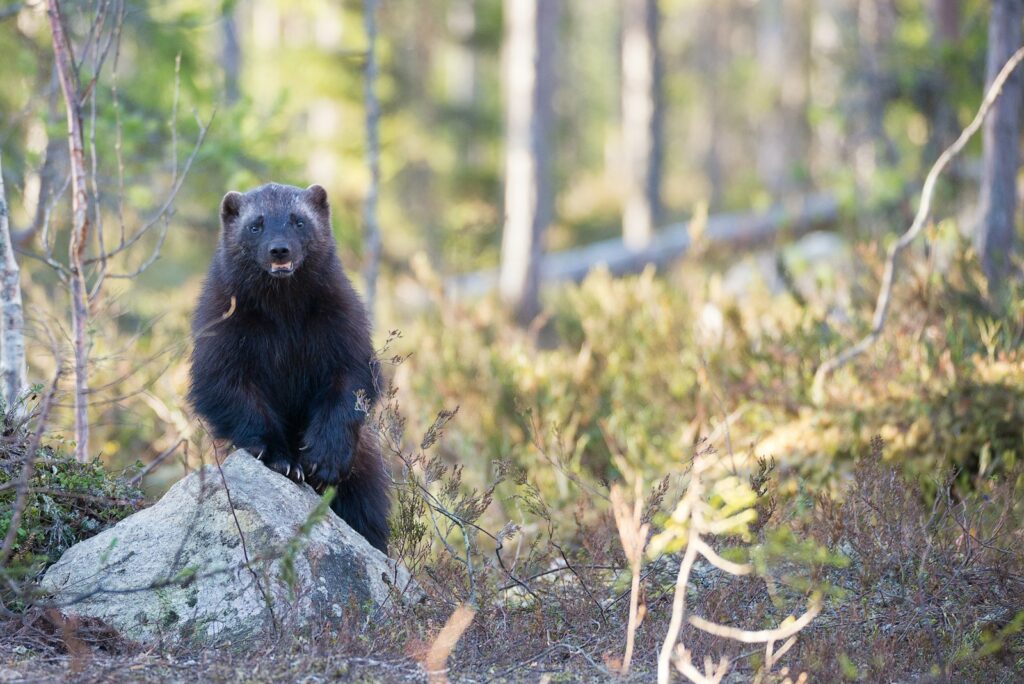
Despite their legendary toughness, wolverines face significant conservation challenges that test even their remarkable adaptability. With fewer than 300 wolverines estimated to remain in the contiguous United States, populations are vulnerable to habitat fragmentation, climate change, and genetic isolation. Their dependence on persistent spring snowpack for successful denning makes them particularly susceptible to warming temperatures, as traditional denning areas may no longer maintain sufficient snow cover through the critical reproductive period. Wide-ranging behavior places wolverines at risk from transportation corridors and development that fragment their habitat, while their naturally low population density and slow reproductive rate limit their ability to recover from population declines. Conservation efforts focus on habitat connectivity, climate change mitigation, and reducing human-caused mortality, recognizing that even these ultimate survivors have limits to their adaptability when faced with rapidly changing environmental conditions.
The wolverine stands as nature’s testament to survival against overwhelming odds—a relatively small carnivore that has evolved to thrive in conditions that would be fatal to most mammals. Through specialized physical adaptations, remarkable behavioral flexibility, and unmatched tenacity, wolverines have carved out an existence in some of Earth’s most challenging environments. Their legendary toughness continues to capture human imagination, even as their future faces unprecedented challenges from climate change and habitat loss. As we work to protect these extraordinary survivors, we recognize in them qualities we admire—resilience, adaptability, and fierce determination in the face of adversity. The wolverine’s continued presence in the northern wilderness remains both a biological marvel and a powerful symbol of nature’s capacity for adaptation in Earth’s most extreme environments.