

In an age where outdoor adventures and wildlife encounters are increasingly popular, the ability to quickly identify potentially dangerous animals has become essential for safety. Whether you’re hiking through bear country, camping in snake territory, or simply exploring your own backyard, having reliable wildlife identification tools at your fingertips can prevent dangerous situations and potentially save lives. Smartphone applications have revolutionized how we interact with the natural world, offering instant access to extensive databases of wildlife information, complete with identification guides, behavior explanations, and safety protocols. This article explores the most effective and user-friendly apps designed specifically to help identify potentially dangerous wildlife, providing outdoor enthusiasts, travelers, and concerned parents with peace of mind during their nature experiences.
Why Wildlife Identification Apps Are Essential for Safety

Wildlife identification apps serve as portable field guides that can make the critical difference between a safe encounter and a dangerous situation. Unlike traditional field guides, these digital tools offer immediate visual recognition capabilities, often enhanced with artificial intelligence to provide accurate identifications from photographs taken in real-time. Many of these apps include vital safety information, such as what to do if you encounter specific dangerous animals, how to avoid attracting them, and first aid instructions in case of bites or attacks. For remote travelers or hikers in areas with limited cell service, the best apps also offer offline functionality, ensuring that critical wildlife information remains accessible even without an internet connection.
Snake ID: Essential for Venomous Reptile Identification

Snake ID stands out as one of the most comprehensive applications specifically designed for identifying potentially dangerous serpents across North America and beyond. The app features a robust database of over 3,600 snake species worldwide, with detailed information about venom potency, typical habitats, and distinctive marking patterns that help users distinguish between harmless and venomous varieties. One of Snake ID’s most valuable features is its regional filtering system, which narrows identification possibilities based on the user’s geographic location, significantly improving accuracy when time is of the essence. The app also includes an emergency protocol section with first aid guidance for snakebites, including specific instructions for different venomous species and direct links to poison control centers.
iNaturalist: Crowdsourced Wildlife Identification

iNaturalist leverages the power of community science to provide one of the most accurate wildlife identification platforms available. This free application, developed through collaboration between the California Academy of Sciences and the National Geographic Society, allows users to photograph any plant or animal and receive identification suggestions from both artificial intelligence and a vast network of naturalists and biologists. While not exclusively focused on dangerous species, iNaturalist excels at helping users identify potentially hazardous wildlife with remarkable accuracy thanks to its constantly updated database of over 400,000 species. The social aspect of iNaturalist creates an additional safety net, as users can receive rapid confirmation of dangerous species identification from experts, often within minutes of posting an observation.
Critterpedia: AI-Powered Identification for Dangerous Australian Wildlife

Australia is home to some of the world’s most venomous creatures, making Critterpedia an invaluable tool for residents and visitors alike. This specialized application uses sophisticated machine learning algorithms to instantly identify Australia’s vast array of spiders and snakes, many of which rank among the most dangerous globally. The app’s unique strength lies in its ability to recognize species from partial images or unusual angles, accommodating real-world scenarios where perfect photographs are rarely possible during wildlife encounters. Critterpedia provides color-coded threat assessments, clearly indicating which species require immediate caution, and includes detailed distribution maps showing where dangerous species are most commonly found throughout the Australian continent.
Bear Identification Apps: Essential for North American Hikers

For those exploring North America’s wilderness areas, the ability to distinguish between black, brown, and grizzly bears can be lifesaving knowledge. Apps like Bear Identifier and Bear Smart provide specialized identification tools focused exclusively on recognizing different bear species and understanding their behaviors. These applications typically include side-by-side comparison features highlighting the distinctive characteristics of each bear species, such as shoulder humps, facial profiles, and claw length. Many bear identification apps also incorporate educational modules on proper food storage techniques, how to use bear spray effectively, and the appropriate responses when encountering different bear species—crucial information since the correct human reaction varies significantly depending on whether you’re facing a black or grizzly bear.
Seek by iNaturalist: Child-Friendly Wildlife Identification

Seek offers a child-friendly approach to wildlife identification with an emphasis on safety education for young explorers. Developed as a companion app to iNaturalist, Seek uses the same powerful identification technology but with a gamified interface that encourages children to learn about wildlife while simultaneously teaching them which species require caution. The app features achievement badges and challenges that specifically reward children for learning to identify potentially dangerous species in their region, making safety education entertaining rather than frightening. Parents appreciate Seek’s privacy-focused design, which doesn’t require account creation or collect personal information, allowing children to safely explore and learn about wildlife without compromising their digital security.
Picture Insect: Bug Identifier for Venomous Arthropods

Picture Insect specializes in the identification of arthropods, including potentially dangerous spiders, scorpions, and insects with painful or venomous stings. The app boasts an identification accuracy rate exceeding 95% for common species, using advanced image recognition technology that can distinguish between harmless lookalikes and their dangerous counterparts. Picture Insect’s strength lies in its comprehensive coverage of medically significant arthropods, including detailed information about black widows, brown recluses, fire ants, and other species responsible for serious injuries or allergic reactions. Each identification includes risk assessment information, typical behavioral patterns, and habitat preferences that help users understand not just what they’re looking at but also how to safely coexist with these creatures.
Marine Life ID: Identifying Dangerous Aquatic Species

Ocean explorers, divers, and beachgoers face unique wildlife dangers from venomous and territorial marine creatures. Applications like Marine Life ID and Seafish Guide specialize in helping users identify potentially dangerous aquatic species including box jellyfish, blue-ringed octopuses, stonefish, and various venomous sea snakes. These specialized marine identification apps typically include depth range information, seasonal presence data, and specific warnings about which beaches or diving sites have reported dangerous species. Many marine wildlife apps also provide first aid guidance specific to marine envenomations, such as proper treatment for jellyfish stings or sea urchin encounters, often including information about which traditional remedies actually work versus those that might worsen injuries.
Offline Capabilities: Wildlife Identification Without Cell Service
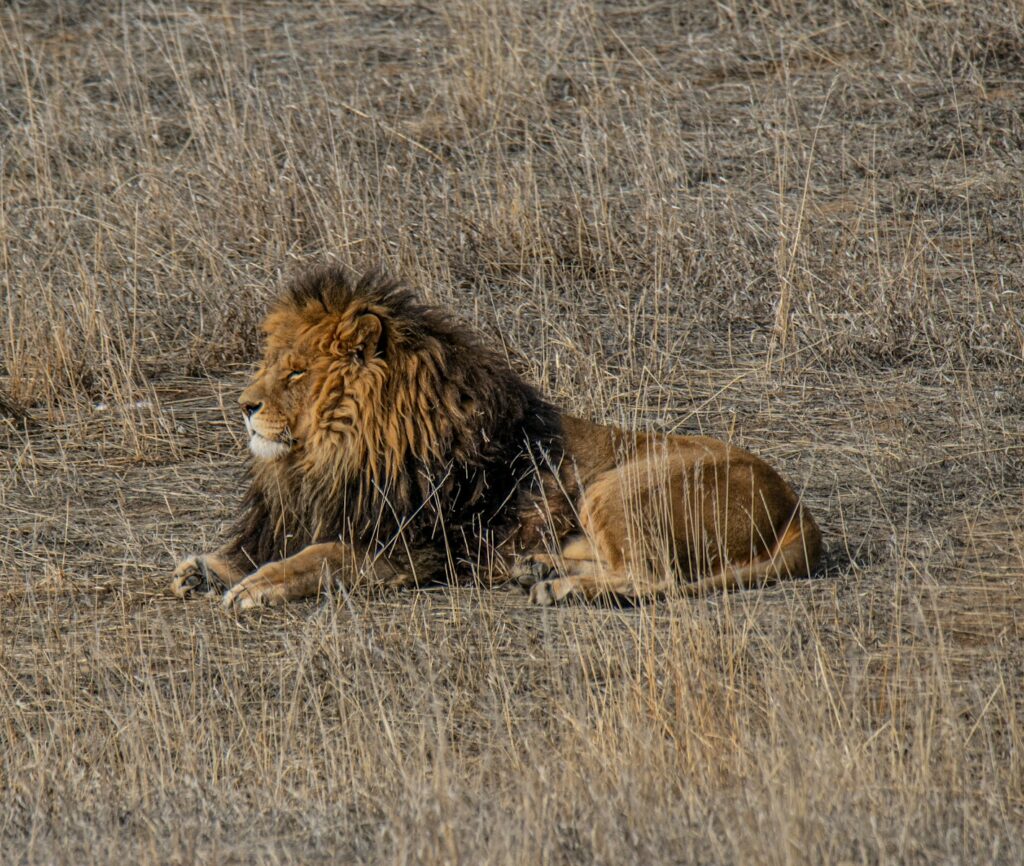
The most valuable wildlife identification apps offer robust offline functionality, essential for wilderness areas where cellular coverage is unreliable or nonexistent. Apps like Offline Survival Manual and Wildlife Identifier Pro allow users to download complete regional databases before departing on adventures, ensuring access to critical identification information regardless of connectivity. These offline-capable apps typically require more device storage space but compensate by providing comprehensive coverage of specific geographic regions without requiring internet access. The best offline wildlife apps also include emergency response protocols that can be accessed without connectivity, providing crucial guidance on first aid for animal encounters when professional medical help may be hours away.
First Aid Integration: Beyond Identification
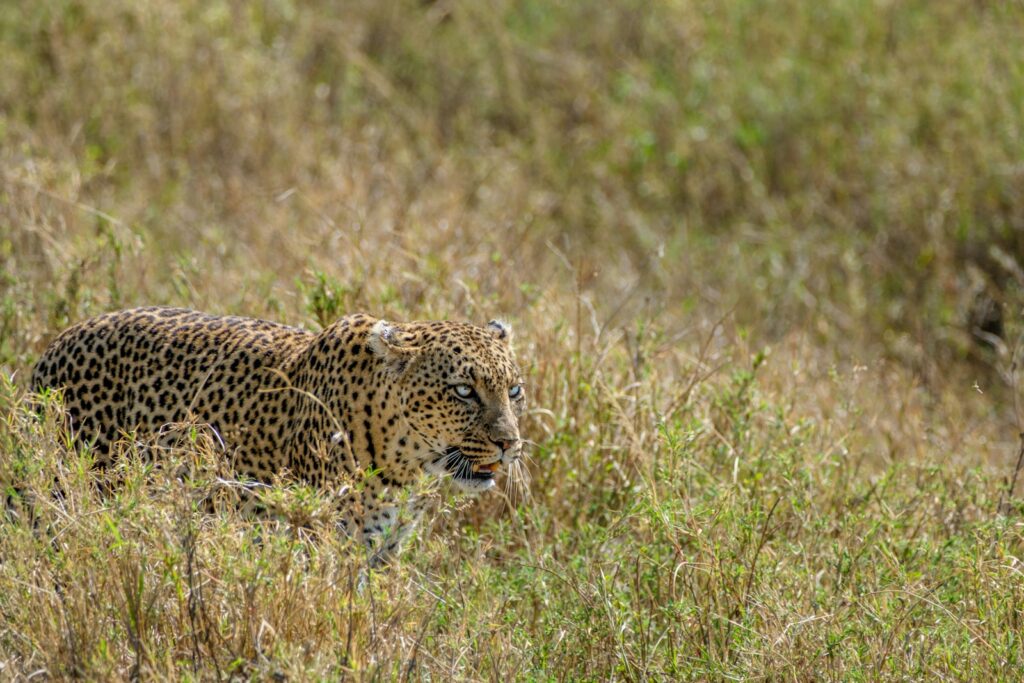
Superior wildlife identification apps go beyond simply naming species to provide integrated first aid guidance specific to animal encounters. Applications like First Aid: Wildlife Encounters combine identification capabilities with medical response protocols developed in consultation with wilderness medicine experts. These specialized apps typically include step-by-step instructions for treating snakebites, spider bites, scorpion stings, and even larger animal attacks, often with visual guides demonstrating proper techniques. The most comprehensive first aid integration features include geolocation services that can direct users to the nearest medical facilities capable of treating specific wildlife injuries, along with information about which facilities stock specialized antivenoms for regional dangerous species.
Augmented Reality Features in Wildlife Identification

The newest generation of wildlife identification apps incorporates augmented reality (AR) technology to enhance user safety and learning. Apps like Wildlife AR and Nature Lens overlay digital information onto camera views, highlighting potentially dangerous features of animals in real-time as users observe them. These AR-enabled applications can provide immediate visual warnings when dangerous species are detected, often with distance estimates and behavior predictions based on the animal’s posture or movements. For educational purposes, AR features allow users to explore 3D models of dangerous wildlife in a controlled virtual environment, studying anatomical features like fangs, claws, or stingers without any actual risk, making these apps particularly valuable for family outdoor education before embarking on wilderness adventures.
Global Coverage vs. Regional Specialization

When selecting wildlife identification apps, users must consider the tradeoff between global coverage and regional specialization. Global applications like Wildbook and Animal Identifier offer broad species coverage spanning multiple continents but may lack detailed information about regionally specific dangerous wildlife. Conversely, specialized apps like Australian Reptiles or North American Venomous Snakes provide exceptionally detailed information about dangerous species within limited geographic areas, often including local emergency contacts and region-specific safety protocols. The ideal approach for serious outdoor enthusiasts is to combine a reliable global identification app with specialized regional applications for areas they frequently visit or plan to explore, ensuring comprehensive coverage without sacrificing critical local details that could prove lifesaving during wildlife encounters.
Community Alert Features for Dangerous Wildlife Sightings
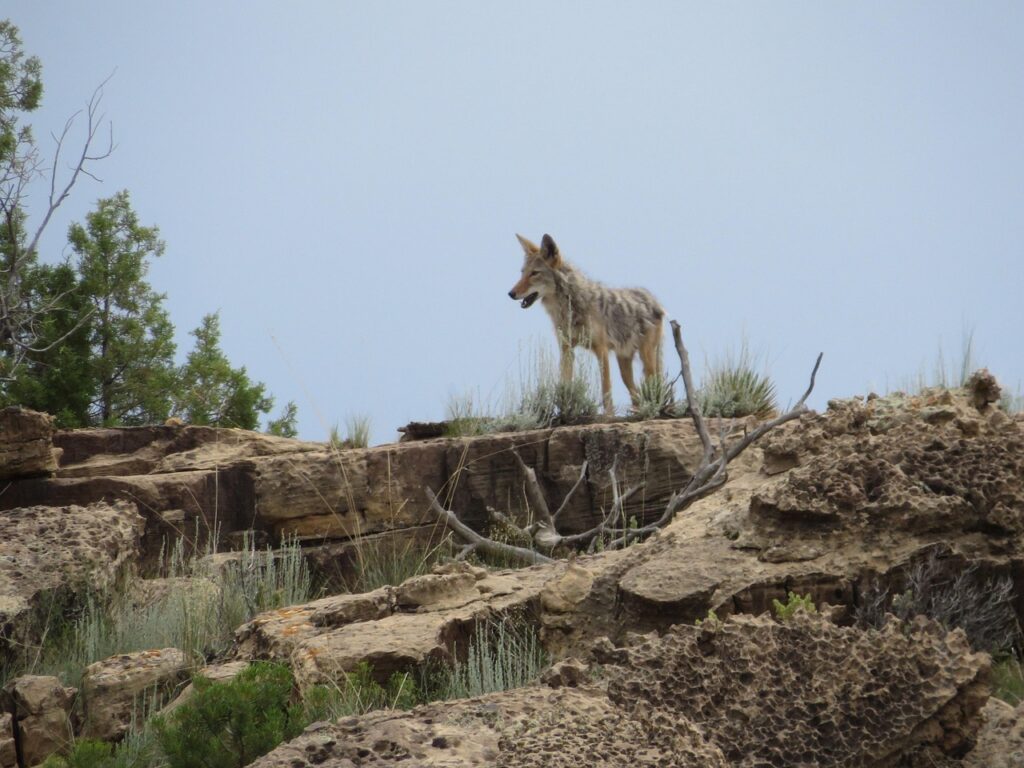
The most innovative wildlife identification apps now include community alert systems that notify users about recent dangerous wildlife sightings in their vicinity. Applications like Wild Alert and Danger Zone incorporate crowdsourced reporting features that allow users to tag locations where they’ve encountered potentially dangerous animals, creating constantly updated heat maps of wildlife activity. These community alert systems typically include timestamp information showing how recently sightings occurred, helping users distinguish between immediate threats and historical data. For popular hiking areas or campgrounds, these alert features can provide crucial advance warning about active predators, venomous snake concentrations, or aggressive animal behaviors, allowing outdoor enthusiasts to alter their plans or take additional precautions based on real-time information from other users.
Conclusion
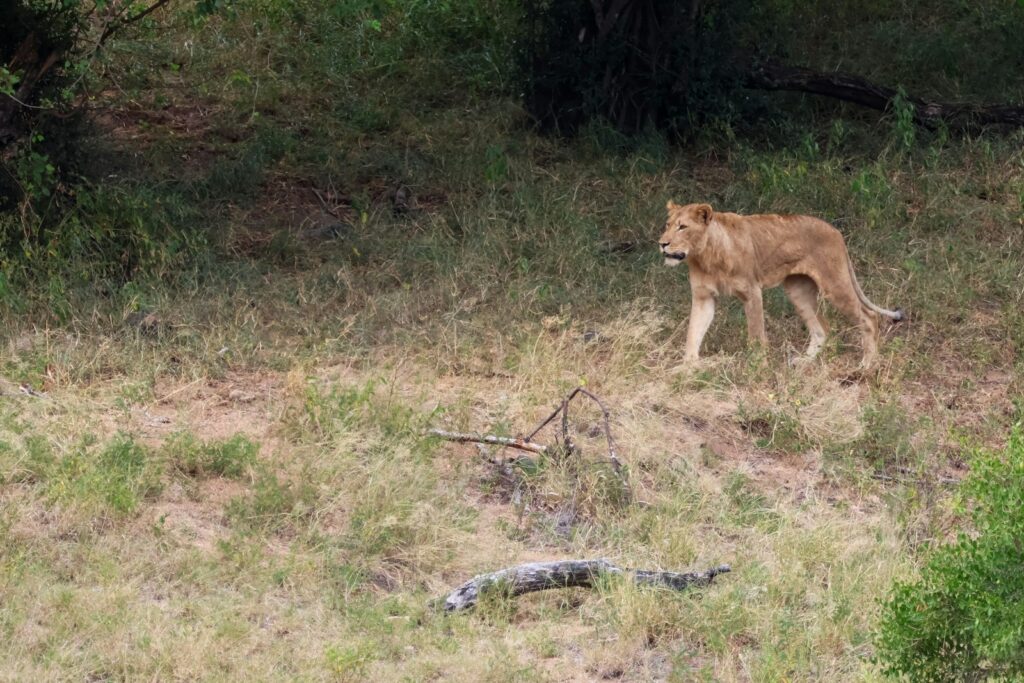
The development of sophisticated wildlife identification applications has fundamentally transformed how we interact with potentially dangerous animals in natural settings. These digital tools empower everyone from casual nature enthusiasts to serious wilderness explorers with immediate access to expert knowledge, helping prevent dangerous encounters through education and awareness. The best wildlife identification apps combine accurate species recognition with practical safety information, emergency protocols, and region-specific guidance. As technology continues advancing, we can expect even more sophisticated features integrating artificial intelligence, augmented reality, and community reporting systems to further enhance outdoor safety. By leveraging these powerful digital tools, outdoor adventurers can approach wildlife with an appropriate balance of appreciation and caution, enjoying natural experiences while minimizing risks from dangerous encounters.