
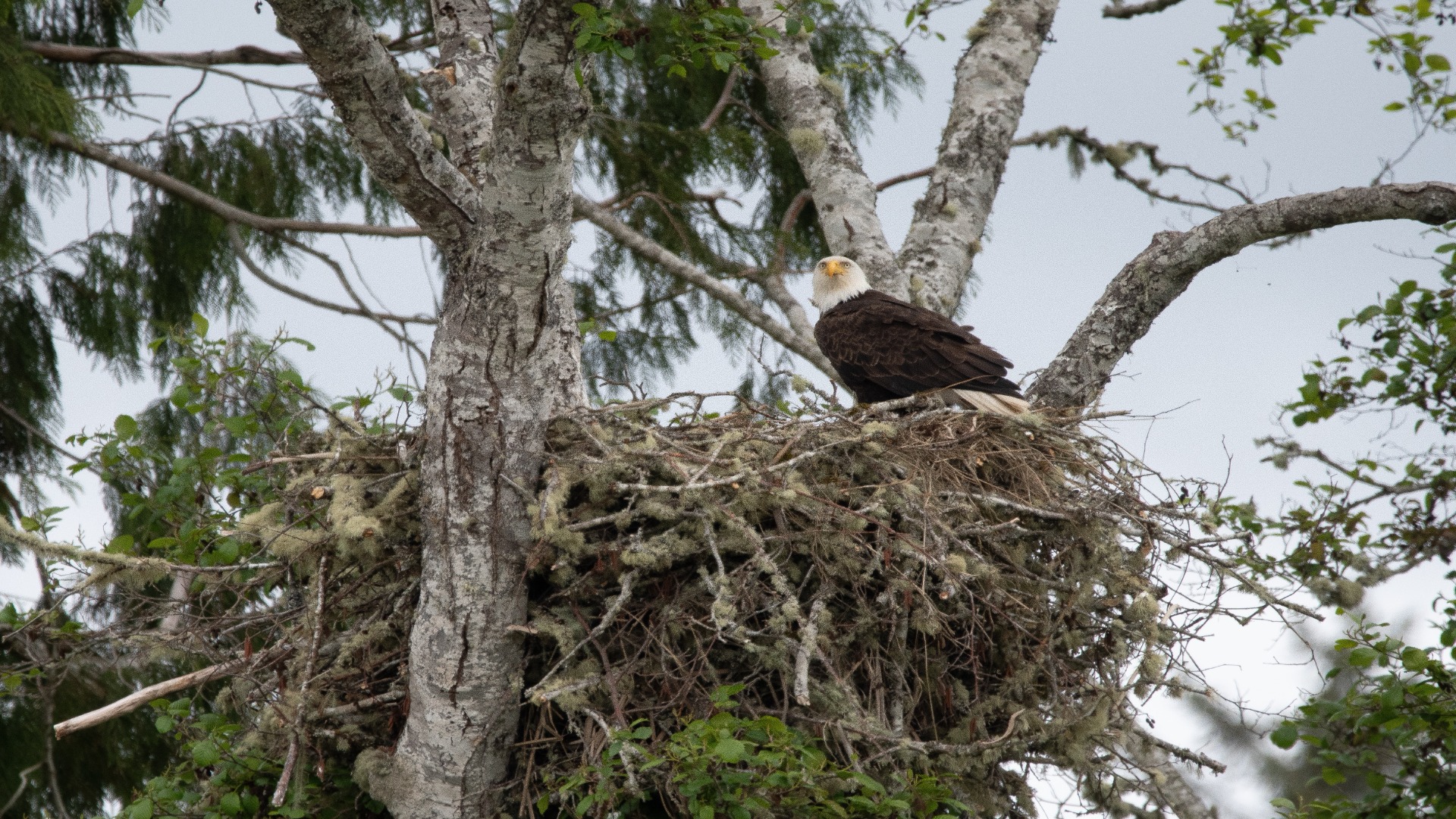
The bald eagle, America’s national bird, is known for its impressive wingspan, piercing gaze, and magnificent white-capped appearance. Perhaps equally impressive, though less celebrated, are the enormous nests these raptors construct. Bald eagle nests rank among the largest structures built by any bird in North America, sometimes reaching dimensions that could comfortably hold a small car. These architectural marvels represent years of dedicated construction and maintenance, serving as both nursery and home base for eagle families.
The process of building these massive structures involves careful site selection, strategic gathering of materials, and meticulous assembly—a testament to the eagle’s intelligence and adaptability. Let’s explore the fascinating world of bald eagle nest construction and why these massive structures are so crucial to their survival and reproductive success.
The Record-Breaking Dimensions of Eagle Nests
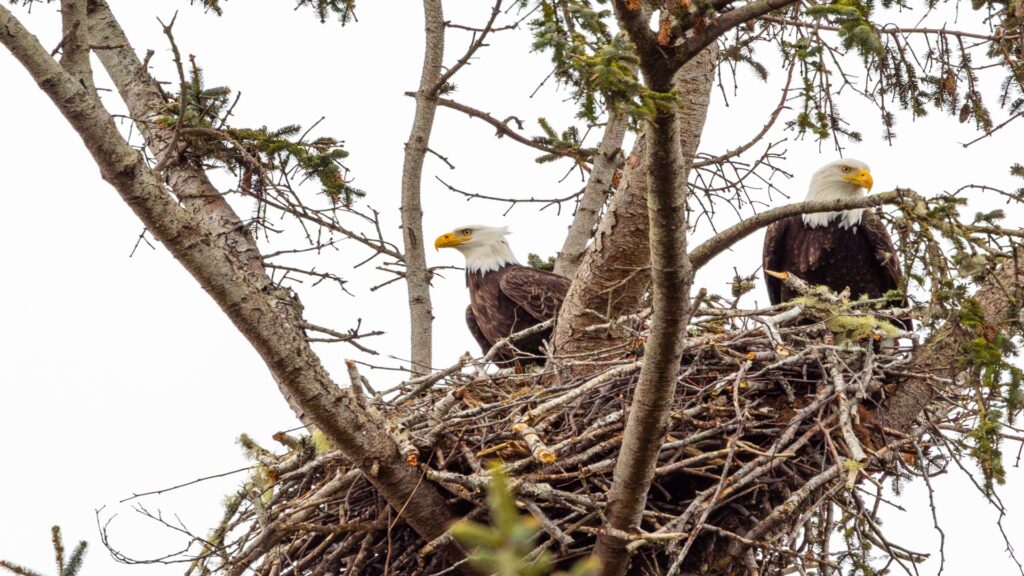
Bald eagle nests are among the largest bird-created structures in the world, earning them a place in the record books for their sheer magnitude. The average nest measures about 4-5 feet in diameter and 2-4 feet deep when first built, but these dimensions can increase dramatically over time. The largest documented bald eagle nest was discovered in St. Petersburg, Florida, measuring an astounding 9.5 feet in diameter and 20 feet deep, weighing more than two tons.
These nests grow to such impressive sizes because eagles reuse and add to their nests year after year, sometimes for decades, continuously bringing in new materials each breeding season. Unlike many other bird species that build seasonal nests, eagles view their nests as permanent homes requiring regular expansion and renovation.
Strategic Site Selection for Nest Building
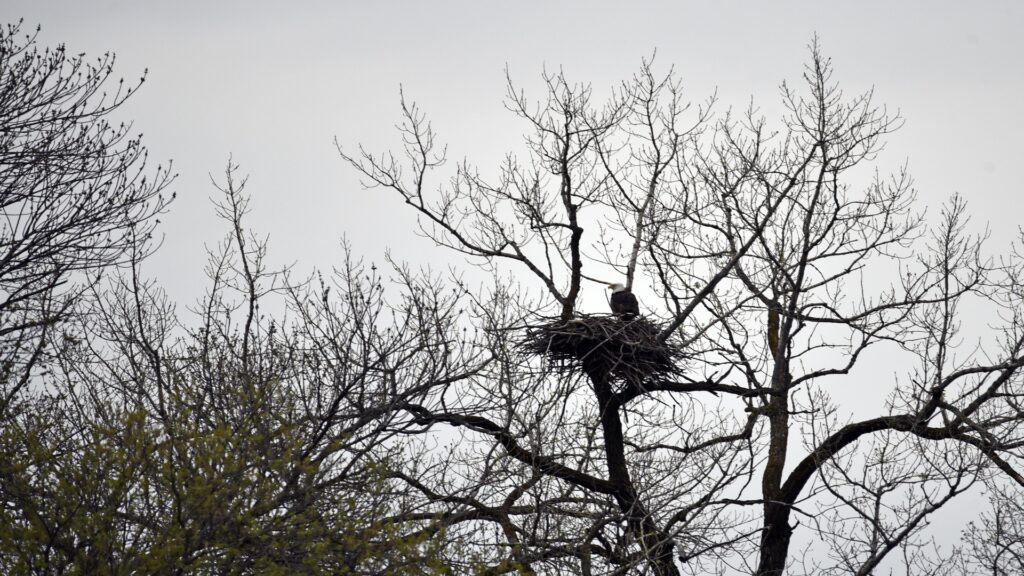
Bald eagles are extremely particular when selecting the location for their massive nests, prioritizing factors that maximize survival and reproductive success. They typically choose tall, sturdy trees with open canopies that provide clear flight paths for approach and departure while offering commanding views of the surrounding territory. Preferred nest trees are usually among the tallest in the area, often standing at the edge of forests near bodies of water where fishing opportunities abound.
Eagles tend to select trees that are mature enough to support their heavy nests, typically choosing species like white pines, cottonwoods, or Douglas firs that have strong, broad branches capable of bearing substantial weight. When suitable trees aren’t available, bald eagles may adapt by nesting on cliff faces, artificial structures like transmission towers, or occasionally even on the ground in areas without predators.
The Foundation: Starting the Nest Construction
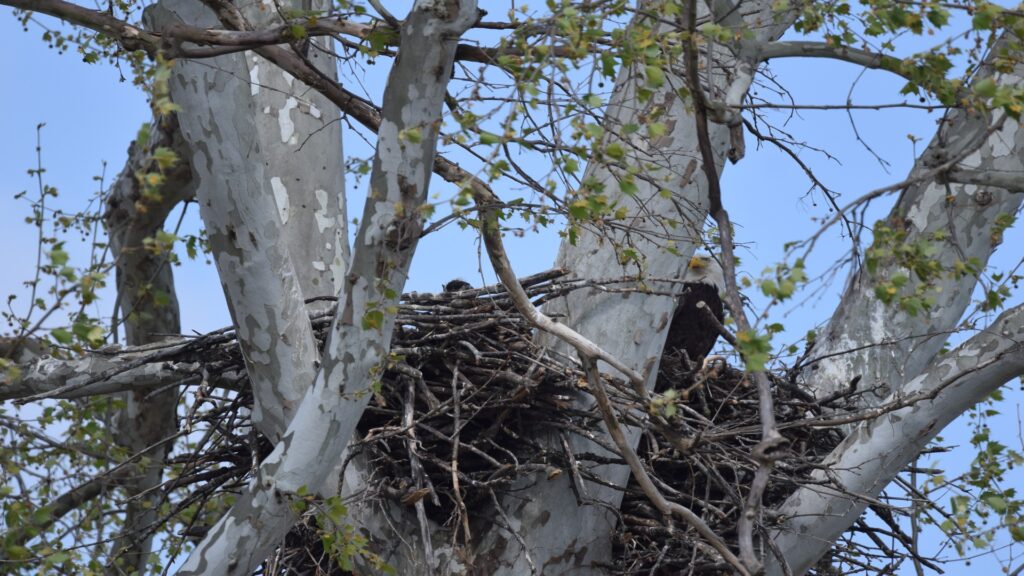
The foundation of a bald eagle nest represents the most critical phase of construction, as it determines the nest’s structural integrity for years to come. Eagles begin by selecting strong, sturdy branches, sometimes with diameters reaching several inches, which they strategically interweave to create a solid platform in the tree’s upper fork. Both male and female eagles participate in this foundational work, meticulously arranging and rearranging branches until they achieve a stable base that can withstand severe weather conditions.
This initial framework typically takes one to three weeks to complete, with the eagles working diligently during the pre-breeding season to ensure readiness for egg-laying. The foundation alone can weigh hundreds of pounds, anchored securely to multiple strong branches or a robust crotch in the tree, providing the secure base upon which years of additions will be built.
Material Gathering and Selection Process
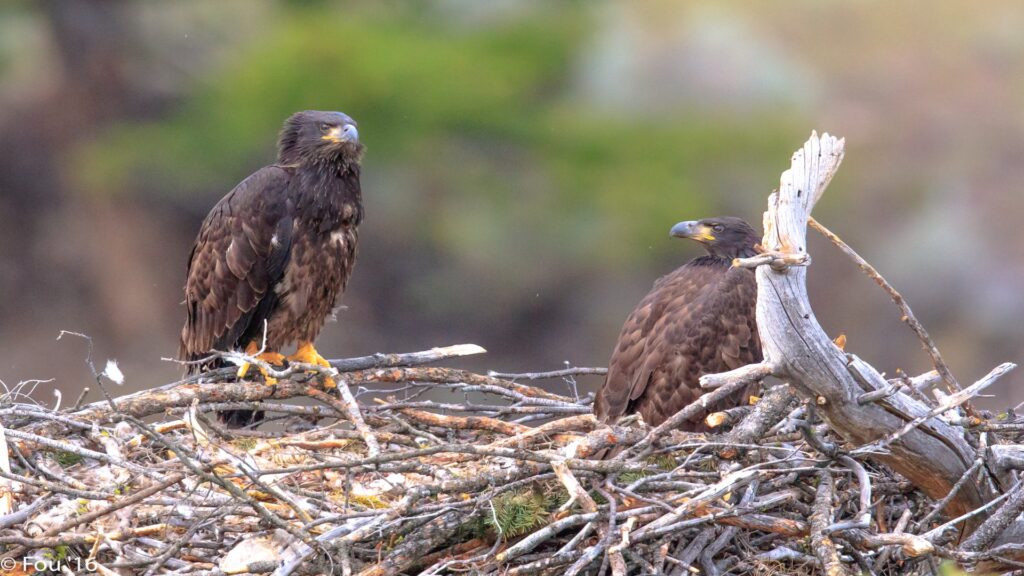
Bald eagles demonstrate remarkable selectivity when gathering materials for their nests, choosing items that serve specific purposes within the nest structure. For the outer nest structure, eagles collect branches and sticks ranging from pencil-sized to branches as thick as a human wrist, often breaking them directly from trees during flight rather than collecting them from the ground. The inner nest materials consist of softer elements including grasses, moss, corn stalks, seaweed, and even algae that create an insulating layer to protect eggs and young eaglets.
Eagles will fly surprising distances to collect specific materials, sometimes traveling several miles to gather preferred items that aren’t available in their immediate vicinity. Fascinatingly, researchers have documented eagles incorporating unusual materials into their nests, including plastic bags, fishing line, and even articles of human clothing, demonstrating their adaptability and opportunistic nature when constructing their homes.
The Teamwork Behind Eagle Nest Construction

Building a massive eagle nest requires extraordinary coordination between mated pairs, with both males and females contributing significantly to the construction process. The eagles typically establish clear roles during nest building: males often focus on gathering larger sticks and branches for the outer structure, while females tend to handle the arrangement and integration of materials into the nest. This teamwork extends to timing as well, with one eagle often remaining at the nest to protect the territory while the other searches for building materials.
The synchronized construction efforts strengthen pair bonds between mates, who communicate through specific vocalizations and body language throughout the building process. Observers have noted that experienced eagle pairs demonstrate greater efficiency in nest construction than younger, less experienced birds, suggesting that nest-building skills improve over the course of the eagles’ long-term monogamous relationships.
Creating the Nest Bowl: The Nursery Within
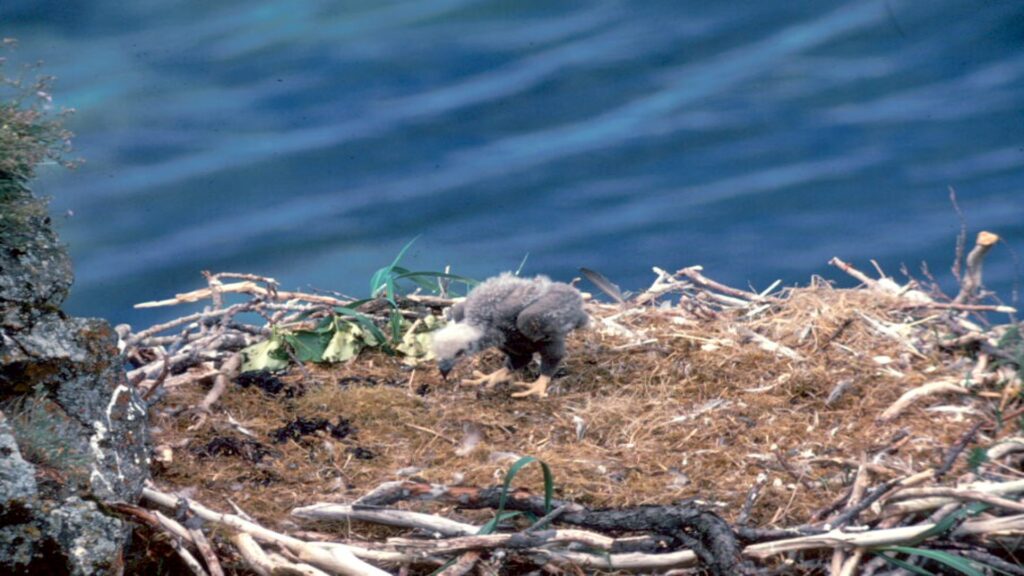
At the center of every bald eagle nest lies a carefully crafted nest bowl, a specialized depression designed specifically for egg-laying and chick-rearing. This inner sanctum is lined with the softest materials available, including downy feathers, fine grasses, and moss, creating a cushioned environment that protects the eggs from the rough sticks of the outer nest structure. Eagles meticulously shape this bowl by pressing their bodies into the center of the nest, using their weight and movements to create a depression that’s typically 4-5 inches deep and 20-25 inches in diameter.
The female eagle takes particular care with this crucial component, often adjusting and rearranging the materials repeatedly until satisfied with the comfort and security they provide. Throughout the nesting season, eagles continually maintain and renovate this inner bowl, adding fresh lining materials to keep it clean and comfortable for developing eaglets.
Annual Nest Maintenance and Expansion
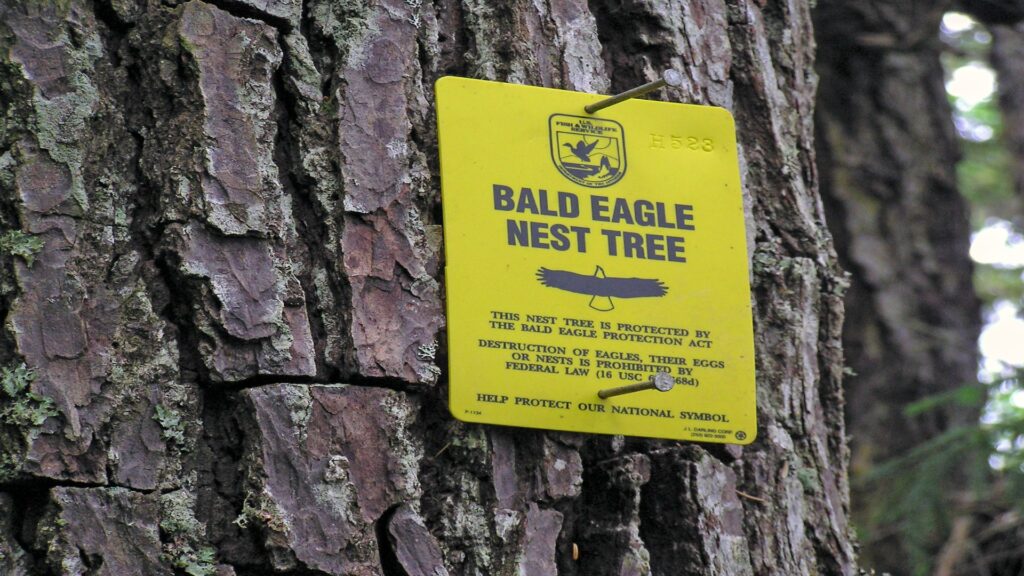
Unlike many bird species that build new nests each year, bald eagles return to the same nest repeatedly, investing considerable energy in maintenance and expansion with each breeding season. Upon returning to their nesting territory, typically in late fall or early winter, eagles immediately begin repair work, replacing sticks damaged by weather and adding fresh materials to strengthen the structure. This annual renovation process typically adds between 1-2 feet of new material to the nest’s height and diameter, explaining why eagle nests grow so tremendously over time.
Eagles are particularly vigilant about reinforcing the nest before the egg-laying period, ensuring it can withstand the weight of growing eaglets and the constant activity of feeding and caring for young. Remarkably, some eagle nests have been continuously maintained and expanded for over 30 years, serving multiple generations of the same eagle lineage.
The Challenge of Supporting Increasing Weight
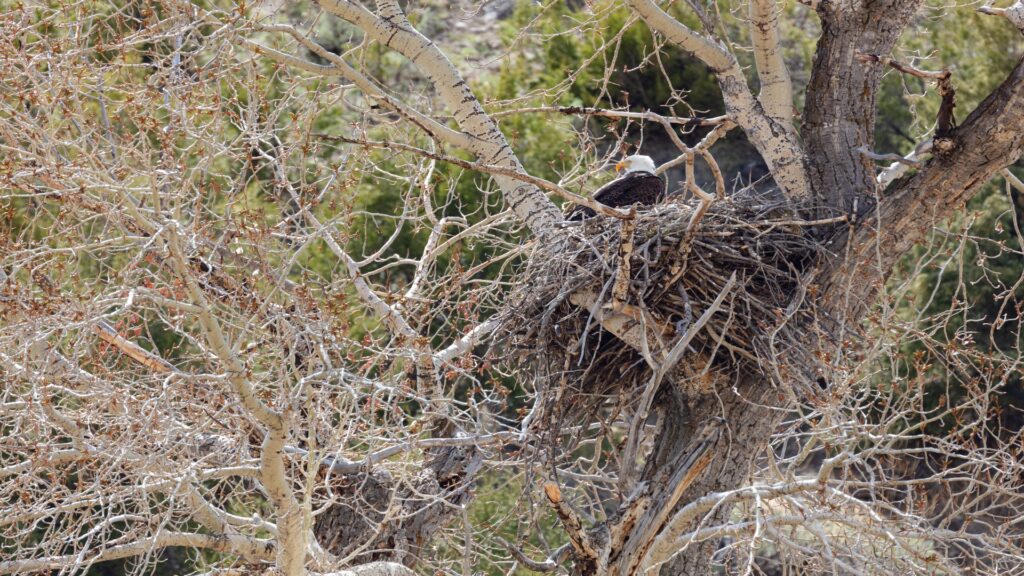
As bald eagle nests grow larger year after year, the structural challenges of supporting their immense weight become increasingly complex. A typical eagle nest after several years of use can weigh between 1,000 to 3,000 pounds—equivalent to the weight of a small car—placing enormous stress on the supporting tree. Eagles instinctively address this engineering challenge by continuously reinforcing the nest’s attachment points to the tree, weaving new sticks into the foundation to distribute weight across multiple branches. Despite these efforts, nest collapses do occur, particularly during severe weather events like hurricanes or after heavy snow accumulation that adds critical weight to an already massive structure.
Trees sometimes fail under the burden, especially older trees with decay or structural weakness, forcing eagles to begin the entire nest-building process anew. Some eagle pairs maintain alternative nests within their territory specifically to address this risk, providing backup options if their primary nest becomes compromised.
Weather-Resistant Design Features

Bald eagle nests incorporate several ingenious design elements that help them withstand extreme weather conditions throughout the year. The outer structure features an interlocking pattern of branches that creates a remarkably wind-resistant framework, with larger sticks on the bottom and progressively smaller ones toward the top, similar to sophisticated human construction techniques. Eagles build drainage channels into their nests, creating pathways for water to flow through rather than pool during heavy rainfall, which helps prevent saturation and decay of nesting materials.
The deep, cup-shaped interior provides crucial protection from wind, maintaining a microclimate that can be up to 40 degrees warmer than outside temperatures during cold weather. Additionally, eagles strategically position their nests to take advantage of natural windbreaks and maximum sun exposure, often selecting the southeastern side of trees to capture morning warmth while avoiding the harshest afternoon conditions.
Multi-Generational Use of Eagle Nests
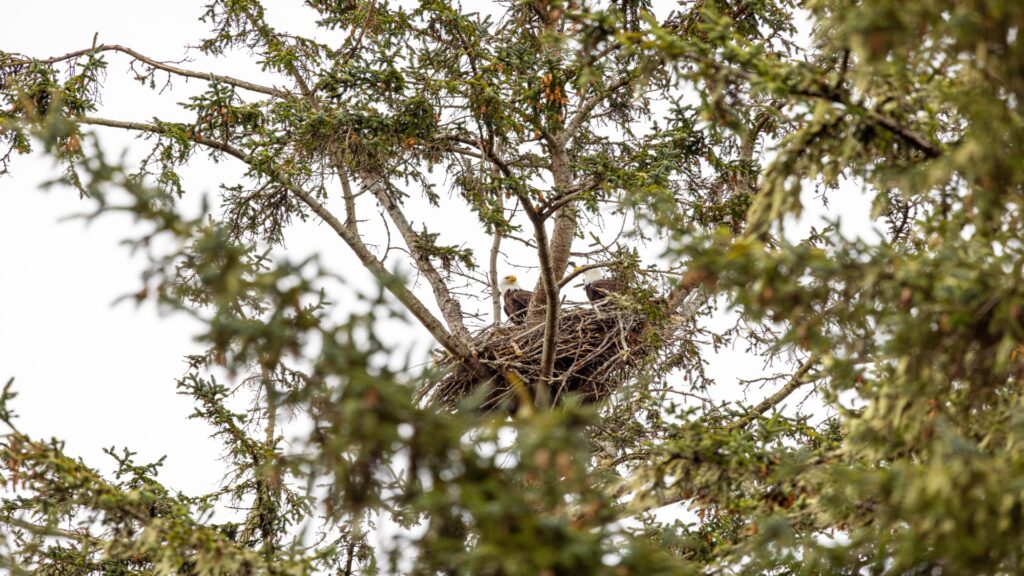
The massive nests built by bald eagles often become enduring landmarks that serve multiple generations of eagles over decades. When adult eagles die or abandon a territory, their nests frequently become inherited by their offspring or claimed by other eagle pairs seeking established territories. Some well-documented eagle nests have remained in continuous use for over 50 years, though typically not by the same individual eagles due to their 20-30 year lifespan in the wild. The tremendous investment of energy required to build these structures explains why eagles so fiercely defend their nests, with territorial behaviors increasing dramatically near active nest sites.
Interestingly, these massive structures also create valuable microhabitats for other species, with smaller birds like sparrows and finches sometimes nesting in the lower portions of active eagle nests, creating a unique symbiotic relationship where they gain protection from most predators who avoid the powerful eagles above.
Nest Failure and Rebuilding Strategies
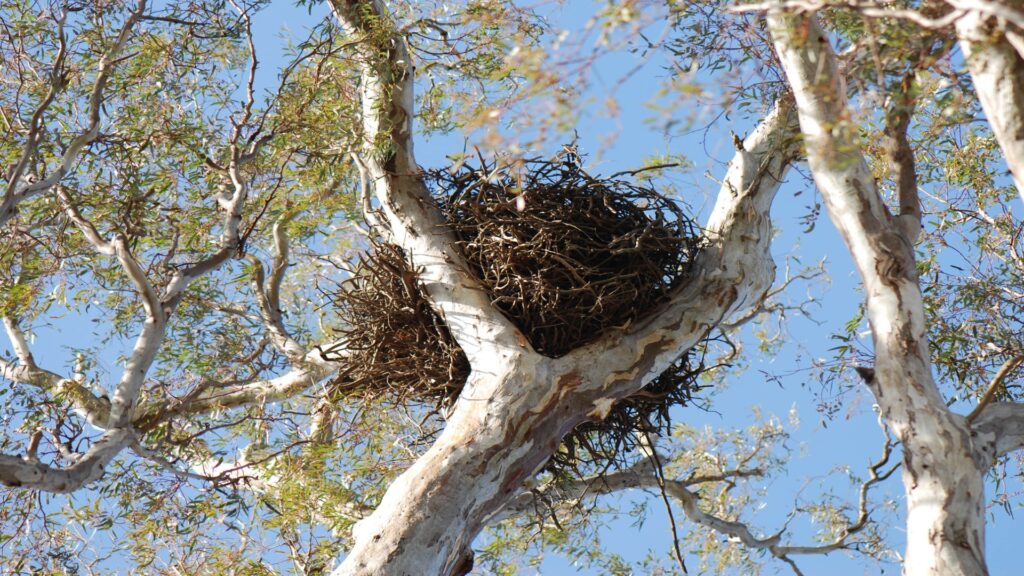
Despite their engineering prowess, bald eagles sometimes face nest failures that necessitate complete rebuilding or substantial renovation. When nests collapse due to structural failure, severe weather, or tree death, eagles typically respond by constructing replacement nests within the same territory, often within sight of the failed structure. The rebuilding process is remarkably efficient, with experienced pairs capable of constructing a functional, though smaller, replacement nest in as little as two weeks when under pressure during breeding season.
Eagles demonstrate remarkable problem-solving abilities during reconstruction, often incorporating lessons from previous failures by selecting stronger support branches or more sheltered locations. Many eagle pairs maintain alternate nests within their territory as insurance against nest failure, typically building and maintaining 2-3 nests over the years and rotating between them based on conditions and previous nesting success.
Human Threats to Eagle Nests
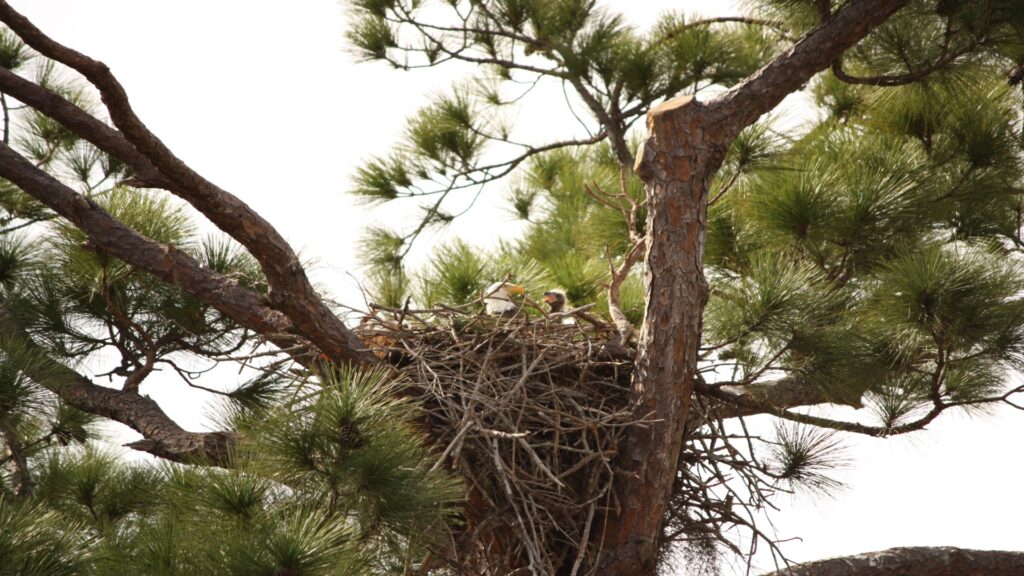
Despite legal protections, bald eagle nests face numerous anthropogenic threats that challenge their long-term viability. Habitat loss remains the foremost concern, with development removing suitable nesting trees and diminishing the quiet, undisturbed areas eagles require for successful reproduction. Human disturbance near nest sites, including recreational activities, construction, and low-flying aircraft, can cause eagles to abandon nests or fail to properly incubate eggs, particularly during the early, sensitive stages of the nesting cycle. Chemical contamination from environmental pollutants can weaken nest trees or accumulate in the eagles themselves, affecting their reproductive capacity and nest-building behavior.
Additionally, increasing severe weather events linked to climate change pose growing threats to nest stability, with more frequent intense storms toppling even well-constructed eagle nests. Conservation efforts now include artificial nesting platforms in some areas where natural nest sites have been compromised, providing engineered alternatives that mimic the structural characteristics of natural eagle nests.
Conservation Success and Nest Protection Measures
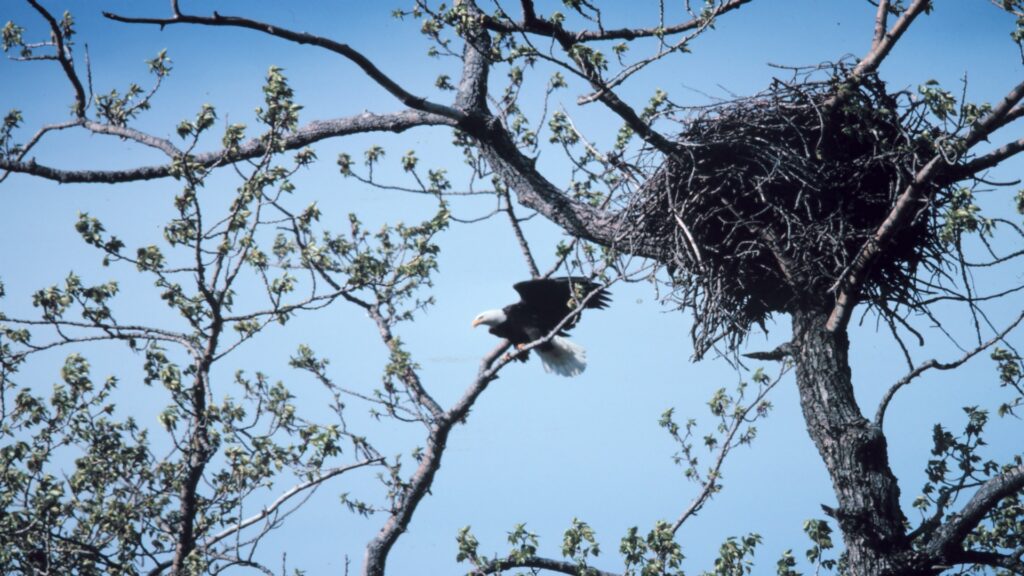
The protection of bald eagle nests represents one of America’s most successful wildlife conservation stories, with legal safeguards playing a crucial role in the species’ recovery. Under the Bald and Golden Eagle Protection Act, eagle nests receive year-round protection regardless of whether they’re actively being used, with substantial penalties for disturbance or destruction. Conservation organizations and government agencies maintain buffer zones around known nest sites, typically restricting human activities within 330-660 feet during nesting season to minimize disturbance that could lead to nest abandonment.
Sophisticated monitoring programs now track thousands of eagle nests across the country, using citizen science, professional surveys, and even drone technology to document nest locations and success rates without disturbing the birds. These conservation measures have contributed significantly to the bald eagle’s remarkable recovery from fewer than 500 nesting pairs in the 1960s to more than 15,000 nesting pairs today, with their massive nests once again becoming iconic features across the American landscape.
Conclusion

Bald eagle nests are remarkable monuments to avian engineering and parental dedication, representing years of careful construction and maintenance. These massive structures, sometimes weighing tons and lasting for decades, are the critical foundation for the species’ reproductive success and continued recovery. The process of building these enormous nests—from careful site selection to strategic material gathering and weather-resistant design—showcases the remarkable intelligence and adaptability of America’s national bird.
As bald eagle populations continue to recover across North America, their impressive nests serve as visible symbols of conservation success, reminding us of both the species’ remarkable resilience and its ongoing need for protection. For eagles, these structures are much more than mere nests—they are lifetime investments, architectural achievements, and the literal foundation upon which future generations of these magnificent birds will thrive.