
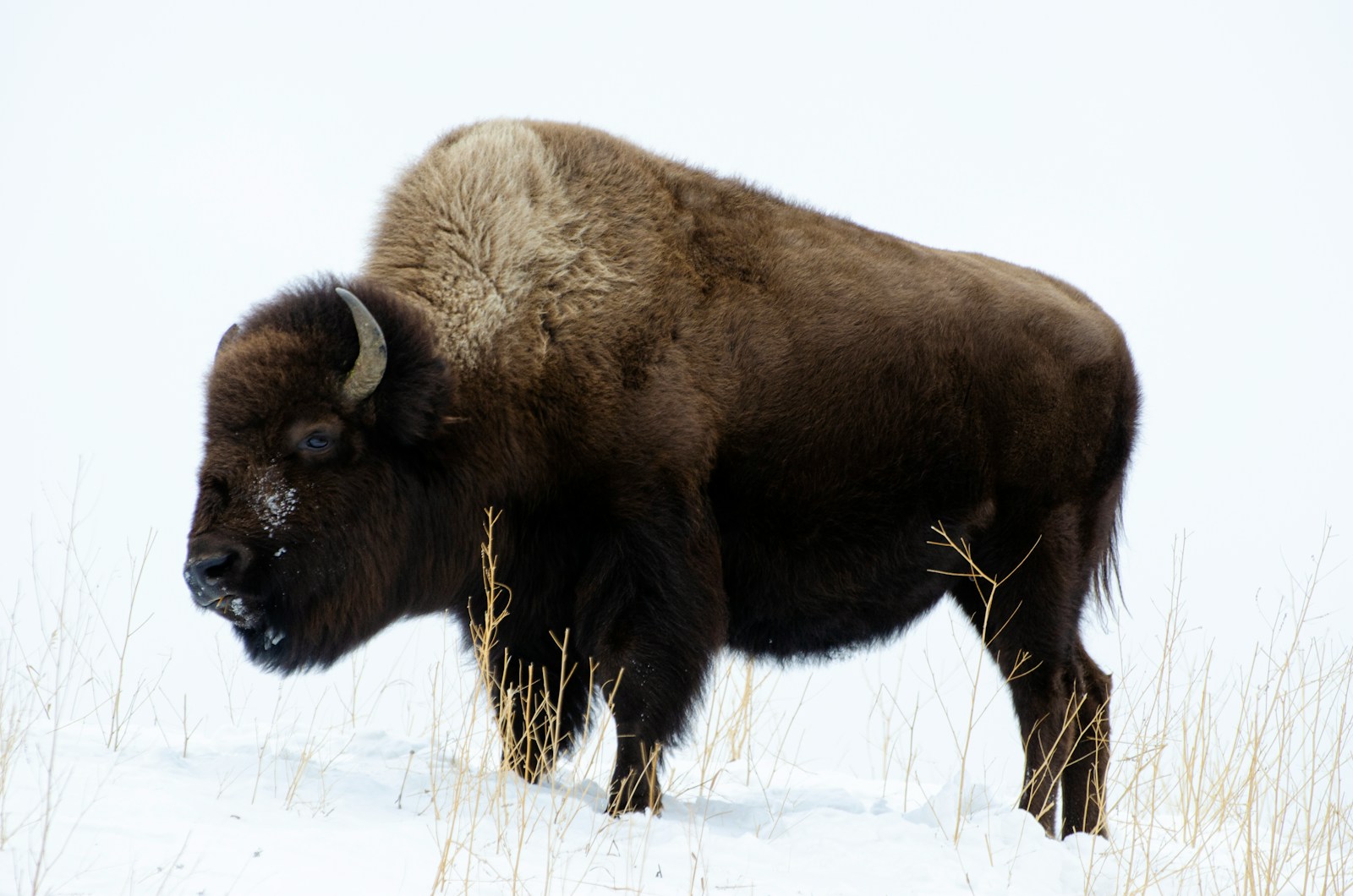
Across the snow-covered plains of North America, American bison have perfected survival strategies for harsh winter conditions that would challenge even the most adaptable creatures. Among their most remarkable adaptations is their distinctive hump, which serves as more than just a physical identifier—it’s a specialized tool for winter survival. While many people mistakenly believe the hump contains fat reserves like a camel’s, bison humps actually consist of powerful muscles attached to elongated vertebrae, creating a biological snowplow that allows these massive creatures to move through deep snow with surprising efficiency. This remarkable adaptation has helped bison thrive in some of the continent’s most challenging environments for thousands of years, demonstrating nature’s ingenious solution to the problem of winter mobility for large herbivores.
The Anatomical Structure of a Bison’s Hump
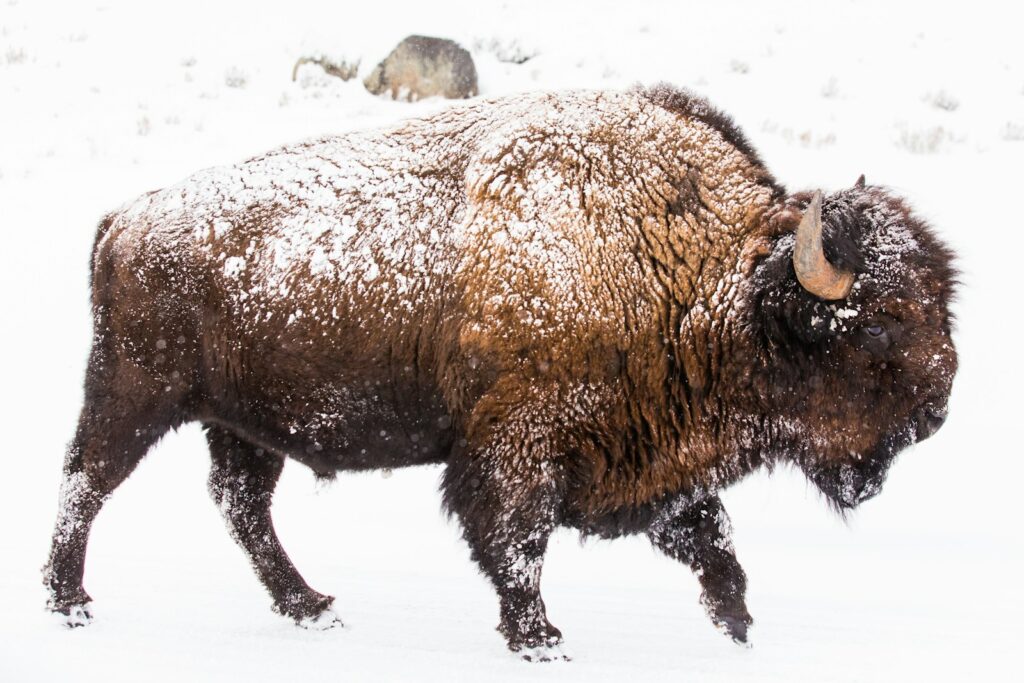
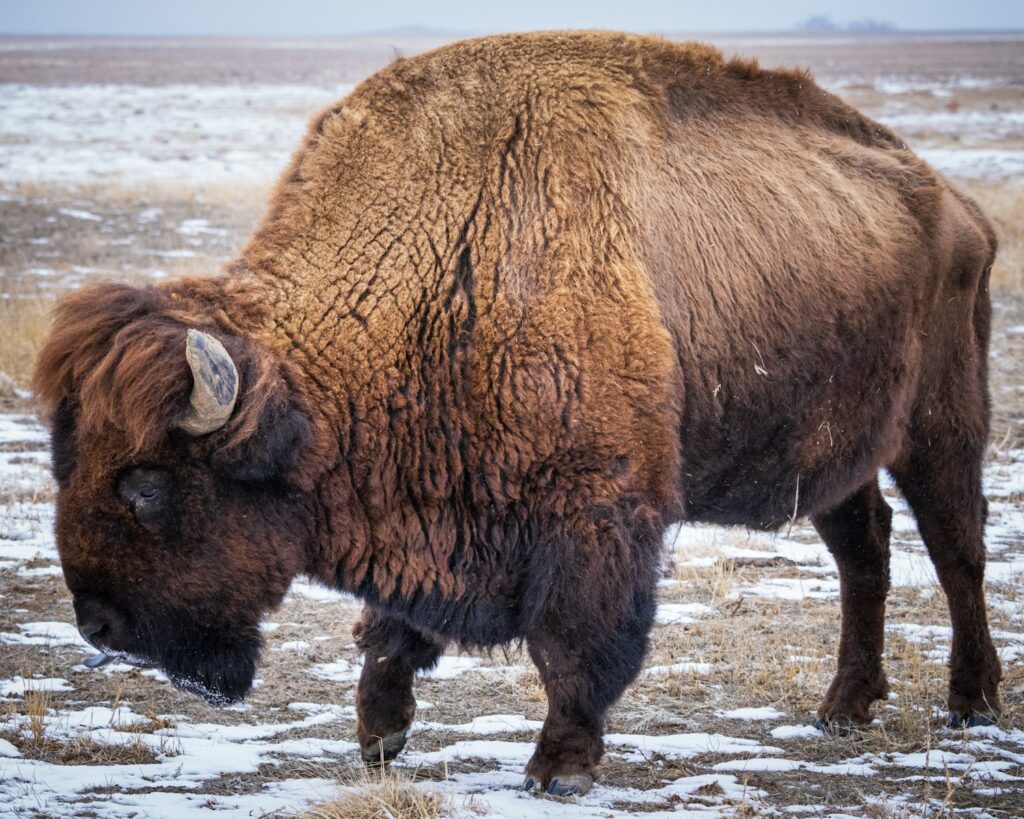
Unlike camels whose humps store fat, a bison’s hump is primarily composed of powerful muscles supported by elongated vertebral spines of the thoracic vertebrae. These muscles, known as the spinalis and semispinalis, form what biologists call the “nuchal ligament complex” that extends from the back of the skull down along the spine. The vertebral spines in the shoulder region can reach up to 20 inches in length, creating the framework for the distinctive hump shape. This muscular structure provides extraordinary strength to the head and neck movements, allowing bison to use powerful side-to-side and forward motions. The hump’s positioning directly over the bison’s front shoulders creates the perfect leverage point for the animal to exert maximum force when pushing forward through resistant materials like deep snow.
Evolution of the Bison’s Snow-Plowing Adaptation
The bison’s distinctive hump evolved as a direct response to the challenging environments of North America’s grasslands, particularly during the harsh winter months. Archaeological and paleontological evidence suggests that this adaptation developed over thousands of years as bison ancestors faced increasingly severe winter conditions during various ice ages. Unlike deer or elk that tend to yard up or remain in forested areas during heavy snowfall, bison evolved to actively move through snowy landscapes in search of food. Natural selection favored individuals with stronger shoulder muscles and more prominent humps, as they could access forage buried under snow that other animals couldn’t reach. This evolutionary advantage became particularly important approximately 10,000 years ago as modern bison species became established across the Great Plains, where winter survival depended on the ability to maintain mobility despite deep snowpack.
The Mechanics of Snow Plowing
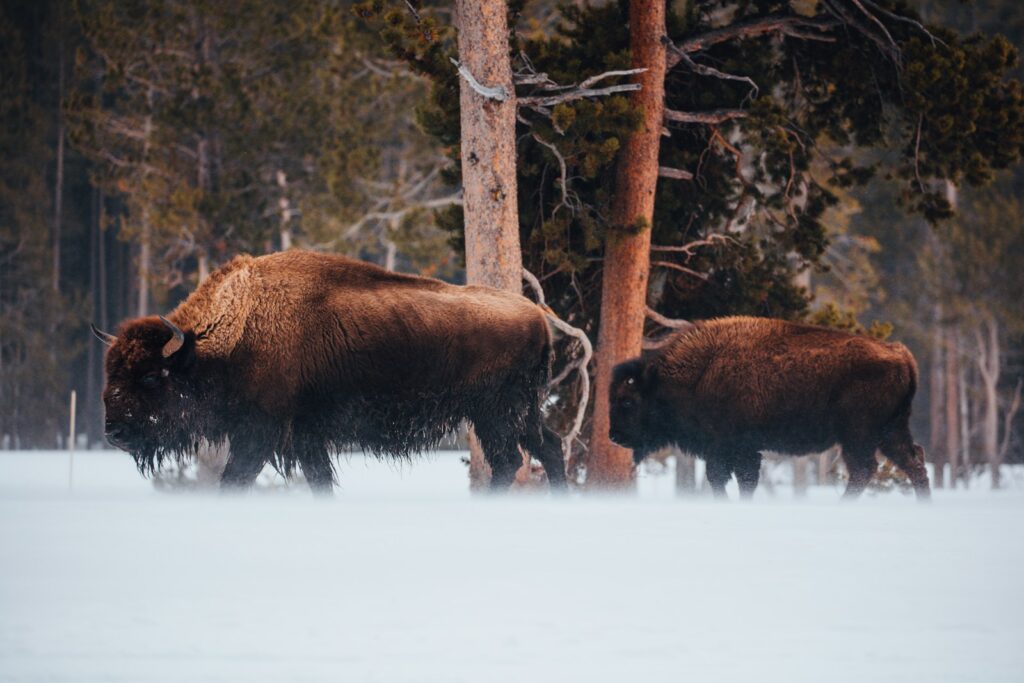
When a bison encounters deep snow, it employs a specific technique that utilizes its unique anatomy to maximum effect. The animal lowers its massive head, which can weigh up to 200 pounds in adult males, and uses it as the initial point of contact with the snowpack. The bison then engages its powerful hump muscles to generate a rocking, side-to-side motion while pushing forward. This combined action creates a sweeping, plowing effect that efficiently clears a path through snow that may be several feet deep. The animal’s relatively narrow hindquarters follow through the cleared path, creating a distinctive trench-like formation in the snow. Researchers have documented bison plowing through snow as deep as four feet using this technique, maintaining mobility in conditions that would immobilize most other large mammals.
Energy Conservation Benefits
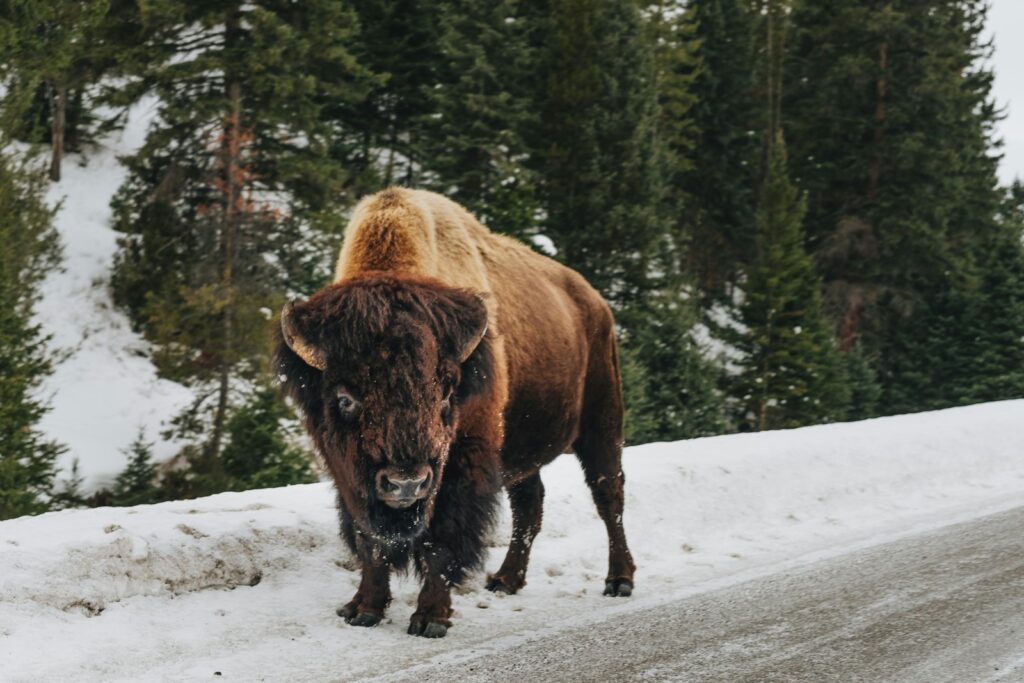
The bison’s snow-plowing adaptation provides significant energy conservation benefits during the challenging winter months when caloric resources are scarce. By efficiently moving through snow rather than expending energy to jump or bound through it, bison conserve precious energy reserves. Research conducted at Yellowstone National Park found that bison using their plowing technique expend approximately 25% less energy traveling through deep snow compared to elk of similar size. This energy efficiency becomes critically important during harsh winters when forage is limited and the animals are already operating on reduced caloric intake. The adaptation allows bison to maintain larger winter ranges, accessing scattered food sources that would otherwise be inaccessible, all while maintaining a favorable energy balance that helps them survive until spring.
Group Benefits: The “Follow the Leader” Strategy
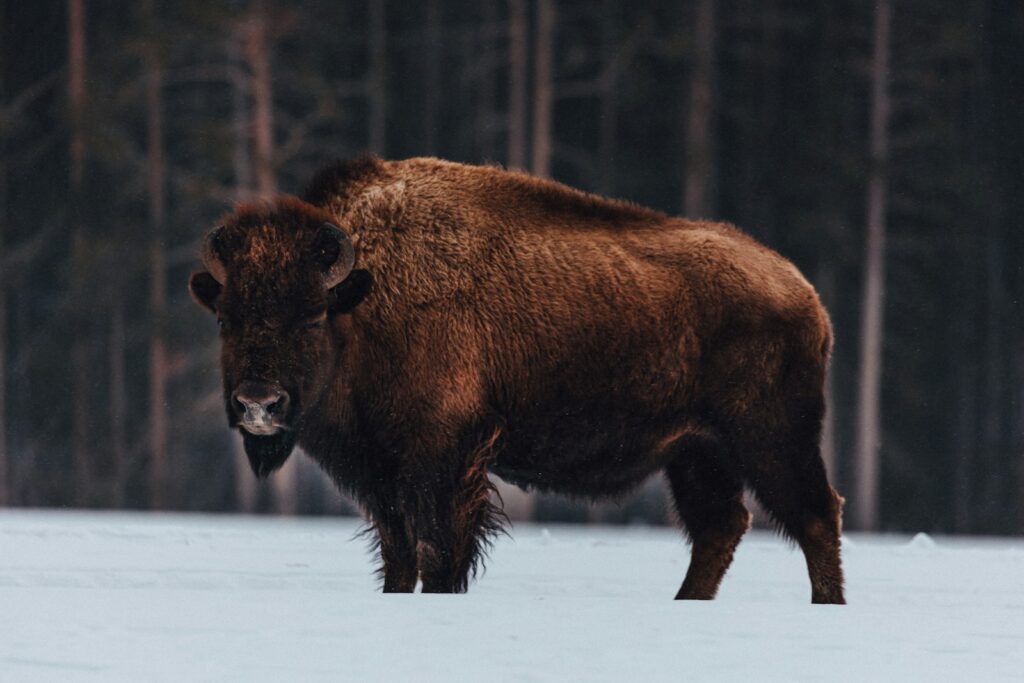
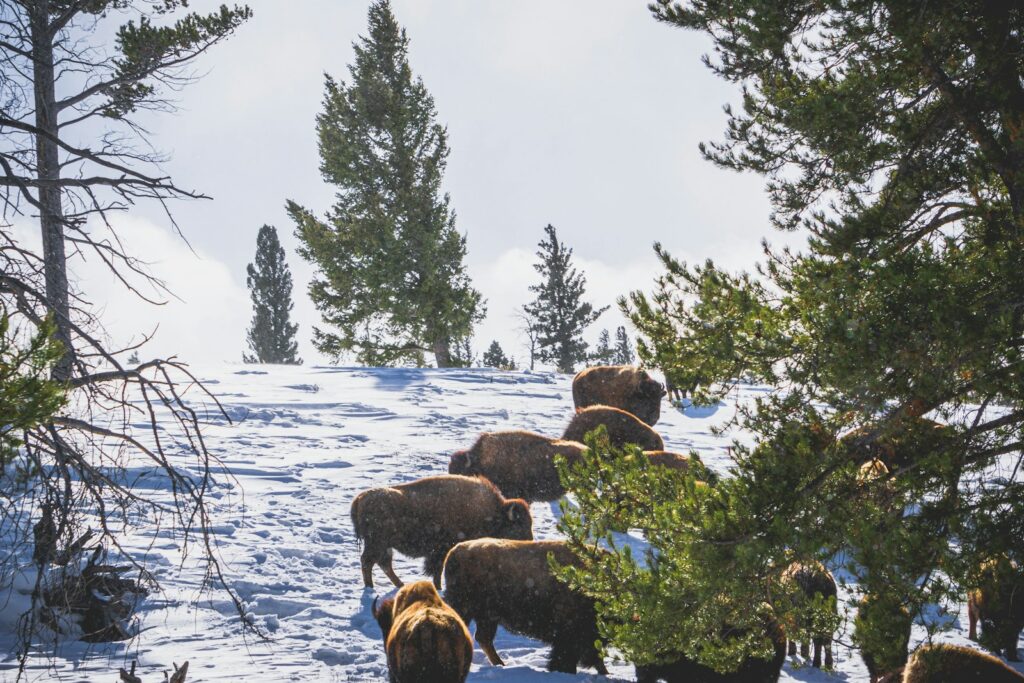
Bison have developed a cooperative strategy that multiplies the effectiveness of their snow-plowing adaptation through group behavior. When moving through exceptionally deep snow, bison often travel in single file, with the largest, most powerful individuals (typically dominant males) taking the lead position to break the initial trail. This lead animal expends considerable energy creating the path, but subsequent bison following behind benefit from the cleared trail, conserving their own energy reserves. Field observations have documented regular rotation of the lead position in bison herds moving through deep snow, suggesting a cooperative system that distributes the energy-intensive work of breaking trail. This collaborative approach allows even younger, smaller, or pregnant females to navigate efficiently through deep snow by utilizing the paths created by the herd’s strongest members.
Seasonal Changes in the Hump
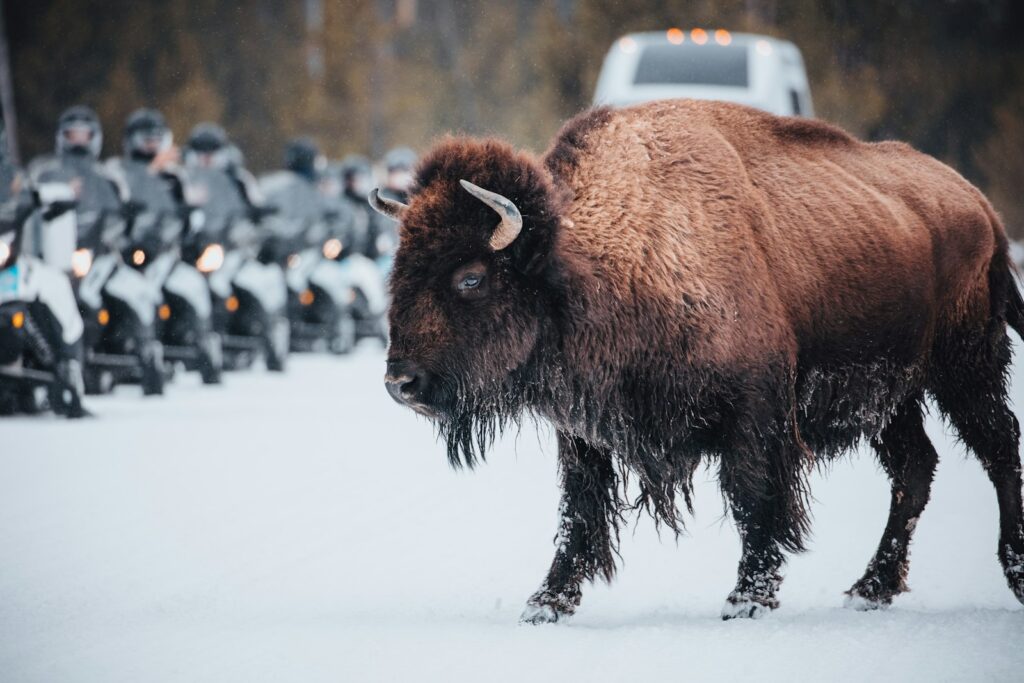
The bison’s hump undergoes noticeable seasonal changes that align with winter survival needs. During summer and fall months when food is abundant, bison build up not only fat reserves throughout their bodies but also additional muscle mass in the hump region. This muscle development is fueled by the protein-rich summer diet and prepares the animal for the physical demands of winter snow plowing. Wildlife biologists have documented measurable increases in hump size during the pre-winter months, with adult males showing the most dramatic seasonal growth. During harsh winters, the hump may appear to shrink slightly as the animal utilizes stored energy and experiences some muscle atrophy from restricted nutrition. This seasonal fluctuation in hump size represents a visible indicator of the bison’s physiological preparation for winter survival challenges.
Comparison to Other Large Mammals’ Snow Strategies
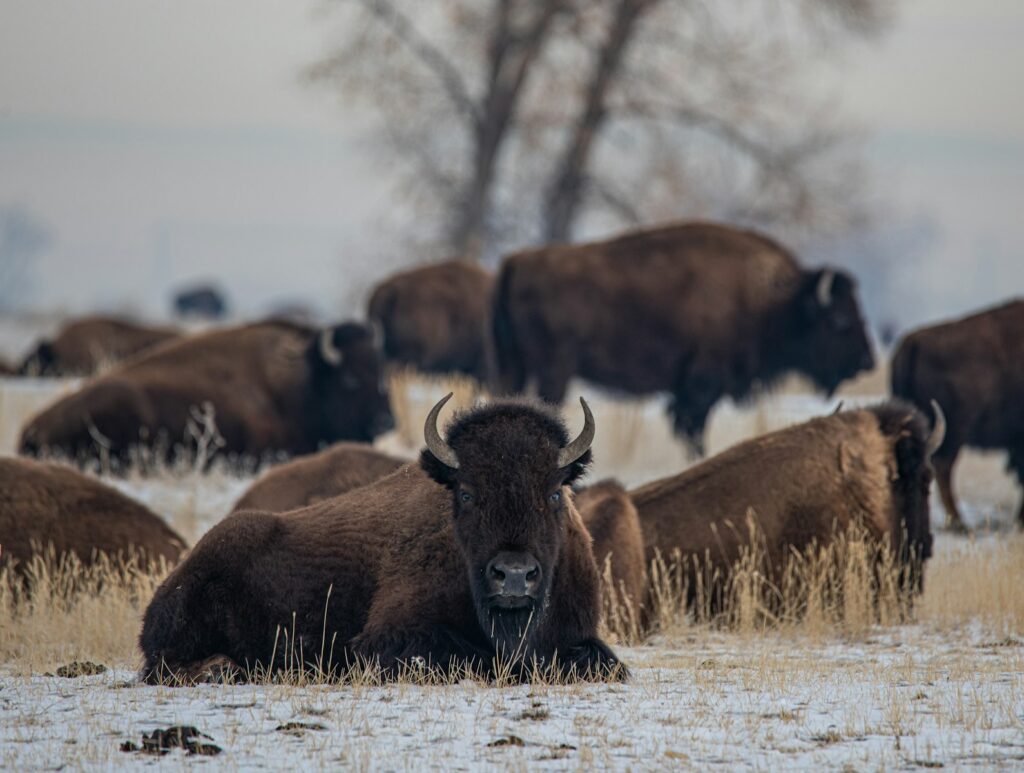
The bison’s snow-plowing adaptation stands in stark contrast to the winter strategies employed by other large North American mammals. Moose, with their exceptionally long legs, adopt a high-stepping approach to move through deep snow, essentially walking over rather than through it. Elk and deer typically avoid deep snow altogether by migrating to lower elevations or seeking shelter in forested areas where snowpack is reduced by tree cover. Caribou possess specially adapted wide hooves that function as snowshoes, distributing their weight to prevent sinking. The bison’s approach of actively plowing through snow represents a unique evolutionary solution not seen in other ungulates. This distinctive adaptation allowed bison to exploit the open prairie environments during winter when other large herbivores retreated to more sheltered habitats, giving them access to the remaining grasses and sedges buried beneath the snow.
How Bison Find Food Under Snow
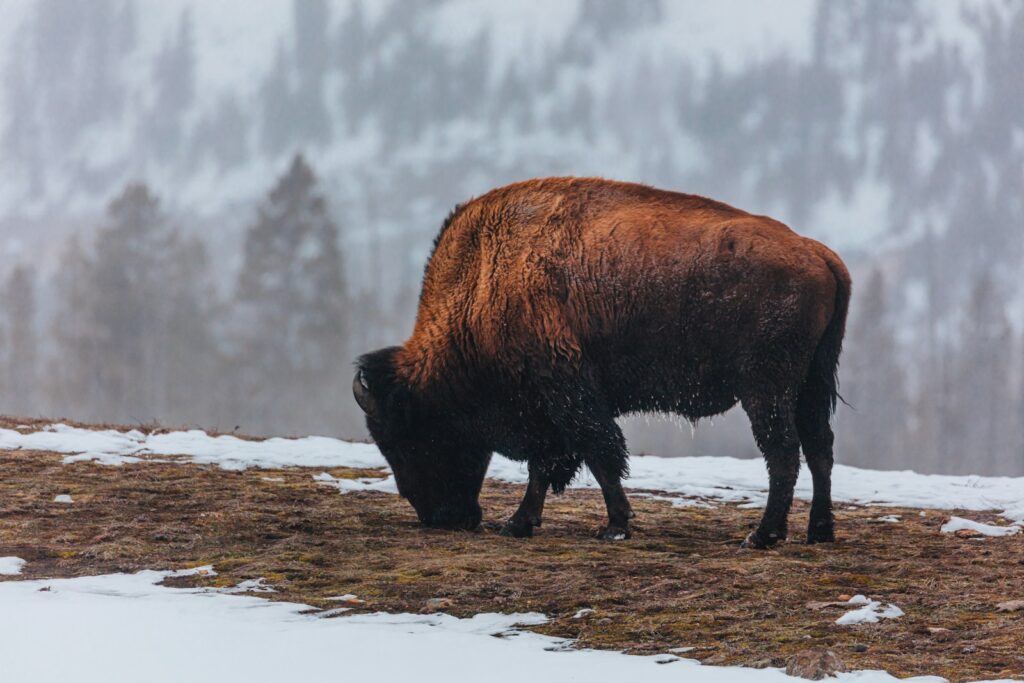
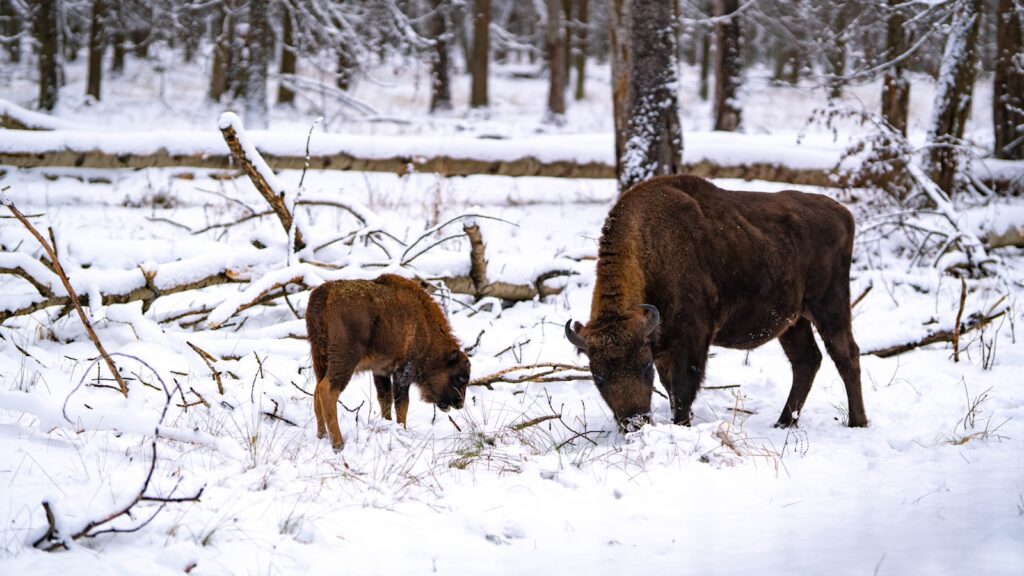
After successfully plowing through snow, bison employ remarkable techniques to locate and access food buried beneath the white blanket. They use their acute sense of smell to detect grasses and sedges under snow layers up to three feet deep, sometimes sniffing intently at the snow surface before beginning to plow. Once they’ve cleared an area of deep snow using their hump-powered plowing technique, bison use their broad, flat muzzles to sweep away remaining snow, exposing the vegetation beneath. In particularly challenging conditions, they may employ a behavior called “cratering,” where they use their hooves and face to dig circular depressions in the snow to reach buried forage. Research has shown that bison are remarkably efficient at finding nutritious plant material even when it’s completely obscured by snow, maintaining winter diets that consist primarily of dried grasses that retain surprising nutritional value despite their dormant state.
Thermal Advantages of the Hump
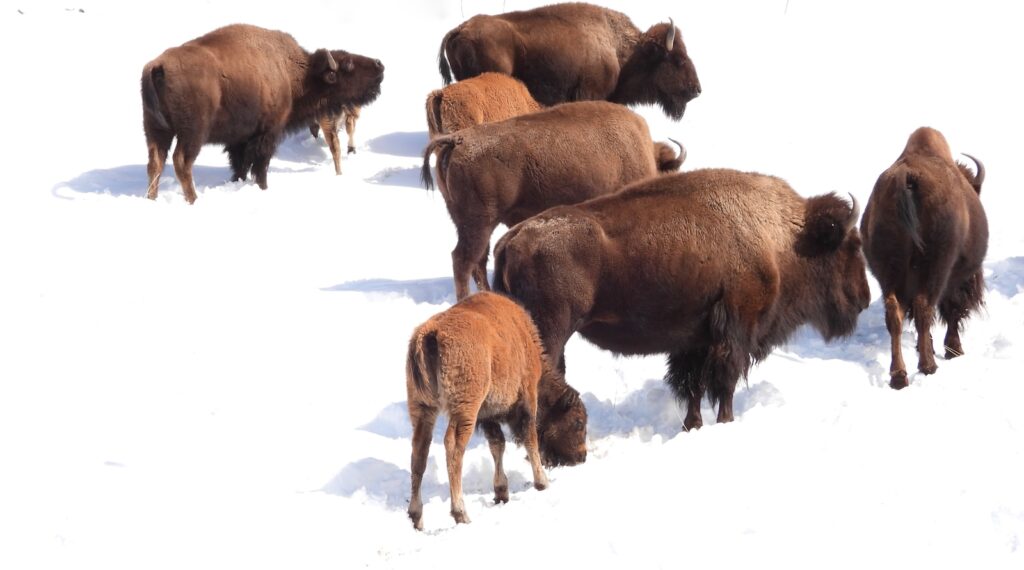
Beyond its snow-plowing function, the bison’s hump provides important thermal advantages during harsh winter conditions. The large muscle mass generates significant metabolic heat during physical activity, which helps warm the animal’s core during cold weather. The hump’s position directly behind the head creates a heat-generating center close to vital organs and major blood vessels in the neck region. This strategic placement helps maintain warm blood flow to the brain, which is crucial for survival in sub-zero temperatures. Additionally, the hump’s profile presents less surface area to cold winds compared to a more evenly distributed muscle structure would, reducing heat loss through convection. These thermal benefits complement the mechanical advantages of the hump, making it a multifunctional adaptation perfectly suited to the challenges of northern winters.
Sexual Dimorphism in Hump Development
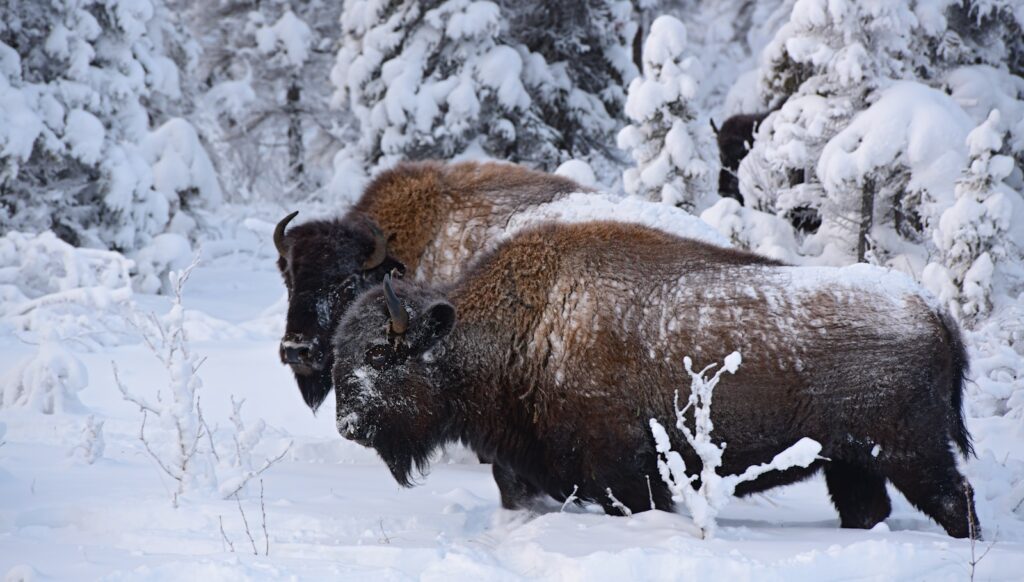
Male and female bison exhibit noticeable differences in hump size and development, reflecting their different roles in winter survival strategies. Adult males (bulls) typically develop substantially larger and more prominent humps than females (cows), with the muscle mass sometimes appearing up to 40% larger by volume. This sexual dimorphism becomes particularly evident during the winter months when the animals’ heavy coats are fully developed. The enhanced hump development in males correlates with their frequent role as trail-breakers in deep snow, particularly during the post-rut winter period when males often travel separately from cow-calf groups. Female bison, while having smaller humps, still possess significant snow-plowing capabilities that exceed those of similarly sized mammals. This difference in hump development represents one of the most visible examples of sexual dimorphism in North American mammals and directly relates to each sex’s winter ecological niche.
Historical Observations of Bison Winter Behavior
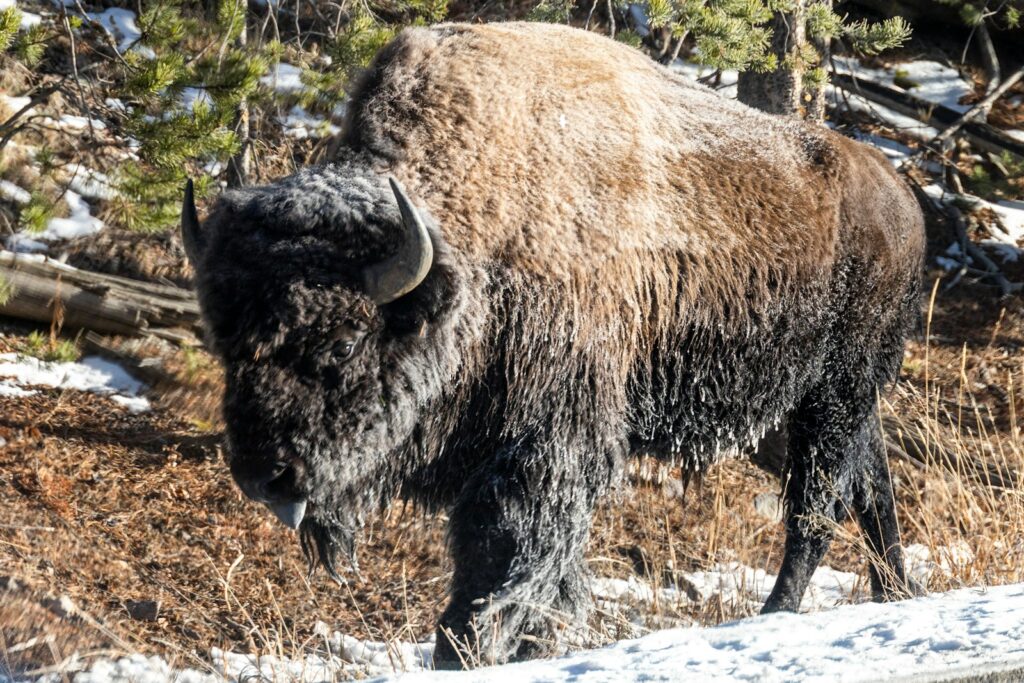
Early accounts from explorers, trappers, and Native American sources provide fascinating historical documentation of bison snow-plowing behavior. Lewis and Clark’s journals contain several references to bison trails through deep snow, noting in January 1805 that bison created “roads” through snowdrifts that other animals and even humans could follow. Native American winter counts (pictorial calendars) from plains tribes occasionally depicted bison in deep snow, indicating the cultural significance of this behavior to people who depended on these animals for winter survival. Early wildlife photographer William H. Jackson captured some of the first images of bison plowing through Yellowstone snowfields in the 1870s, providing visual evidence of this adaptation before modern scientific study. These historical observations span centuries and consistently highlight the remarkable ability of bison to maintain mobility in snow conditions that immobilized horses and other domestic livestock, underscoring the evolutionary advantage this adaptation provided.
Modern Research and Scientific Understanding
Contemporary wildlife biologists have employed advanced research techniques to better understand the biomechanics and physiological aspects of bison snow-plowing behavior. Thermal imaging studies conducted in Yellowstone National Park have documented the heat generation in the hump region during active snow plowing, confirming the significant energy expenditure involved in this behavior. Motion-capture analysis has revealed the precise sequence of muscle contractions that power the distinctive rocking motion bison use when moving through resistant snowpack. GPS collar data from bison in multiple northern habitats demonstrates that snow depth affects movement patterns but rarely restricts range entirely, unlike other ungulates whose winter ranges contract dramatically in deep snow conditions. This scientific understanding has important implications for bison conservation and reintroduction efforts, as it helps wildlife managers evaluate habitat suitability for this iconic species, particularly in northern regions where winter conditions present significant survival challenges.
Climate Change Impacts on This Adaptation
As climate patterns shift across North America, the bison’s snow-plowing adaptation faces new contexts that may alter its evolutionary advantage. In regions experiencing reduced snowfall and shorter winter periods, the substantial metabolic investment in developing and maintaining large hump muscles may represent an unnecessary energy expenditure. Conversely, areas experiencing more extreme but less predictable winter precipitation may create scenarios where bison face deeper but less consistent snowpack, potentially making their plowing ability even more crucial for survival. Research tracking bison winter movement patterns across different climatic regions suggests the species maintains behavioral plasticity, adjusting their snow-plowing behavior based on actual conditions rather than seasonal timing. This adaptability suggests bison may successfully navigate changing winter conditions, though the energy efficiency advantages of their distinctive hump might shift in relative importance compared to other survival adaptations.
Conservation Implications of Bison Winter Adaptations
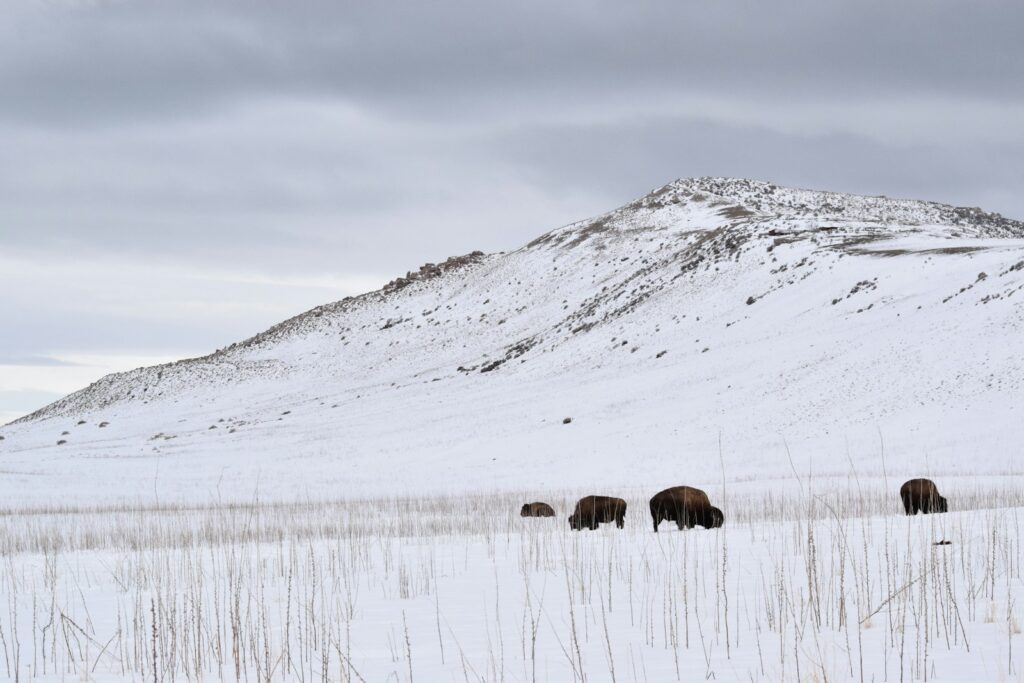
Understanding the bison’s specialized winter adaptations has significant implications for modern conservation efforts aimed at restoring this iconic species across its historical range. Conservation herds reintroduced to northern habitats must have sufficient genetic diversity to maintain the physical traits necessary for winter survival, including proper hump development. Wildlife managers now consider winter snow conditions as a critical factor when evaluating potential reintroduction sites, recognizing that the animals’ ability to utilize their snow-plowing adaptation may determine a herd’s long-term viability. Some conservation programs have incorporated seasonal nutritional supplementation specifically designed to support proper muscle development in the hump region, particularly in newly established herds facing their first winters. The success of bison reintroduction efforts from Yellowstone to Alaska demonstrates that when given appropriate habitat and protection, these animals’ remarkable winter adaptations continue to function effectively even after near-extinction, offering hope for continued recovery of this ecologically important species.
The bison’s specialized hump represents one of nature’s most remarkable adaptations for winter survival in North America’s challenging environments. Far more than a distinctive physical feature, this muscular structure enables a survival strategy that allowed bison to thrive in snowy landscapes where other large herbivores struggled. By efficiently plowing through deep snow to access buried vegetation, bison carved out an ecological niche that supported vast herds across the continent for thousands of years. Today, as conservation efforts restore bison to portions of their historical range, this snow-plowing adaptation continues to demonstrate its effectiveness. The sight of bison moving purposefully through snowy landscapes, their humps powering them forward through seemingly impassable drifts, stands as a powerful reminder of the ingenious ways evolution shapes animals to meet environmental challenges.